Artwork
Der junge Abel
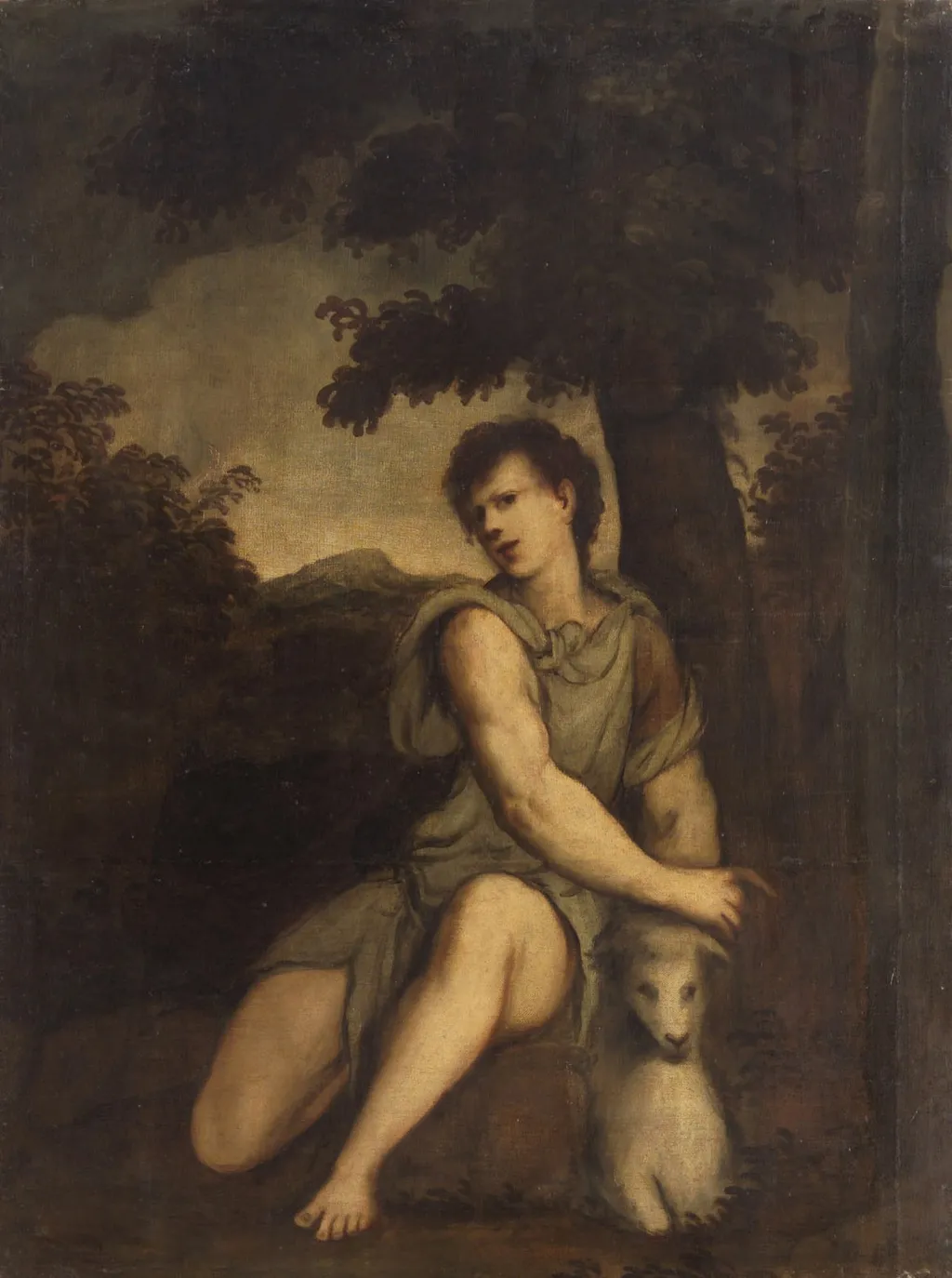
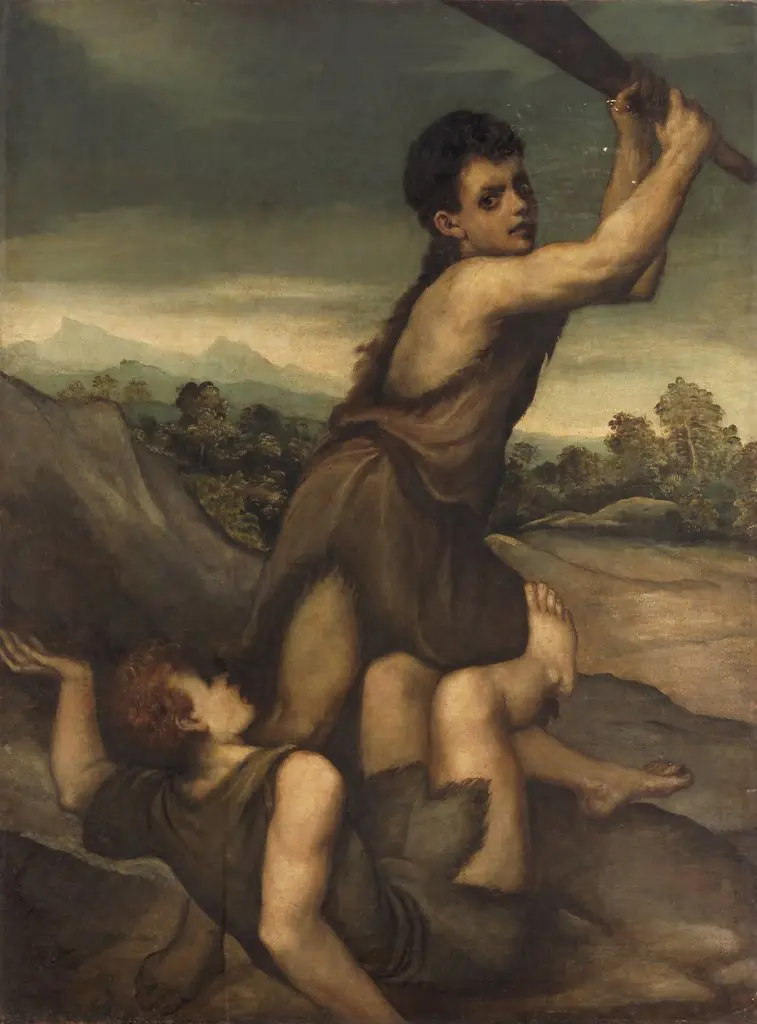
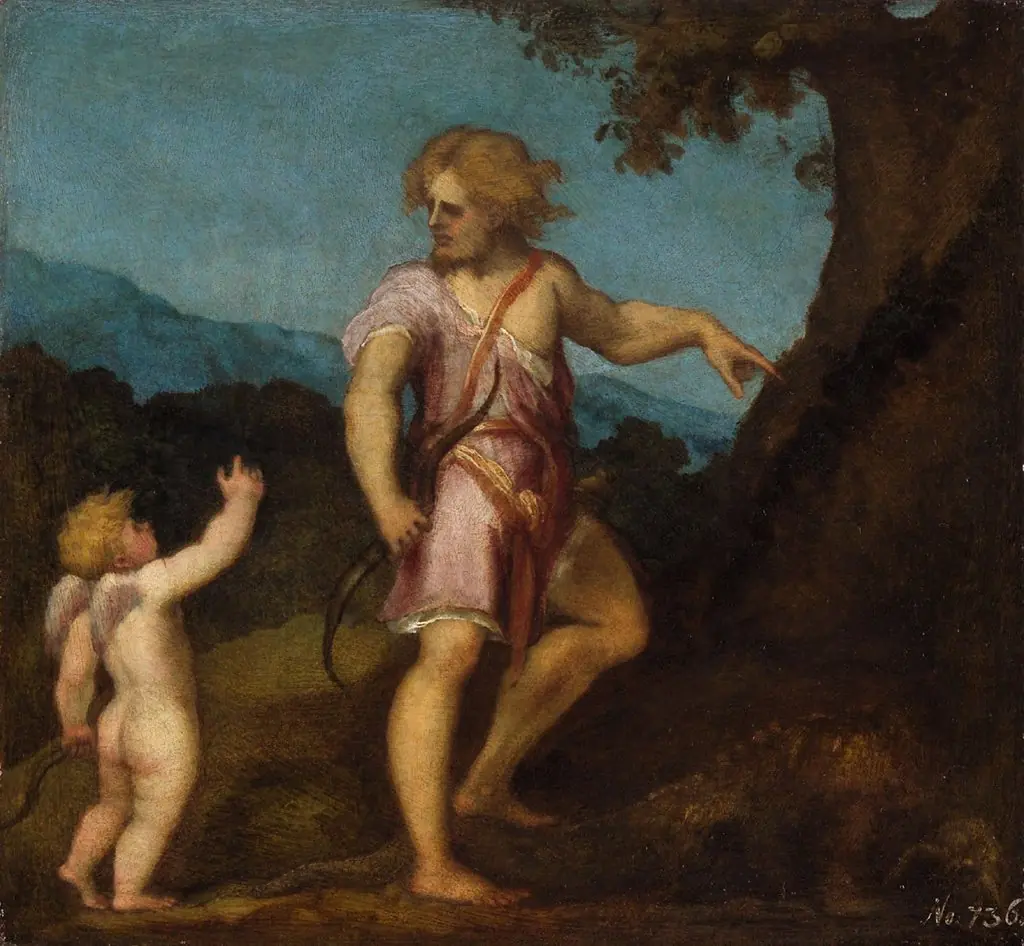
Der junge Abel is an unspecified painting by the Mannerist artist Andrea Schiavone. It dates from 1555 and is held in the collection of the Kunsthistorisches Museum.
About this work
Overview
Andrea Schiavone’s *Der junge Abel*, executed in 1555, is a small religious painting now held by the Kunsthistorisches Museum in Vienna.
Andrea Schiavone’s *Der junge Abel*, executed in 1555, is a small religious painting now held by the Kunsthistorisches Museum in Vienna. The work presents the biblical figure Abel as a youthful, barefoot figure seated outdoors, accompanied by a small dog at his feet. The composition is set against a muted landscape of trees and a faint sky, allowing the central figure to dominate the visual field.
Subject & Meaning
The painting portrays Abel, the second son of Adam and Eve, at an early stage of life, emphasizing his innocence and vulnerability. By depicting him as a young, unclothed figure, Schiavone underscores the pastoral simplicity associated with Abel’s role as a shepherd, while the presence of the dog may allude to loyalty and the pastoral setting of the biblical narrative.
Technique & Style
Schiavone employs a pronounced chiaroscuro, using strong contrasts between a dark, indistinct background and the illuminated figure to create a three‑dimensional effect. The rendering of skin and fabric shows careful modelling, while the drapery falls in a mannered, slightly elongated fashion typical of mid‑sixteenth‑century Venetian Mannerism. The palette is restrained, allowing the subtle tonal shifts to convey texture and depth.
History & Provenance
Born Andrea Meldolla in Dalmatia, Schiavone worked primarily in Venice, where he absorbed the influence of Titian and the prevailing Venetian colorism. *Der junge Abel* entered the collection of the Kunsthistorisches Museum in the early twentieth century, though its earlier ownership records are sparse. The painting reflects Schiavone’s dual practice as a painter and etcher, merging Mannerist elegance with Venetian naturalism.
Context
The work belongs to a period when Venetian artists were integrating Mannerist stylisation with the rich colour and atmospheric effects of the High Renaissance. Schiavone’s approach illustrates this synthesis, combining elongated forms and expressive poses with a realistic handling of light. The painting thus exemplifies the transitional aesthetic that characterized Venetian art in the 1550s.
Artist & collection
Artist
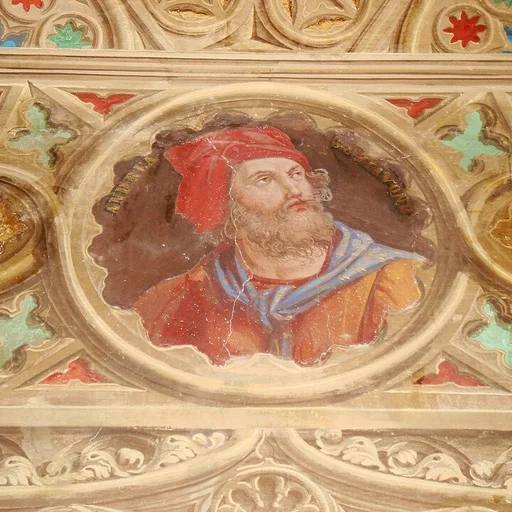
Andrea Meldolla (Croatian: Andrija Medulić), also known as Andrea Schiavone or Andrea lo Schiavone, literally "Andrew the Slav", (c.

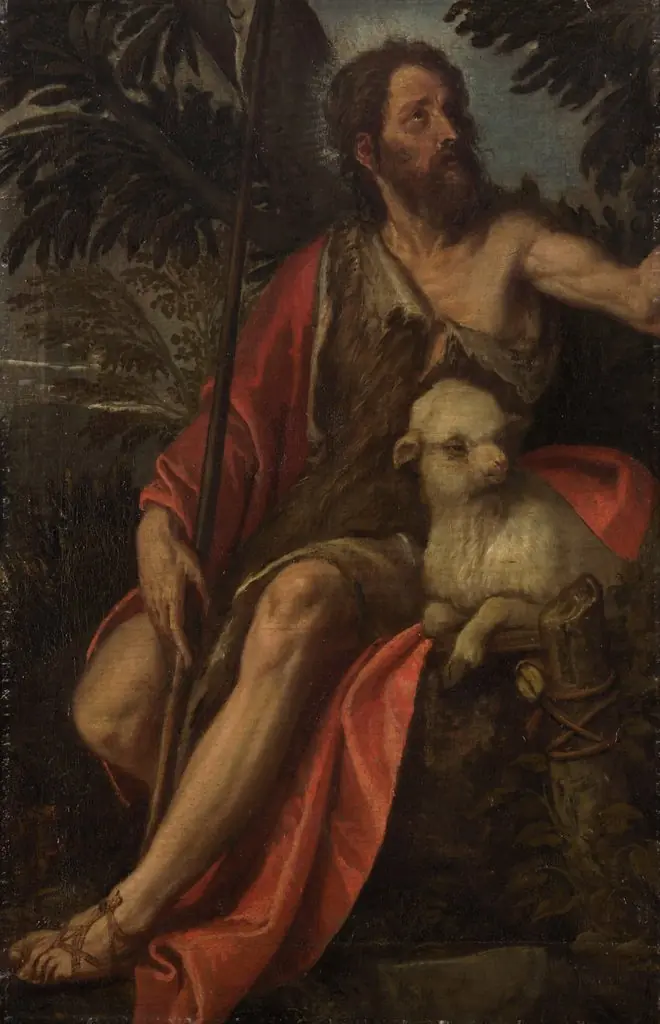 Saint John the Baptist
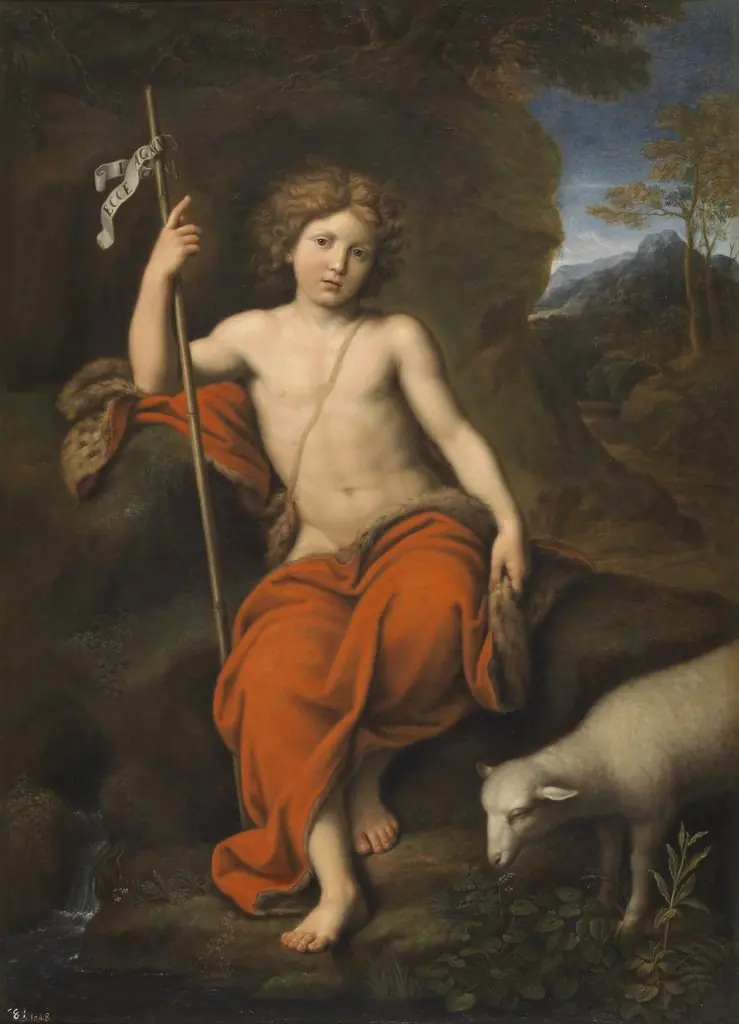 Saint John the Baptist
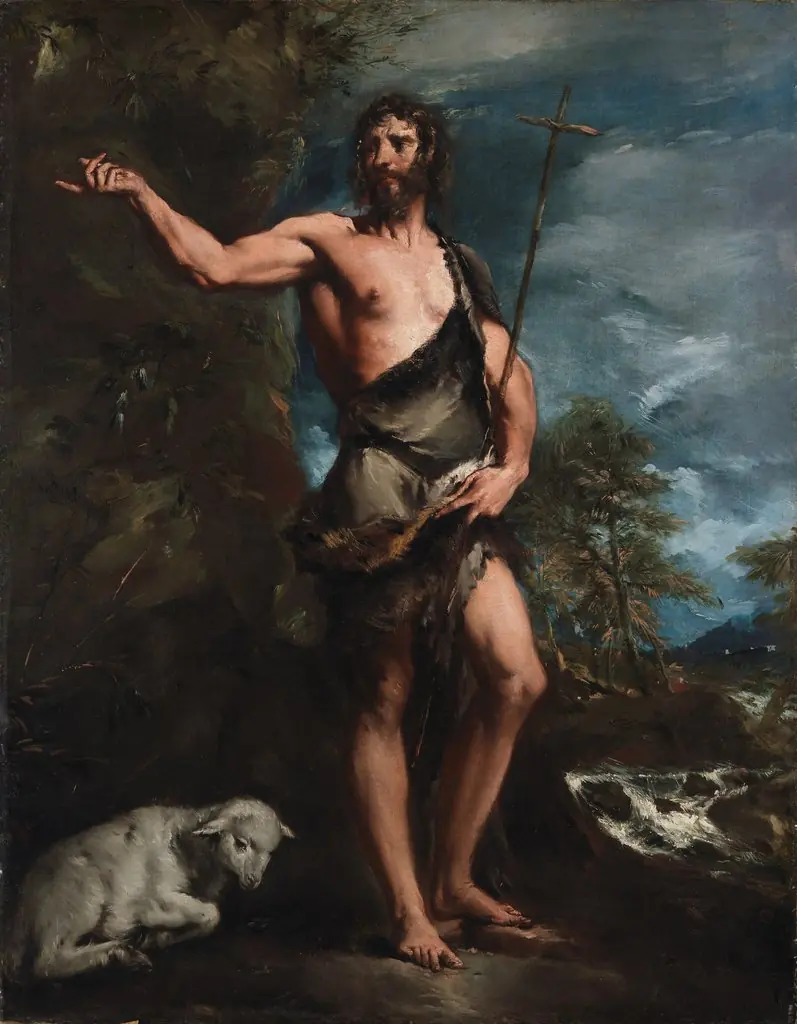 Saint John the Baptist in the Wilderness
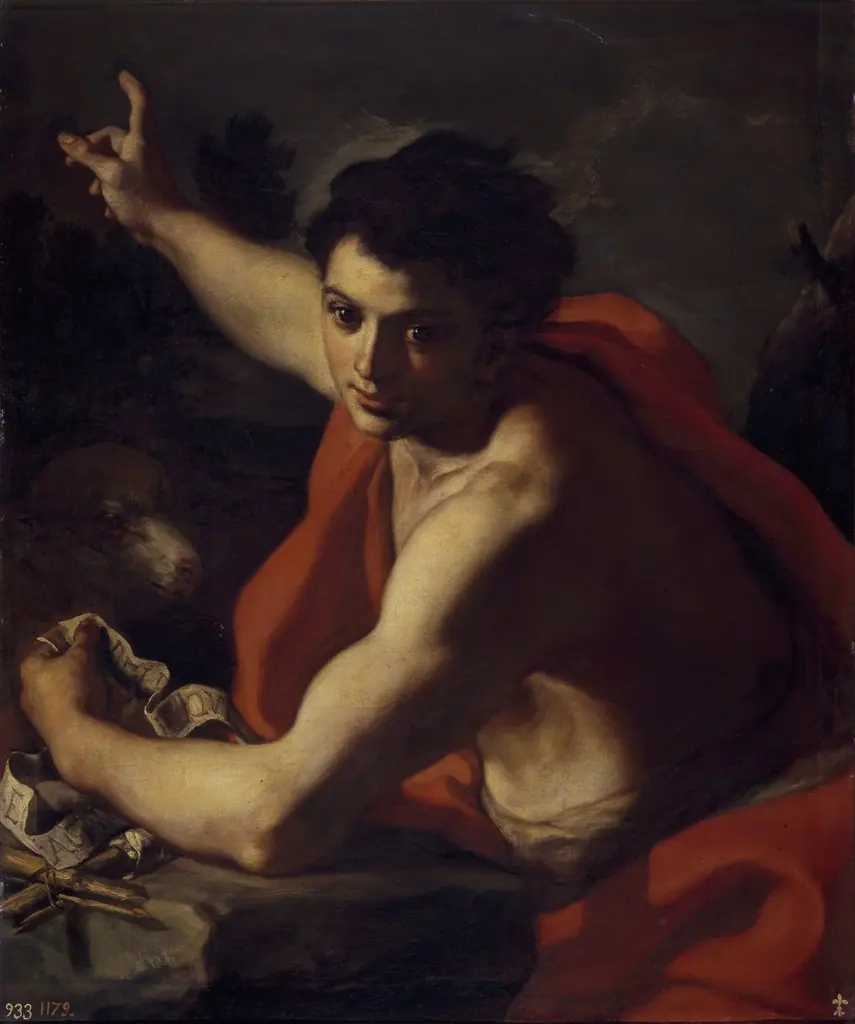 Saint John the Baptist
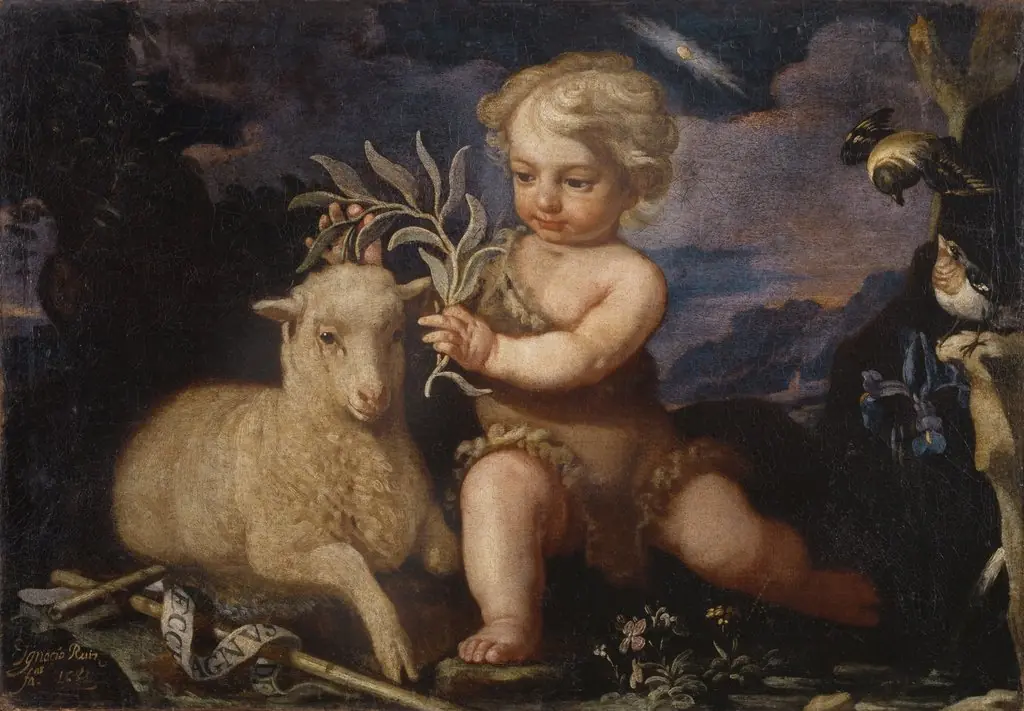 The Infant Saint John the Baptist with the Lamb
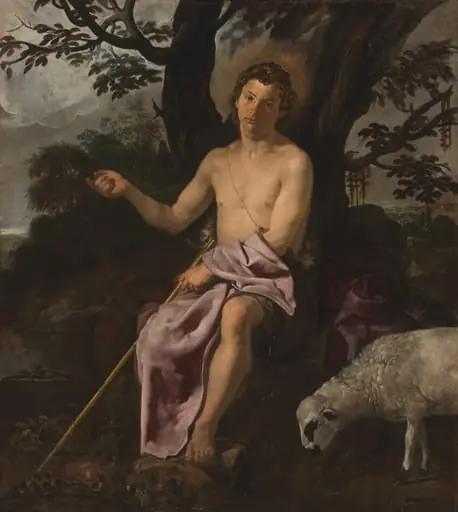 Saint John the Baptist in the Wilderness
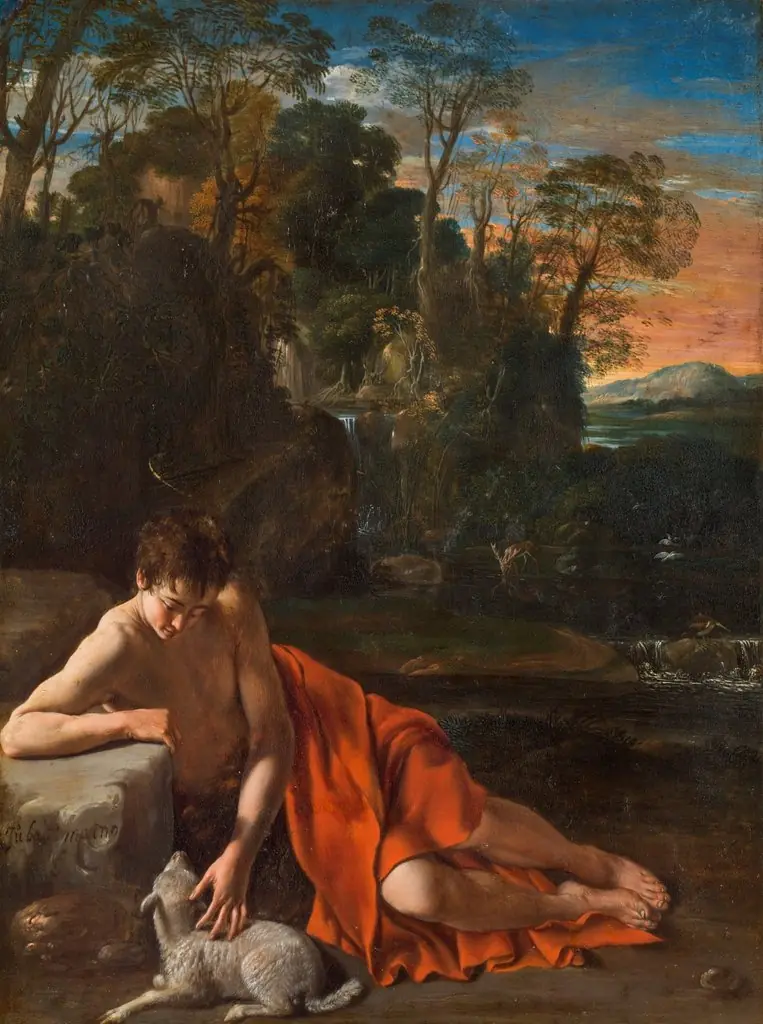 Saint John the Baptist
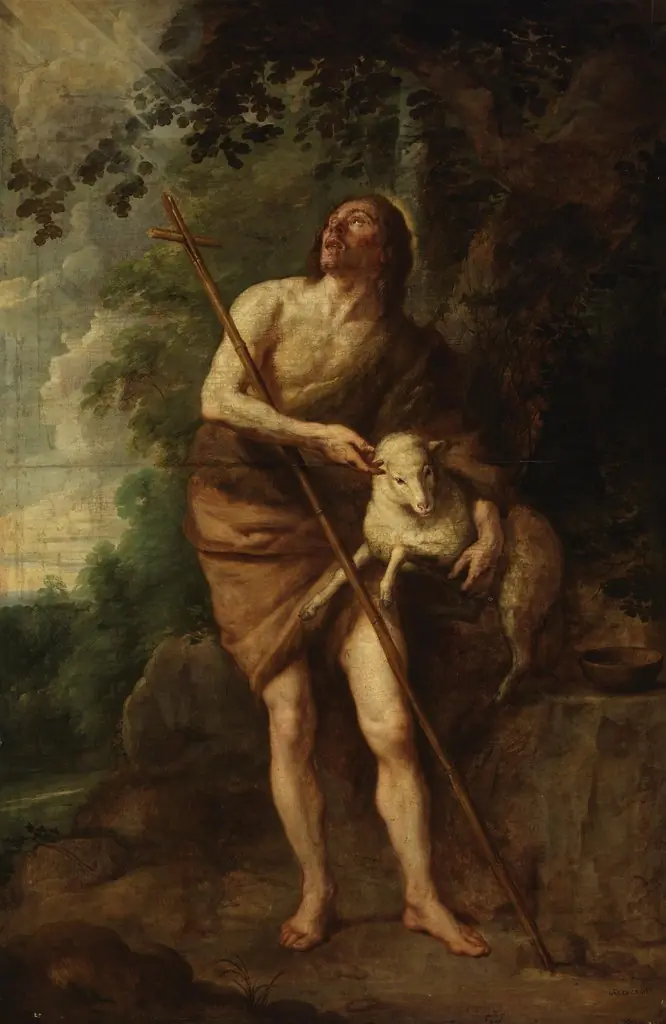 Saint John the Baptist
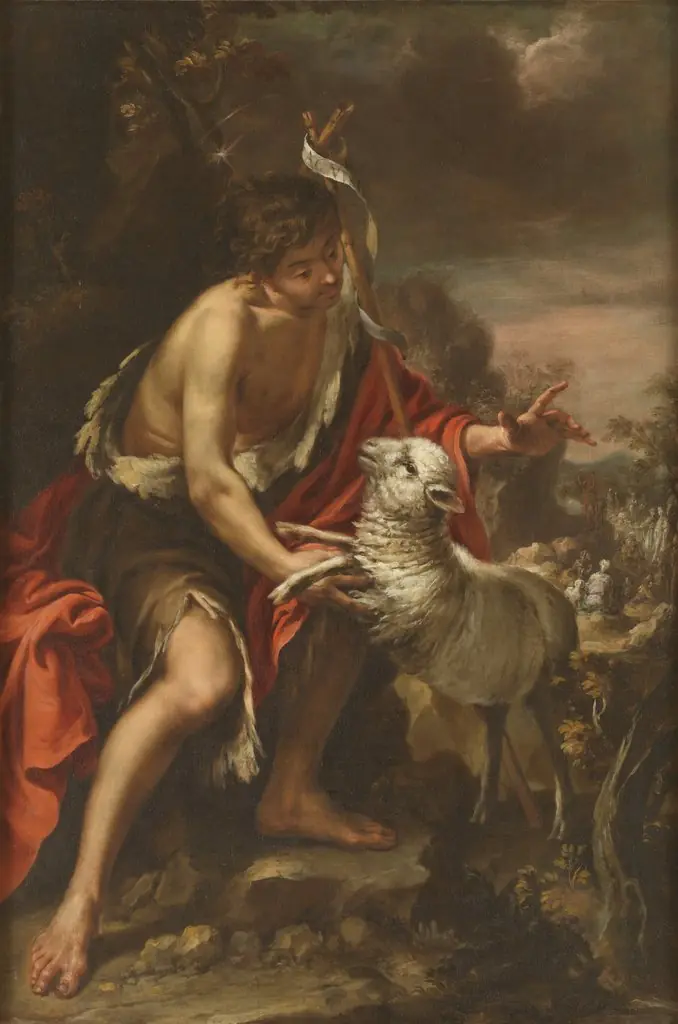 Saint John the Baptist
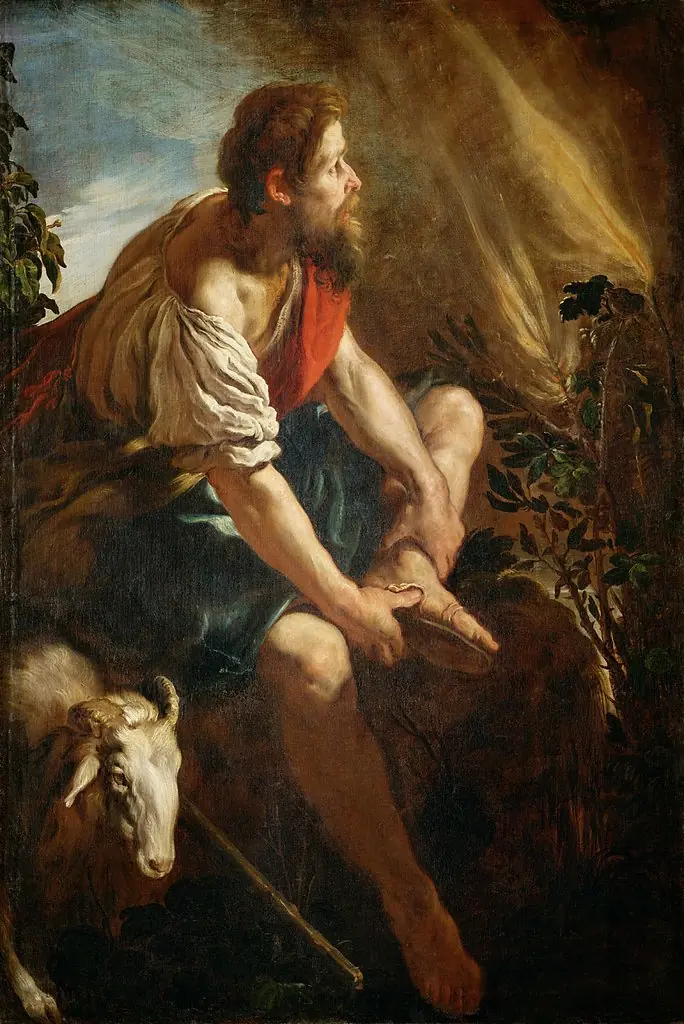 Moses before the Burning Bush
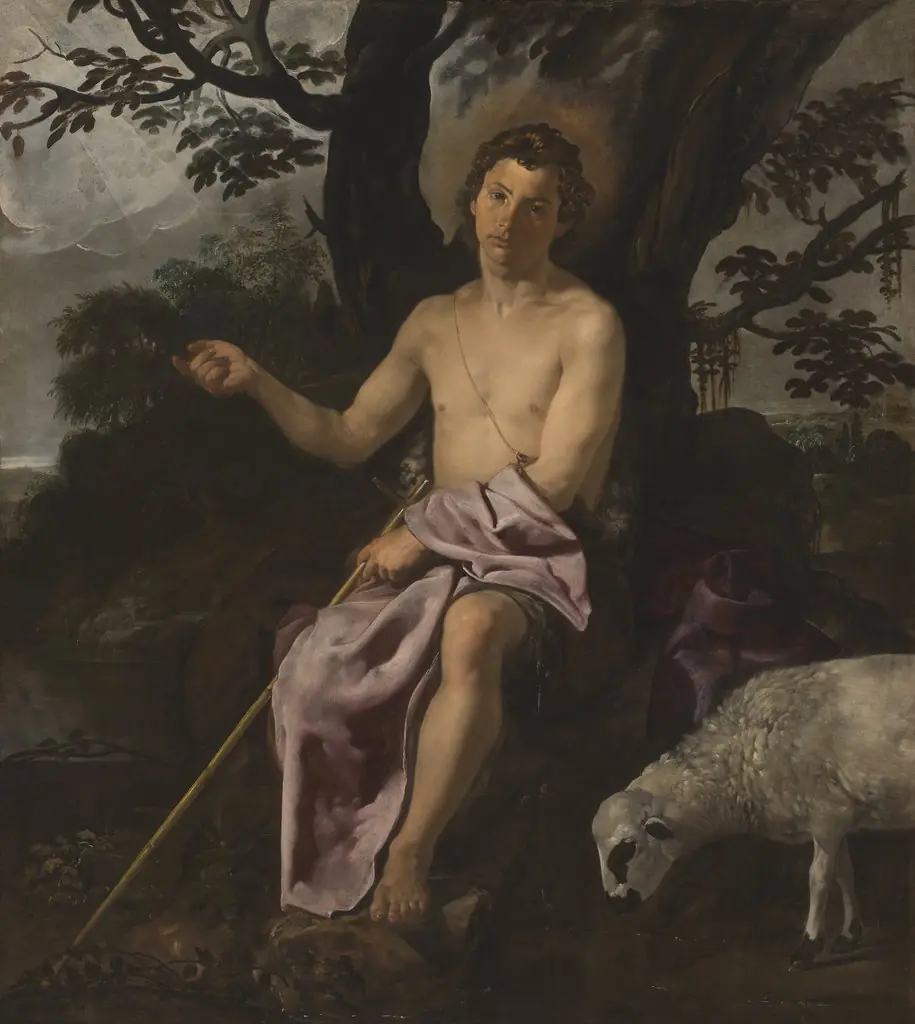 Saint John the Baptist in the Wilderness
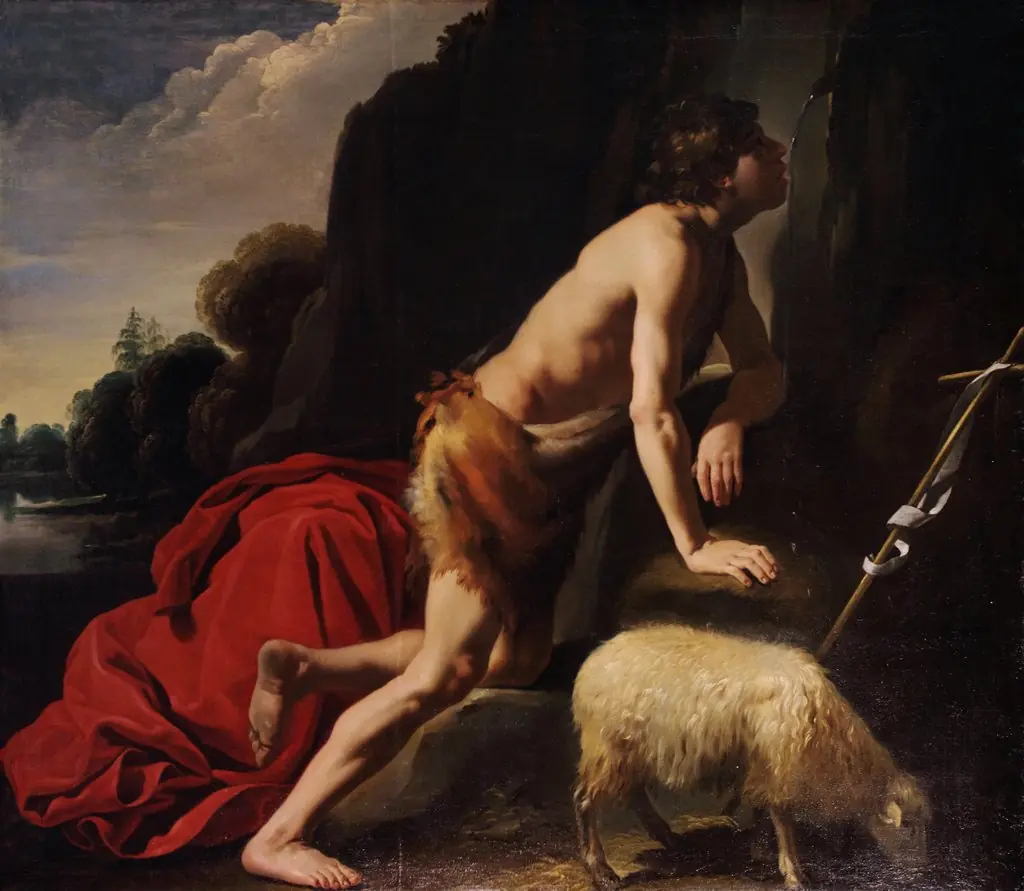 S. John the Baptist