Artwork
María Ana Victoria de Borbón
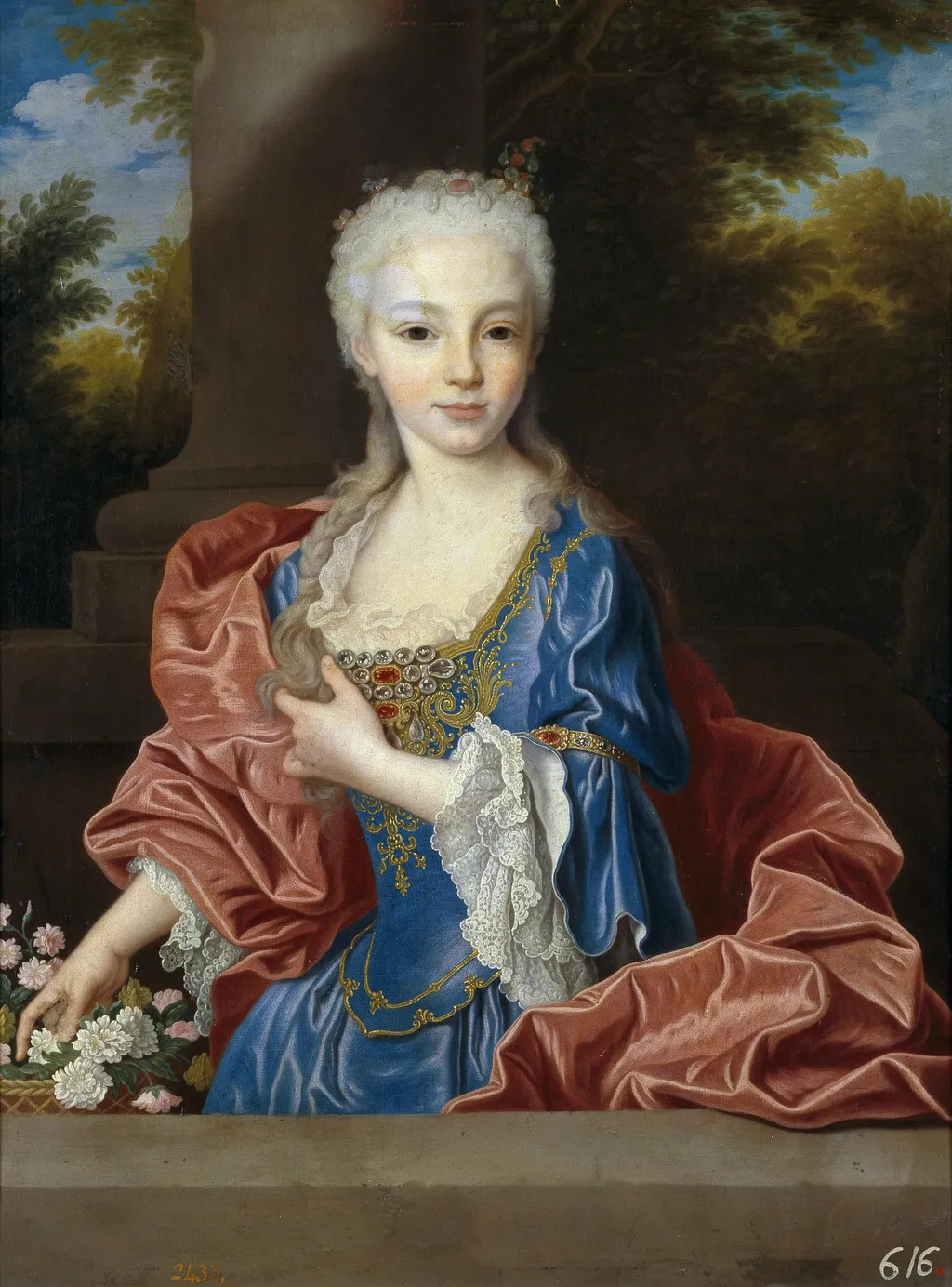
María Ana Victoria de Borbón is an oil painting by the Rococo painting artist Jean Ranc. It dates from 1725 and is held in the collection of the Museo del Prado.
About this work
Overview
The work exemplifies Ranc’s career as a court painter, shaped by his father’s influence and the formal traditions of Hyacinthe Rigaud.
Painted in 1725 by Jean Ranc, this oil portrait depicts María Ana Victoria de Borbón, a Spanish infanta. The work exemplifies Ranc’s career as a court painter, shaped by his father’s influence and the formal traditions of Hyacinthe Rigaud. It reflects the refined aesthetic of early 18th-century European royal portraiture, emphasizing dignity and lineage through controlled composition and luxurious detail.
Subject & Meaning
The subject, a young princess of the Spanish Bourbon line, is portrayed in a moment of quiet composure. Her attire—blue dress with gold embroidery, white lace, and a red cape—signals her royal status. The basket of flowers and draped fabric suggest innocence and aristocratic leisure, reinforcing her role as a dynastic heir. The pose, neither playful nor rigid, balances youth with the gravity of her position.
Technique & Style
Ranc employed smooth brushwork and subtle tonal gradations to render fabric textures and skin with quiet realism. The dark, atmospheric background contrasts with the girl’s luminous garments, drawing focus to her figure. Delicate highlights on lace and embroidery, along with the soft rendering of the sky beyond the trees, reflect Rococo sensibilities without overt ornamentation, maintaining a restrained elegance.
History & Provenance
Commissioned during Ranc’s tenure at the Spanish court, the painting was likely created to document the infanta’s image for diplomatic or familial purposes. It entered the Museo del Prado’s collection in the 19th century, following the consolidation of royal holdings after the Napoleonic Wars. Its preservation reflects its significance as a record of Bourbon lineage and courtly representation.
Context
Ranc’s work emerged during a period when European courts used portraiture to assert dynastic continuity. As a French artist serving in Spain and Portugal, he bridged stylistic traditions, adapting French academic rigor to Spanish royal expectations. This portrait aligns with broader trends in aristocratic imagery, where costume, setting, and posture conveyed political and social authority through visual symbolism.
Legacy
The painting remains a key example of Ranc’s contribution to Iberian court portraiture. While less celebrated than his contemporaries, his ability to merge French technique with Spanish formality influenced later royal image-making. Its presence in the Prado ensures its role as a reference for understanding the visual culture of early 18th-century European nobility.
Artist & collection
Artist
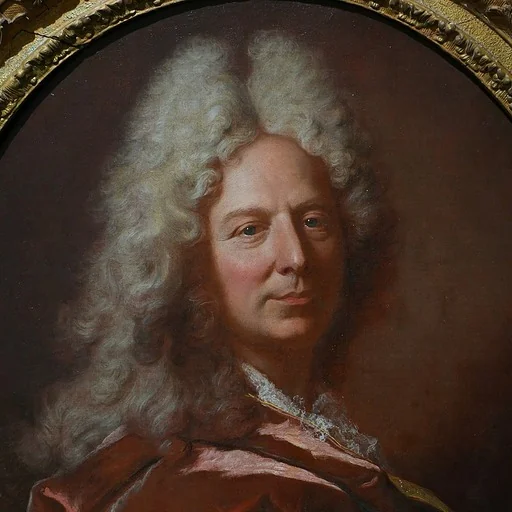
Jean Ranc (28 January 1674 – 1 July 1735) was a French painter, mainly active in portraiture.

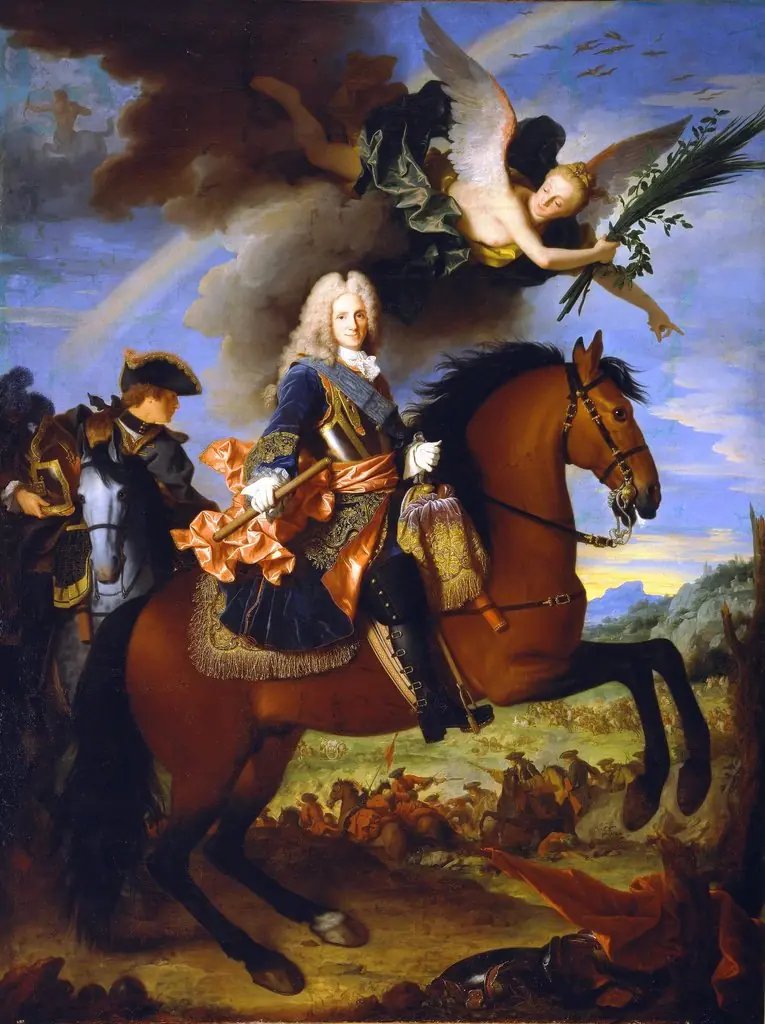 Philip V on Horseback
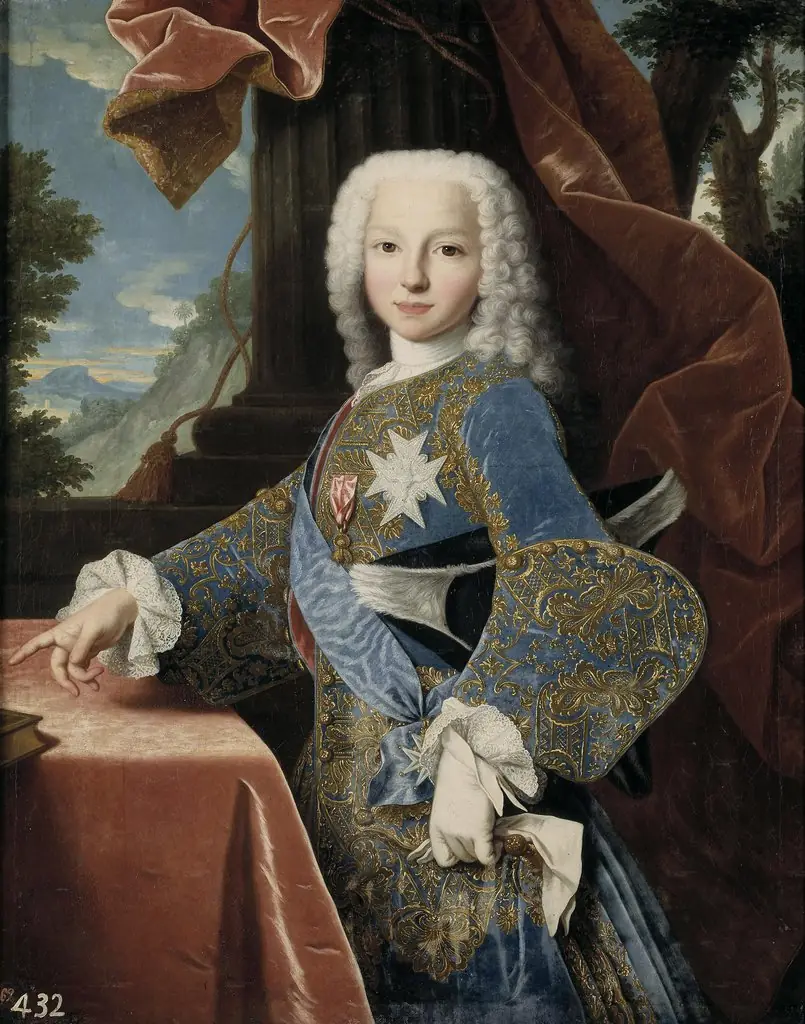 Felipe de Borbón y Farnesio, future Duke of Parma
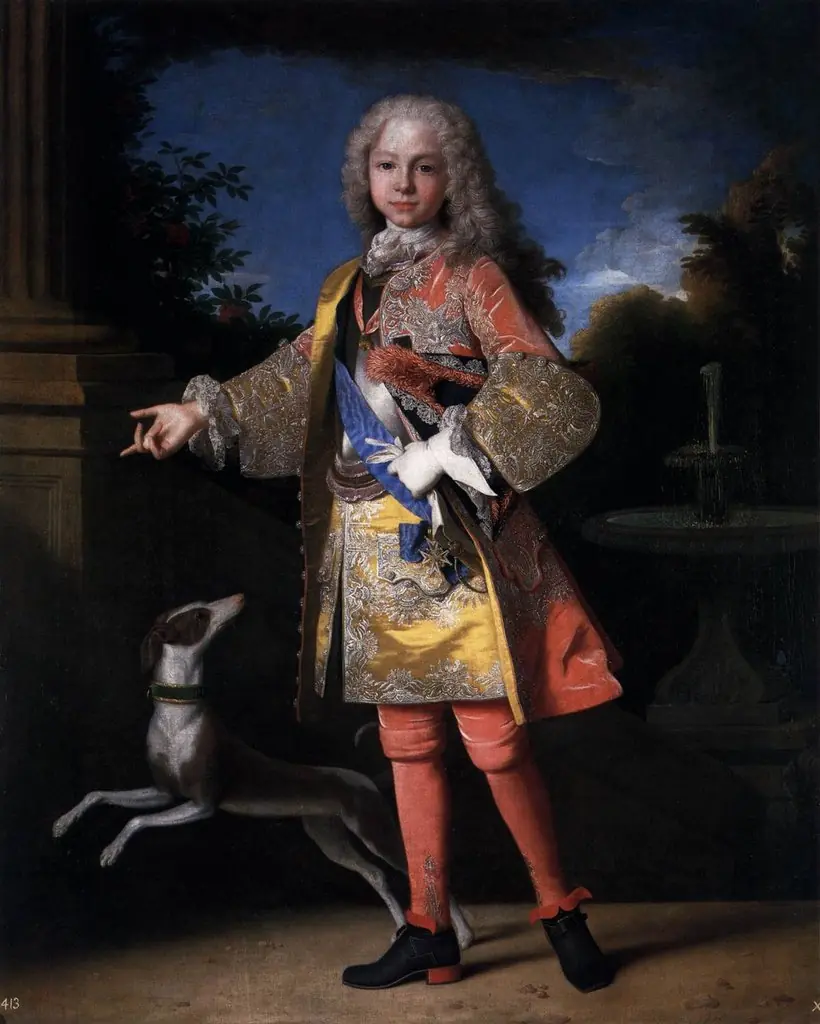 Portrait of Ferdinand VI as a Boy
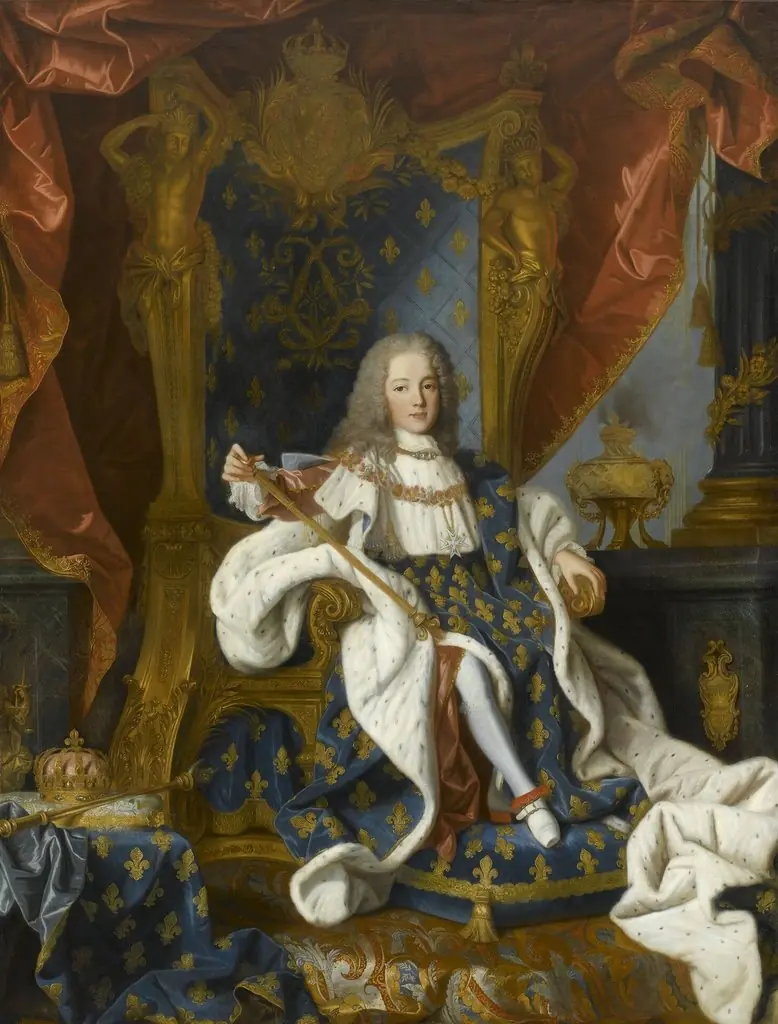 Louis XV, King of France (1710-1774)
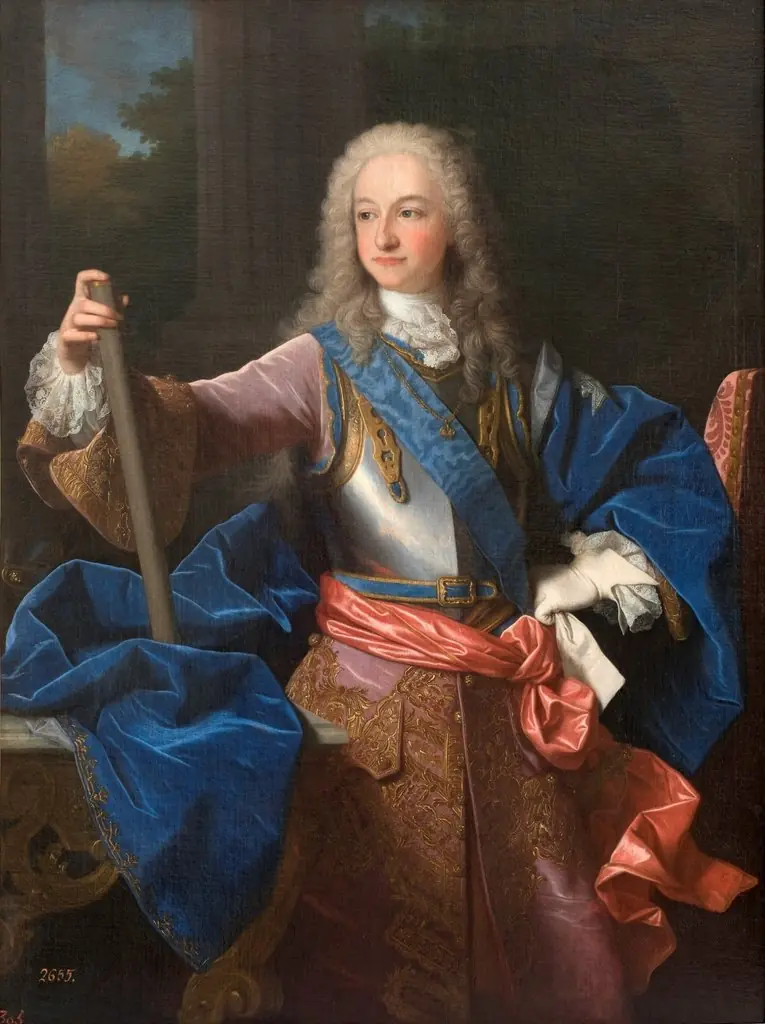 Portrait of Prince Louis of Spain
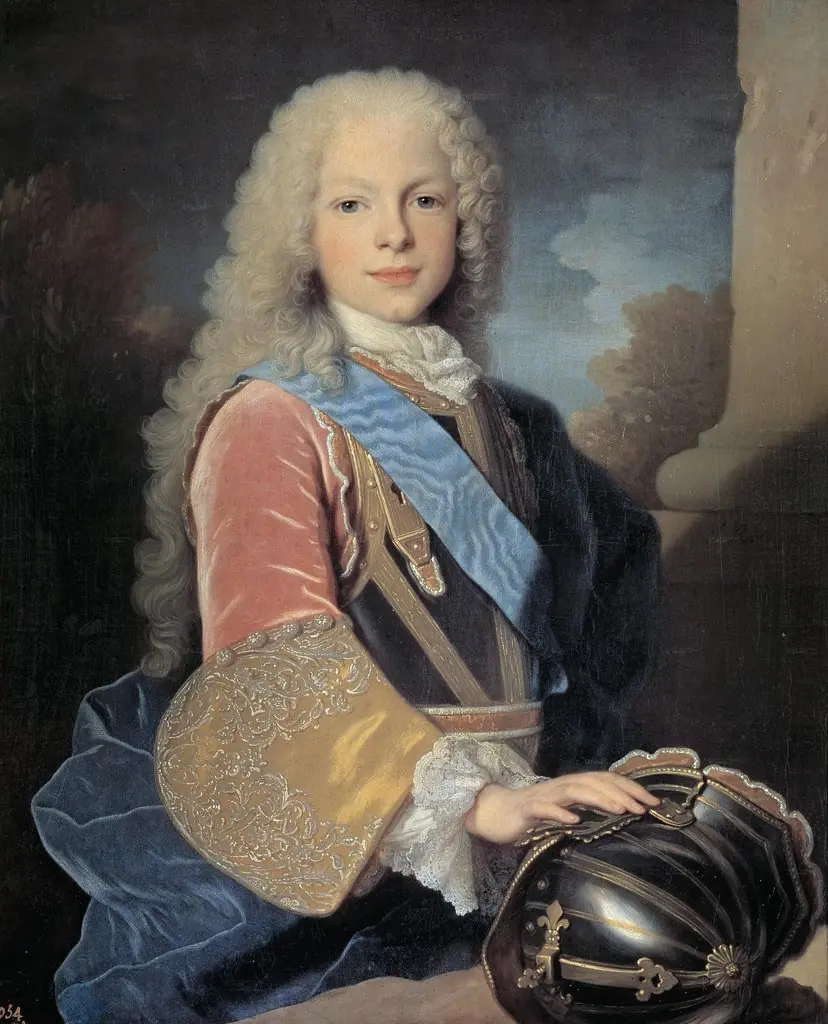 Fernando de Borbón y Saboya príncipe de Asturias (futuro Fernando VI de España)
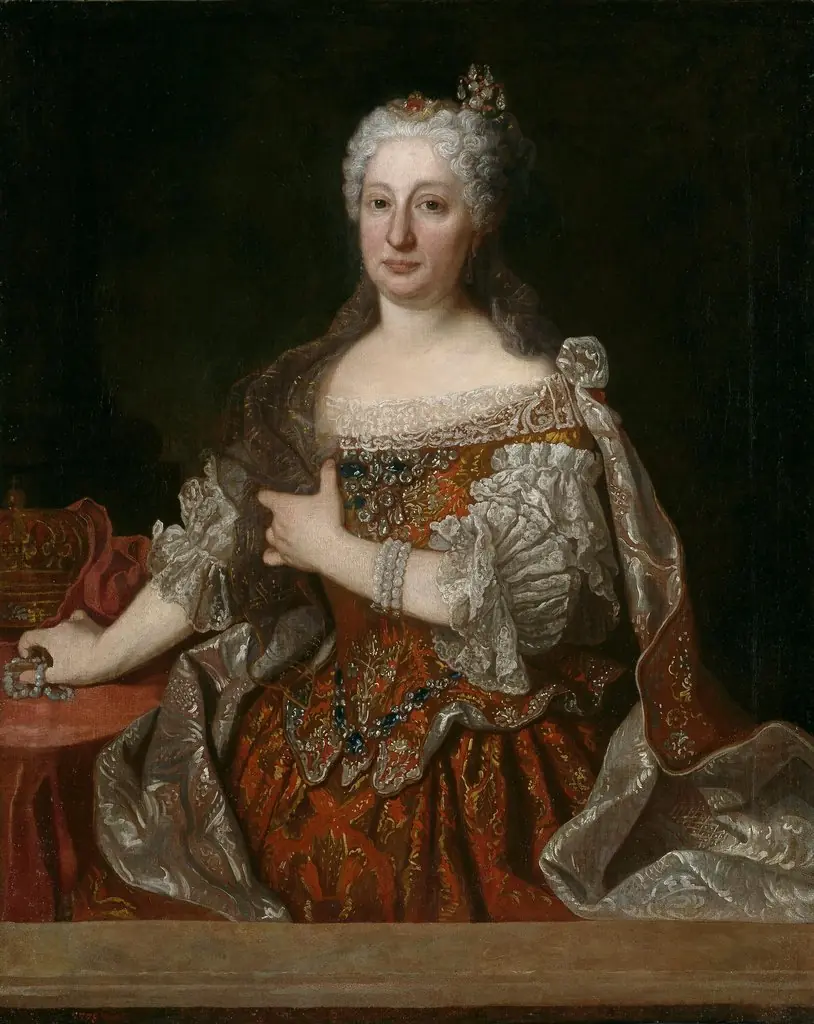 Maria Anna of Austria, Queen of Portugal
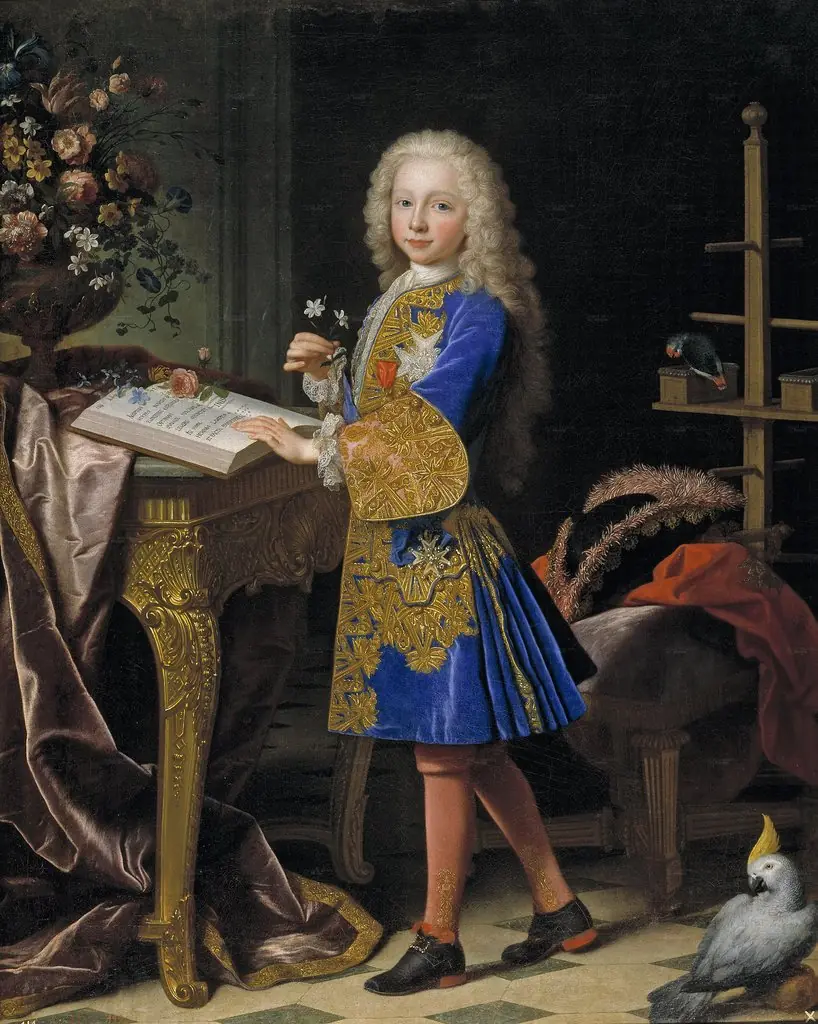 Charles III as a Child
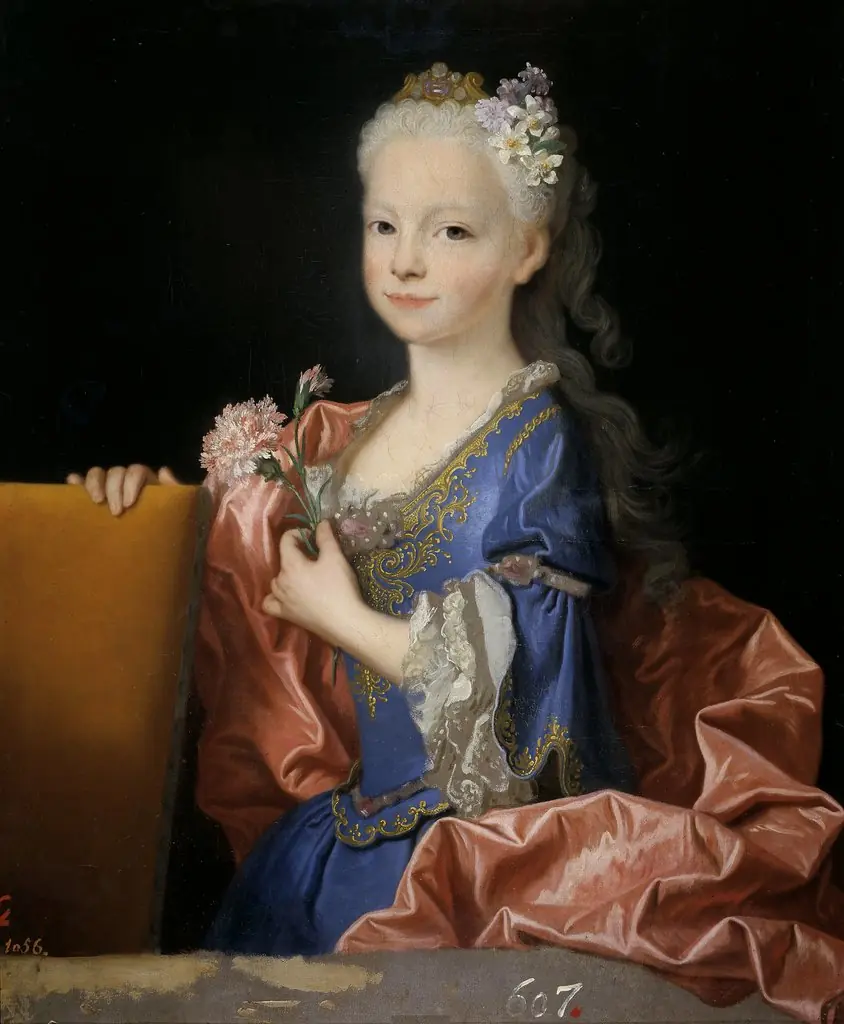 Maria Ana Victoria of Bourbon (Future Queen of Portugal) as a Child
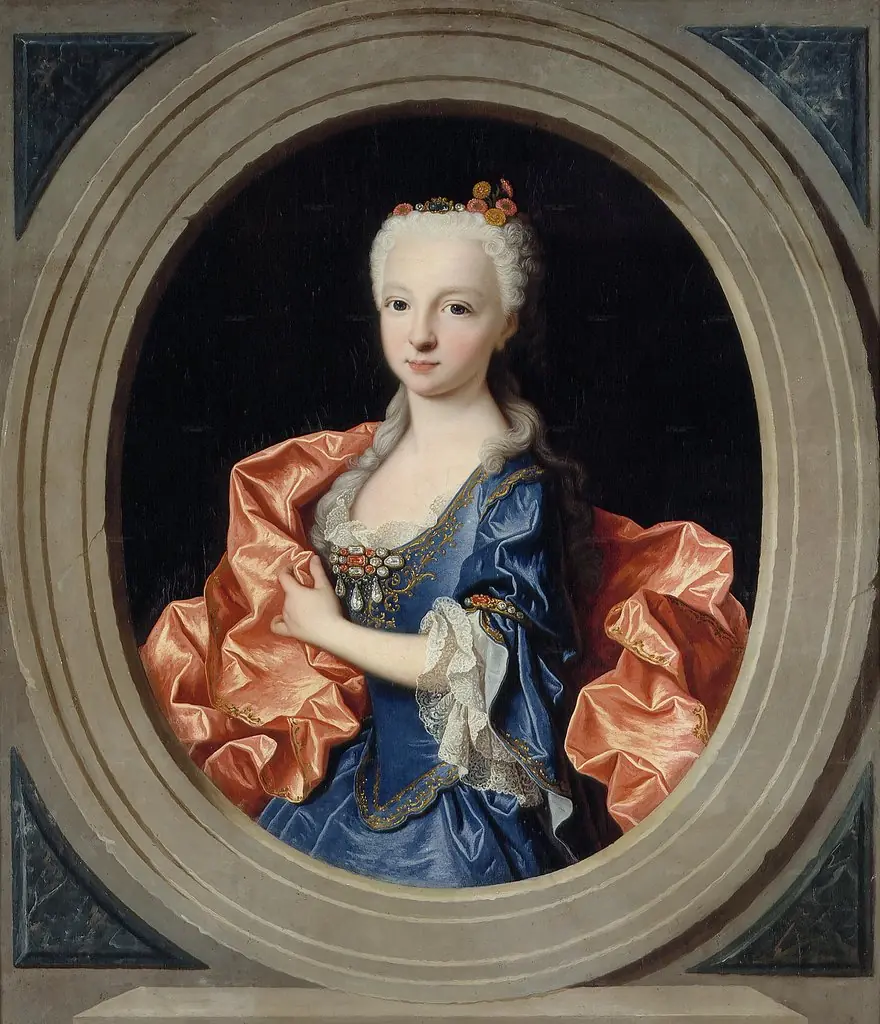 Maria Teresa of Bourbon Infanta of Spain (Future Dauphine of France)
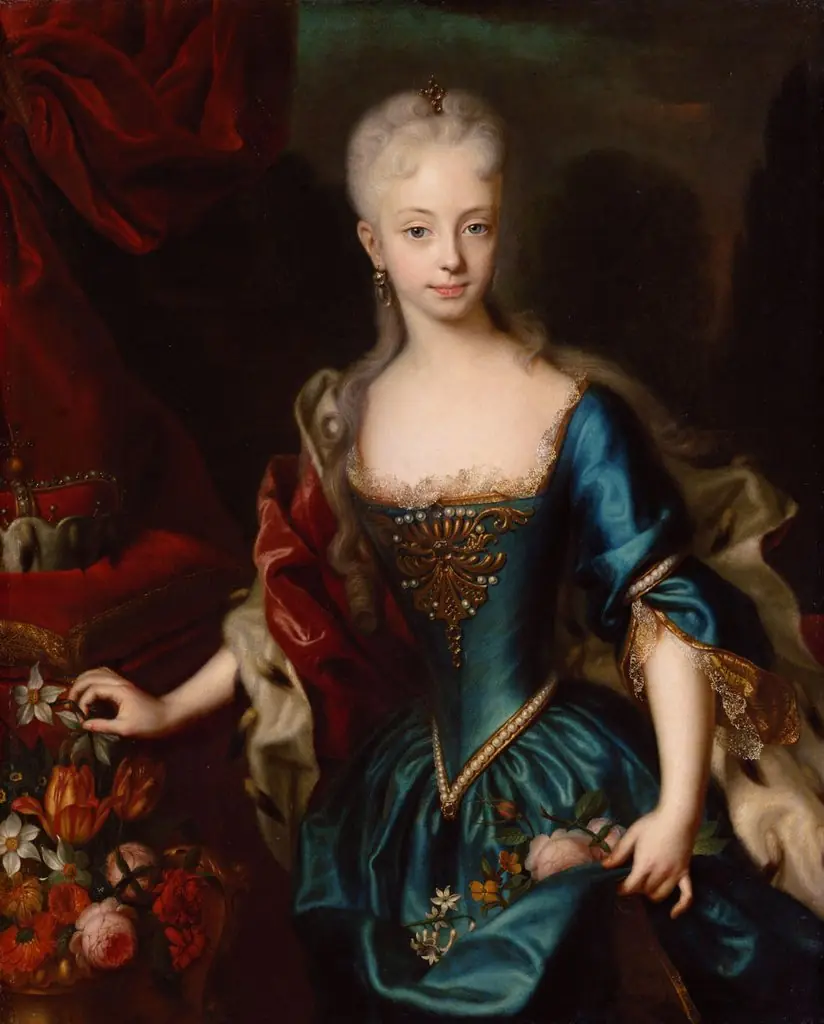 Portrait of Archduchess Maria Theresia
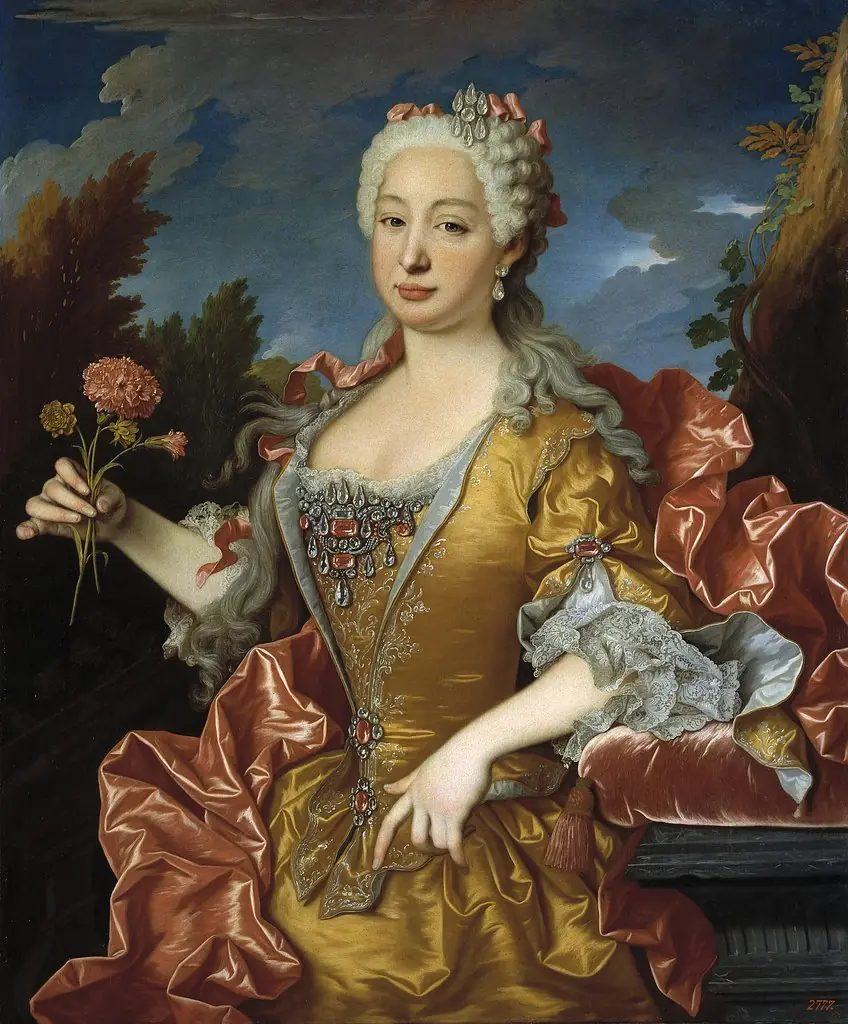 Barbara of Braganza Queen of Spain
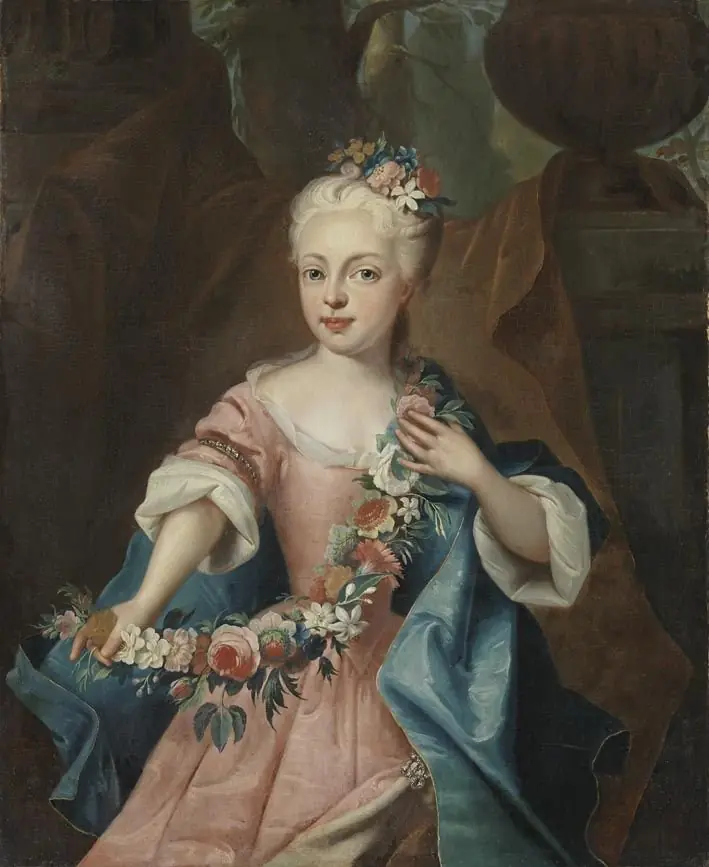 Bildnis der Erzherzogin Maria Theresia von Österreich, spätere Kaiserin (1717-1780) (Replik)
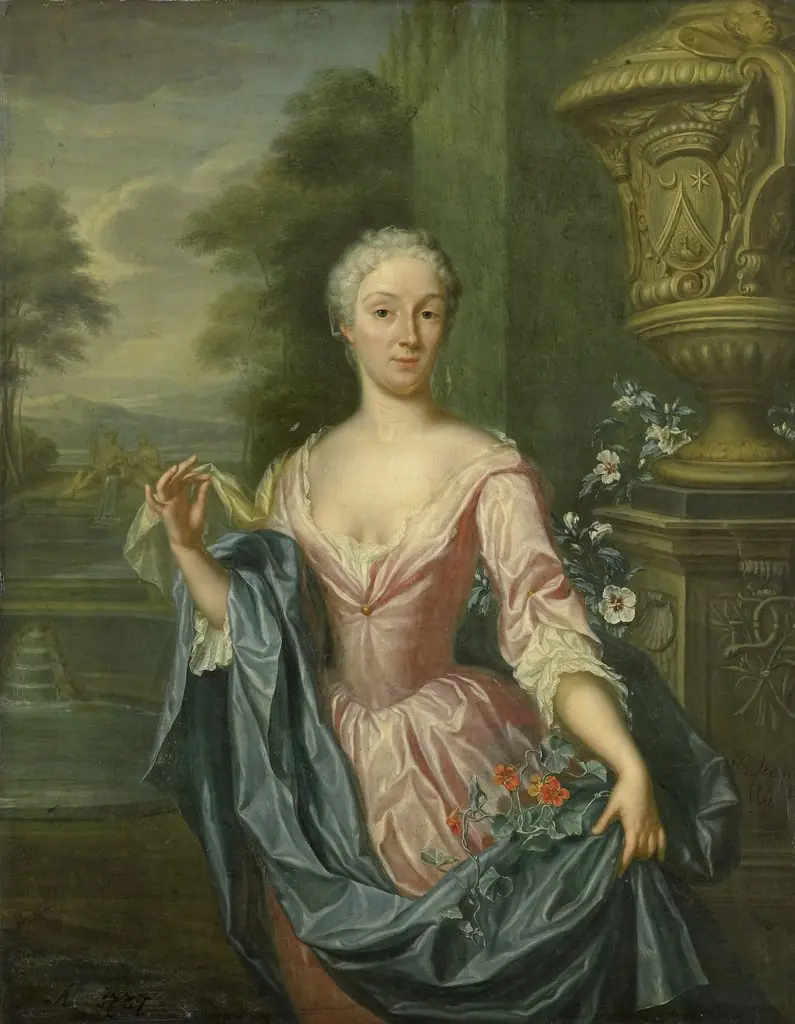 Portrait of Claudine van Royen (born 1712), Wife of Pieter Teding van Berkhout
 Erzherzogin Maria Anna (1718-1744), Tochter von Karl VI. im Alter von neun Jahren, Kniestück
 Françoise-Marie de Bourbon, Mademoiselle de Blois, Duchess of Orleans
 Madame de La Porte
 Marie-Anne de Bourbon, Princess of Conti (1666-1739)