Artwork
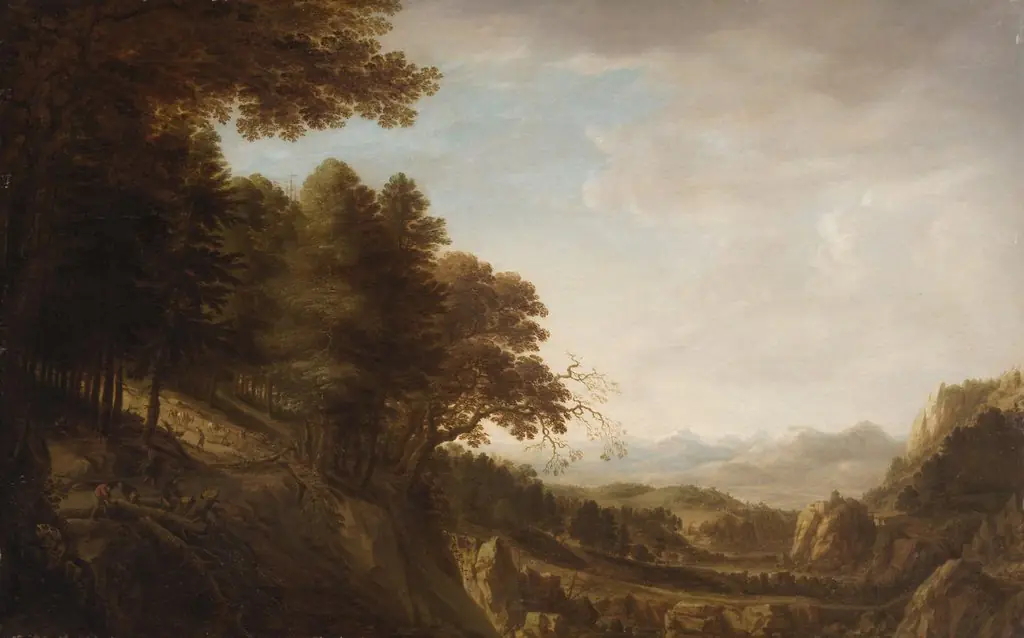
Italianate Landscape
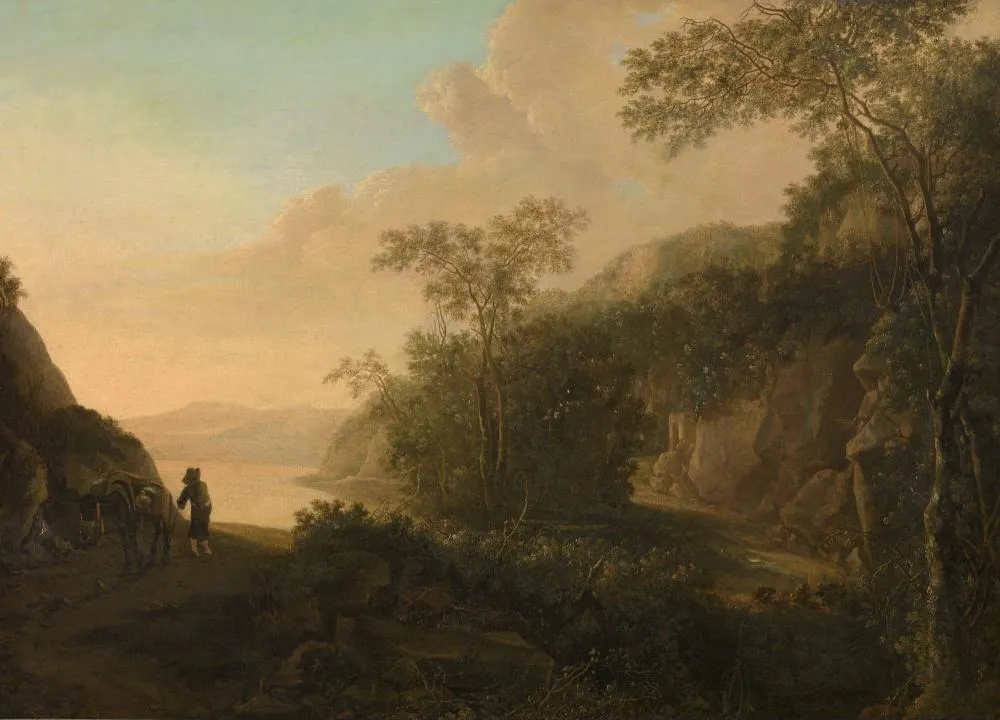
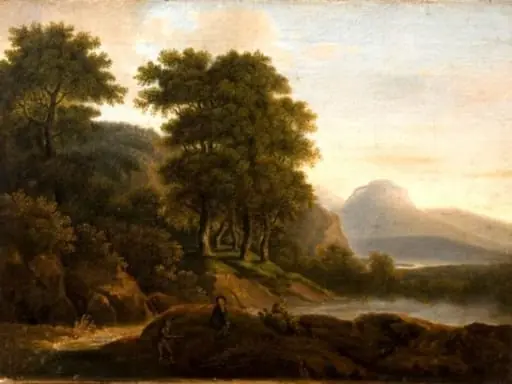
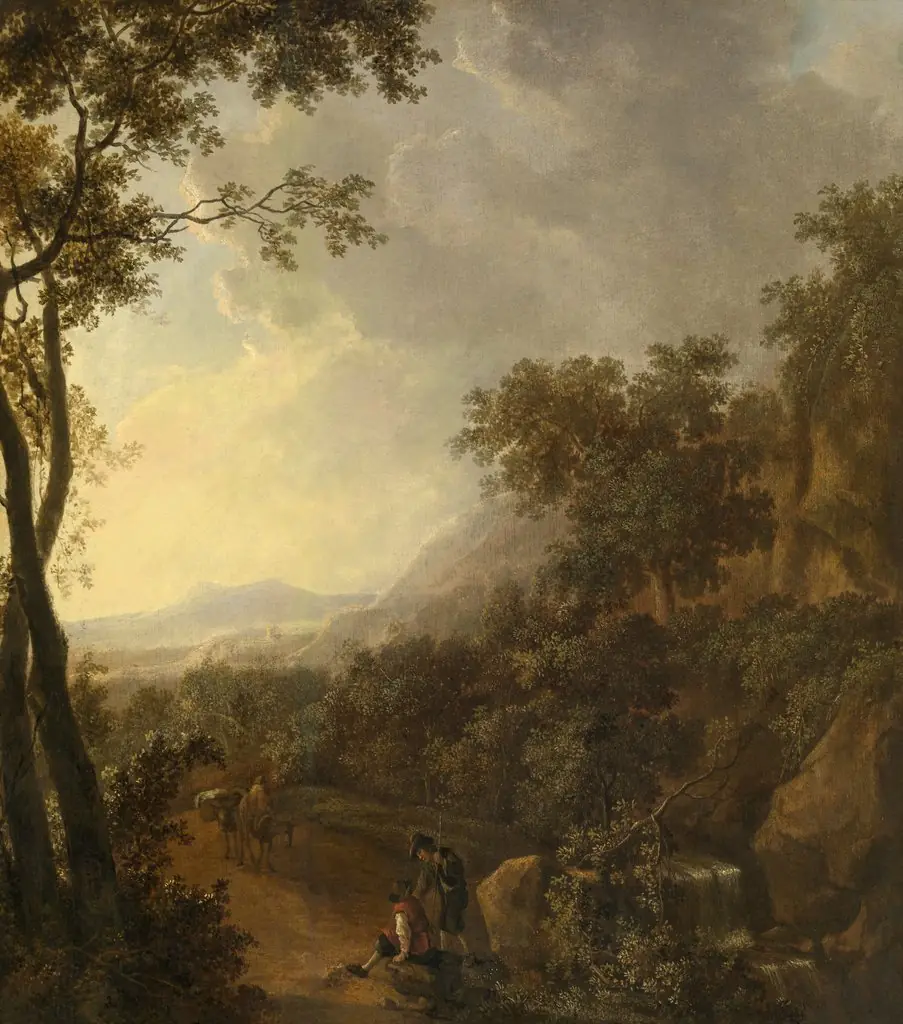
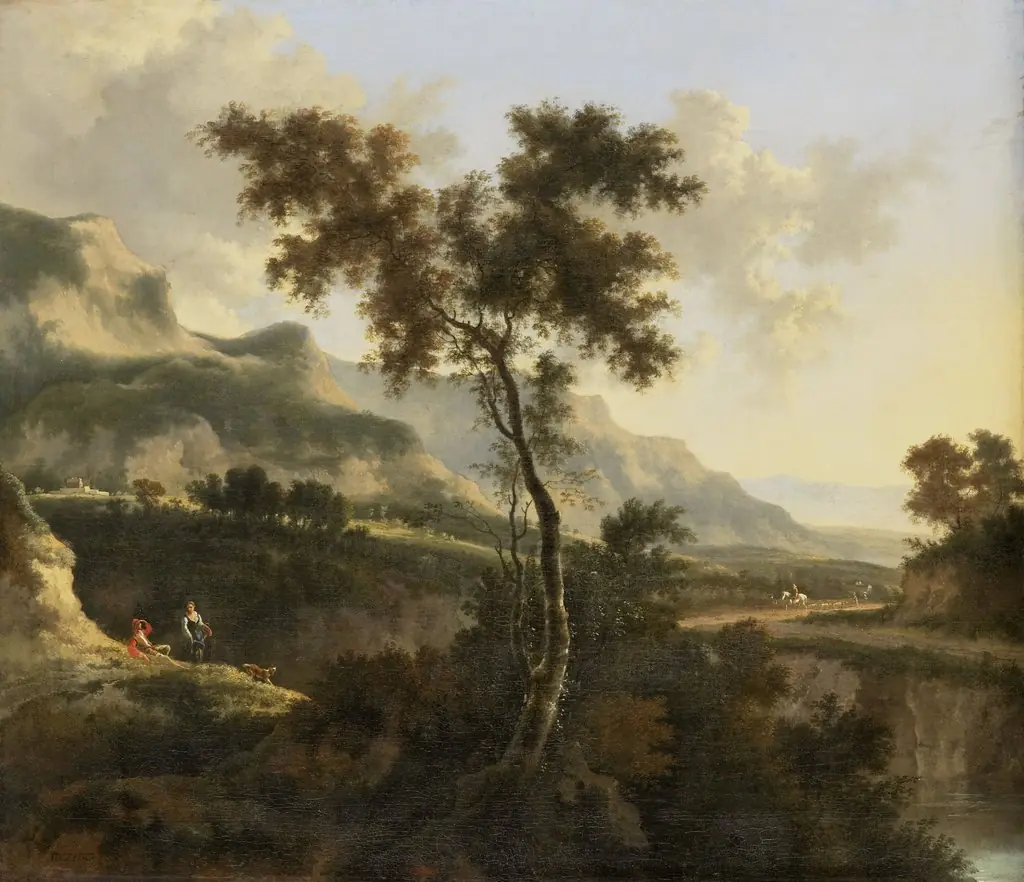
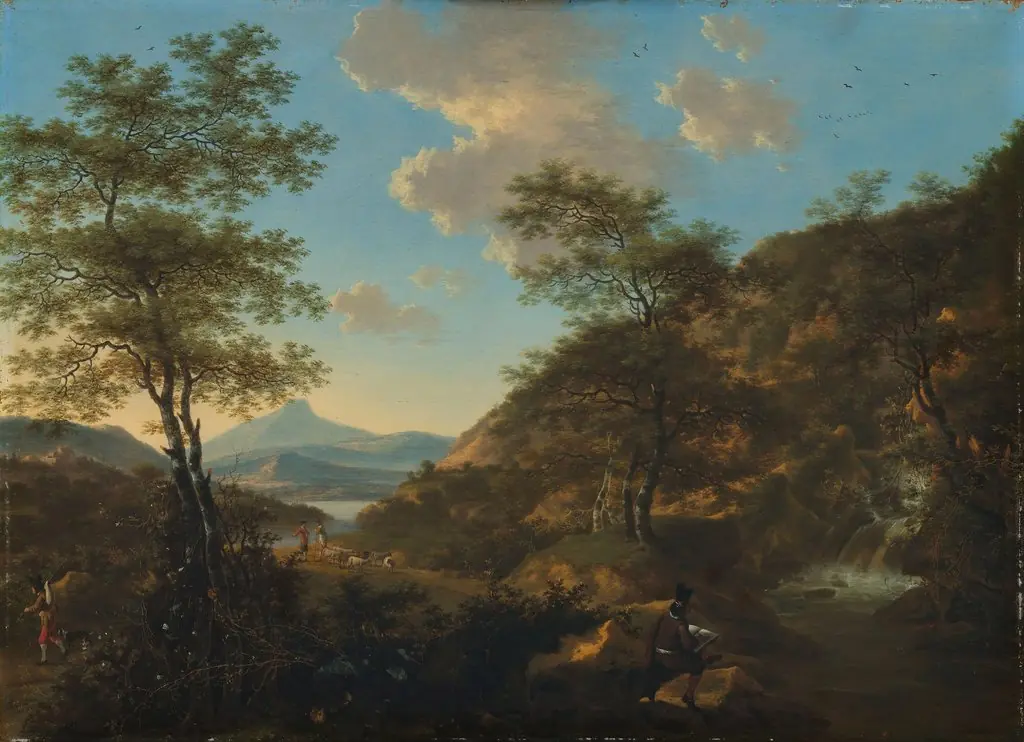
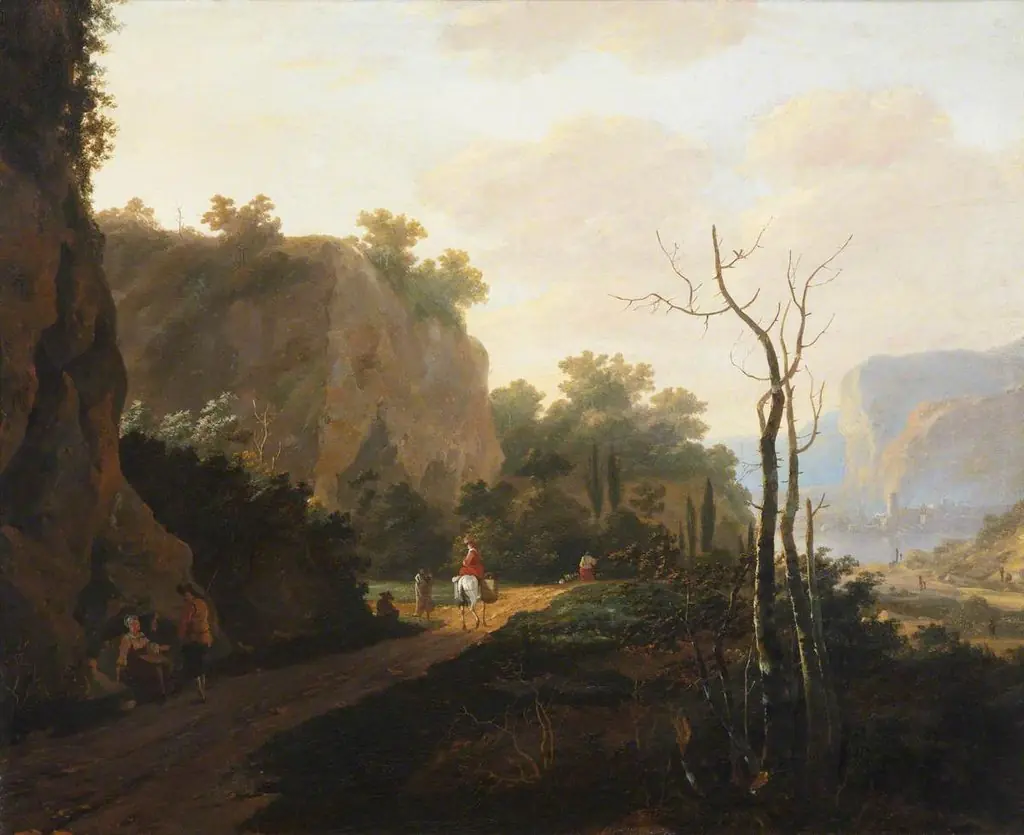
Italianate Landscape is an oil painting by the Rococo painting artist Andries Both. It is held in the collection of the Royal Museum of Fine Arts Antwerp.
About this work
Overview
The painting dates to approximately 1630–1640, not 1700, and reflects the influence of Italian light and topography on Northern European painters of the period.
Andries Both, a Dutch artist active in Rome during the early 1600s, produced this oil painting as part of a broader interest in Italianate scenery. Though often associated with genre scenes of Roman street life, this work shifts focus to the natural environment. The painting dates to approximately 1630–1640, not 1700, and reflects the influence of Italian light and topography on Northern European painters of the period.
Subject & Meaning
The painting presents a tranquil rural scene: a winding dirt path meanders through dense foliage toward a distant body of water. Small figures, barely discernible, suggest quiet movement through the landscape. There is no narrative or moral allegory; instead, the composition invites contemplation of nature’s quiet rhythms. The absence of human drama emphasizes atmosphere over story, aligning with emerging tastes for serene, idealized views.
Technique & Style
Both employed bold, textured brushwork to render foliage and atmospheric depth. Light filters through the canopy in soft gradations, creating a sense of spatial recession. Shadows are rendered with loose, confident strokes, enhancing the painting’s tactile quality. While not strictly Rococo, the work anticipates later landscape traditions through its emphasis on mood and naturalism, blending Dutch precision with Italianate luminosity.
History & Provenance
The painting entered the collection of the Royal Museum of Fine Arts Antwerp in the 19th century, likely through acquisitions of Northern European works. Its attribution to Both is supported by stylistic parallels with his known landscapes and his documented presence in Italy. No earlier provenance is firmly established, but its survival in a major European collection suggests it was valued by later collectors for its atmospheric qualities.
Context
During the 1620s–1640s, many Northern artists traveled to Italy and produced landscapes inspired by its light and terrain. Both was part of this trend, responding to the popularity of idealized views among collectors. Unlike pure topographical studies, these works blended observation with invention, serving as visual souvenirs of the Grand Tour before it became institutionalized.
Legacy
Though Both is primarily remembered for his genre scenes, this landscape reveals his versatility and engagement with broader European trends. It contributes to the understanding of how Dutch painters adapted Italian visual culture. The work remains a quiet example of early 17th-century cross-cultural exchange, influencing later landscape traditions without directly heralding them.
Artist & collection
Artist
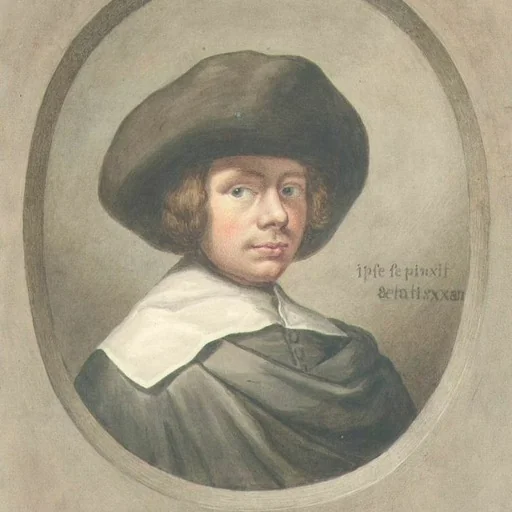
Andries Both (1612/1613 – 23 March 1642), was a Dutch genre painter. He was part of the group of Dutch and Flemish genre painters active in Rome in the 17th century known as the bamboccianti, who painted scenes from the…

![An Artist Seated at His Easel [recto], by Andries Both](https://artifactworldgallery.com/img/andries-both--an-artist-seated-at-his-easel-recto--df4909554b40b442-w320.webp)