Artwork
A Tinker
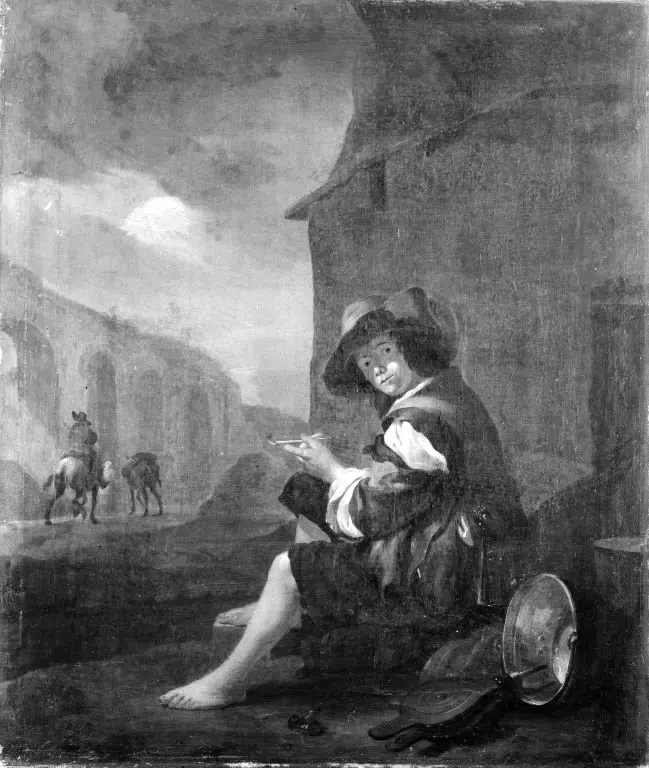
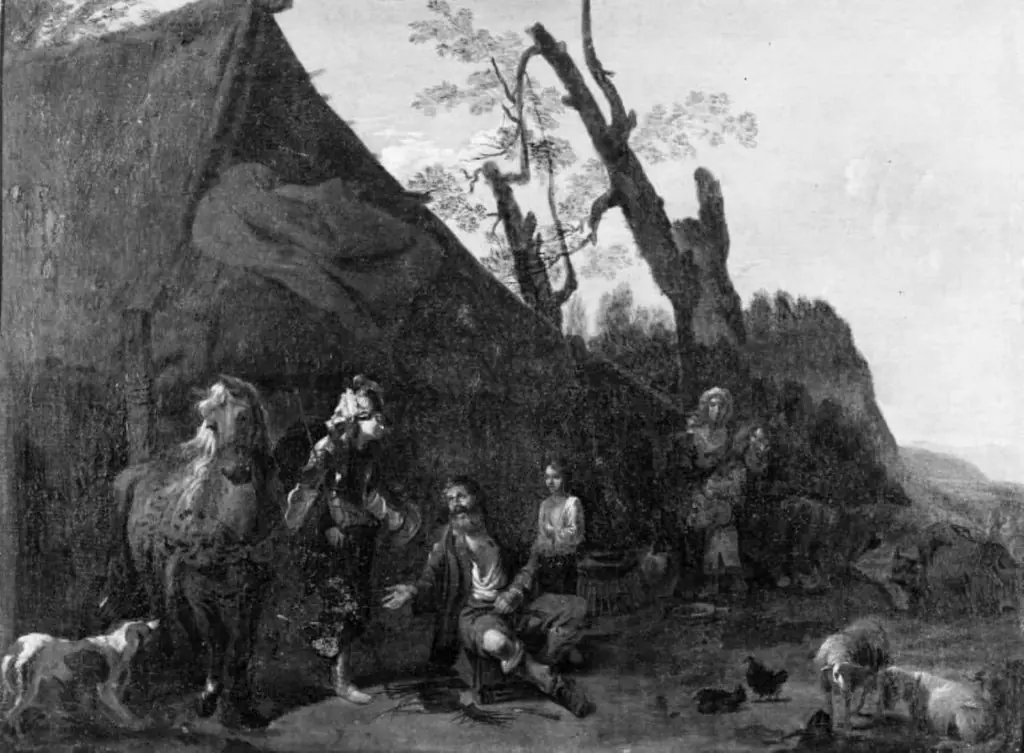
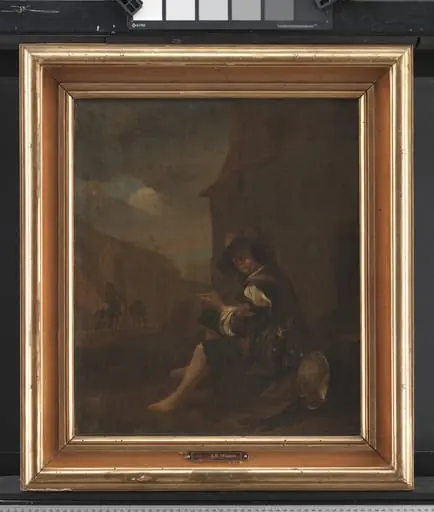
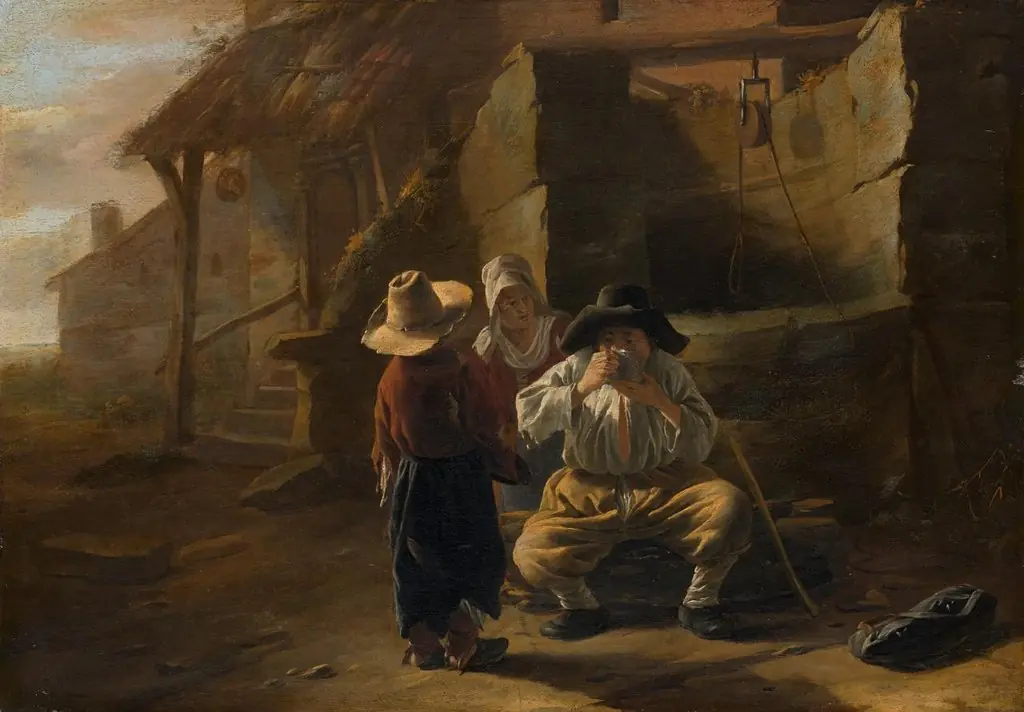
A Tinker is an oil painting by the Dutch Golden Age artist Andries Both. It dates from 1638 and is held in the collection of the Statens Museum for Kunst.
About this work
Overview
Created during the Dutch Golden Age, the painting reflects Both’s interest in scenes of everyday life, particularly those involving itinerant workers.
Painted in 1638 by Dutch artist Andries Both, *A Tinker* is an oil-on-canvas work that captures a moment of quiet labor among the rural poor. Created during the Dutch Golden Age, the painting reflects Both’s interest in scenes of everyday life, particularly those involving itinerant workers. It is currently held in the collection of Statens Museum for Kunst in Copenhagen, where it stands as a representative example of genre painting from this period.
Subject & Meaning
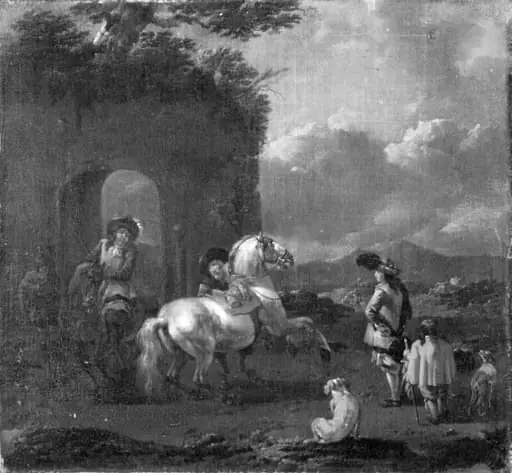
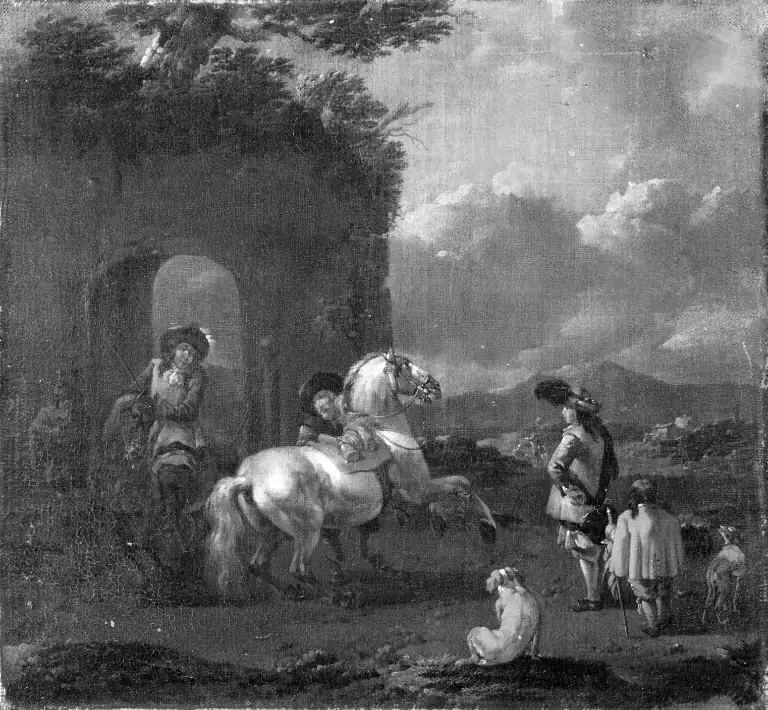
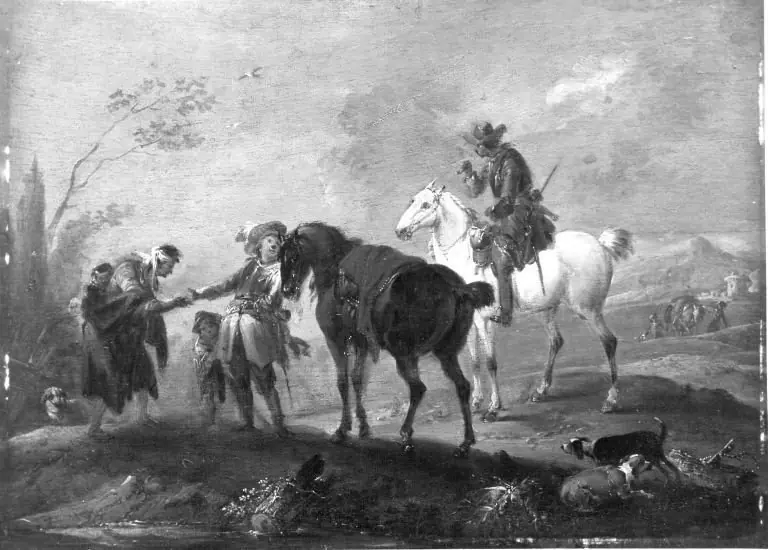
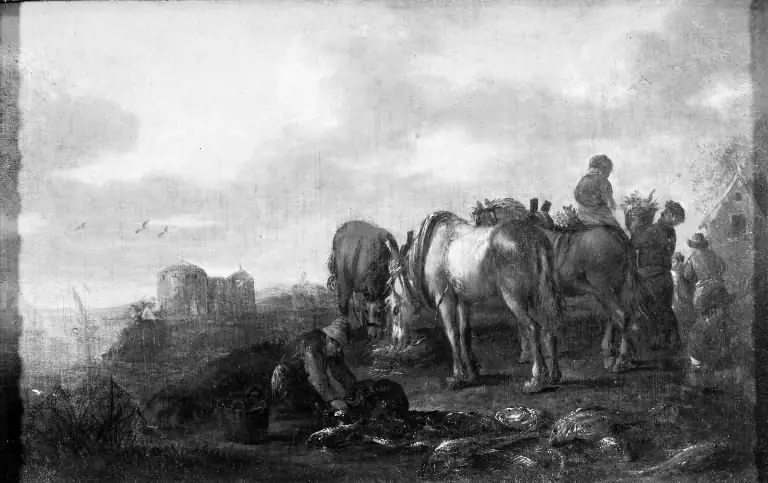
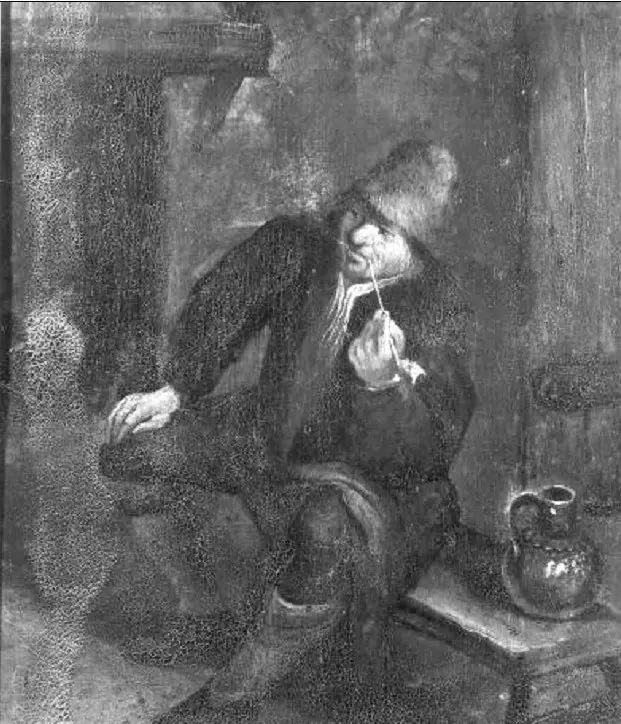
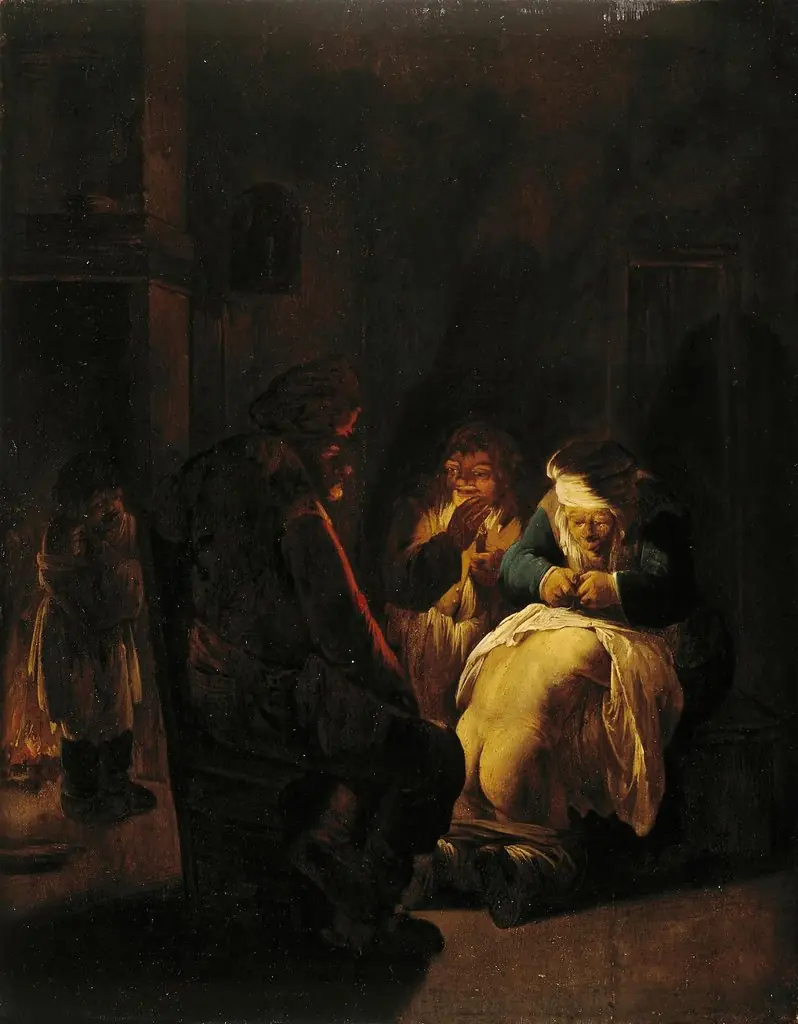
The painting portrays a young boy, likely a tinker—a traveling repairman—perched on a stone wall, tool in hand. His bare feet and worn clothing suggest a life of mobility and hardship. The large metal object beside him may be a cauldron or pot, hinting at his trade. The distant horse and rider, along with the sloped building, place the scene in a rural landscape, reinforcing the boy’s marginal position in society. The image conveys dignity in labor without romanticizing poverty.
Technique & Style
Both employs chiaroscuro to model the boy’s form, directing light toward his face and hands to emphasize his focused expression and the tool he holds. The dark, muted tones of his clothing contrast with the softer, earthy background, creating spatial depth. Brushwork is restrained yet precise, capturing texture in fabric, metal, and skin without overt flourish. The composition is simple but deliberate, anchoring the viewer’s attention on the figure’s quiet concentration.
History & Provenance
Andries Both painted this work during his time in Rome, where he was associated with the bamboccianti—a group of Northern European artists who depicted low-life subjects in Italian settings. Though Dutch by origin, Both absorbed Italian lighting techniques and applied them to scenes of humble labor. The painting entered the Danish national collection in the 19th century, where it has remained as part of a broader effort to document European genre traditions.
Context
In 17th-century Europe, tinkerers were itinerant figures who repaired household metalware, often moving between villages. While Dutch art frequently celebrated domestic comfort, artists like Both turned their attention to those on society’s edges. The bamboccianti’s focus on such subjects was unusual for Northern painters, who typically favored urban or bourgeois scenes. Both’s work bridges Dutch realism and Italianate observation, offering a rare glimpse into transient labor.
Legacy
Though not widely known today, *A Tinker* exemplifies a quiet strand of Dutch Golden Age painting that valued observation over spectacle. Both’s depiction of a child laborer influenced later genre painters interested in social realism. The painting’s endurance in a national collection signals its role as a historical document—not of grand events, but of ordinary lives rendered with quiet attention and technical care.
Artist & collection
Artist
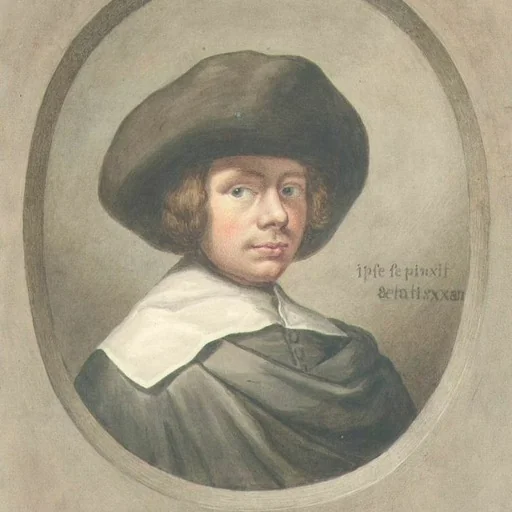
Andries Both (1612/1613 – 23 March 1642), was a Dutch genre painter. He was part of the group of Dutch and Flemish genre painters active in Rome in the 17th century known as the bamboccianti, who painted scenes from the…

![An Artist Seated at His Easel [recto], by Andries Both](https://artifactworldgallery.com/img/andries-both--an-artist-seated-at-his-easel-recto--df4909554b40b442-w320.webp)