Artwork
Self-portrait of Angelica Kauffman
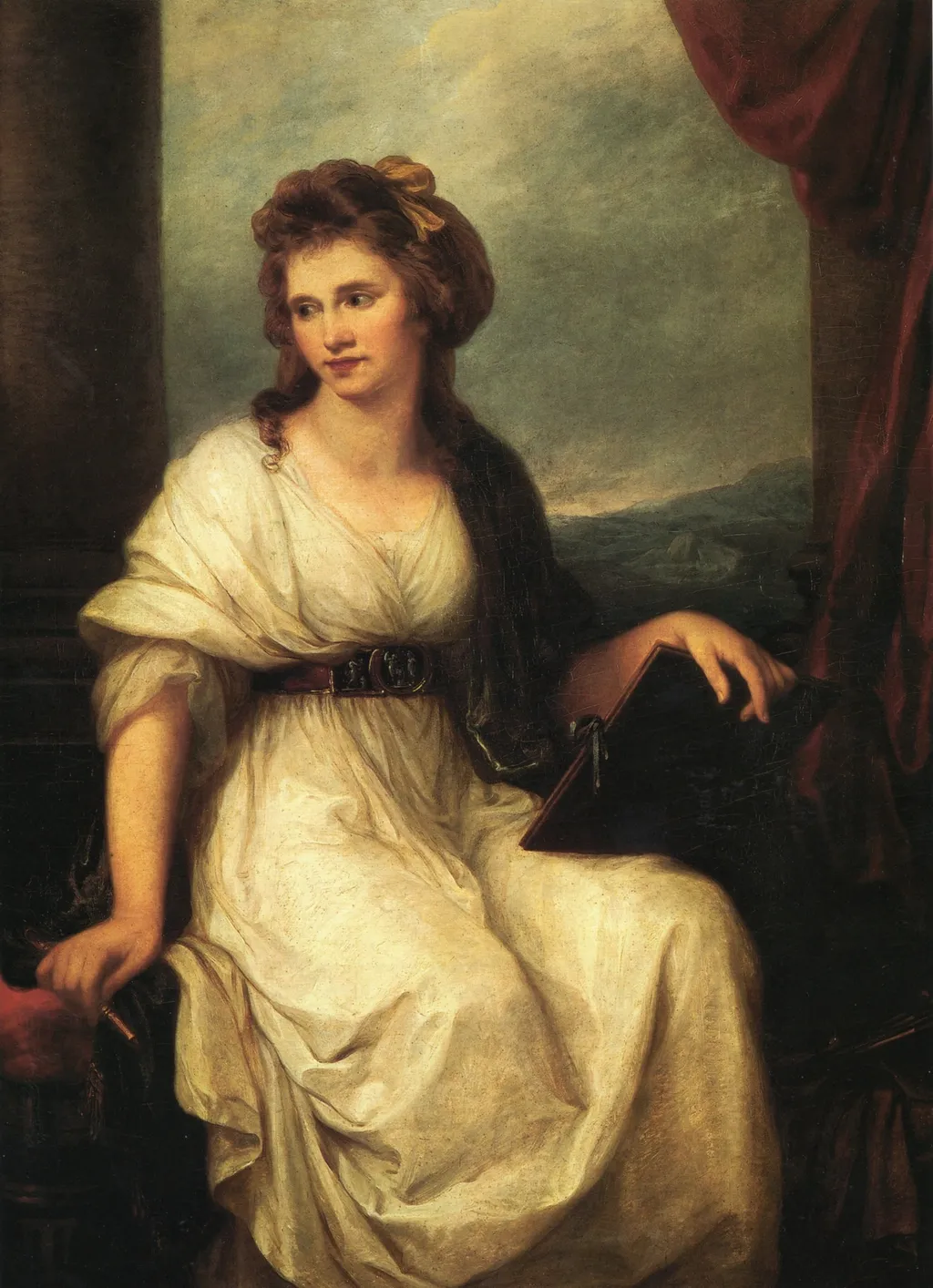
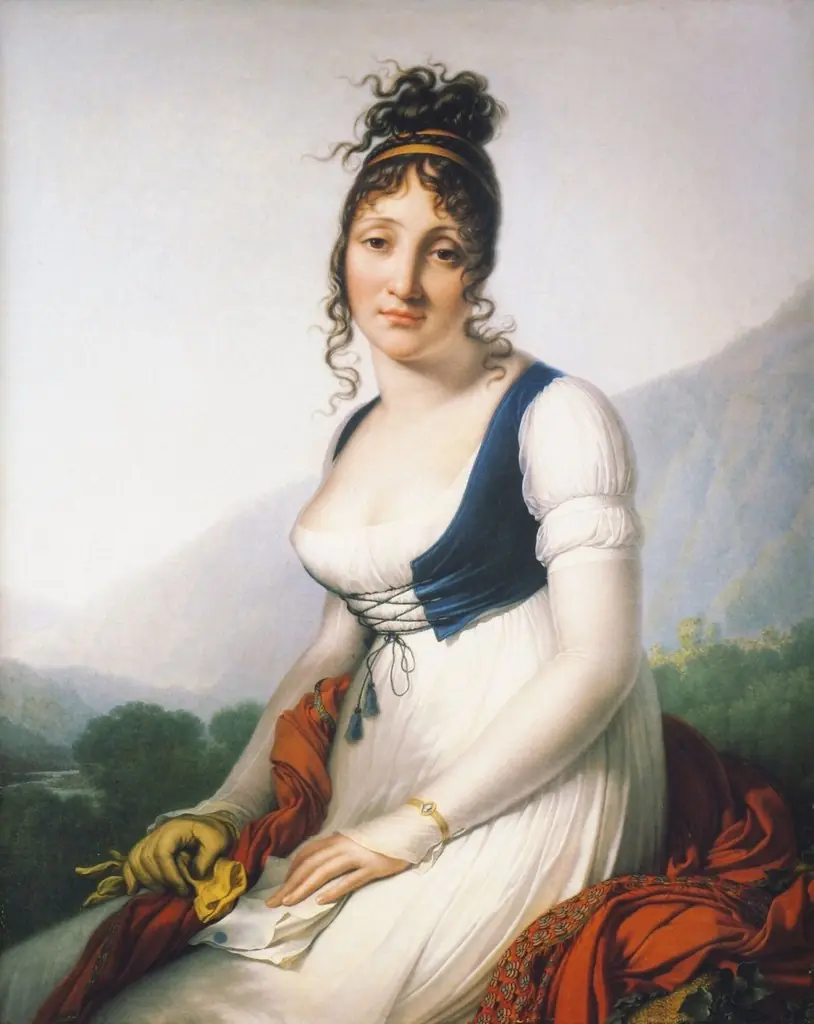
Self-portrait of Angelica Kauffman is an oil painting by the Rococo painting artist Angelica Kauffmann. It dates from 1794 and is held in the collection of the Uffizi Gallery. Painted in 1794, this oil portrait presents Angelica Kauffman as a contemplative figure, seated in a simple chair.
About this work
Overview
Painted in 1794, this oil portrait presents Angelica Kauffman as a contemplative figure, seated in a simple chair. The composition follows the conventions of late 18th-century portraiture, emphasizing poise and quiet dignity. The work is part of the Uffizi Gallery’s collection, where it stands as one of the few self-representations by a female artist of the period in a major European institution.
Subject & Meaning
Her left hand holds a book, while her right rests lightly on the chair’s arm, suggesting introspection and intellectual engagement.
Kauffman portrays herself in a white gown, draped with a dark shawl, conveying both elegance and restraint. Her left hand holds a book, while her right rests lightly on the chair’s arm, suggesting introspection and intellectual engagement. The inclusion of the book signals her identity not merely as a painter, but as a learned woman immersed in literature and the arts, aligning her with Enlightenment ideals.
Technique & Style
The painting employs soft modeling and muted tones, typical of Neoclassical portraiture. Brushwork is refined but unobtrusive, favoring clarity over dramatic flair. Light falls gently across her face and hands, drawing attention to her expression and gesture. The background remains indistinct, focusing the viewer’s attention entirely on the figure and her symbolic attributes.
History & Provenance
Created near the end of Kauffman’s life, the portrait was likely intended as a personal statement of identity. It entered the Uffizi’s collection in the 19th century, possibly through the Medici or Grand Ducal patronage networks. Its preservation reflects early institutional recognition of female artists, though such acquisitions remained rare at the time.
Context
In late 18th-century Europe, women artists were often excluded from academic institutions and public commissions. Kauffman, one of the few women admitted to the Royal Academy in London, used portraiture to assert her professional status. This self-portrait, made after decades of success, serves as a quiet assertion of her place within the artistic and intellectual elite.
Legacy
The portrait endures as a testament to Kauffman’s agency in defining her public image. Unlike many female artists of her time, she controlled her representation, avoiding idealized or decorative tropes. Today, it remains a key reference in studies of gender, identity, and artistic authority in the Enlightenment era.
Own this work as a print
Artist & collection

Artist
Maria Anna Angelika Kauffmann, usually known in English as Angelica Kauffman, was a Swiss painter who had a successful career in London and Rome.

 Telemachus and the Nymphs of Calypso
 Edward Smith Stanley (1752–1834), Twelfth Earl of Derby, with His First Wife (Lady Elizabeth Hamilton, 1753–1797) and Their Son (Edward Smith Stanley, 1775–1851)
 The Sorrow of Telemachus
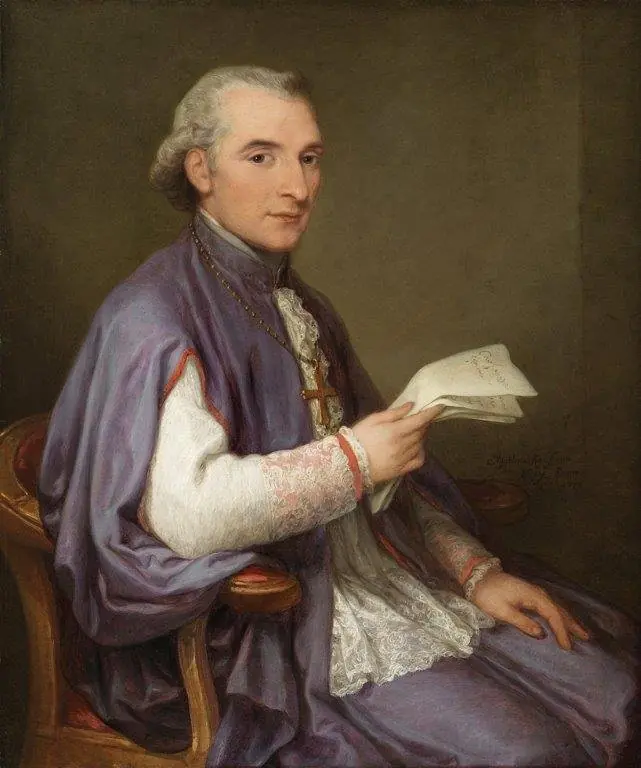 Monsignor Giuseppe Spina (1756–1828)
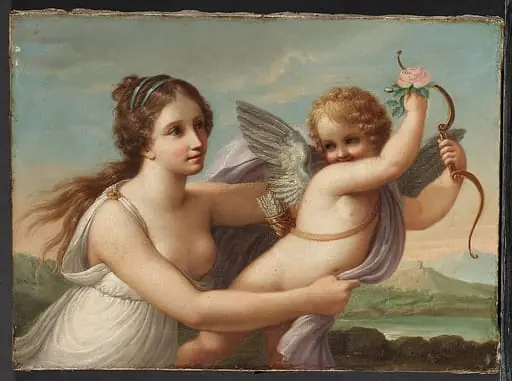 The Victory of Eros
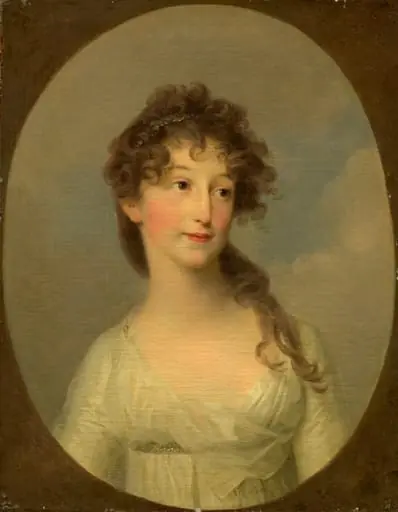 Possibly Franciska Krasinska, Duchess of Courland
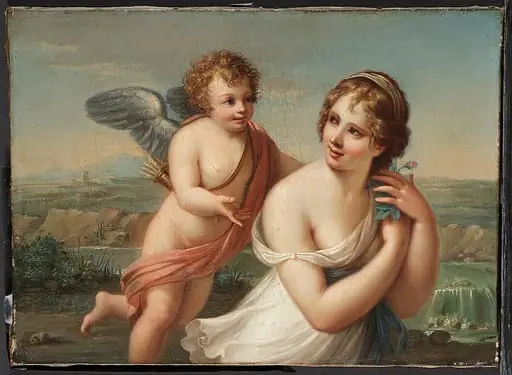 The Temptation of Eros
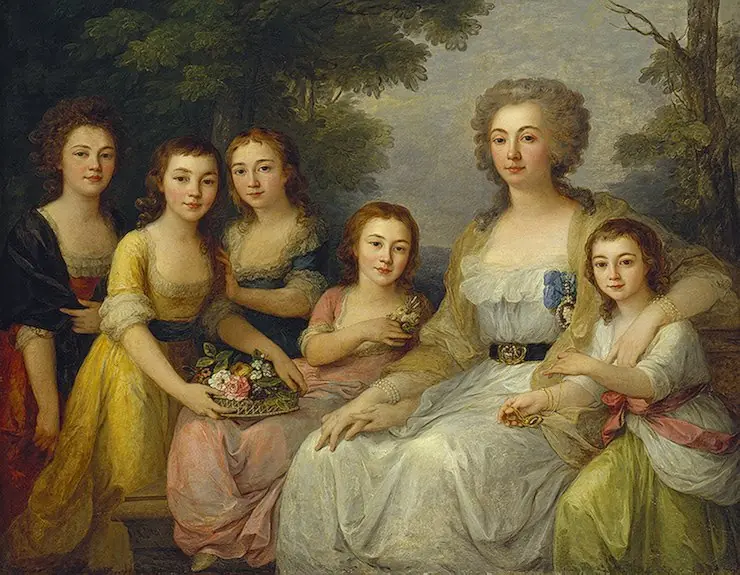 Portrait of Countess A.S. Protasova with her Nieces
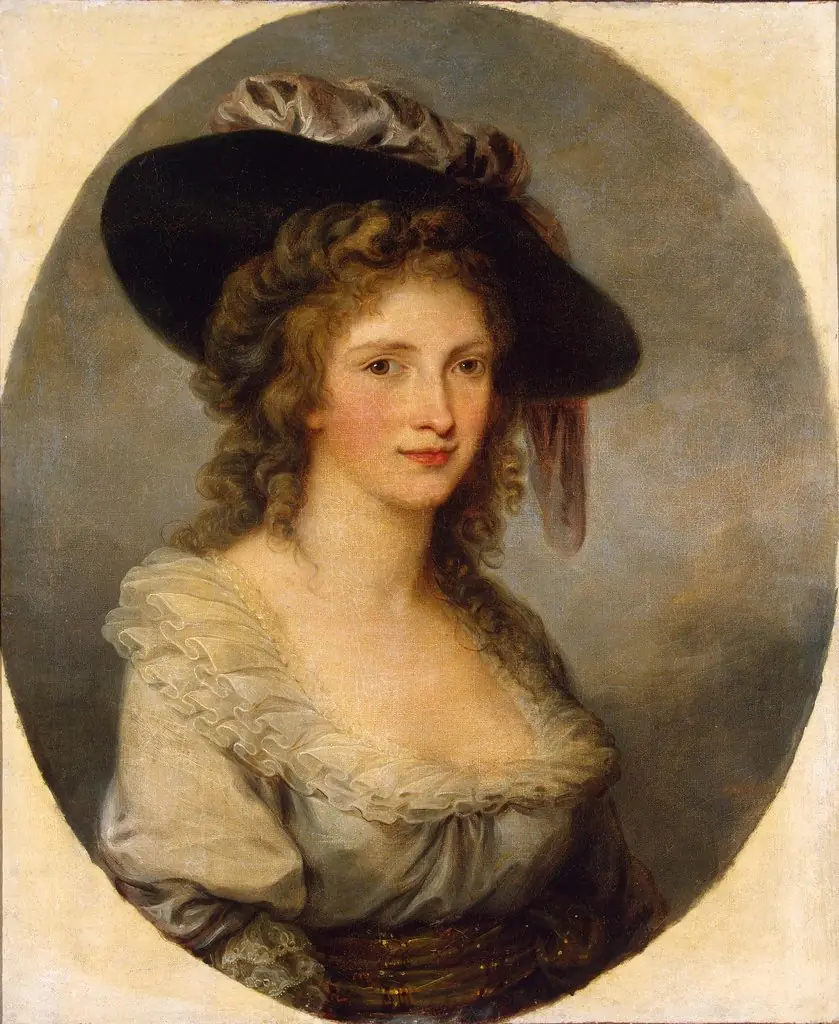 Self-Portrait
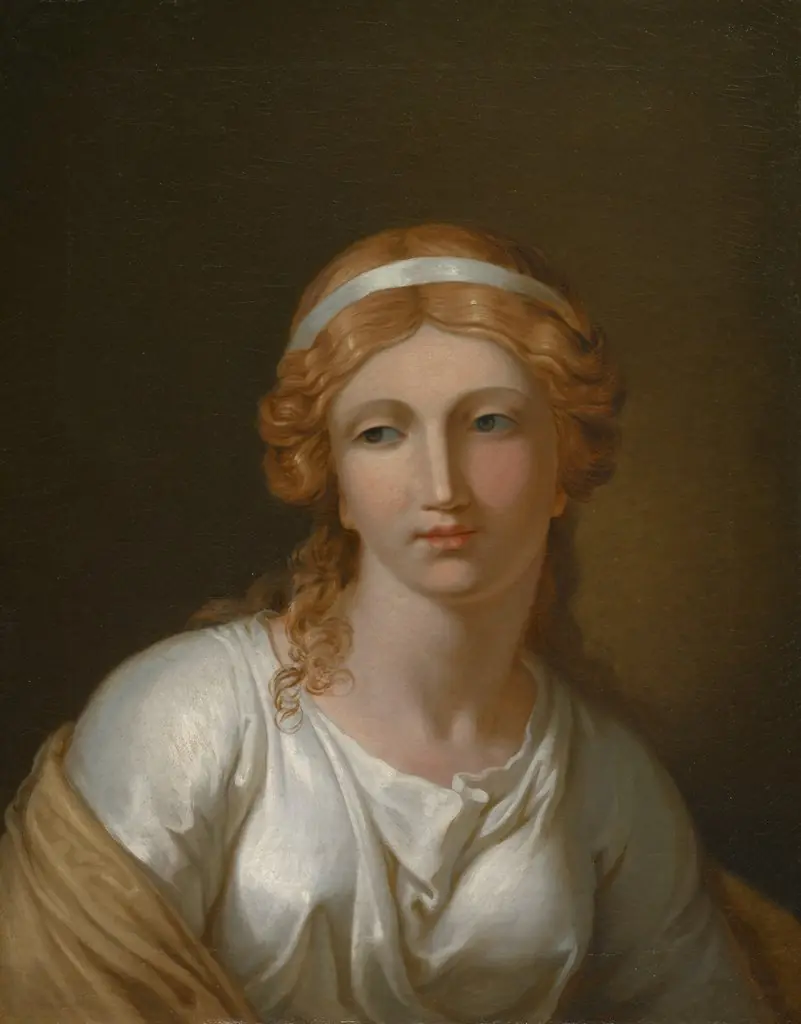 Helen
Helen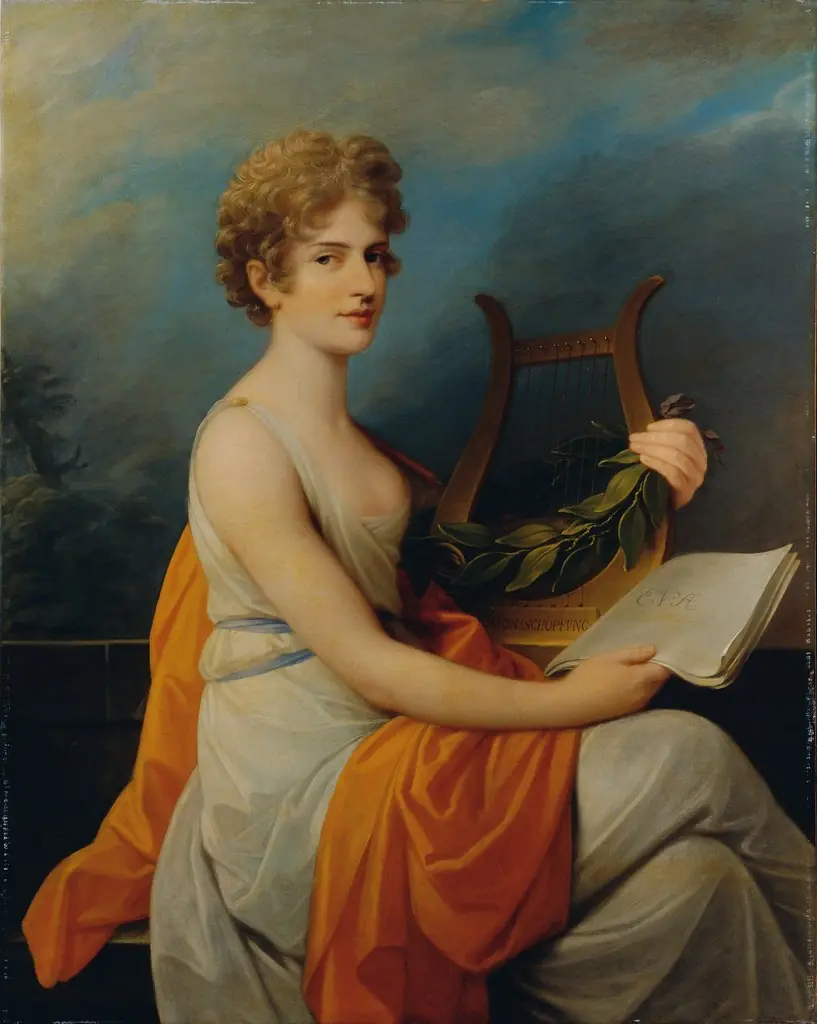 The Court Opera singer Theresa Hall as "Eva" in Joseph Haydn's "Creation"
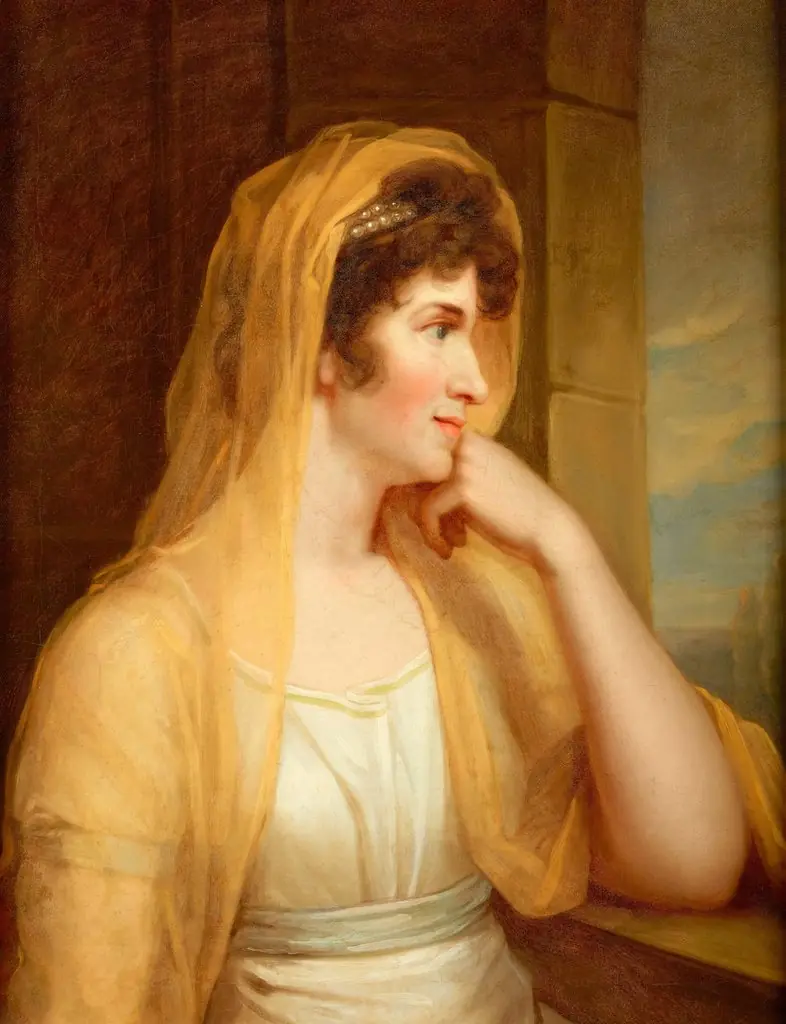 Portret hr. Petroneli z Jabłonowskich Wodzickiej, żony Józefa (1777-1859)
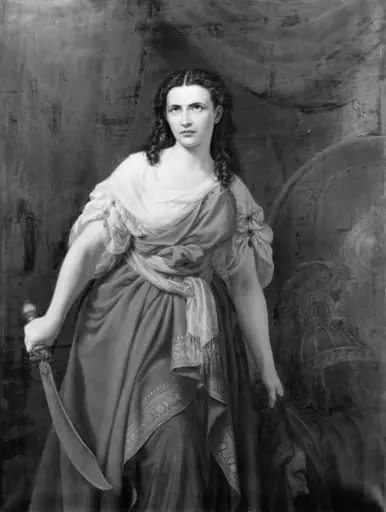 Judith med Holofernes' hoved
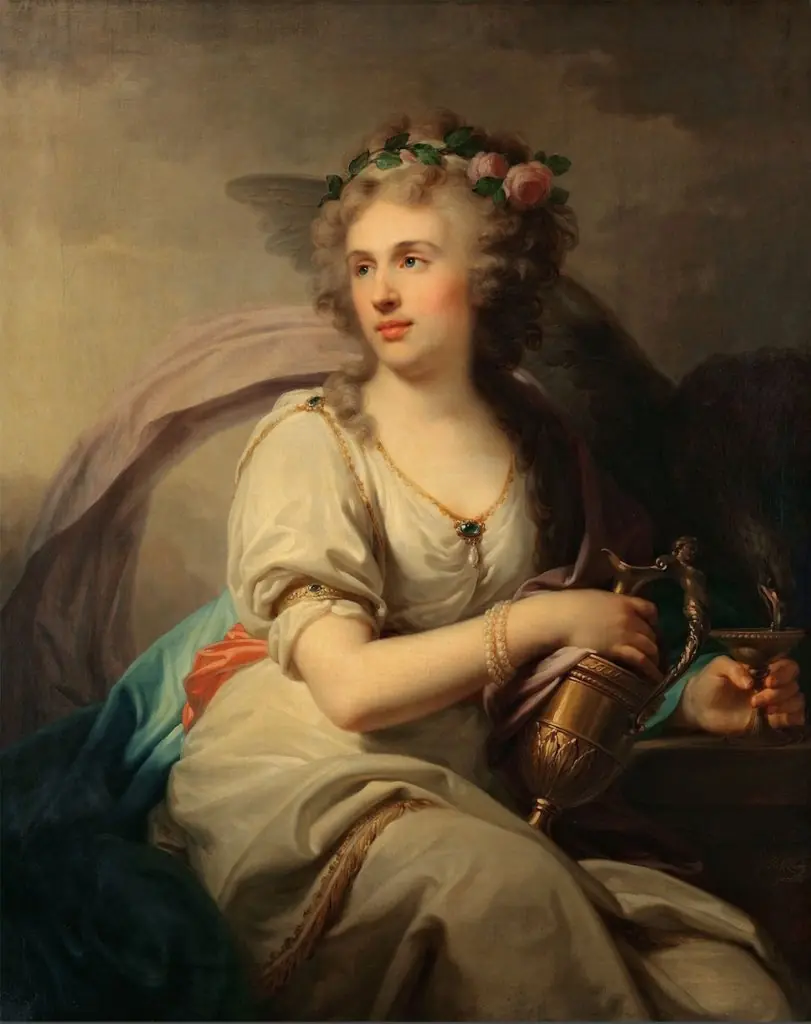 Porträt des Ekaterina Dolgorukaya
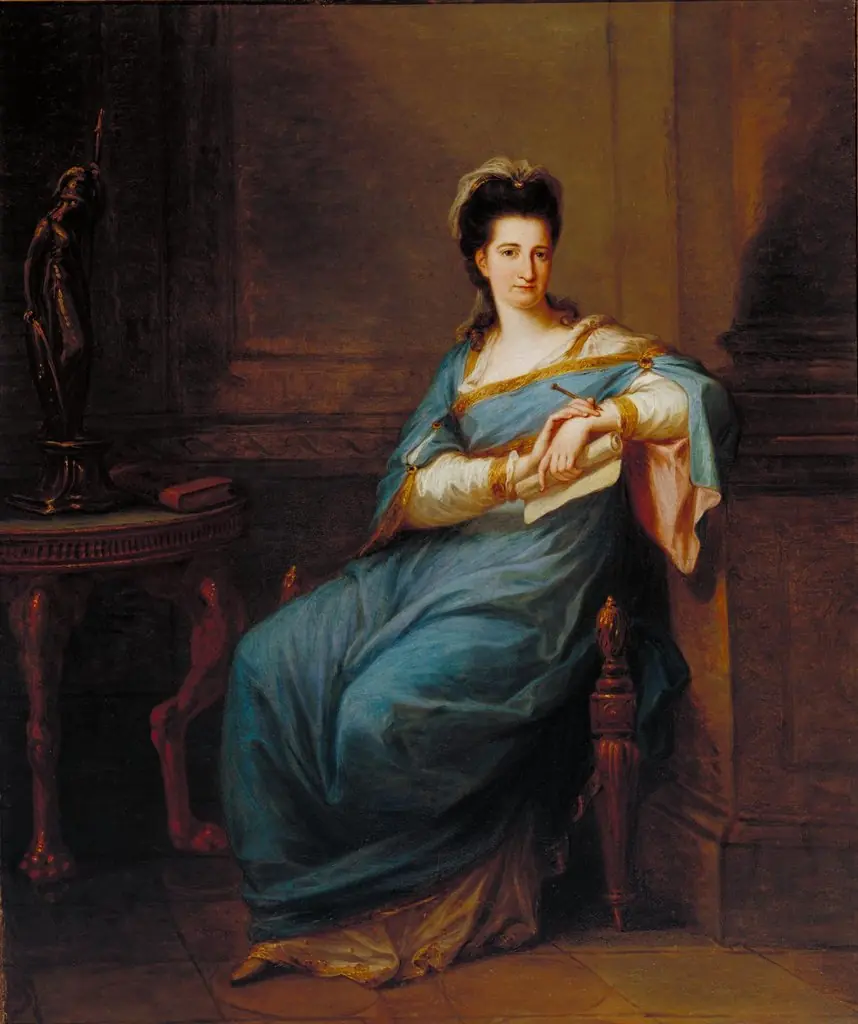 Portrait of a Lady
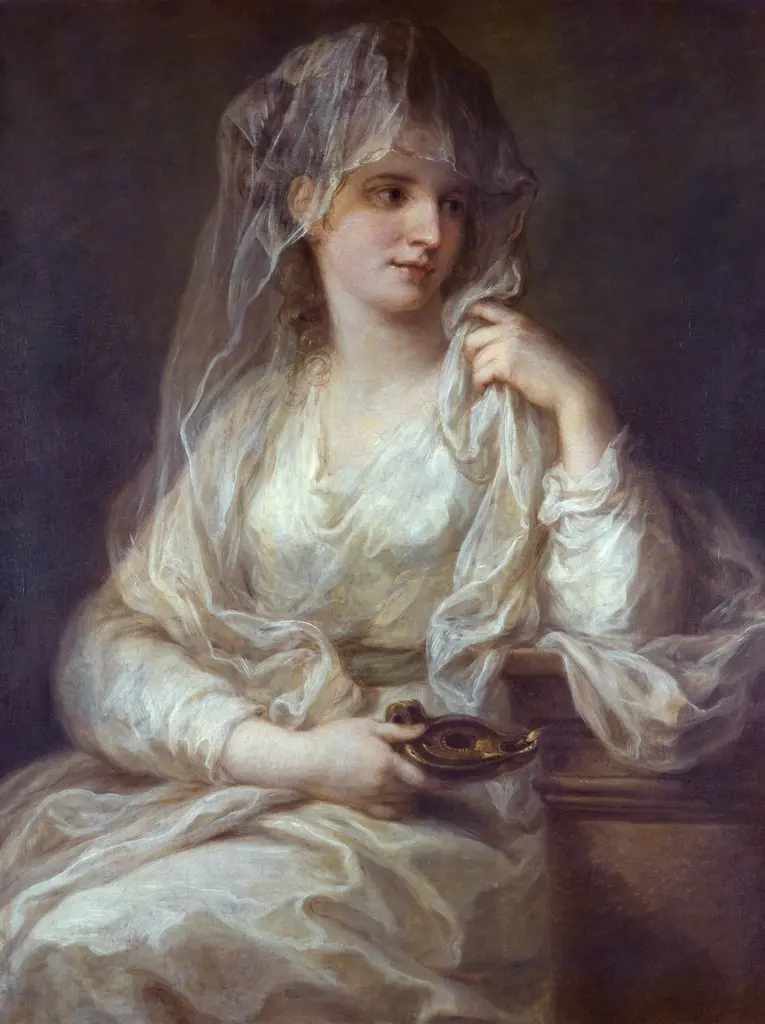 Portrait of a lady as Vestal Virgin
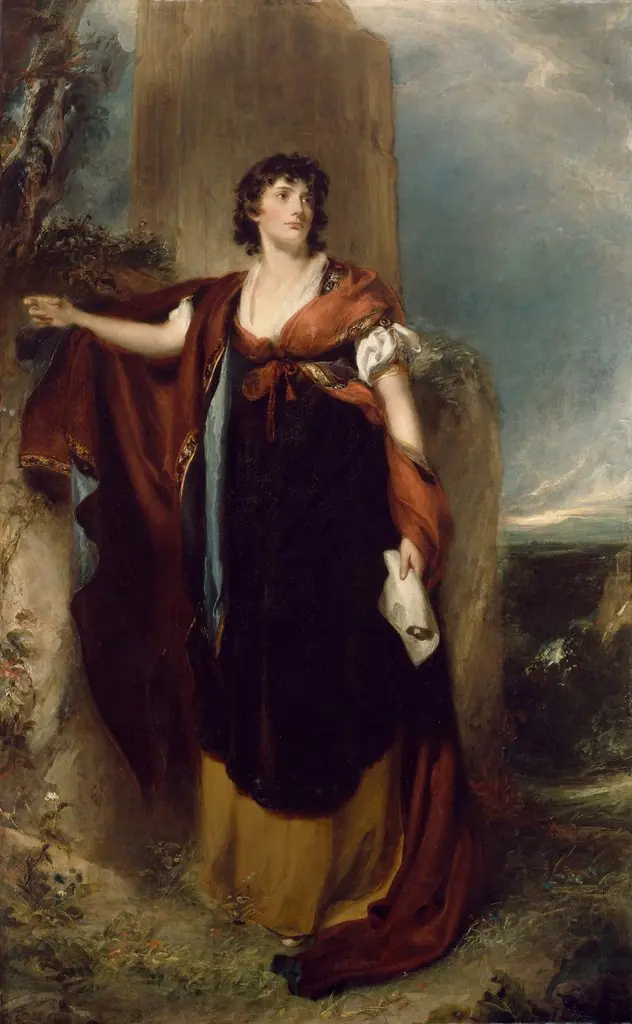 Portrait of Lady Elizabeth Foster, later Duchess of Devonshire (1759-1824)
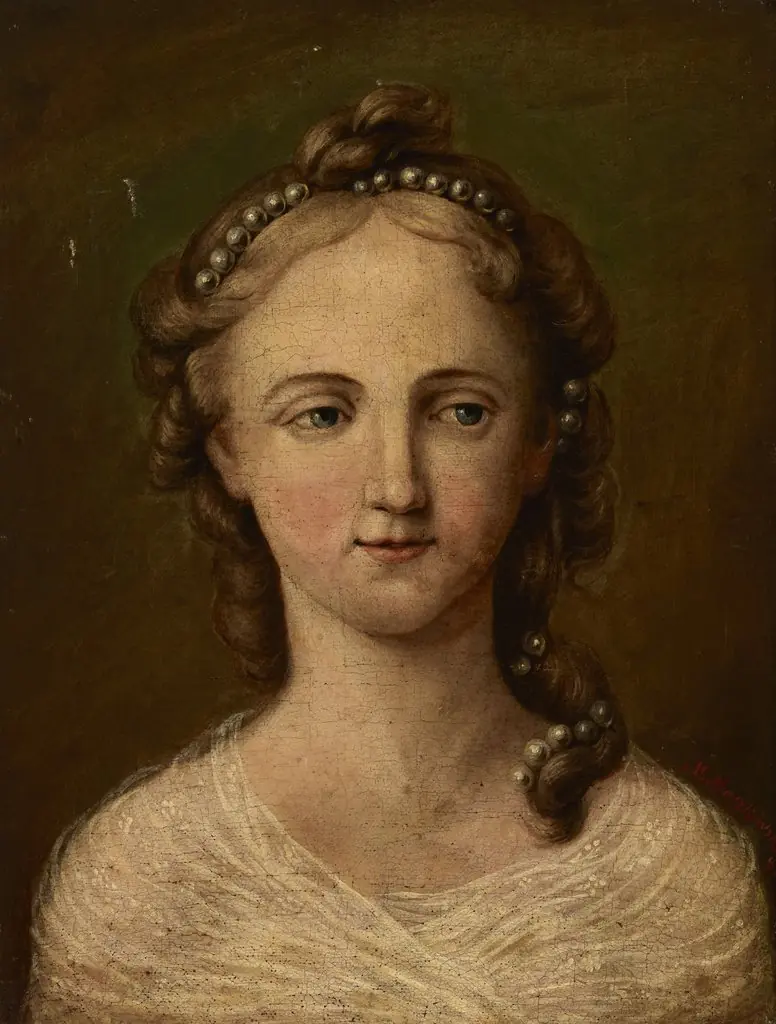 Portrait of Sister Fryderyka Maszkowska
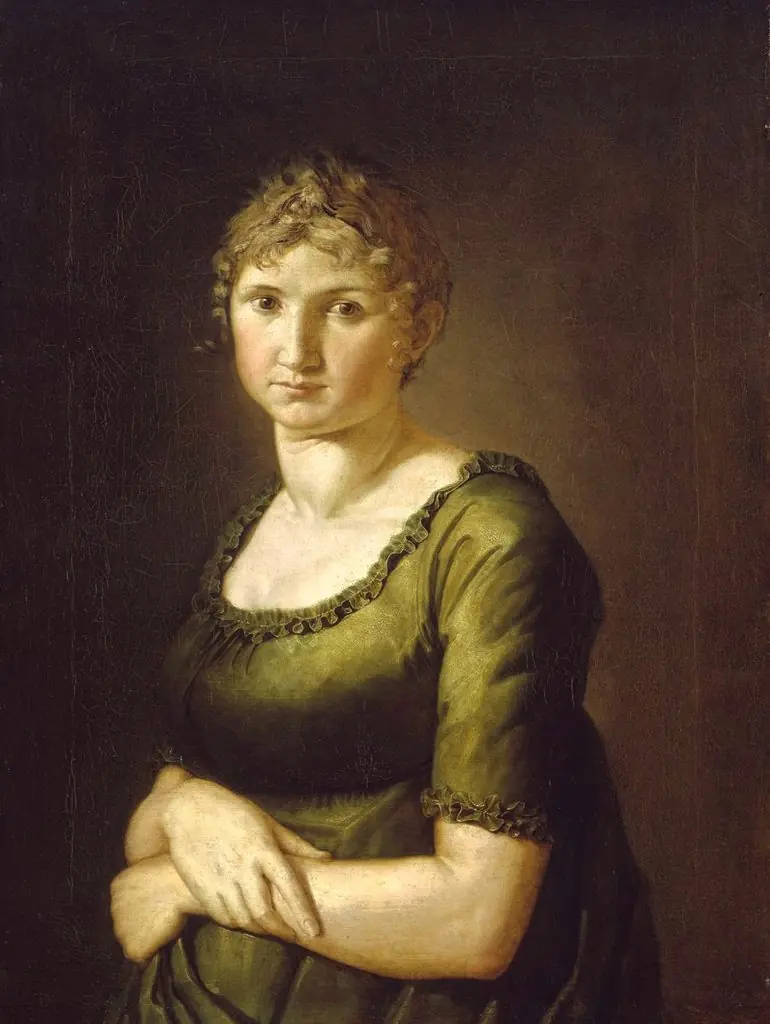 Portrait of Pauline in green dress
 Portrait of Comtesse Marie-Henriette Doullé de Bonneval