Artwork
Hercules Resting (recto)
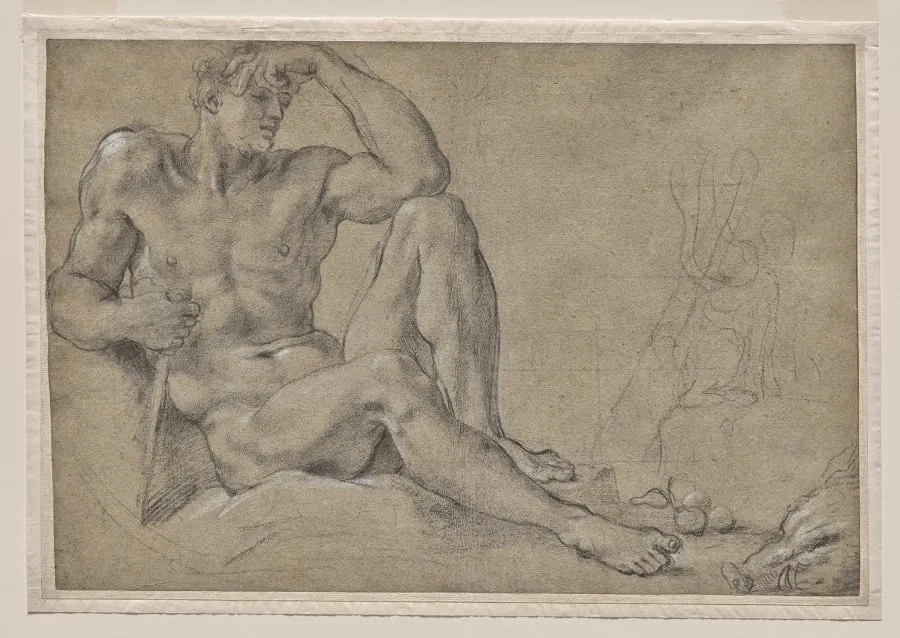
Hercules Resting (recto) is a drawing by the Renaissance artist Annibale Carracci. It dates from 1596 and is held in the collection of the Cleveland Museum of Art.
About this work
Overview
It depicts Hercules in a moment of repose after completing his twelve labors, rendered with careful attention to anatomical detail and emotional weight.
This drawing by Annibale Carracci serves as a preparatory study for a ceiling fresco commissioned by Cardinal Odoardo Farnese. It depicts Hercules in a moment of repose after completing his twelve labors, rendered with careful attention to anatomical detail and emotional weight. The work was intended for the cardinal’s private study in the Palazzo Farnese, where the final fresco would crown the room’s decoration.
Subject & Meaning
Hercules is shown not in victory but in fatigue, surrounded by the spoils of his labors: the Nemean lion’s pelt, the Erymanthian boar’s head, and the golden apples of the Hesperides. His slumped posture and heavy musculature convey the physical toll of his penance. The image reframes mythic heroism as human endurance, emphasizing exhaustion over glory, aligning with Renaissance humanist ideals that valued emotional realism.
Technique & Style
Carracci employed vigorous pen and ink with wash to model Hercules’ body, using chiaroscuro to define muscle and shadow. His rendering of anatomy reflects deep engagement with classical sculpture, particularly river gods from the Farnese collection. The exaggerated musculature is not idealized decoration but a demonstration of observed form, informed by both ancient models and Michelangelo’s Sistine figures, especially the reclining Adam.
History & Provenance
Created around 1595–1600, the drawing was part of Carracci’s process for the Farnese Gallery ceiling in Rome. It remained in the Farnese family’s possession until the collection passed to the Bourbon kings of Naples. The drawing later entered the collection of the Accademia di San Luca in Rome and is now held in the Uffizi Gallery, where it is recognized as a key example of early Baroque draftsmanship.
Context
In late 16th-century Rome, artists sought to reconcile classical antiquity with contemporary naturalism. Carracci’s Hercules reflects this synthesis: his pose echoes ancient statues, while his weary expression and textured musculature respond to Michelangelo’s emotional intensity. The commission itself was part of a broader trend among elite patrons to align their households with mythological narratives that celebrated virtue through struggle.
Legacy
This drawing exemplifies Carracci’s role in shaping Baroque drawing practices, bridging Mannerist stylization and naturalistic observation. Its emphasis on physical realism and psychological depth influenced later artists, including Rubens and Poussin. As a study, it reveals the artist’s method: myth made tangible through disciplined observation, transforming legend into a human experience grounded in weight, fatigue, and presence.
Artist & collection
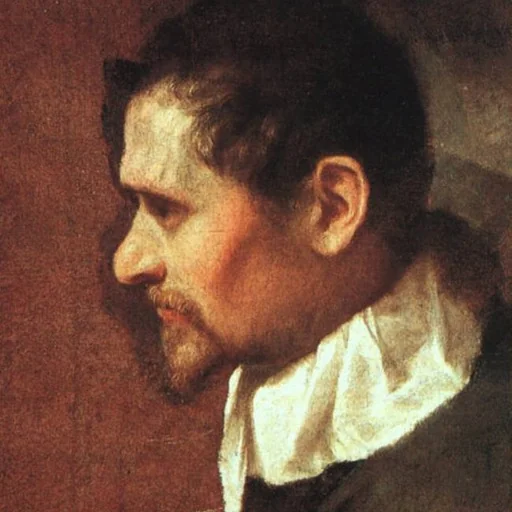
Artist
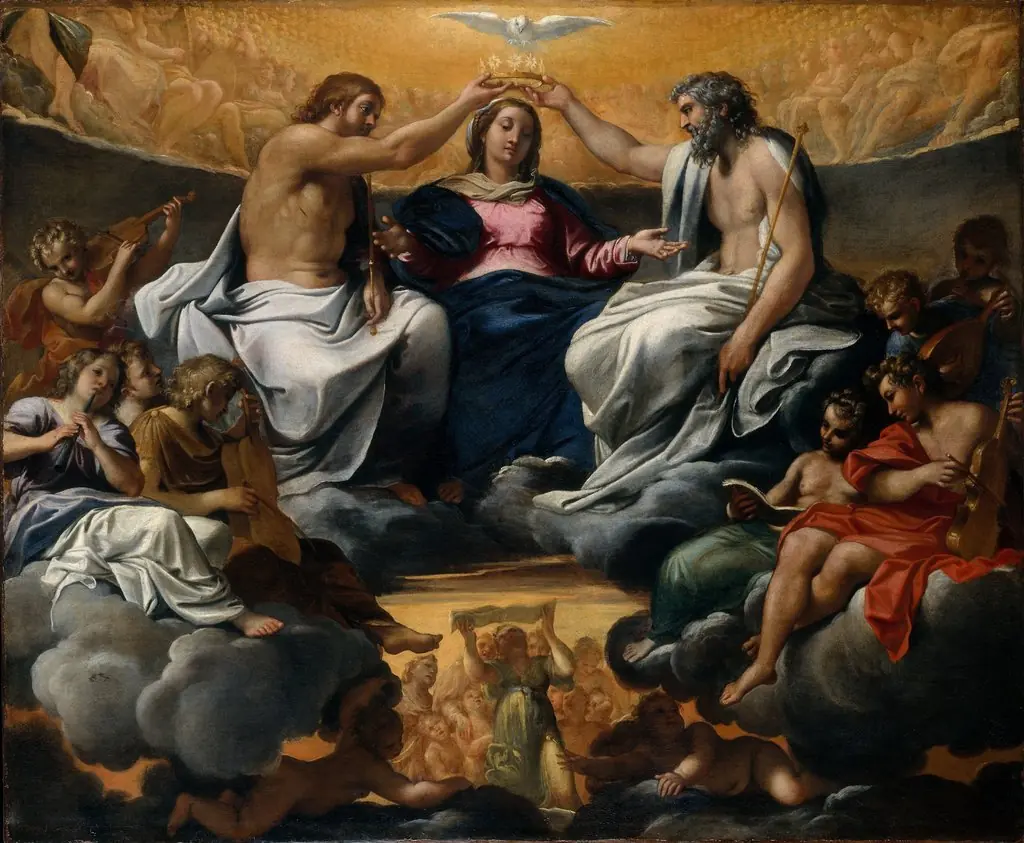
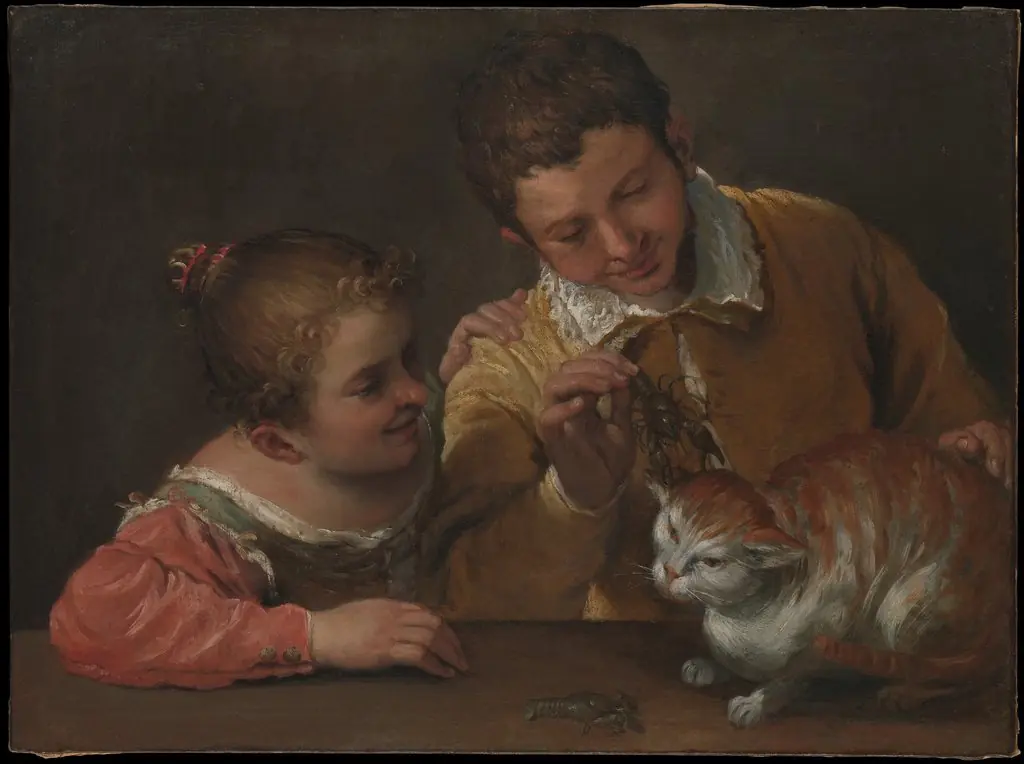
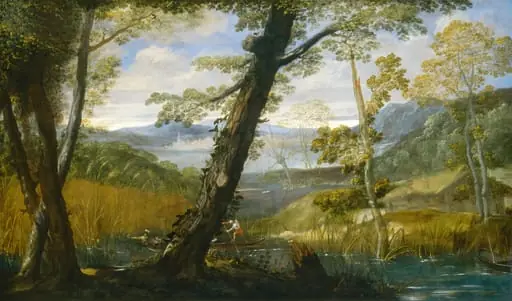
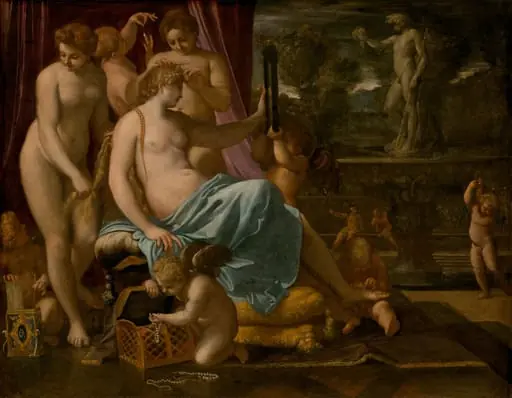
Annibale Carracci ( kə-RAH-chee, UK also kə-RATCH-ee, Italian: ; November 3, 1560 – July 15, 1609) was an Italian painter and instructor, active in Bologna and later in Rome.

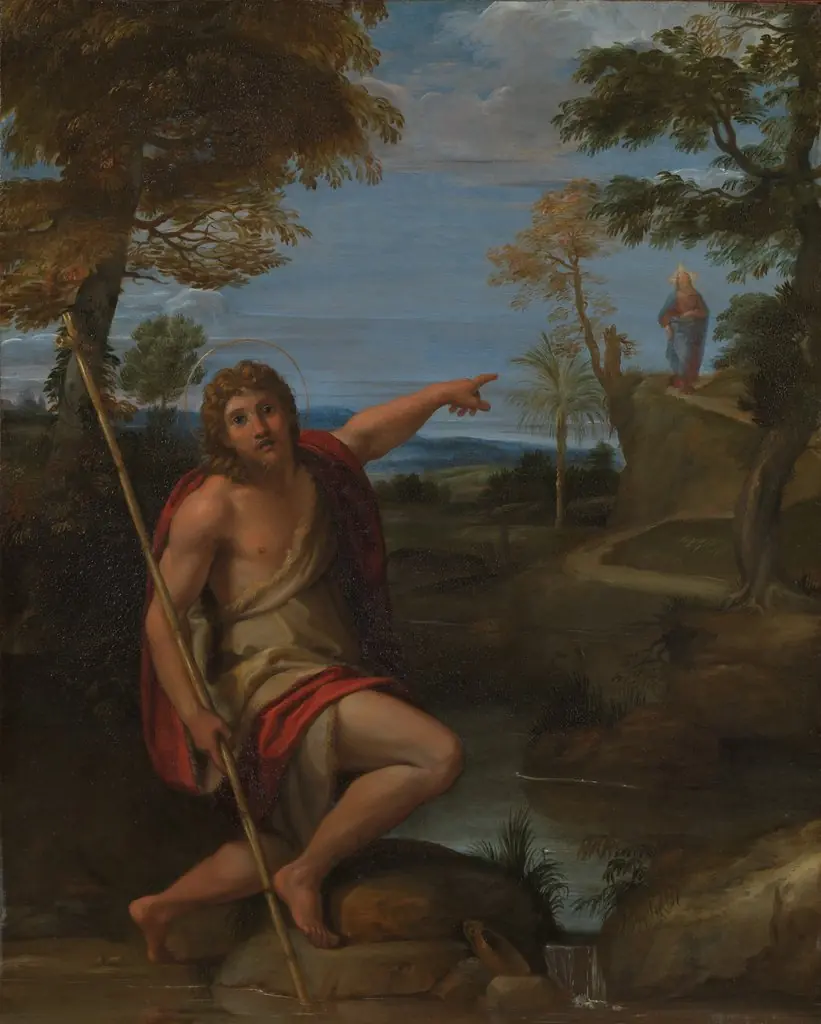
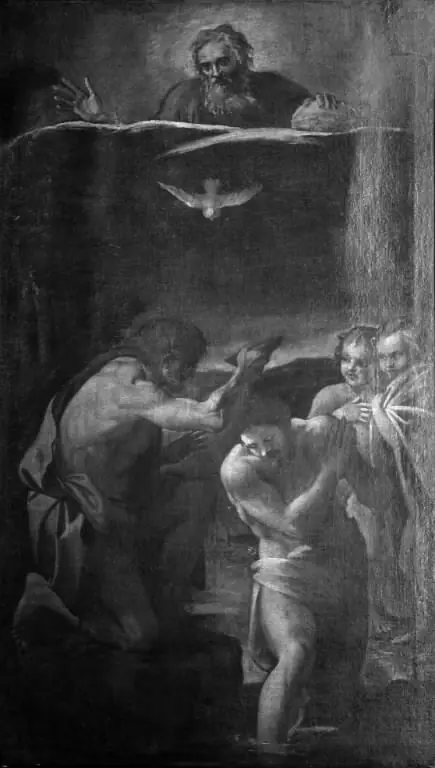
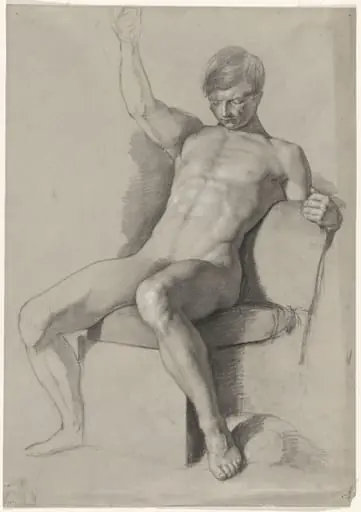 Seated Male Nude with Raised Right Hand
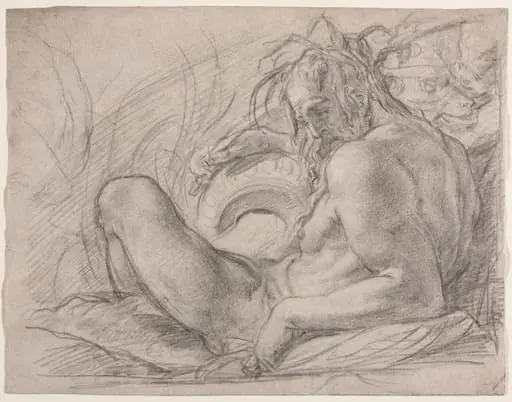 The River God Tiber (Study for a fresco, Miracle of the Snow, or the Foundation of Santa Maria Maggiore, Rome in the Canigiani chapel of S. Felicita, Florence)
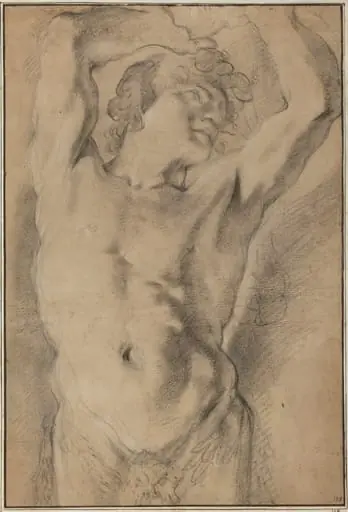 A Male Herm
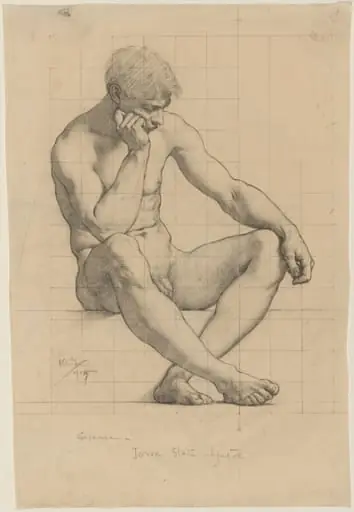 Seated Male Nude: Study for "Science" - Iowa State Capitol
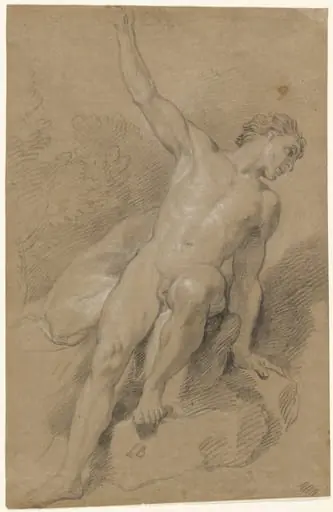 Male Nude Seated on Rocks
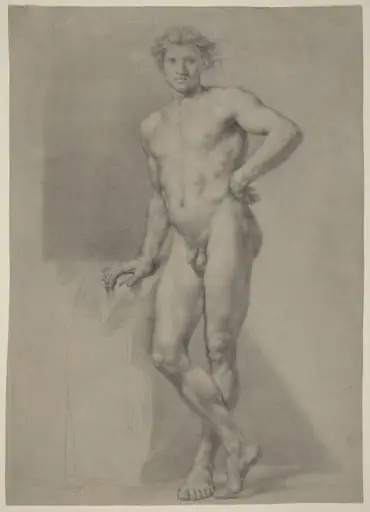 Male Nude Study
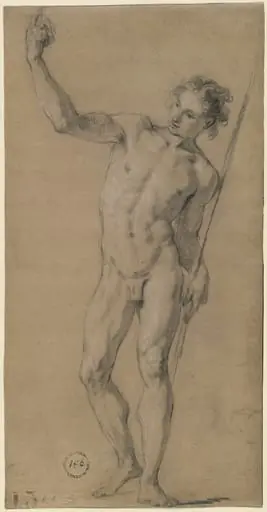 Saint John the Baptist
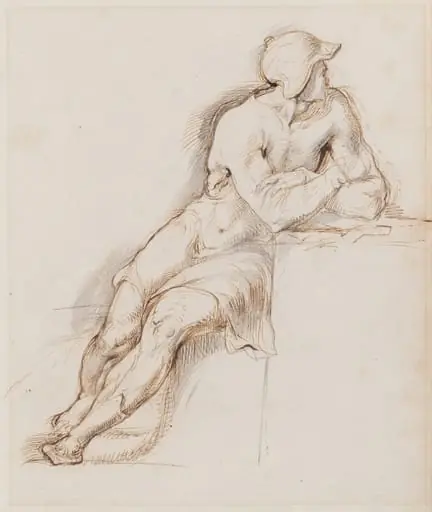 Study of a Seated Man Wearing a Helmet
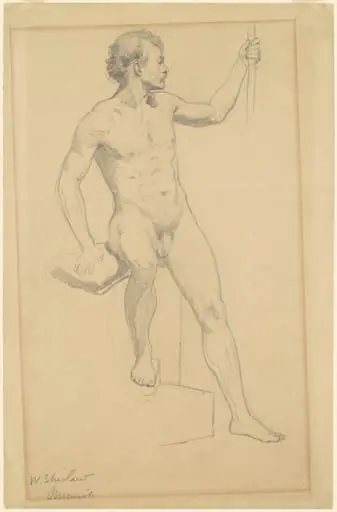 Male Nude
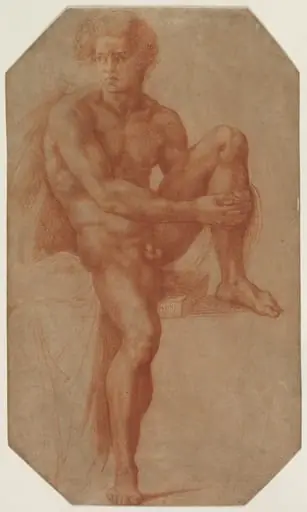 Seated Male Nude