Artwork
Mural paintings from the Herrera Chapel
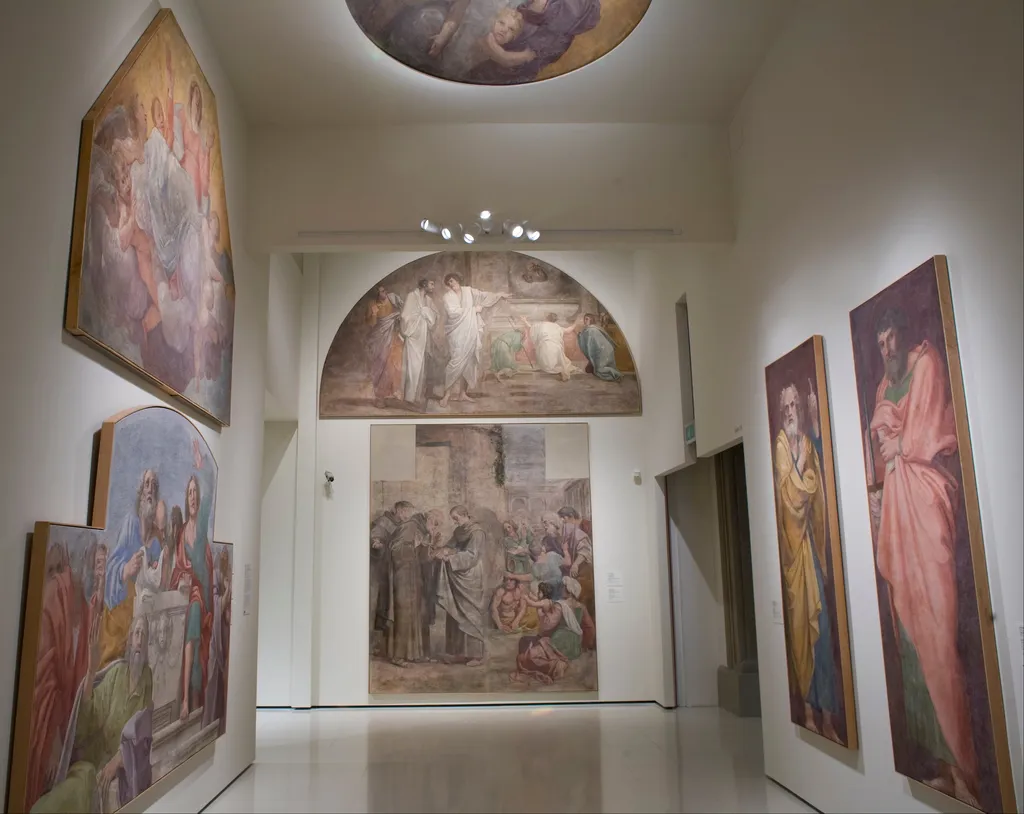
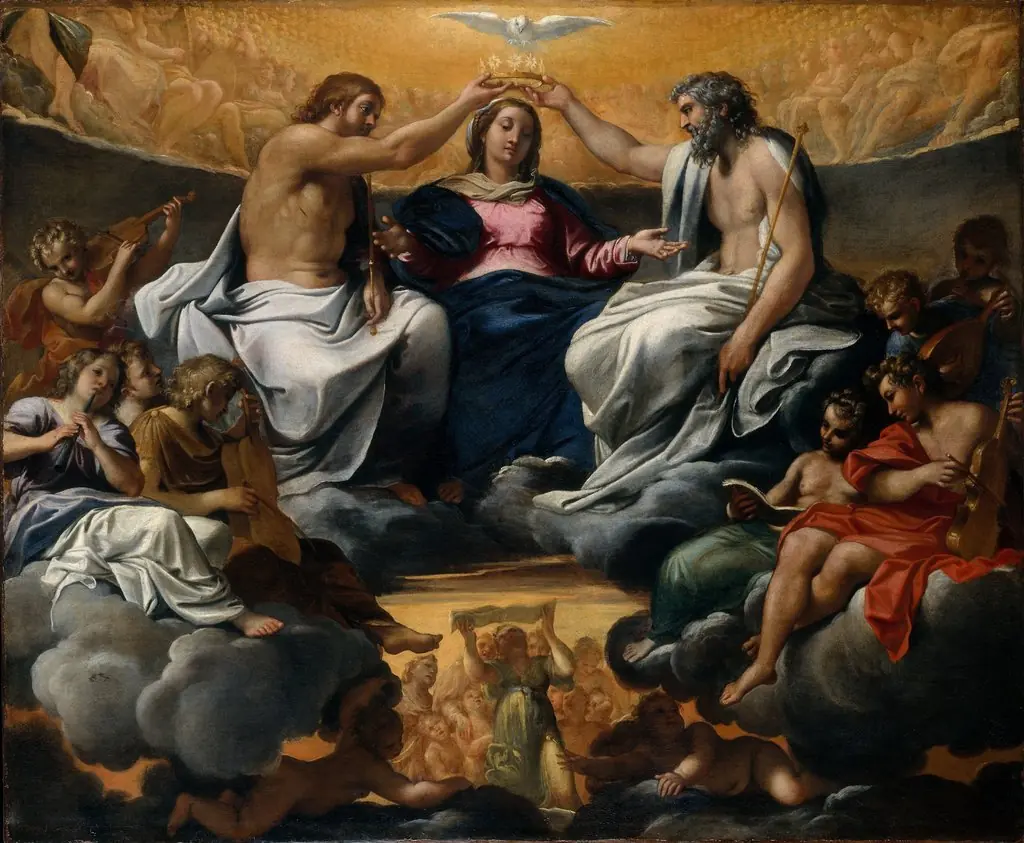
Mural paintings from the Herrera Chapel is an unspecified painting by the Early Baroque Italian artist Annibale Carracci. It dates from 1604 and is held in the collection of the Museu Nacional d'Art de Catalunya.
About this work
Overview
The Mural paintings from the Herrera Chapel, executed by Annibale Carracci in 1604, represent a pivotal example of early Baroque Italian art. As a leading Bolognese painter and educator, Carracci played a crucial role in defining the Baroque style by integrating classical elements with dynamic spatial arrangements.
Subject & Meaning
The murals depict a serene gathering of robed figures around a central figure within a spacious, high-ceilinged setting. The composition conveys a sense of calm and collective piety, reflecting Carracci’s approach to creating monumental yet intimate religious scenes.
Technique & Style
Carracci employed chiaroscuro to achieve depth and volume, juxtaposing strong light and dark contrasts. The use of varied, muted robes (white, blue, green) against the neutral backdrop of white walls enhances the visual harmony and emotional serenity of the scene.
History & Provenance
Originally from the Herrera Chapel, these frescoes are now part of the Museu Nacional d'Art de Catalunya’s collection, testifying to Carracci’s enduring influence on European art.
Context
Created in the early 17th century, the murals embody the transitional spirit of Baroque’s emergence, blending classical restraint with the expressive intensity that would characterize the period.
Legacy
As a key work by Carracci, the murals have inspired subsequent generations of artists in their balance of classical harmony and Baroque dynamism, contributing significantly to the evolution of religious art in Europe.
Artist & collection
Artist
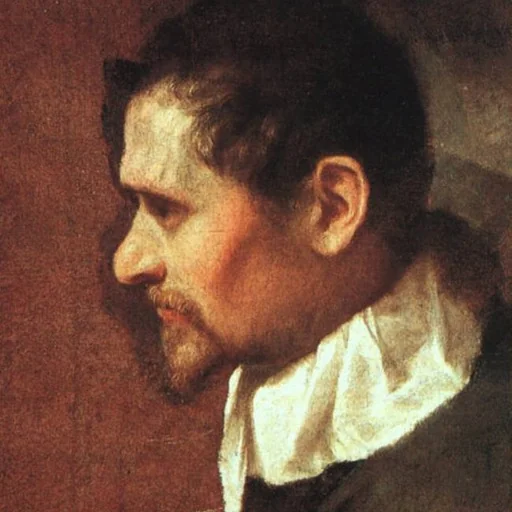
Annibale Carracci ( kə-RAH-chee, UK also kə-RATCH-ee, Italian: ; November 3, 1560 – July 15, 1609) was an Italian painter and instructor, active in Bologna and later in Rome.

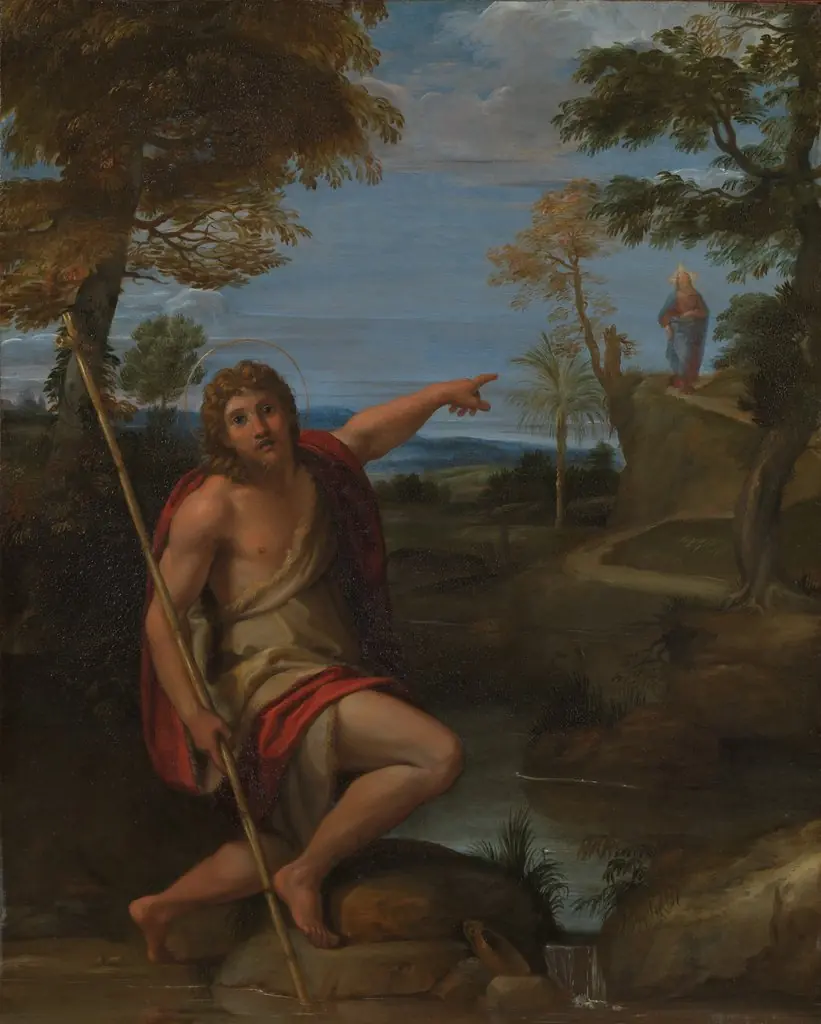
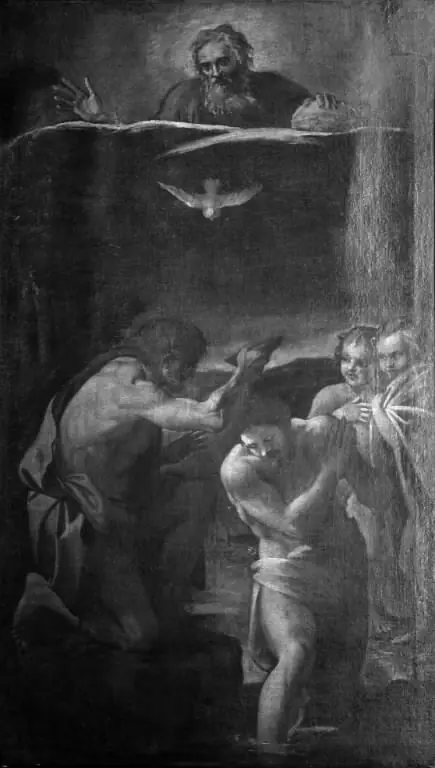
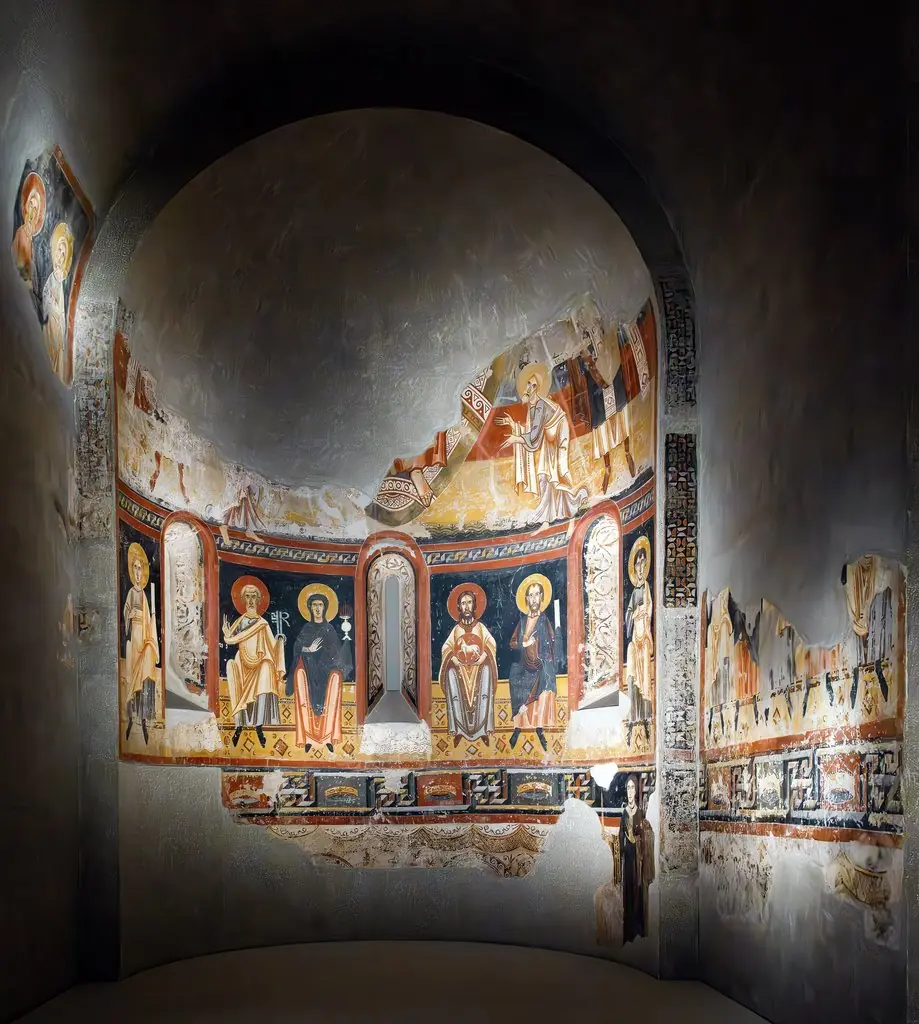 Apse of Burgal
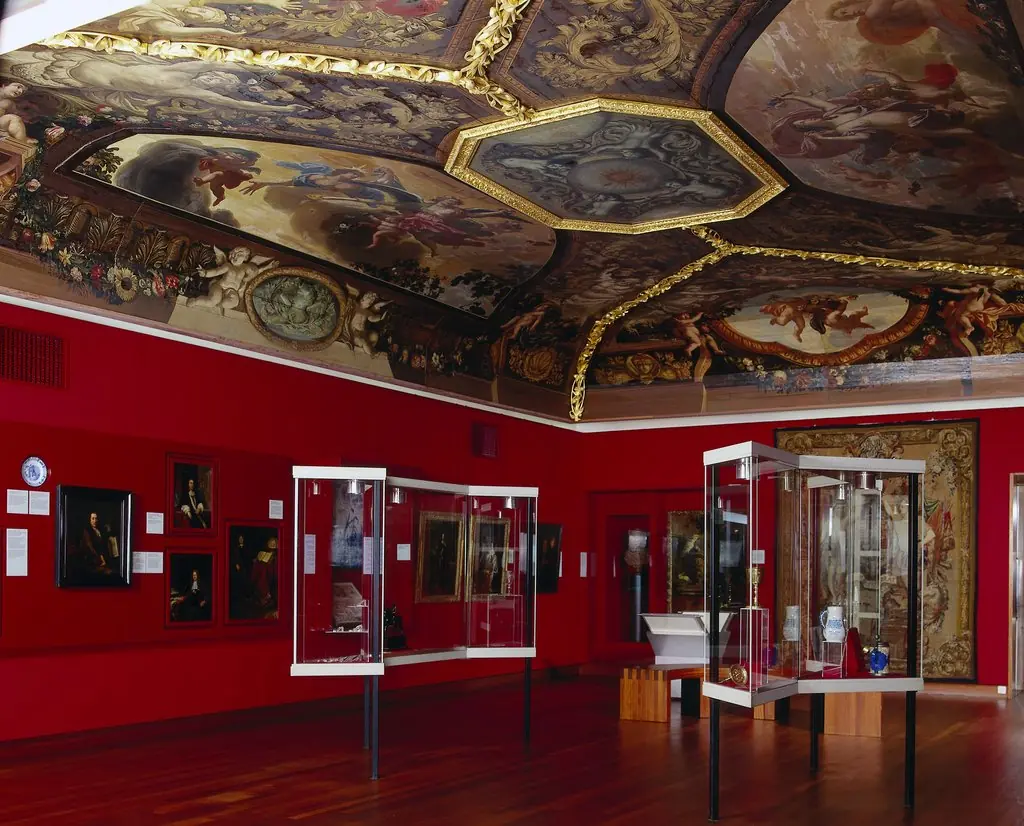 Ceiling with representations of Morning and Evening
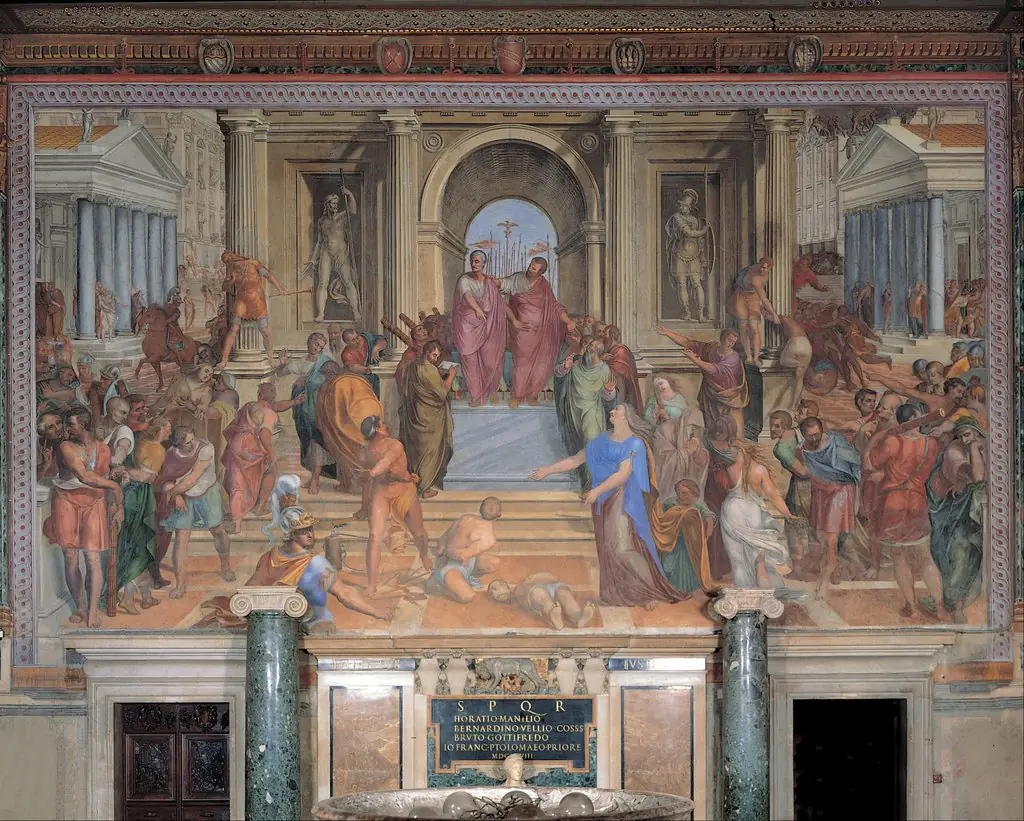 Justice of Brutus
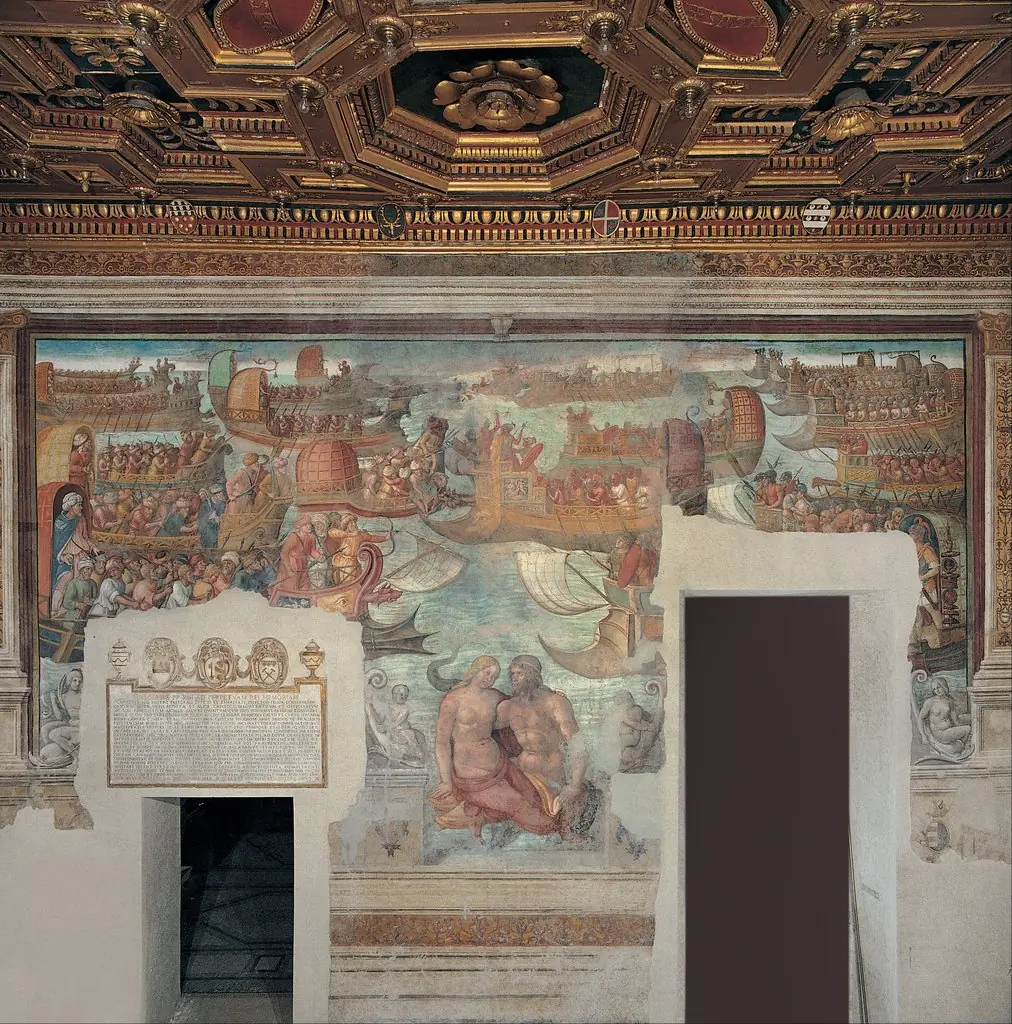 Naval Combat
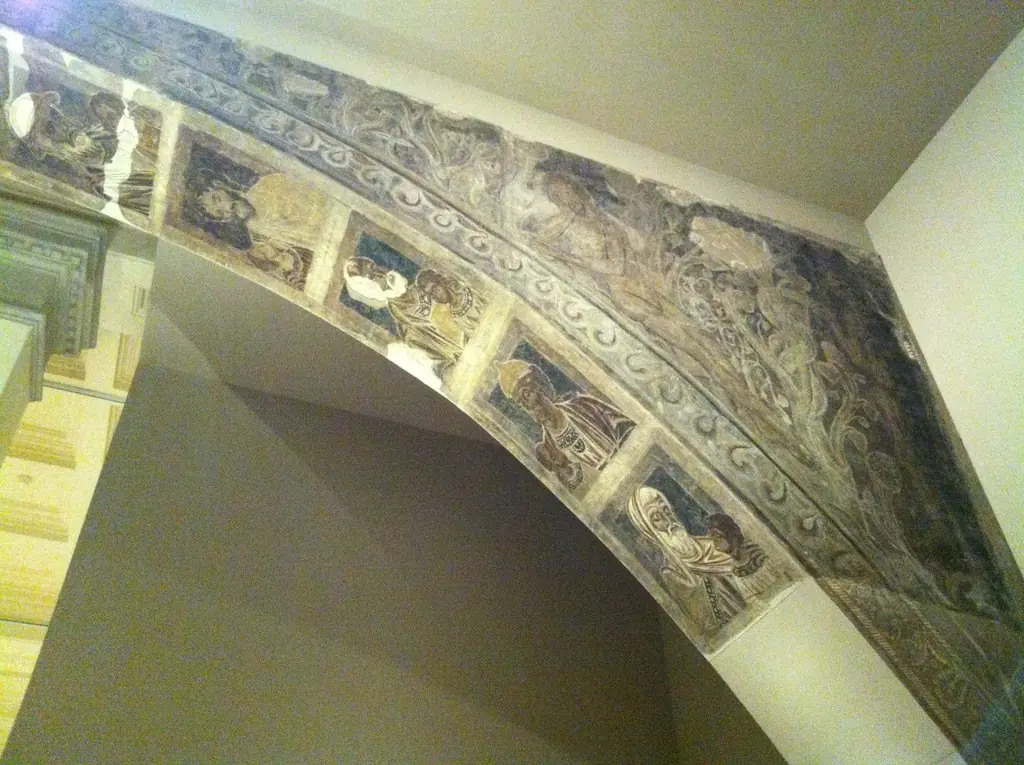 Original Sin, from the Chapter House in Sigena
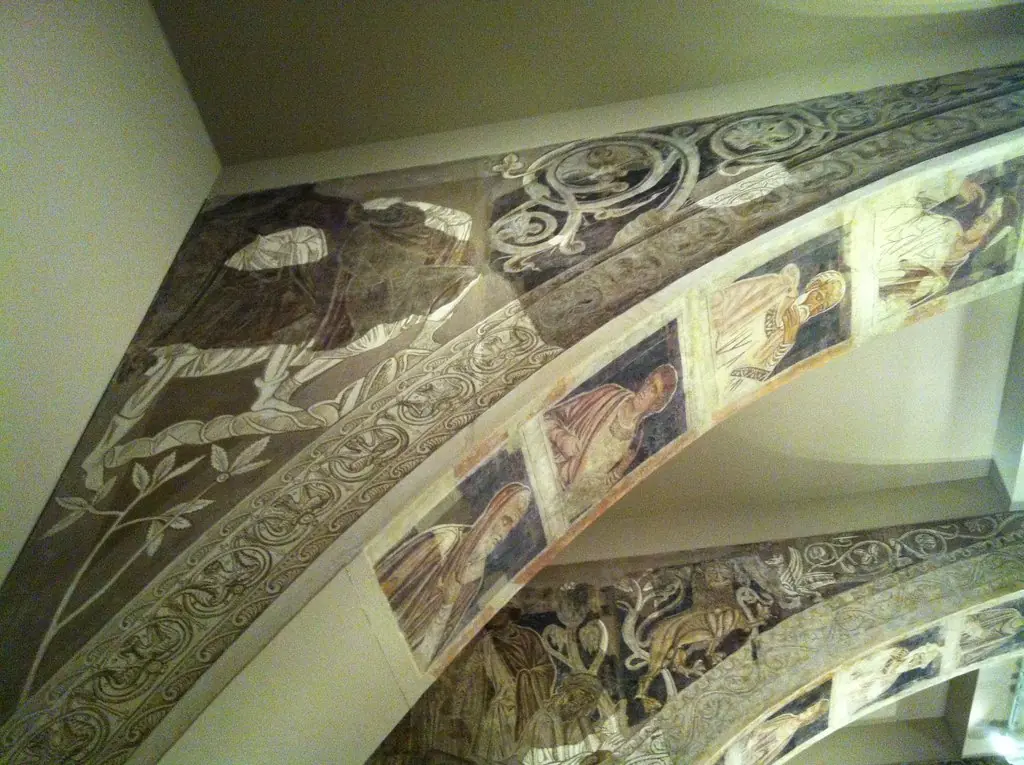 Cain Slays Abel, from the Chapter House in Sigena
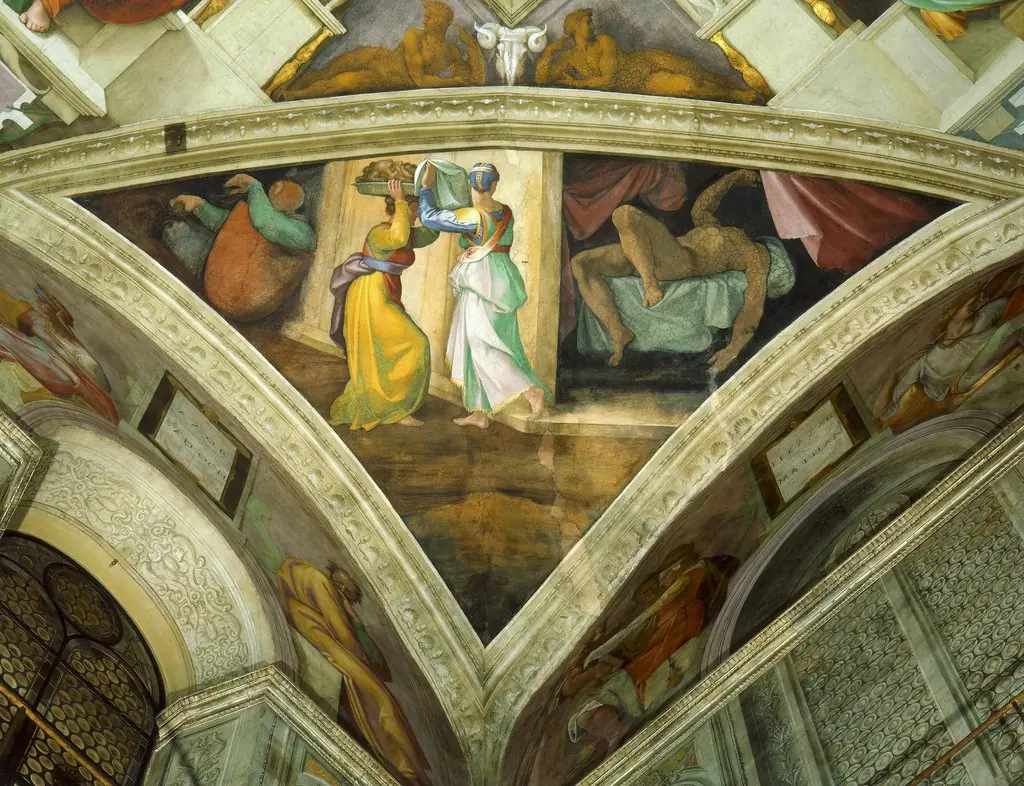 Judith and Holofernes
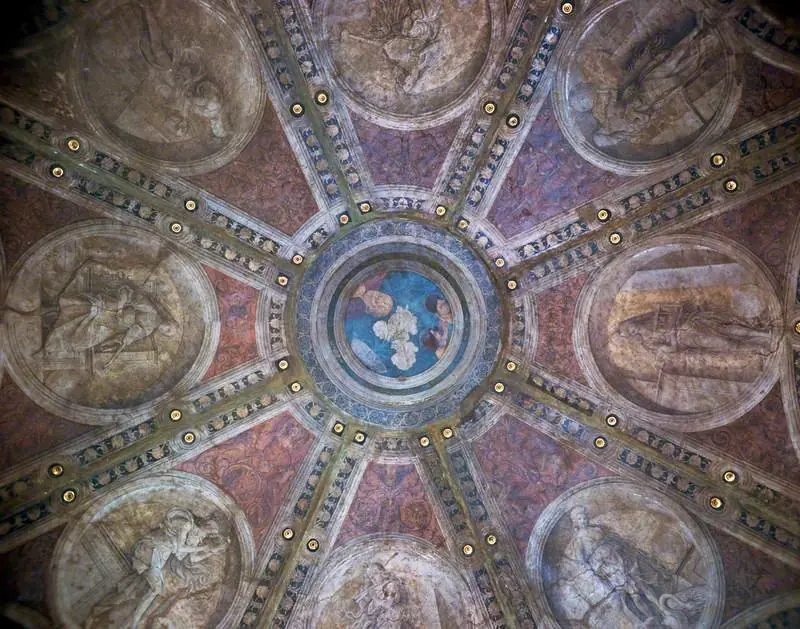 Ceiling from the Casa Maffi, Via Belvedere, Cremona (detail)
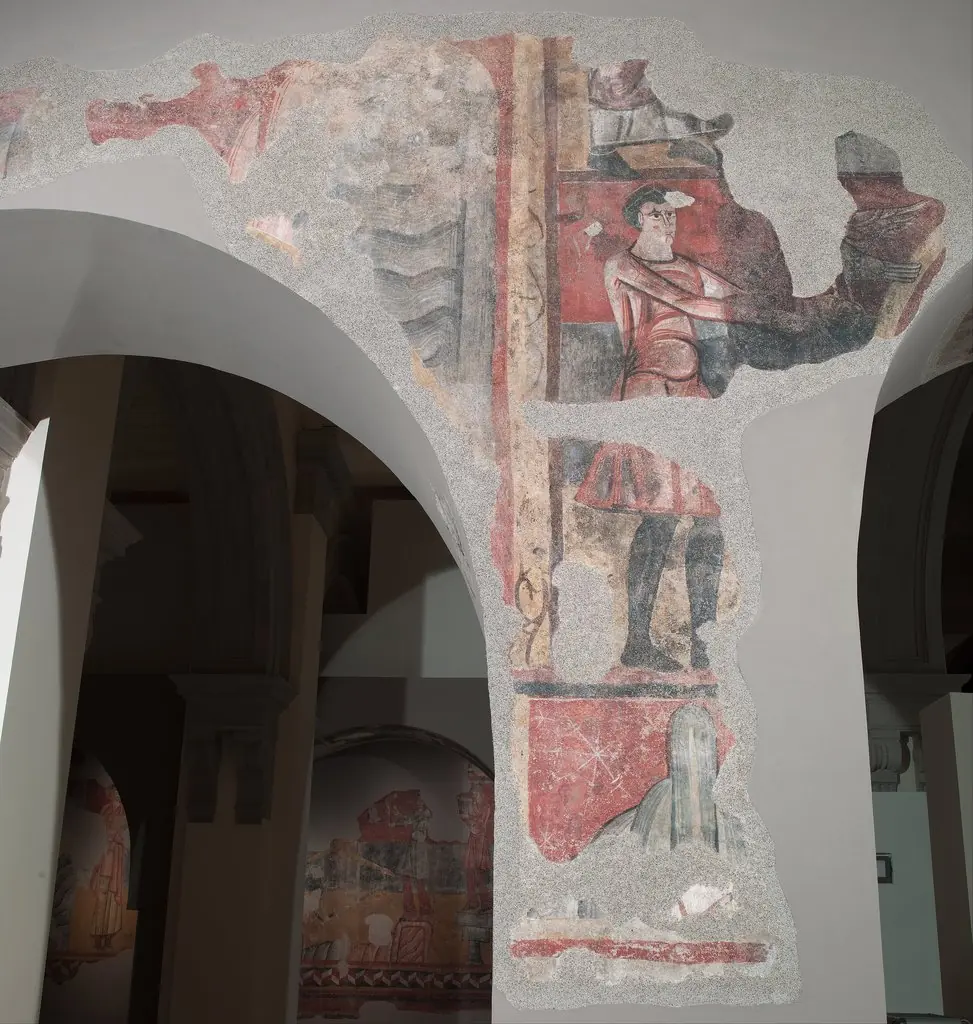 Falconer from Boí
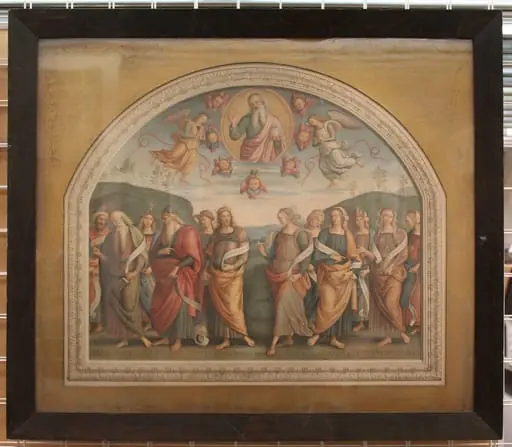 Prophets and Sibyls
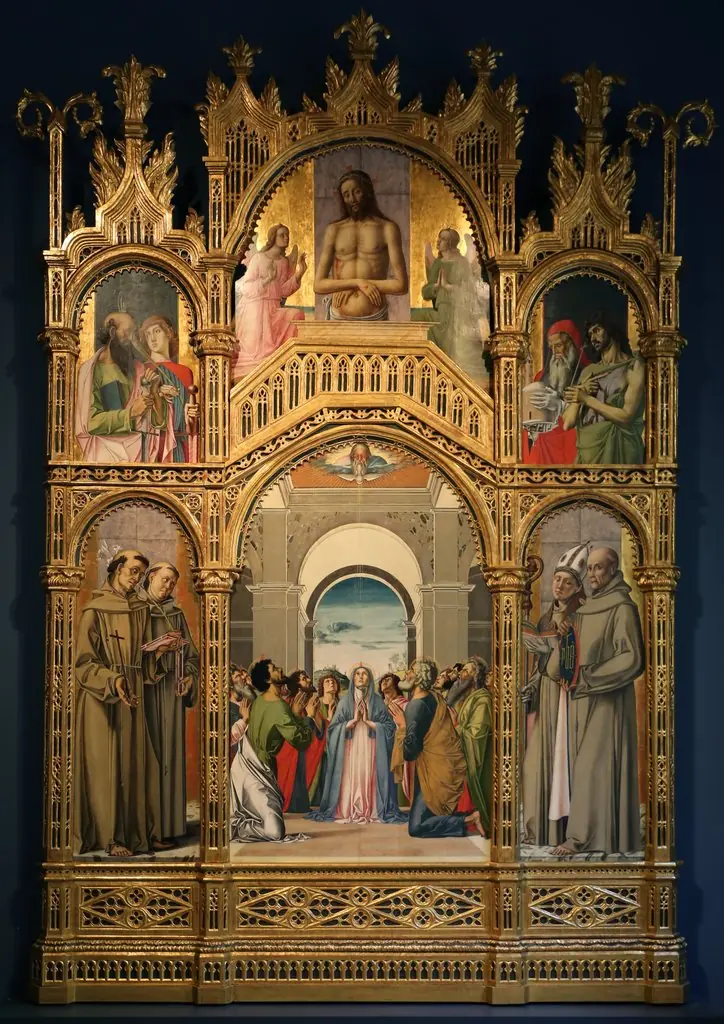 Pentecost table (6 panels)
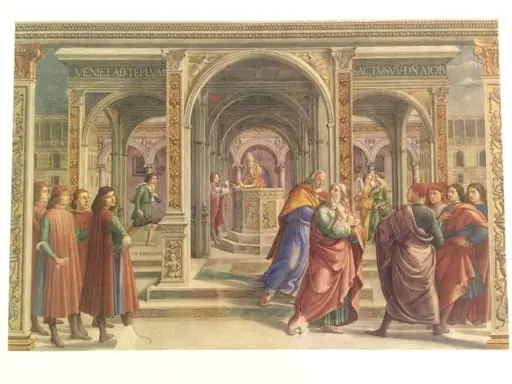 Copy after The Expulsion of Joachim from the Temple, Domenico Ghirlandaio in the Tornabuoni Chapel, Santa Maria Novella (Florence)