Artwork
Naval Combat
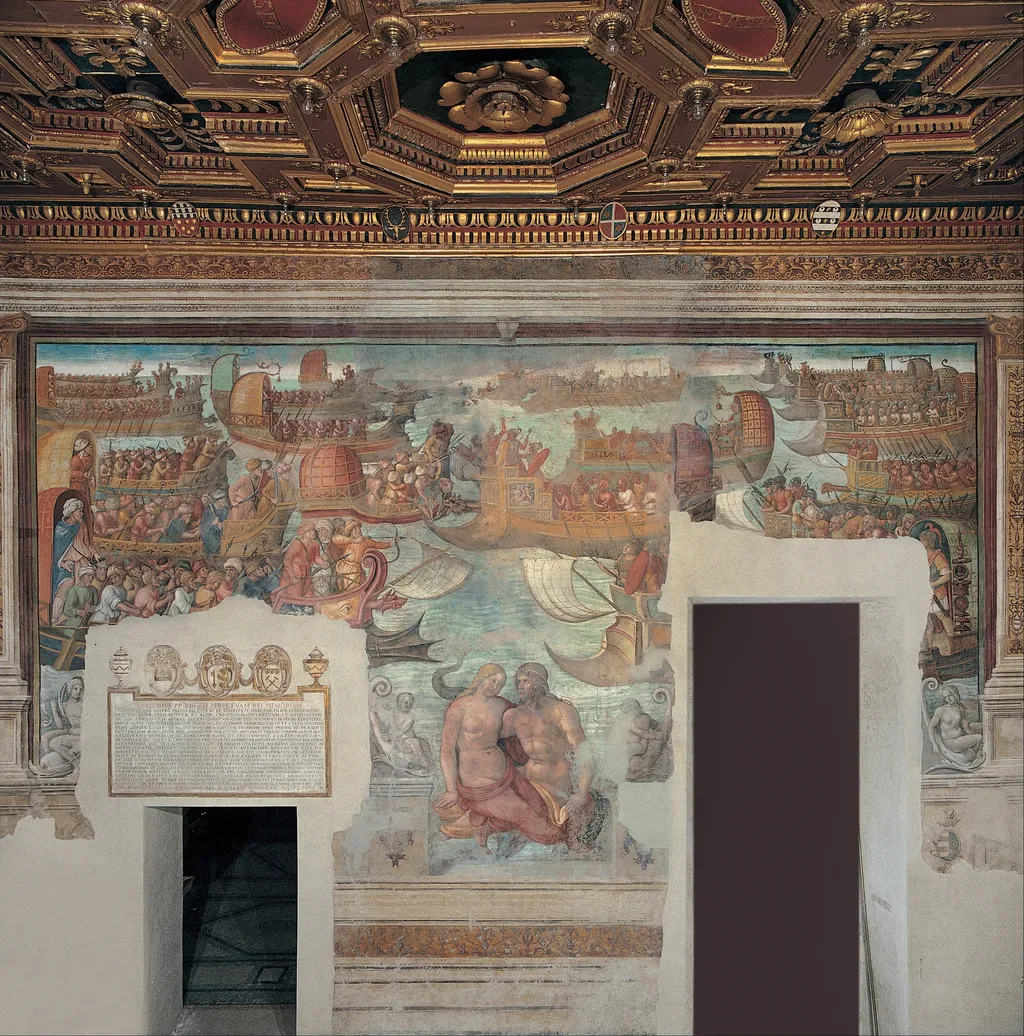
Naval Combat is a fresco painting by Jacopo Ripanda. It dates from 1451 and is held in the collection of the Capitoline Museums.
About this work
Overview
It belongs to a group of decorative works intended for elite Roman spaces, reflecting the era’s interest in historical and military narratives.
Created around 1451 by Jacopo Ripanda, *Naval Combat* is a fresco painted for a papal commission in Rome. It belongs to a group of decorative works intended for elite Roman spaces, reflecting the era’s interest in historical and military narratives. Executed using the traditional fresco technique, the painting was applied directly onto wet plaster, ensuring durability and integration with the architectural surface.
Subject & Meaning
The scene portrays a chaotic naval engagement, with vessels locked in conflict and figures struggling in the water. While no specific historical battle is identified, the composition evokes classical ideals of heroism and disorder in warfare. The inclusion of swimmers and combatants suggests a focus on human struggle amid the chaos of battle, aligning with Renaissance interests in dynamic storytelling and physical exertion.
Technique & Style
Ripanda employed the fresco method, applying pigments to damp lime plaster to achieve a durable, matte finish. The palette is restrained, dominated by earthy browns and muted blues, emphasizing texture over vivid color. Figures are rendered with simplified anatomy and flattened perspective, characteristic of early Renaissance transitional styles, where narrative clarity outweighed naturalistic depth.
History & Provenance
The fresco was commissioned as part of a larger decorative program for a papal residence or ceremonial space in Rome. It later became part of the Capitoline Museums’ collection, likely transferred during the 16th-century reorganization of papal art holdings. Its survival is notable, as many contemporary frescoes were lost to renovation or decay, suggesting its early recognition as a significant work.
Context
In mid-15th century Rome, fresco cycles depicting historical and mythological scenes were favored by patrons seeking to link their authority with classical antiquity. Ripanda’s work fits within this trend, though his style remains closer to late Gothic conventions than the emerging High Renaissance ideals. His activity in both Bologna and Rome places him at the intersection of regional and papal artistic currents.
Legacy
Though Ripanda is not widely known today, *Naval Combat* remains a rare surviving example of secular fresco painting from early Renaissance Rome. It provides insight into the visual language of military narrative before the full adoption of linear perspective and anatomical precision. The work contributes to understanding the breadth of artistic production beyond the most celebrated masters of the period.
Artist & collection
Artist
Jacopo Ripanda (Bologna, 15th century - Rome, c.1516) was an Italian painter of the Renaissance era.

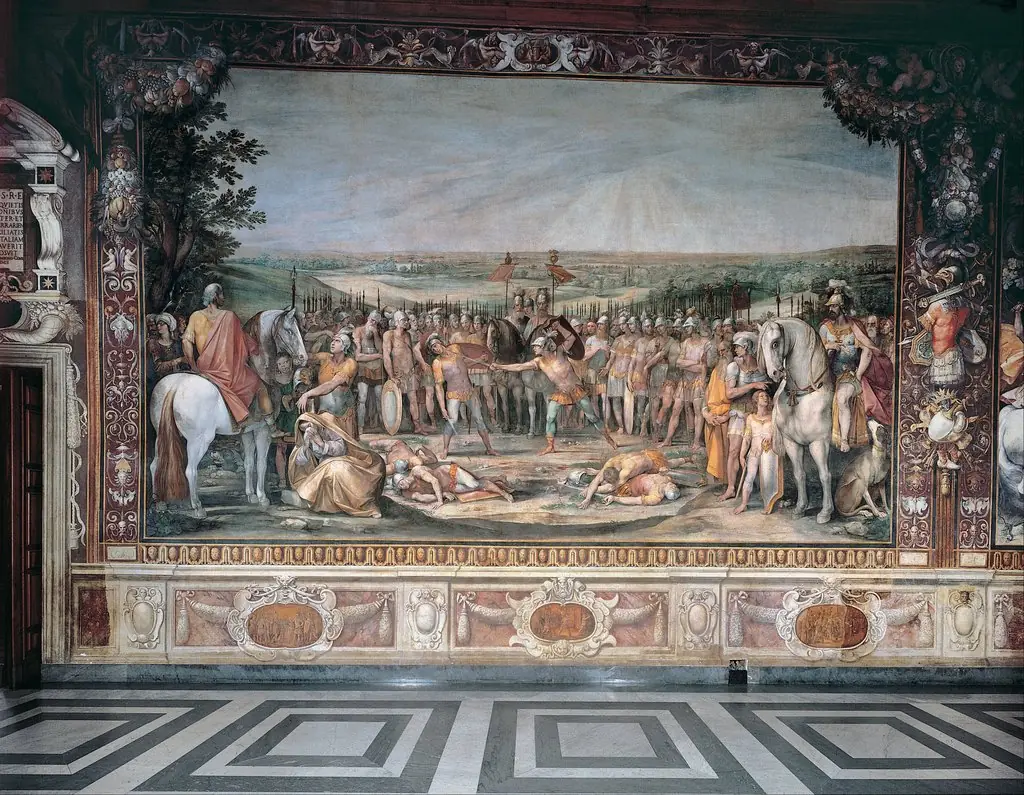 Combat of the Horatii and the Curiatii
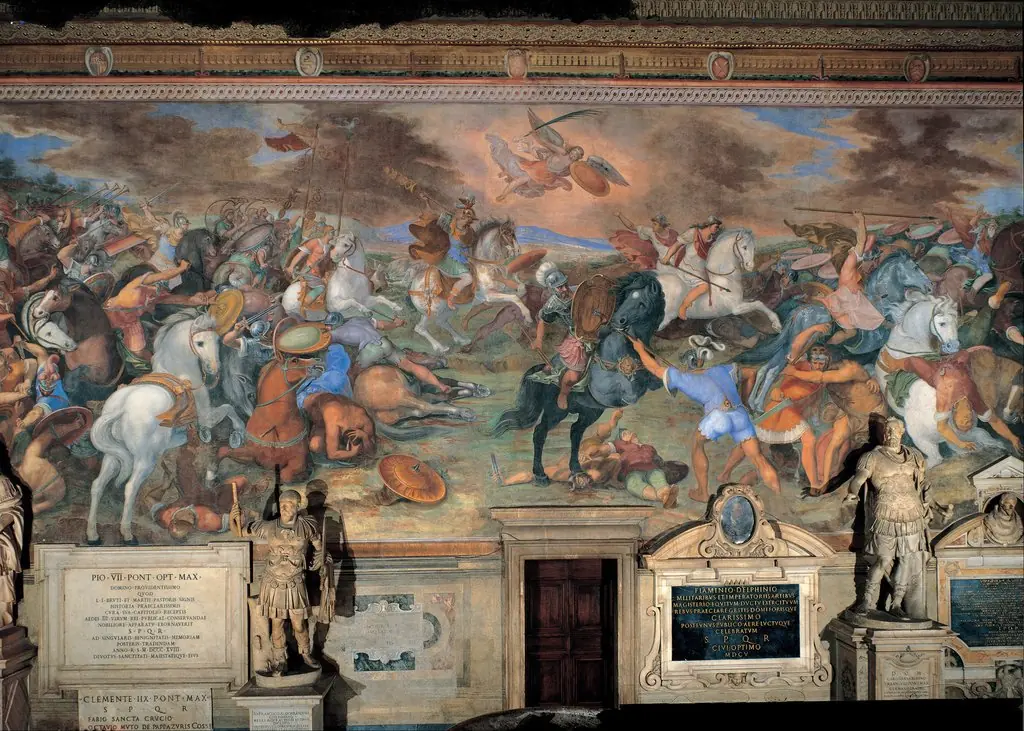 Battle of Lake Regillus
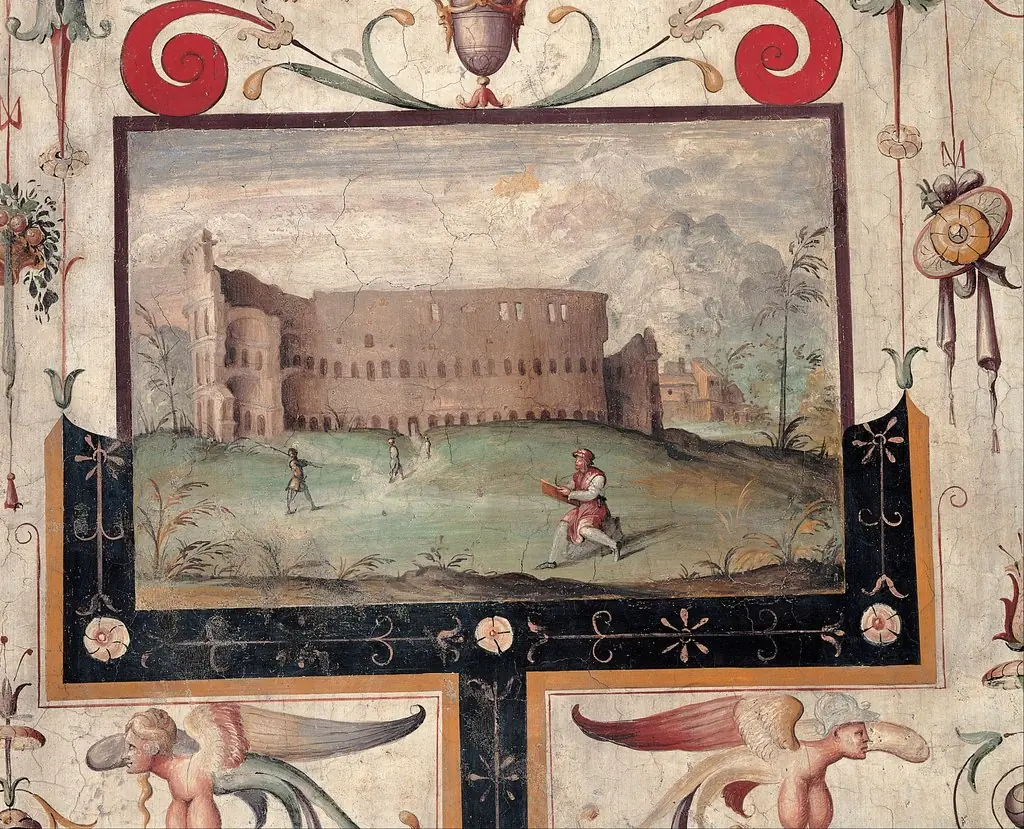 View of the Colosseum
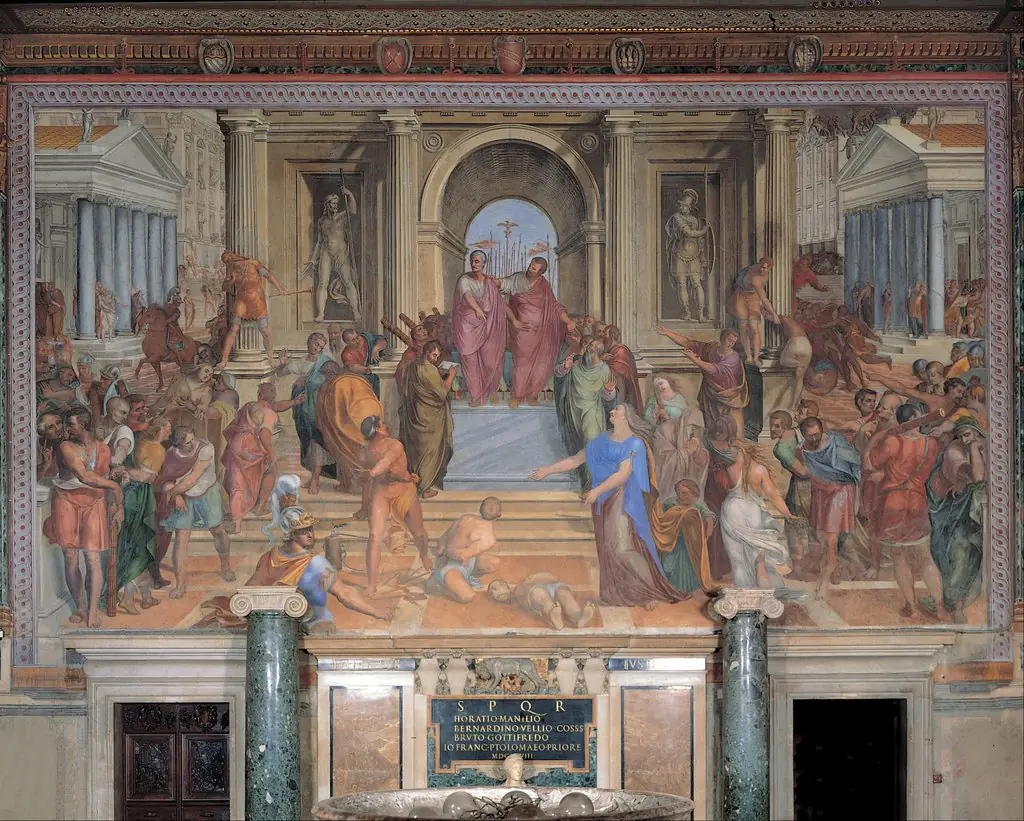 Justice of Brutus
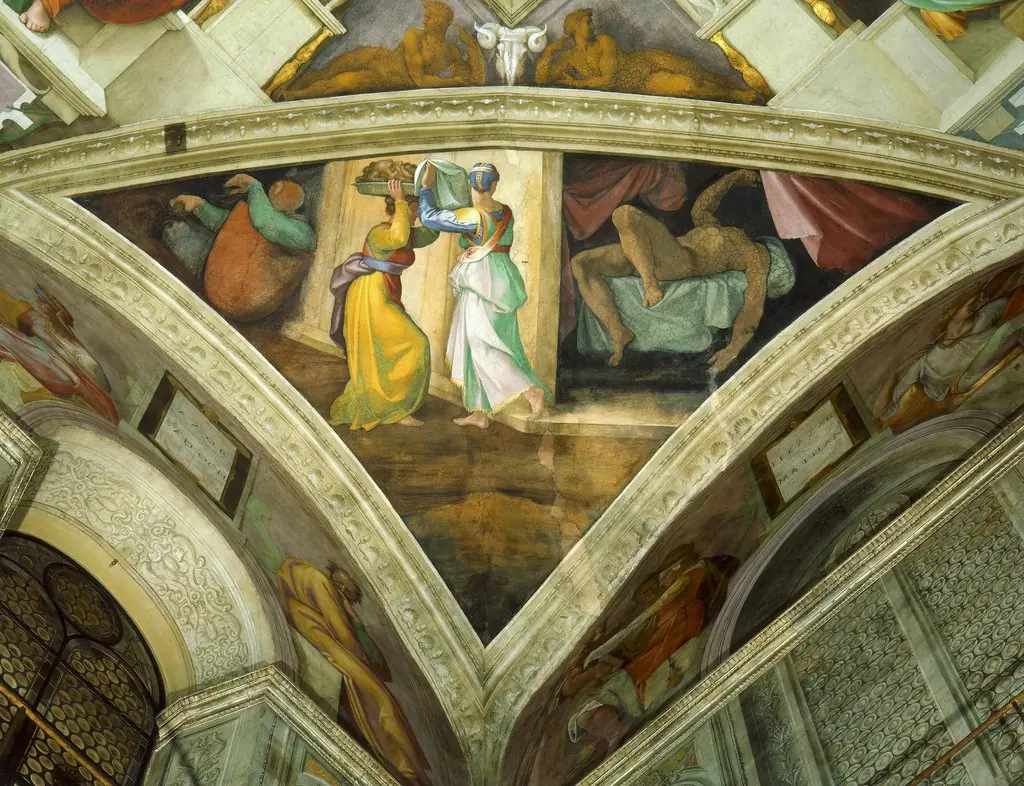 Judith and Holofernes
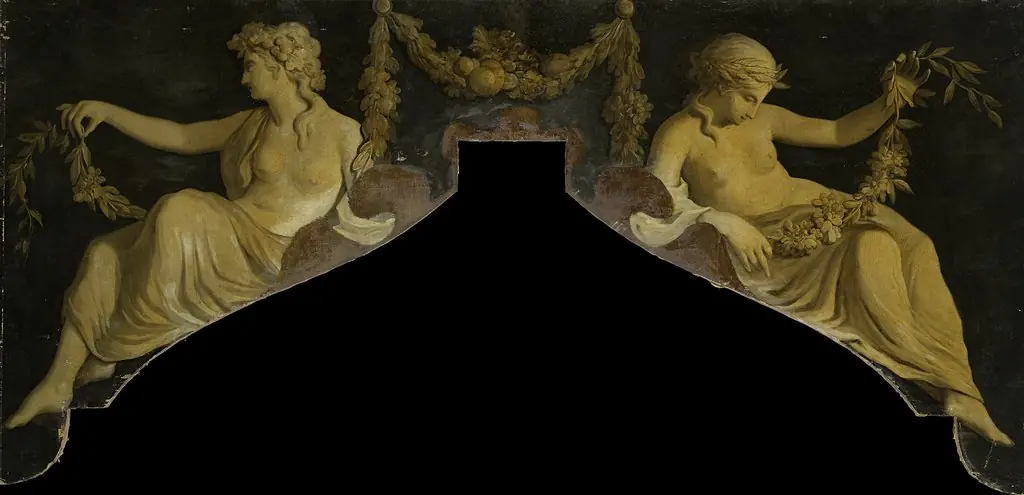 Dessus de porte with a presentation of two reclining women with garlands
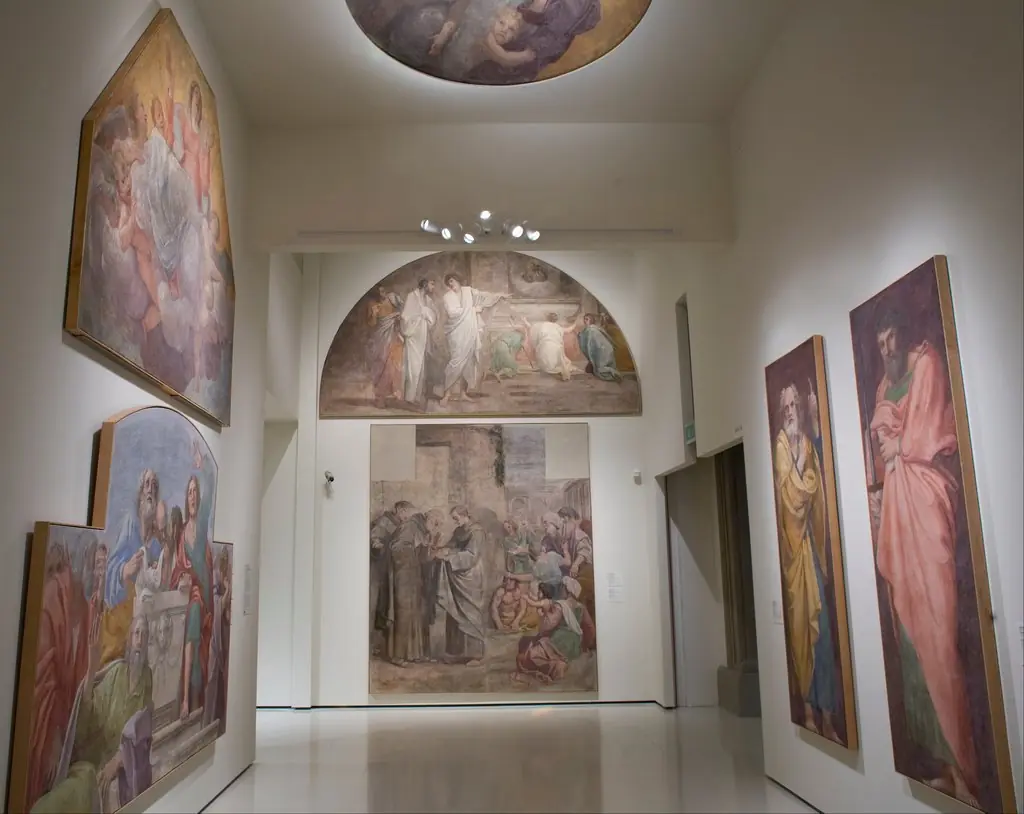 Mural paintings from the Herrera Chapel
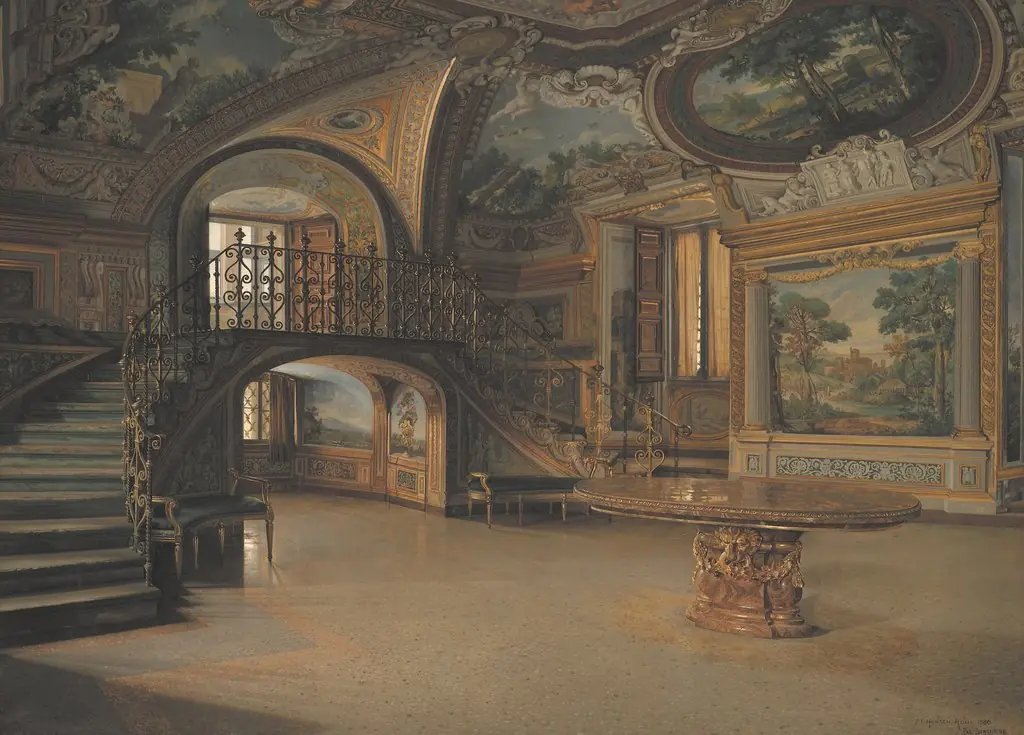 En sal i Palazzo Borghese
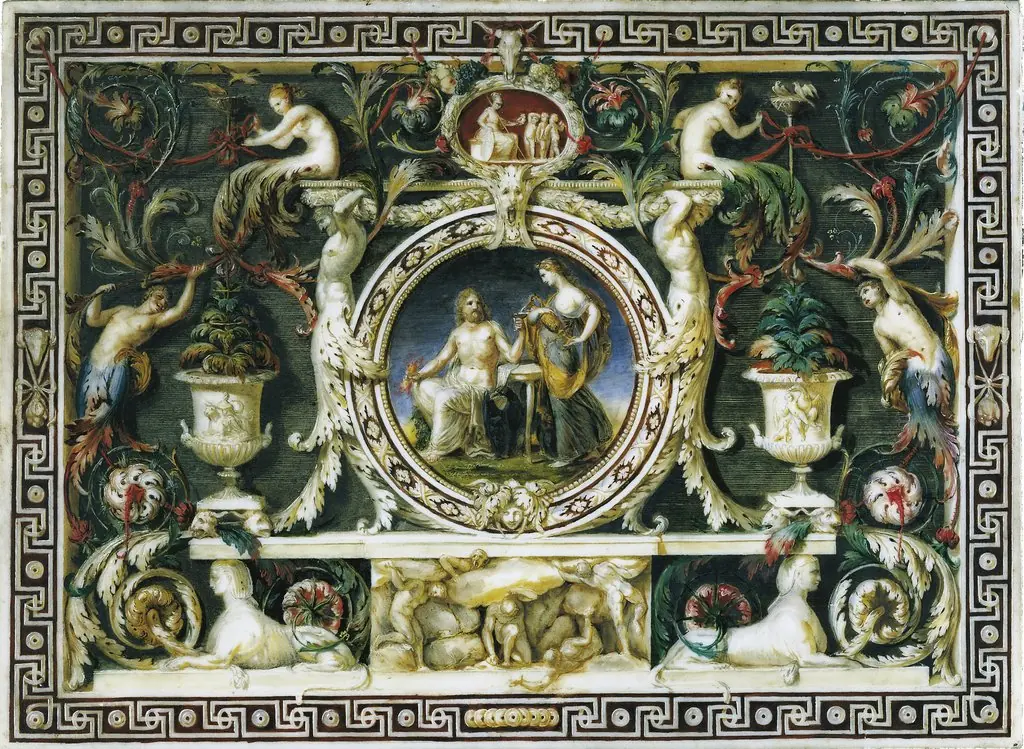 Jupiter and Hebe
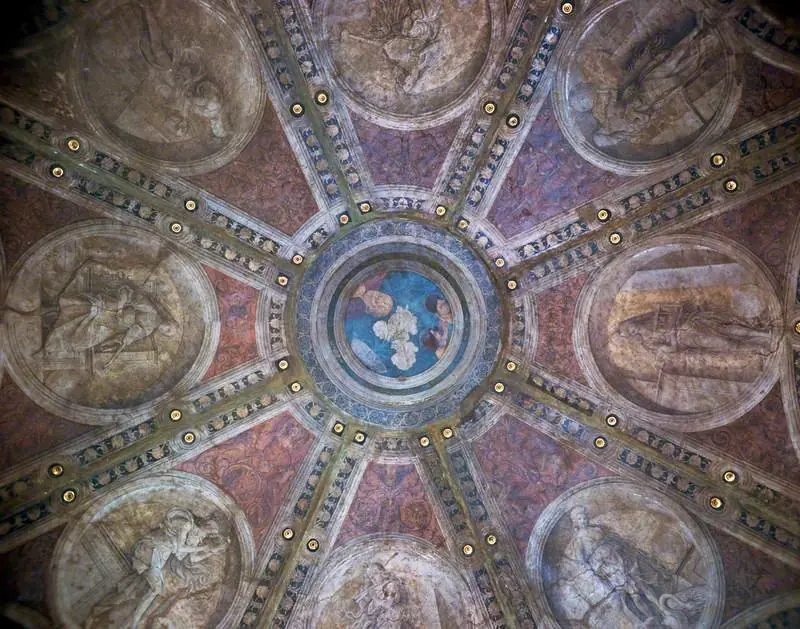 Ceiling from the Casa Maffi, Via Belvedere, Cremona (detail)
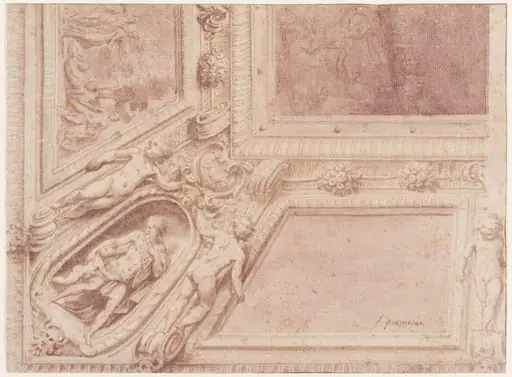 Design for a ceiling with a deep cove, showing a corner only
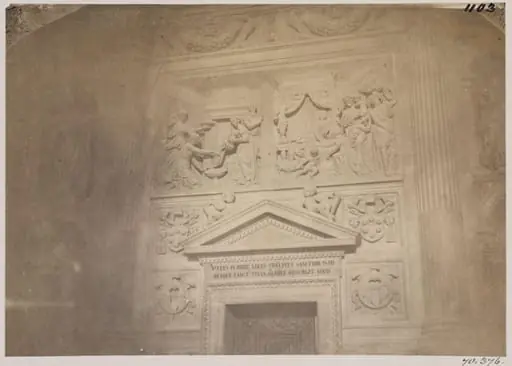 Out of Rome - House of the Blessed Virgin at Loreto. Sculpture of the Nativity over a Doorway, with the Arms of the Medici, Leo X., A.D. 1520