Artwork
Portretul împăratului Francisc Ștefan de Lorena
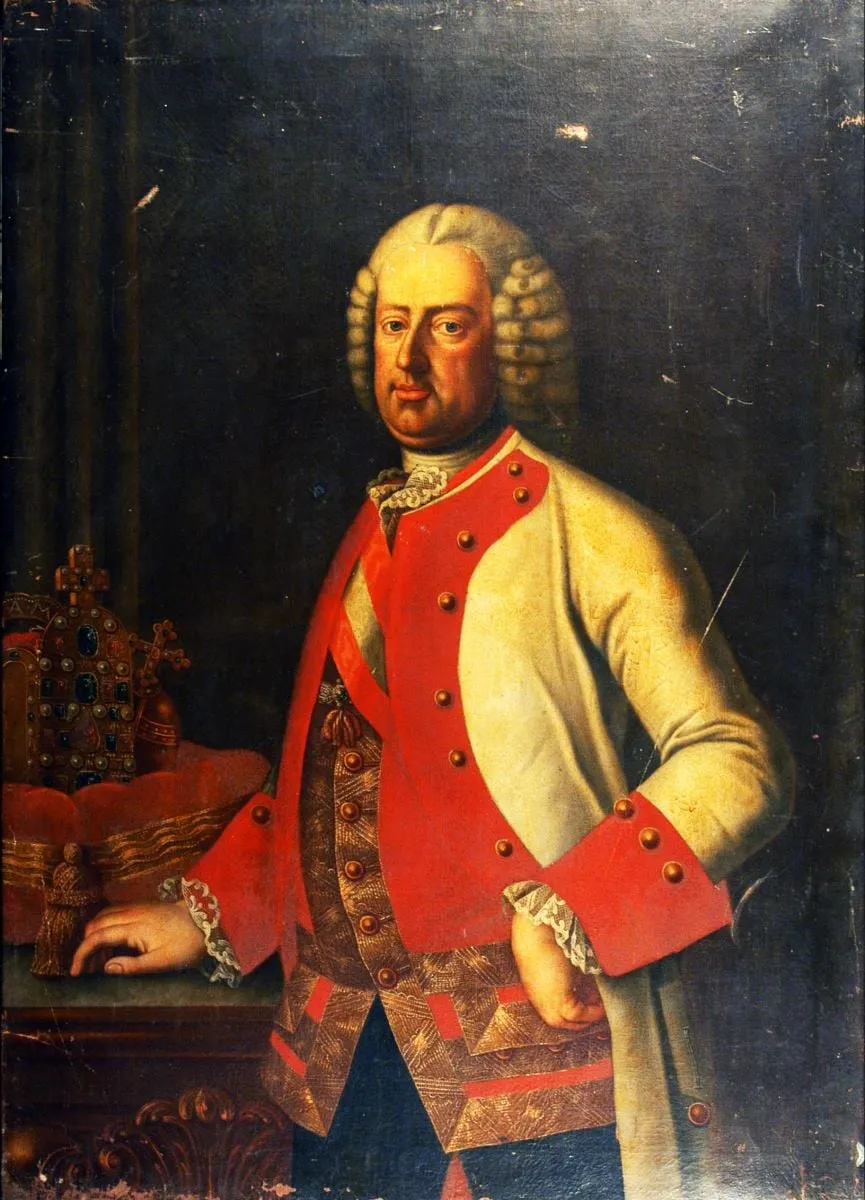
Portretul împăratului Francisc Ștefan de Lorena is an unspecified painting by anonim austriac. It dates from 1850 and is held in the collection of the Țării Crișurilor Museum.
About this work
Overview
Created around the middle of the nineteenth century by an unidentified Austrian artist, this portrait depicts Emperor Francis Stephen of Lorraine. Executed in oil on canvas, the work is part of the collection of the Museum of Ethnography, where it is displayed as a representative example of mid‑1800s portraiture.
Subject & Meaning
The sitter is the former Holy Roman Emperor Francis Stephen, shown in regal attire that emphasizes his status. The inclusion of a folded document in his hand suggests a reference to his political authority, while the formal pose and sumptuous garments convey the dignity associated with imperial power.
Technique & Style
The painter employs a pronounced chiaroscuro, lighting the figure from above to model the facial features against a dark, indistinct backdrop. The contrast between the bright red coat, gold buttons, and the muted background creates a sense of depth and focus, typical of academic portraiture of the period.
History & Provenance
The portrait entered the Museum of Ethnography’s holdings in the early twentieth century, though the precise acquisition details remain undocumented. Its attribution to an anonymous Austrian hand reflects the common practice of workshop production, where many court portraits were executed without a signed artist.
Context
Francis Stephen’s reign (1745‑1765) marked a pivotal era in Central European politics, linking the Habsburg and Lorraine dynasties. Portraits such as this one served to reinforce dynastic legitimacy across the empire, circulating the image of the sovereign among aristocratic and diplomatic circles.
Artist & collection
Artist
This Baroque-era painter had a knack for making emperors look approachable—no crowns too heavy, no robes too stiff.

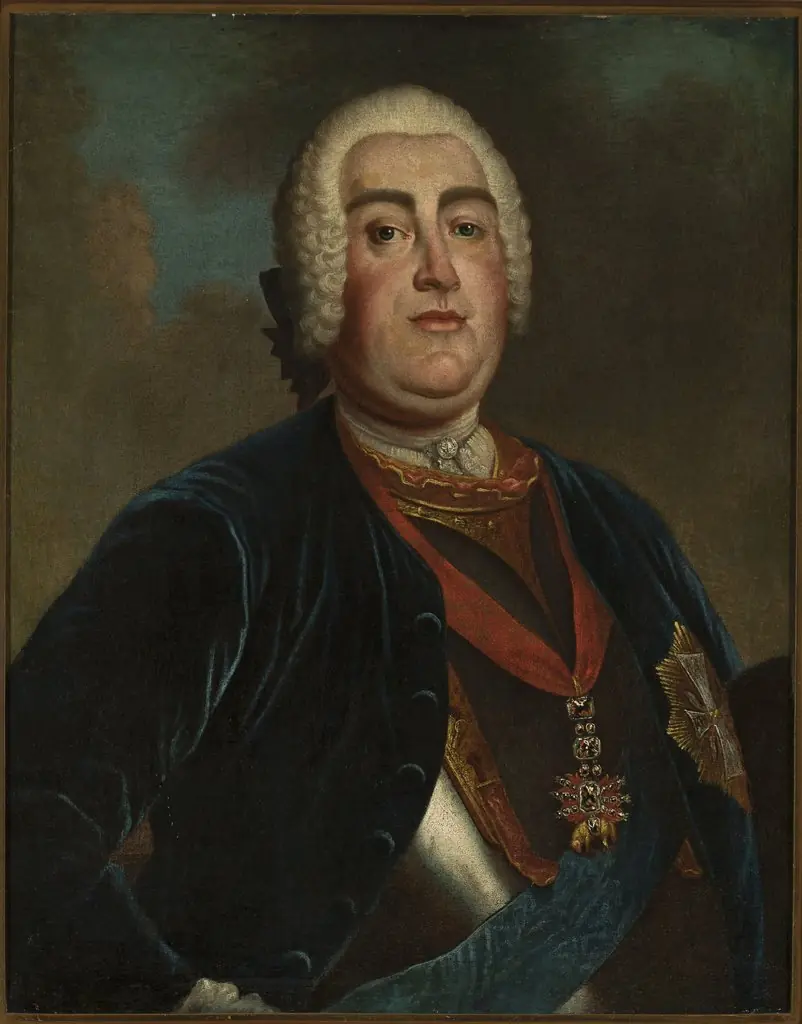 Portrait of Augustus III
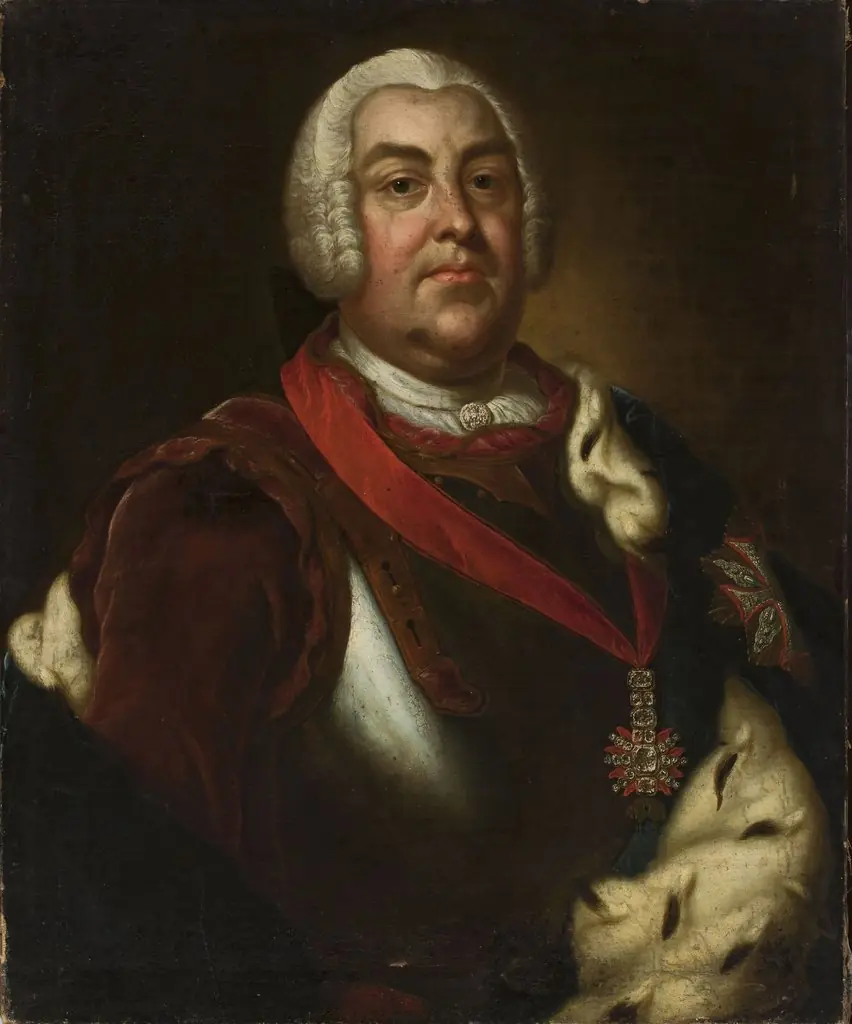 Portrait of Augustus III the Saxon, King of Poland
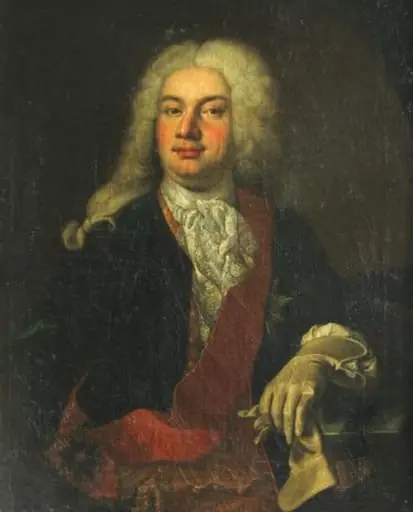 Contele Gotter
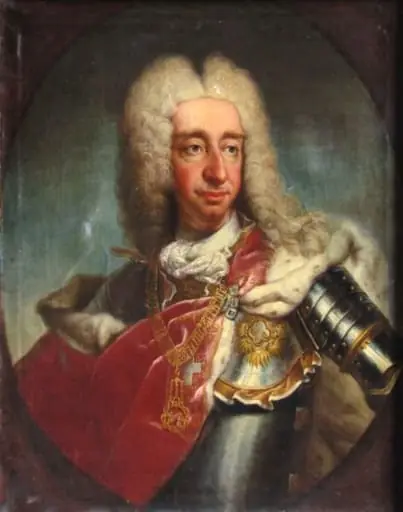 Victor Amedeu al II-lea, regele Savoiei
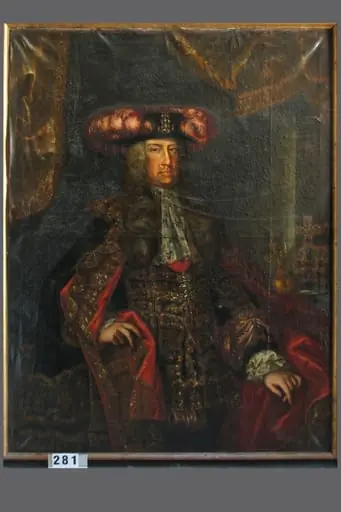 Împăratul Carol al VI-lea
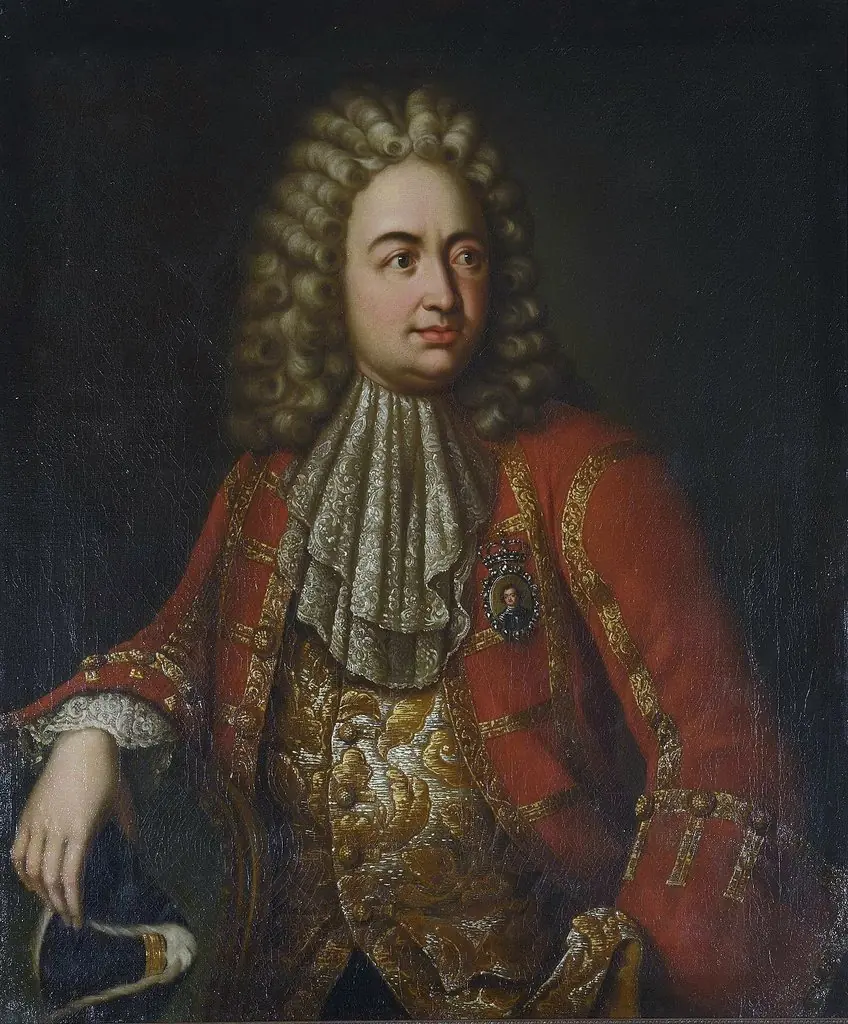 Portrait of G.D.Stroganov
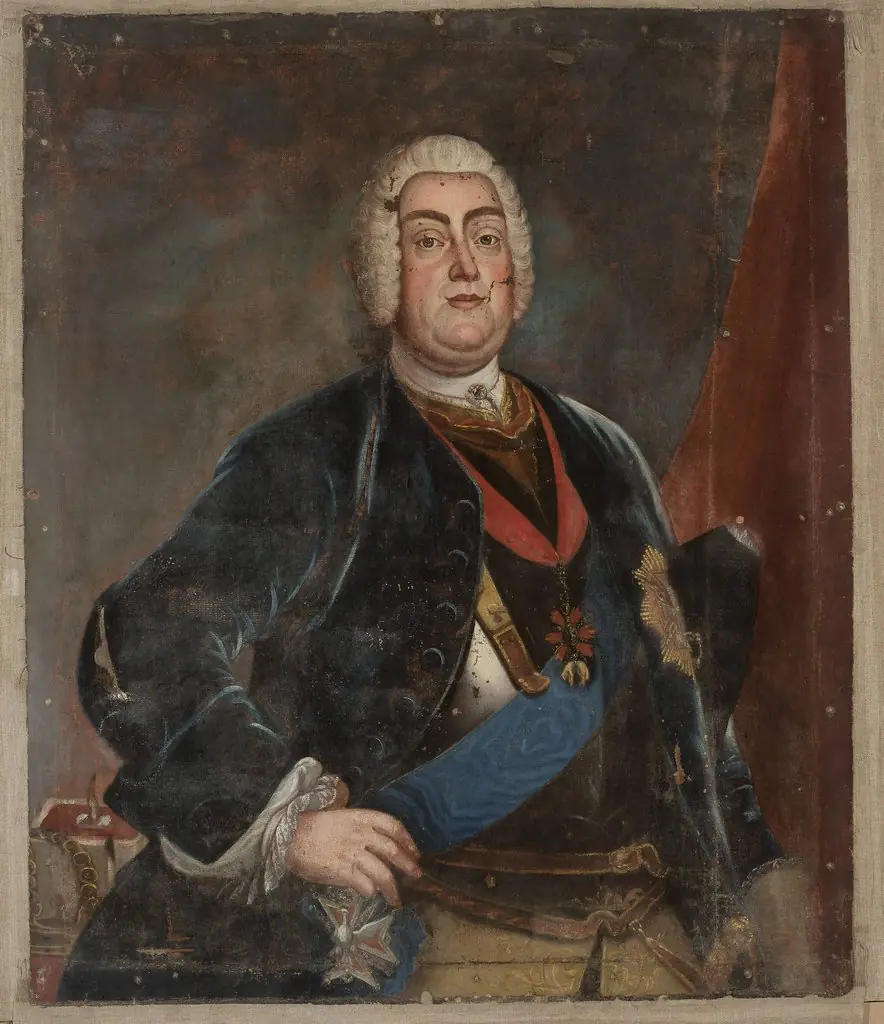 Portrait of Augustus III (1696–1763), King of Poland
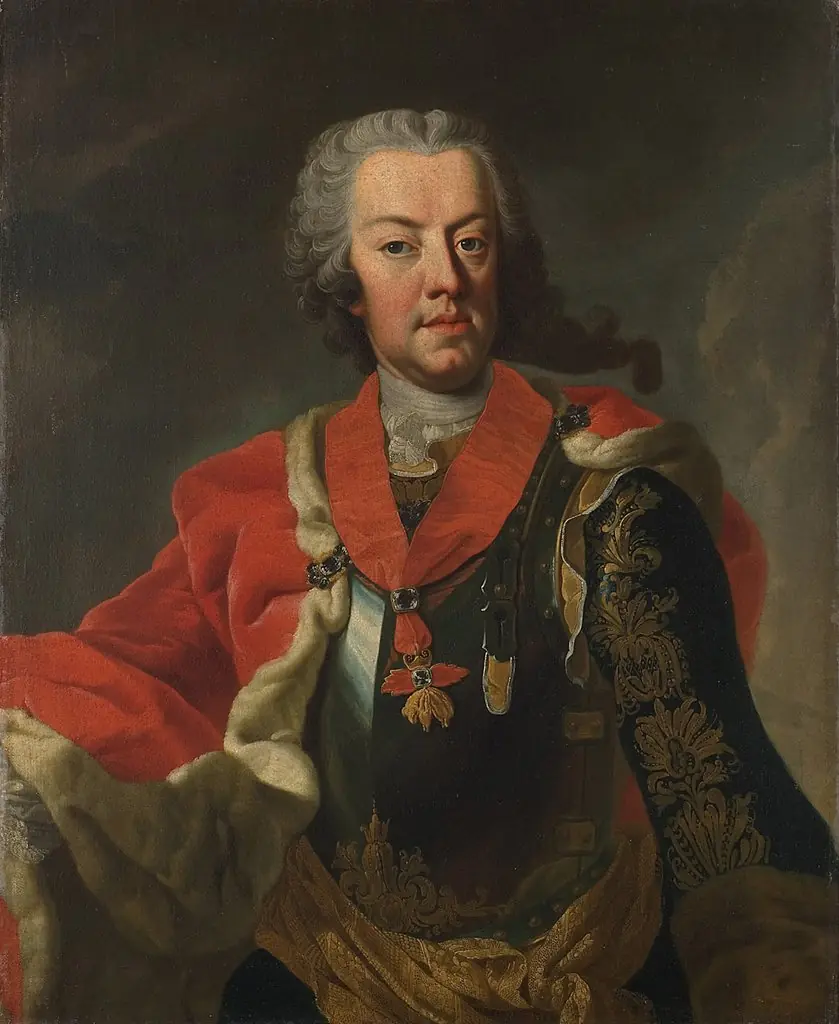 Herzog Karl Alexander von Lothringen (1712-1780), Brustbild
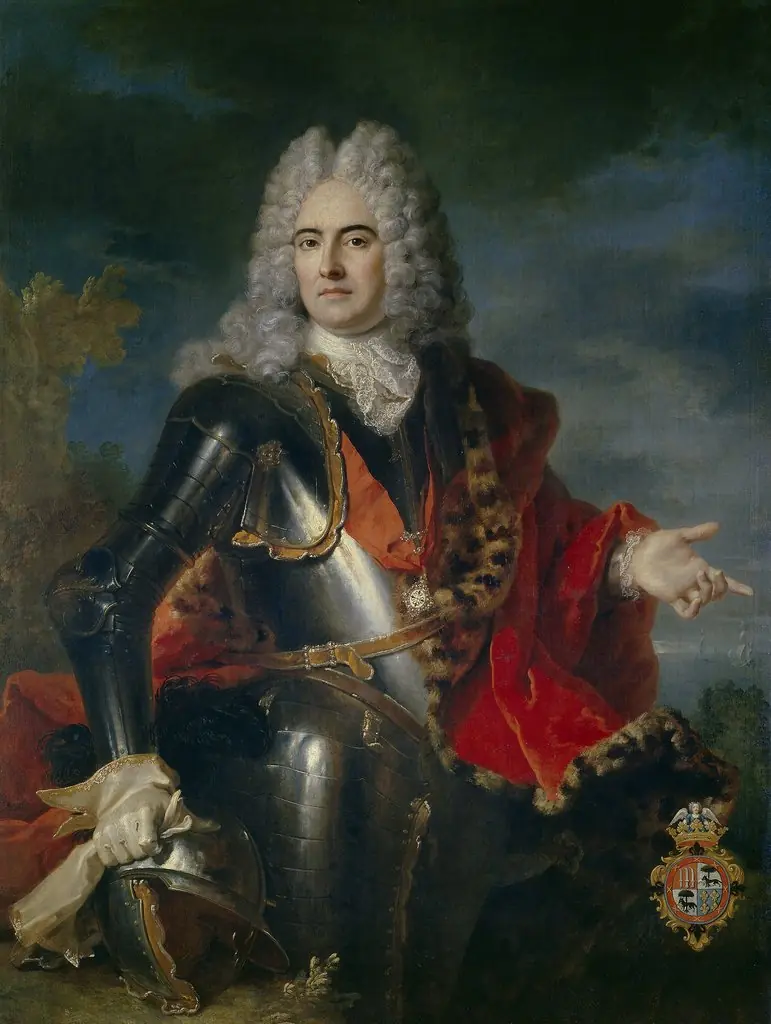 Don José de Rozas y Meléndez de la Cueva, first Count of Castelblanco
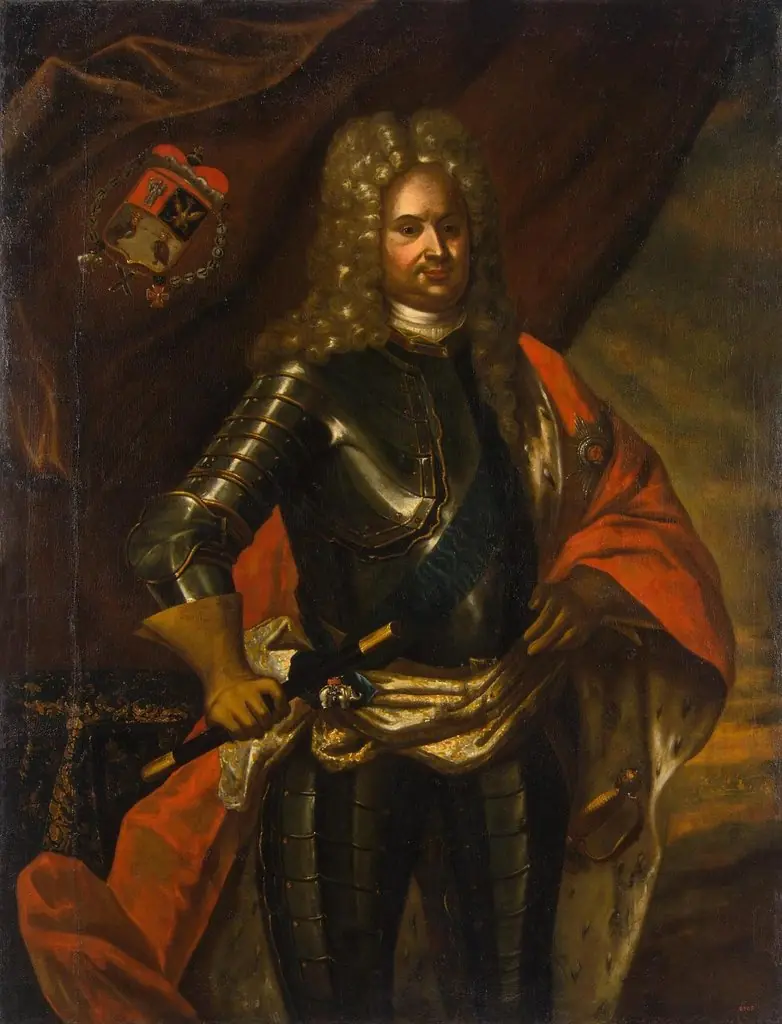 Portrait of General Prince Nikita Repnin
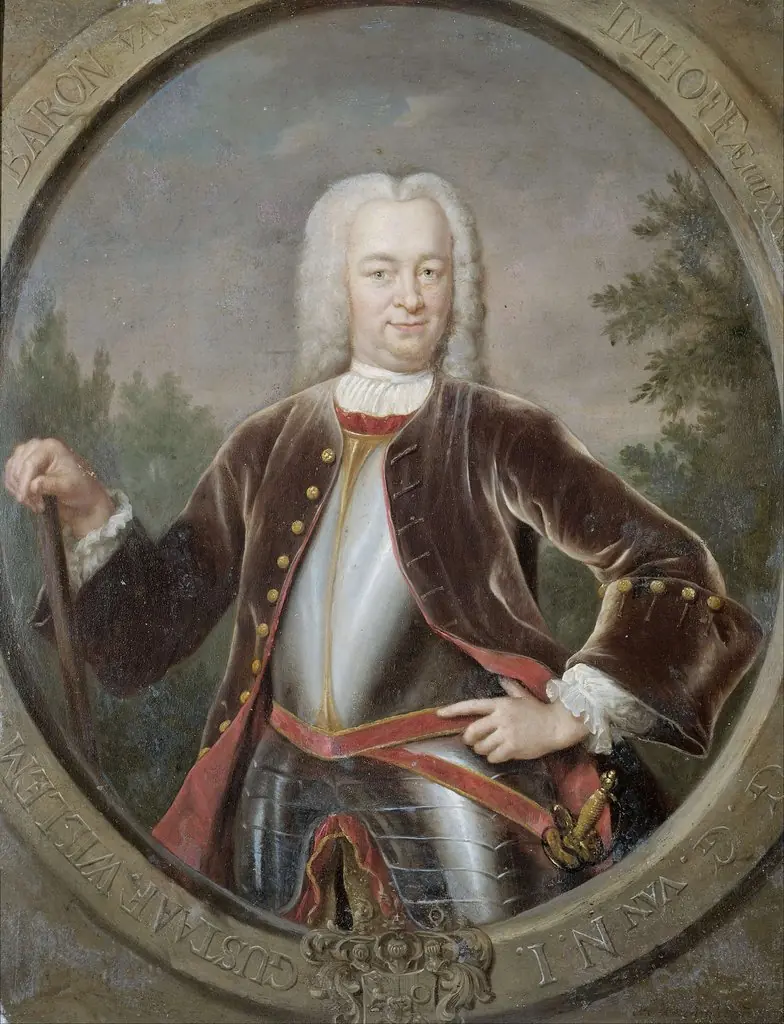 Portrait of Gustaaf Willem, Baron van Imhoff, Governor-General of the Dutch East India Company