Artwork
Don José de Rozas y Meléndez de la Cueva, first Count of Castelblanco
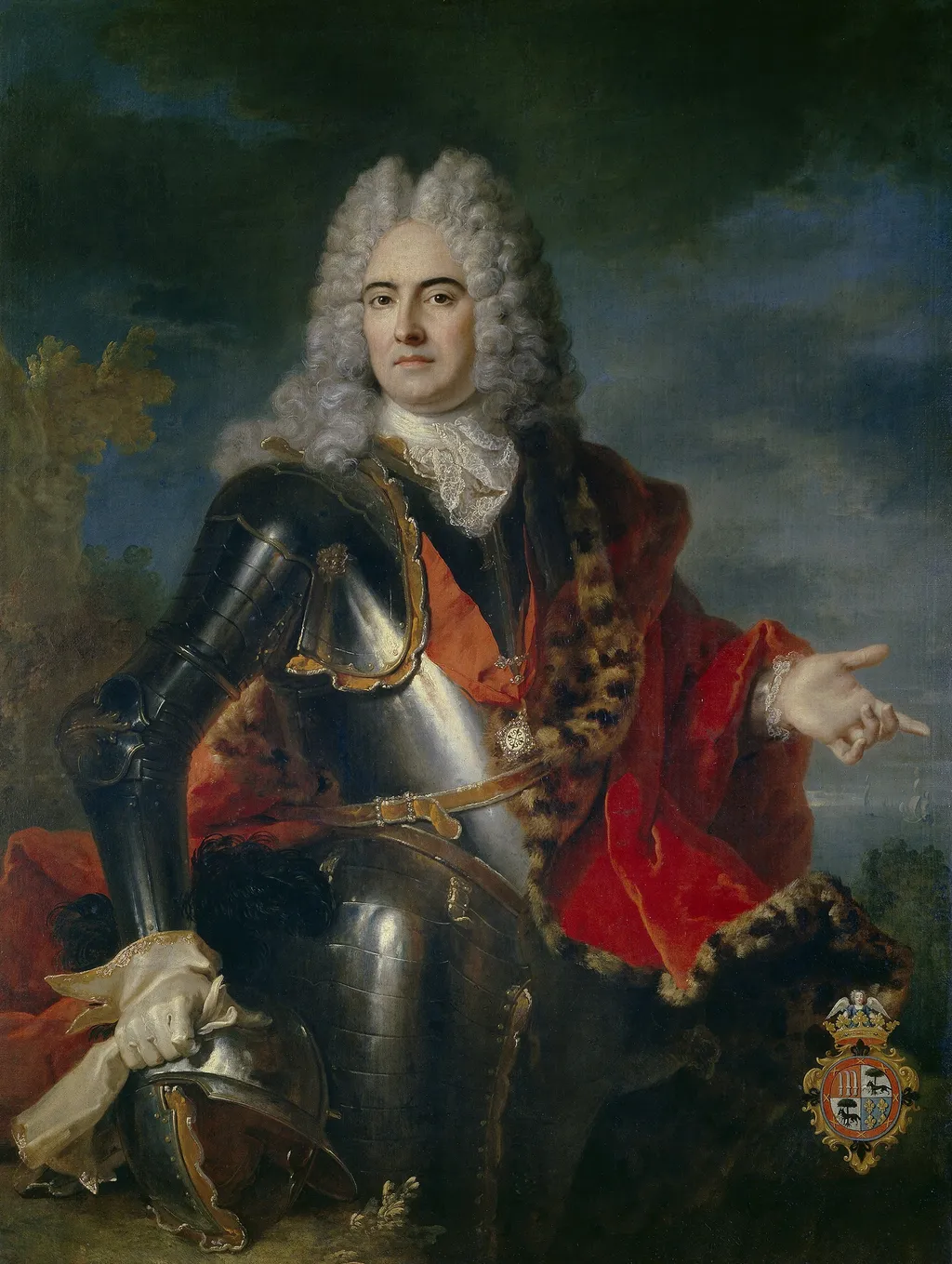
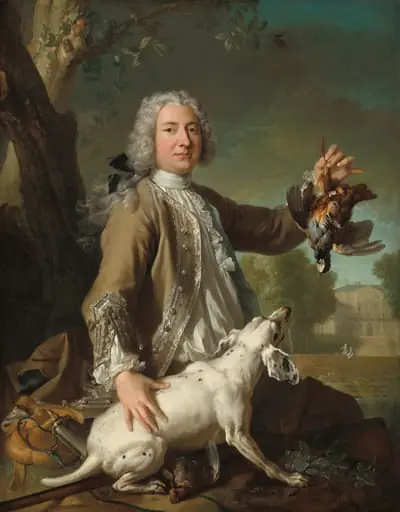
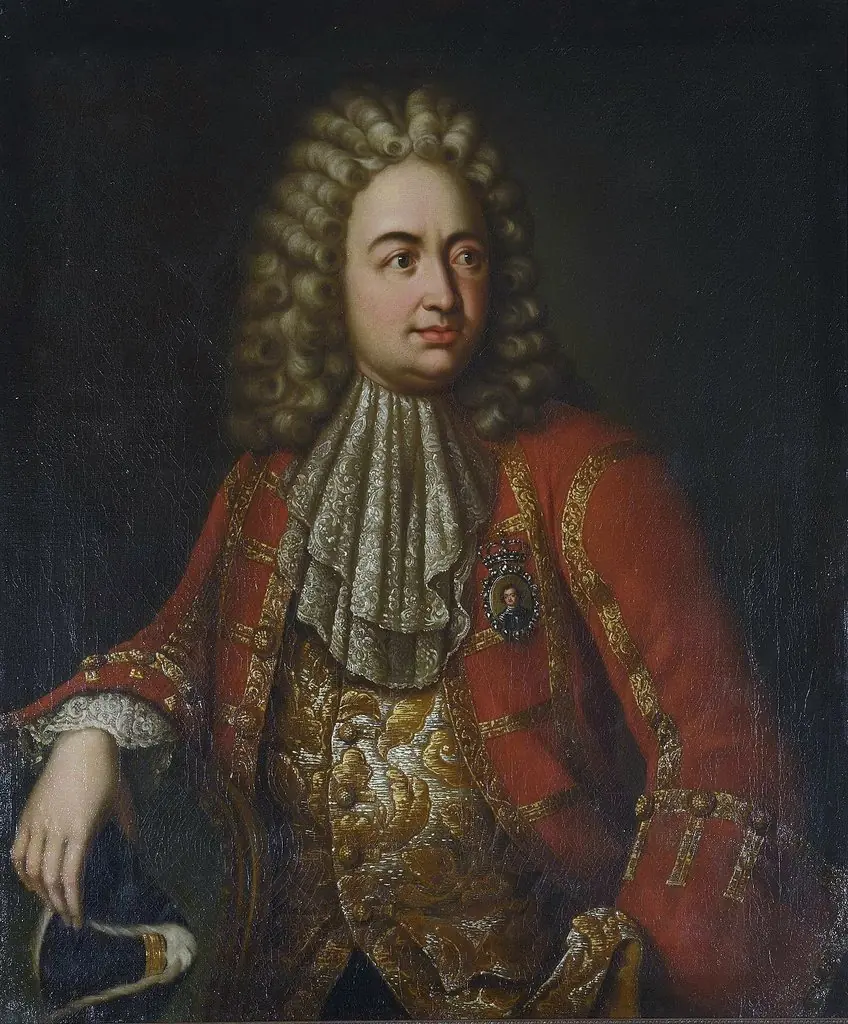
Don José de Rozas y Meléndez de la Cueva, first Count of Castelblanco is an oil painting by the Rococo painting artist Jean-Baptiste Oudry. It dates from 1716 and is held in the collection of the Museo del Prado. Jean-Baptiste Oudou’s 1716 oil portrait presents Don José de Rozas y Meléndez de la Cueva, the inaugural Count of Castelblanco.
About this work
Overview
Jean-Baptiste Oudou’s 1716 oil portrait presents Don José de Rozas y Meléndez de la Cueva, the inaugural Count of Castelblanco. The work, now in the Museo del Prado, captures the nobleman in an elaborate red coat, a powdered white wig, and a suit of polished armor, set against a dim, indistinct landscape that recedes into shadow.
Subject & Meaning
The sitter, a Spanish aristocrat, is rendered in a pose that emphasizes both martial prowess and aristocratic bearing: one hand gestures outward while the other grips a sword, suggesting authority and readiness. The inclusion of full armor and a fur‑trimmed cloak underscores his status as a military figure and a person of high rank within early‑18th‑century court society.
Technique & Style
Oudou employs a delicate modulation of light, allowing the face and metallic surfaces to gleam against a muted background. Soft, blended brushstrokes define the rich crimson of the coat and the airy texture of the wig, while tighter, reflective strokes convey the sheen of silver armor and the subtle red accents that frame it.
History & Provenance
Executed in 1716, the portrait entered the Spanish royal collection before being transferred to the Prado Museum, where it remains on display. Its documentation traces a clear line from the Count’s commission to its current institutional setting, reflecting the work’s continued relevance within the museum’s holdings of European portraiture.
Context
The painting belongs to a period when French artists like Oudou were frequently engaged by Spanish patrons, blending French Rococo sensibilities with Spanish aristocratic iconography. The portrait’s emphasis on elaborate dress and martial equipment aligns with contemporary conventions that linked noble identity to both courtly elegance and military service.
Artist & collection

Artist
Jean-Baptiste Oudry was a French Rococo painter, engraver, and tapestry designer. He is particularly well known for his naturalistic pictures of animals and his hunt pieces depicting game. His son, Jacques-Charles Oudry, was also a painter.

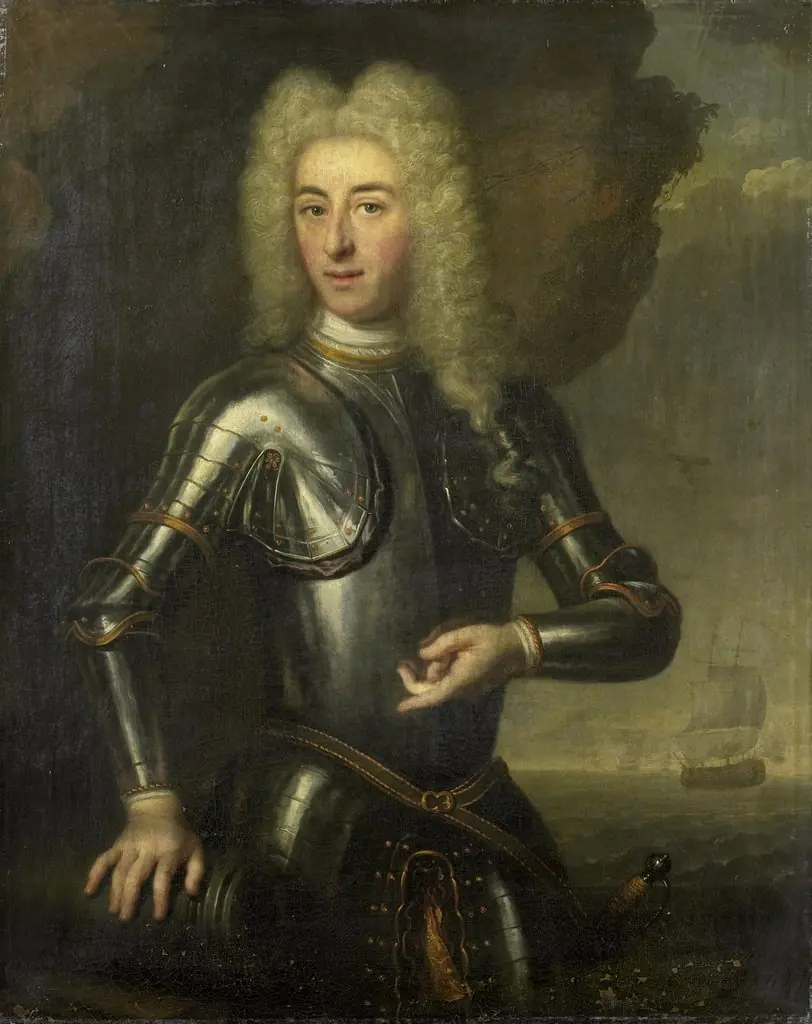 Portrait of Hendrik Lijnslager, Sea Captain with the Admiralty of Amsterdam
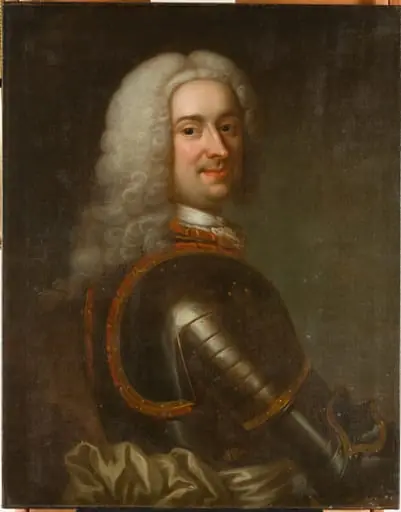 Portrait Münchhausen Kopie
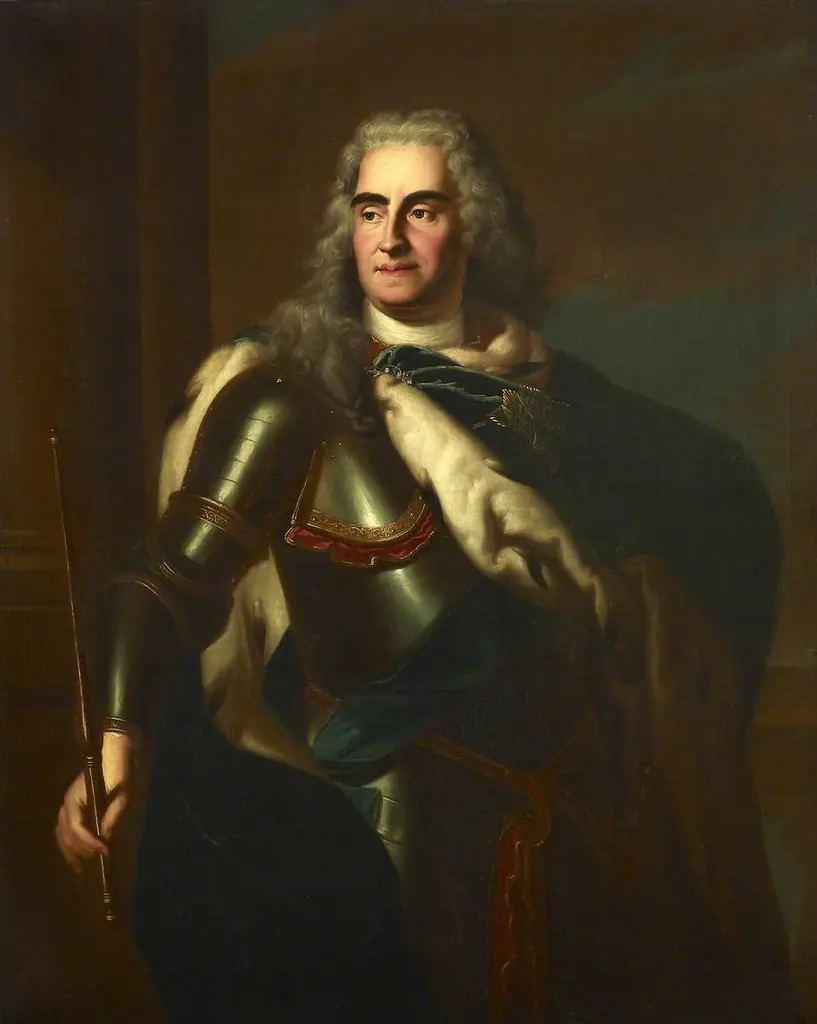 Augustus II 'The Strong' (1670–1733), King of Poland and Elector of Saxony
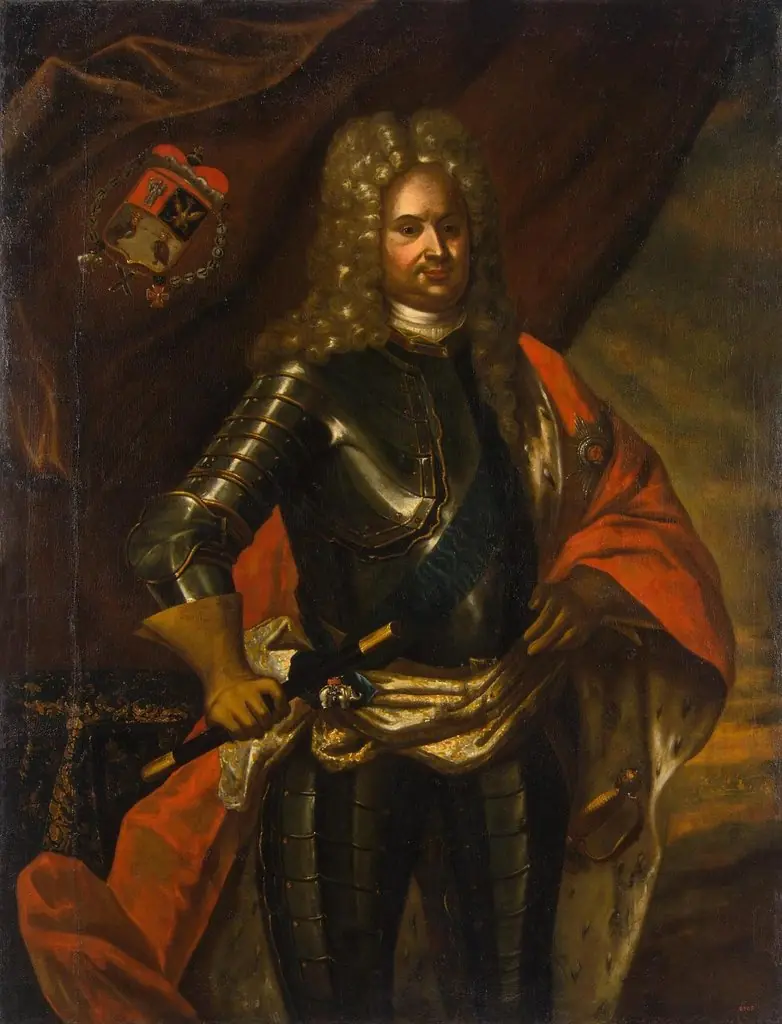 Portrait of General Prince Nikita Repnin
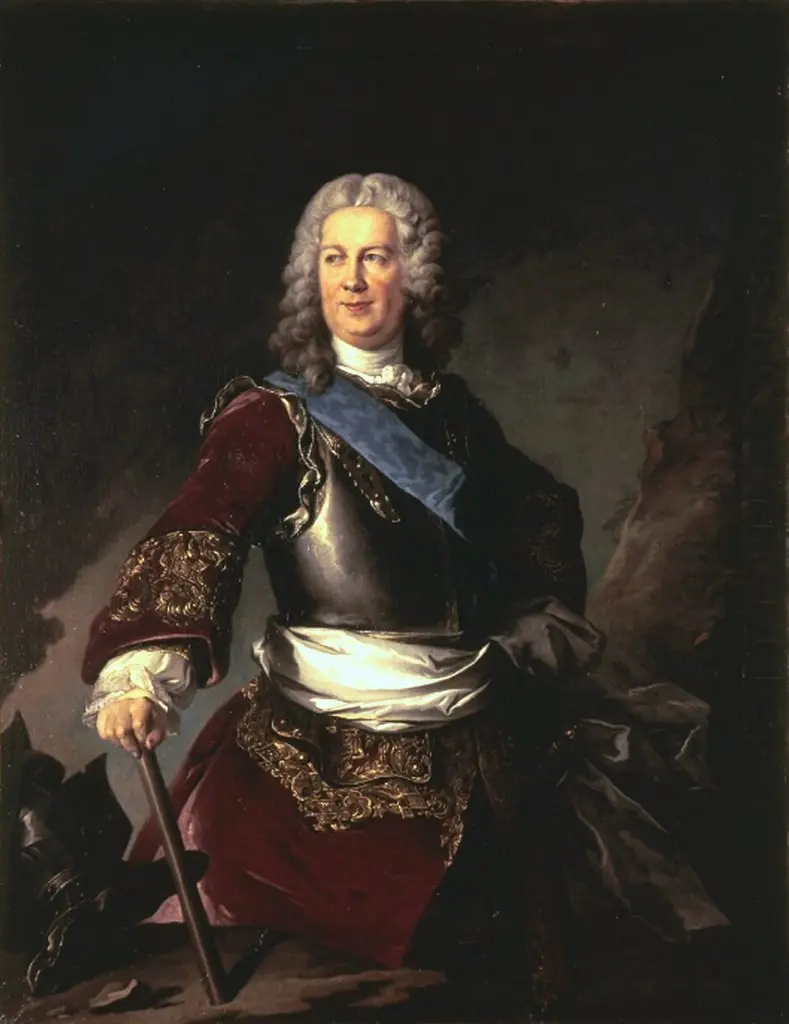 Thomas Goyon de Matignon (1684-1766), comte de Gacé, seigneur de Briquebec, Brigadier des armées du Roi en 1719.
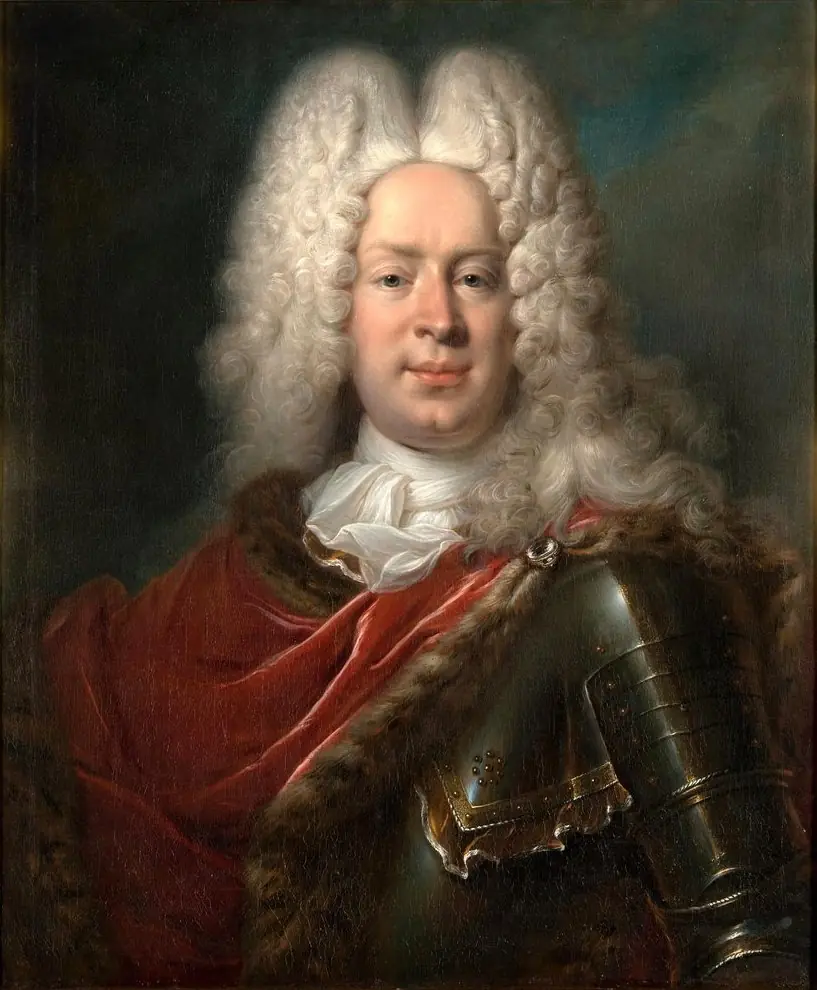 Portrait of Count Georg Wilhelm Werthern
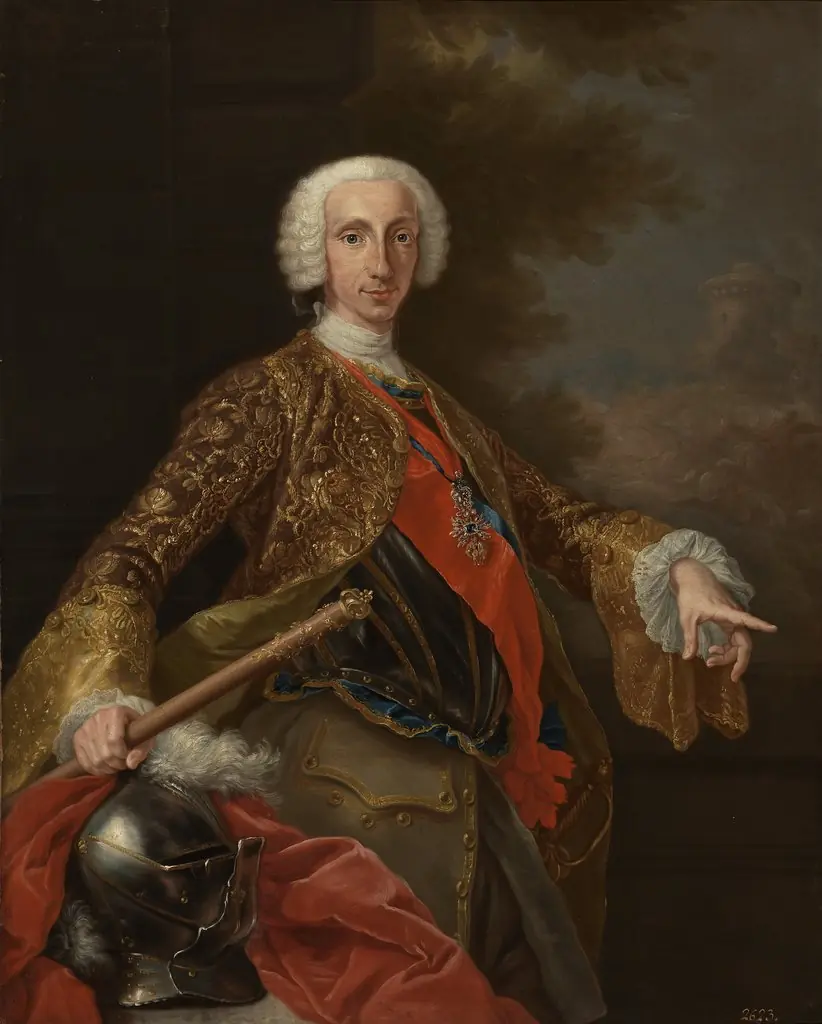 Carlos de Borbón rey de las Dos Sicilias
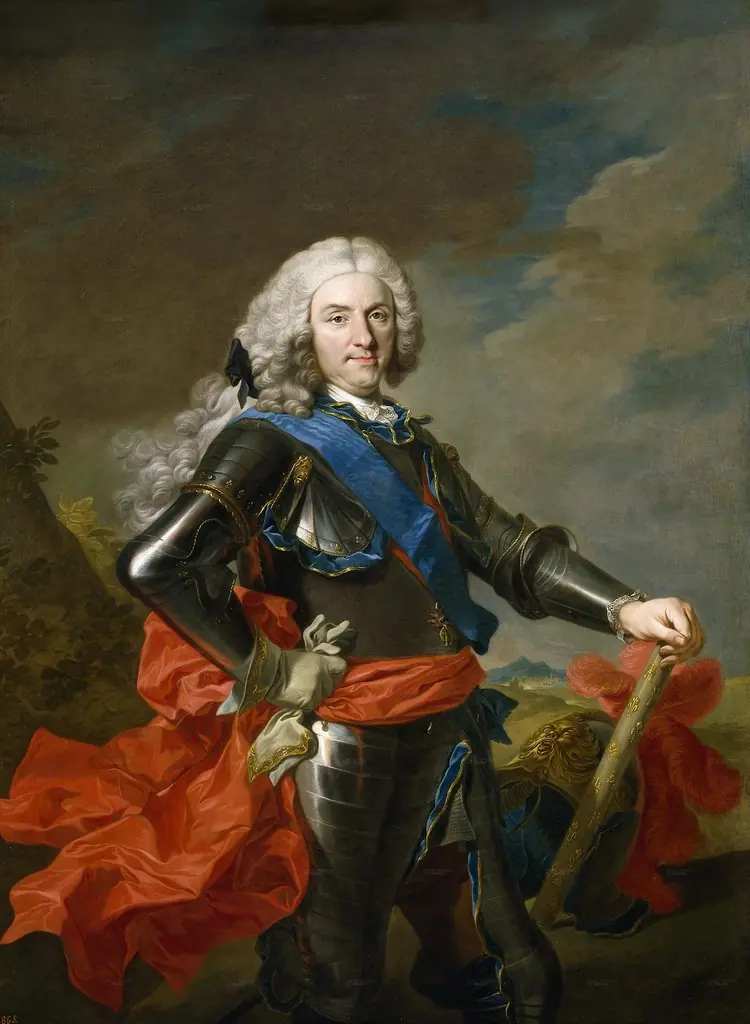 Felipe V, King of Spain
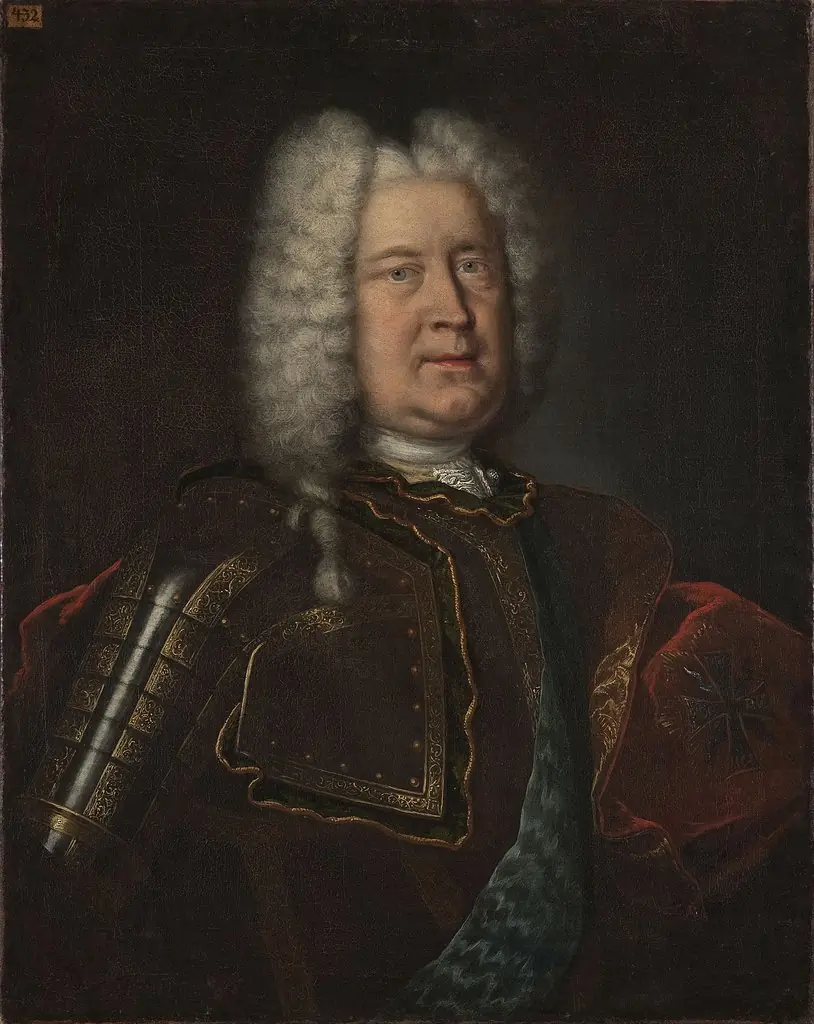 Portrait of a man
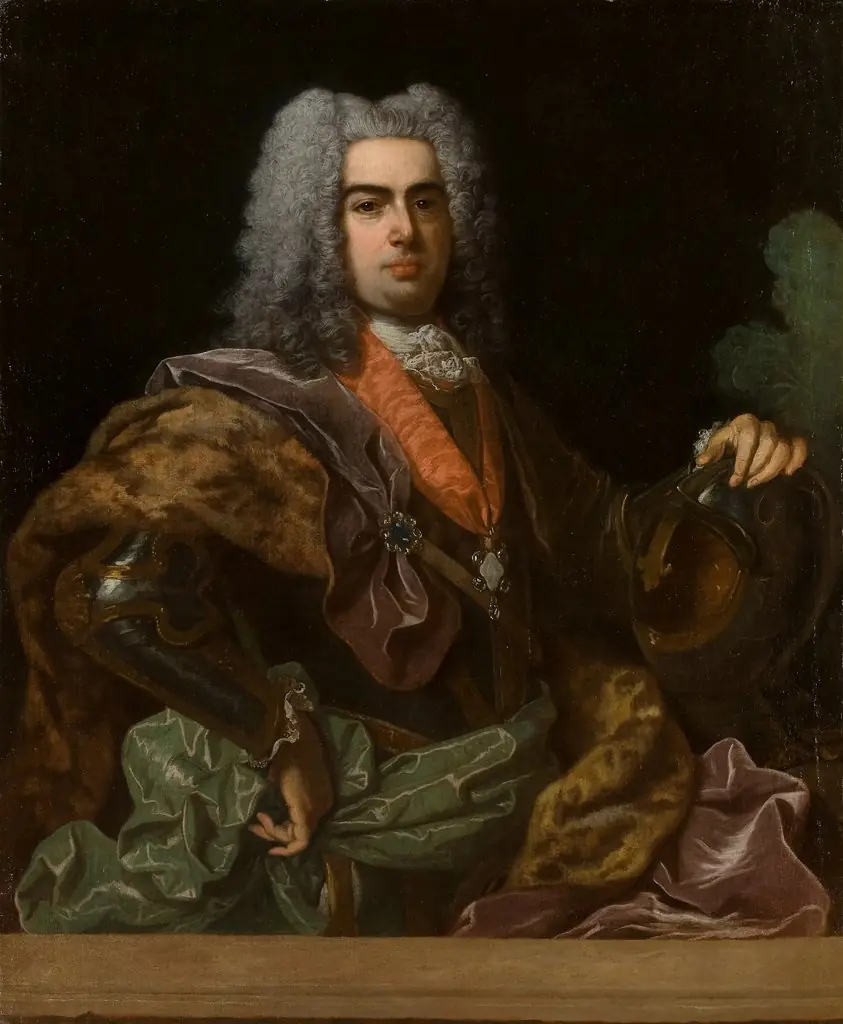 John V, King of Portugal
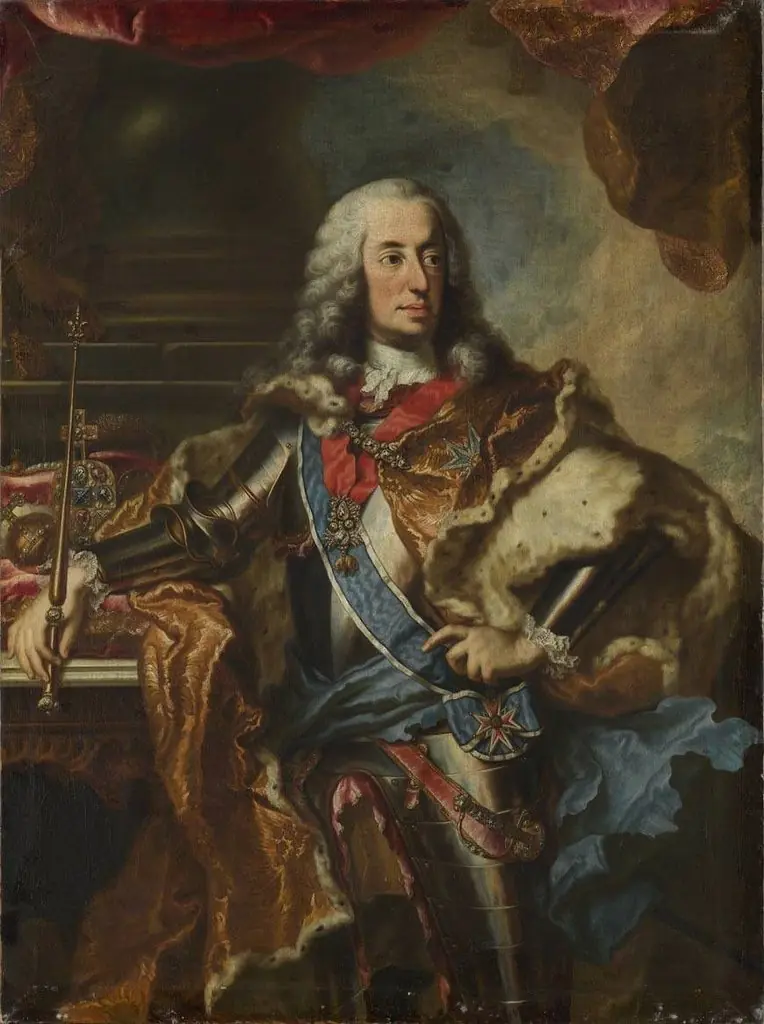 Kurfürst Karl Albrecht als Kaiser Karl VII. (1697-1745)
 Portrait of G.D.Stroganov