Artwork
Charles I as Prince of Wales
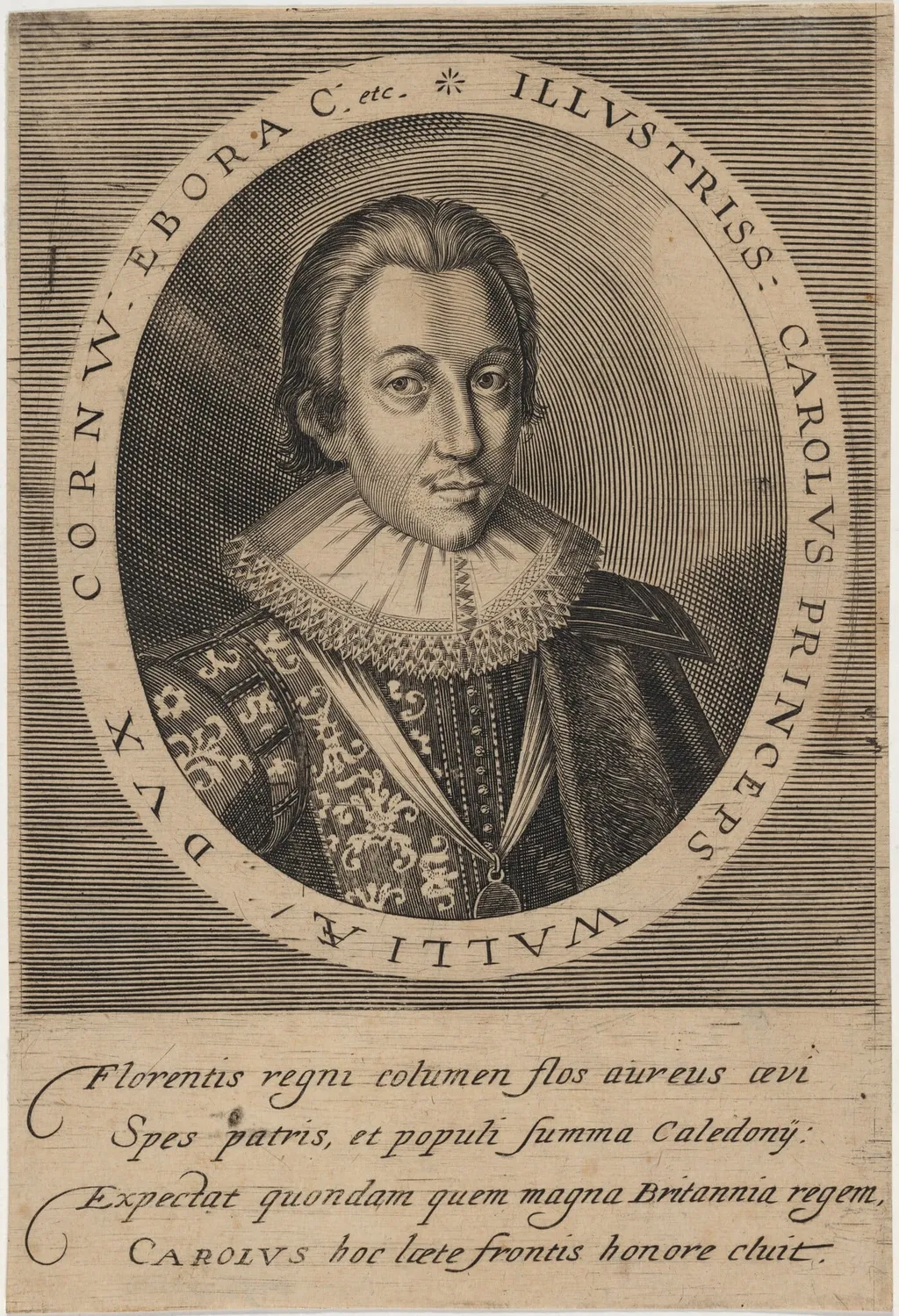
Charles I as Prince of Wales is an ink print by the Renaissance artist Unknown. It dates from 1601 and is held in the collection of the National Gallery of Art.
About this work
Overview
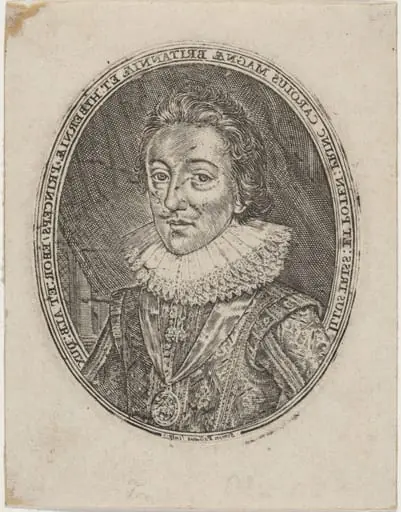
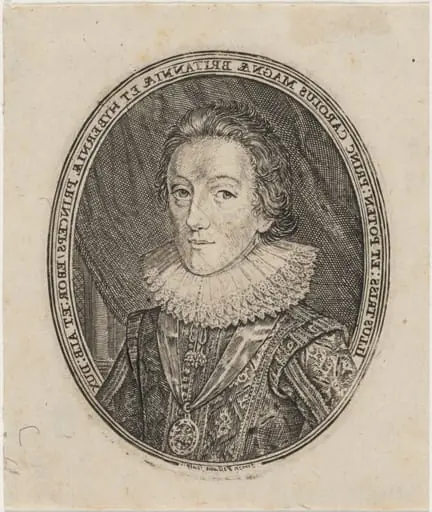
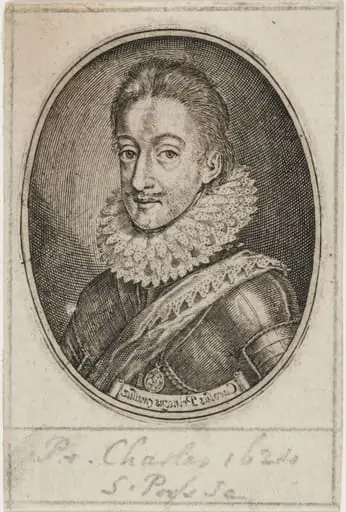
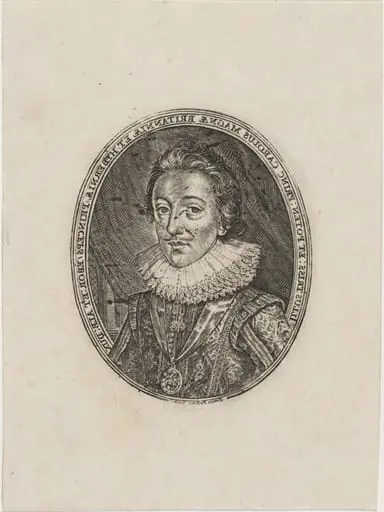
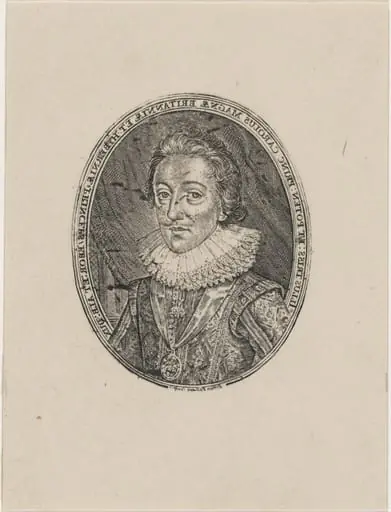
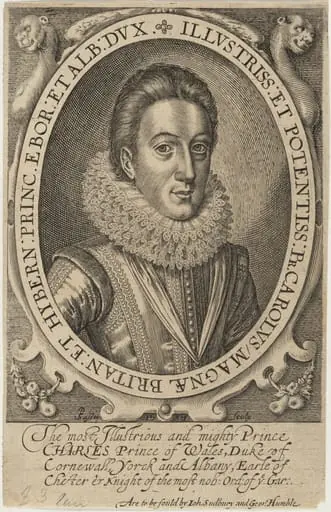
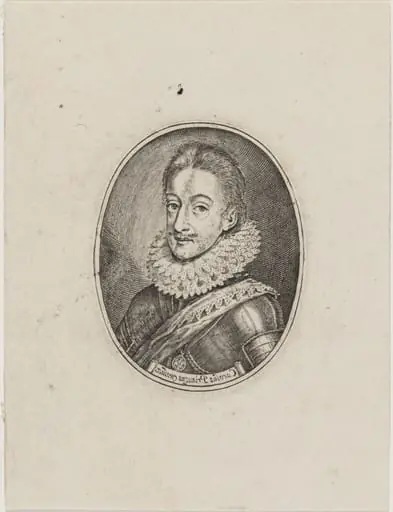
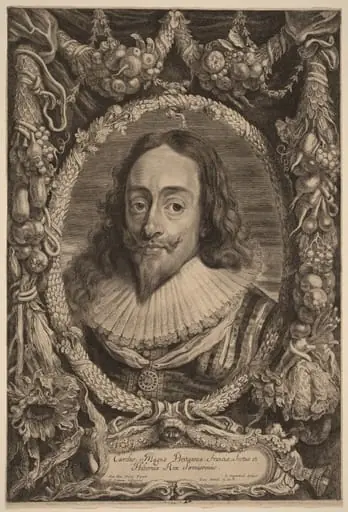
The work titled *Charles I as Prince of Wales* is an engraved print that presents a solitary male figure. He is depicted with dark hair, a solemn expression, and dressed in a richly detailed collar and dark jacket adorned with elaborate patterns. The background consists of a network of light and dark lines that frame the portrait, emphasizing its formal, historic character.
Subject & Meaning
The engraving portrays Charles I during his tenure as Prince of Wales, emphasizing his regal bearing through the dignified pose and meticulous attire. The serious facial expression and sumptuous clothing convey the authority and status associated with his future role as monarch, while the absence of overt symbolism focuses attention on his personal likeness and princely identity.
Technique & Style
Executed in traditional copperplate engraving, the image relies on fine incised lines to render textures, from the sheen of the fabric to the subtle modeling of the face. The contrast between illuminated and shadowed areas is achieved through varying line density, a hallmark of early modern printmaking that allows for precise detail and a restrained tonal range.
History & Provenance
The print was produced in the early seventeenth century, contemporaneous with Charles I’s lifetime, though the specific engraver remains unidentified. As a portrait of a reigning monarch before his accession, it would have circulated among courtly circles and collectors, serving both as a visual record and a means of disseminating royal imagery.
Context
Created during a period when portraiture functioned as political propaganda, the engraving aligns with broader European practices of using prints to reinforce monarchical legitimacy. Its style reflects the transition from Renaissance naturalism toward the more formalized court portraiture that characterized the Baroque era in England.
Artist & collection

 Domestic Scene
 Giacomo and Cardinal Marco, investing Andrea, Abbot of San Zeno, with his Benefice
 The Nymph of Fontainebleau
 Portrait of a Woman
 Madonna and Child with Saints in the Enclosed Garden
 Venus and Minerva
 Family Group of Four on Sofa
 Wall painting from Room H of the Villa of P. Fannius Synistor at Boscoreale
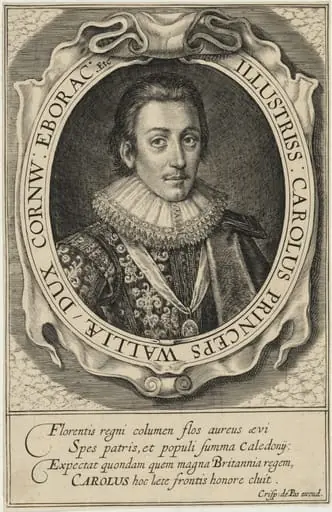 Charles I, Prince of Wales
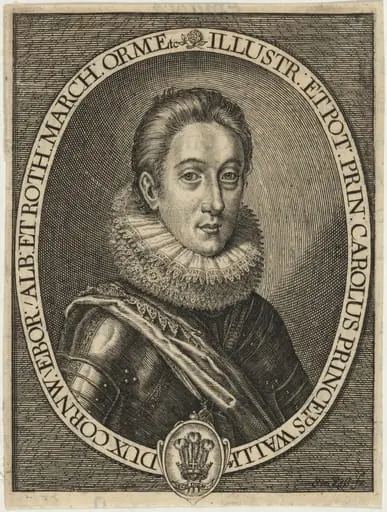 Charles I, King of England, as Prince of Wales
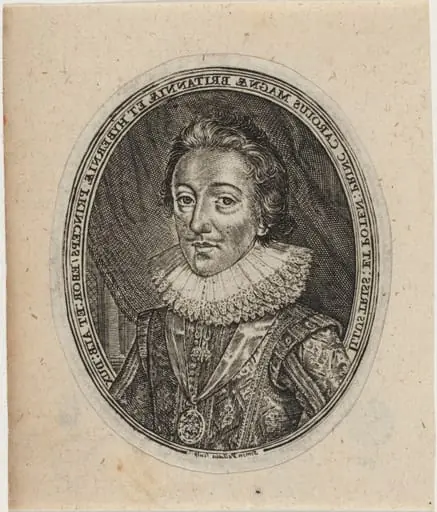 Charles I, King of England
 Charles I, King of England
 Charles I, King of England
 Charles I, King of England
 Charles I, King of England
 Charles I, King of England
 Charles I, King of England, as Duke of York
 Charles I, King of England
 Charles I, King of England