Artwork
Charles I, King of England, as Prince of Wales
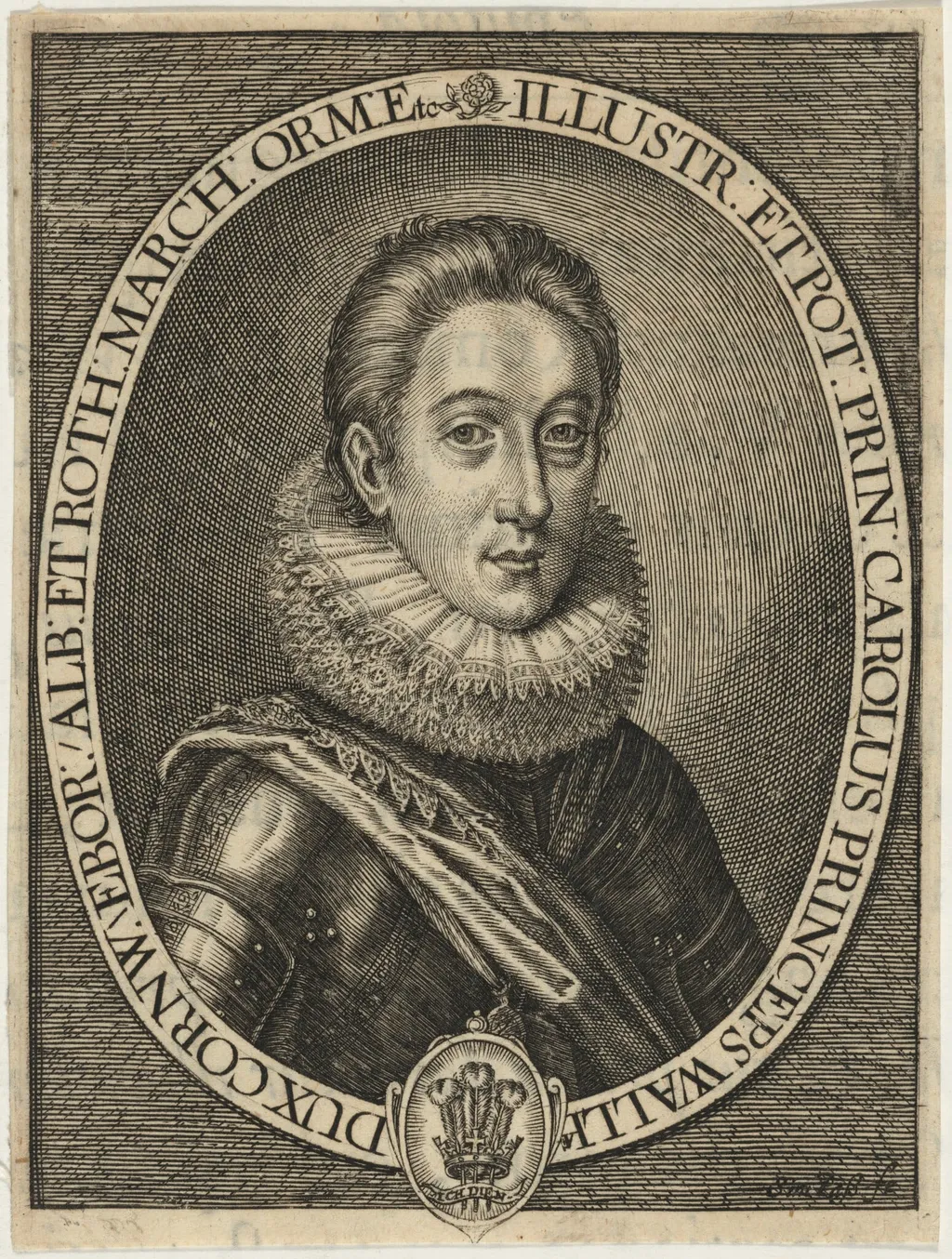
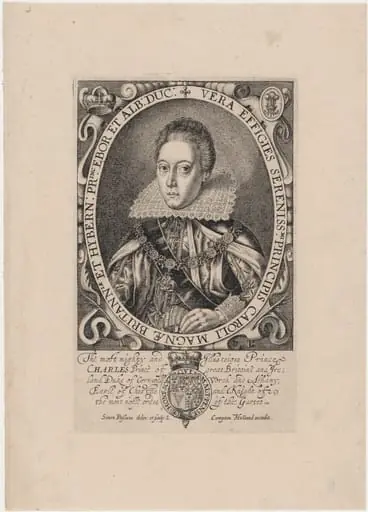
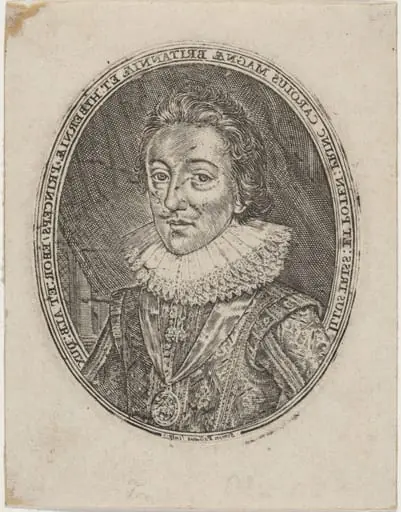
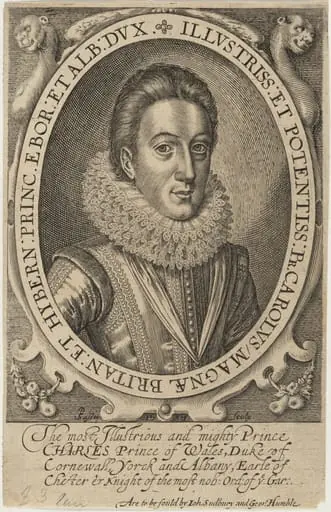
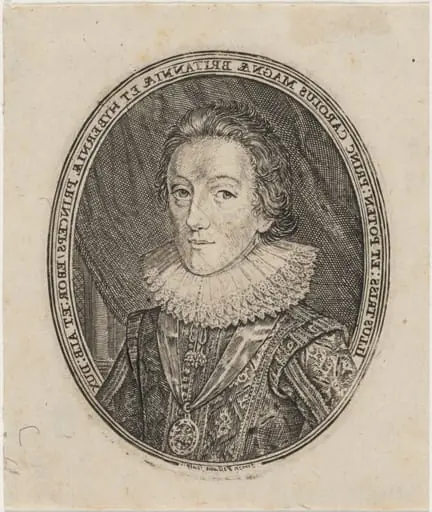
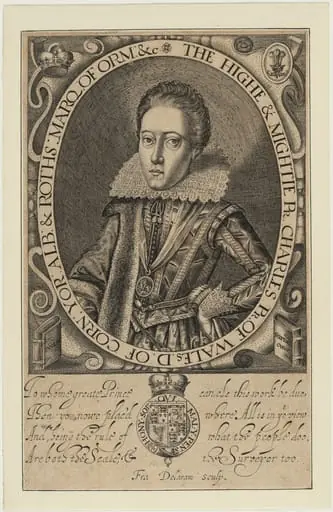
Charles I, King of England, as Prince of Wales is an ink print by the Baroque artist Simon van de Passe. It dates from 1619 and is held in the collection of the National Gallery of Art.
About this work
Overview
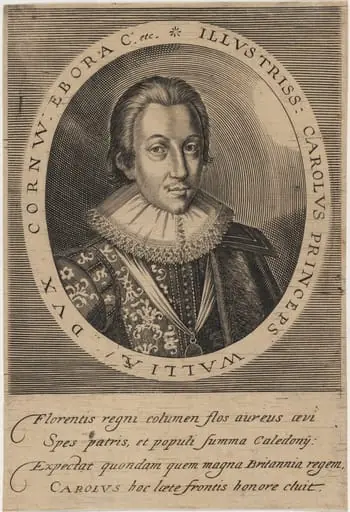
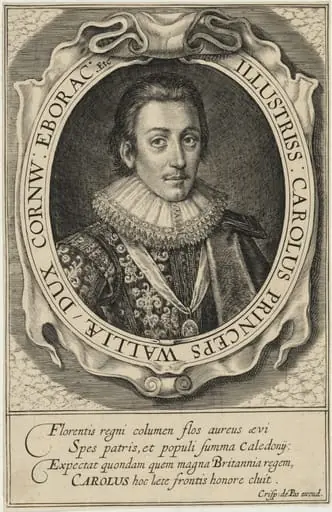
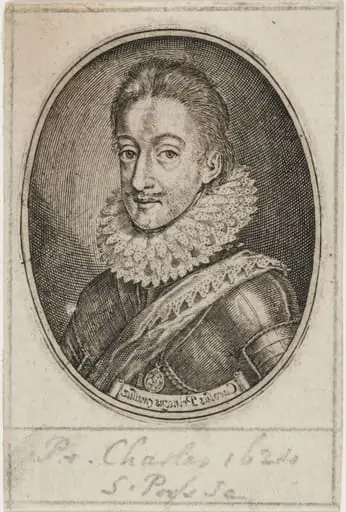
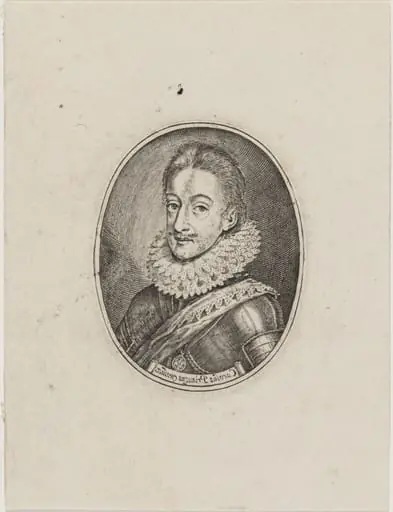
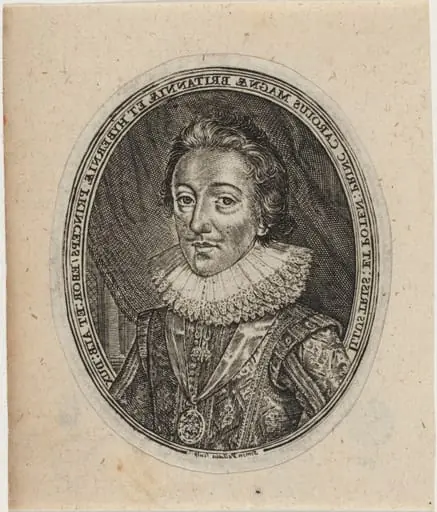
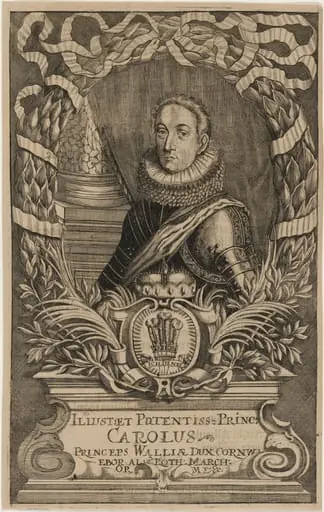
This 1619 engraving by Simon van de Passe depicts Charles I in his youth, before ascending the English throne. Rendered in monochrome, the portrait captures him as Prince of Wales with formal precision. The composition emphasizes his noble status through rigid posture and intricate detailing, typical of early 17th-century portraiture in print form.
Subject & Meaning
The subject is Charles Stuart, heir to the English crown, portrayed with solemnity befitting his dynastic role. The inclusion of a small heraldic emblem at his neck signals royal lineage, while the Latin inscriptions along the border formally identify his title and lineage. The restrained expression and formal attire convey duty and authority rather than personal warmth.
Technique & Style
Executed in fine-line engraving, the work relies on precise incisions to render texture and form. The ruffled collar and textured jacket are rendered with dense, controlled strokes, while the face is modeled with subtle gradations. The border’s dense Latin text frames the image like a heraldic cartouche, reinforcing the sitter’s status through typographic formality.
History & Provenance
Created in 1619, the print was likely produced for distribution among European nobility to affirm Charles’s position as heir. Simon van de Passe, a Dutch engraver known for royal portraits, worked extensively for the Stuart court. The print circulated widely in manuscript and print collections, serving as a visual tool of dynastic legitimacy.
Context
In early 17th-century Europe, engraved portraits were key instruments of political representation, especially for heirs who could not be universally seen in person. Van de Passe’s work aligns with a broader tradition of courtly portraiture in print, where clarity, symbolism, and textual identification outweighed individual expression.
Legacy
This engraving remains a documented example of how royal identity was visually codified before photography. It reflects the role of print media in shaping public perception of monarchy and influenced later portraiture in both England and the Continent, particularly in the use of heraldic and textual elements to assert legitimacy.
Artist & collection