Artwork
Sir Walter Raleigh
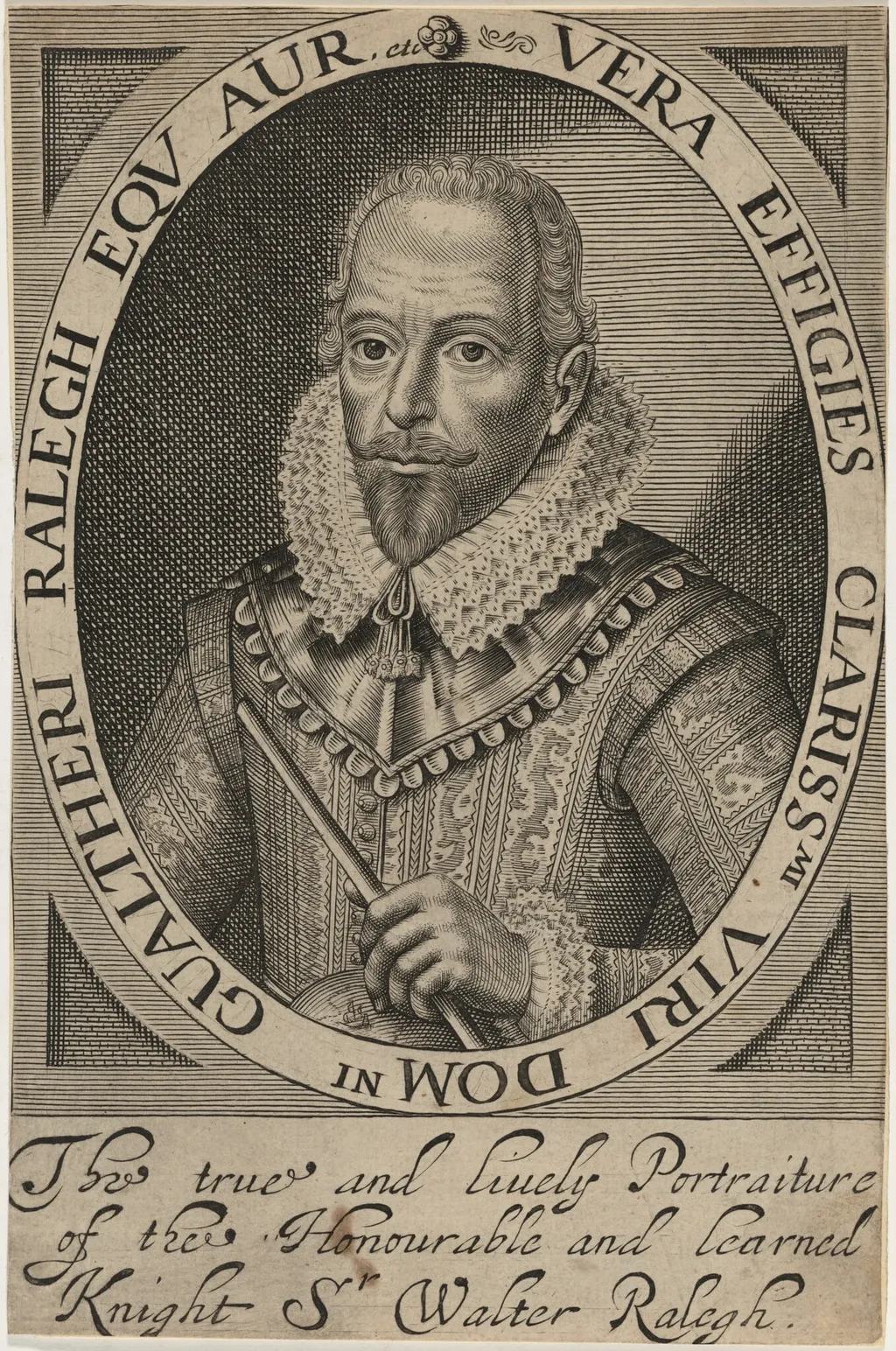
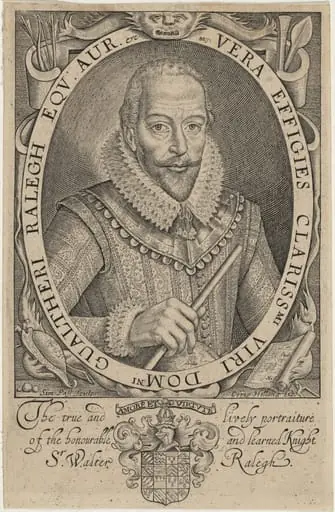
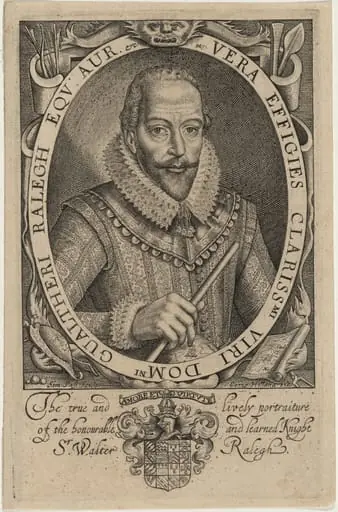
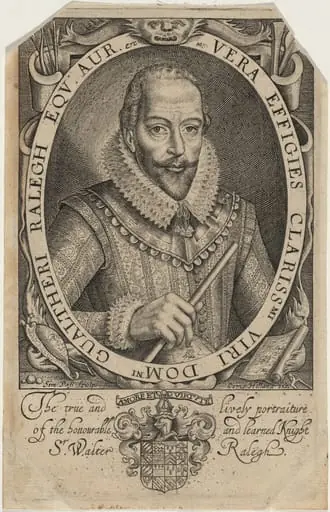
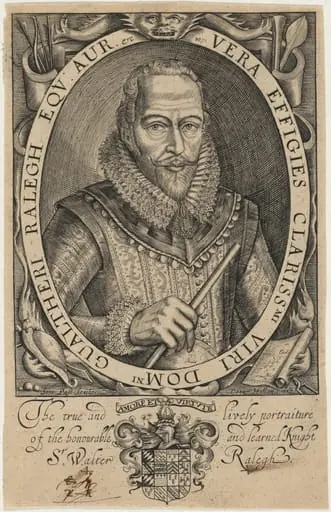
Sir Walter Raleigh is an ink print by the Renaissance artist Unknown. It dates from 1621 and is held in the collection of the National Gallery of Art.
About this work
Overview
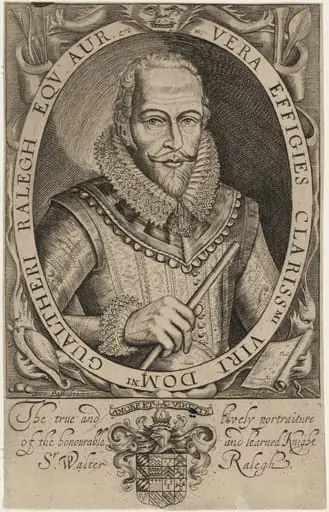
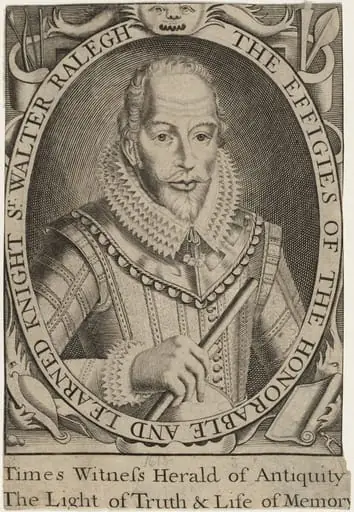
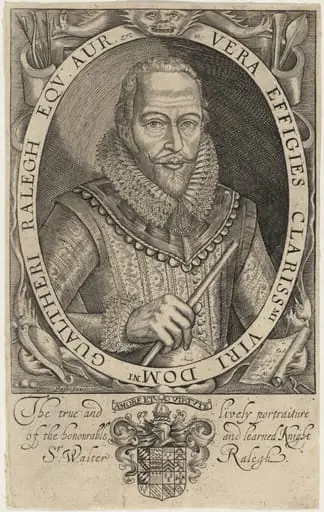
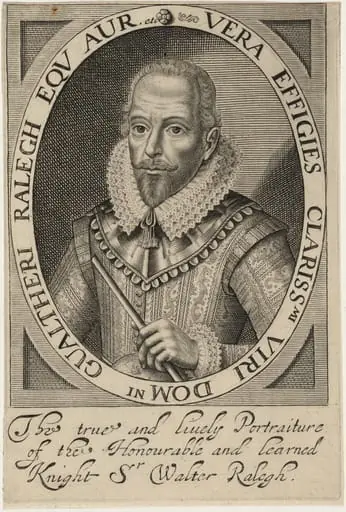
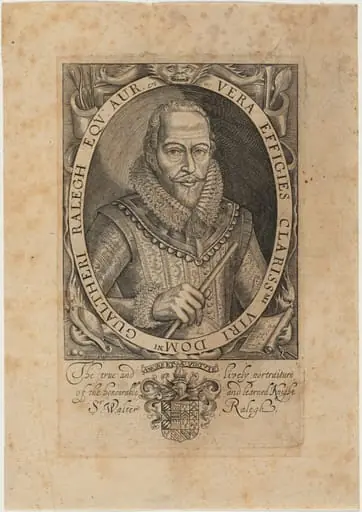
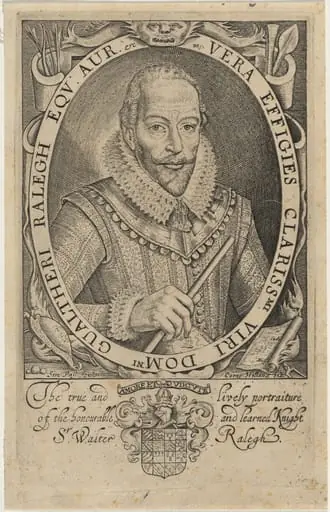
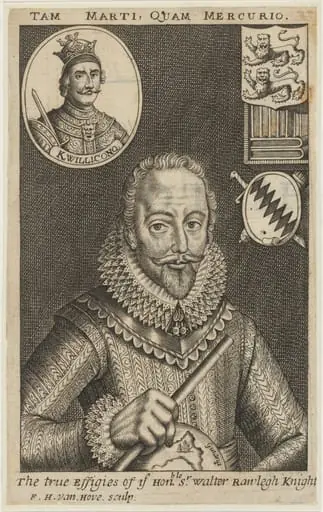
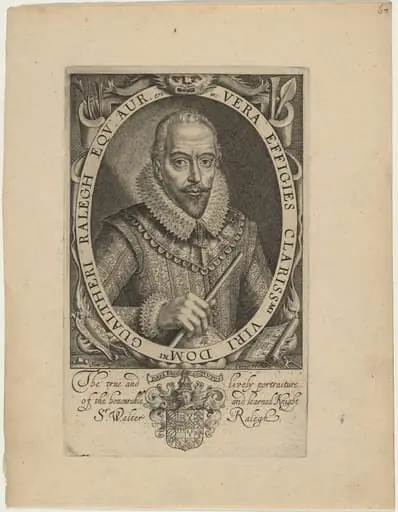
This engraving presents a detailed black-and-white portrait of Sir Walter Raleigh, identifiable through accompanying text, despite the name not being visible within the image itself. The subject is depicted with a neatly trimmed beard and mustache, wearing a high-collar outfit adorned with ruffles at the neck, and holding a piece of paper in his left hand.
Subject & Meaning
The portrait captures Sir Walter Raleigh, a historical figure known for his roles as an English explorer, soldier, and favorite of Queen Elizabeth I. The image conveys a sense of elegance and refinement, suggested by the subject's attire and demeanor. The piece of paper in his hand may allude to his literary pursuits or navigational charts, hinting at his multifaceted personality.
Technique & Style
The engraving utilizes fine lines and nuanced shading to achieve textured depictions of the subject's face, beard, and clothing. A decorative border frames the image, complete with explanatory text that emphasizes the portrait's verisimilitude as a 'true and lively portraiture'. The plain background contrasts with the intricate details of the subject and border, focusing attention on Raleigh.
History & Provenance
The emphasis on accuracy in the border text may indicate it was produced during a period when Raleigh's image was in demand.
While specific details about the engraving's creation date and artist are not provided, the style and techniques used suggest it aligns with 16th or early 17th-century European engraving practices, potentially coinciding with or shortly following Raleigh's lifetime (1532-1618). The emphasis on accuracy in the border text may indicate it was produced during a period when Raleigh's image was in demand.
Context
Created in a time when engraving was a primary means of mass-producing images, this work would have contributed to the dissemination of Sir Walter Raleigh's likeness among the populace and elite alike. It reflects the intersection of art, history, and the burgeoning interest in individual portraiture during the Renaissance and early modern periods.
Artist & collection

 Domestic Scene
 Giacomo and Cardinal Marco, investing Andrea, Abbot of San Zeno, with his Benefice
 The Nymph of Fontainebleau
 Portrait of a Woman
 Madonna and Child with Saints in the Enclosed Garden
 Venus and Minerva
 Family Group of Four on Sofa
 Wall painting from Room H of the Villa of P. Fannius Synistor at Boscoreale