Artwork
Untitled
Untitled is an unspecified painting by the Early Baroque Italian artist Unknown. It dates from 1615 and is held in the collection of the Rijksmuseum. This unidentified painting depicts an intimate interior scene illuminated solely by a single candle.
About this work
Overview
This unidentified painting depicts an intimate interior scene illuminated solely by a single candle. A man in a white collar reads beside a woman engaged in sewing, both figures framed by deep shadows. The absence of a known title or artist has left the work anonymous, yet its quiet atmosphere and precise handling of light have drawn sustained attention from viewers and scholars alike.
Subject & Meaning
The scene captures a moment of domestic stillness, suggesting private ritual rather than narrative drama. The shared light of the candle unites the figures in quiet companionship, their activities—reading and sewing—hinting at routine, contemplation, or shared labor. No overt symbolism is present; meaning emerges from the restraint and intimacy of the moment.
Technique & Style
The artist employed thin, translucent layers of paint to model the candle’s glow with remarkable subtlety. Shadows are not merely darkened areas but carefully graded transitions, enhancing the illusion of soft, flickering light. The texture of the candle’s wax and the warmth of the glow are rendered with a tactile precision that avoids theatricality.
History & Provenance
The painting’s origin remains undocumented. No records link it to a known artist, patron, or exhibition history. Its survival suggests it was privately held, possibly within a Dutch or Flemish household, before entering a public collection. The lack of documentation underscores the anonymity common to many small-scale genre works of the period.
Context
Created during a time when domestic interiors were increasingly favored subjects in Northern European art, the work aligns with traditions of quiet, light-focused scenes found in the oeuvres of artists like Vermeer and Ter Borch. Its focus on ordinary activity and controlled illumination reflects broader cultural values around modesty, piety, and the dignity of daily life.
Legacy
Though unsigned and unlabeled, the painting continues to be studied for its technical mastery of chiaroscuro and emotional restraint. It is frequently referenced in discussions of candlelit genre painting and is often displayed alongside works from the Rijksmuseum’s collection to illustrate the quiet power of understated illumination in 17th-century art.
Artist & collection

 Domestic Scene
 Giacomo and Cardinal Marco, investing Andrea, Abbot of San Zeno, with his Benefice
 The Nymph of Fontainebleau
 Portrait of a Woman
 Madonna and Child with Saints in the Enclosed Garden
 Venus and Minerva
 Family Group of Four on Sofa
 Wall painting from Room H of the Villa of P. Fannius Synistor at Boscoreale
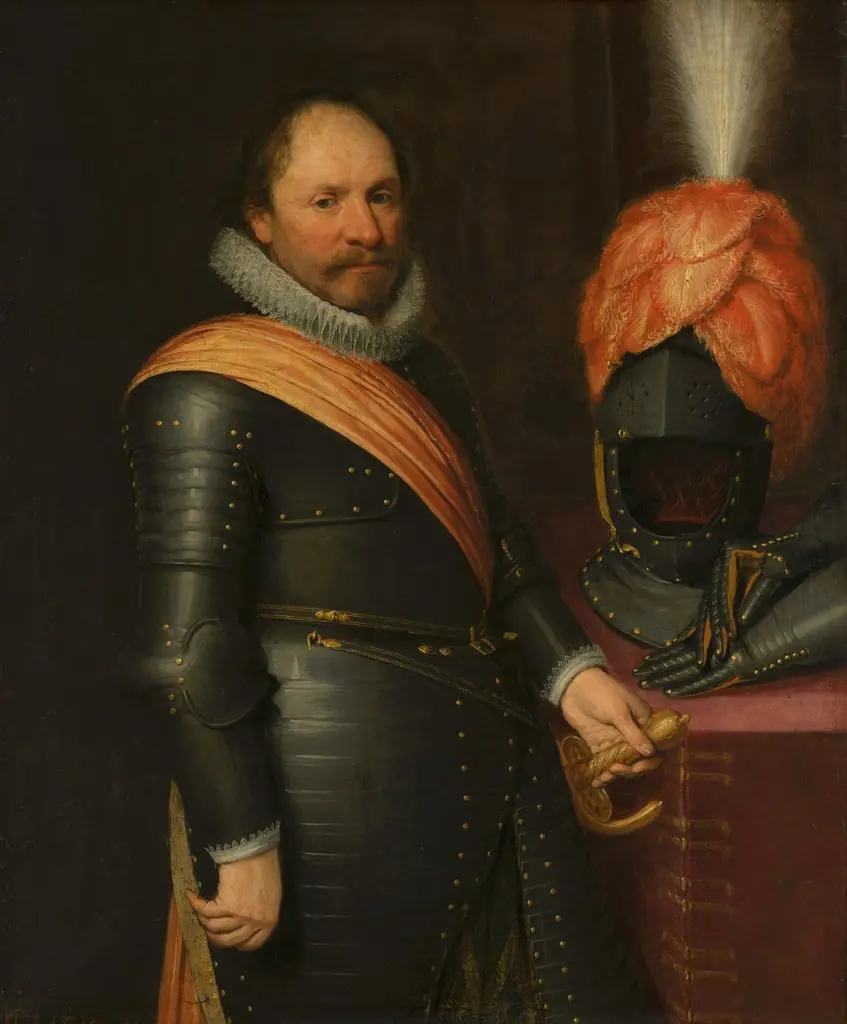 Portret van een onbekende officier
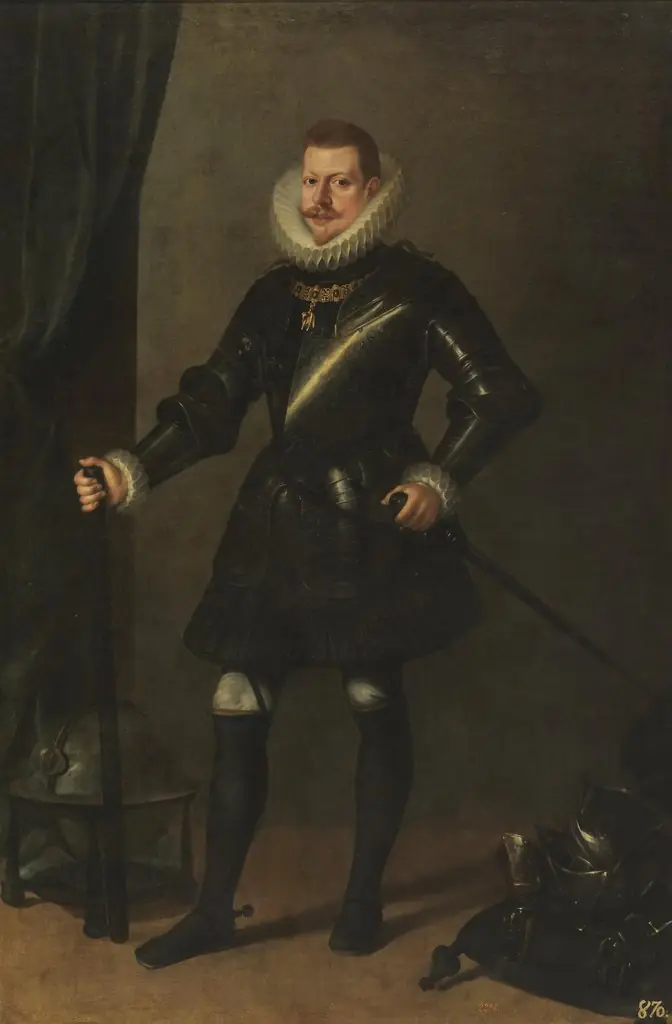 Philip III in Armour
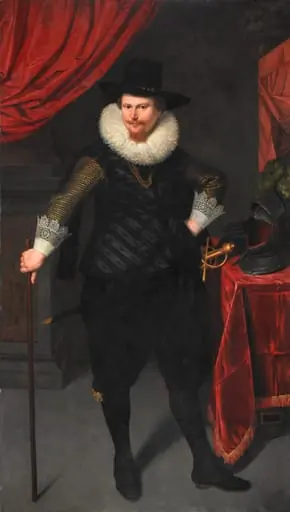 Portrait of Laurens Reael
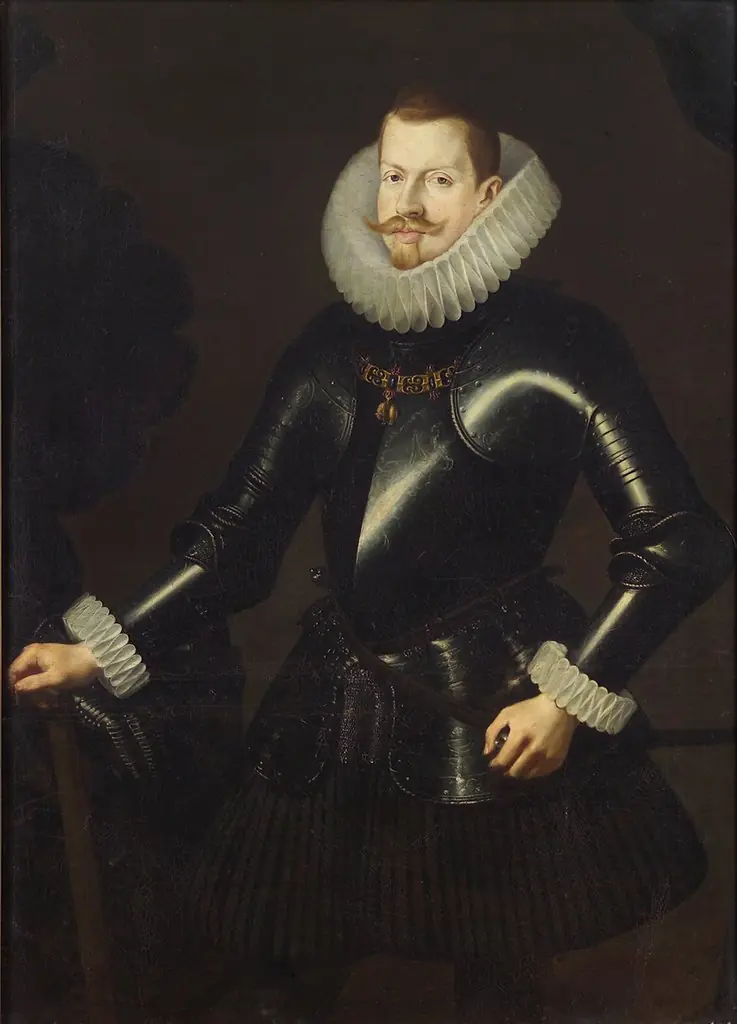 König Philipp III. von Spanien (1578-1621), Bildnis im Harnisch
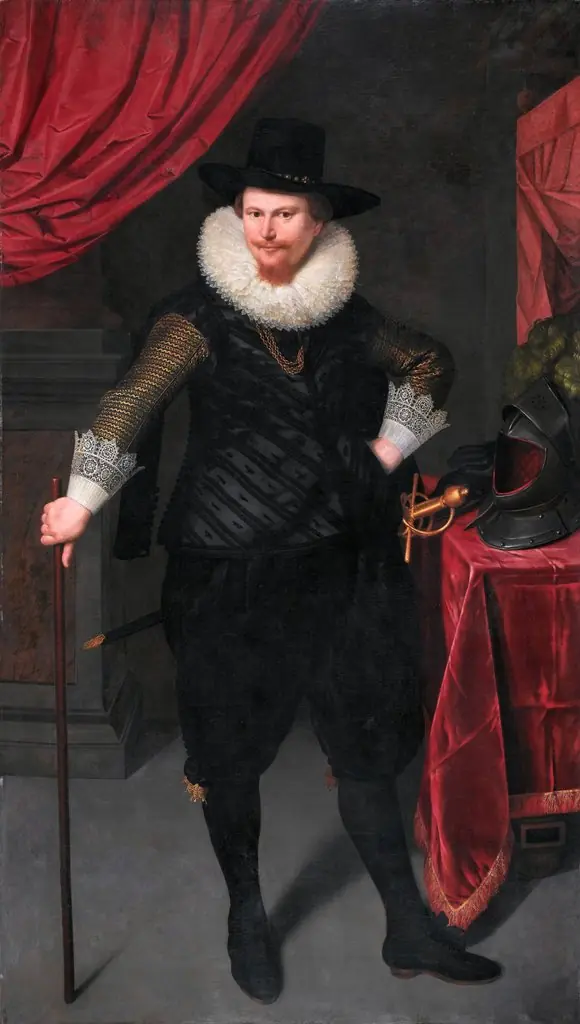 Portrait of Laurens Reael
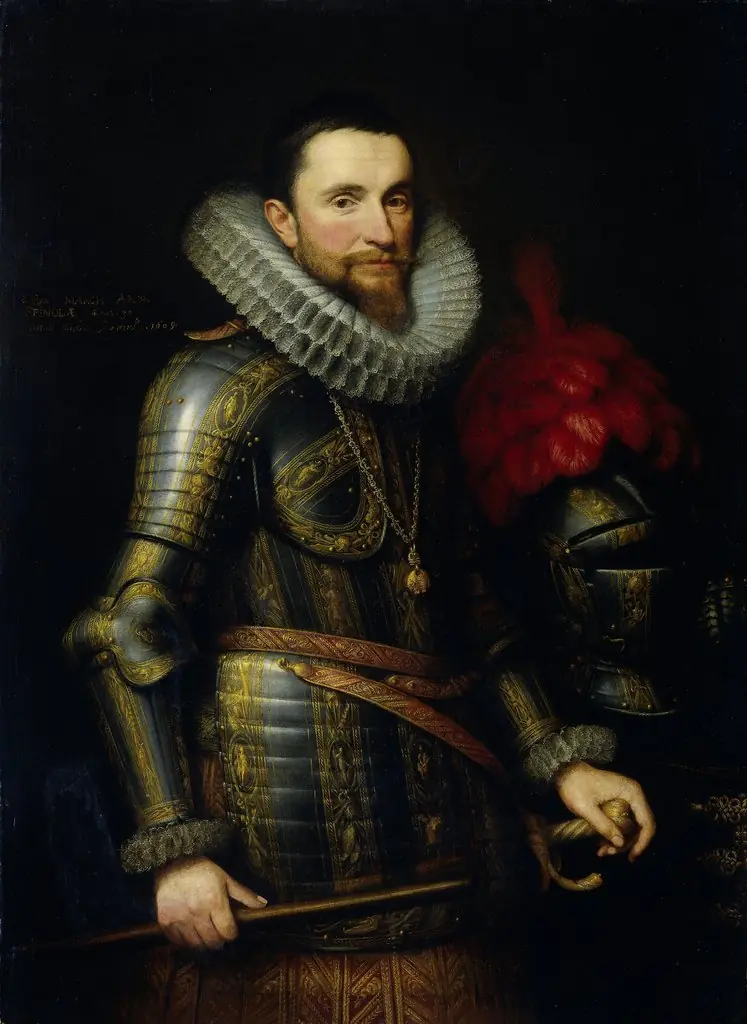 Portrait of Ambrogio Spinola (1569-1630)
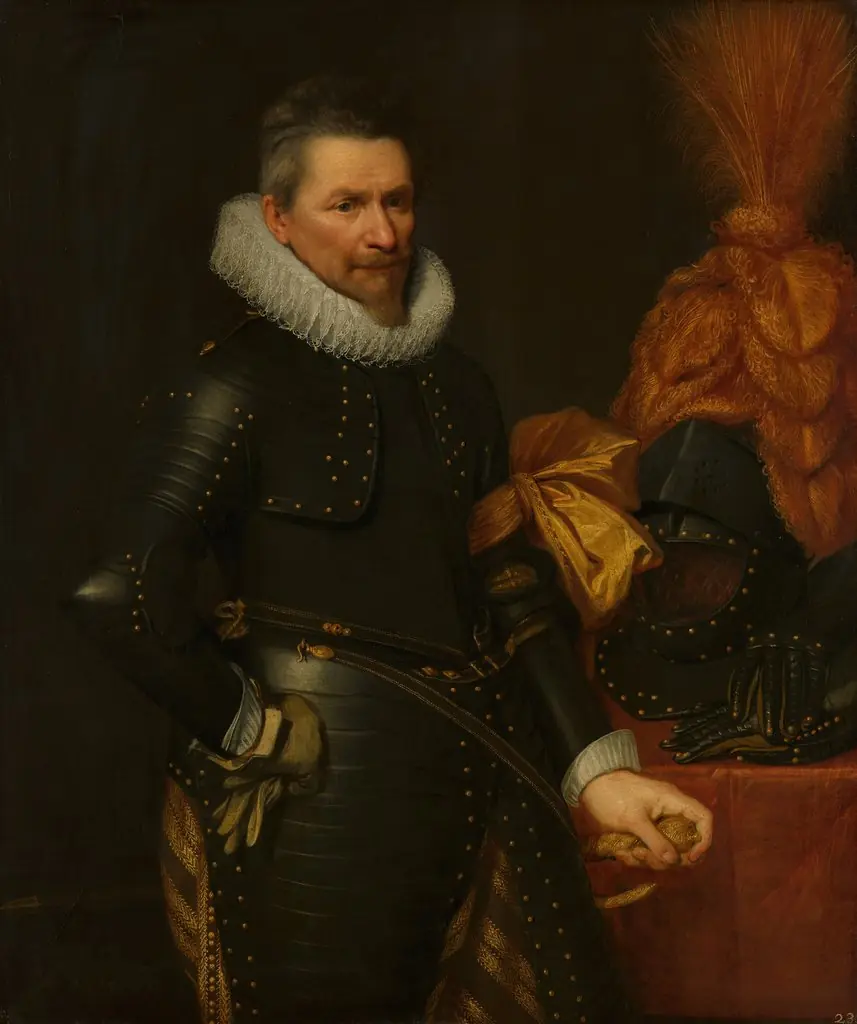 Portrait of an Officer
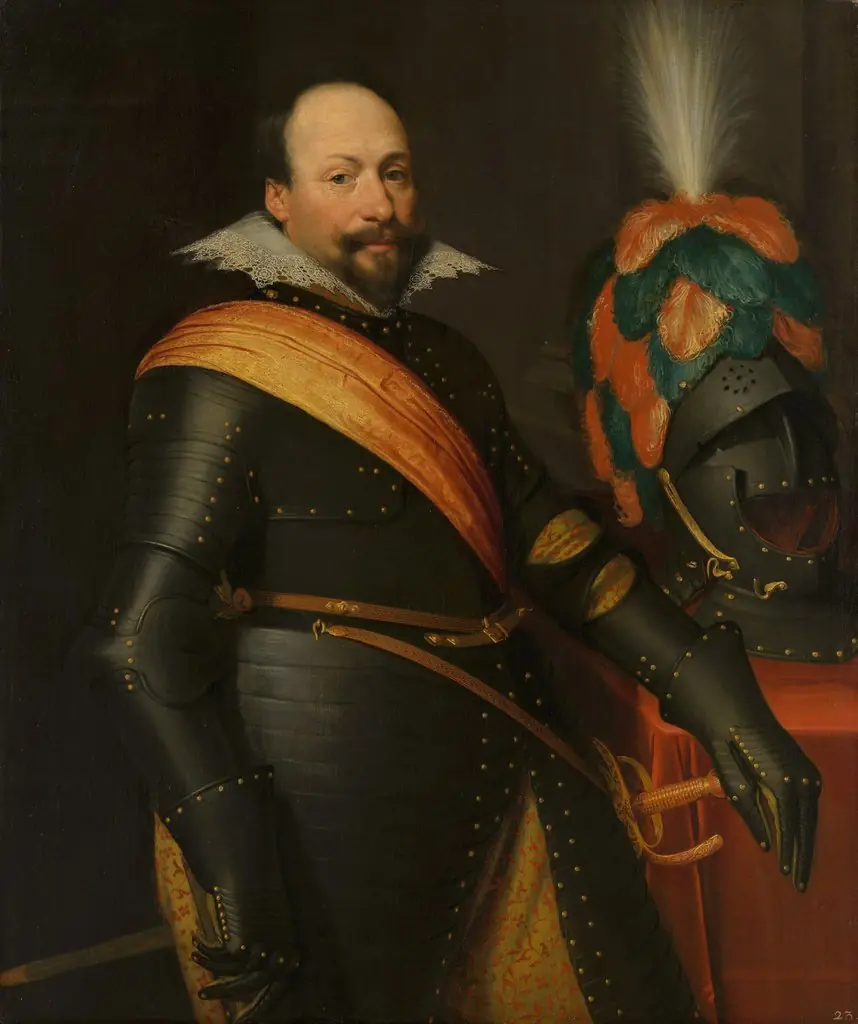 Portrait of Daniël de Hertaing
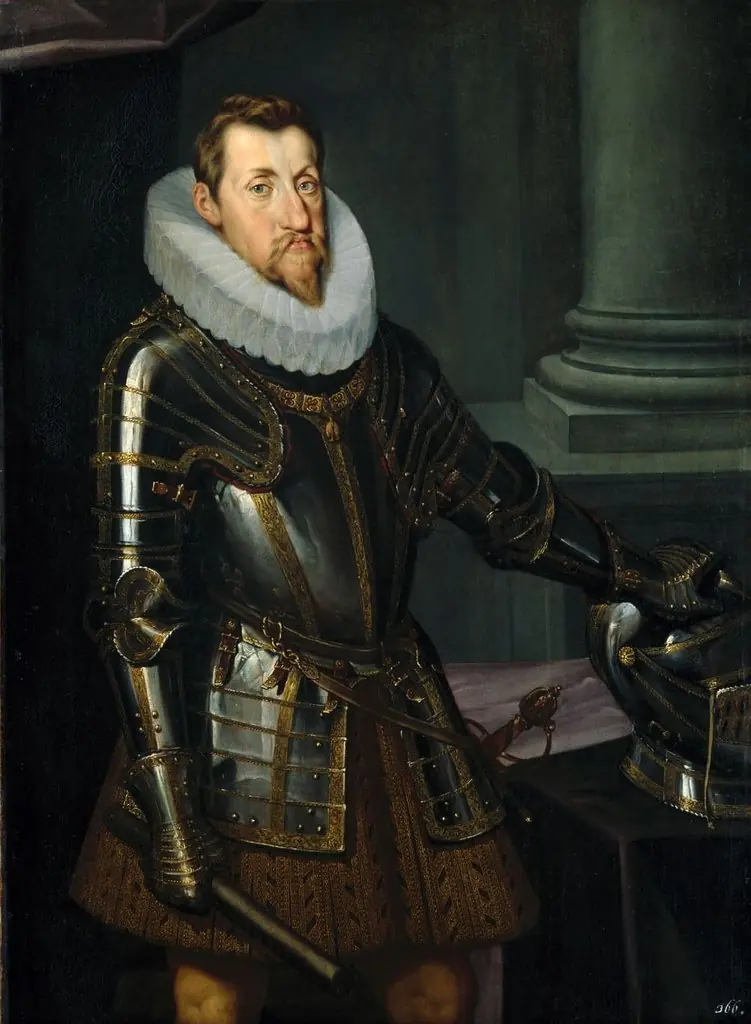 Portrait of Ferdinand II, Holy Roman Emperor (1578-1637)
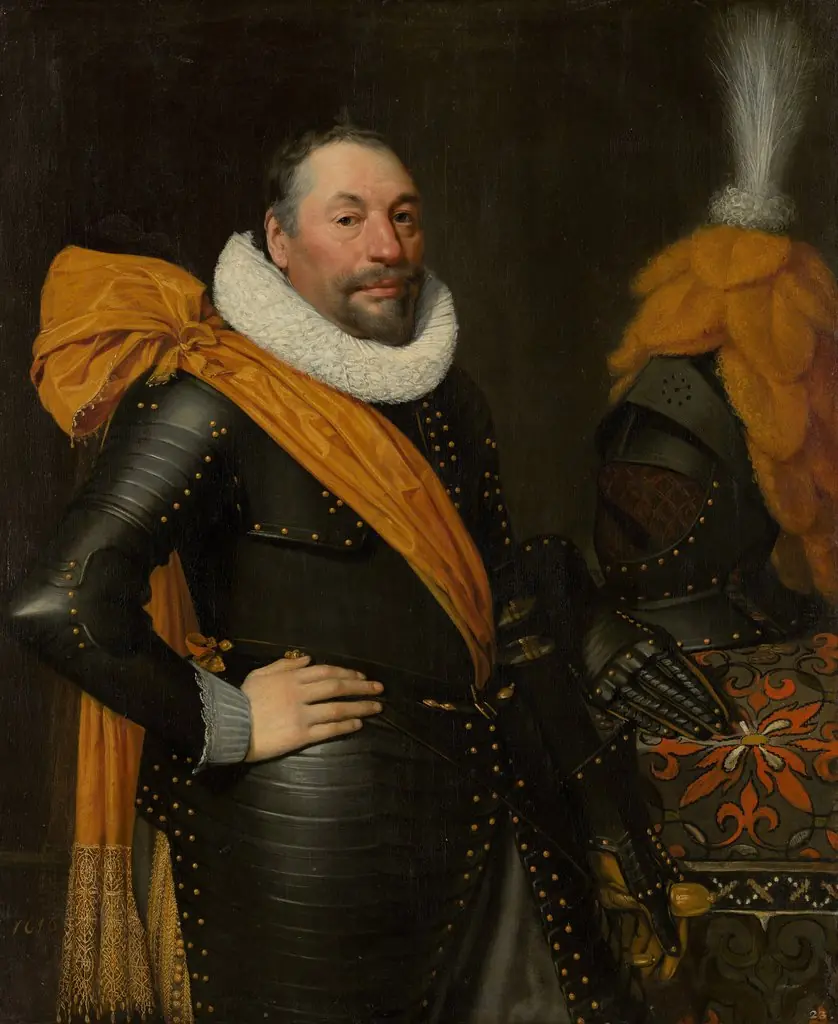 Portrait of an Officer
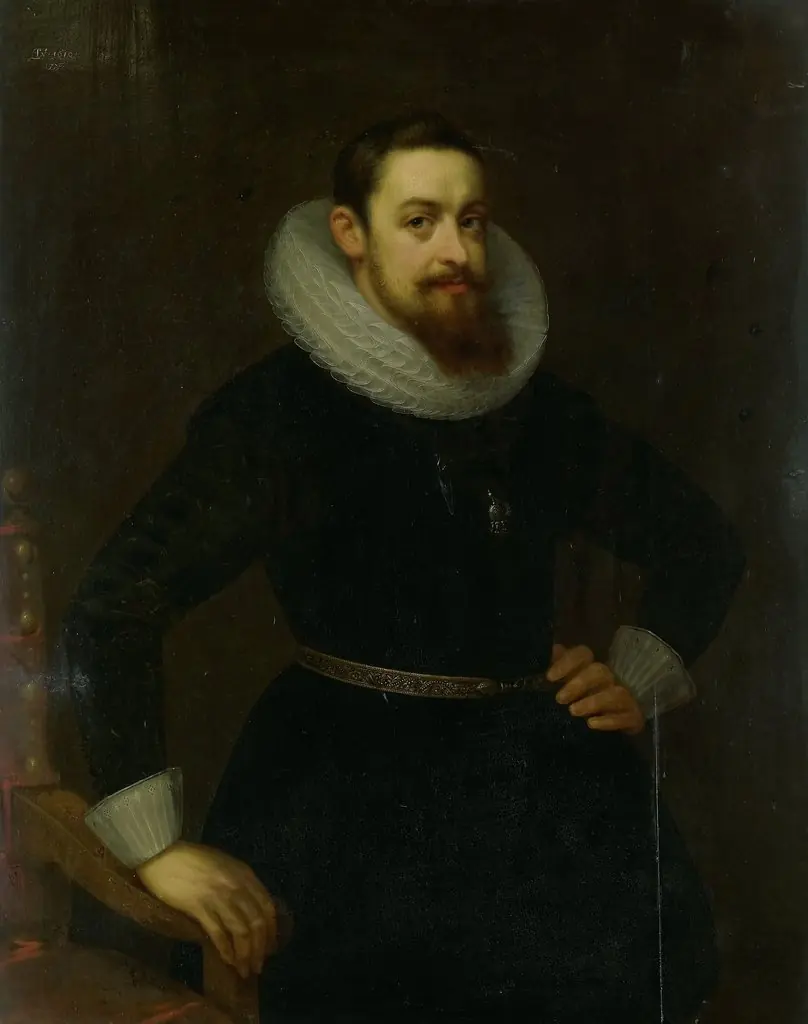 Portrait of Jeremias Boudinois
 Portrait of Jacob Pergens (?-1681)