Artwork
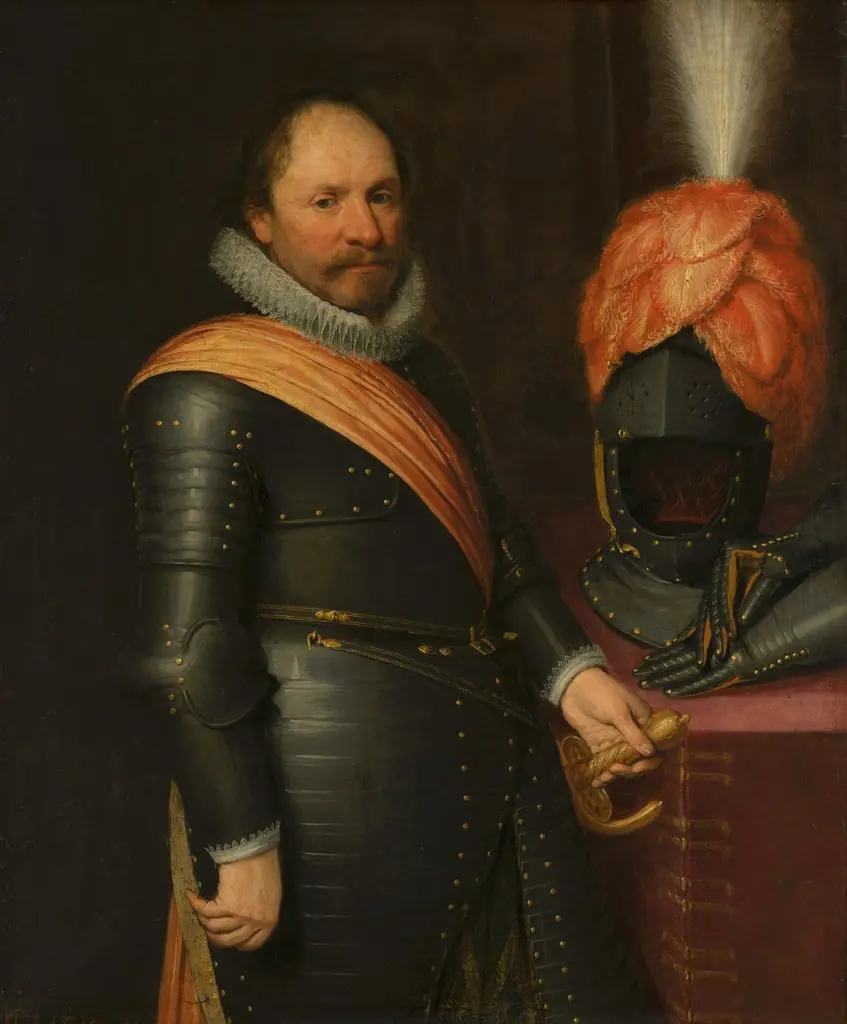
Portrait of Daniël de Hertaing
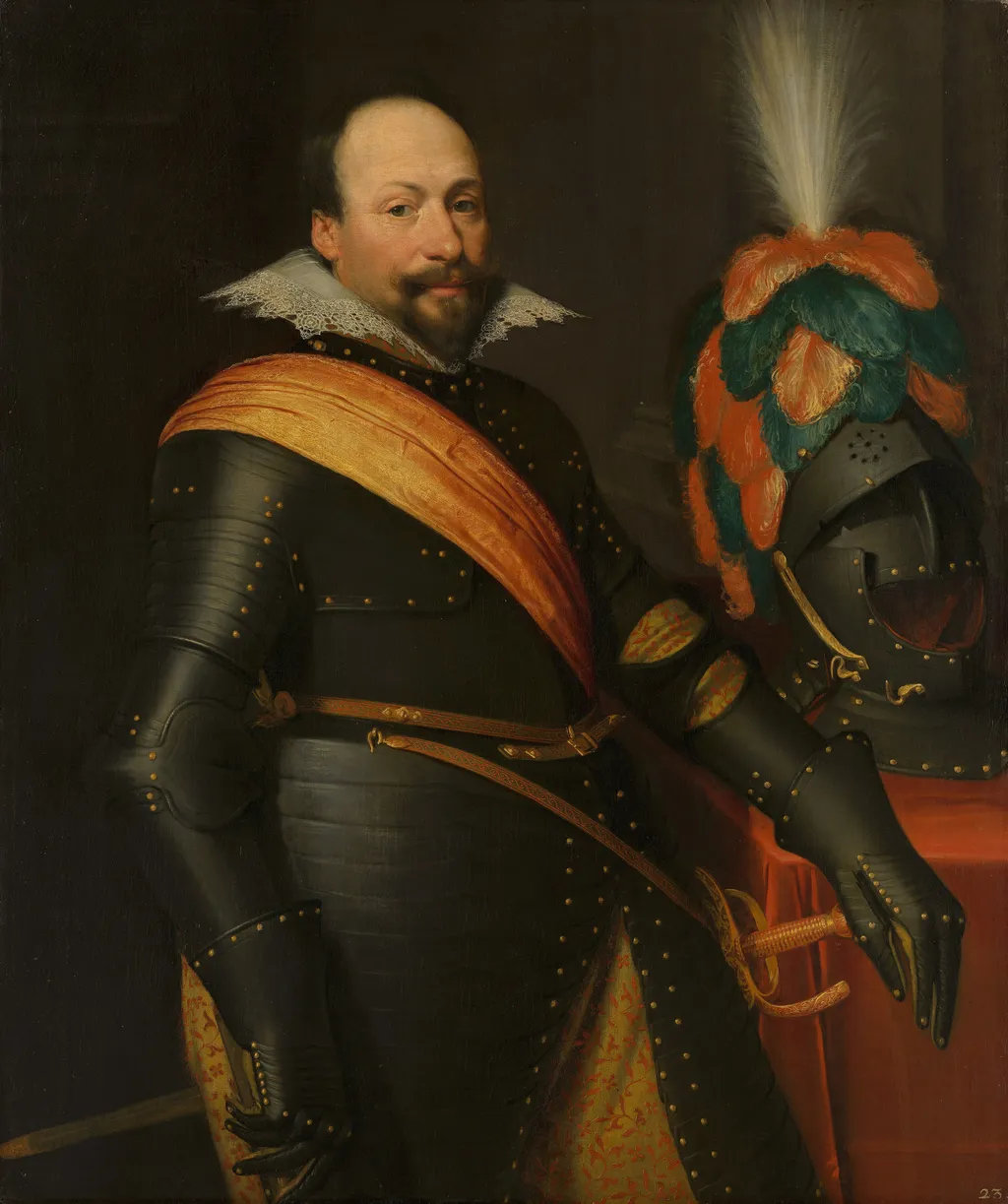
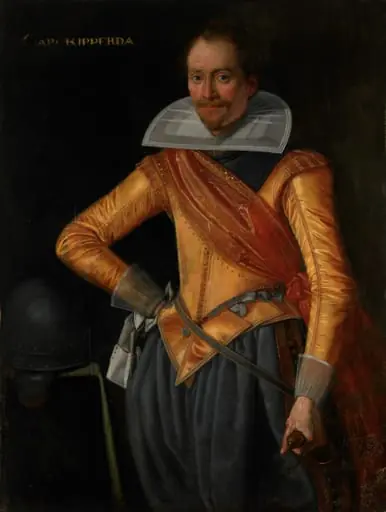
Portrait of Daniël de Hertaing is an oil painting by the Dutch Golden Age artist Jan van Ravesteyn. It dates from 1612 and is held in the collection of the Rijksmuseum.
About this work
The man's attire and the style of the painting suggest that he is a noble or military figure from the early 17th century.
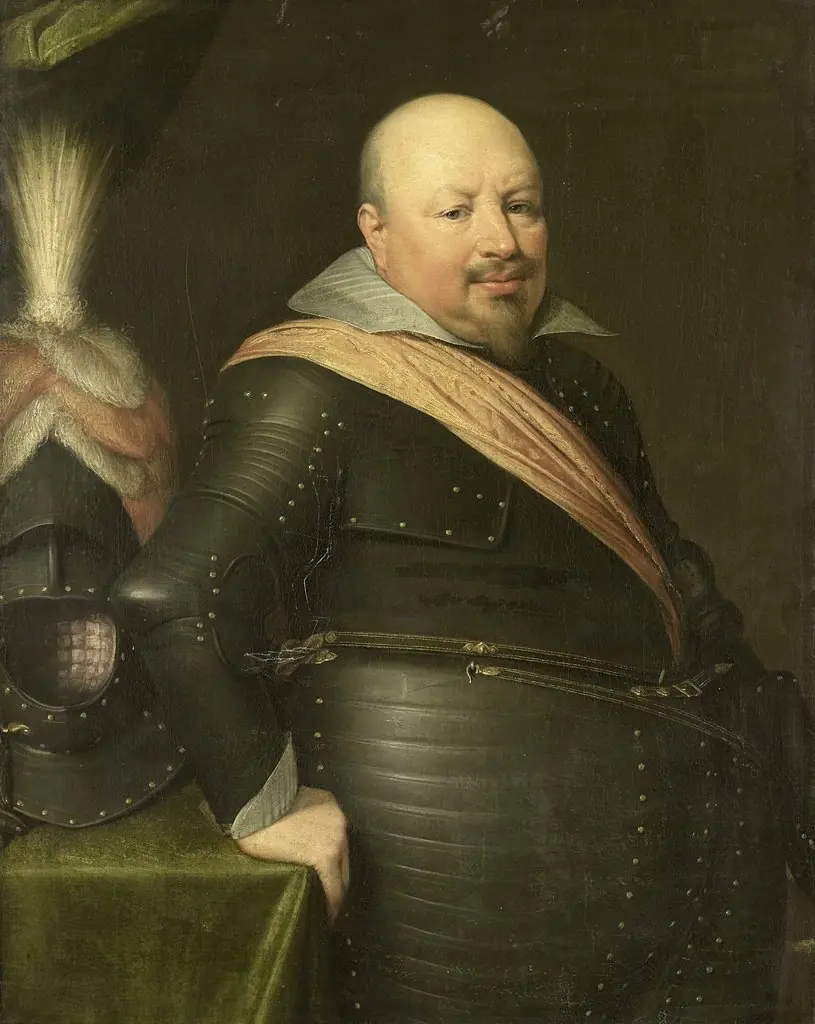
This portrait depicts a man dressed in armor, with a red and gold sash draped across his chest. He wears a helmet adorned with feathers on his left arm, and his right hand rests on the hilt of his sword. The background of the painting is dark, which helps to accentuate the subject's features.
The man's attire and the style of the painting suggest that he is a noble or military figure from the early 17th century. The level of detail in the armor and the subject's facial expression convey a sense of dignity and importance.
To learn more about the artist behind this work, explore the paintings of Jan van Ravesteyn.
Overview
Painted in 1612 by Jan van Ravesteyn, this oil portrait captures Daniël de Hertaing, a figure associated with the Dutch court. The work is part of the Mauritshuis collection in The Hague and exemplifies the refined portraiture produced during the early Dutch Golden Age. Van Ravesteyn, known for his precise rendering of aristocratic subjects, here presents a military noble with quiet authority.
Subject & Meaning
Daniël de Hertaing is depicted in full armor, his right hand resting on his sword’s hilt, a gesture signaling readiness and status. The red and gold sash and feathered helmet suggest ceremonial rank, possibly linked to a noble or military office. The composed expression and direct gaze convey dignity rather than aggression, reflecting ideals of noble restraint in early 17th-century Dutch society.
Technique & Style
Van Ravesteyn employs a dark, neutral background to isolate the figure, drawing attention to the intricate details of armor and fabric. The rendering of metal surfaces, embroidery, and facial texture demonstrates careful observation and controlled brushwork. The lighting is even and soft, avoiding dramatic contrasts, which aligns with the restrained aesthetic favored in Dutch court portraiture of the period.
History & Provenance
The portrait was commissioned during Van Ravesteyn’s tenure as a court painter in The Hague, where he served members of the House of Orange and other elites. It entered the Mauritshuis collection in the 19th century, likely through royal or state acquisition. Its continuous presence in institutional hands suggests its recognized significance within Dutch artistic heritage.
Context
In early 17th-century Holland, portraiture served both personal and political functions. Nobles and military officers commissioned likenesses to assert status in a republic where traditional aristocracy was limited. Van Ravesteyn’s work reflects this tension—depicting military grandeur while adhering to the Dutch preference for understated elegance and realism.
Legacy
Van Ravesteyn’s portraits, including this one, helped define the visual language of Dutch civic and military elites. His attention to material detail and psychological presence influenced later portraitists in the Netherlands. Though less widely known than contemporaries like Hals or Rembrandt, his work remains a key reference for understanding courtly representation in the Dutch Republic.
Own this work as a print
Artist & collection
Artist
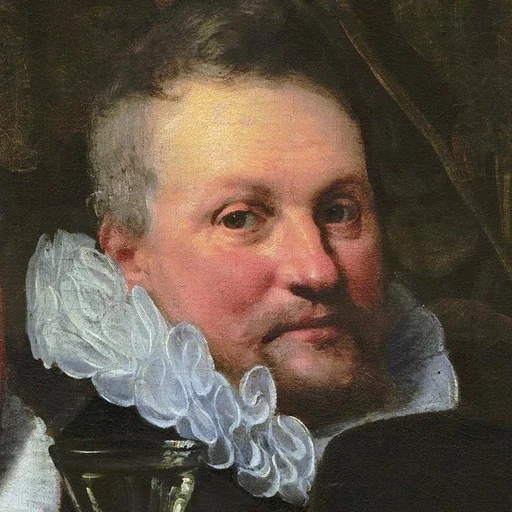
Jan Anthoniszoon (abbr. Anthonisz.) van Ravesteyn (c. 1572 – buried 21 June 1657) was a successful portrait painter to the Dutch court in The Hague.

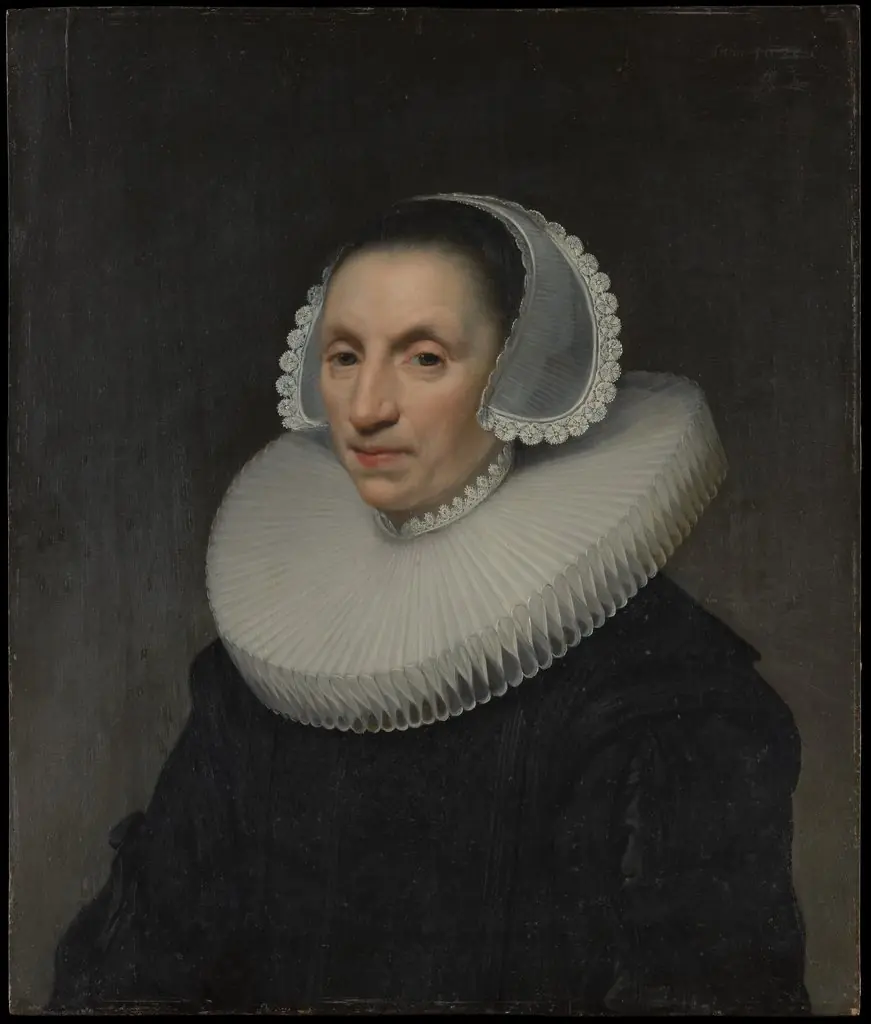
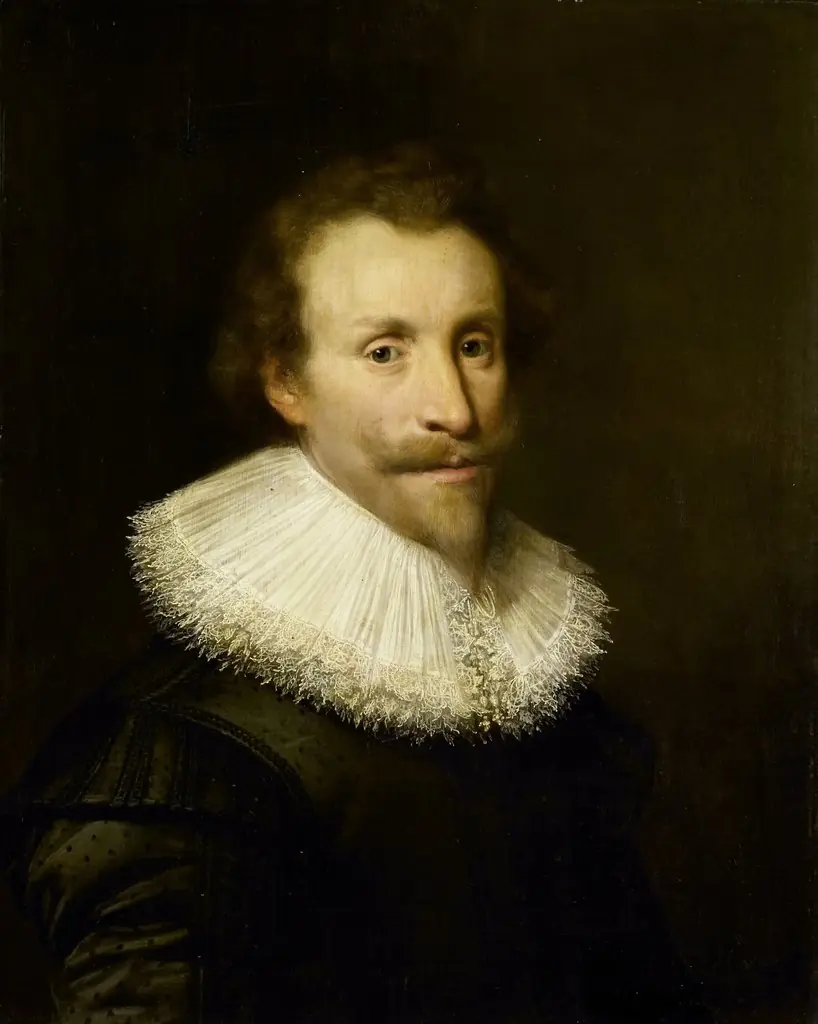
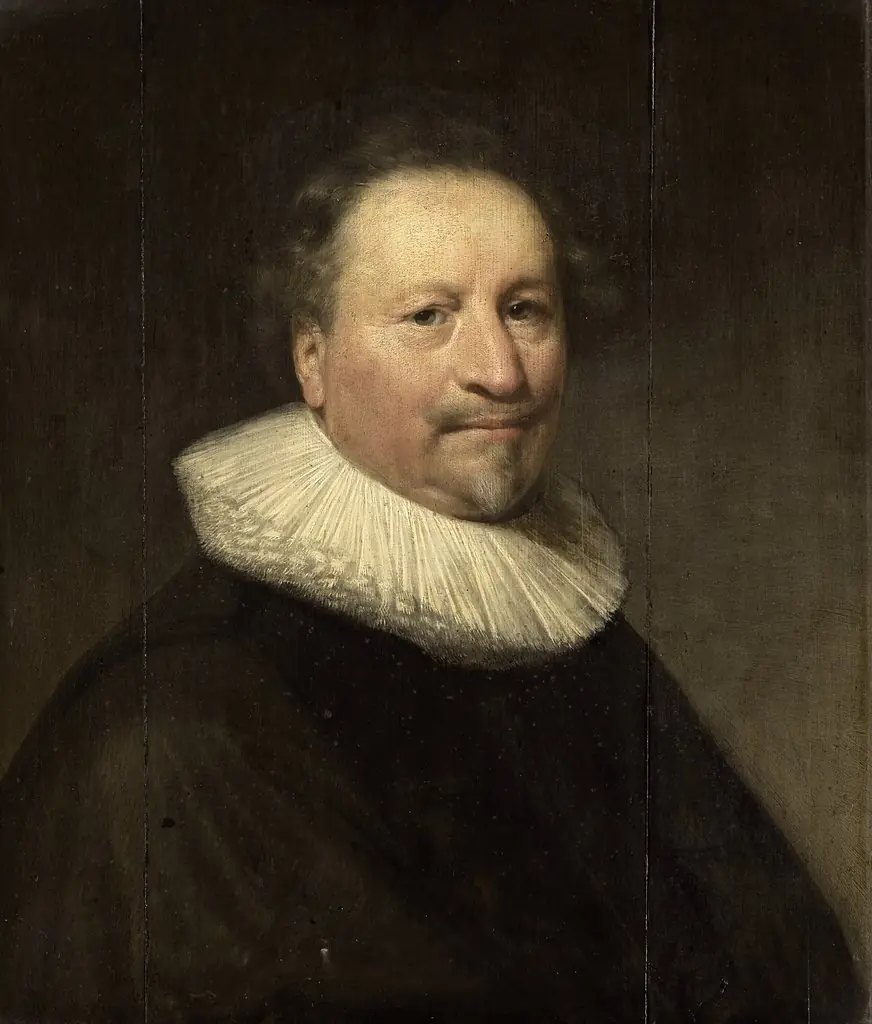
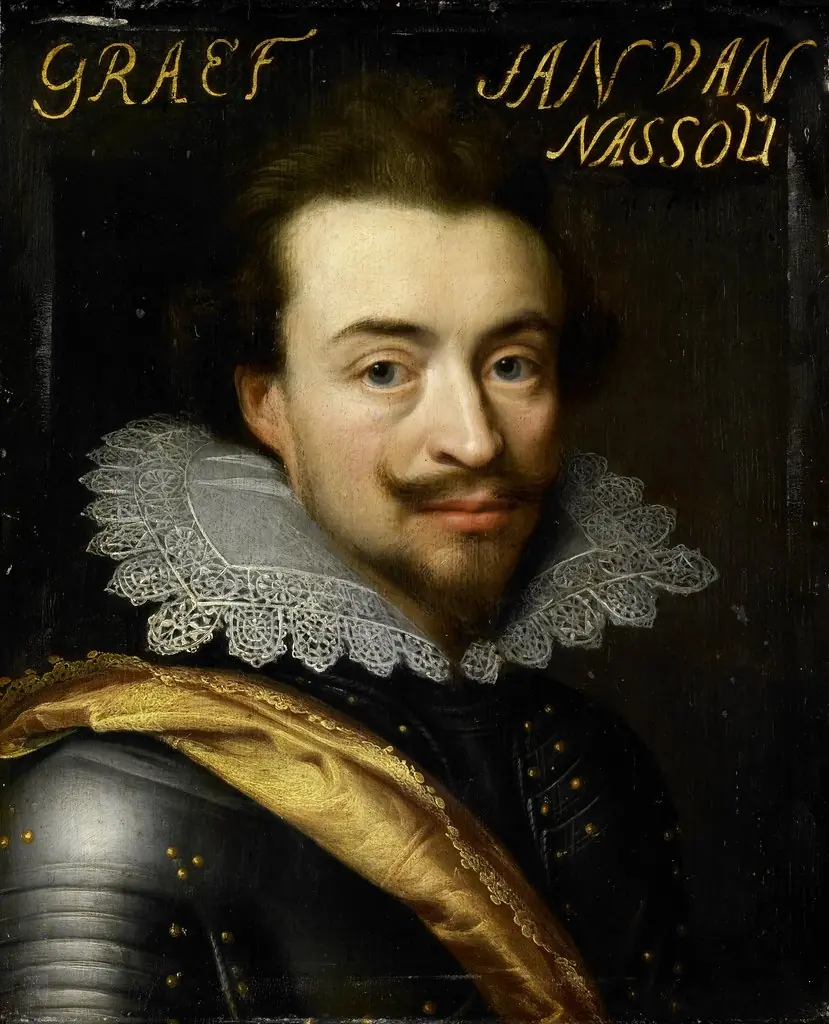
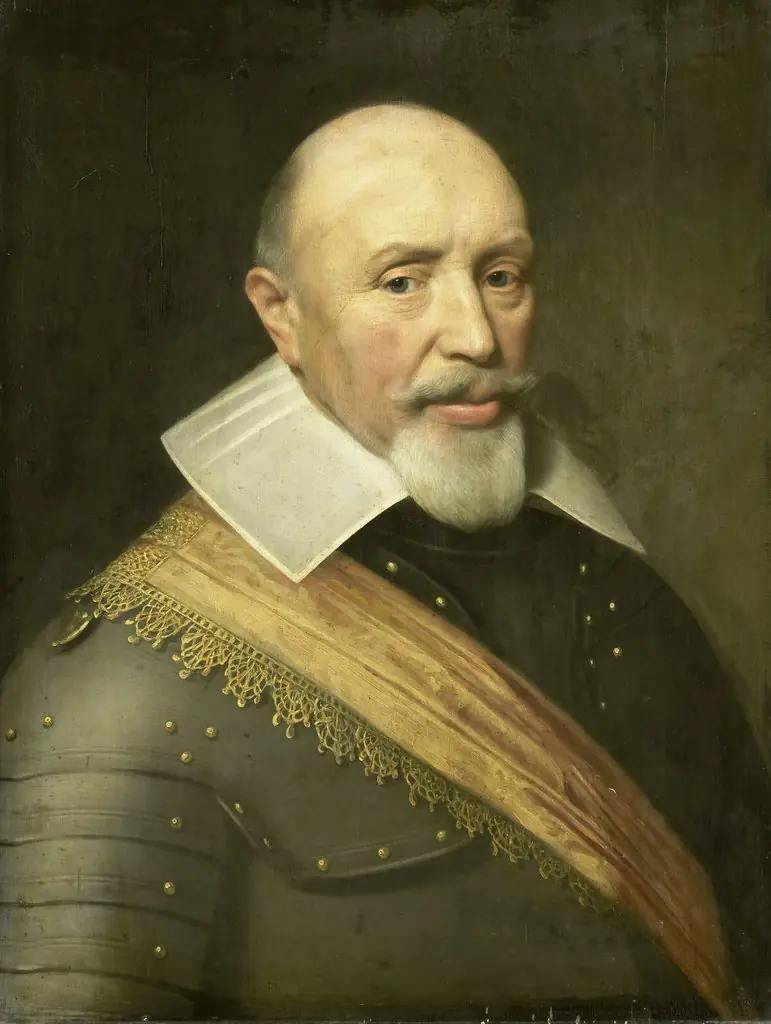
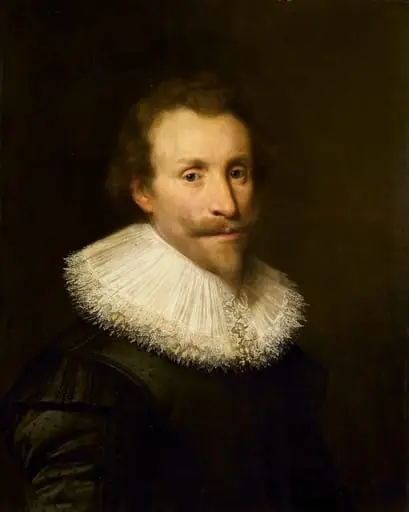
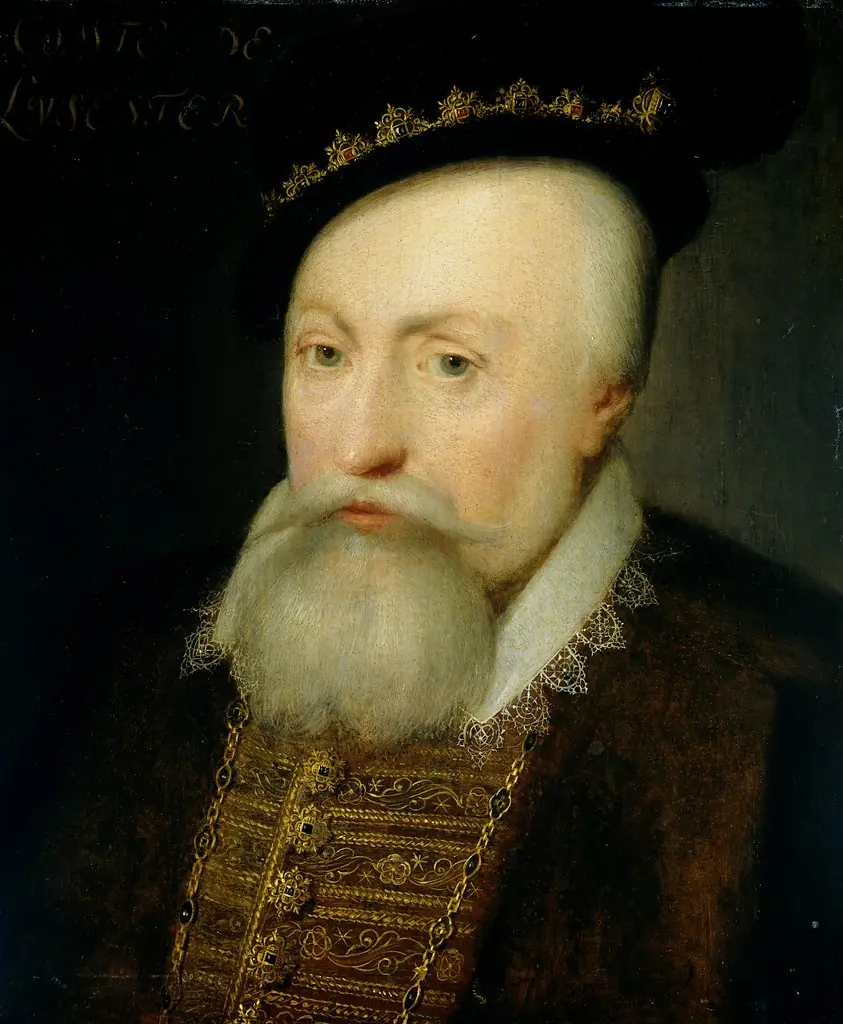
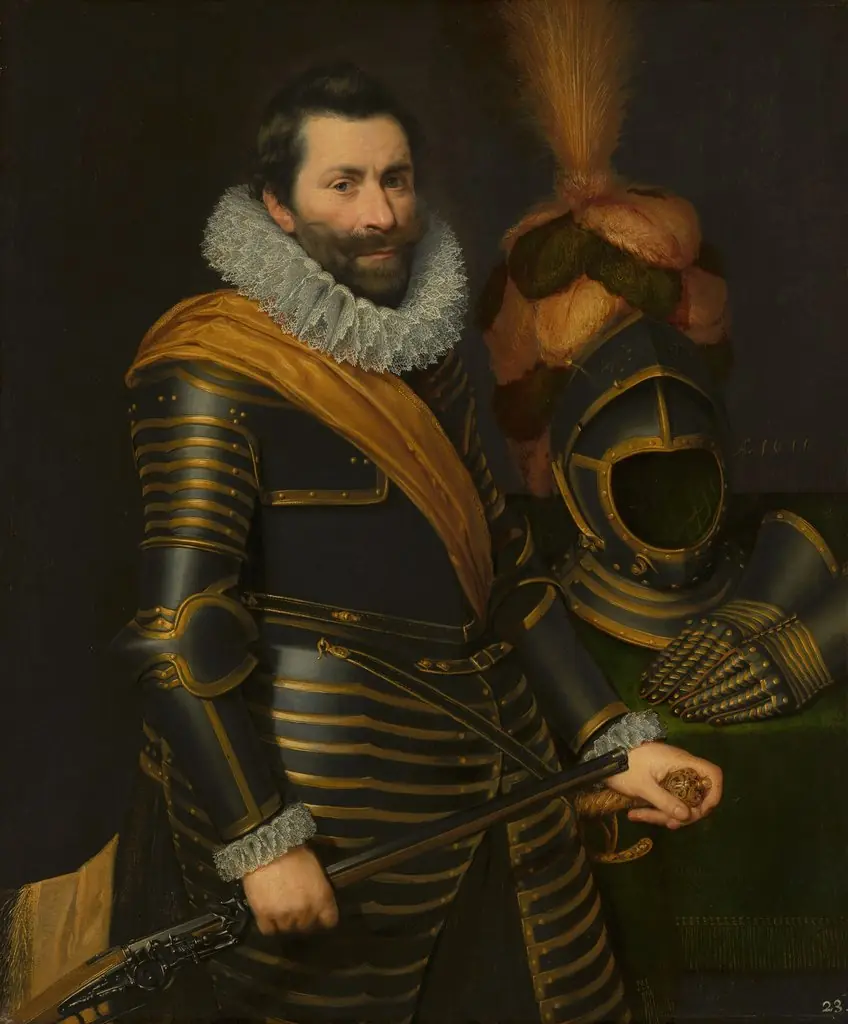 Portrait of an unknown man
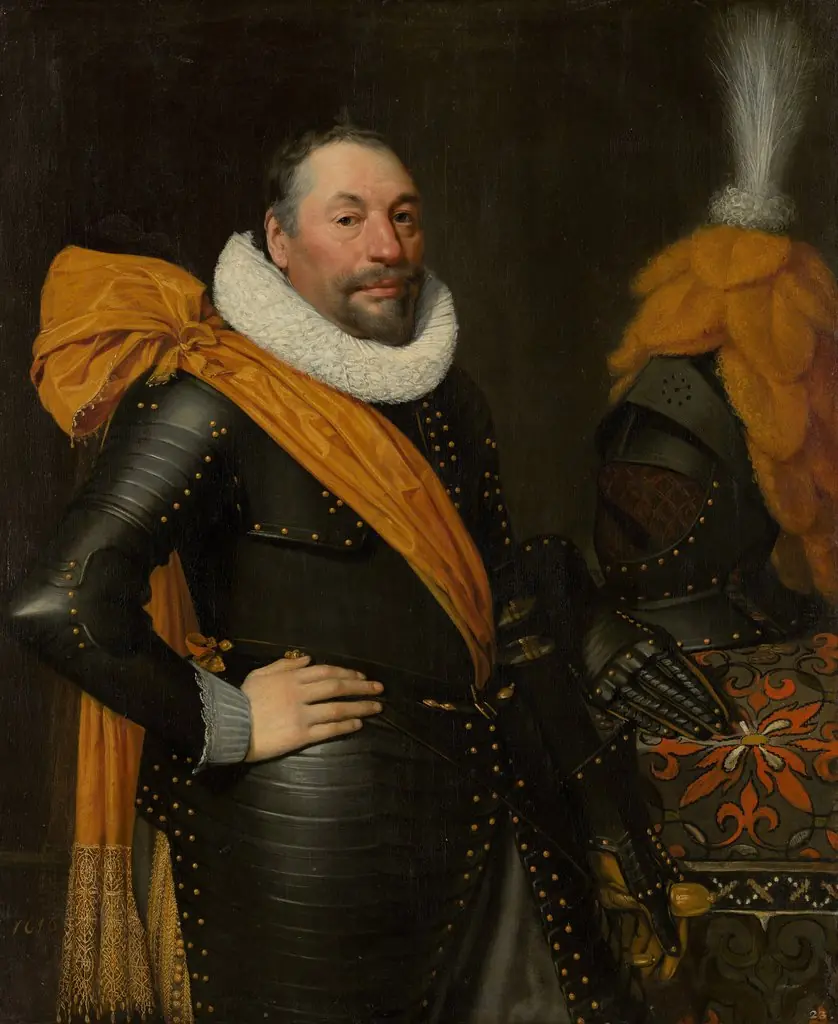 Portrait of an Officer
 Portret van een onbekende officier
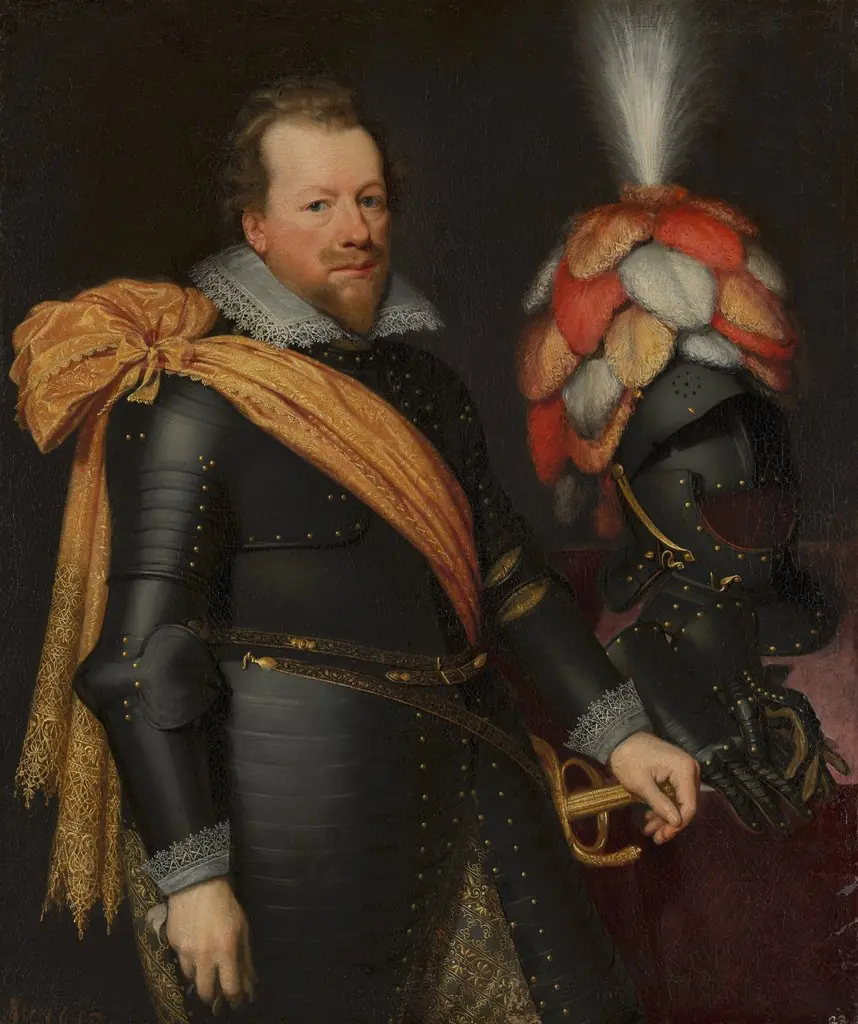 Portret van een onbekende officier
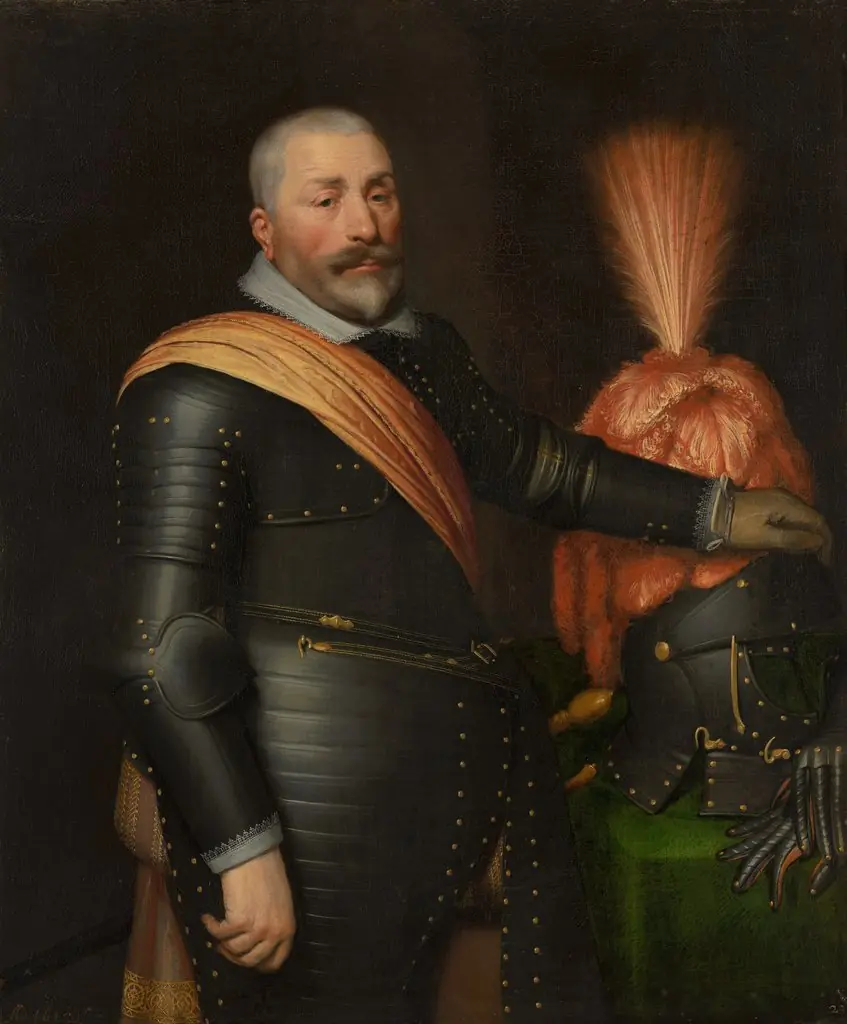 Portrait of an Officer (Mauritshuis)
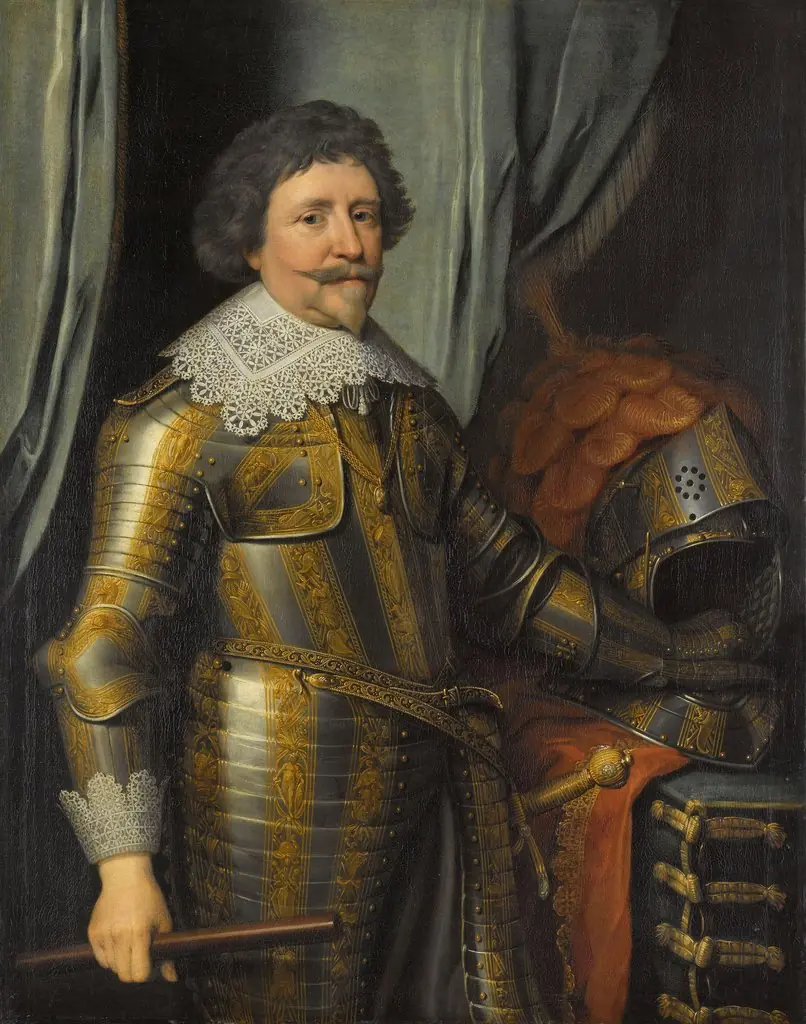 Portrait of Frederick Henry, Prince of Orange
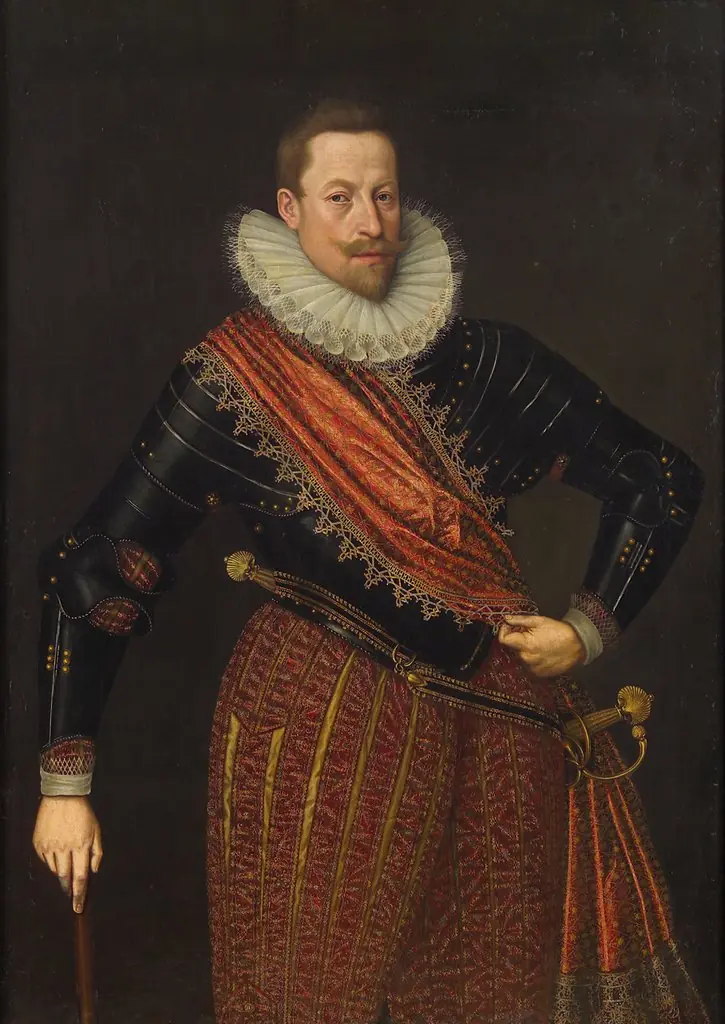 Portrait of Matthias II of Habsburg (1557-1619), the future Holy Roman Emperor
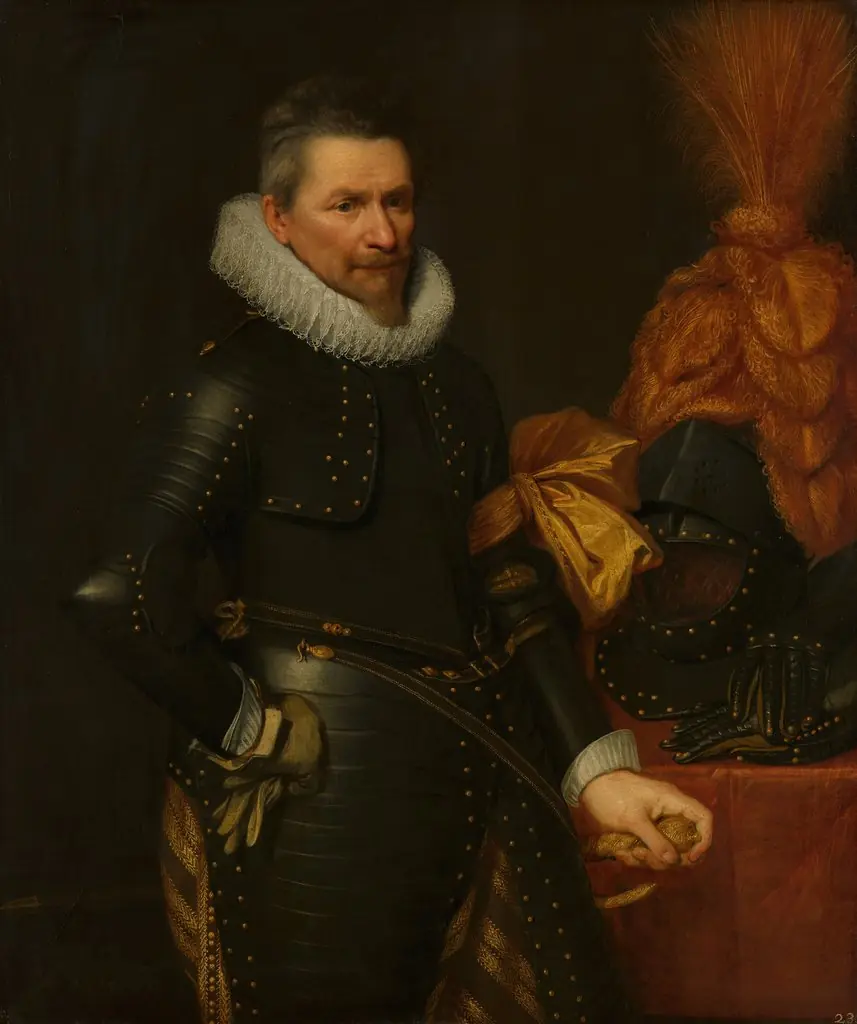 Portrait of an Officer
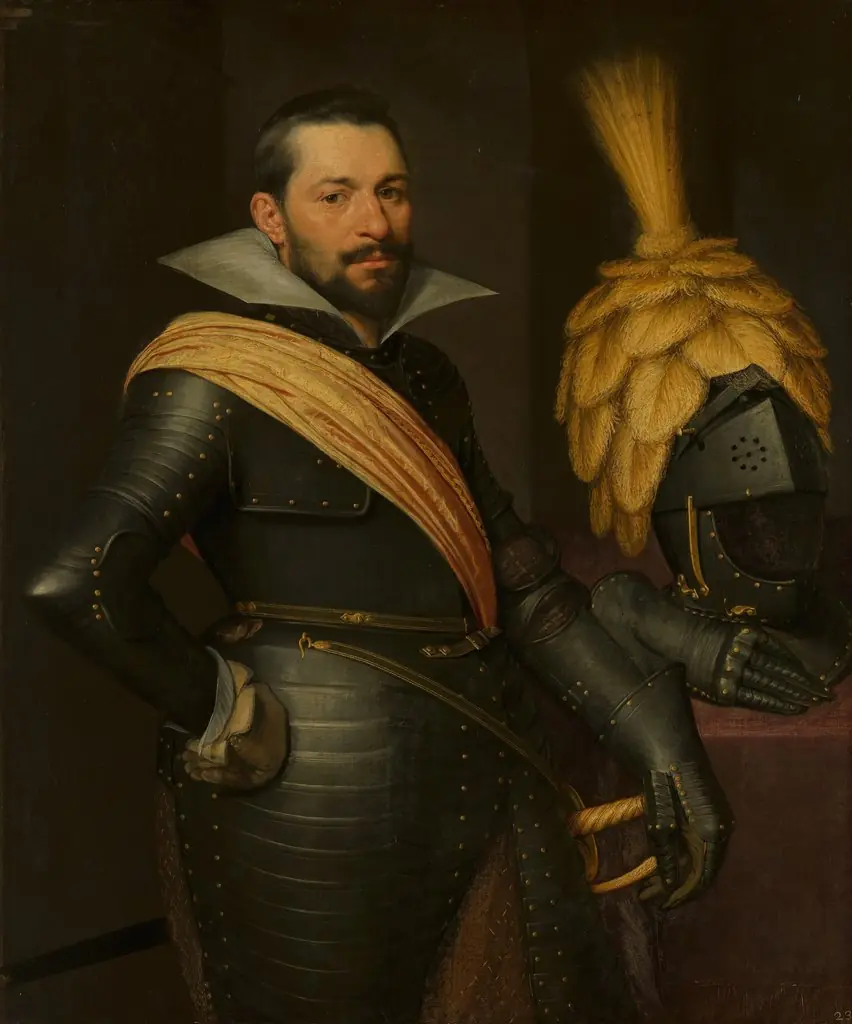 Portrait of an officer, possibly Gaspard de Coligny (1584-1646)
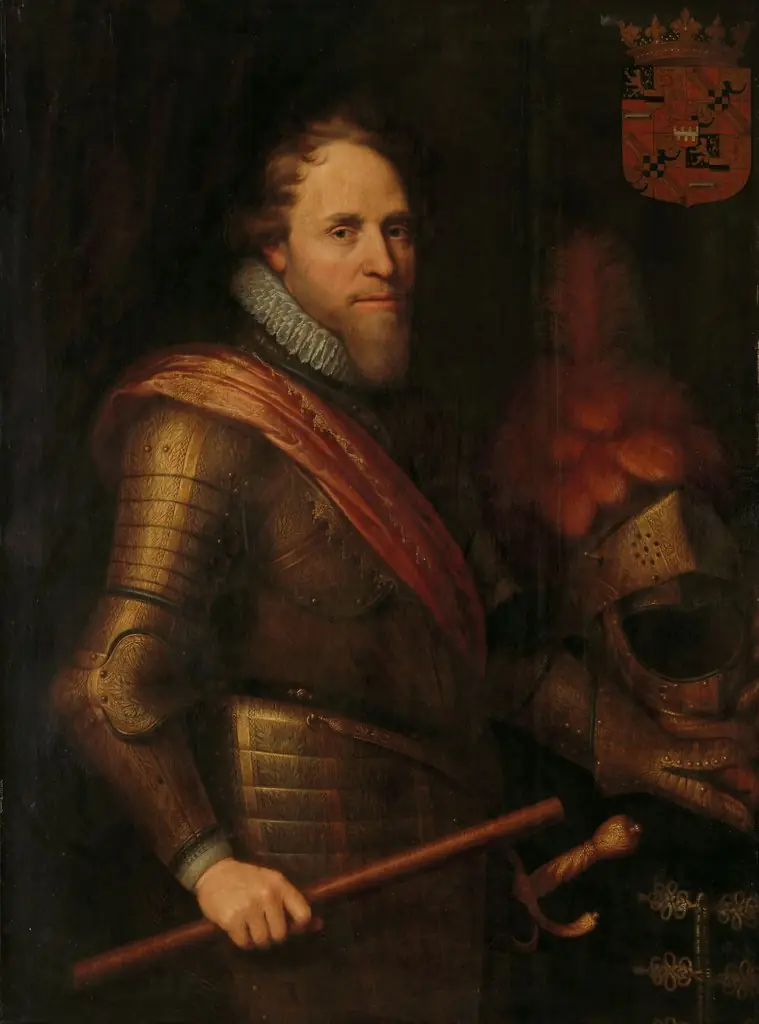 Portrait of Maurits (1567-1625), Prince of Orange
 Untitled