Artwork
Portrait of an Officer
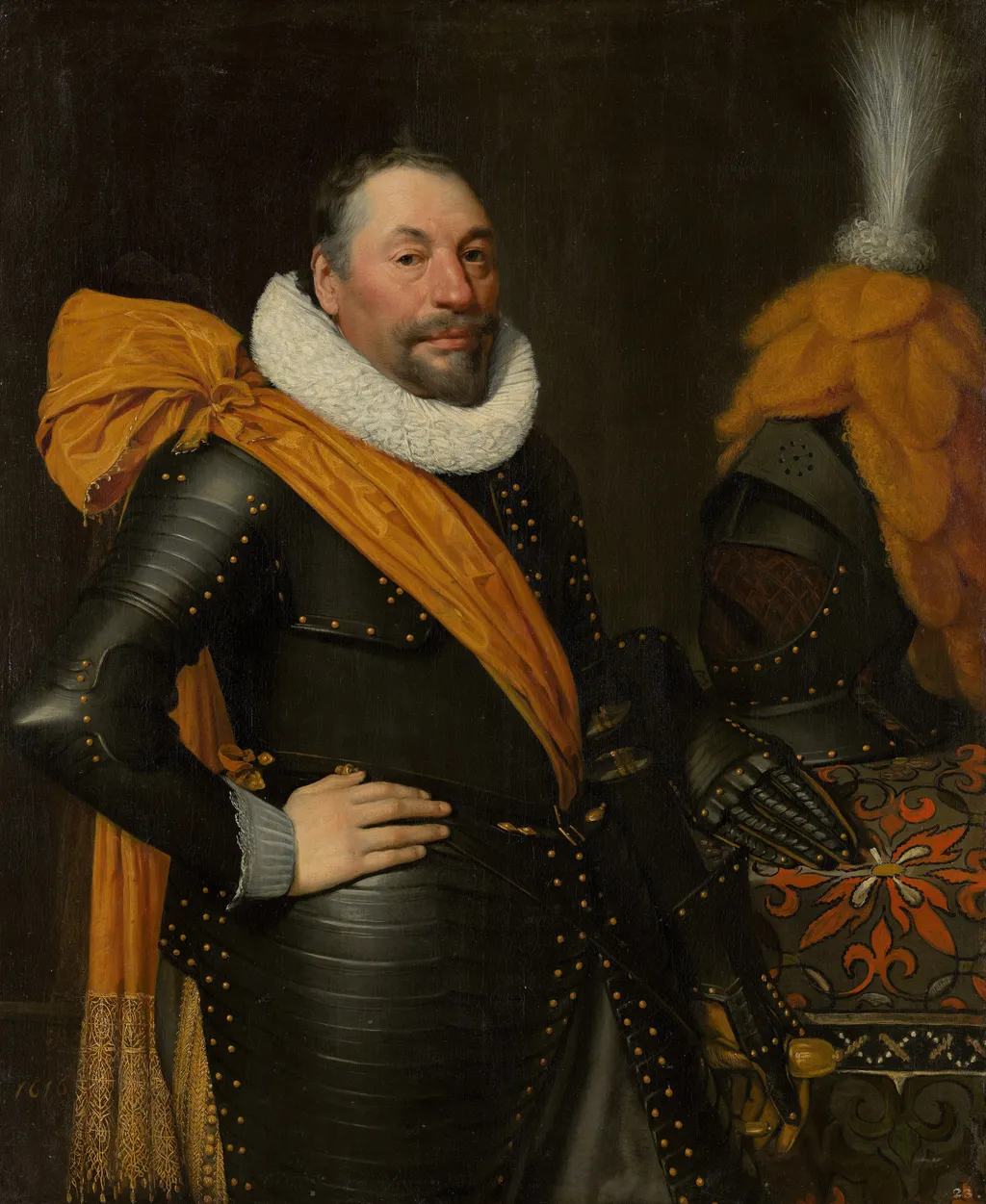
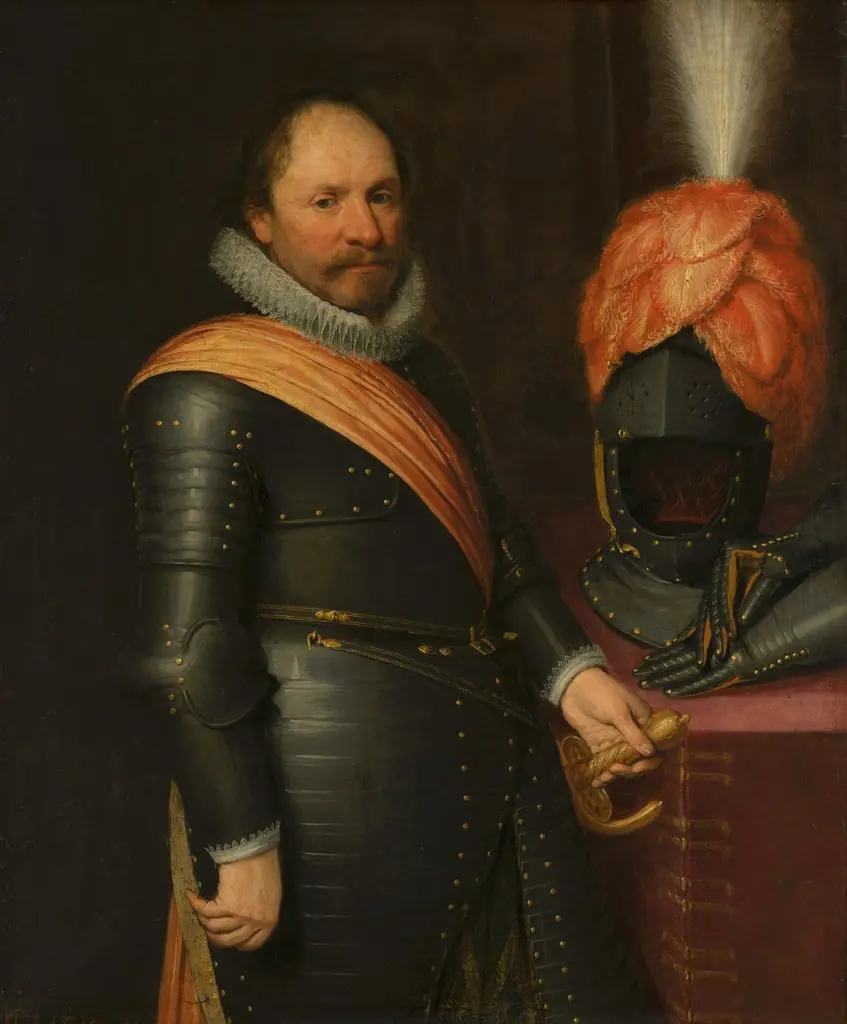
Portrait of an Officer is an oil painting by the Dutch Golden Age artist Jan van Ravesteyn. It dates from 1616 and is held in the collection of the Mauritshuis.
About this work
This portrait, created by Jan van Ravesteyn in 1616, is a representation of a military officer.
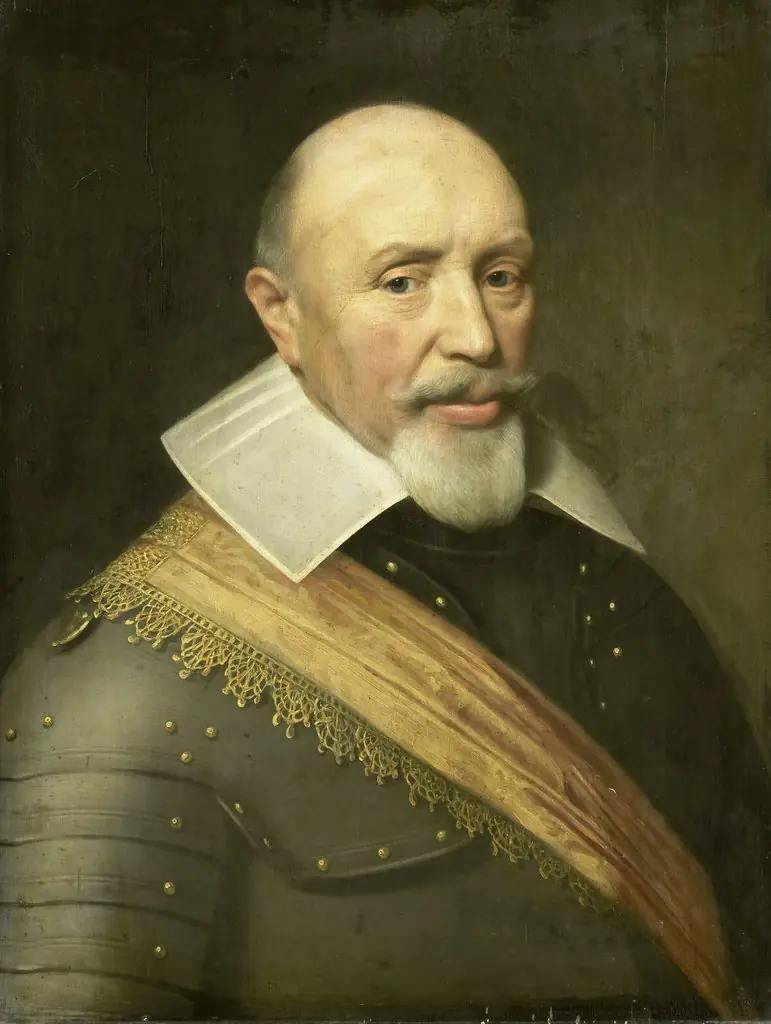
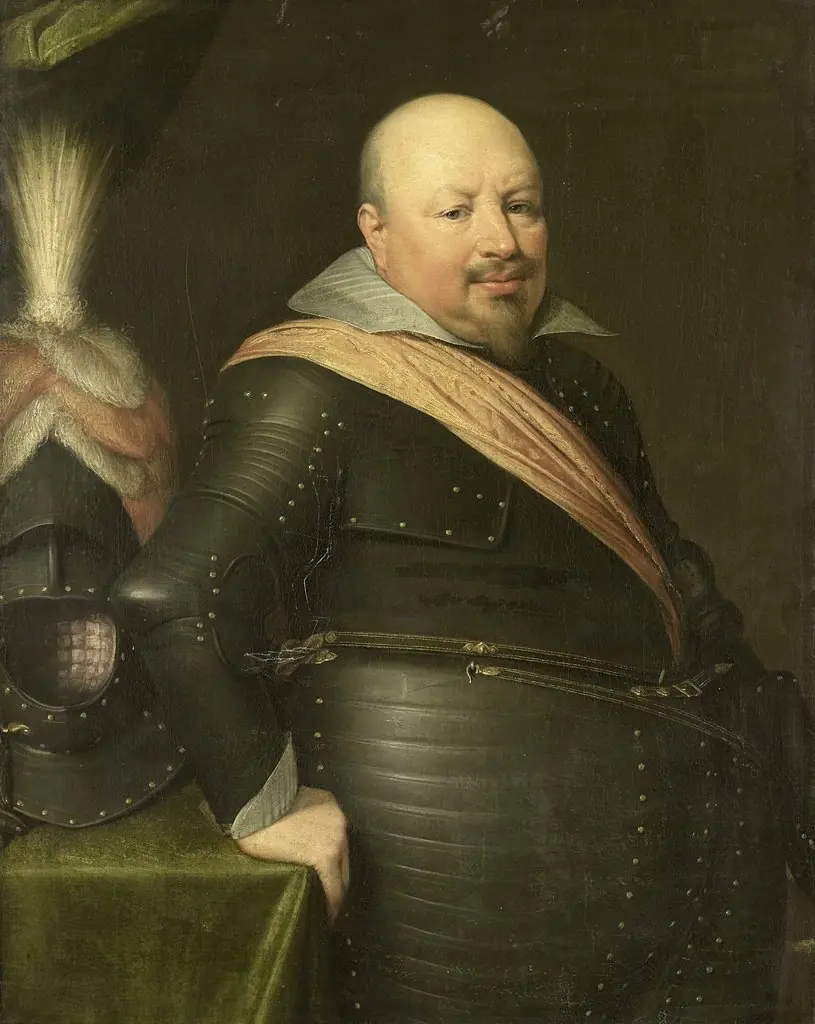
The painting depicts a man in a black and orange military uniform, adorned with gold accents. He wears a white ruff around his neck and has his right hand on his hip.
The man's attire is detailed, showcasing the intricate design of his uniform. The background of the painting is dark, which helps to accentuate the subject's features.
This portrait, created by Jan van Ravesteyn in 1616, is a representation of a military officer. To learn more about the artist behind this piece, explore the works of Jan van Ravesteyn.
Overview
Painted in 1616 by Jan van Ravesteyn, this oil portrait captures a Dutch military officer in formal attire. Van Ravesteyn, a court painter based in The Hague, specialized in dignified likenesses of the elite during the Dutch Golden Age. The work is held in the Mauritshuis collection, reflecting its status as a carefully commissioned portrait of a figure of social standing.
Subject & Meaning
The subject is a military officer, identified by his uniform and poised stance. His right hand rests on his hip, conveying quiet authority rather than aggression. The absence of overt symbols of rank or battle suggests a focus on personal dignity and civic responsibility. The portrait presents him not as a warrior, but as a disciplined member of the Republic’s leadership class.
Technique & Style
Van Ravesteyn renders the officer’s attire with precise detail—gold embroidery, the crisp folds of the white ruff, and the texture of fabric are rendered in fine brushwork. The dark, neutral background isolates the figure, drawing attention to his form and expression. Light falls subtly across the face and uniform, enhancing volume without theatricality, consistent with the restrained realism of Dutch portraiture.
History & Provenance
Commissioned during the height of the Dutch Republic’s military and economic power, the portrait likely belonged to the officer’s family before entering the Mauritshuis collection. Its preservation reflects its value as a document of elite identity in early 17th-century Holland. No records of prior ownership beyond the museum’s acquisition are widely documented.
Context
In early 1600s Holland, portraits of officers served as markers of civic pride and social order. With the Republic emerging from war with Spain, military leaders were celebrated not as conquerors but as protectors of republican values. Van Ravesteyn’s style aligned with this ethos—elegant, composed, and devoid of flamboyance, reflecting the Dutch preference for understated authority.
Legacy
This portrait exemplifies the quiet realism that defined Dutch court painting in the early 17th century. Van Ravesteyn’s approach influenced later portraitists by emphasizing psychological presence over grandeur. Though not widely known today, his works remain important for understanding how Dutch elites wished to be seen—as composed, capable, and grounded in civic duty.
Own this work as a print
Artist & collection
Artist
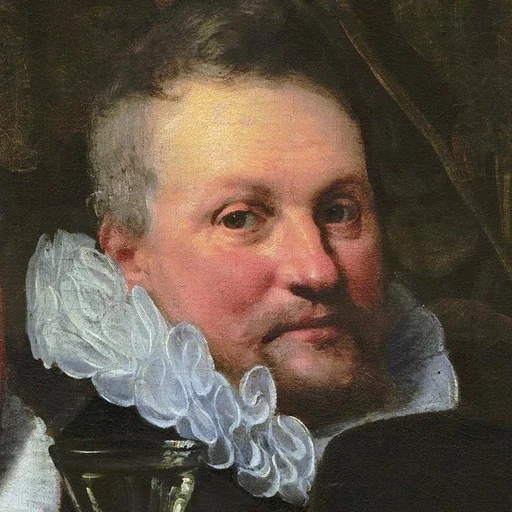
Jan Anthoniszoon (abbr. Anthonisz.) van Ravesteyn (c. 1572 – buried 21 June 1657) was a successful portrait painter to the Dutch court in The Hague.

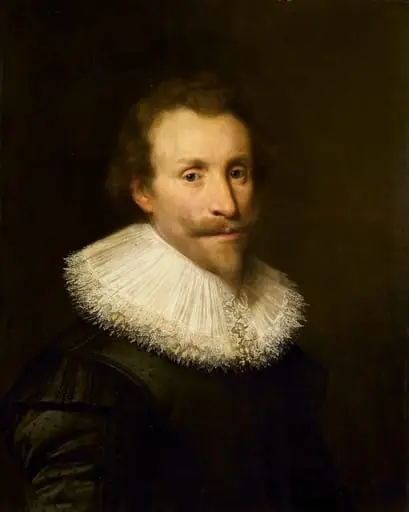
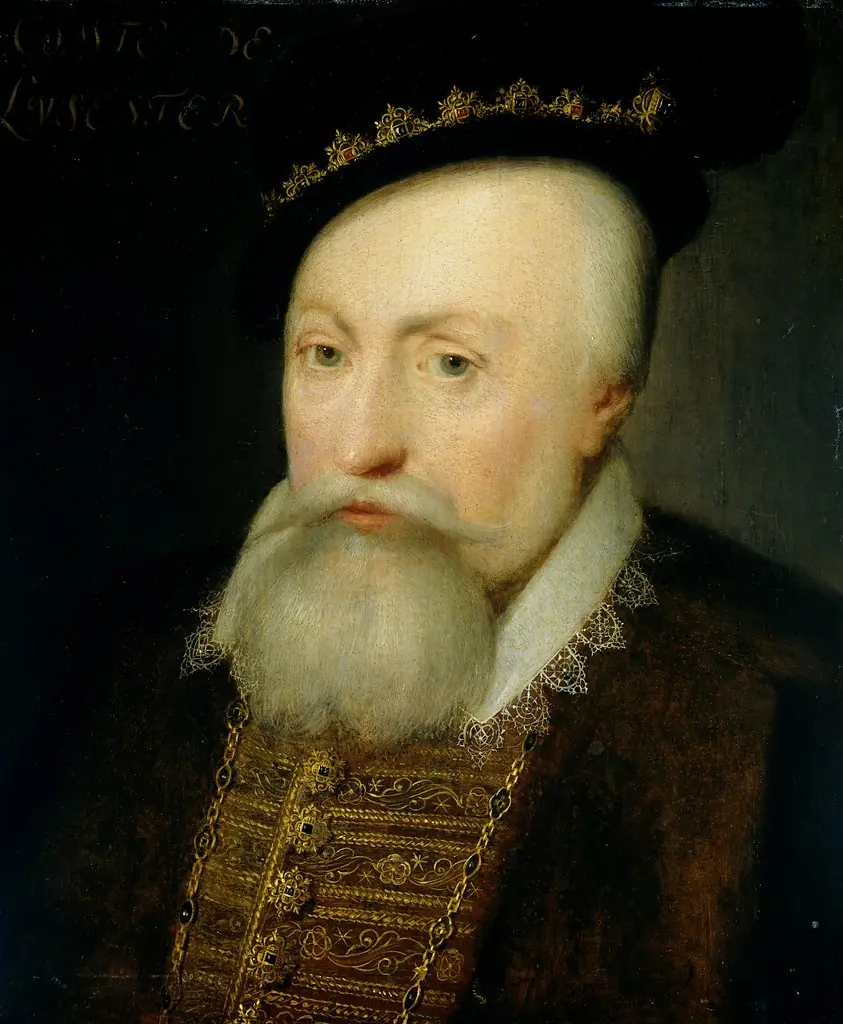
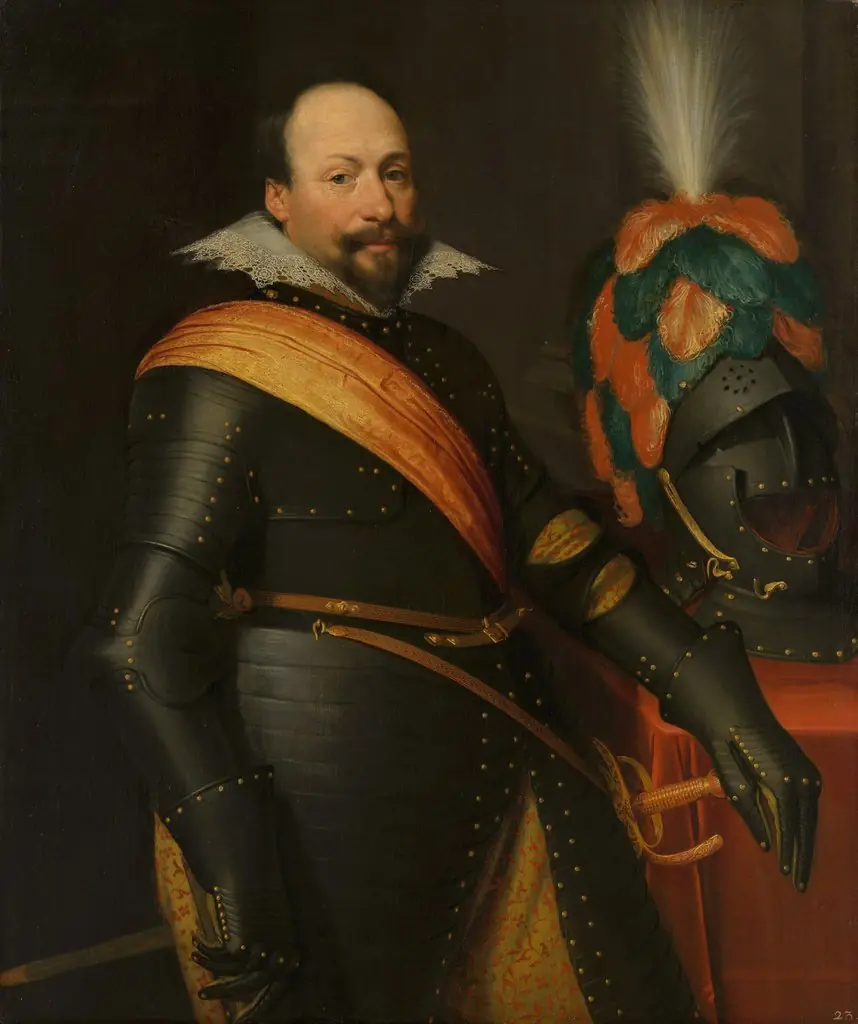 Portrait of Daniël de Hertaing
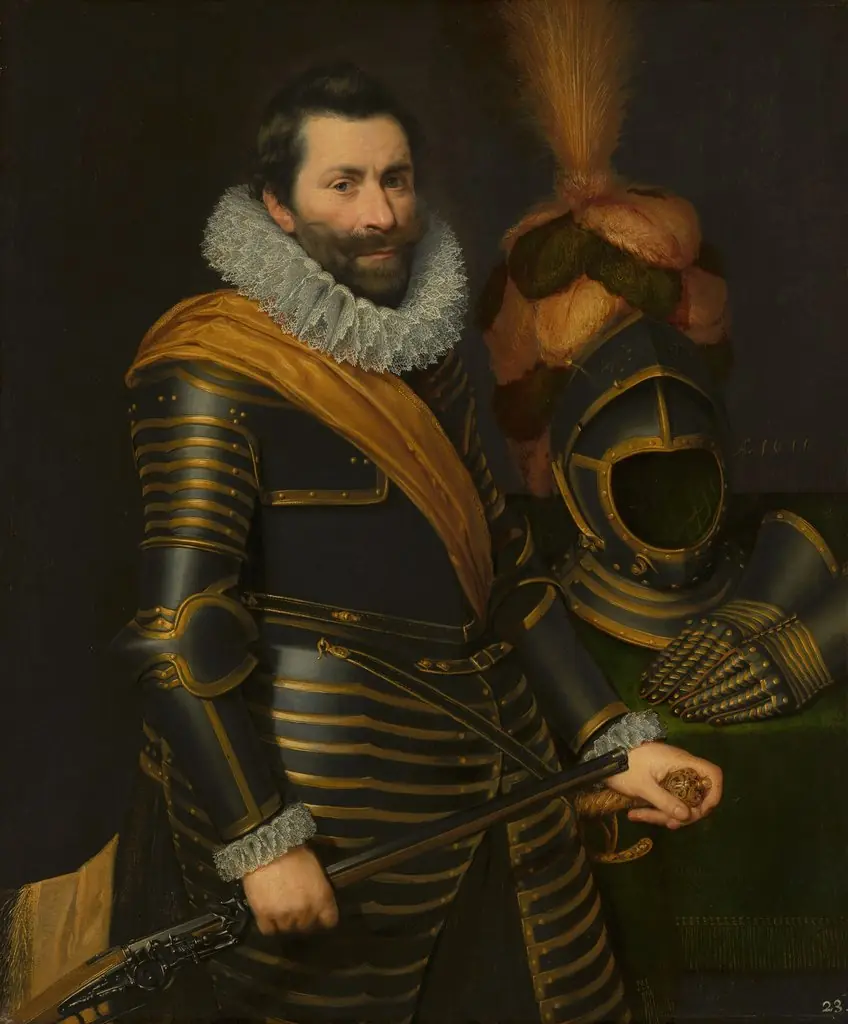 Portrait of an unknown man
 Portret van een onbekende officier
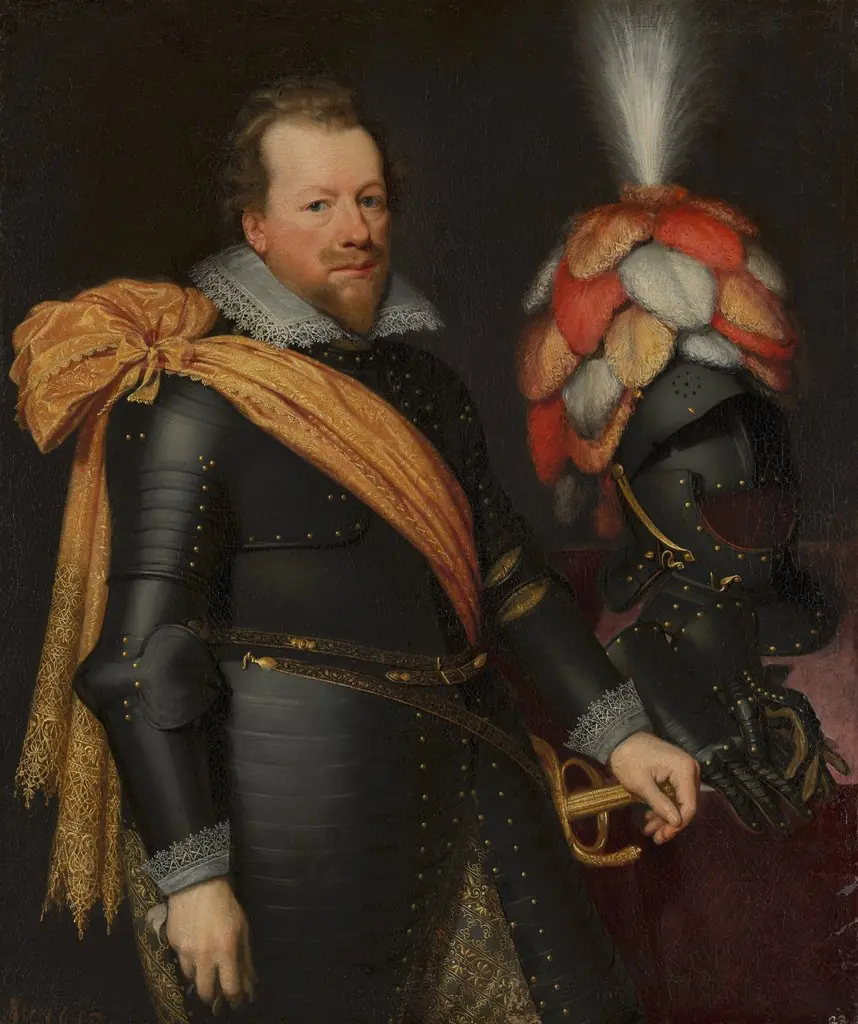 Portret van een onbekende officier
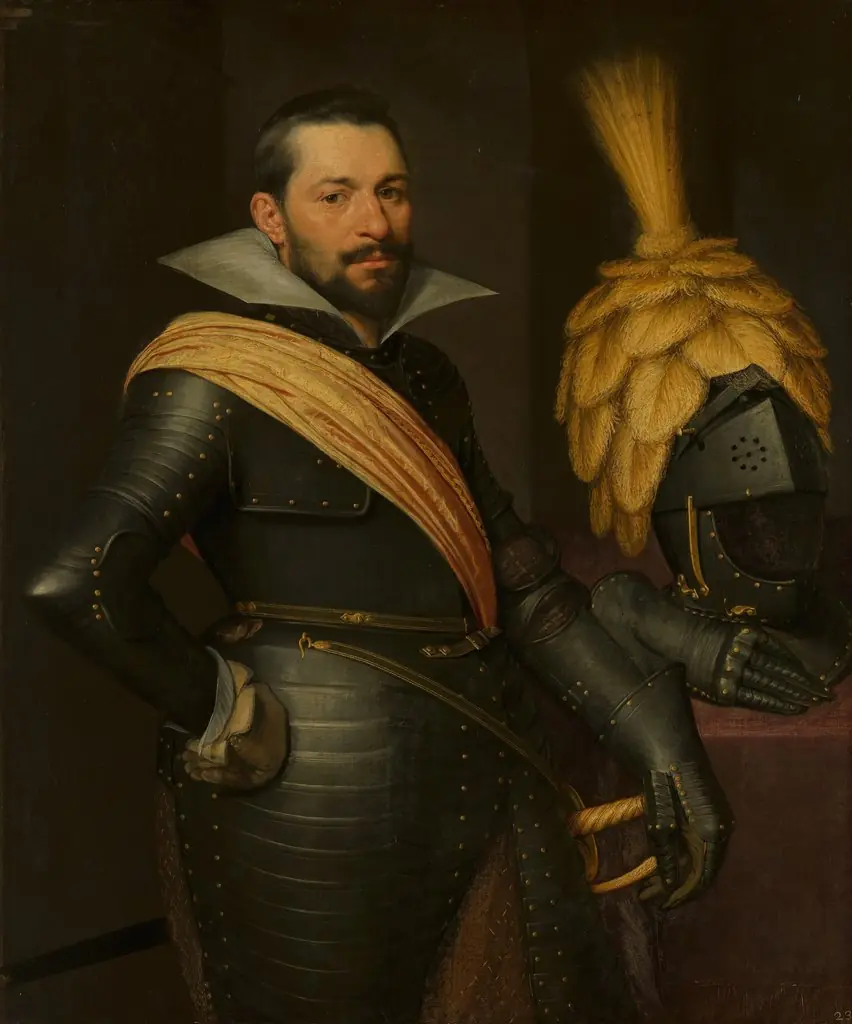 Portrait of an officer, possibly Gaspard de Coligny (1584-1646)
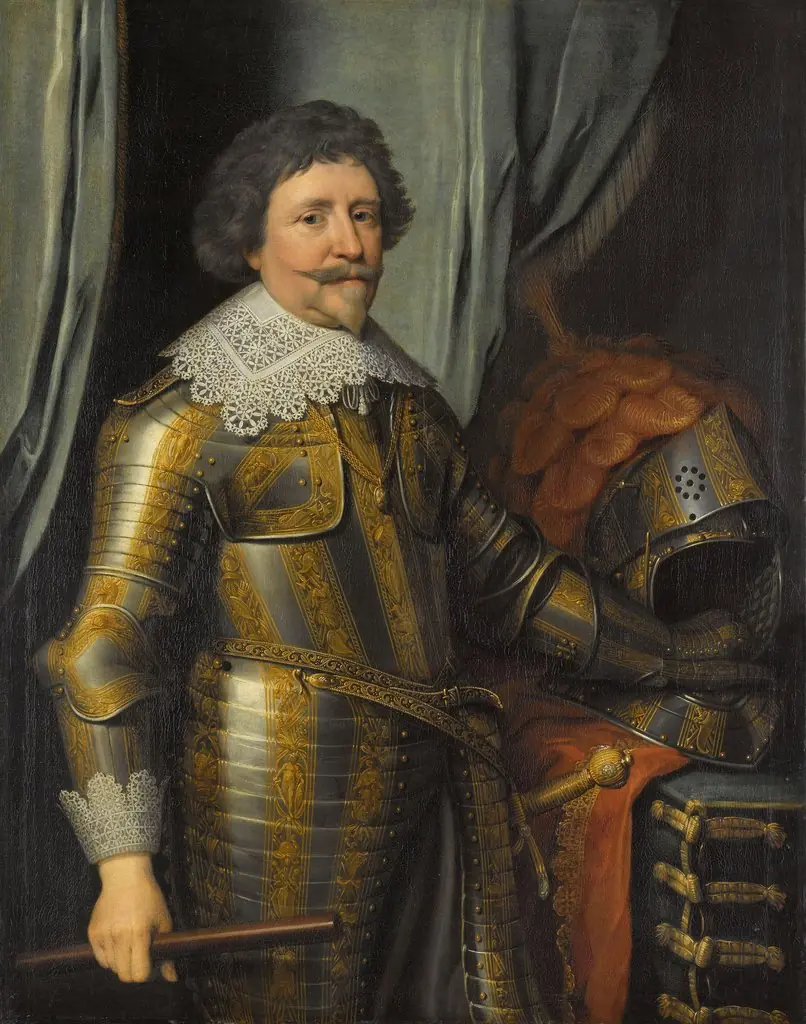 Portrait of Frederick Henry, Prince of Orange
 Portrait of Matthias II of Habsburg (1557-1619), the future Holy Roman Emperor
 Portrait of Maurits (1567-1625), Prince of Orange
 Untitled