Artwork
Portret van een onbekende officier
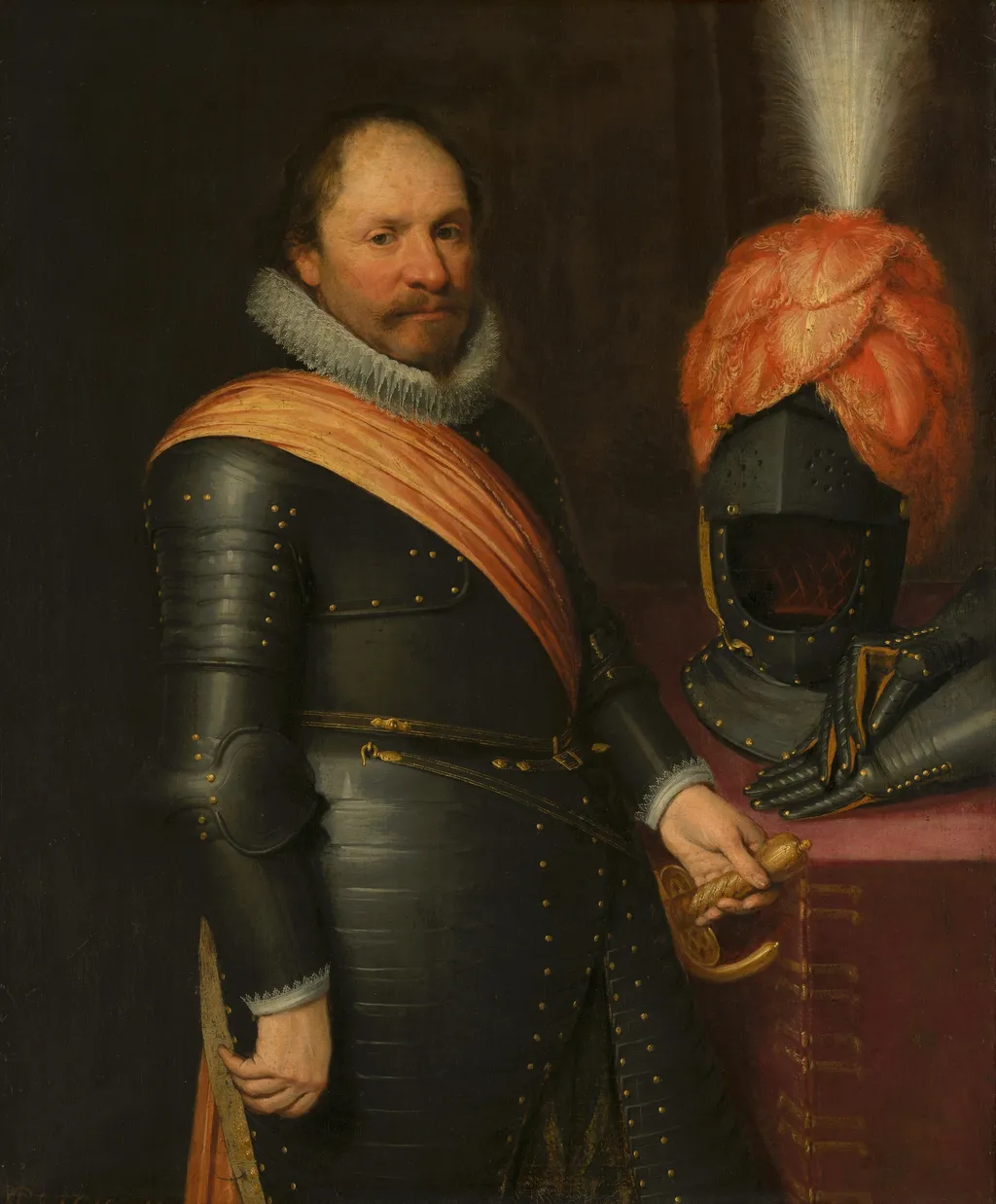
Portret van een onbekende officier is an oil painting by the Dutch Golden Age artist Jan van Ravesteyn. It dates from 1612 and is held in the collection of the Mauritshuis.
About this work
Overview
Portret van een onbekende officier is an oil painting created in 1612 by Jan van Ravesteyn, a prominent portrait painter associated with the Dutch court in The Hague. The work is now part of the Mauritshuis collection.
Subject & Meaning
The painting depicts an unidentified military officer, indicated by his black armor with gold accents and a red sash. Compositional elements—a sword hilt in hand, a helmet with a red plume on a nearby red table—reinforce his profession.
Technique & Style
Van Ravesteyn employed chiaroscuro to create depth, impasto for textured effects, and glazing to enhance the subject's presence. These techniques draw the viewer's attention to the officer, showcasing the artist's craftsmanship.
History & Provenance
Created during the Dutch Golden Age, the portrait's early history is not detailed here, but it is currently housed at the Mauritshuis as part of its collection.
Context
Painted in 1612, the work reflects the artistic and cultural flourishing of the Dutch Golden Age, with Van Ravesteyn's role as a court painter influencing the portrait's style and subject matter.
Legacy
While specific legacy details of *Portret van een onbekende officier* are not provided, its inclusion in the Mauritshuis collection signifies its importance within Dutch art history and Van Ravesteyn's oeuvre.
Own this work as a print
Artist & collection
Artist
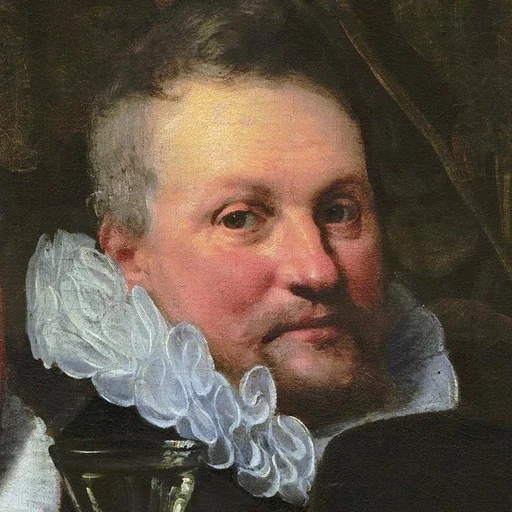
Jan Anthoniszoon (abbr. Anthonisz.) van Ravesteyn (c. 1572 – buried 21 June 1657) was a successful portrait painter to the Dutch court in The Hague.

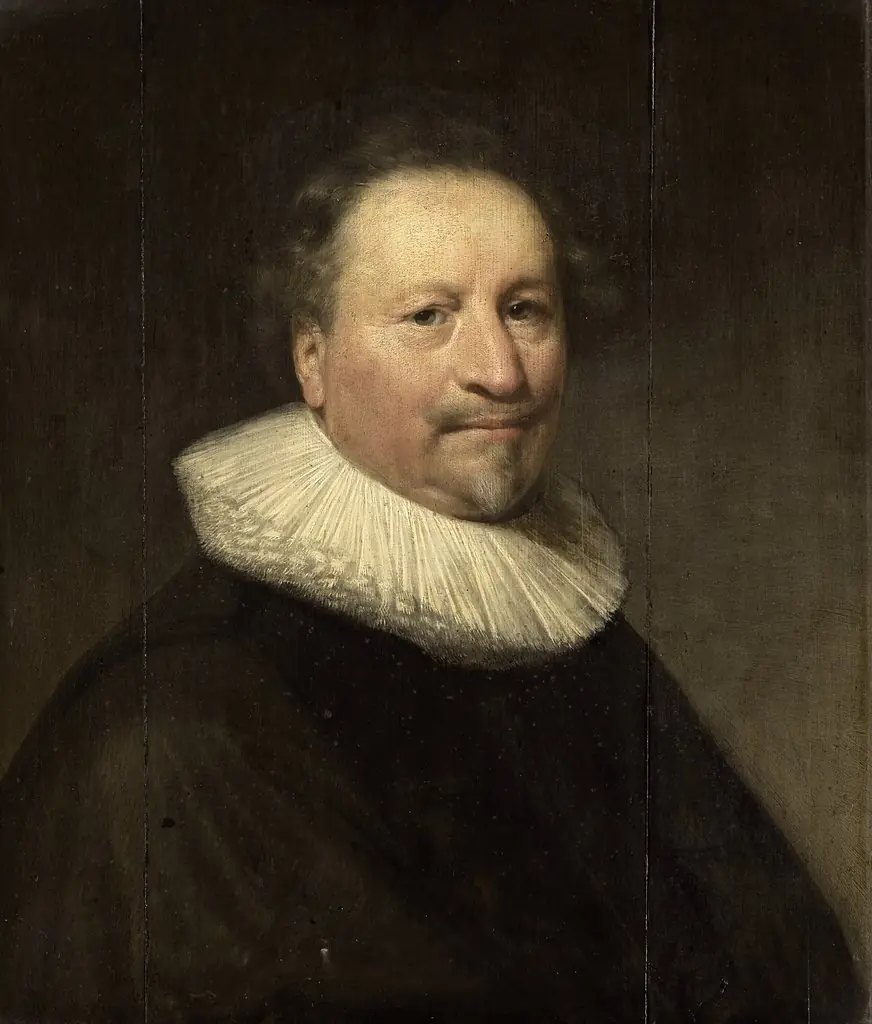
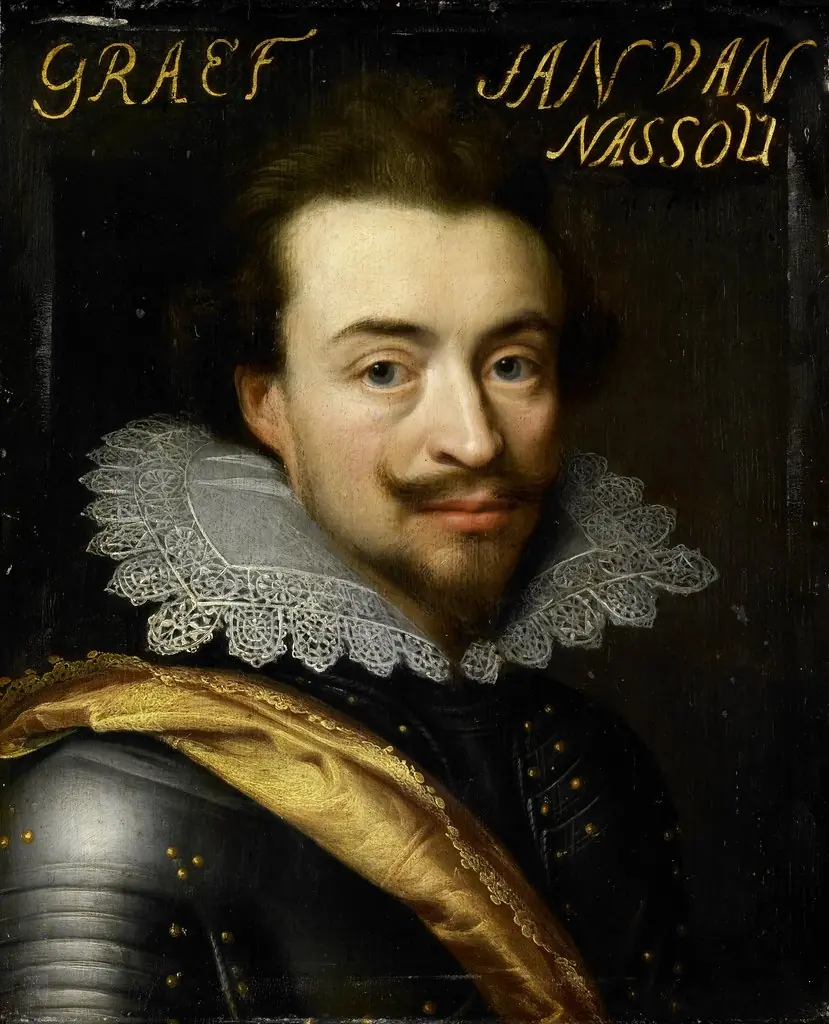
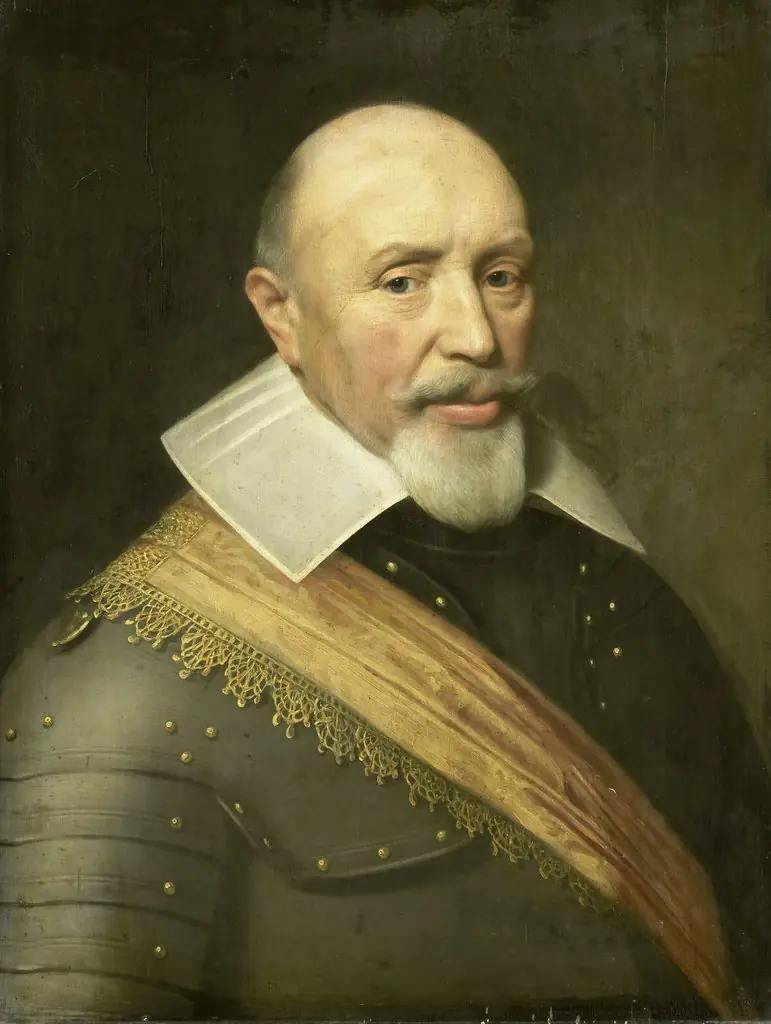
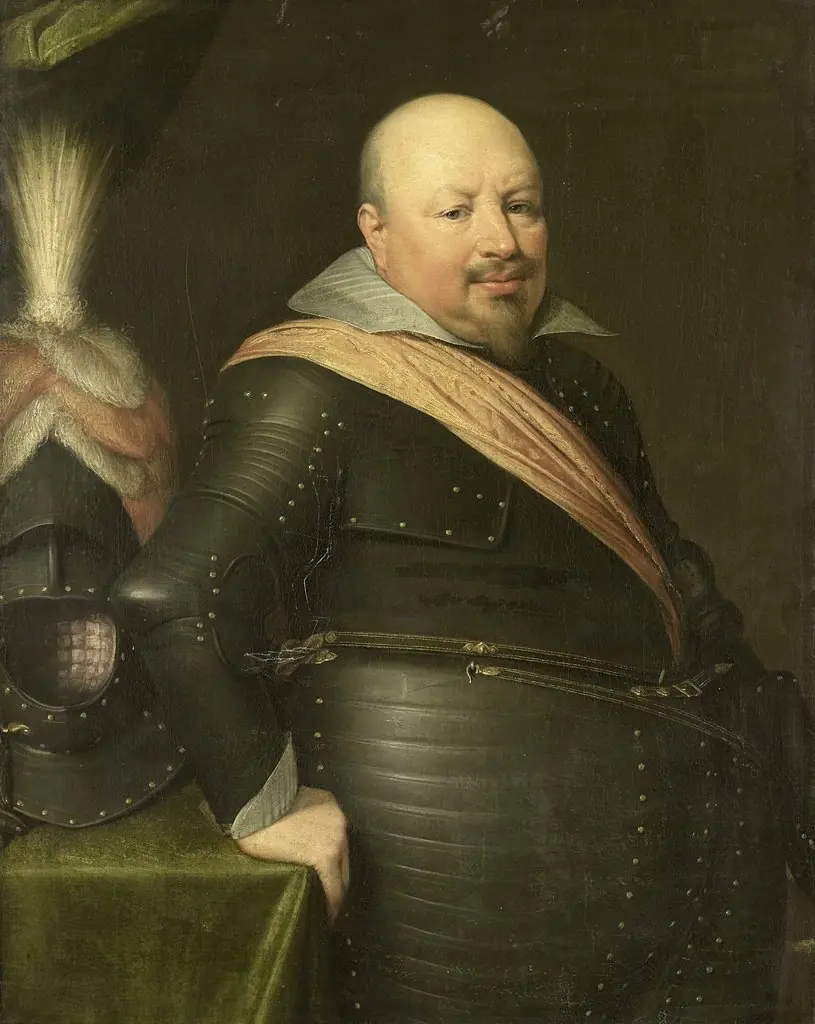
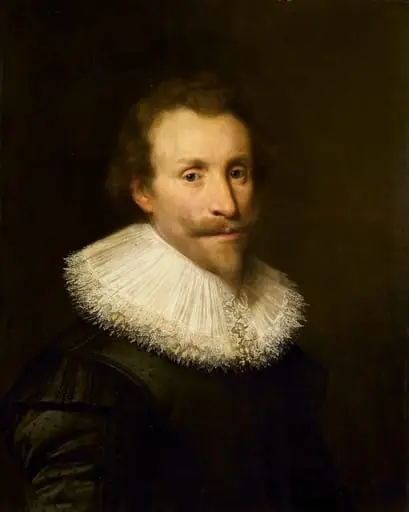
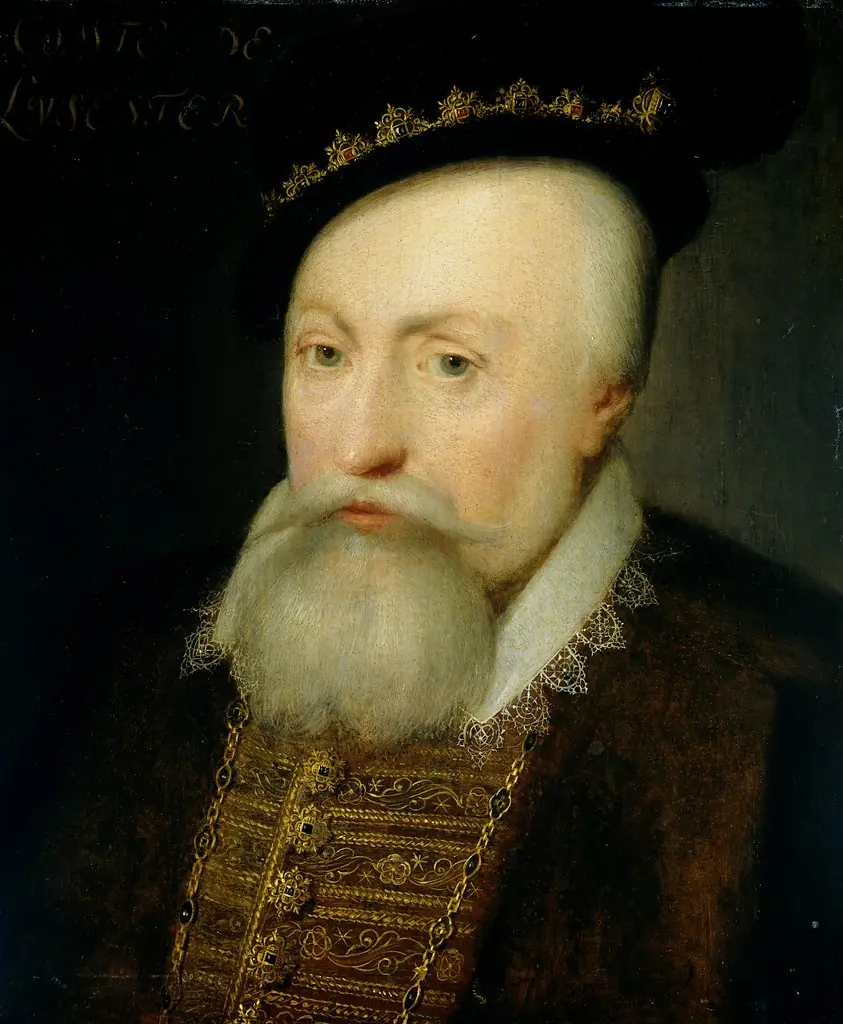
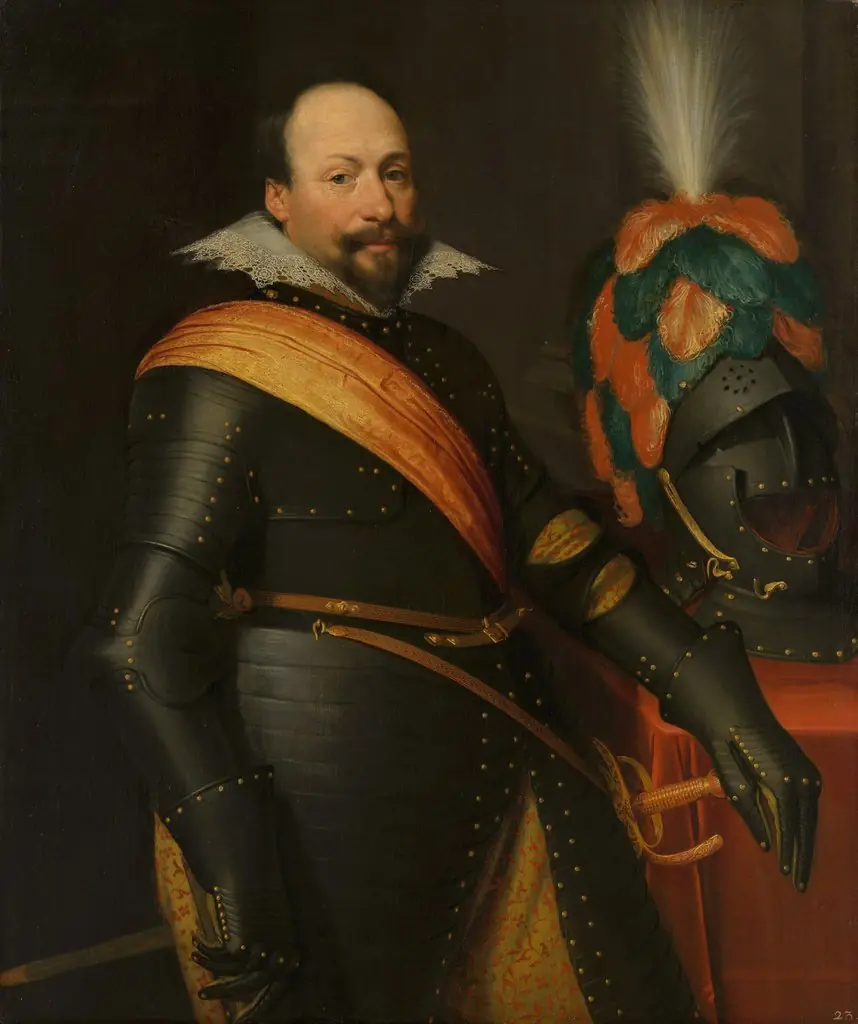 Portrait of Daniël de Hertaing
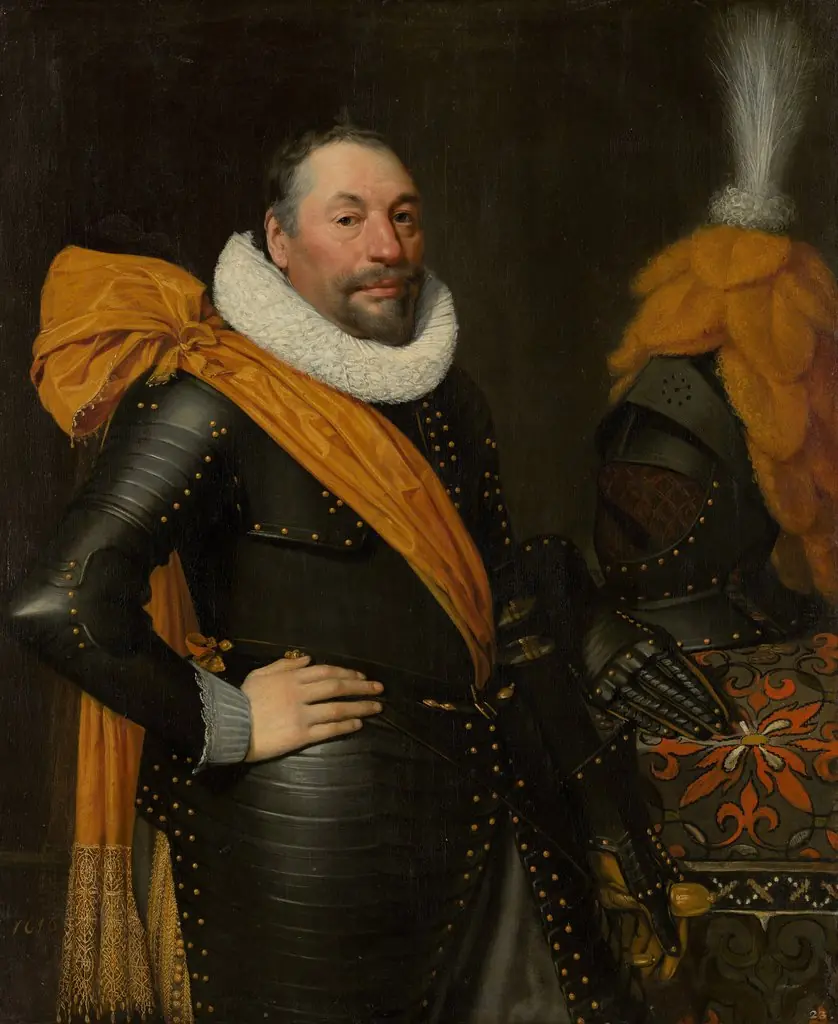 Portrait of an Officer
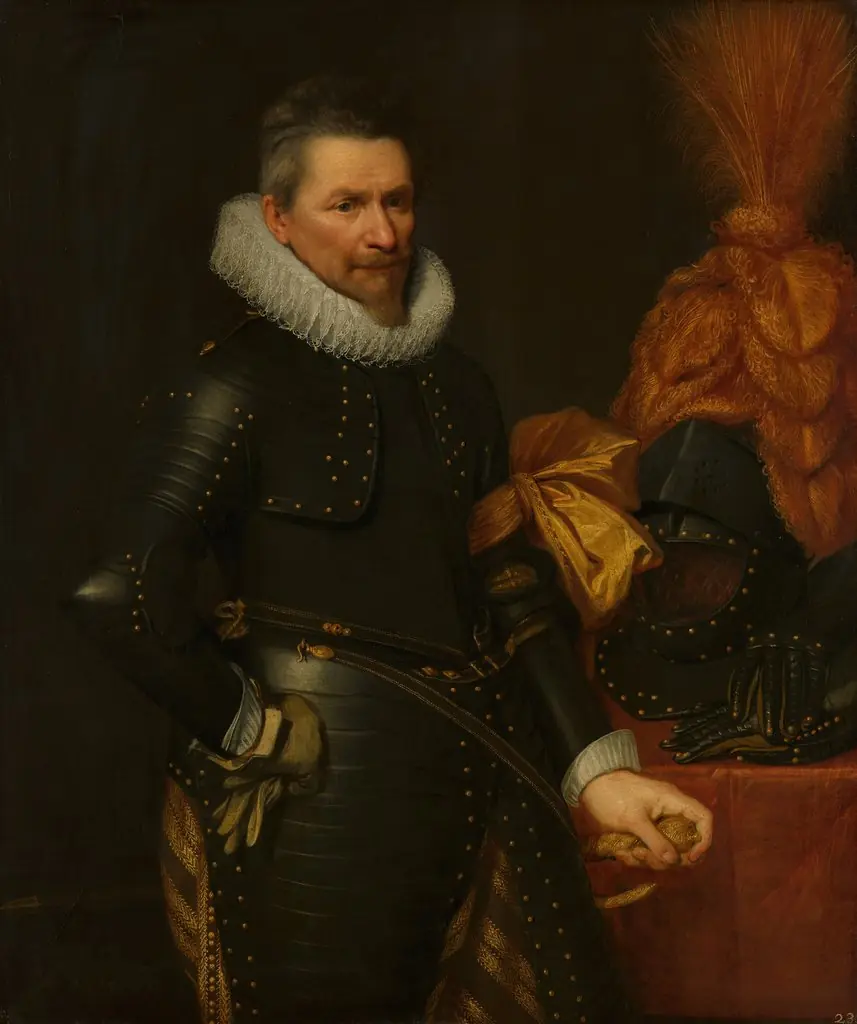 Portrait of an Officer
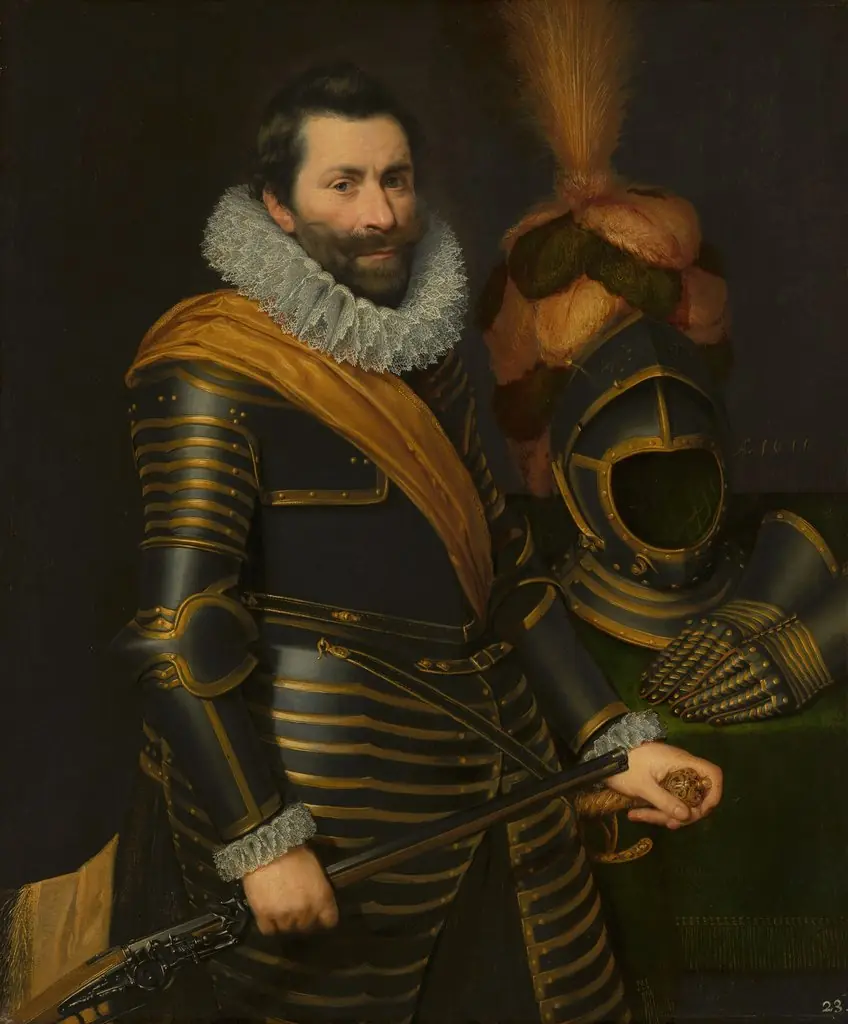 Portrait of an unknown man
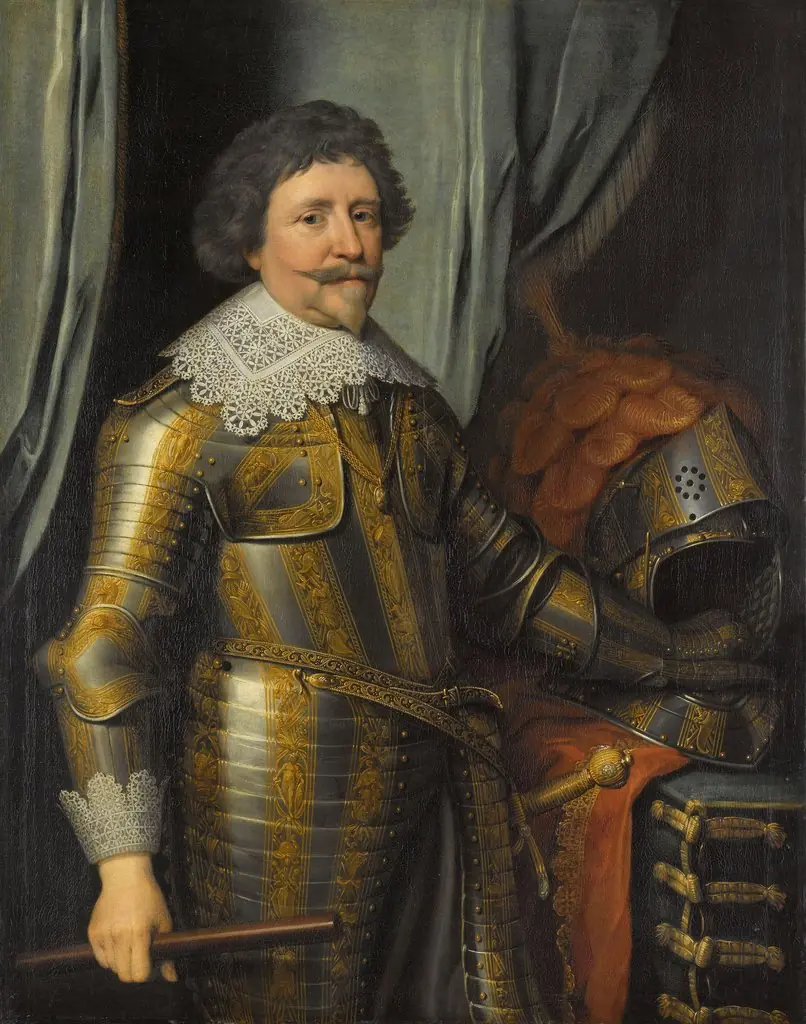 Portrait of Frederick Henry, Prince of Orange
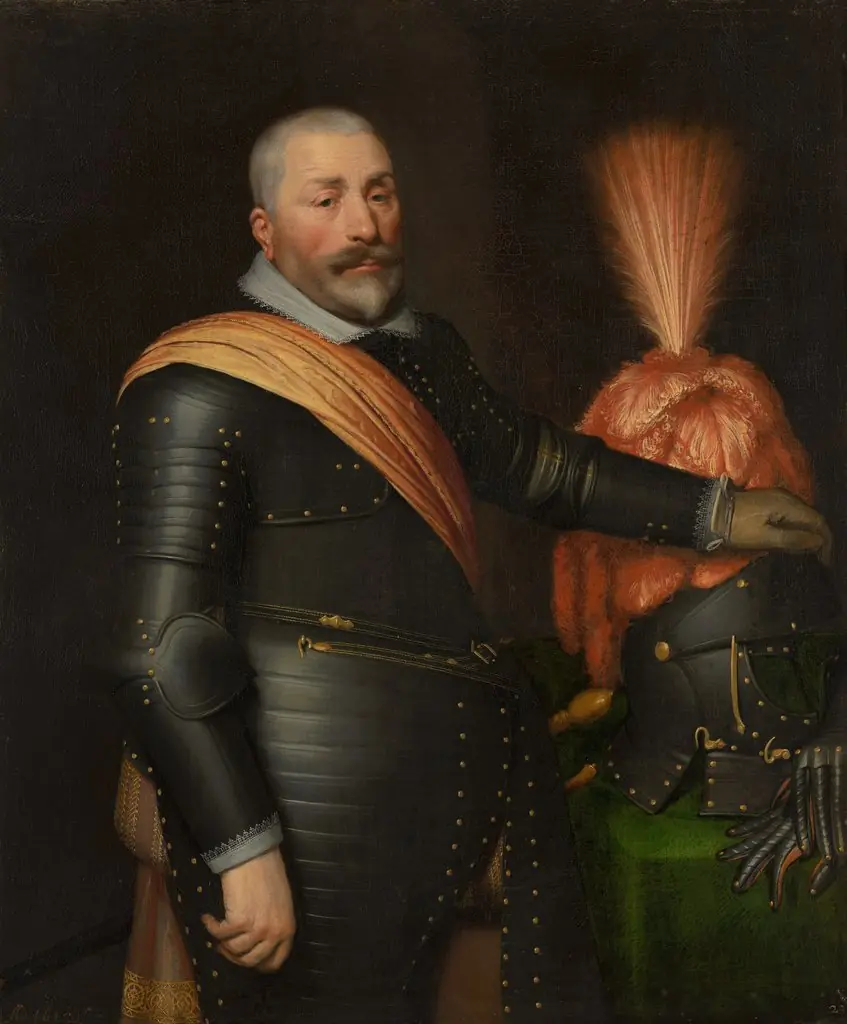 Portrait of an Officer (Mauritshuis)
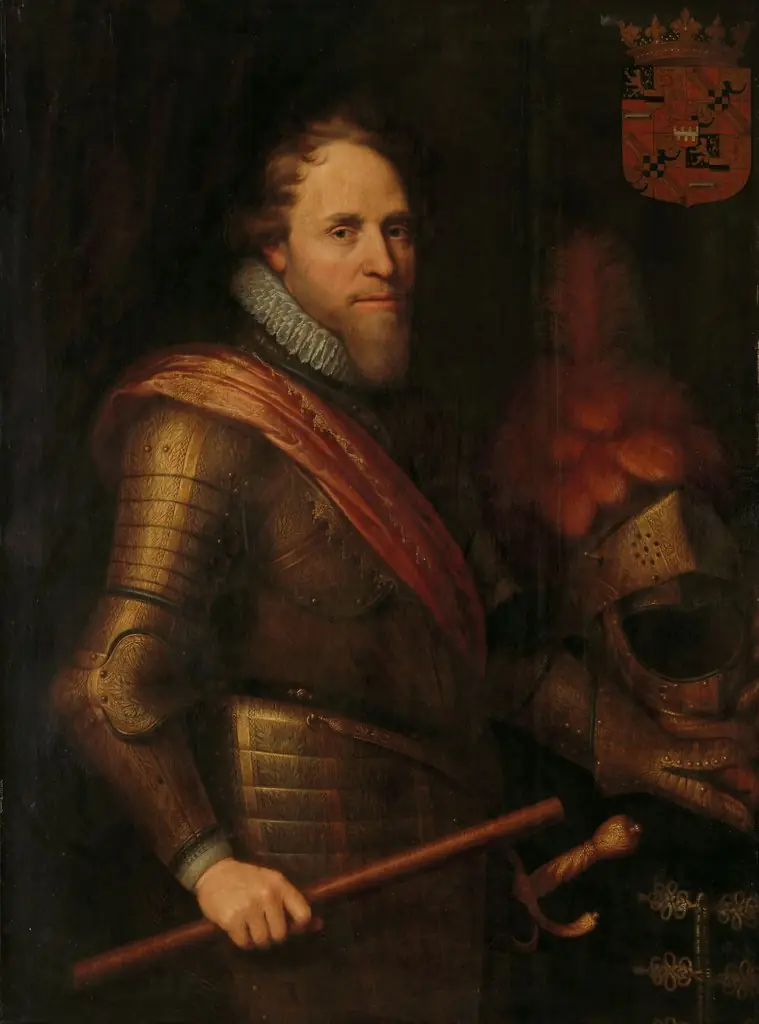 Portrait of Maurits (1567-1625), Prince of Orange
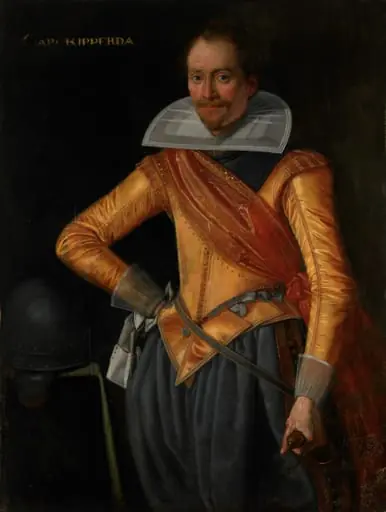 Untitled
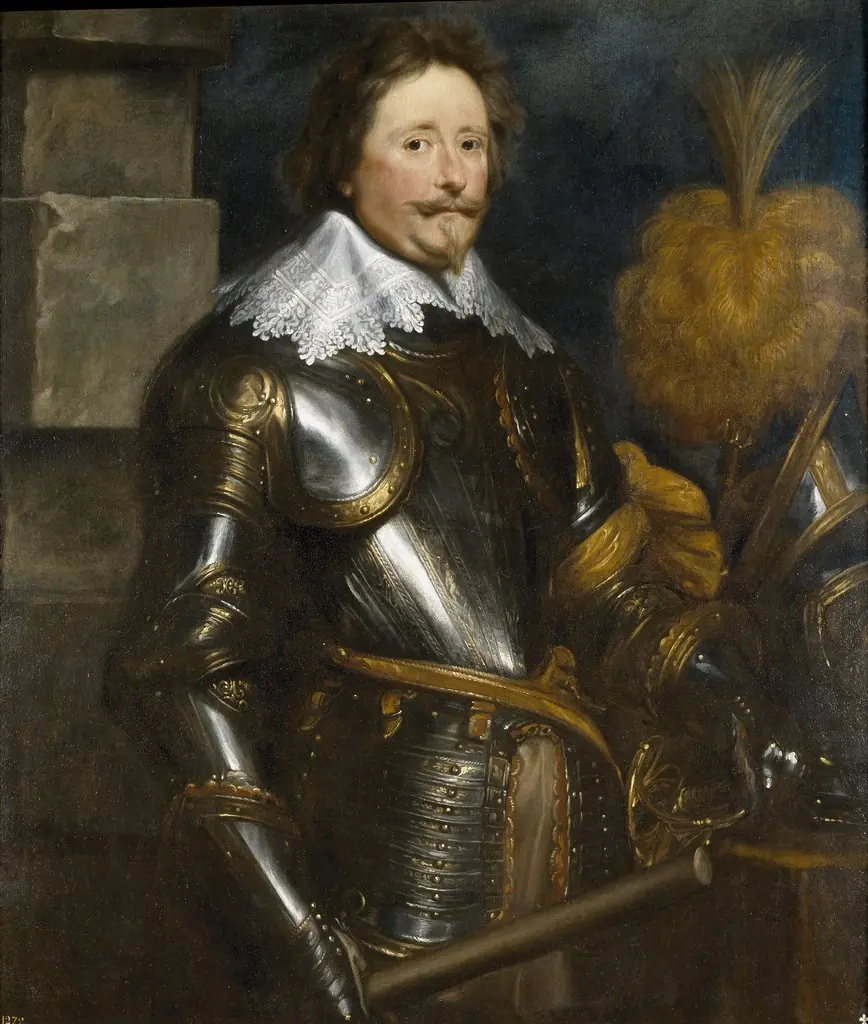 Portrait of Frederick Henry, Prince of Orange
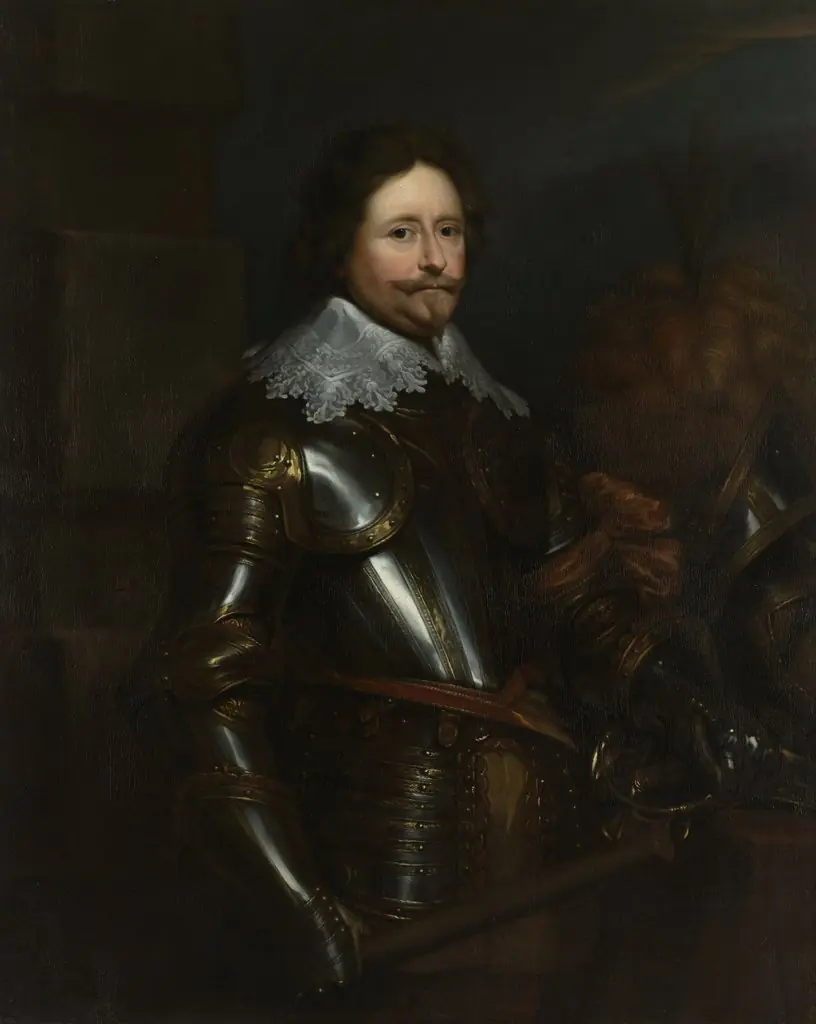 Portrait of Frederik Hendrik (1584-1647), prince of Orange
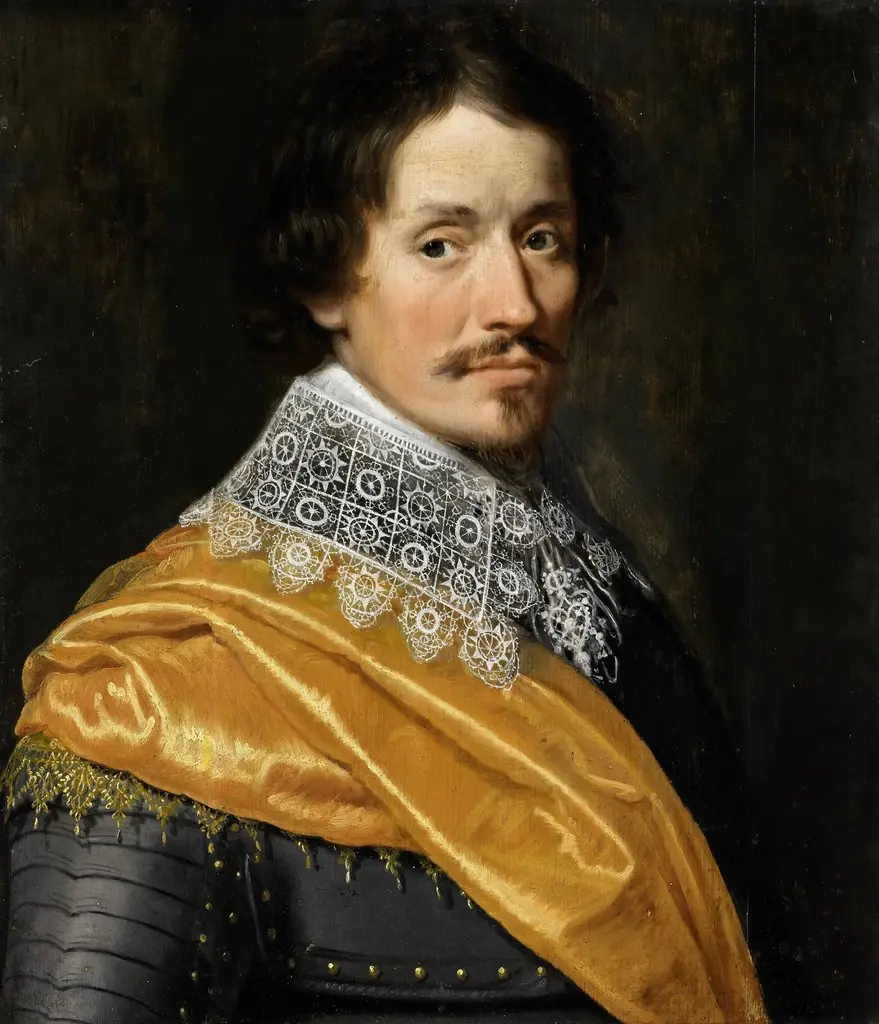 Portrait of an officer
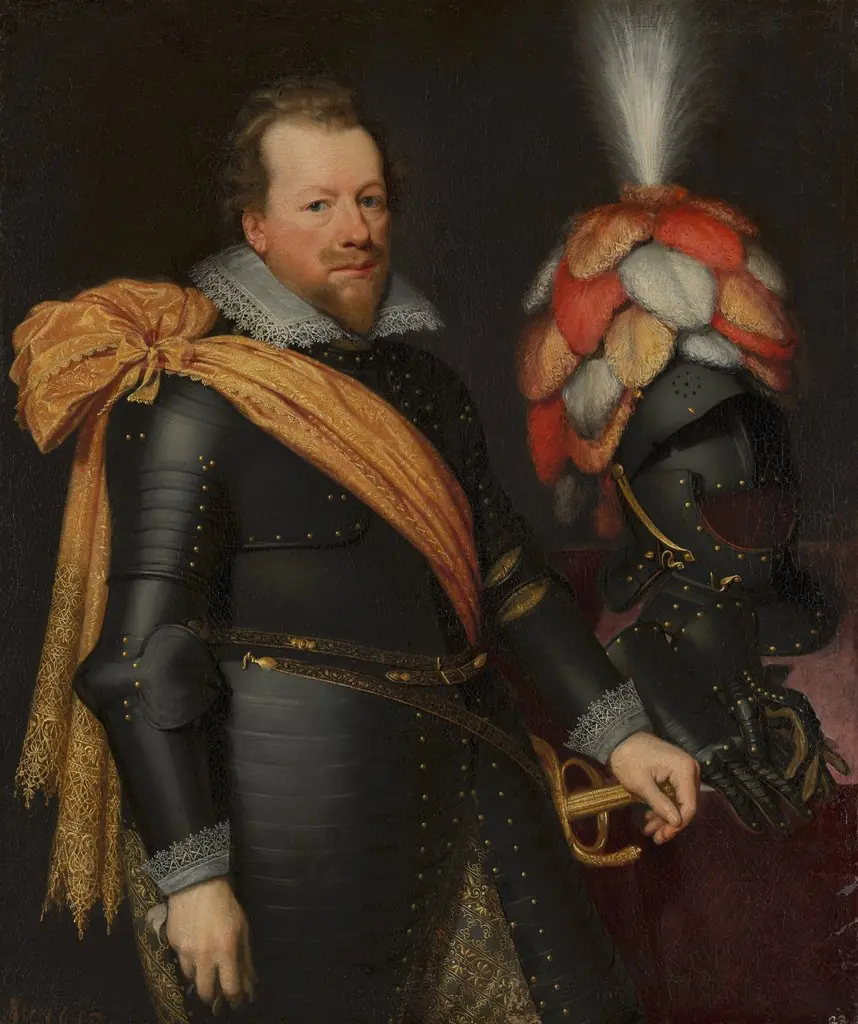 Portret van een onbekende officier