Artwork
Portrait of a young Man
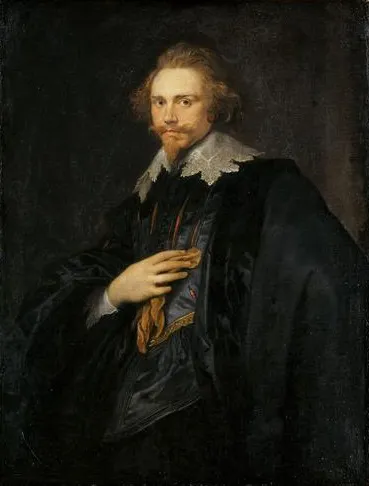
Portrait of a young Man is a color painting by the Flemish Baroque painting artist Anthony van Dyck. It dates from 1630 and is held in the collection of the Kunsthistorisches Museum.
About this work
Overview
Anthony van Dyck painted Portrait of a Young Man in 1630 during his early period in the Flemish Baroque tradition. The work is executed in colour and presently belongs to the collection of the Kunsthistorisches Museum in Vienna. It exemplifies the artist’s skill in rendering aristocratic likenesses before his appointment as court painter to the English monarchy.
Subject & Meaning
The sitter is presented as a young gentleman dressed in a dark, high‑collared cloak trimmed with gold. His neatly trimmed beard and the modest positioning of his hands within the sleeves convey a restrained dignity, typical of van Dyck’s portrayal of emerging members of the elite.
Technique & Style
Van Dyck employs a smooth handling of paint, allowing subtle gradations of light to model the face and neck. The chiaroscuro effect creates soft shadows that enhance the three‑dimensionality of the figure, while meticulous attention to the folds of the garment and the texture of the hair demonstrates his refined brushwork.
History & Provenance
Born in Antwerp in 1599, van Dyck trained under Peter Paul Rubens and achieved master status in the Guild of Saint Luke by 1617. After establishing his reputation, he produced this portrait before moving to England, where he later served as the principal court painter. The painting entered the Kunsthistorisches Museum’s holdings in the 19th century, where it remains on display.
Artist & collection
Artist
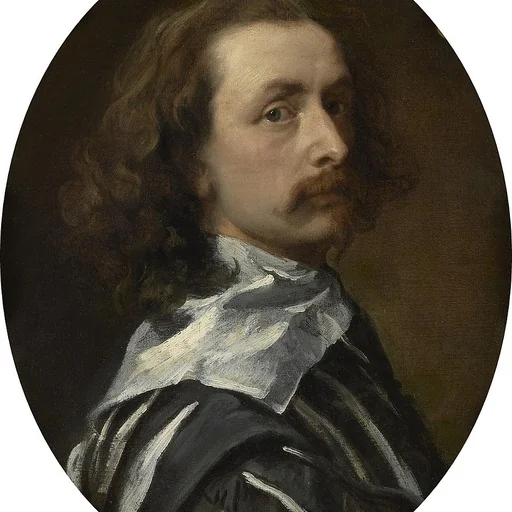
Sir Anthony van Dyck (; Dutch: Antoon van Dijck ; 22 March 1599 – 9 December 1641) was a Flemish Baroque artist, who became the leading court painter in England after success in the Spanish Netherlands and Italy.

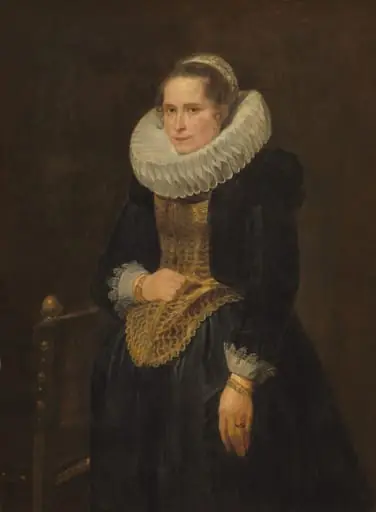
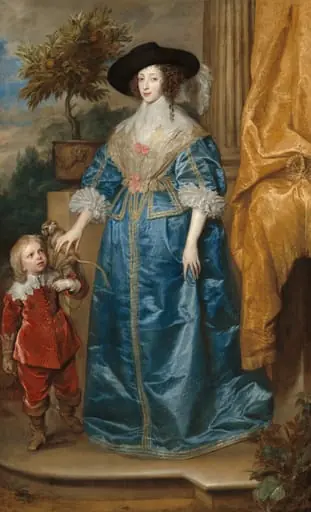
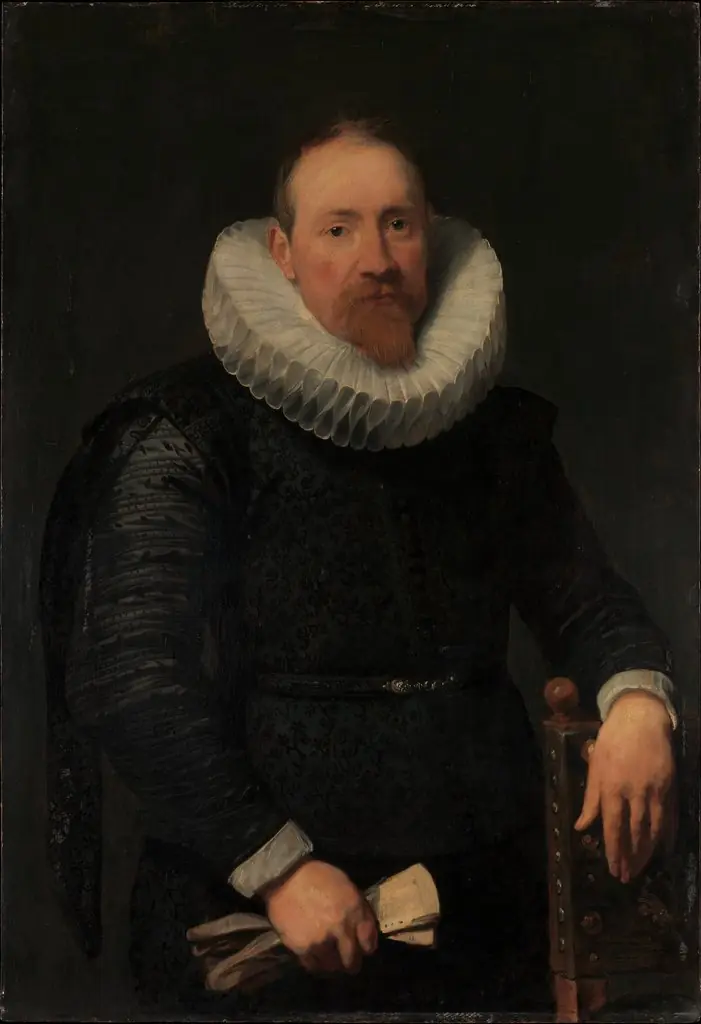
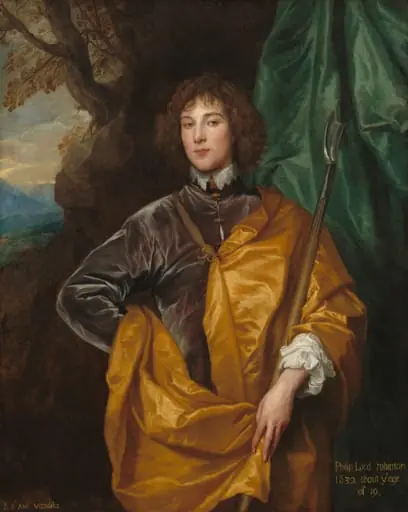
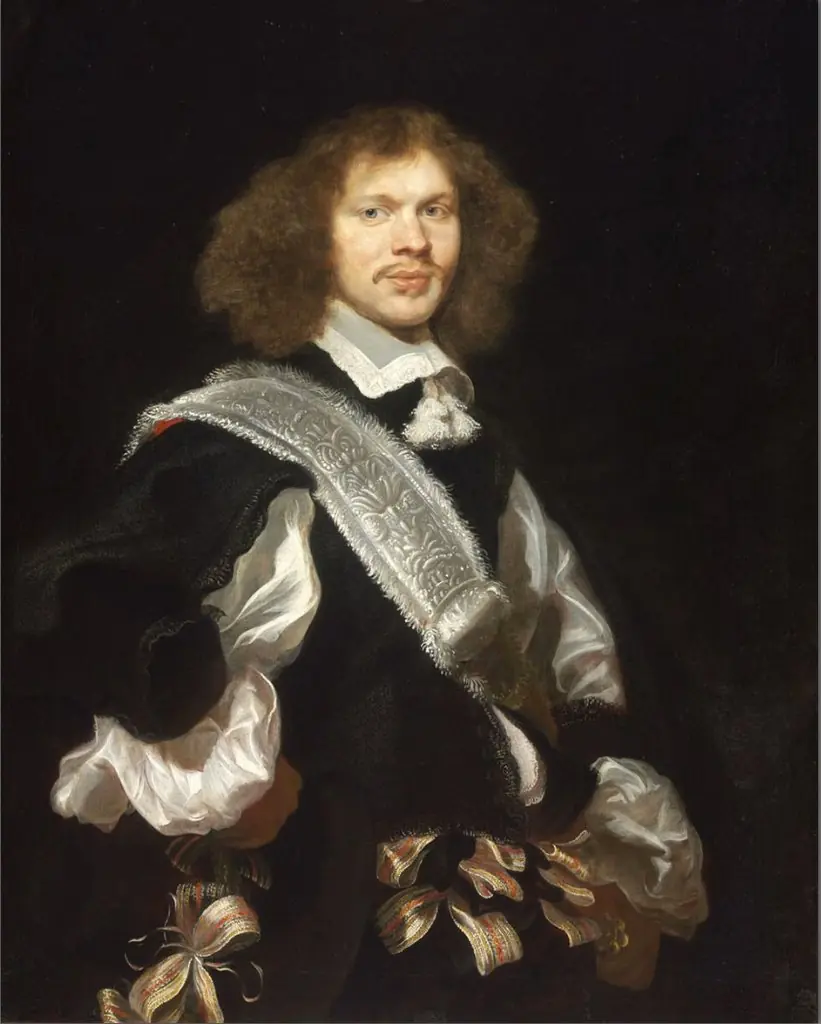 Portrait of a Young Man
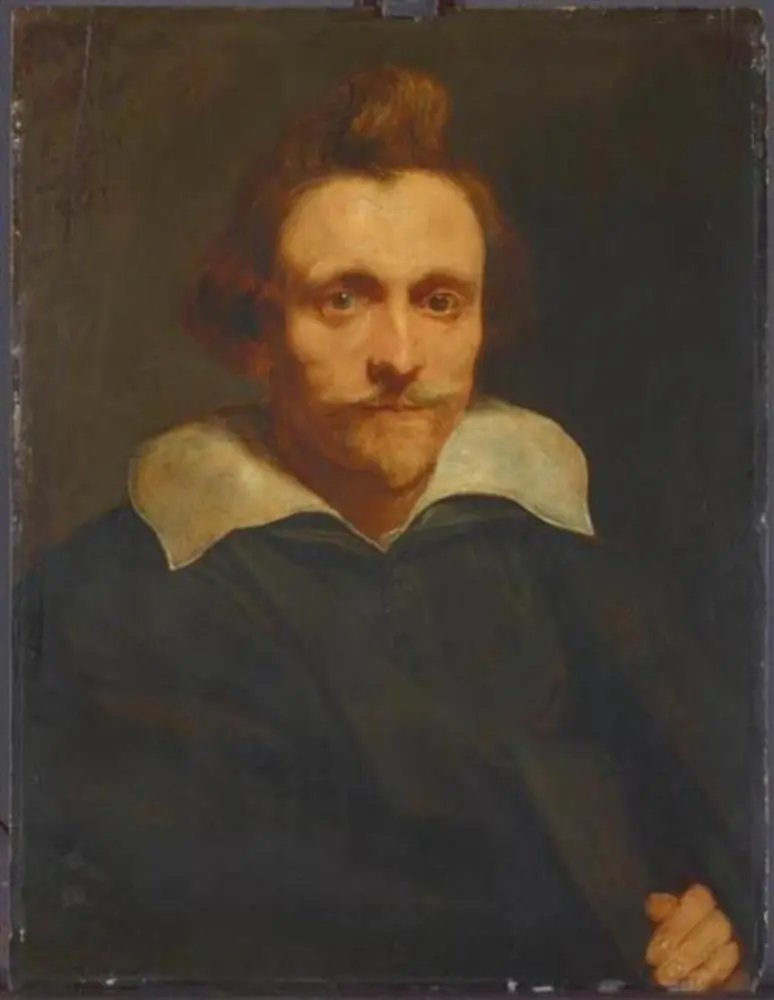 Portrait of a Young Man
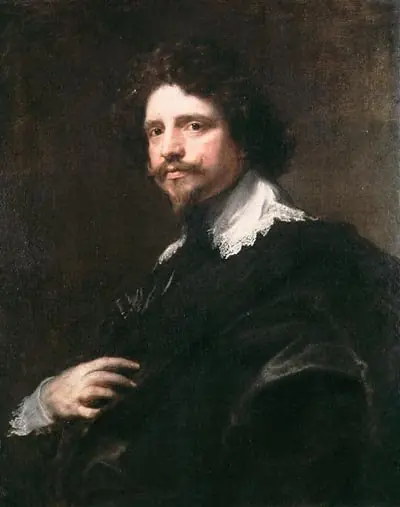 Portrait of Michel Le Blon
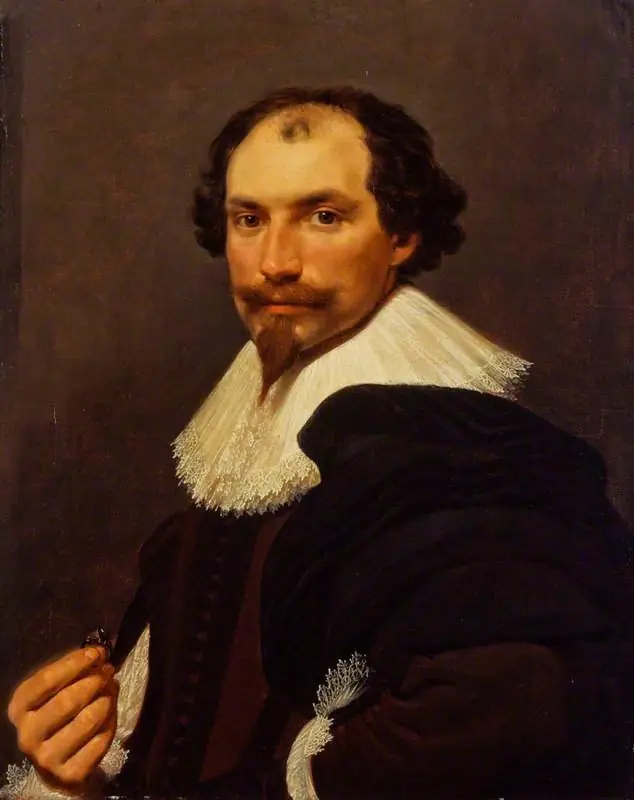 Portrait of a Man
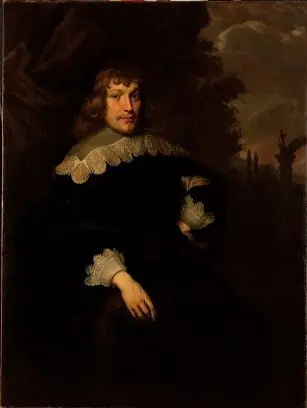 Portrait of Hendrick Bicker (1615-1651)
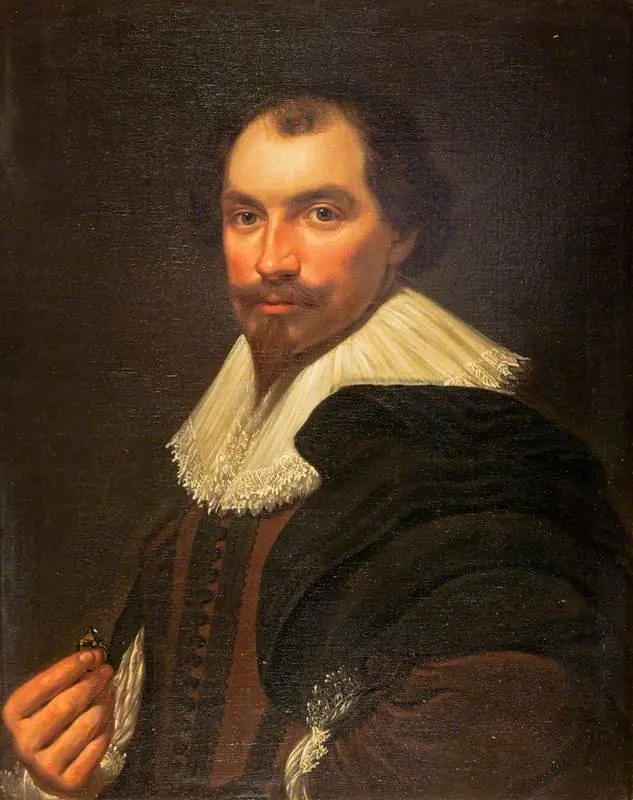 A Copy of a so-called Portrait of John Scougall (NG 2032)
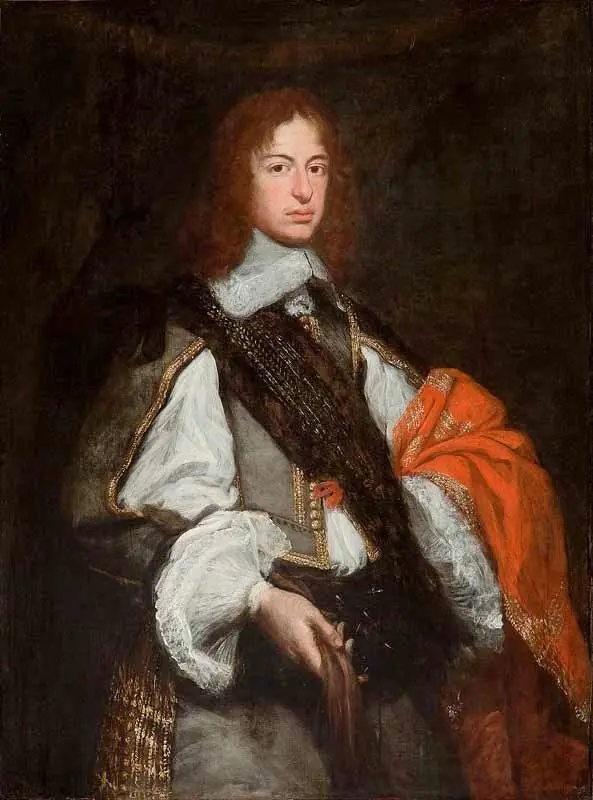 Portrait of Francesco de' Medici (1614-1634)
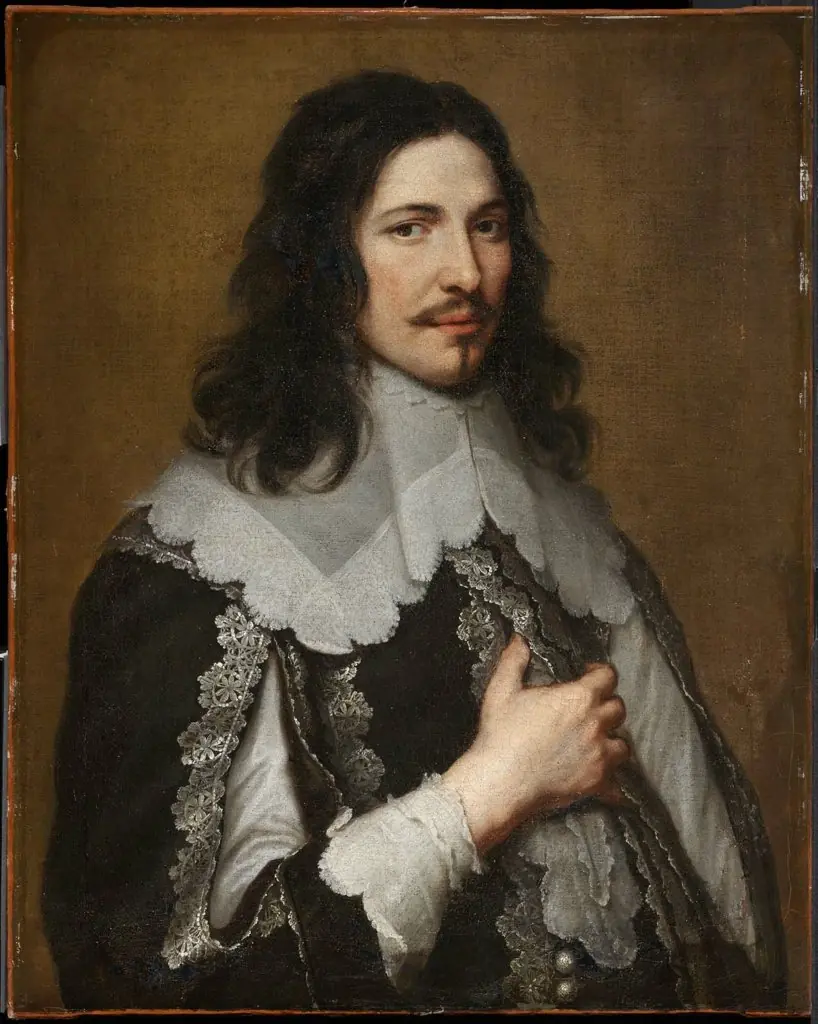 Portrait of a Man
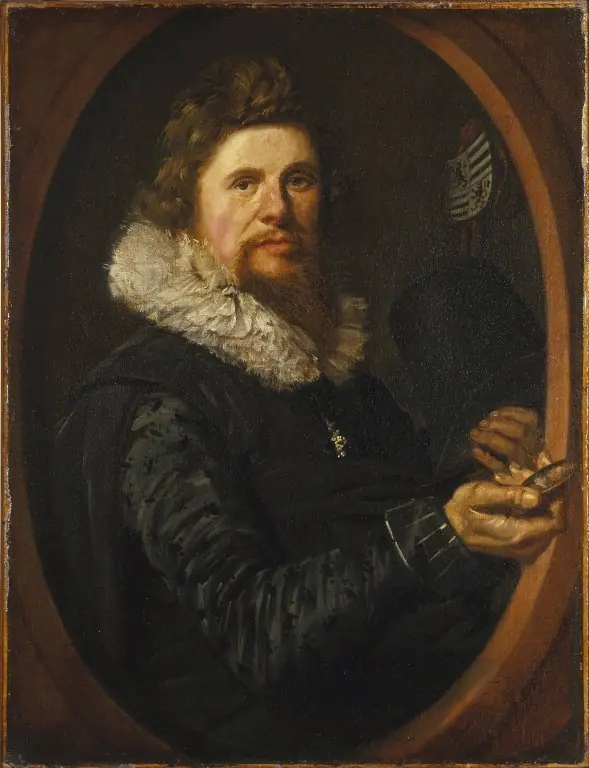 Portrait of a man
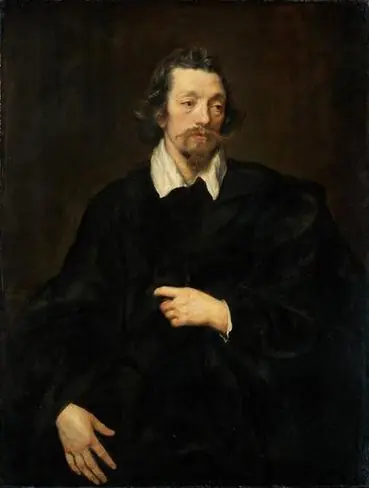 Jacomo of Cachiopin (1591 / 92-1659)
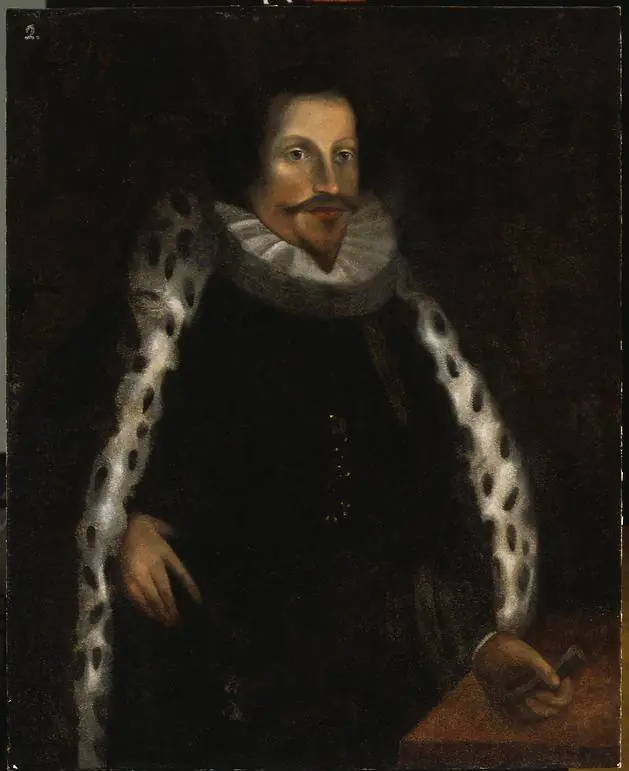 Portrait of Albrycht Stanisław Radziwiłł (1593–1656)
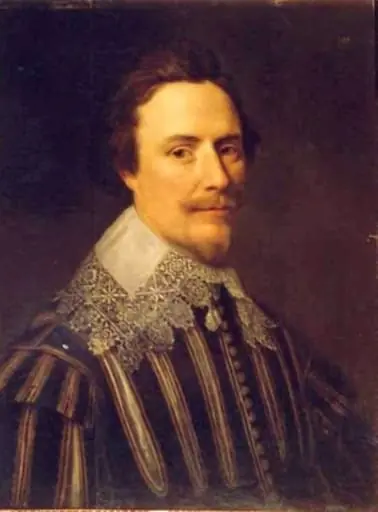 Portret de bărbat