Artwork
St Augustine in Ecstasy
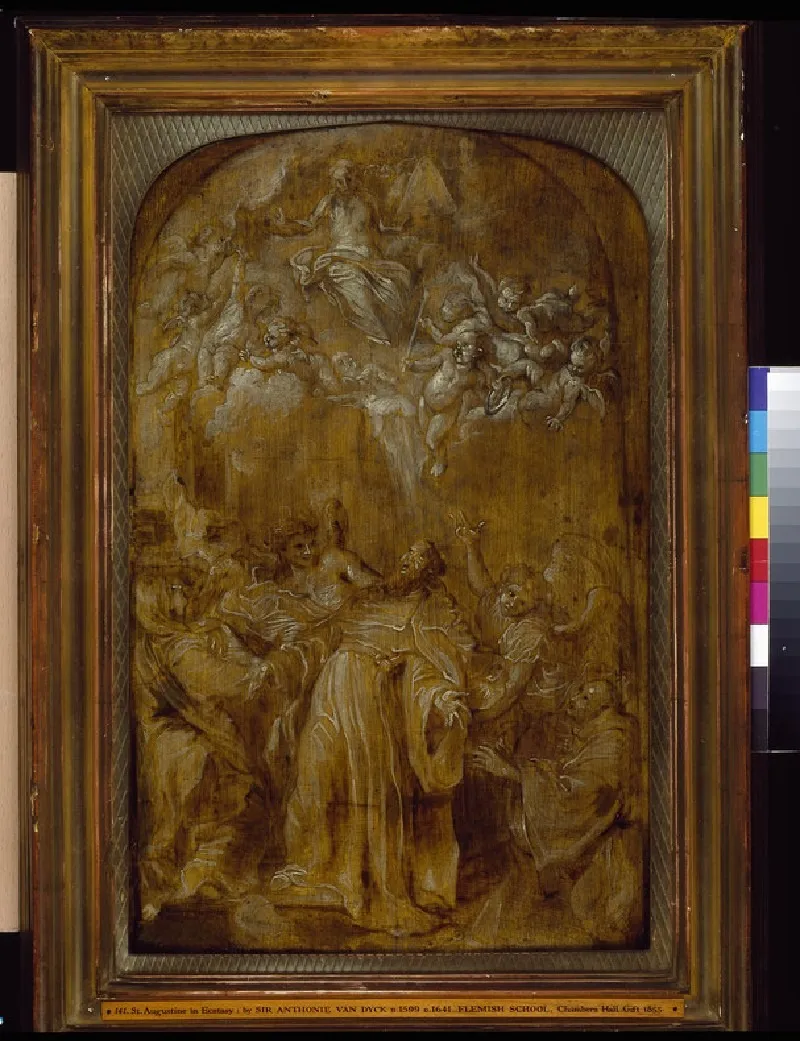
St Augustine in Ecstasy is an oil painting by the Flemish Baroque painting artist Anthony van Dyck. It dates from 1628 and is held in the collection of the Ashmolean Museum. Created in 1628, this oil painting presents the 4th‑century theologian Augustine of Hippo in a moment of spiritual rapture.
About this work
Overview
Created in 1628, this oil painting presents the 4th‑century theologian Augustine of Hippo in a moment of spiritual rapture. The central figure, robed in a flowing garment, is bathed in a luminous glow that contrasts with a dark surrounding space, emphasizing his upward gaze toward an unseen divine presence.
Subject & Meaning
The work visualizes Augustine’s ecstatic contemplation, a theme drawn from hagiographic accounts of his mystical experiences. Angelic beings and cherubs hover nearby, suggesting heavenly approval and reinforcing the notion of divine inspiration guiding the saint’s theological insights.
Technique & Style
Employing chiaroscuro, the artist models form through a stark light that descends from above, casting deep shadows that enhance the three‑dimensionality of the figures. The composition reflects the dynamism and dramatic intensity characteristic of the Flemish Baroque, with fluid brushwork that conveys both movement and reverence.
History & Provenance
The painting was executed by Anthony van Dyck, a Flemish painter trained in the workshop of Peter Paul Rubens. After its creation, the canvas entered various private collections before being acquired by the Ashmolean Museum, where it remains part of the institution’s European Baroque holdings.
Context
Van Dyck produced this work during his early career in the Spanish Netherlands, a period when he was consolidating his reputation independent of Rubens. The subject aligns with Counter‑Reformation interests in promoting saintly exemplars, while the stylistic choices echo the broader Baroque emphasis on emotional engagement and theatrical lighting.
Artist & collection
Artist
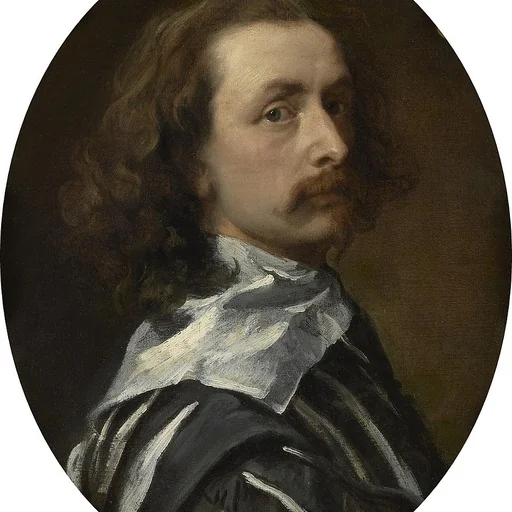
Sir Anthony van Dyck (; Dutch: Antoon van Dijck ; 22 March 1599 – 9 December 1641) was a Flemish Baroque artist, who became the leading court painter in England after success in the Spanish Netherlands and Italy.

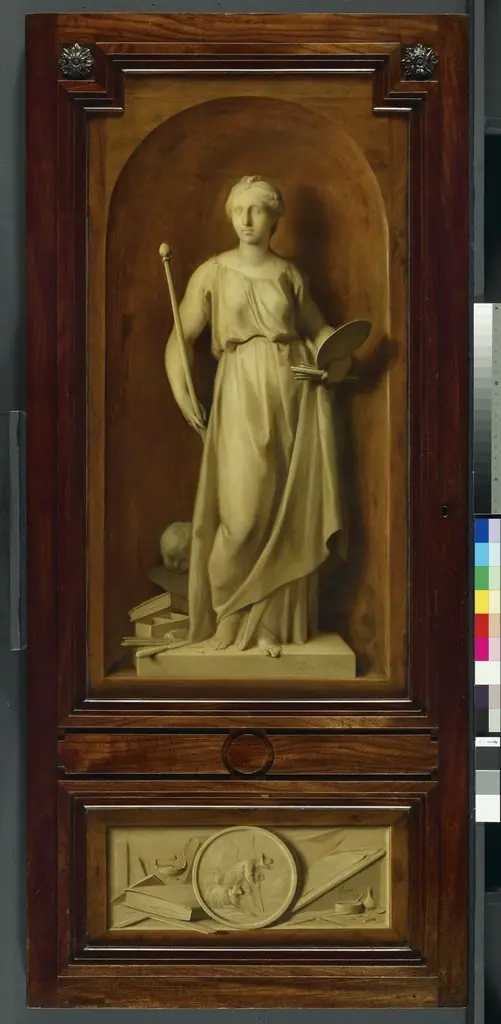 Allegorie op Pictura met de symbolen van de schilderkunst
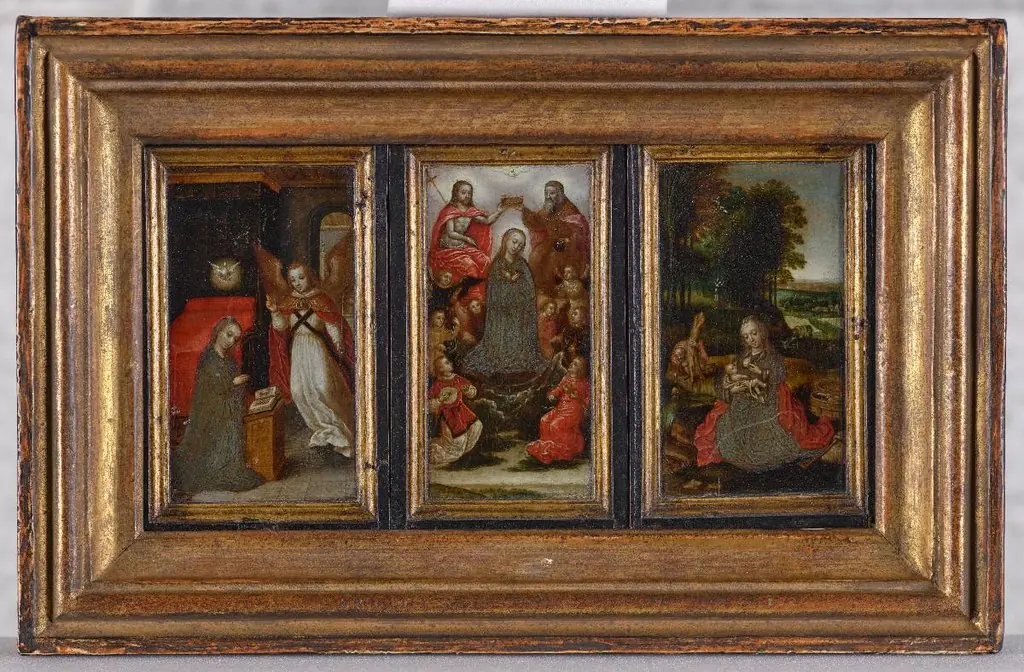 Drei Täfelchen aus dem Zyklus zum Leben Marias
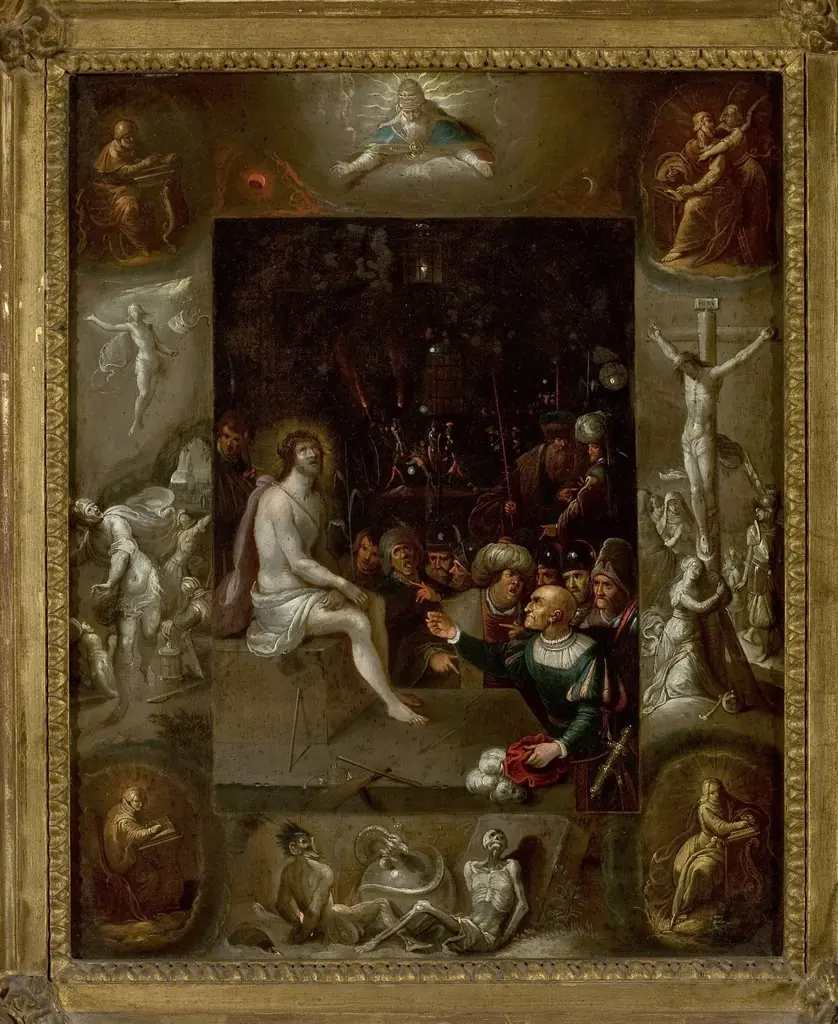 Mocking of Christ surrounded by images of the Evangelists and scenes from the Passion of Christ
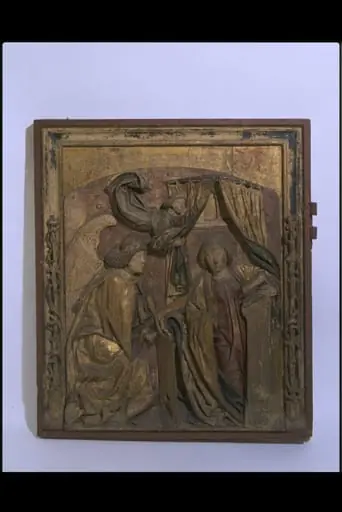 Untitled
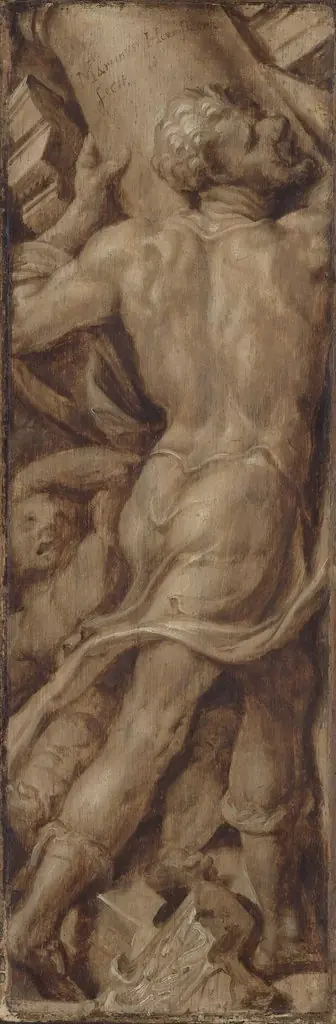 Samson destroying the Temple
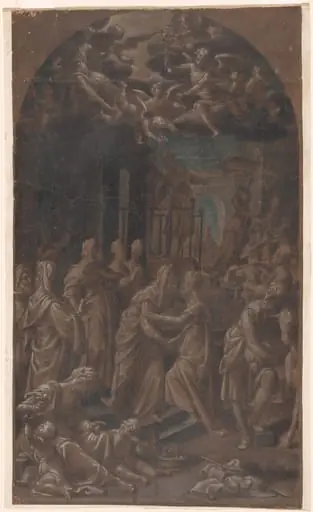 The Visitation
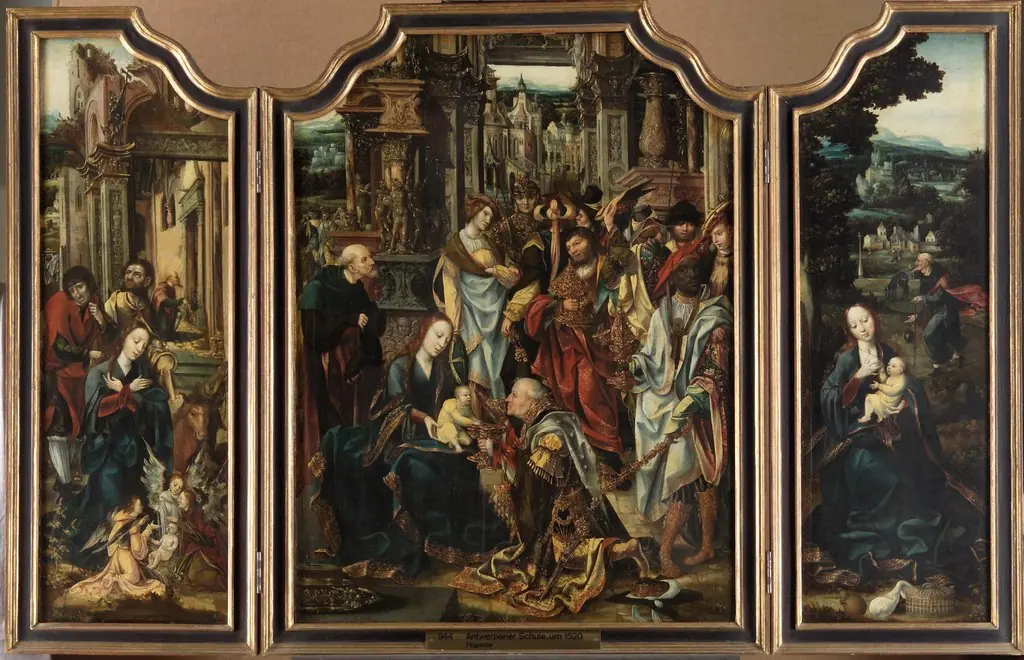 Flügelaltar; Mittelbild: Anbetung der Könige; linker Flügel: Anbetung der Hirten; rechter Flügel: Ruhe auf der Flucht nach Ägypten
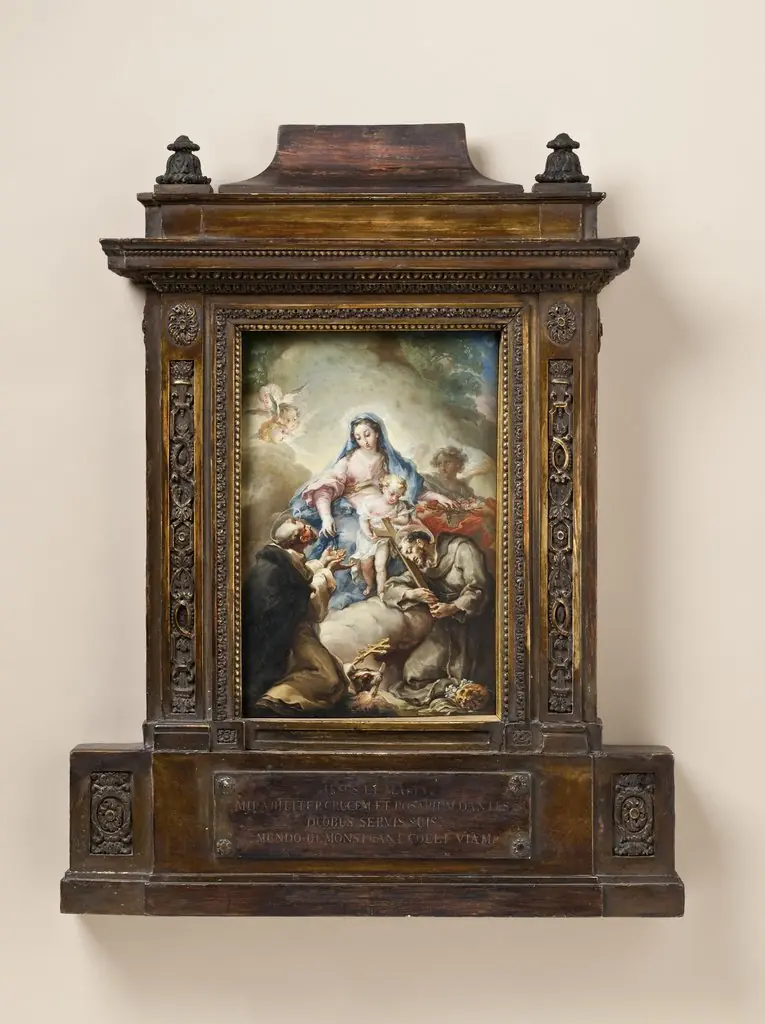 Virgin with St. Francis and St. Dominic
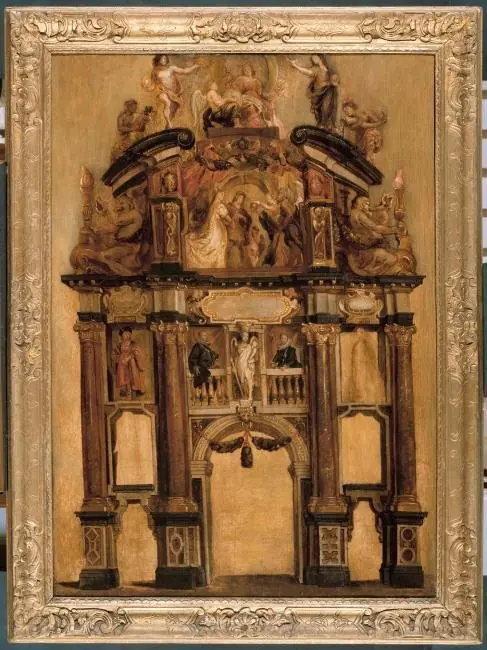 Sketch of the back of the triumphal arch of Philip IV
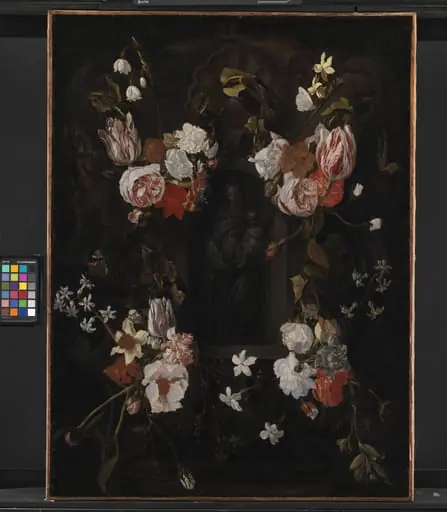 A Stone Cartouche with Virgin Mary and the Infant Christ in a Niche encircled by a Garland of Flowers
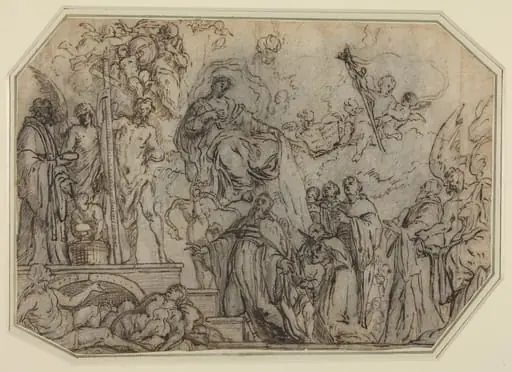 The Trinity and the Virgin Appearing to Ecclesiastics
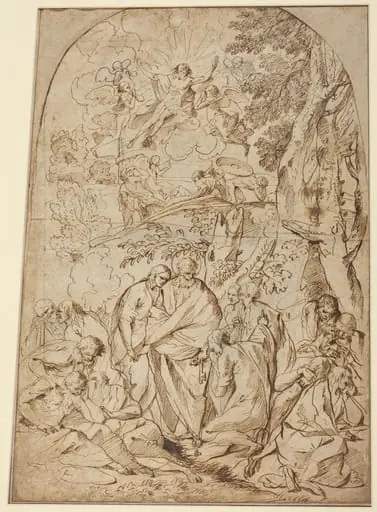 The Resurrection