Artwork
Untitled
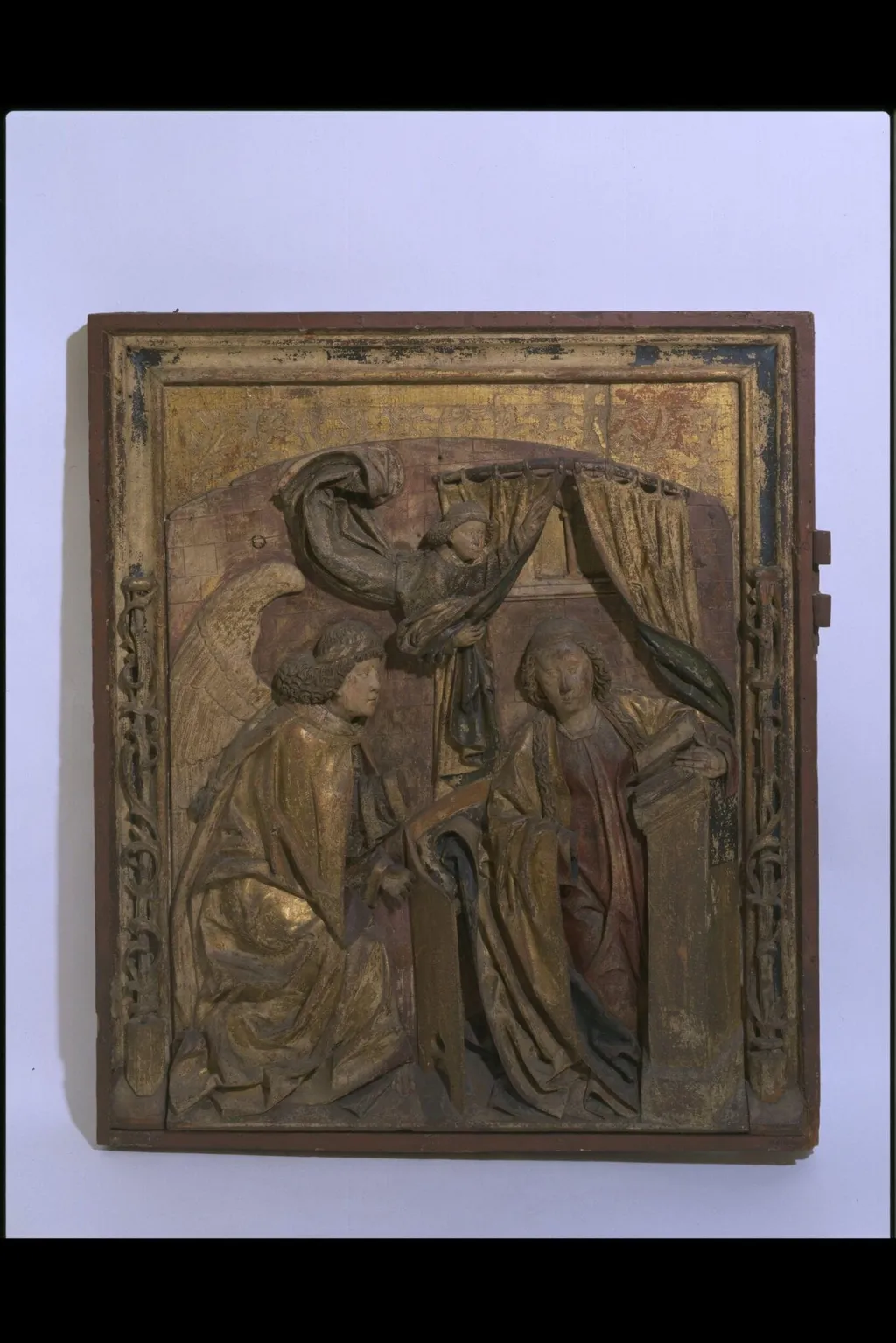
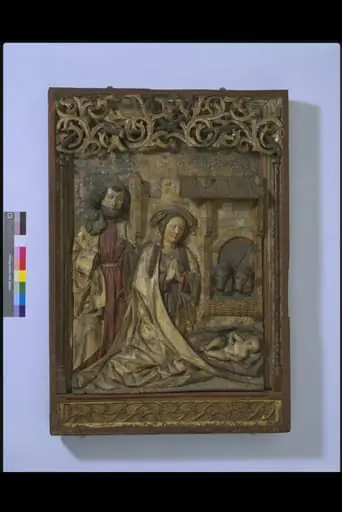
Untitled is a work on paper by the Renaissance artist Hans Klocker. It dates from 1500 and is held in the collection of the Victoria and Albert Museum.
About this work
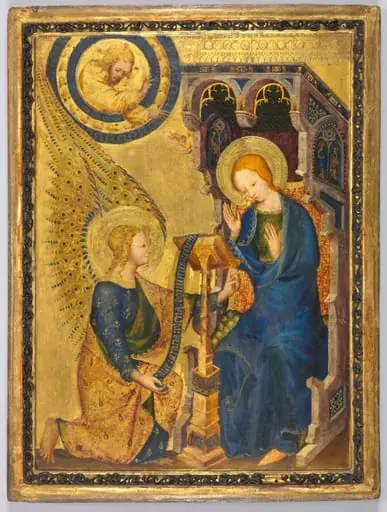
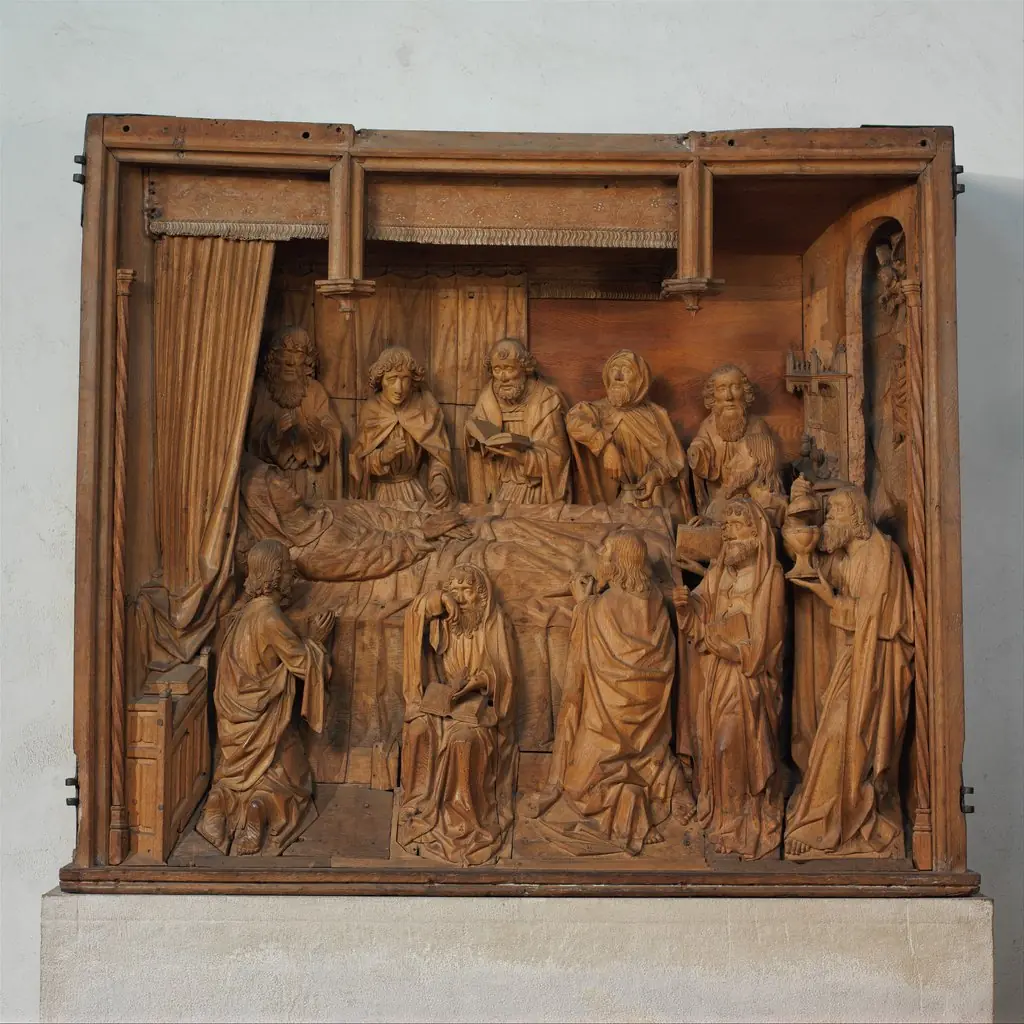
This carved pine relief dates to around 1500. It likely stood behind an altar in a Christian church. The style matches a known Annunciation relief by an Austrian woodcarver.
The piece may come from Klocker’s workshop, not his own hand. Its quality suggests it was made by assistants. That’s why it sits in a museum instead of a church today.
Look up the artist next: Klocker, Hans.
Overview
This carved pine relief, dated to approximately 1500, was originally part of a larger altarpiece positioned behind an altar in a Christian church.
This carved pine relief, dated to approximately 1500, was originally part of a larger altarpiece positioned behind an altar in a Christian church. Its stylistic similarities to a documented Annunciation panel by Hans Klocker suggest a connection to his workshop in the Tyrol region. However, the execution lacks the refinement characteristic of Klocker’s known works, indicating it was likely produced by an assistant rather than the master carver himself.
Subject & Meaning
Though the specific scene is not identifiable from the fragment, its ecclesiastical context implies a devotional theme common in late medieval altarpieces—possibly a saint’s life, biblical narrative, or Marian subject. The intent was to inspire contemplation and prayer, aligning with the liturgical function of the altar. Its survival in a museum reflects its transition from active worship to historical artifact.
Technique & Style
The relief was carved from pine, a common material for northern European altarpieces due to its workability. The composition follows the linear, slightly flattened spatial conventions of late Gothic woodcarving, with delicate drapery folds and stylized facial features. These traits align with the workshop style of Hans Klocker, though the carving is less precise, revealing the hand of a less experienced artisan.
History & Provenance
The piece likely originated in a church in the Tyrol or nearby regions, where Klocker’s workshop was active. It was probably removed from its original setting during secularization or church renovations in the 18th or 19th century. Its preservation in a museum collection suggests early recognition of its historical value, despite its workshop origin.
Context
Around 1500, altarpieces were central to Catholic worship, often commissioned by local patrons or religious orders. Workshops like Klocker’s produced multiple versions of popular religious scenes, with the master overseeing design and quality control. Assistants handled repetitive carving tasks, resulting in variations in execution—this relief exemplifies that hierarchical production model.
Legacy
As a representative of workshop production in late medieval woodcarving, this relief illustrates how artistic standards were maintained through apprenticeship and replication. Though not by Klocker’s own hand, it contributes to understanding the scale and reach of his influence, offering insight into the broader ecosystem of religious art production in early 16th-century Central Europe.
Artist & collection
Artist
Hans Klocker’s hands were stained with egg tempera by the time he finished painting his altarpiece in a cramped Alpine workshop, where the smell of linseed oil and candle wax never quite faded.

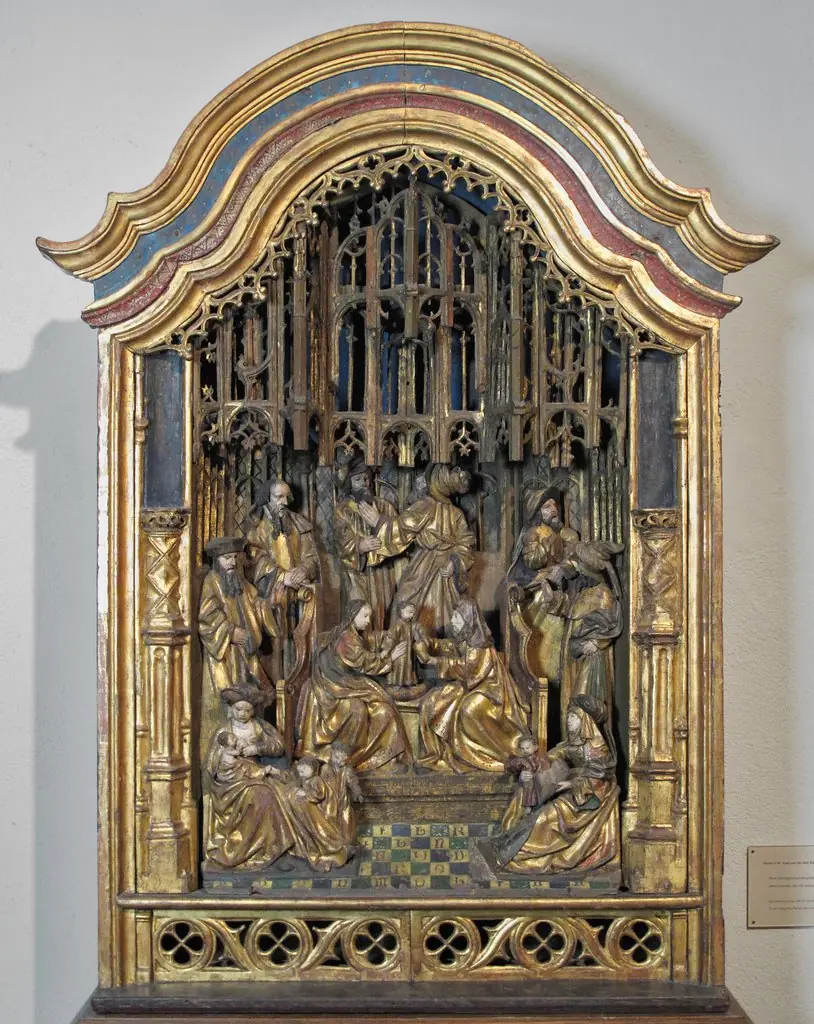 Shrine of Saint Anne and the Holy Kinship
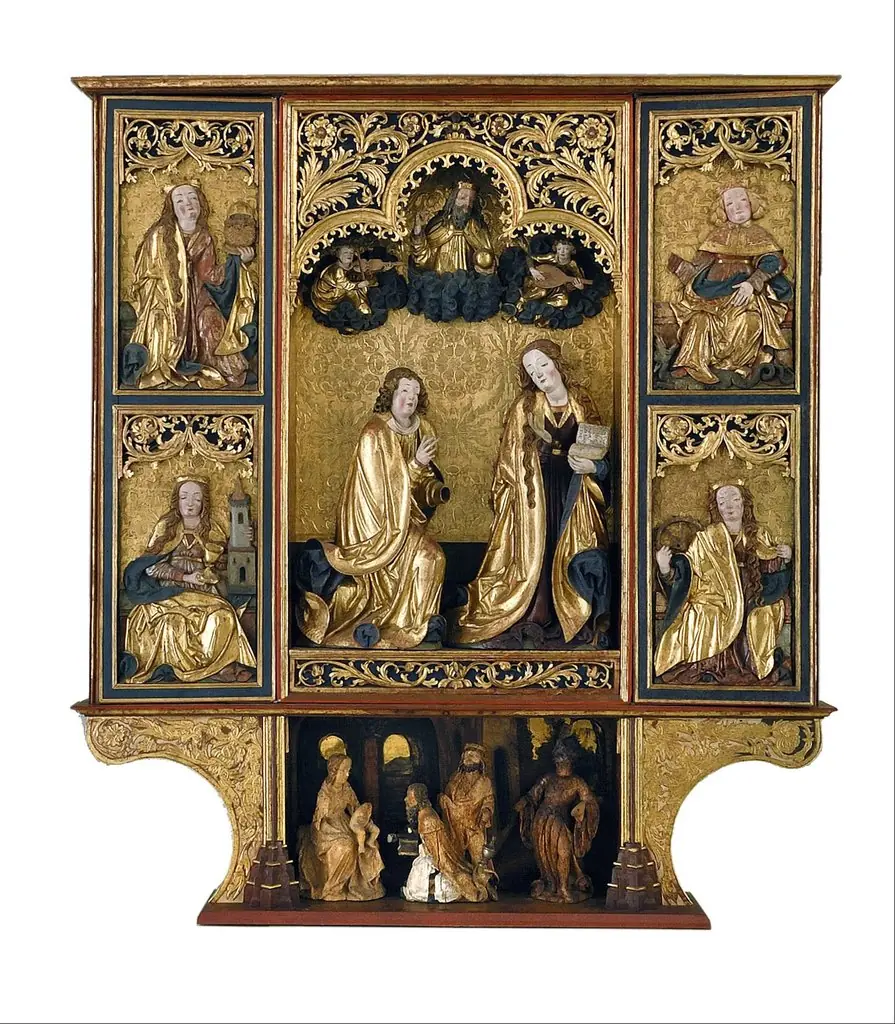
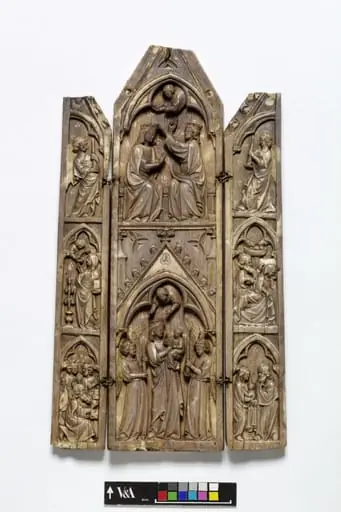 Virgin and Child, the Coronation of the Virgin and scenes from the Nativity
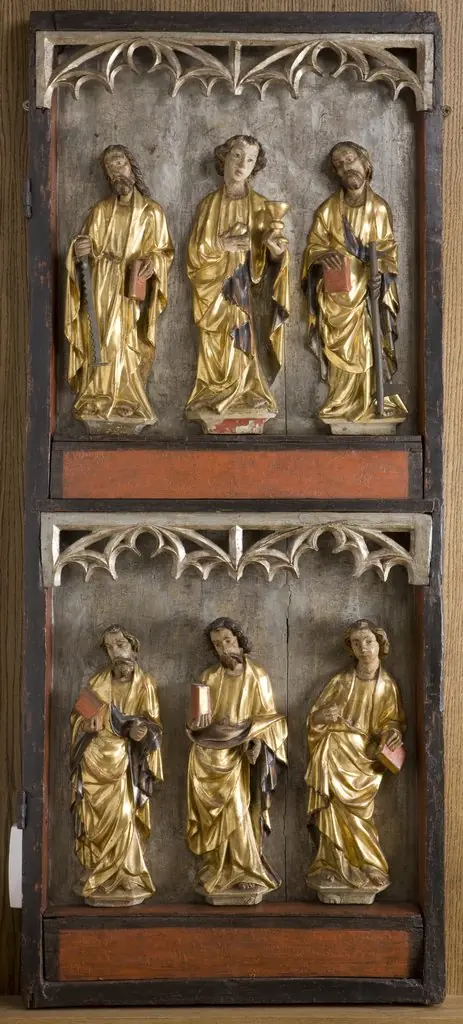 Saint Apostles (reverse: Our Lady of Sorrows). The right panel of the retable from Stary Żywiec
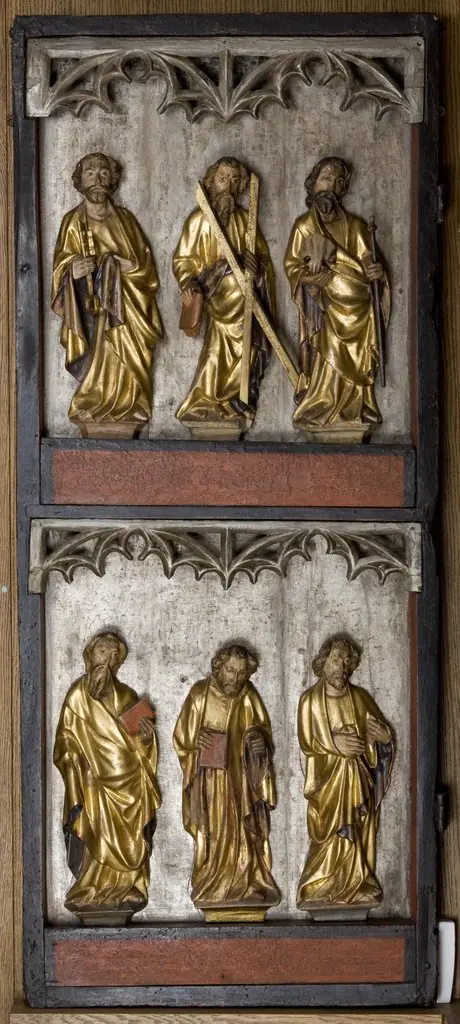 Saint Apostles (reverse: Christ – Man of Sorrows). The left panel of the retable from Stary Żywiec
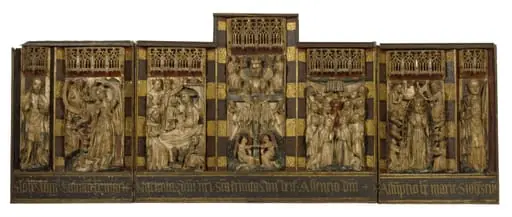 The Swansea Altarpiece
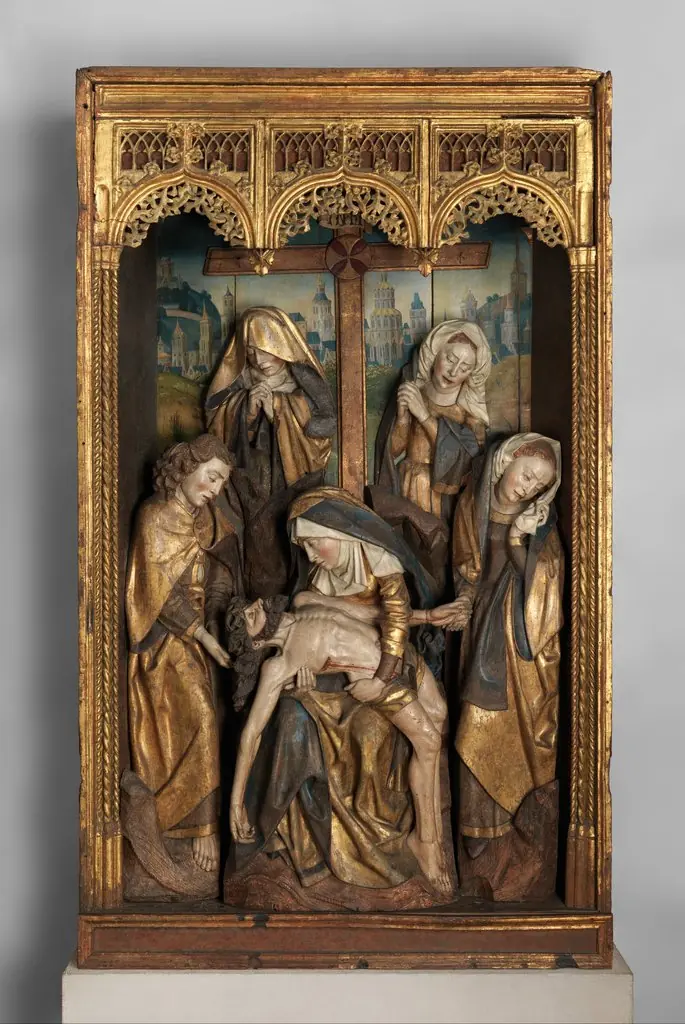 The Lamentation
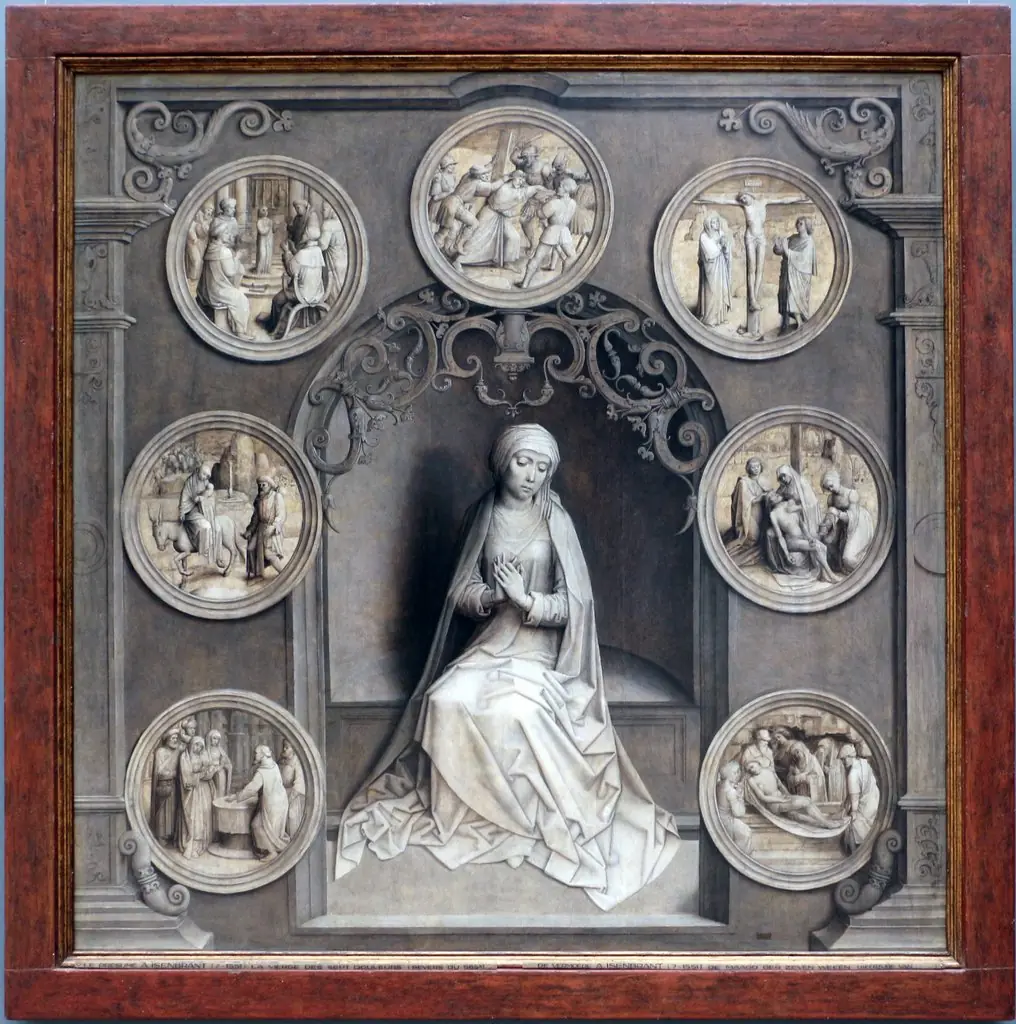 Our Lady of the Seven Sorrows (grisaille)
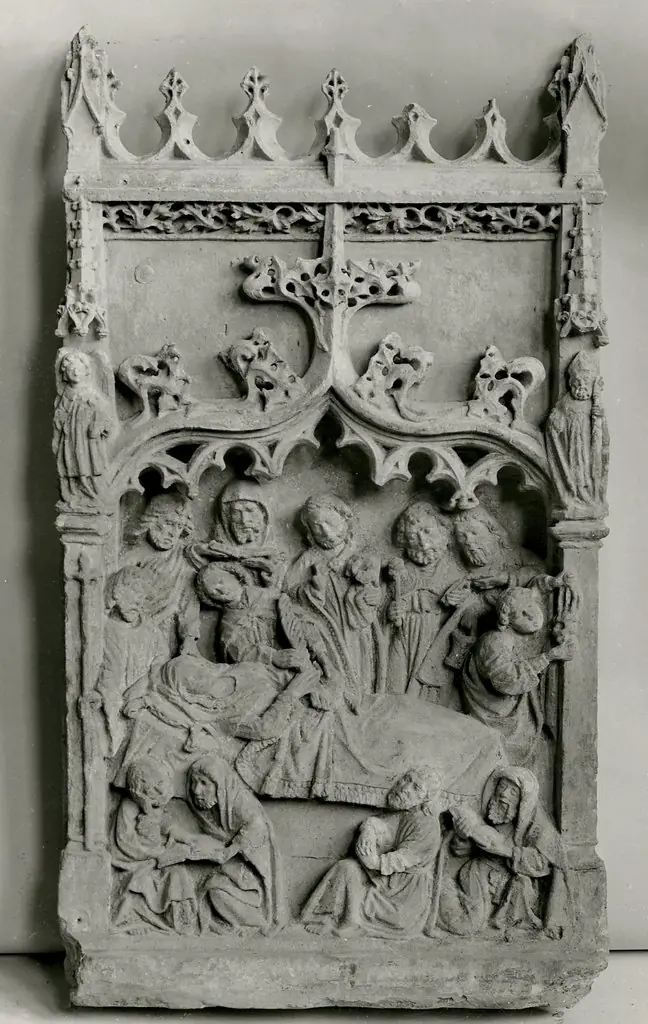 Dormition of the Virgin Relief
 The Death of the Virgin (The Dormition)