Artwork
Landscape (recto); Studies of Animals (verso)
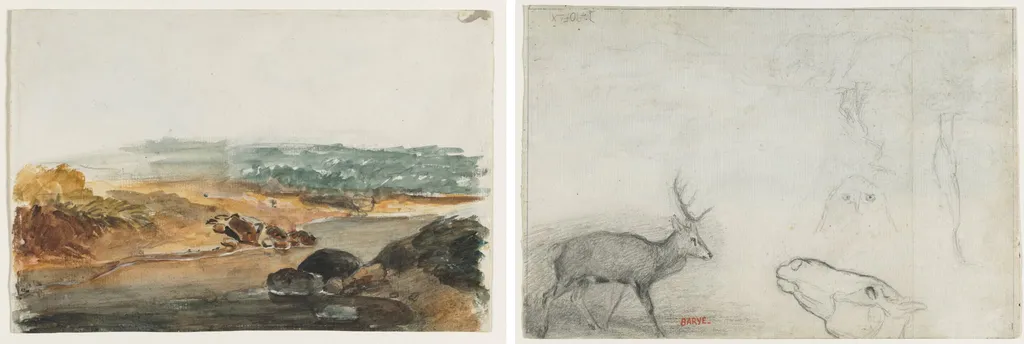
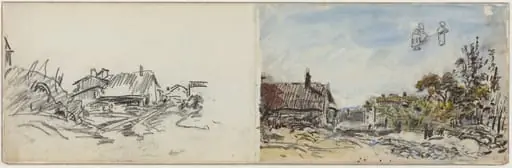
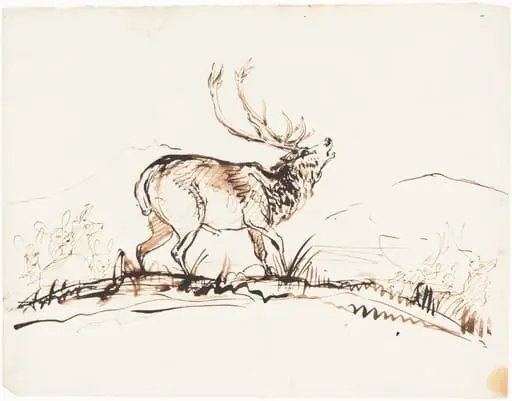
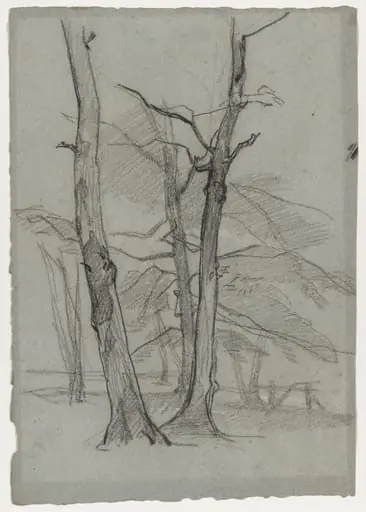
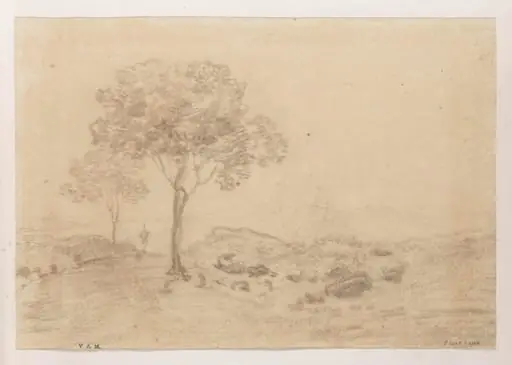
Landscape (recto); Studies of Animals (verso) is a drawing by the Romanticist artist Antoine-Louis Barye. It dates from 1849 and is held in the collection of the Cleveland Museum of Art.
About this work
Overview
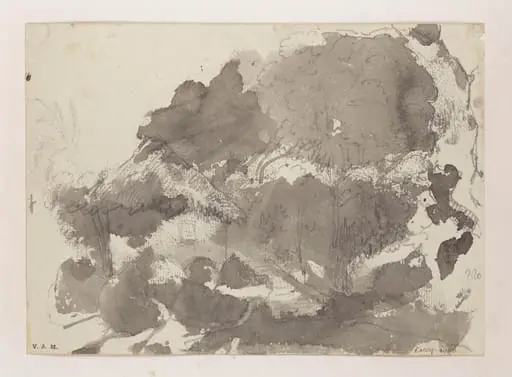
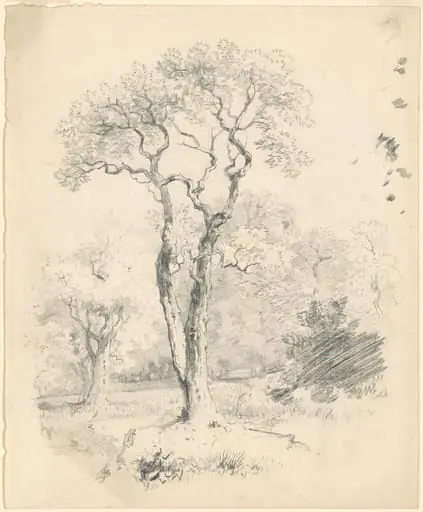
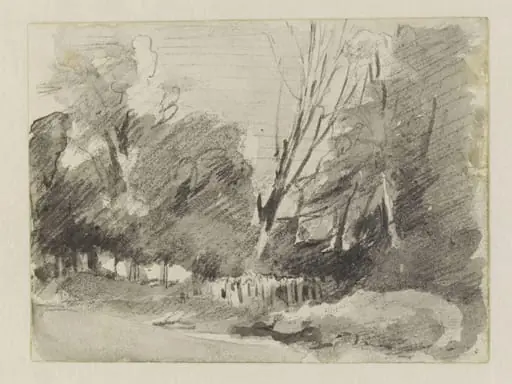
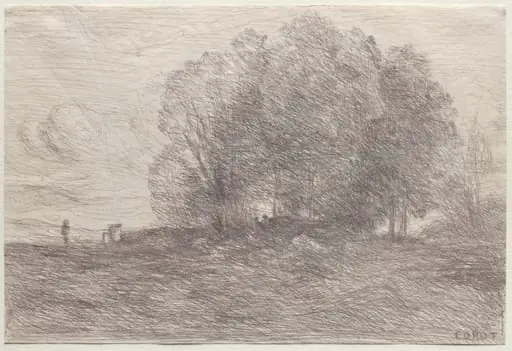
Created in 1849, this double-sided drawing by Antoine-Louis Barye features a landscape on the front and animal studies on the reverse.
Created in 1849, this double-sided drawing by Antoine-Louis Barye features a landscape on the front and animal studies on the reverse. Executed in pencil and wash, it reflects the artist’s habit of working quickly in sketchbooks. The piece is part of the collection at The Cleveland Museum of Art, where it illustrates Barye’s practice of observing nature directly and recording impressions on the go.
Subject & Meaning
The recto depicts a windswept coastal scene with jagged rocks, low-lying land, and indistinct animals near the water’s edge. The figures, possibly livestock, are rendered with minimal detail, suggesting movement rather than specificity. The verso holds two lightly sketched animals—a deer and another small creature—captured in tentative lines. Together, they reveal Barye’s sustained interest in wildlife as subjects of quiet, unidealized observation.
Technique & Style
Barye employed loose, rapid strokes in pencil and diluted ink to suggest form and atmosphere. The landscape uses muted earth tones and soft washes to convey depth and weathered terrain, while the animal studies on the reverse show exploratory, almost experimental lines. The absence of finish emphasizes spontaneity, aligning with Romantic-era practices that valued immediacy over polished detail.
History & Provenance
The drawing entered The Cleveland Museum of Art’s collection as part of a broader acquisition of Barye’s works on paper. Its dual-sided format is typical of 19th-century sketchbooks used by artists for field studies. No earlier ownership records are widely documented, but its condition and style suggest it was created during a period of active outdoor sketching by the artist in the late 1840s.
Context
Barye worked during a time when Romanticism emphasized emotional response to nature and the sublime. His focus on animals and wild landscapes reflected a broader cultural shift away from classical idealism toward direct engagement with the natural world. Unlike his monumental bronze sculptures, these drawings reveal a more intimate, personal mode of recording observation, common among artists seeking authenticity in their subjects.
Legacy
This drawing exemplifies Barye’s role as a bridge between academic sculpture and the emerging interest in naturalism. While less known than his public monuments, his sketches influenced later artists who prioritized direct observation over studio convention. The dual-sided format underscores the importance of sketchbooks in his creative process, preserving moments of quiet study that informed his larger works.
Artist & collection
Artist
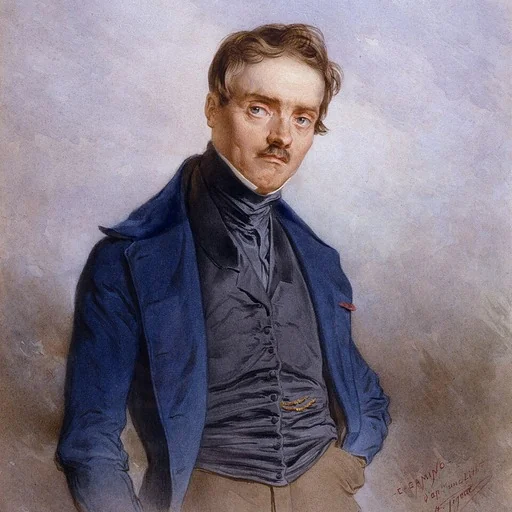
Antoine-Louis Barye was a Romantic French sculptor most famous for his work as an animalier, a sculptor of animals. His son and student was the sculptor Alfred Barye.