Artwork
Portrait of Saxon Duke Karl August with his wife Sophie and their daughter
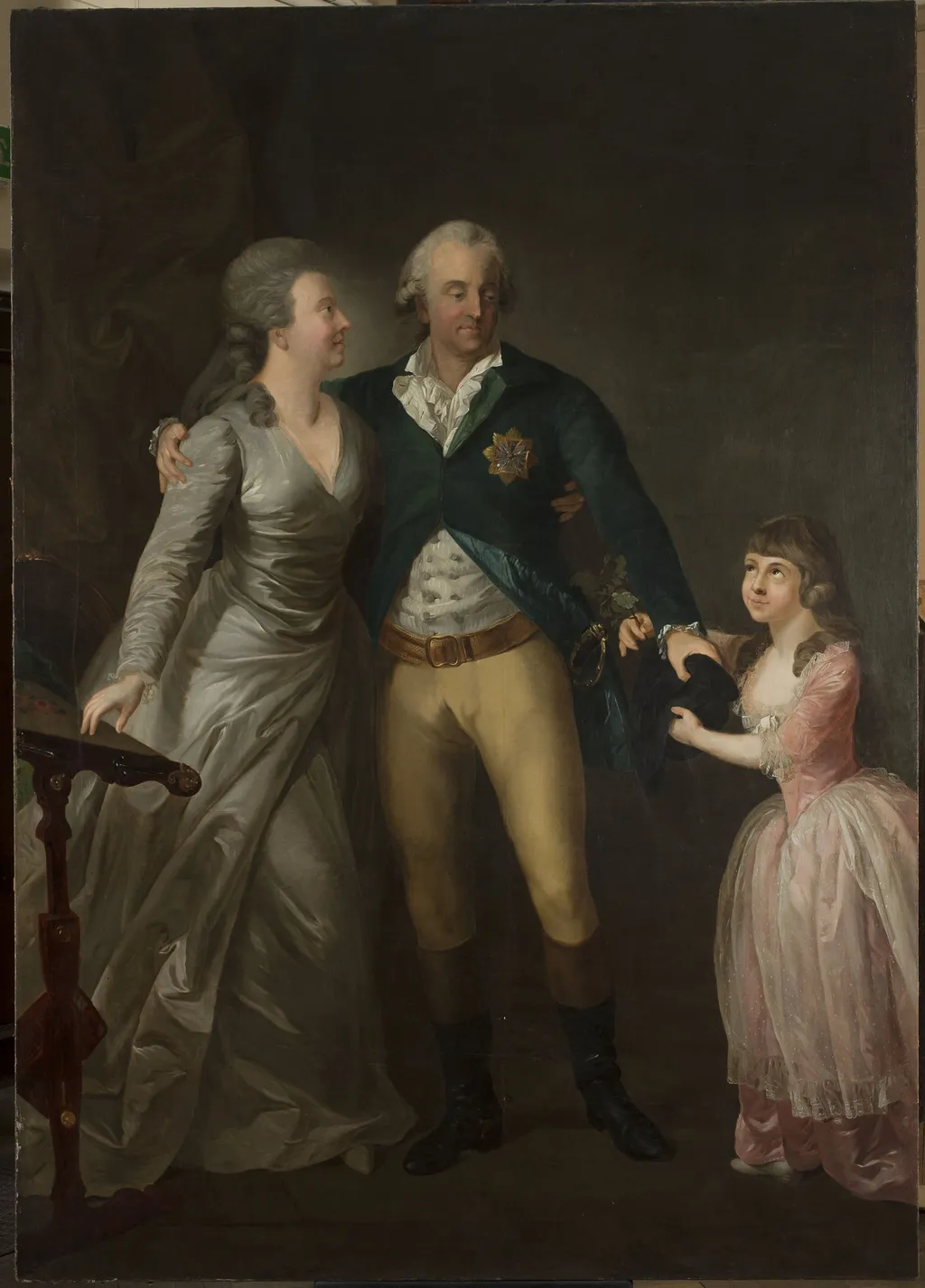
Portrait of Saxon Duke Karl August with his wife Sophie and their daughter is an oil painting by the Rococo painting artist Anton Graff. It dates from 1784 and is held in the collection of the National Museum in Warsaw.
About this work
Overview
Graff, known for his psychological nuance in portraiture, rendered the subjects with quiet dignity rather than overt grandeur.
Painted around 1784 by Swiss artist Anton Graff, this oil portrait captures Saxon Duke Karl August, his wife Sophie, and their young daughter in a composed family grouping. Graff, known for his psychological nuance in portraiture, rendered the subjects with quiet dignity rather than overt grandeur. The painting’s restrained composition and attention to textile detail reflect his signature approach to depicting European nobility during the late Enlightenment.
Subject & Meaning
The portrait presents the Saxon ducal family as a unit of private harmony, not political spectacle. The duke’s hand rests gently on his wife’s shoulder, while their daughter, positioned slightly apart, holds an object—possibly a book or toy—suggesting early education and domestic continuity. The absence of regalia or symbols of power shifts focus to familial bonds, aligning with Enlightenment ideals of the nuclear family as a moral foundation.
Technique & Style
Graff employed fine brushwork to render the textures of fabric—folds in the duke’s dark green coat, the sheen of Sophie’s pale gown, and the softness of the child’s pink dress. The background remains muted and indistinct, drawing attention to the figures’ faces and gestures. Light falls subtly across their forms, enhancing realism without theatricality. The style avoids Rococo ornamentation, favoring clarity and psychological presence over decorative flourish.
History & Provenance
Commissioned during Karl August’s rule over Saxe-Weimar-Eisenach, the painting remained in the family’s possession until the 19th century. It entered the National Museum in Warsaw’s collection through documented acquisitions, likely during a period of redistribution of Central European artworks. Its presence in Poland reflects broader 19th-century efforts to assemble culturally significant works beyond national borders.
Context
Created during the height of Enlightenment thought, the portrait reflects a shift in aristocratic representation—from ceremonial display to intimate, humanized imagery. Graff’s patrons included intellectuals and reform-minded rulers, and this work aligns with a broader trend of nobility embracing domestic virtue as a marker of enlightened leadership. The painting stands apart from the more flamboyant court portraiture of earlier decades.
Legacy
Graff’s portrait of the Saxon family is recognized for its quiet authority and emotional restraint, influencing later 19th-century German and Polish portraiture. It remains a key example of how elite identity was reimagined through personal rather than political expression. The painting continues to be studied for its synthesis of psychological insight and technical precision within the broader European tradition of civic portraiture.
Artist & collection
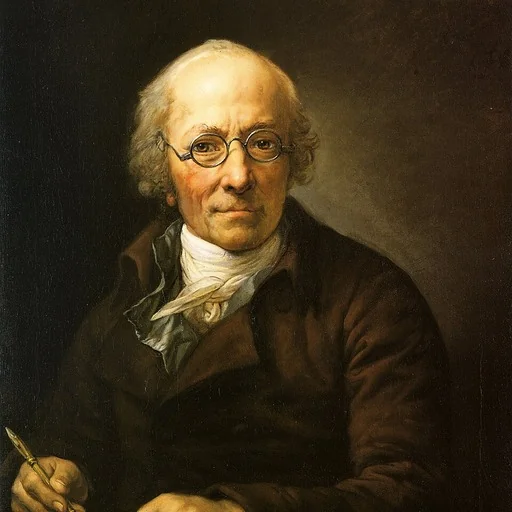
Artist
Anton Graff (18 November 1736 – 22 June 1813) was a Swiss portrait artist. Among his famous subjects were Friedrich Schiller, Christoph Willibald Gluck, Heinrich von Kleist, Frederick the Great, Friederike Sophie…

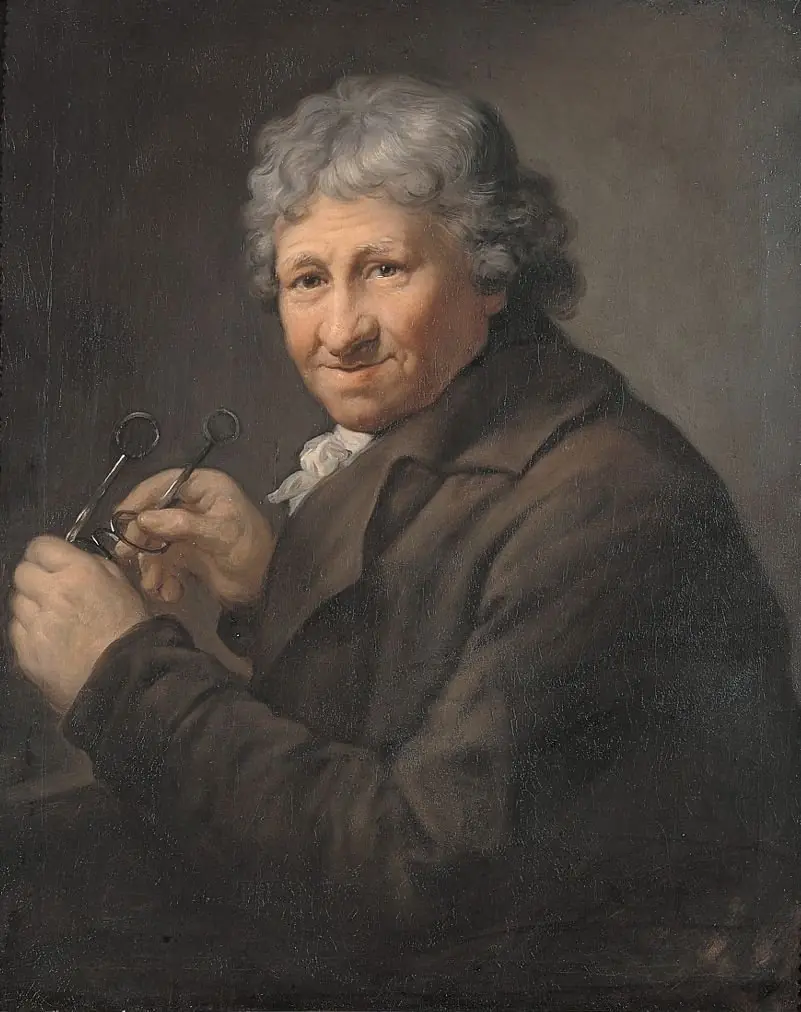 Daniel Chodowiecki
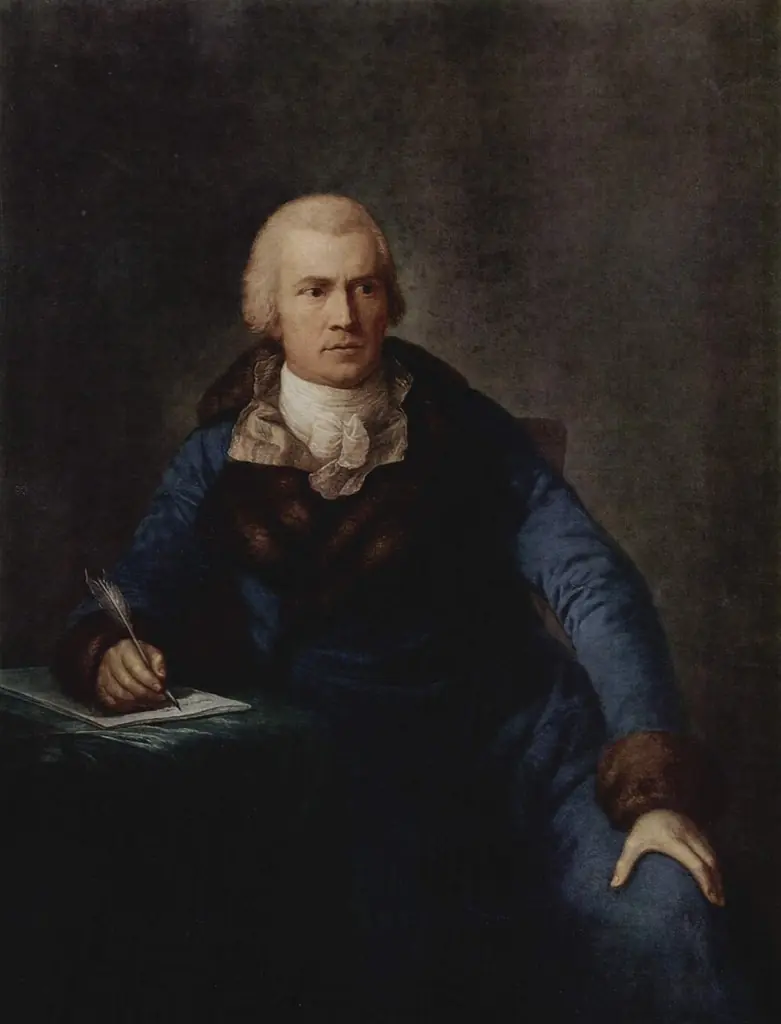 Portrait of a Man
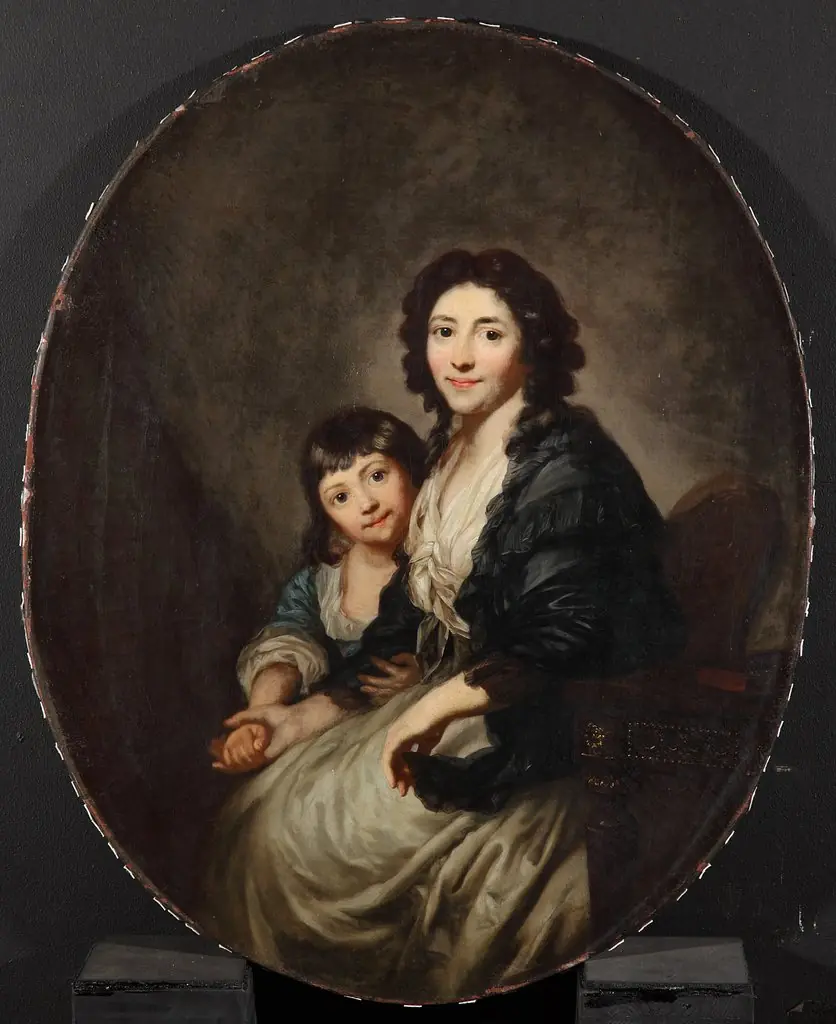 Elizabeth Sophia Augusta Graff, born Sulzer (1753-1812) and her Daughter Caroline Susanne (1781-1828)
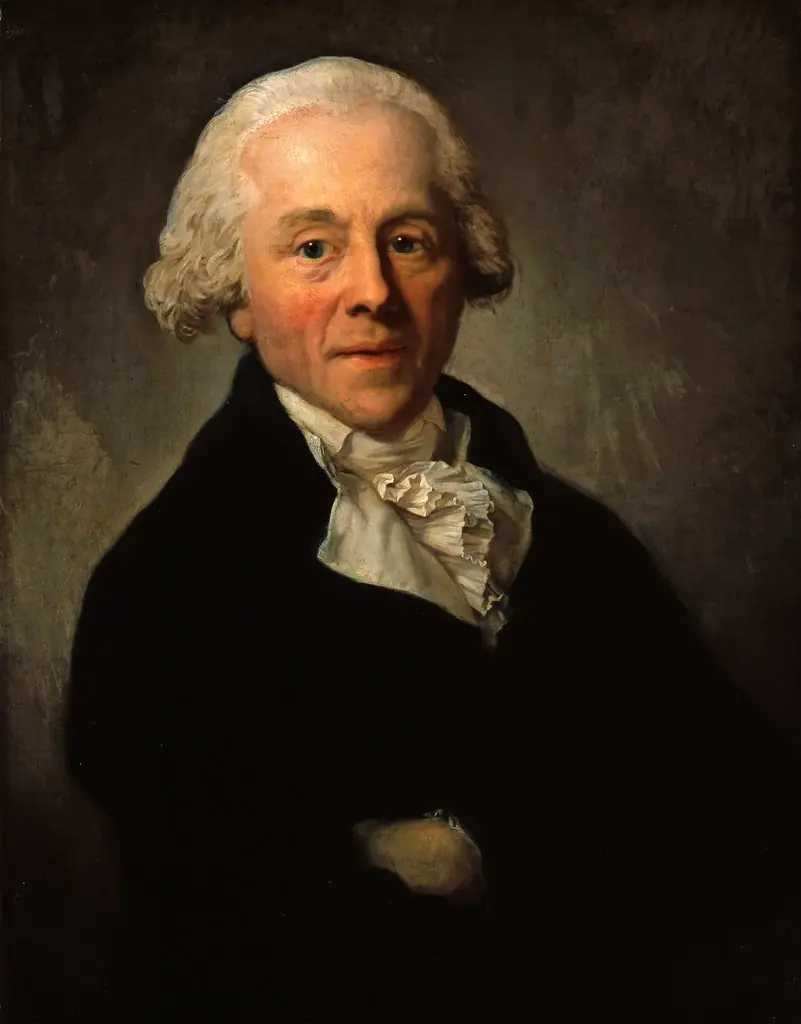 Friedrich Ludolf Hansen (1738-1803)
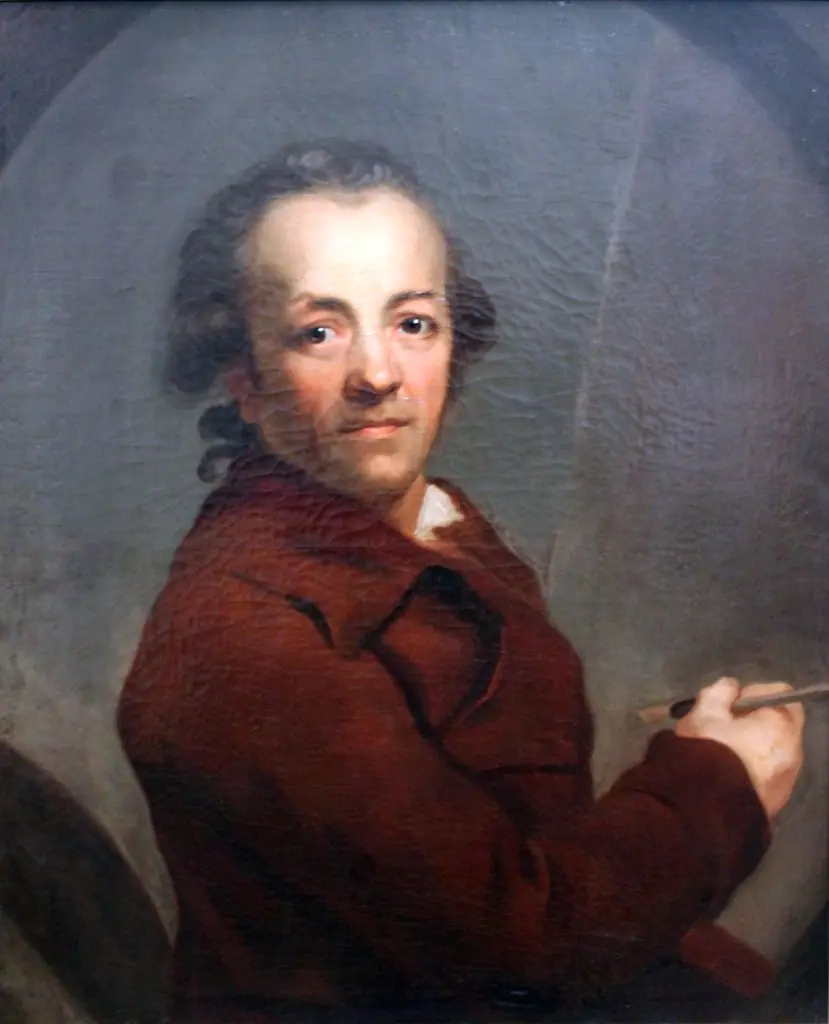 Self-portrait
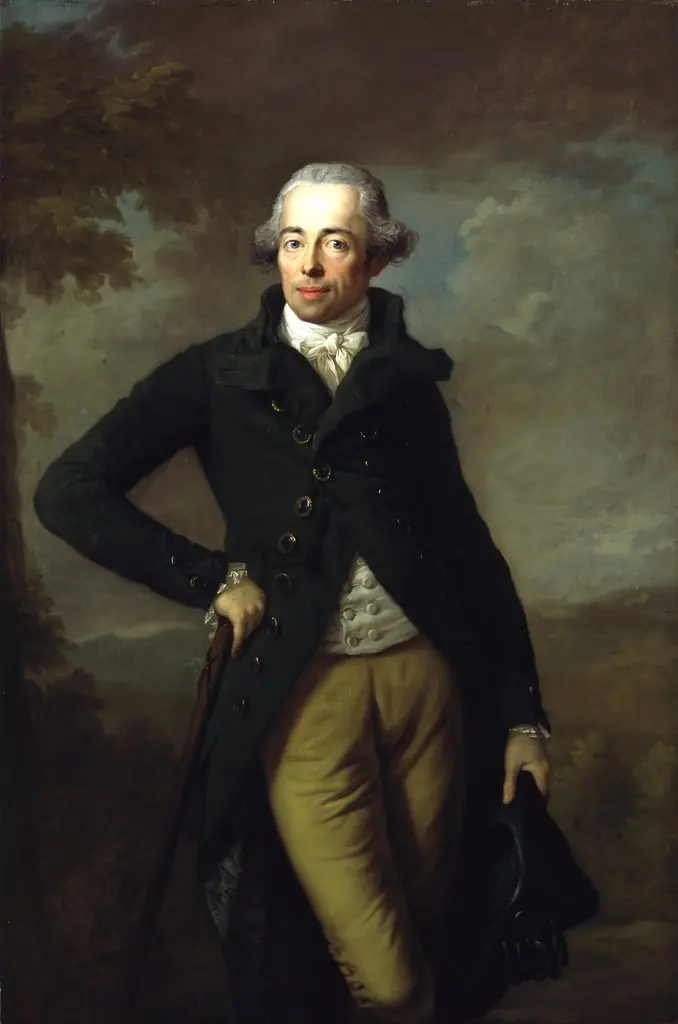 Heinrich XIV. Reuss Elder Line (Reuß ältere Linie) (1749-1799)
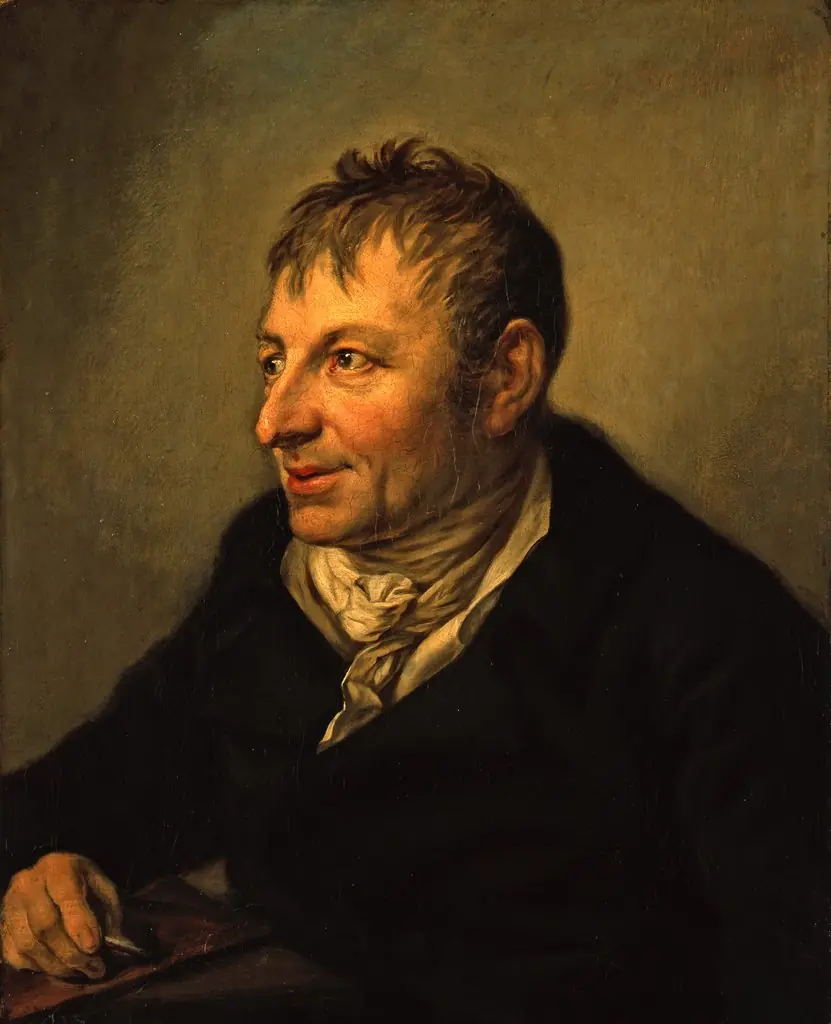 Portrait and History Painter Carl Friedrich Demiani (1768-1828)
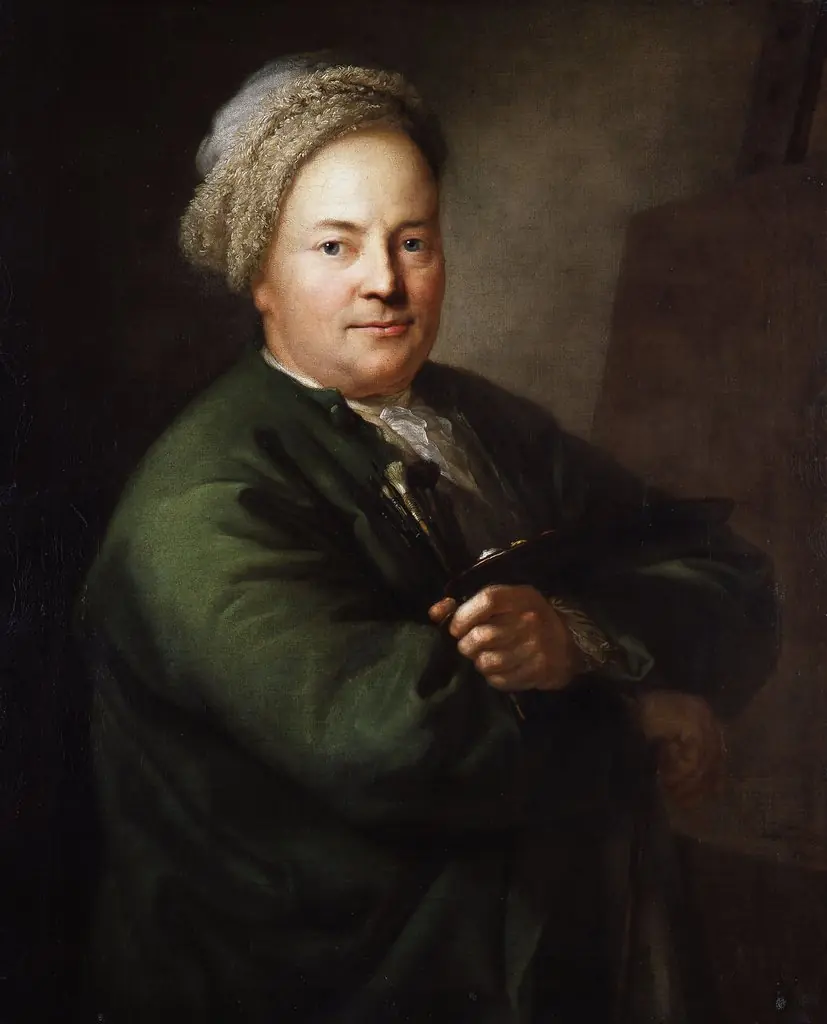 The Painter Christian Wilhelm Ernst Dietrich (1712-1774)
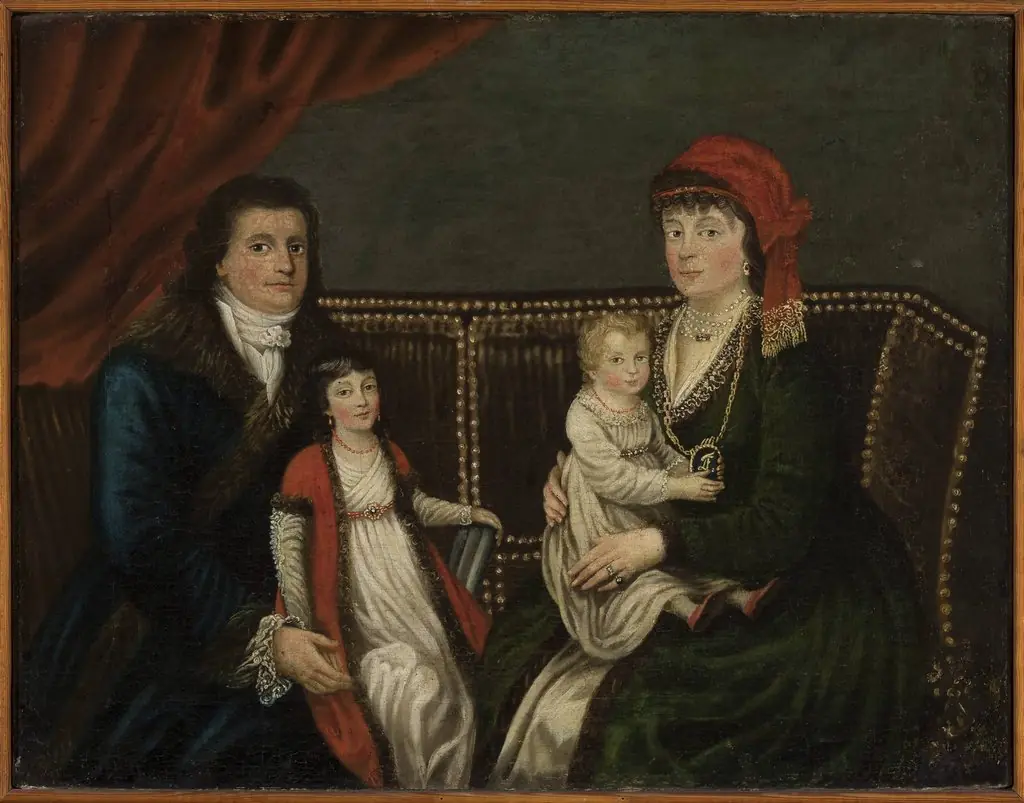 Portrait of the Lafontaine family, Leopold (1756–1812), surgeon, with his wife Teresa née Korneli (1768–1827) and daughters, Zofia (?–1831) and Wiktoria (1800–1849)
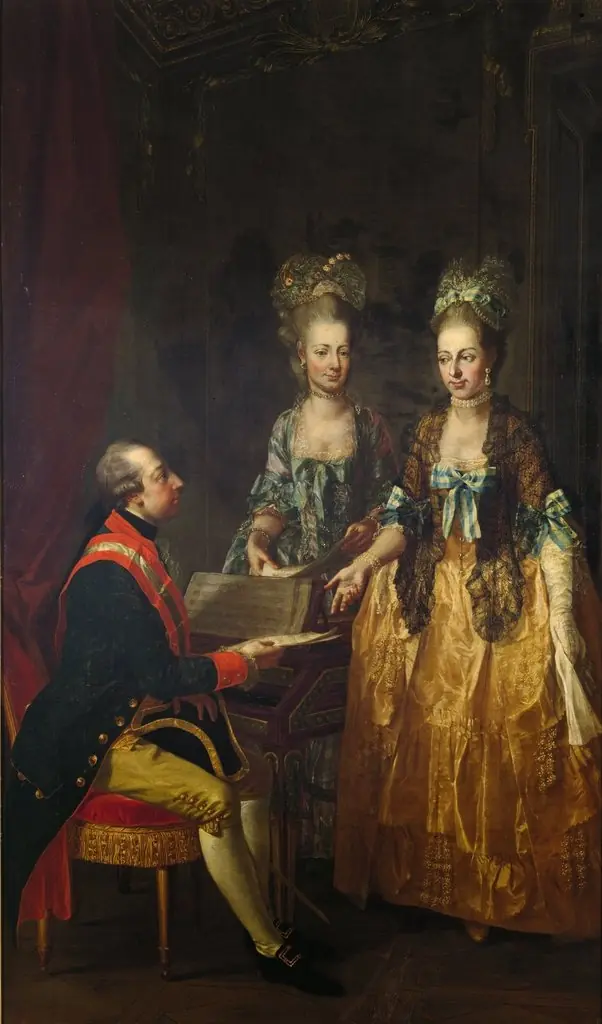 Emperor Joseph II at the spinet, with his sisters Maria Anna and Maria Elisabeth
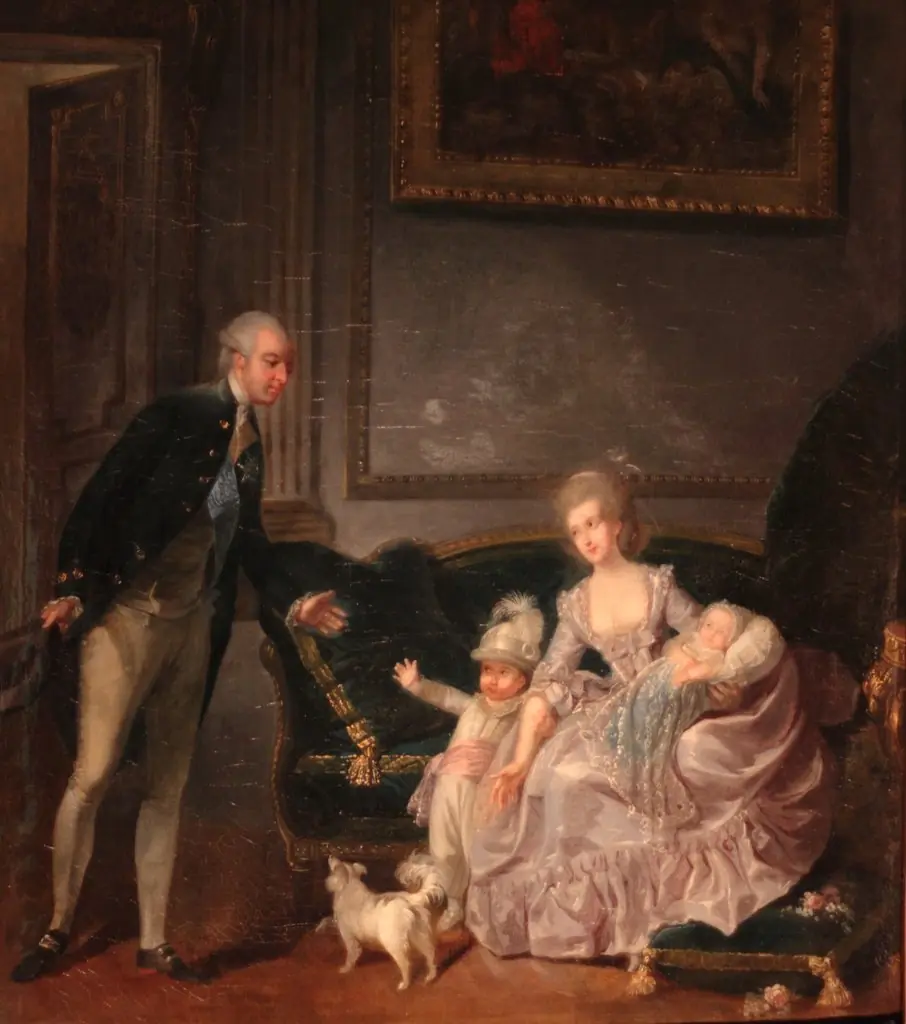 The Duke of Chartres and his Family at the Palais Royal
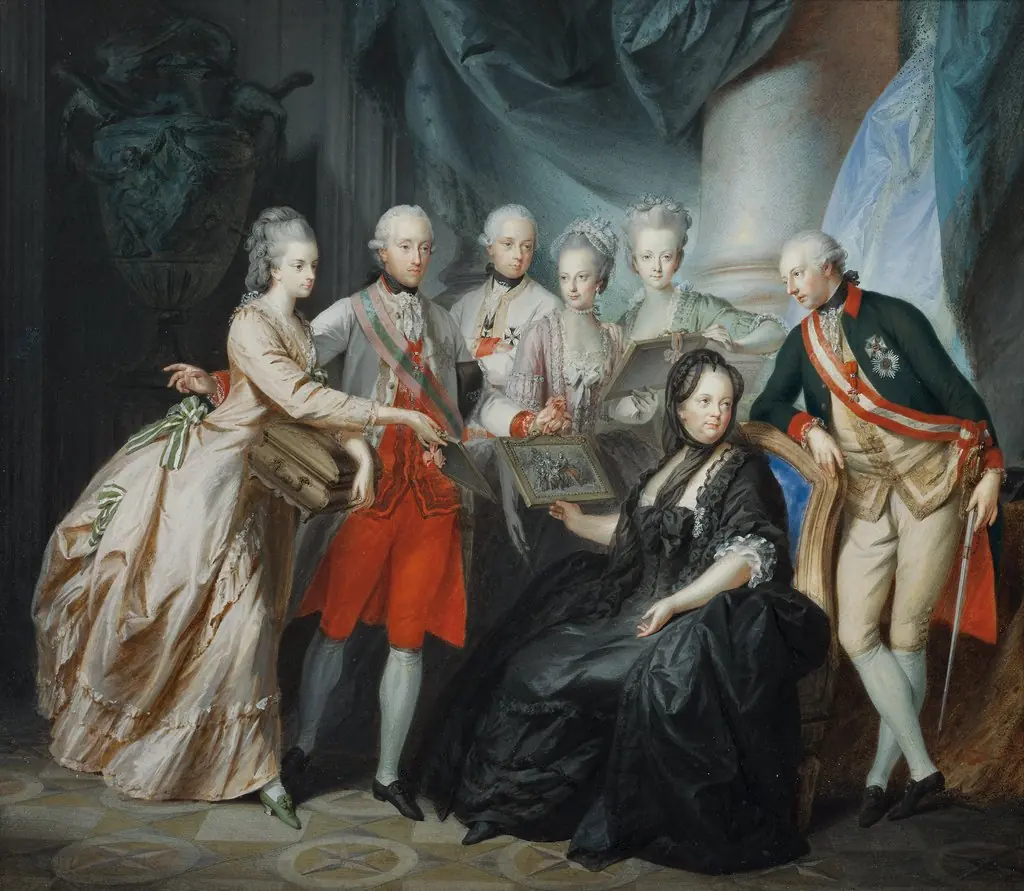 Archduchess Marie Christine and Duke Albert of Saxony Teschen Present the Family with Pictures of their Relatives in Italy
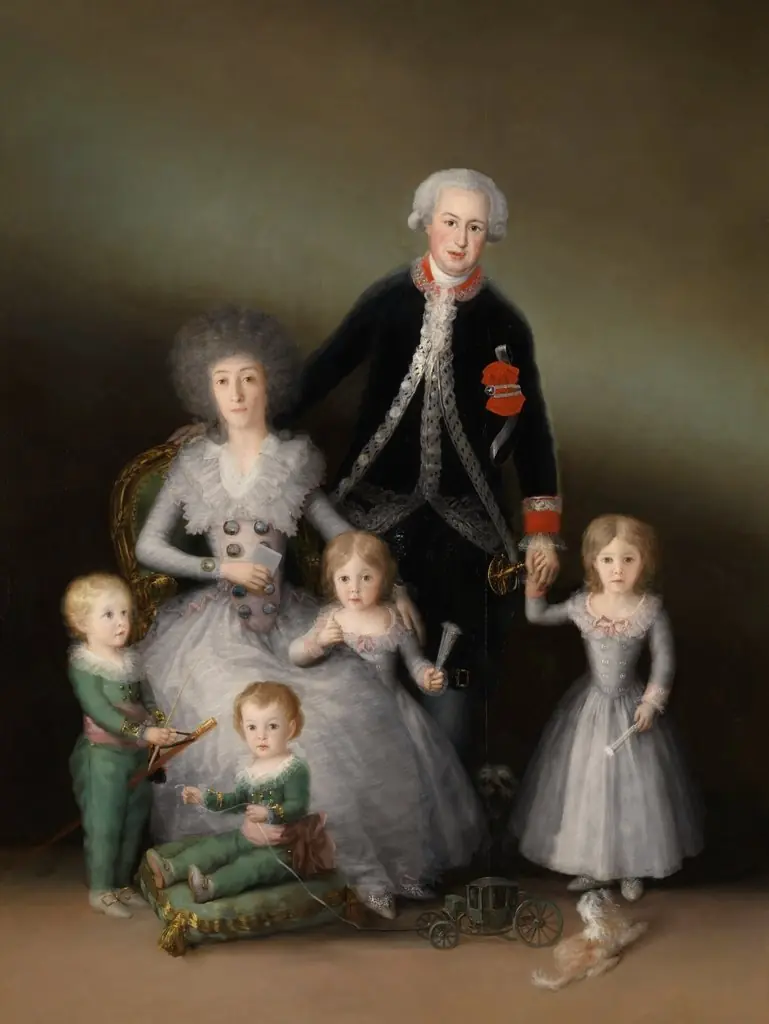 The Duke and Duchess of Osuna and their Children
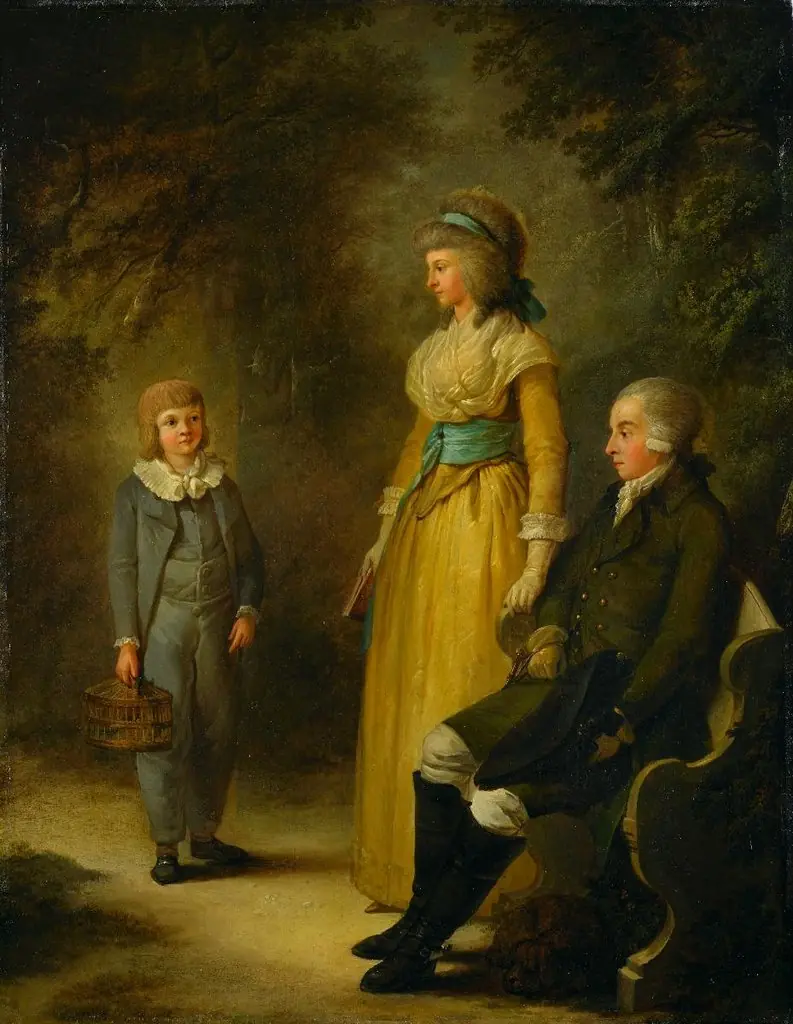 Familienbild, im Freien
 Portrait of Theodorus Bisdom van Vliet and his Family
 Portrait of Theodorus Bisdom van Vliet and his Family
 Franciszek Ksawery Branicki with his sons, Aleksander and Władysław
 Mr. and Mrs. Thomas Russell
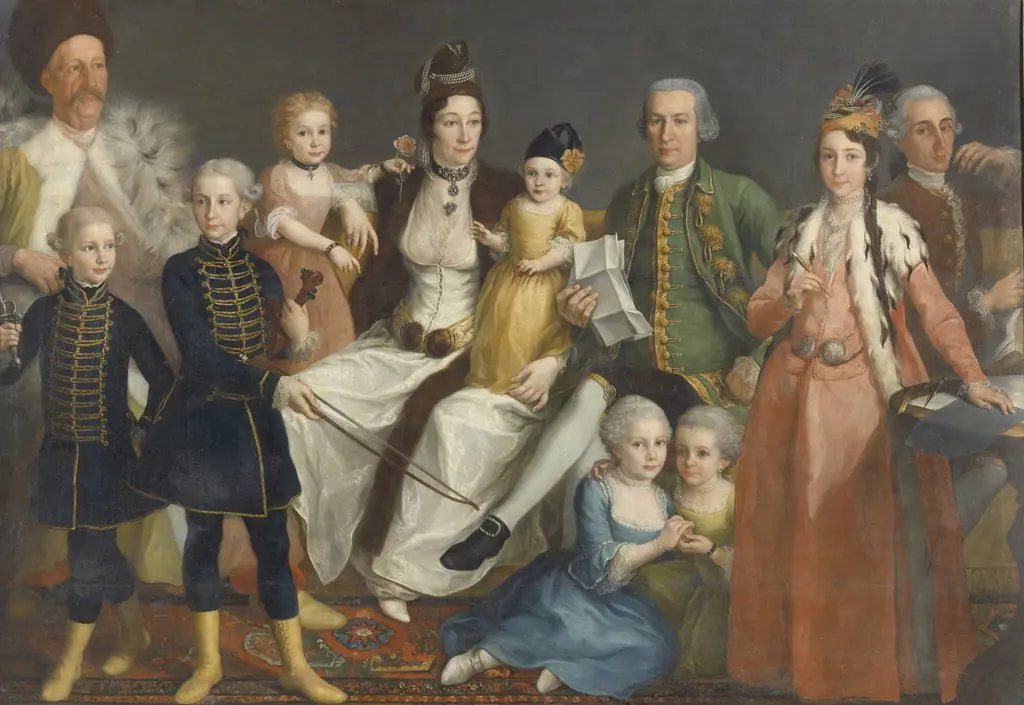 Portrait of David George van Lennep, Chief Merchant of the Dutch Factory at Smyrna (Izmir) and his Wife and Children
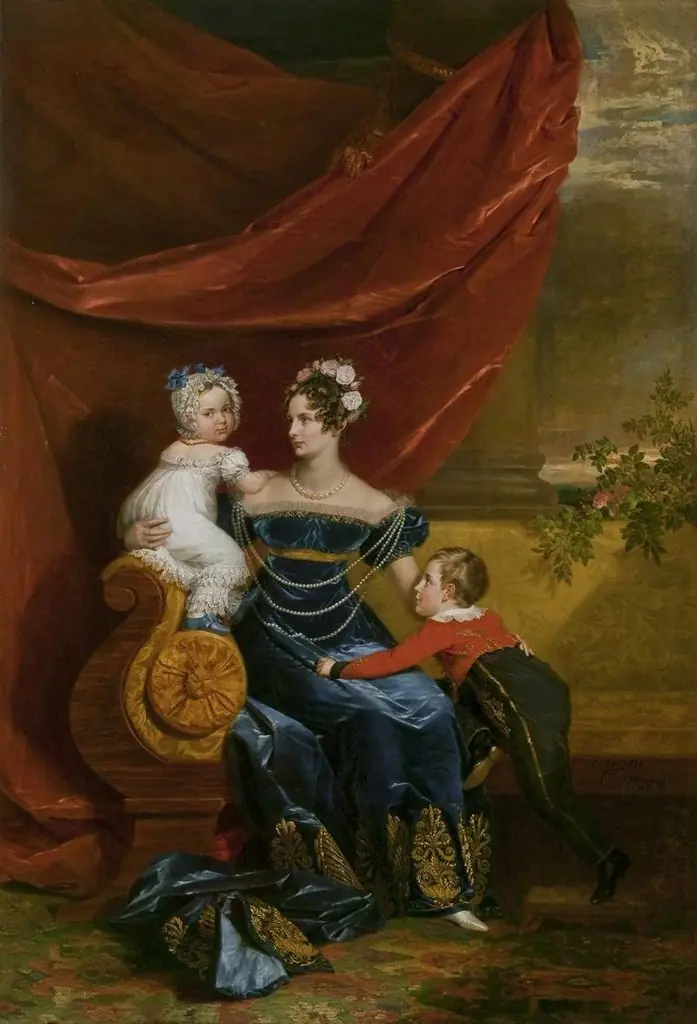 Portrait of Grand Duchess Alexandra Fiodorovna with Children