Artwork
Bildnis Henriette von Crayen, geb. Leveaux
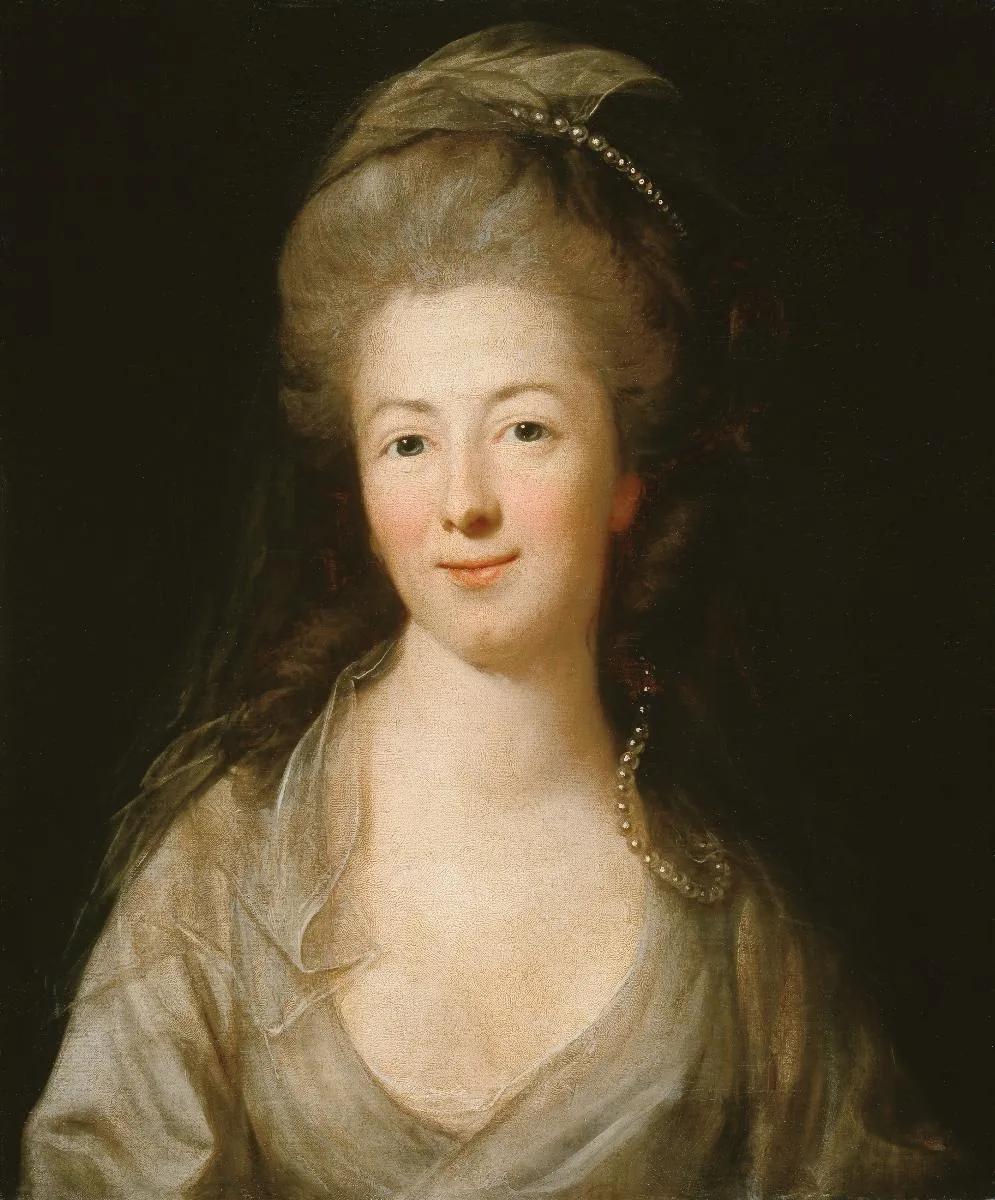
Bildnis Henriette von Crayen, geb. Leveaux is an oil painting by the Rococo painting artist Anton Graff. It dates from 1792 and is held in the collection of the Kunsthaus Zürich.
About this work
If you're interested in learning more about this style of portraiture, you might want to explore the work of artist Anton Graff.
The painting features a woman with fair skin and brown hair, adorned with a pearl headband and a pearl necklace. She wears a light-colored dress with a low neckline, and her gaze is directed towards the viewer. The background of the painting is dark, which helps to highlight the subject's features.
The woman's attire and hairstyle suggest that the painting was created in the 18th century. The use of oil paint and the style of the portrait are consistent with the artistic conventions of that time period.
If you're interested in learning more about this style of portraiture, you might want to explore the work of artist Anton Graff.
Overview
Anton Graff painted this portrait of Henriette von Crayen in 1792 using oil on canvas. A Swiss artist active in the late 18th century, Graff was known for his restrained yet expressive depictions of intellectual and aristocratic figures. The work is part of the Kunsthaus Zürich’s permanent collection, reflecting his significance in German-speaking portrait traditions of the period.
Subject & Meaning
Henriette von Crayen, born Leveaux, was a member of a prominent family connected to cultural and political circles. The portrait presents her with quiet dignity, avoiding theatricality. Her direct gaze and modest adornments suggest an emphasis on personal character rather than social display, aligning with Enlightenment ideals of individuality and restraint.
Technique & Style
Graff employed soft brushwork and subtle tonal transitions to render the sitter’s skin and fabric with naturalism. The dark, unmodeled background isolates her figure, focusing attention on her face and delicate pearl jewelry. The low neckline and loosely gathered dress reflect contemporary fashion, while the lighting enhances the quiet intimacy of the composition without overt drama.
History & Provenance
The painting remained within the Crayen family until entering the Kunsthaus Zürich’s collection. Its documented history is consistent with Graff’s practice of painting private commissions for elite patrons in Saxony and Switzerland. No major alterations or reworkings are recorded, preserving the original intent and condition of the portrait.
Context
In the 1790s, portraiture in German-speaking regions shifted from Baroque grandeur toward understated elegance. Graff’s approach, influenced by French and English models, emphasized psychological presence over ornament. This portrait reflects that transition, capturing a woman of refinement within a cultural moment that valued clarity and sincerity over aristocratic spectacle.
Legacy
Graff’s portraits, including this one, helped define a distinct style of Neoclassical portraiture in Central Europe. His ability to convey character through minimal gesture and precise observation influenced later artists. The painting remains a key example of how private commissions contributed to the evolution of 18th-century visual culture beyond courtly traditions.
Artist & collection
Artist
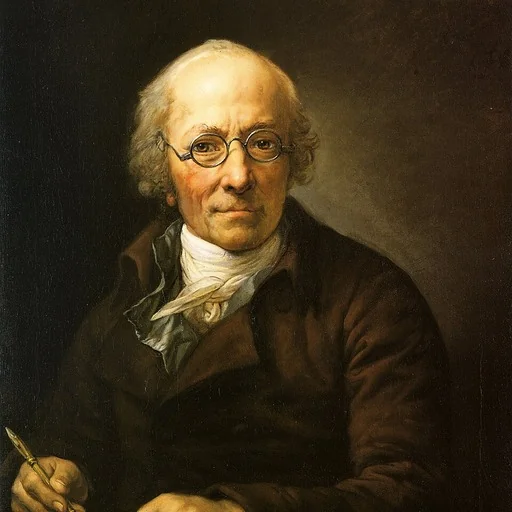
Anton Graff (18 November 1736 – 22 June 1813) was a Swiss portrait artist. Among his famous subjects were Friedrich Schiller, Christoph Willibald Gluck, Heinrich von Kleist, Frederick the Great, Friederike Sophie…

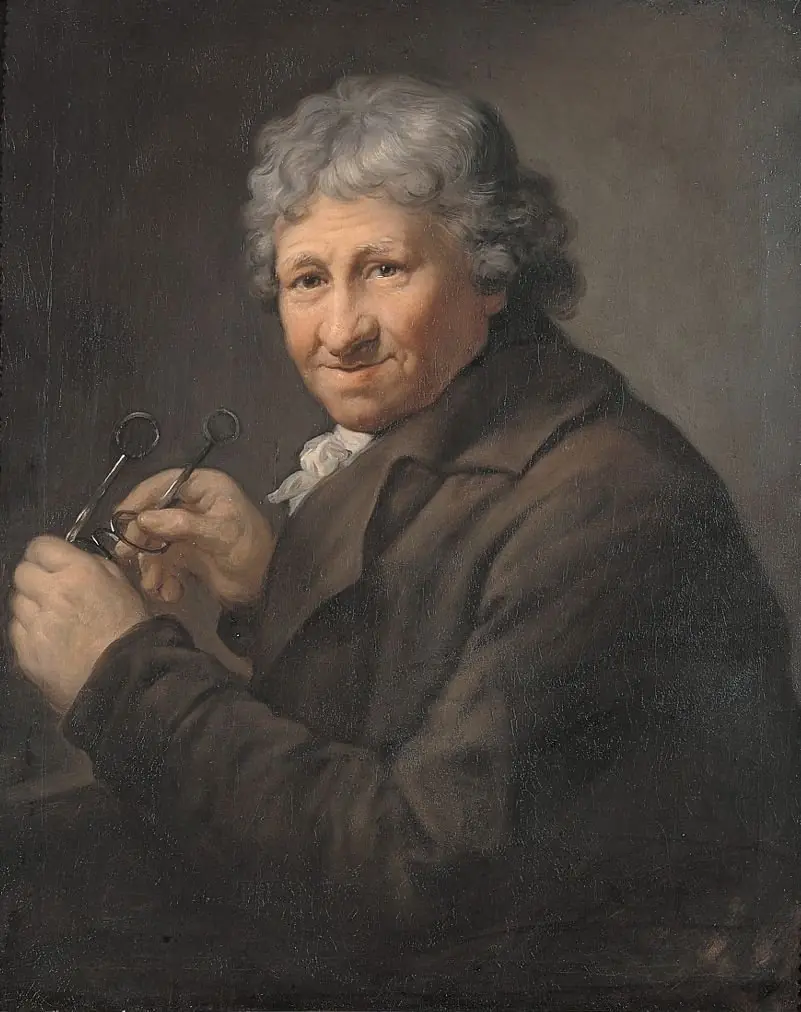 Daniel Chodowiecki
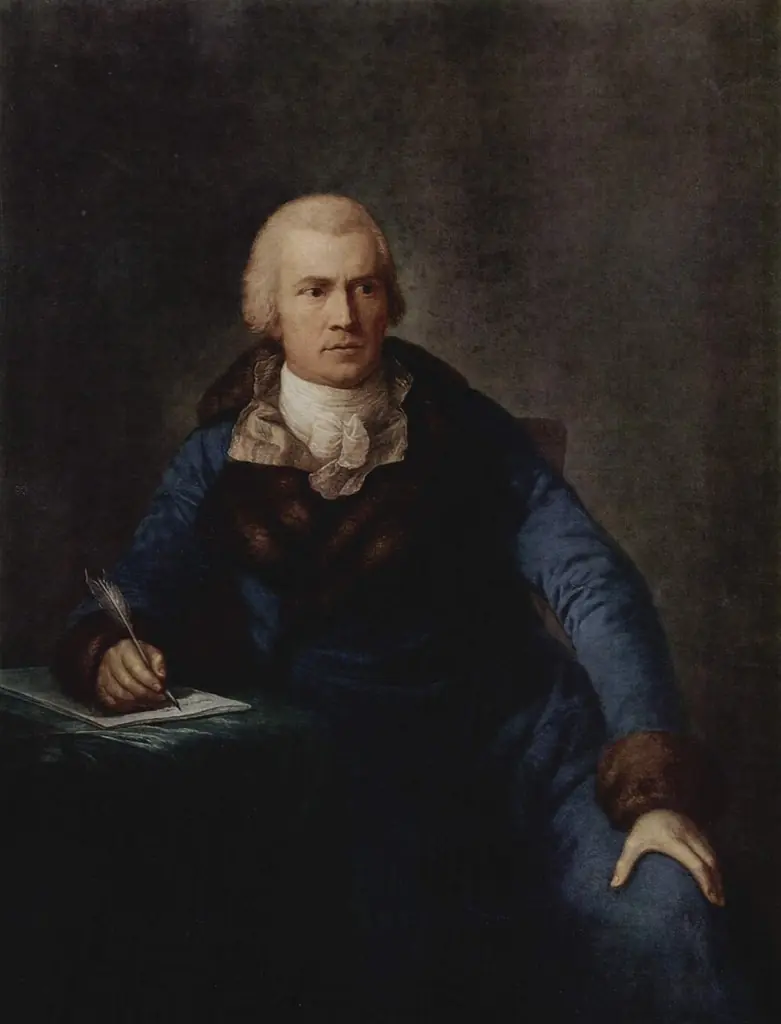 Portrait of a Man
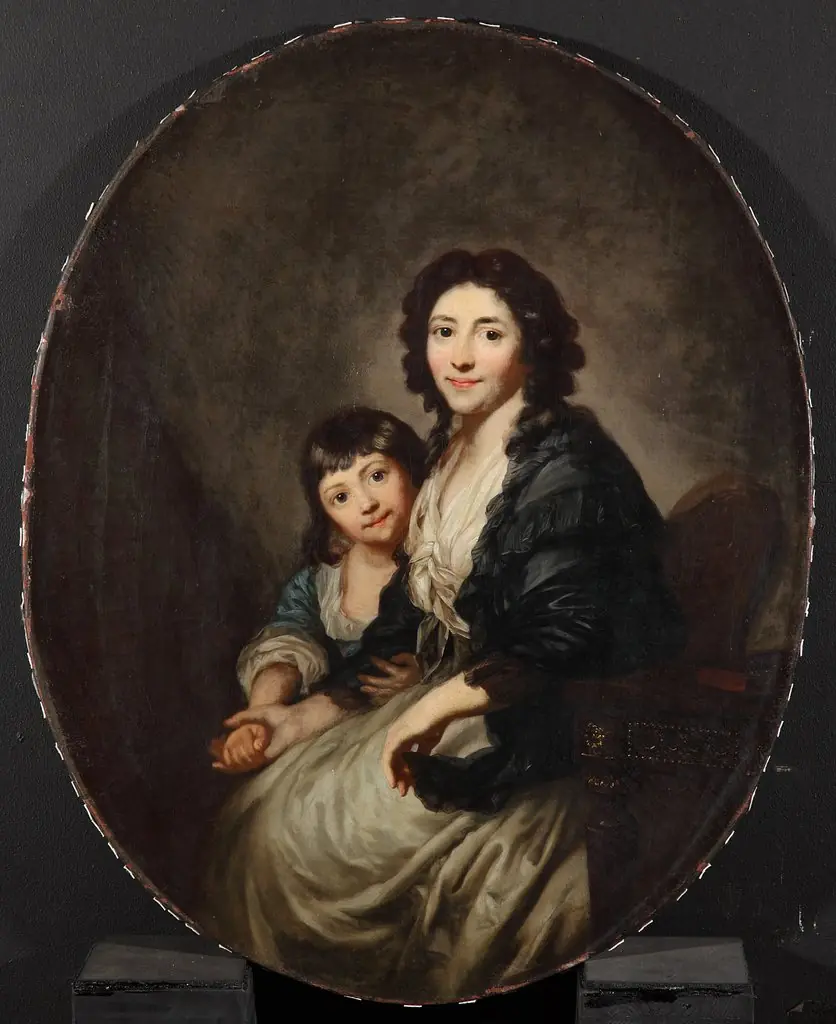 Elizabeth Sophia Augusta Graff, born Sulzer (1753-1812) and her Daughter Caroline Susanne (1781-1828)
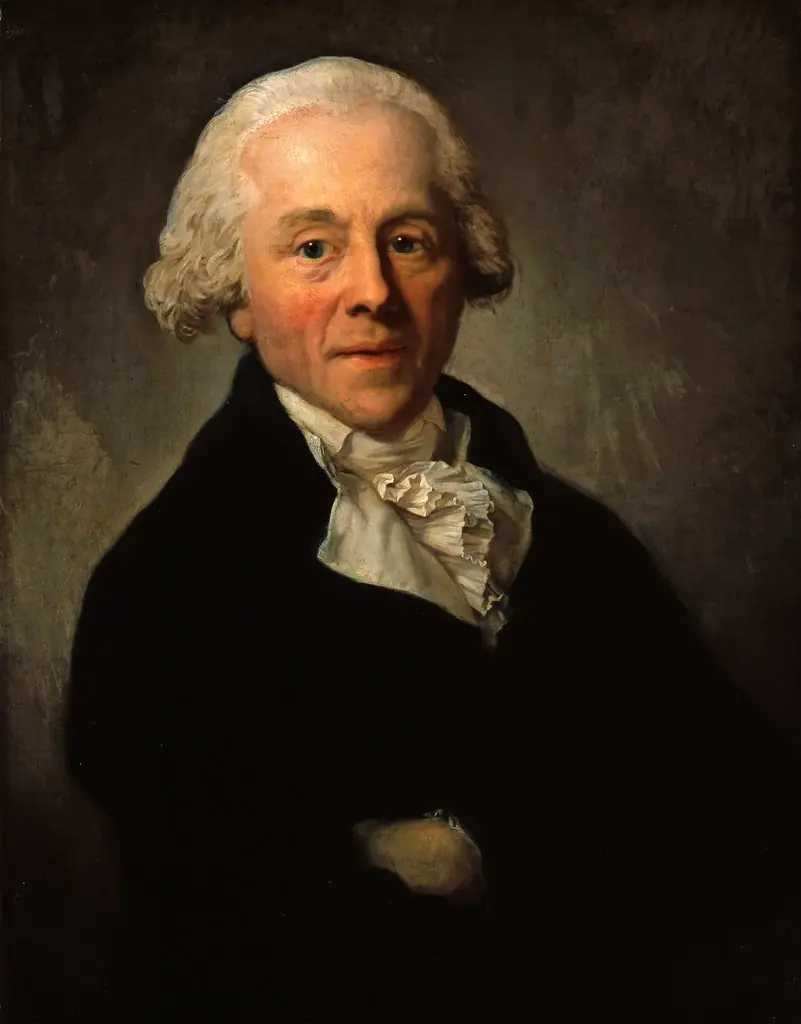 Friedrich Ludolf Hansen (1738-1803)
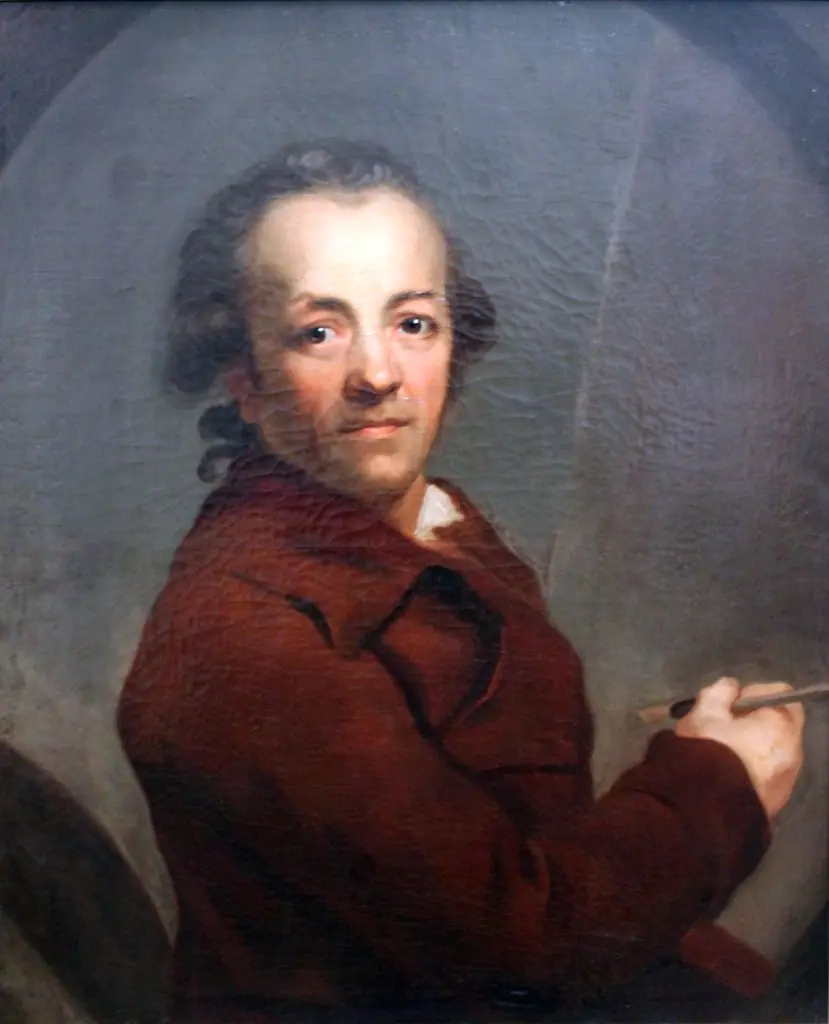 Self-portrait
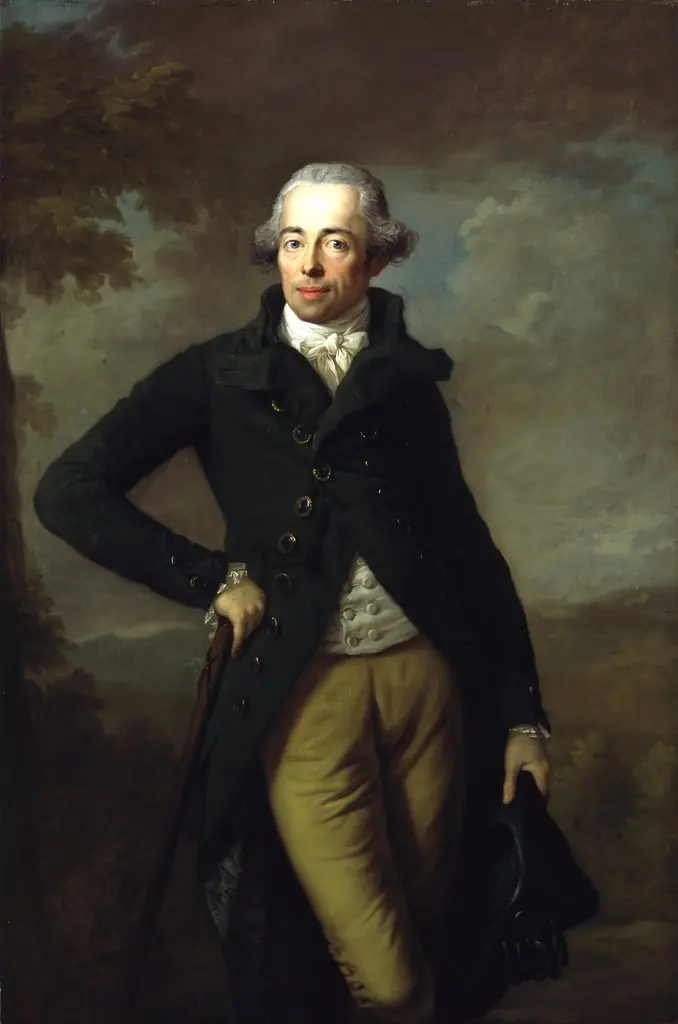 Heinrich XIV. Reuss Elder Line (Reuß ältere Linie) (1749-1799)
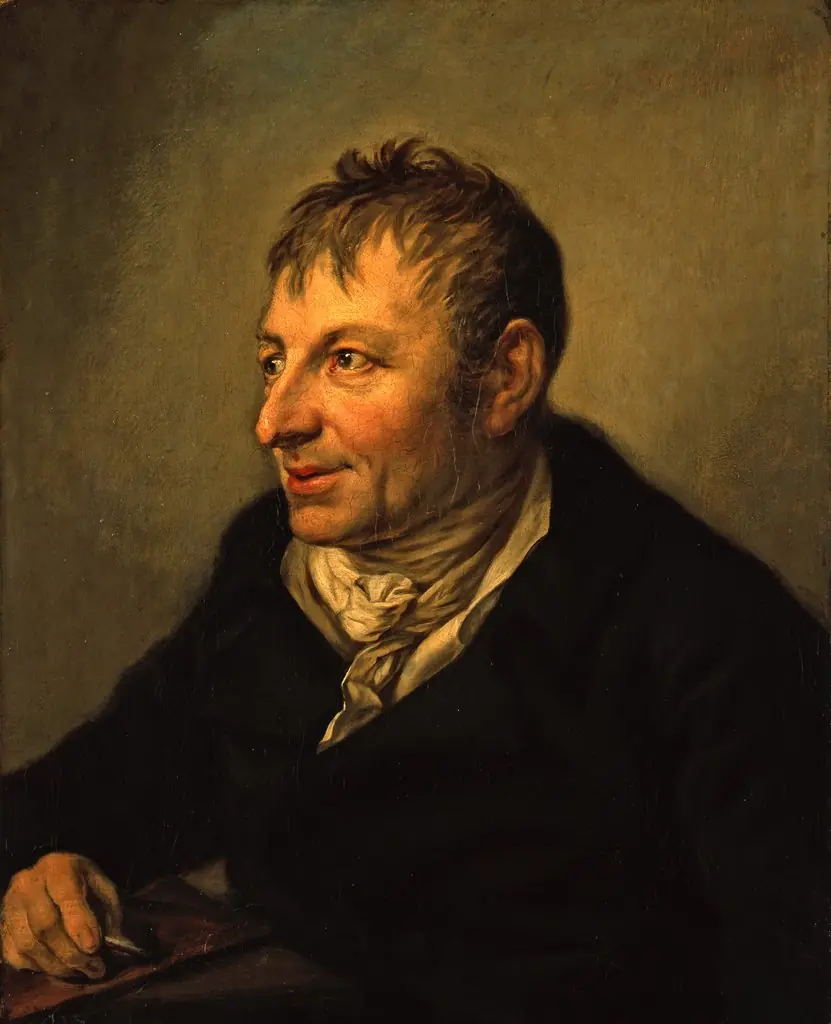 Portrait and History Painter Carl Friedrich Demiani (1768-1828)
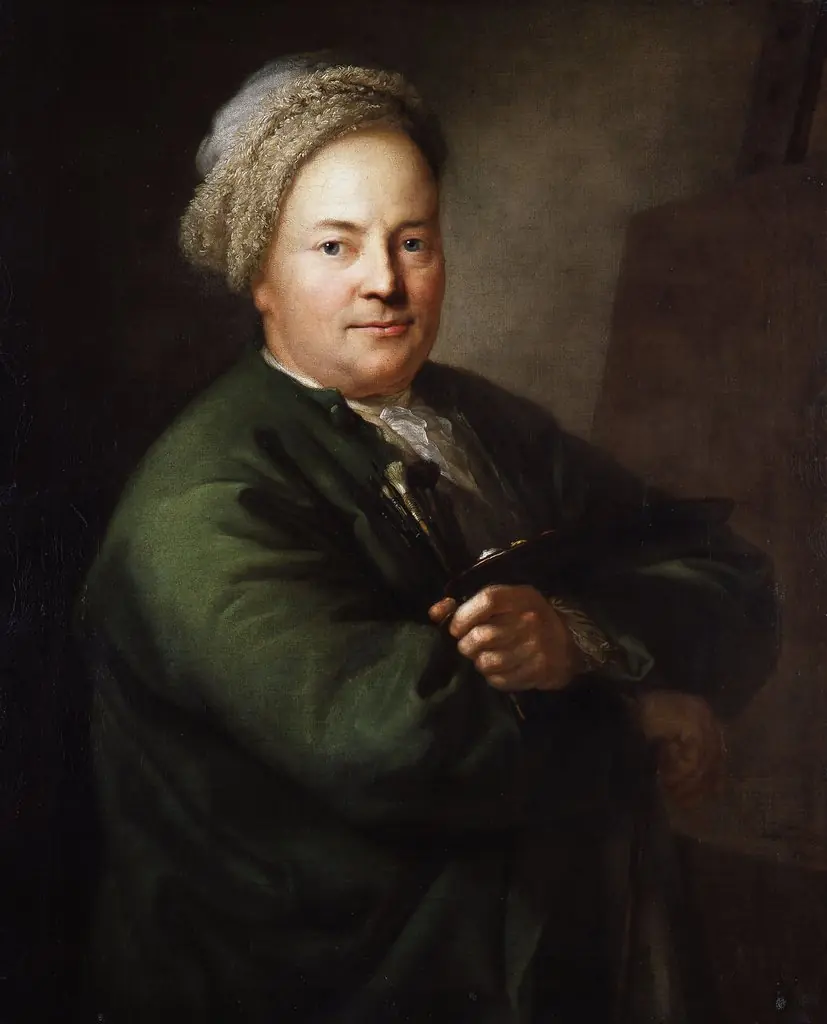 The Painter Christian Wilhelm Ernst Dietrich (1712-1774)
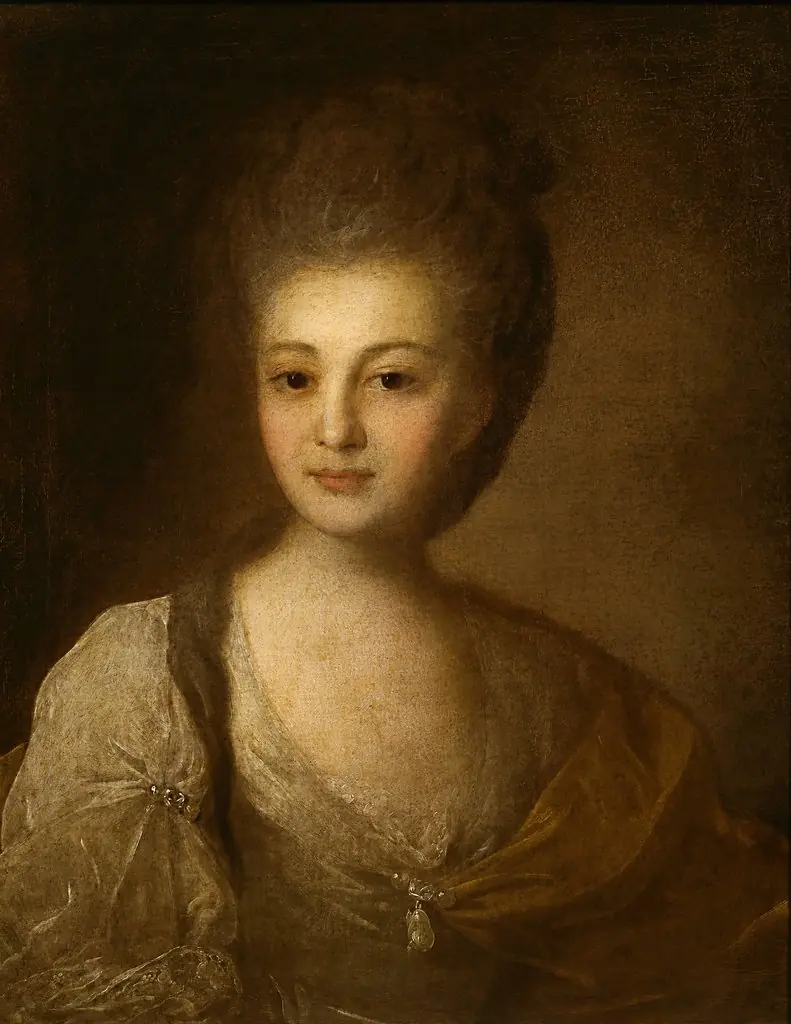 Portrait of A.P.Struiskaya
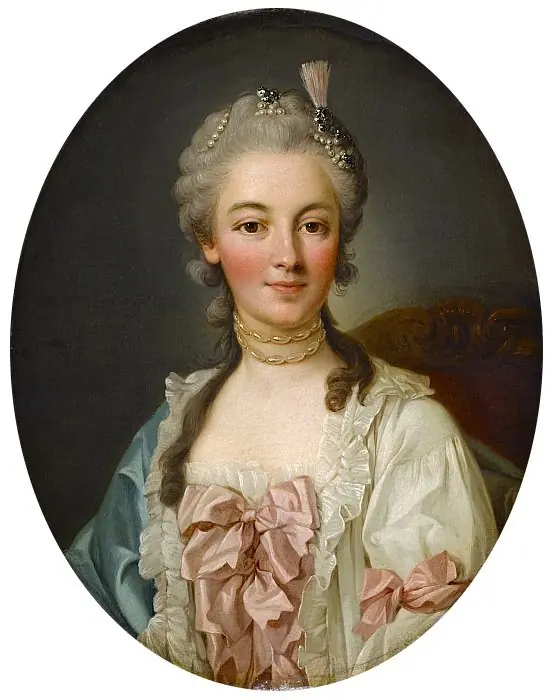 Countess Teresa Kinska Poniatowska
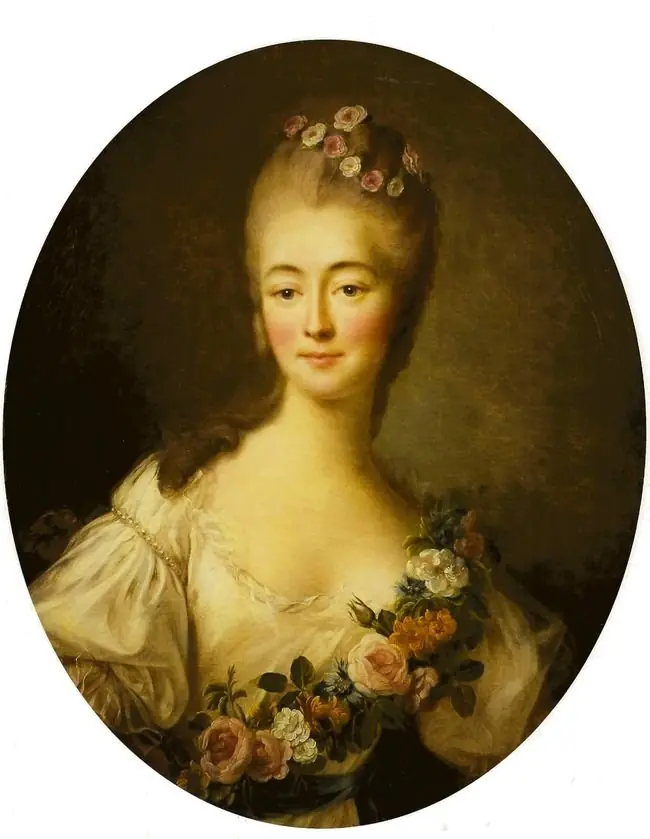 Portrait of the Countess Du Barry as Flora
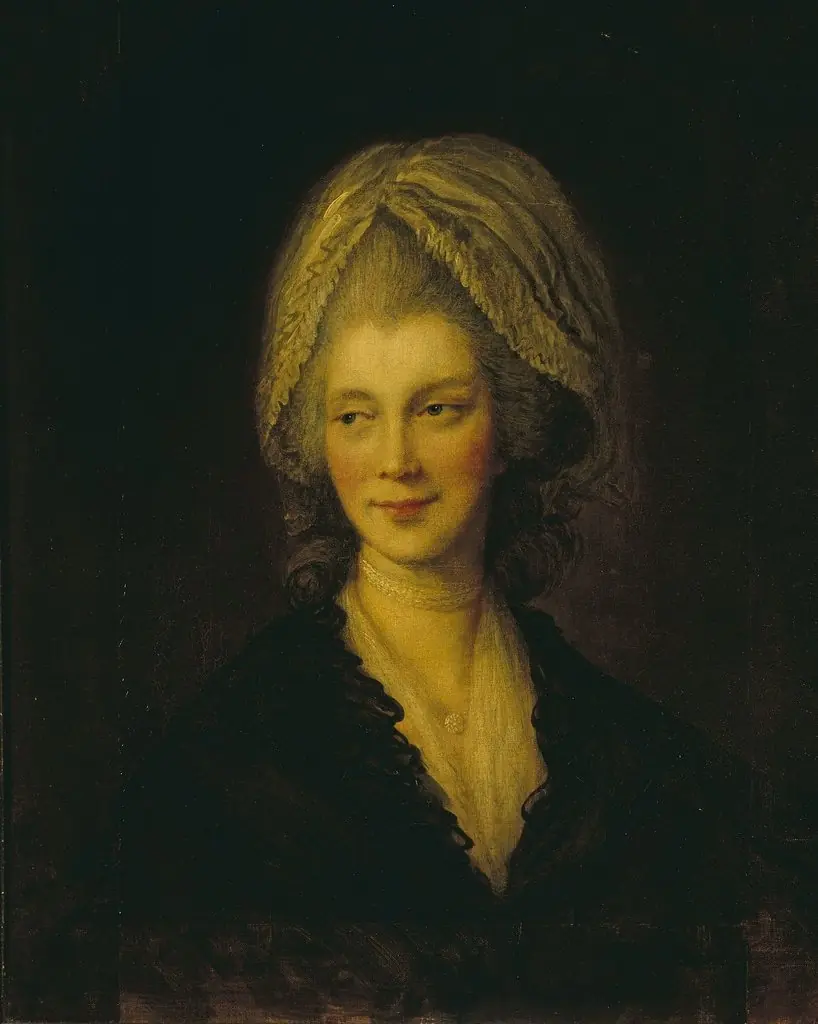 Queen Charlotte
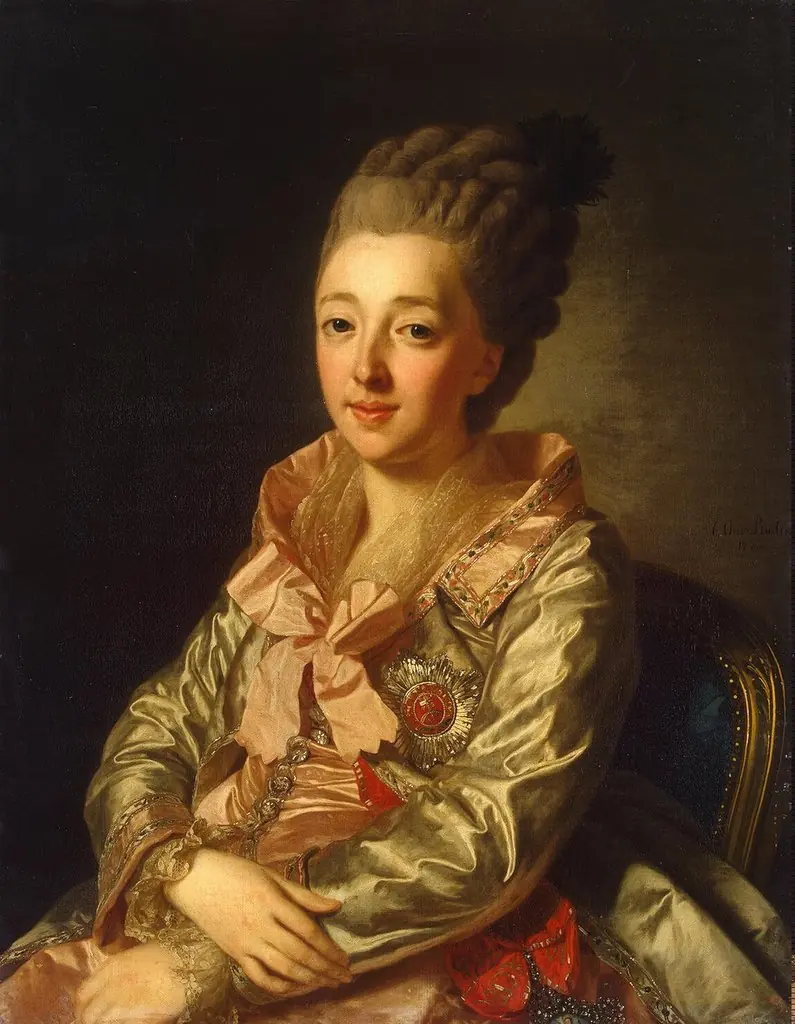 Portrait of Grand Duchess Natalia Alexeyevna
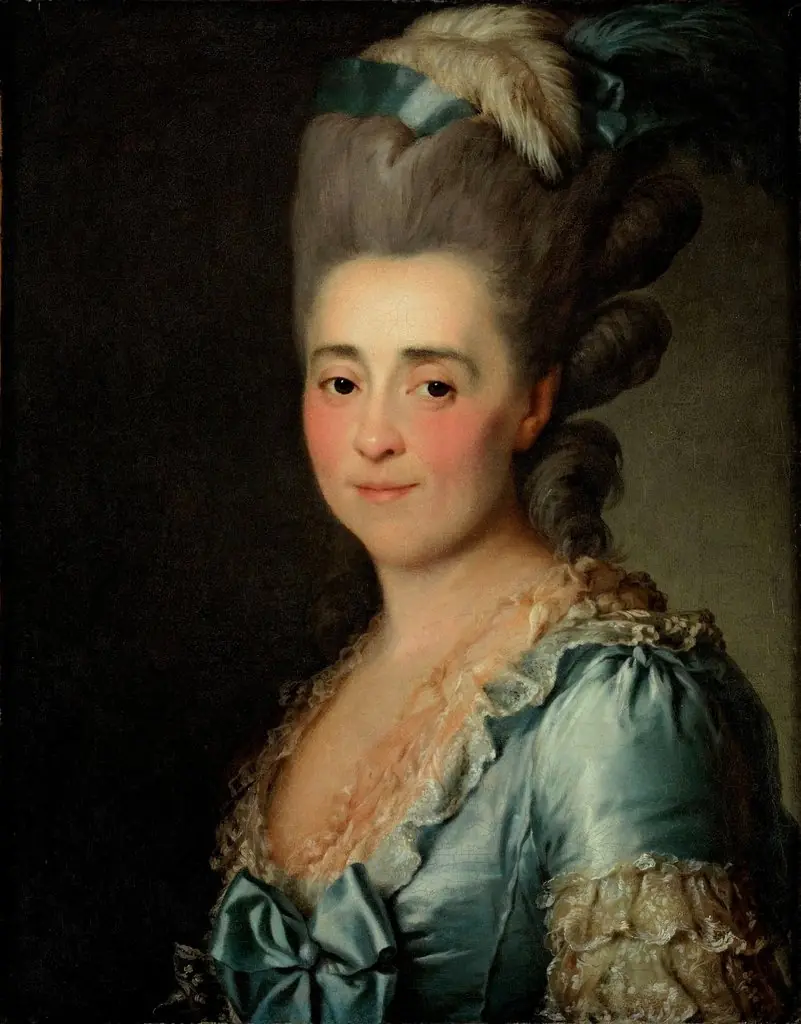 Portrait of Natalia Saltikova (1742-1782)
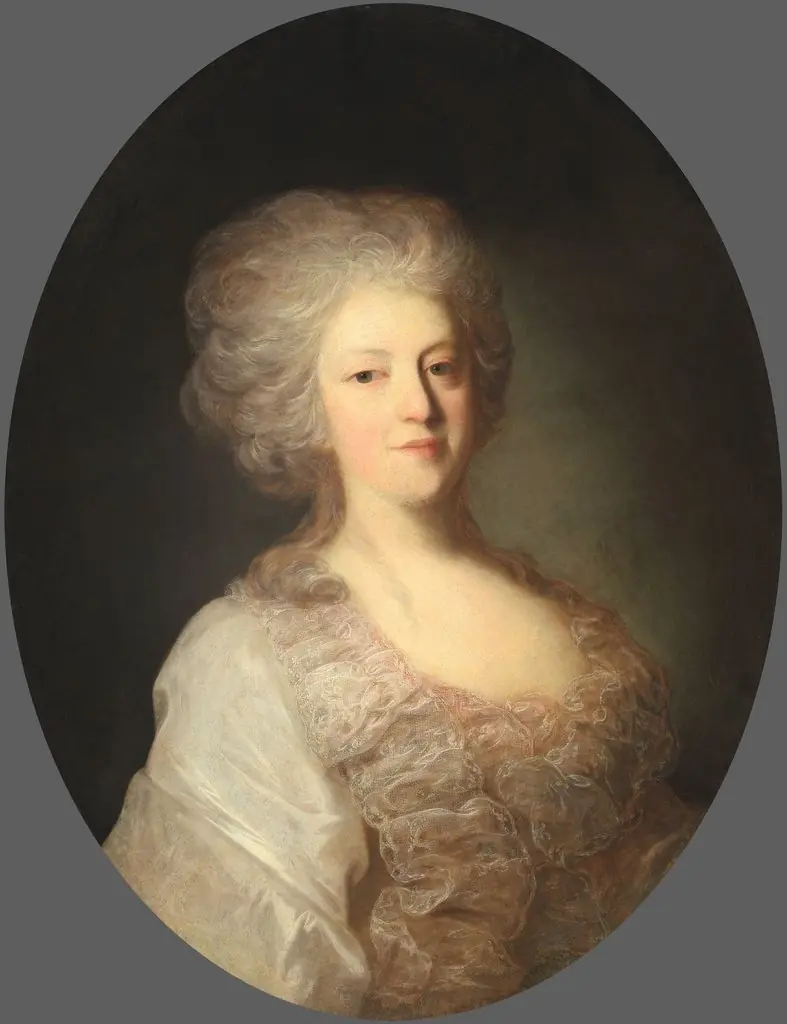 Porträt der Praskovya Lanskaya
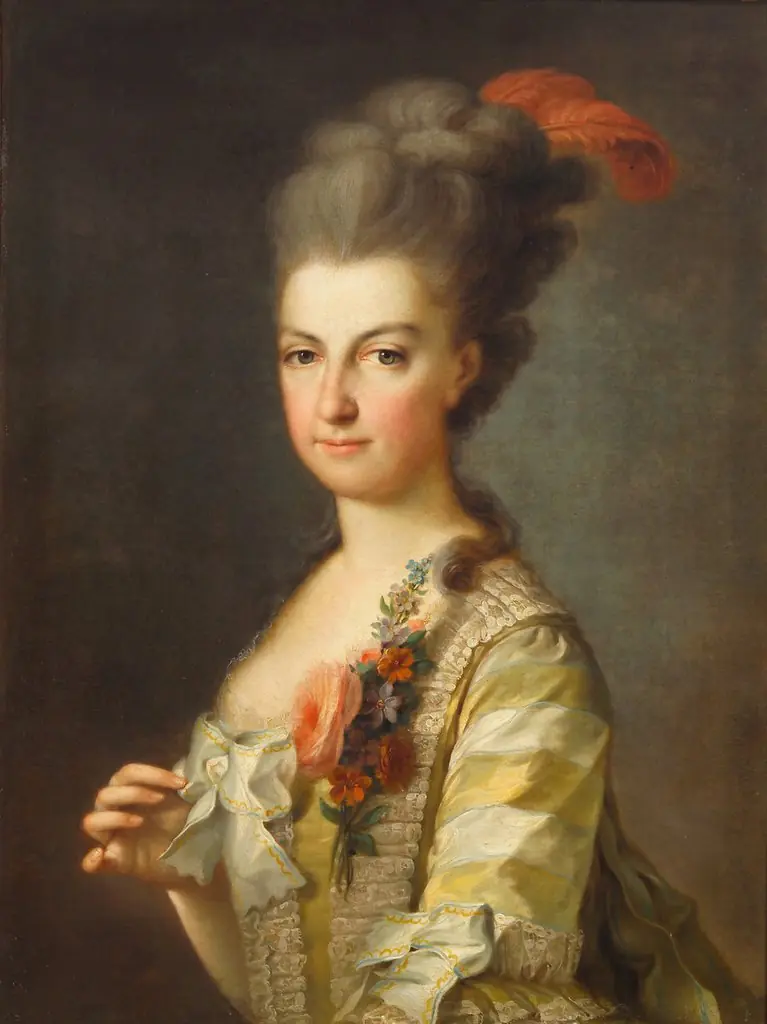 Erzherzogin Maria Christine (1742-1798), Herzogin von Sachsen - Teschen, in gestreiftem Seidenkleid, Halbfigur
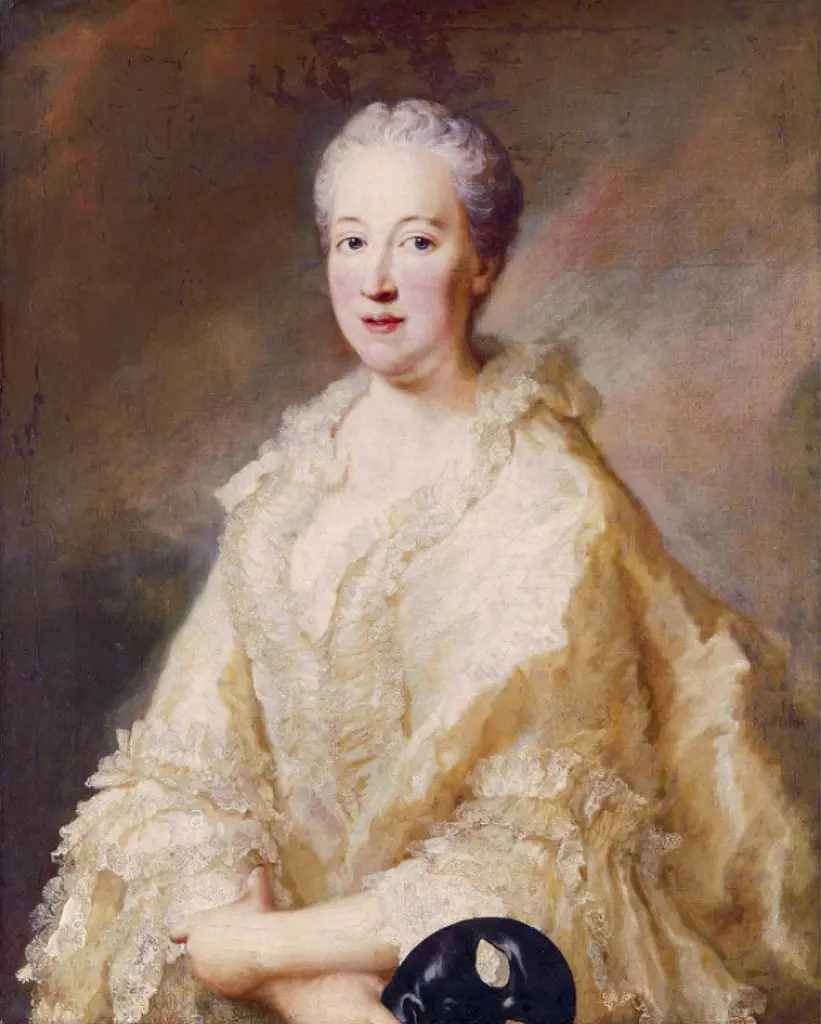 Portrait of Countess Palatine Maria Anna of Sulzbach (1722-1790)
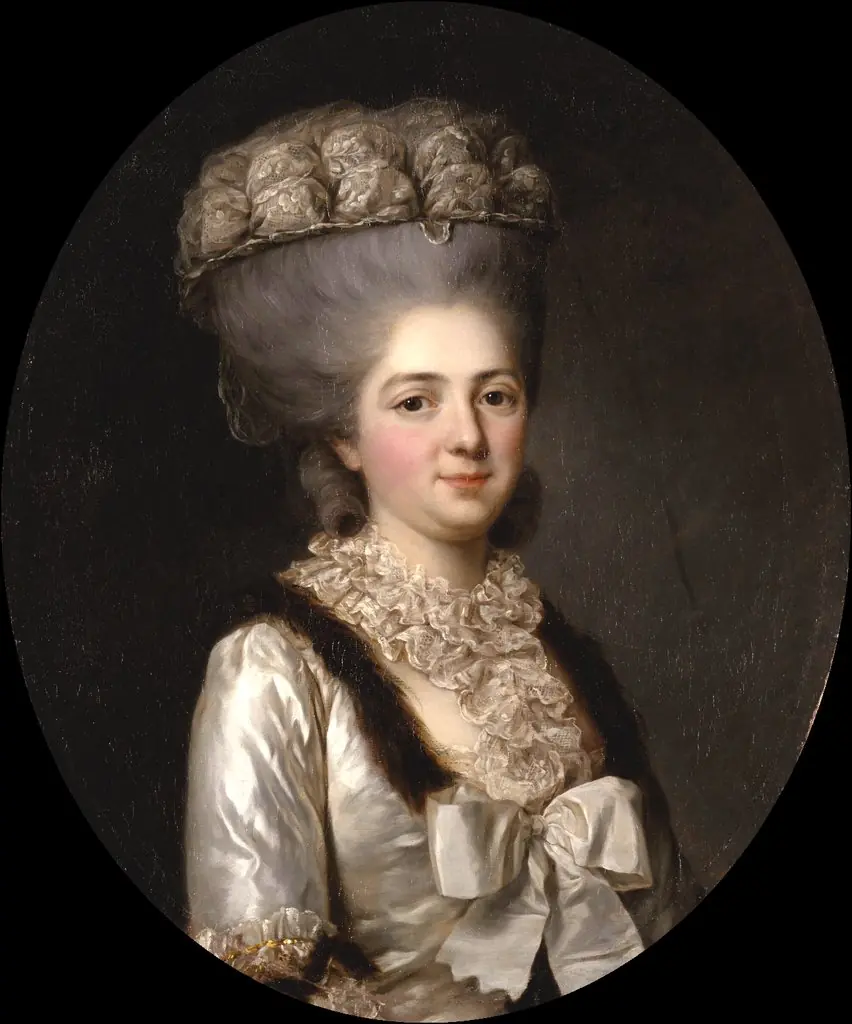 Marie-Louise-Thérèse-Victoire de France, dite Madame Victoire (1733-1799)
 Marie-Adélaïde de France, dite Madame Adélaïde
 Jeanne Bécu, Comtesse du Barry