Artwork
The saxon Electoral Councilor of War Johann Gottlieb von Leyser (around 1698-1780)
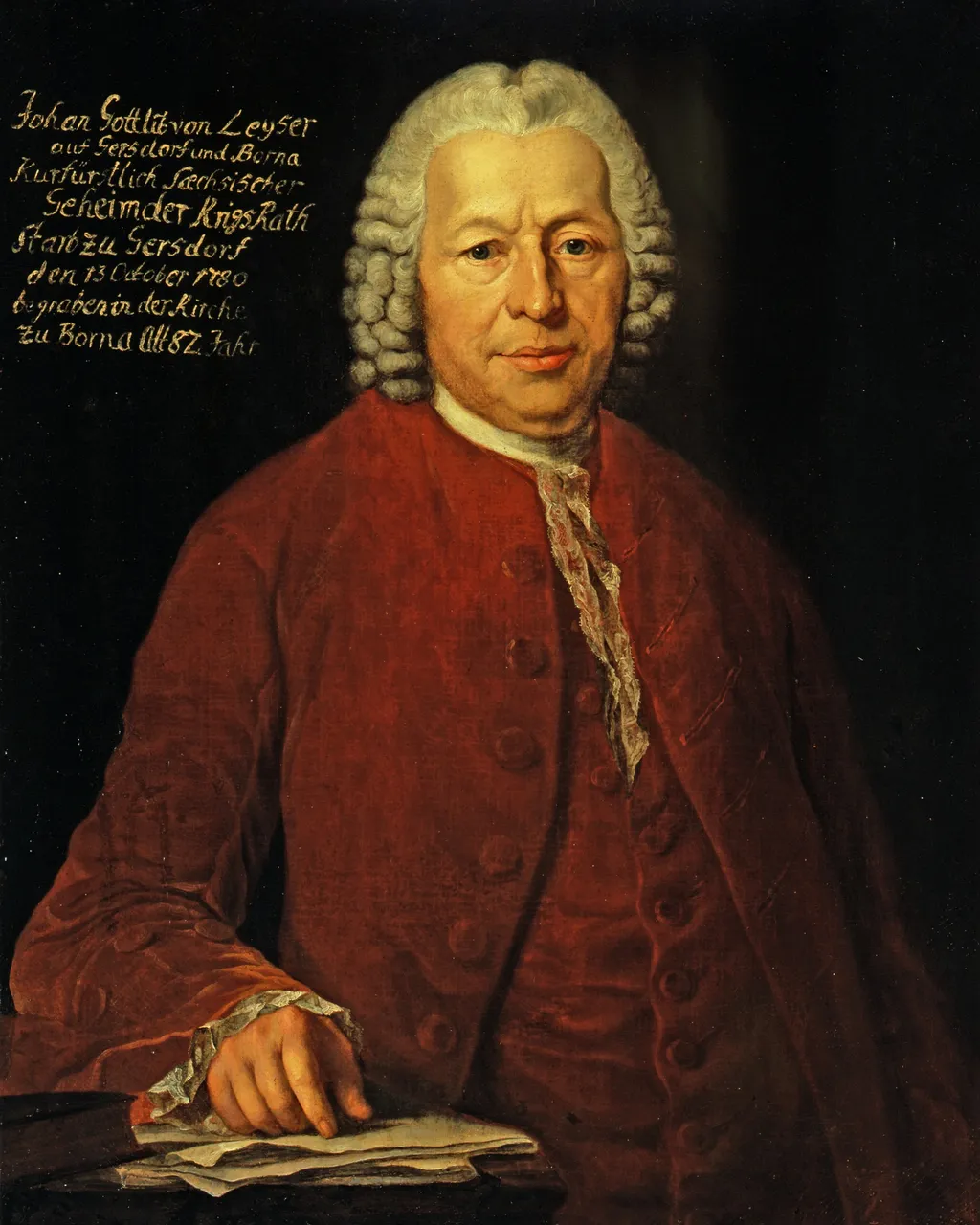
The saxon Electoral Councilor of War Johann Gottlieb von Leyser (around 1698-1780) is an oil painting by the Rococo painting artist Anton Graff. It dates from 1770 and is held in the collection of the Gemäldegalerie Berlin.
About this work
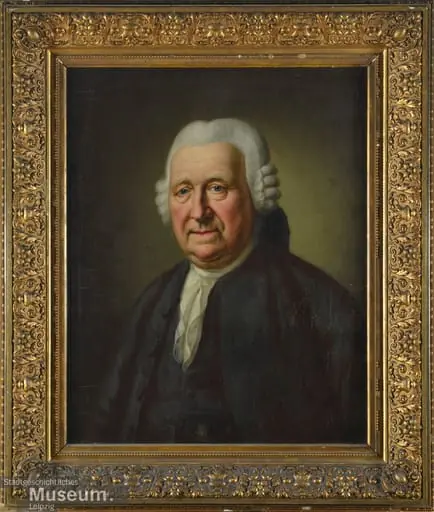
The painting depicts a man with white hair, wearing a red jacket and a white lace-trimmed shirt. He is seated at a table with papers in front of him. The background of the painting is dark.
The man's attire and hairstyle suggest that he is from the 18th century. The papers on the table may indicate that he is a scholar or a writer.
This painting is held at the Gemäldegalerie Berlin.
Overview
Executed in oil on canvas, the work reflects Graff’s precision in rendering character through subtle expression and restrained composition.
Anton Graff painted Johann Gottlieb von Leyser in 1770, capturing the Saxon military administrator in a formal portrait. Executed in oil on canvas, the work reflects Graff’s precision in rendering character through subtle expression and restrained composition. Unlike grand historical scenes, this piece focuses on the individual’s presence, aligning with 18th-century trends in portraiture that emphasized personal dignity over theatricality.
Subject & Meaning
Johann Gottlieb von Leyser served as Electoral Councilor of War for Saxony, a role tied to military logistics and state administration. The painting presents him seated at a desk, surrounded by documents, suggesting his engagement with official duties. His white hair and composed posture convey experience and authority, while the absence of military regalia shifts focus from rank to intellectual responsibility, framing him as a statesman rather than a commander.
Technique & Style
Graff employed a muted palette dominated by dark tones, allowing the subject’s white hair and red jacket to stand out with quiet intensity. The brushwork is precise yet unobtrusive, emphasizing texture in fabric and skin without ornamentation. The background recedes into shadow, eliminating distractions and directing attention to the figure’s thoughtful expression and the papers before him, characteristic of Graff’s restrained, psychologically attuned style.
History & Provenance
The portrait entered the collection of the Gemäldegalerie Berlin in the 19th century, following the absorption of Saxon aristocratic holdings into state museums. Its provenance traces back to von Leyser’s family or official residences in Dresden, where he held office. The painting’s survival through political upheavals reflects its status as a documented portrait of a key administrative figure in Saxony’s 18th-century governance.
Context
Painted during the late Rococo era, the portrait diverges from the period’s decorative excesses by embracing clarity and restraint. While contemporaries like Mengs favored classical idealism, Graff pursued psychological realism, influenced by Enlightenment values that prized individual merit. Von Leyser’s image thus embodies a shift in portraiture—from ceremonial display to the quiet representation of civic duty and intellectual authority.
Legacy
Graff’s portrait of von Leyser remains a representative example of his contribution to German-speaking portraiture. It influenced later artists seeking to convey character through understated realism rather than symbolic grandeur. The painting continues to be studied for its nuanced depiction of administrative life in 18th-century Saxony, offering insight into the visual culture of state service beyond the battlefield or court.
Own this work as a print
Artist & collection
Artist
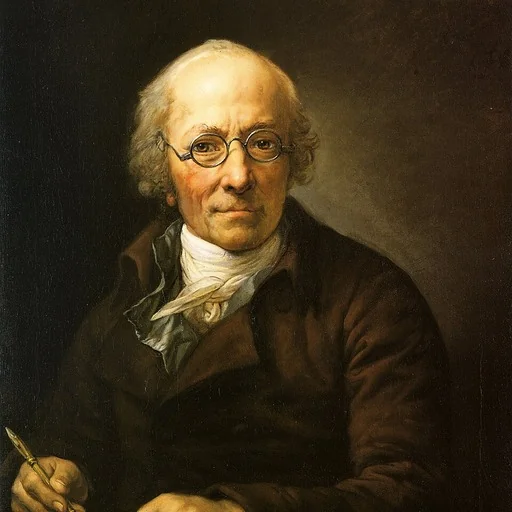
Anton Graff (18 November 1736 – 22 June 1813) was a Swiss portrait artist. Among his famous subjects were Friedrich Schiller, Christoph Willibald Gluck, Heinrich von Kleist, Frederick the Great, Friederike Sophie…

 Daniel Chodowiecki
 Portrait of a Man
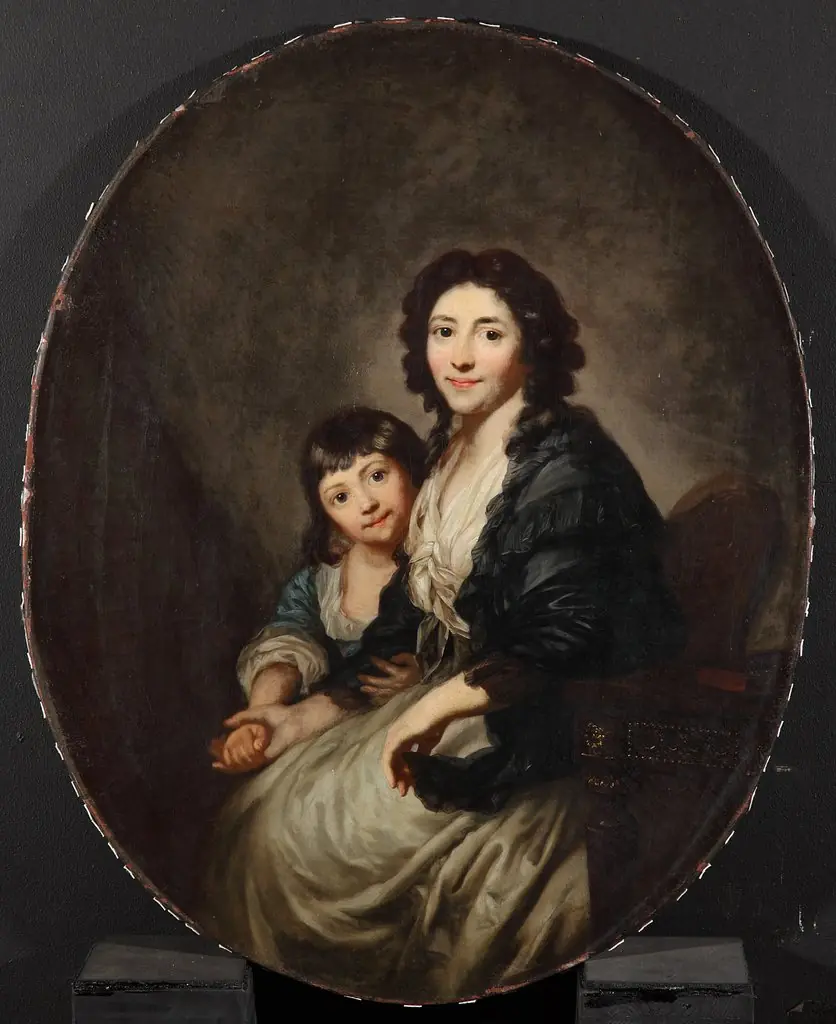 Elizabeth Sophia Augusta Graff, born Sulzer (1753-1812) and her Daughter Caroline Susanne (1781-1828)
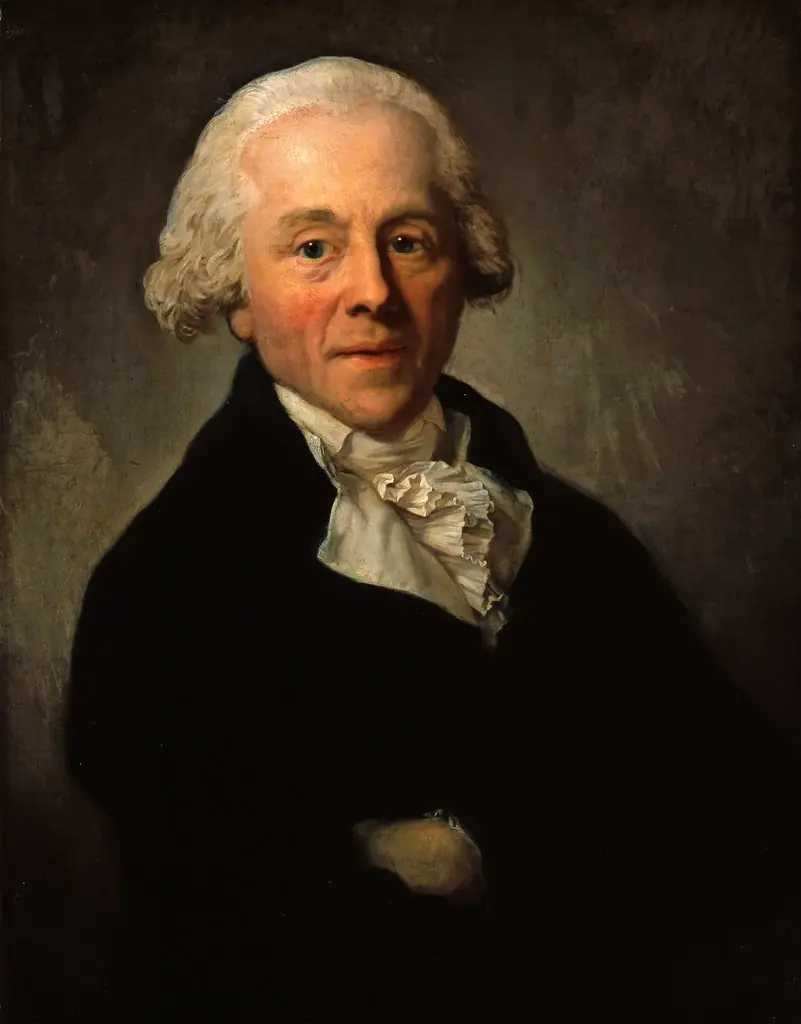 Friedrich Ludolf Hansen (1738-1803)
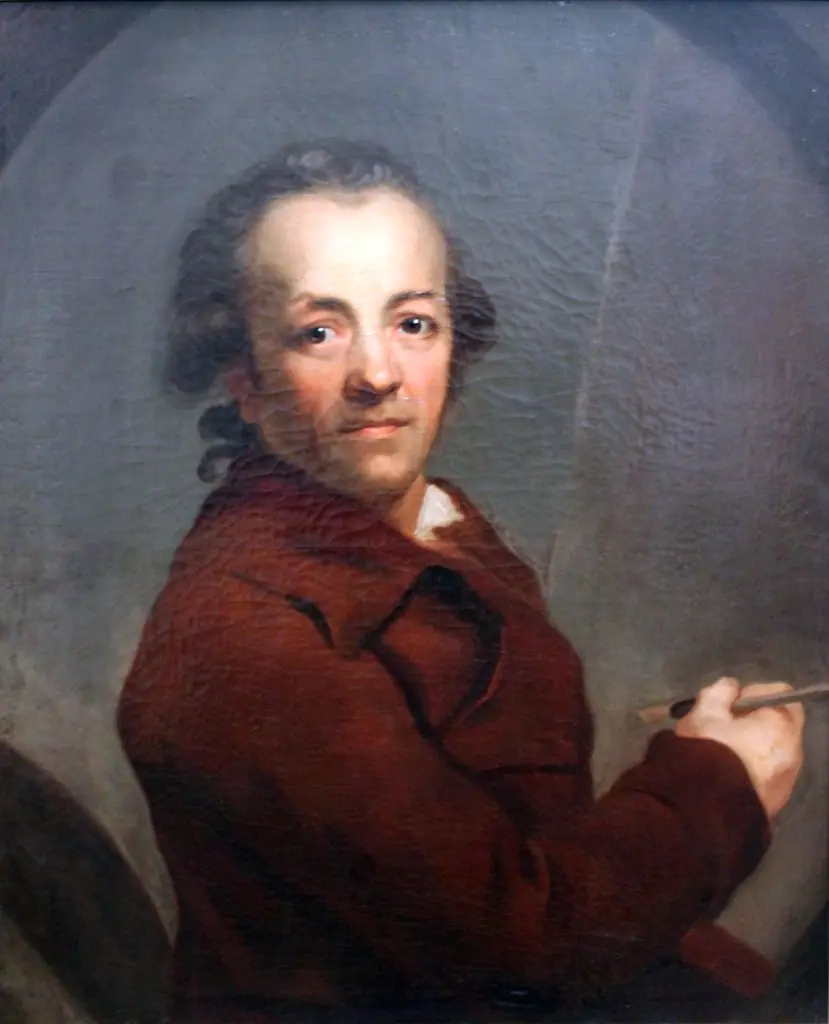 Self-portrait
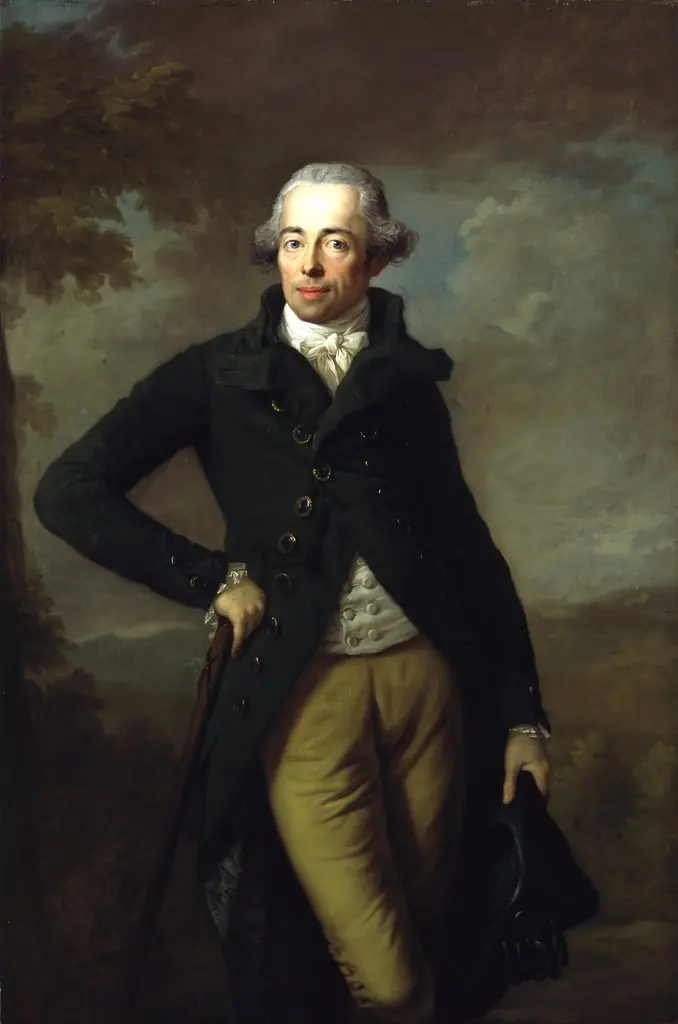 Heinrich XIV. Reuss Elder Line (Reuß ältere Linie) (1749-1799)
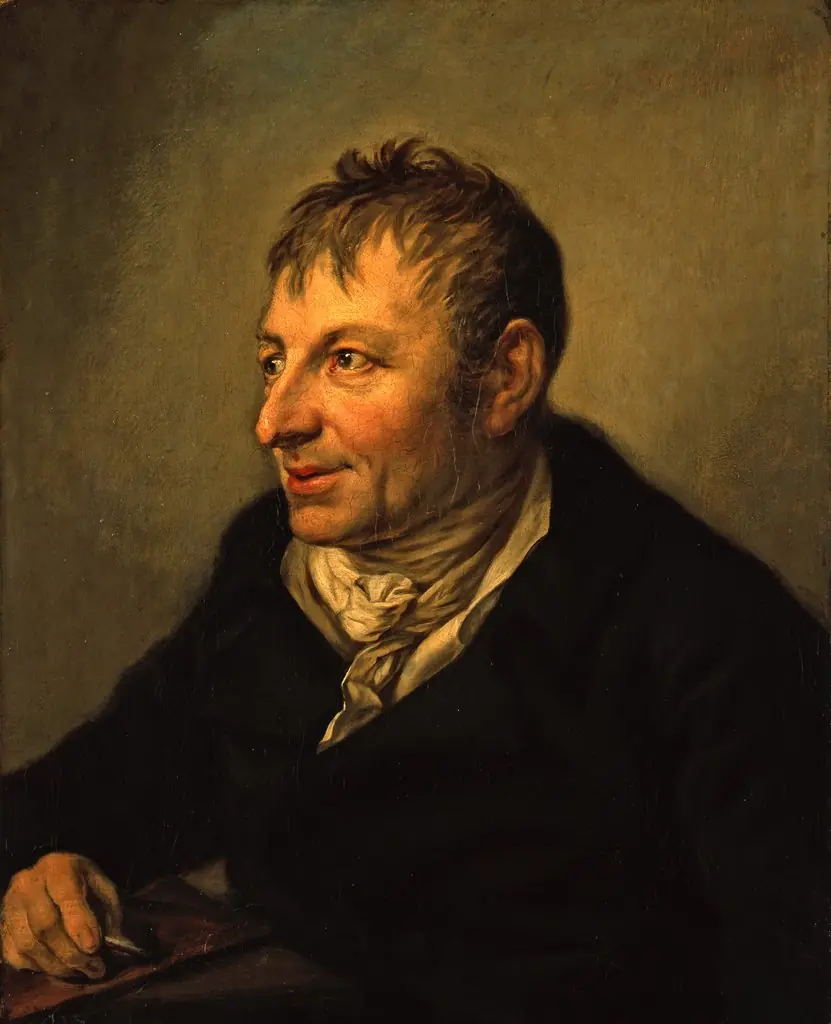 Portrait and History Painter Carl Friedrich Demiani (1768-1828)
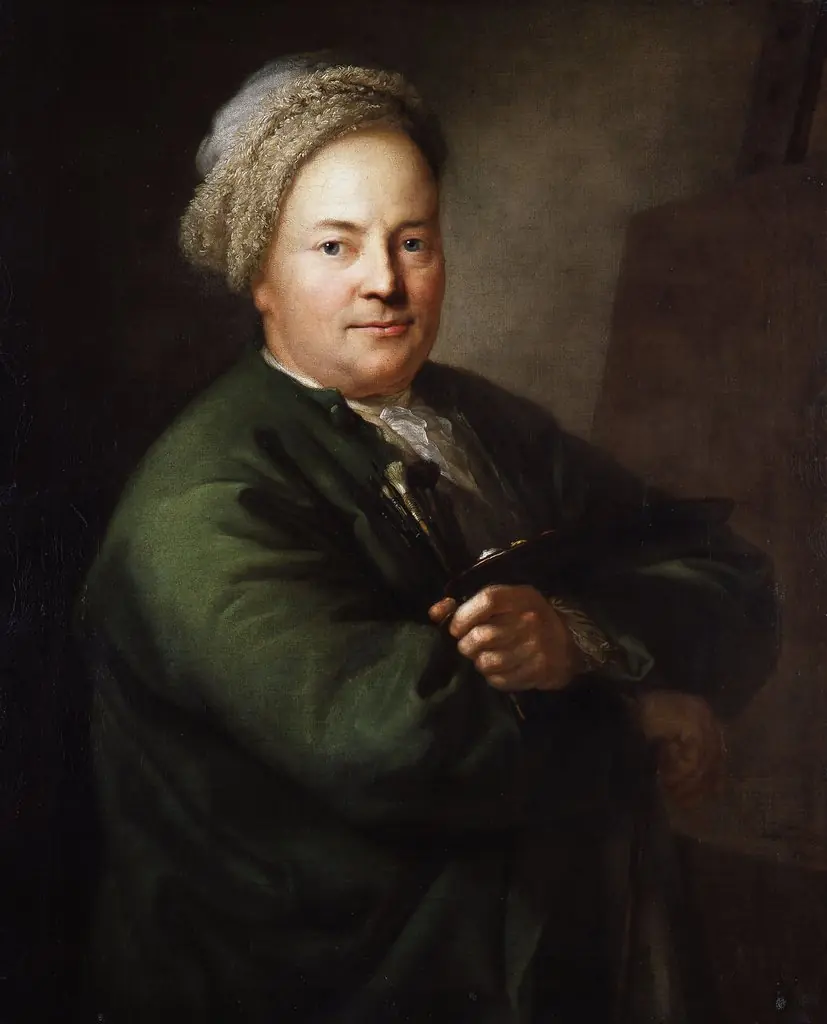 The Painter Christian Wilhelm Ernst Dietrich (1712-1774)
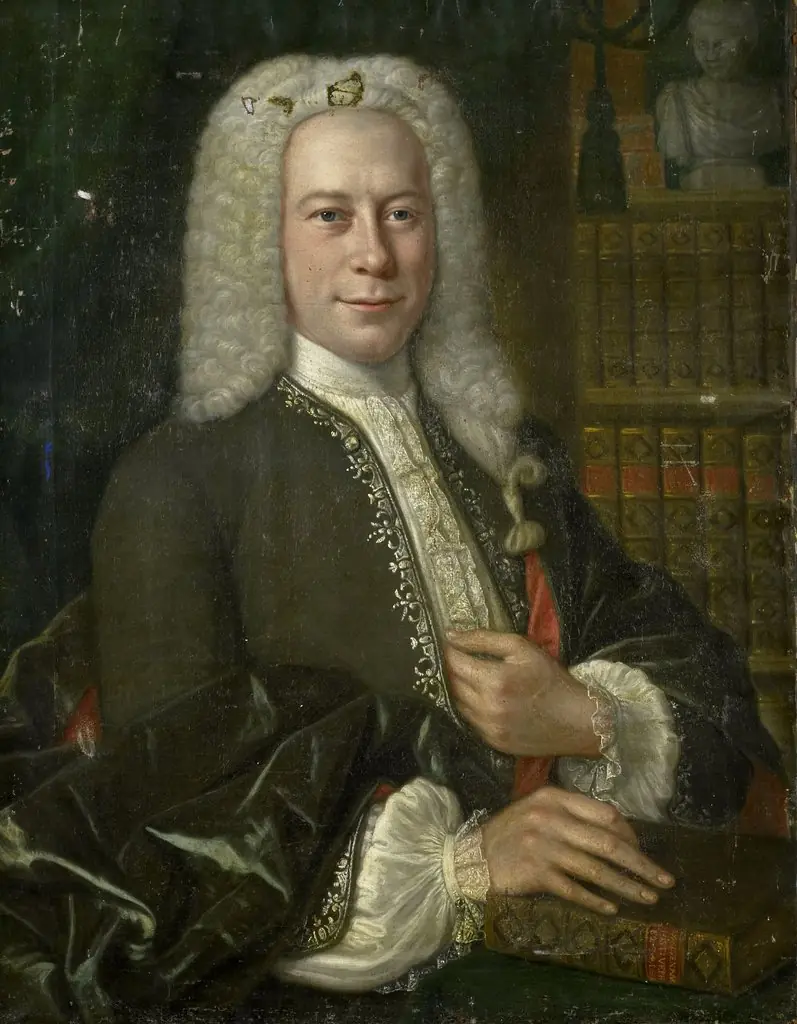 Portrait of an Historian
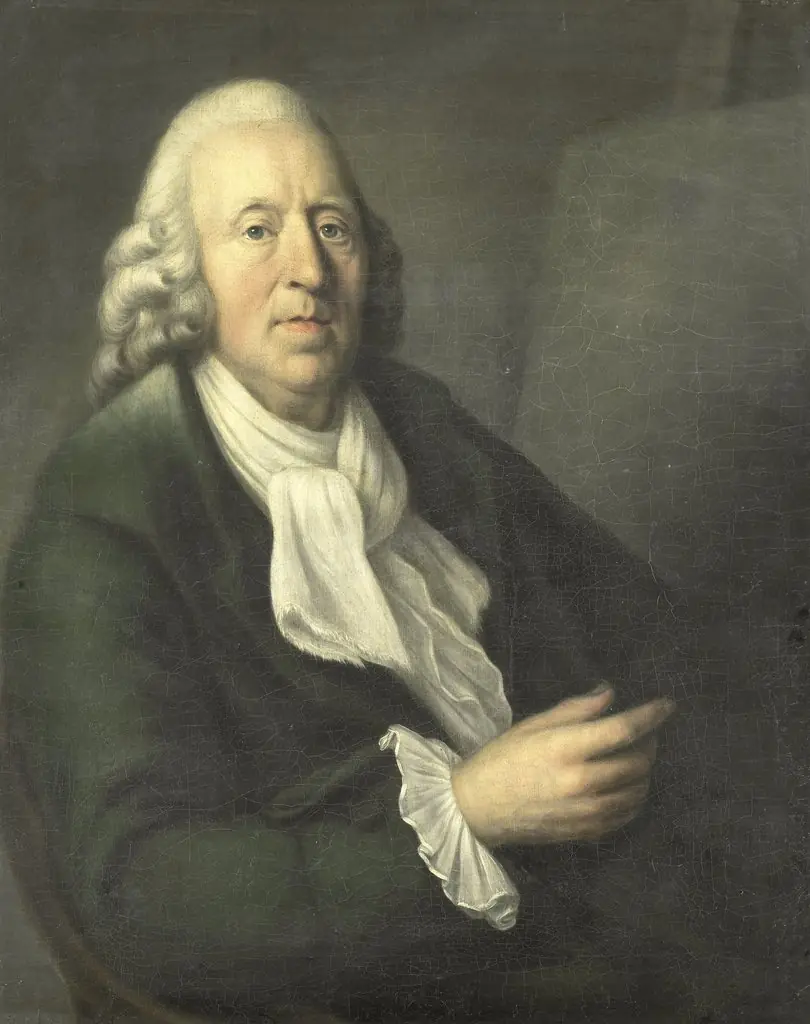 Self Portrait at approximately 60 years of age
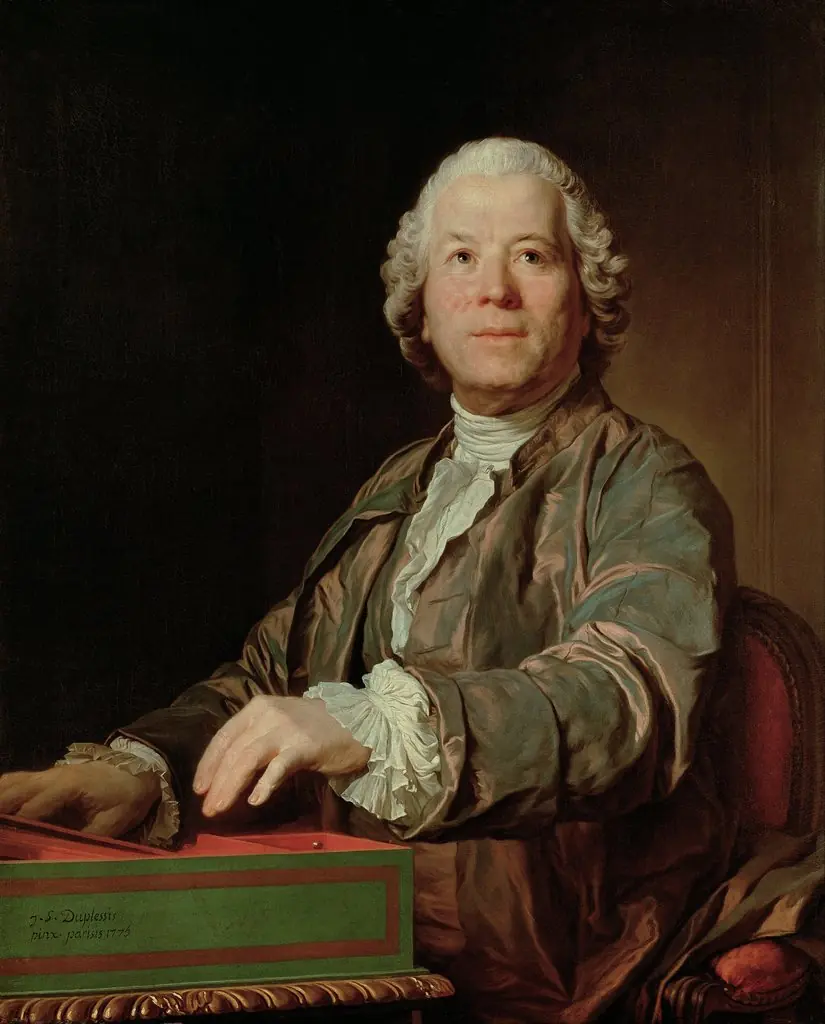 Cristoph Wilibald von Gluck at the Spinet
 Self-Portrait
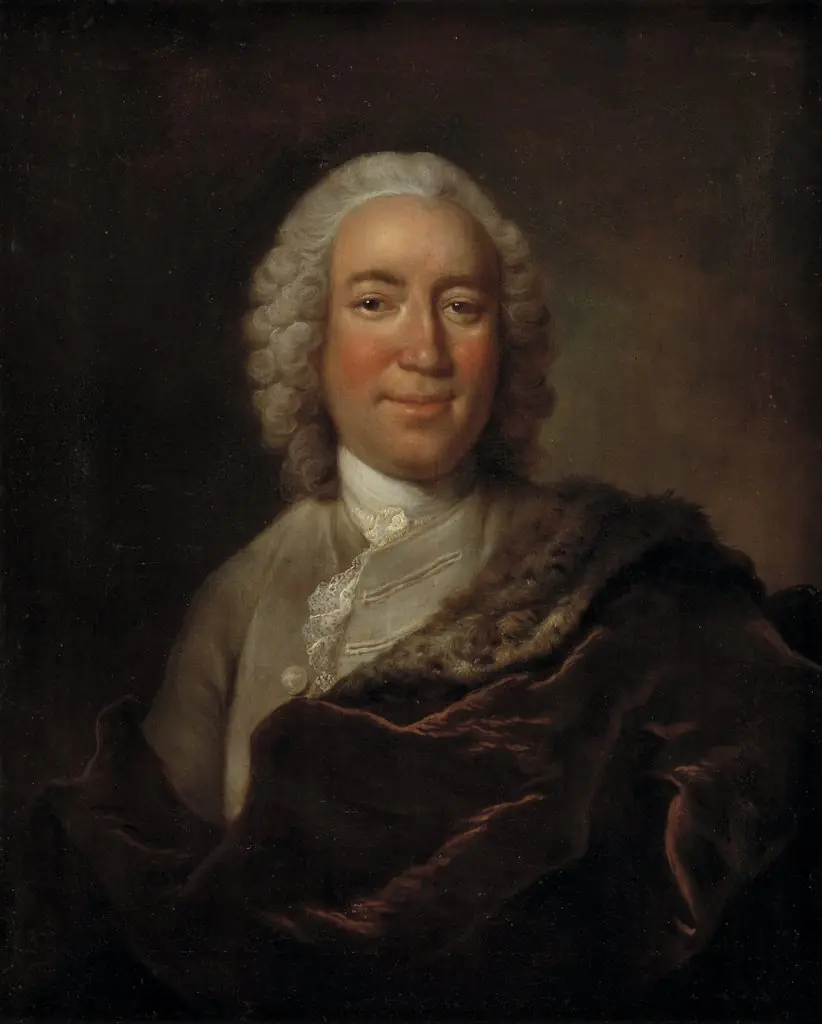 Gerhard Morell, Keeper of the Royal Danish Kunstkammer
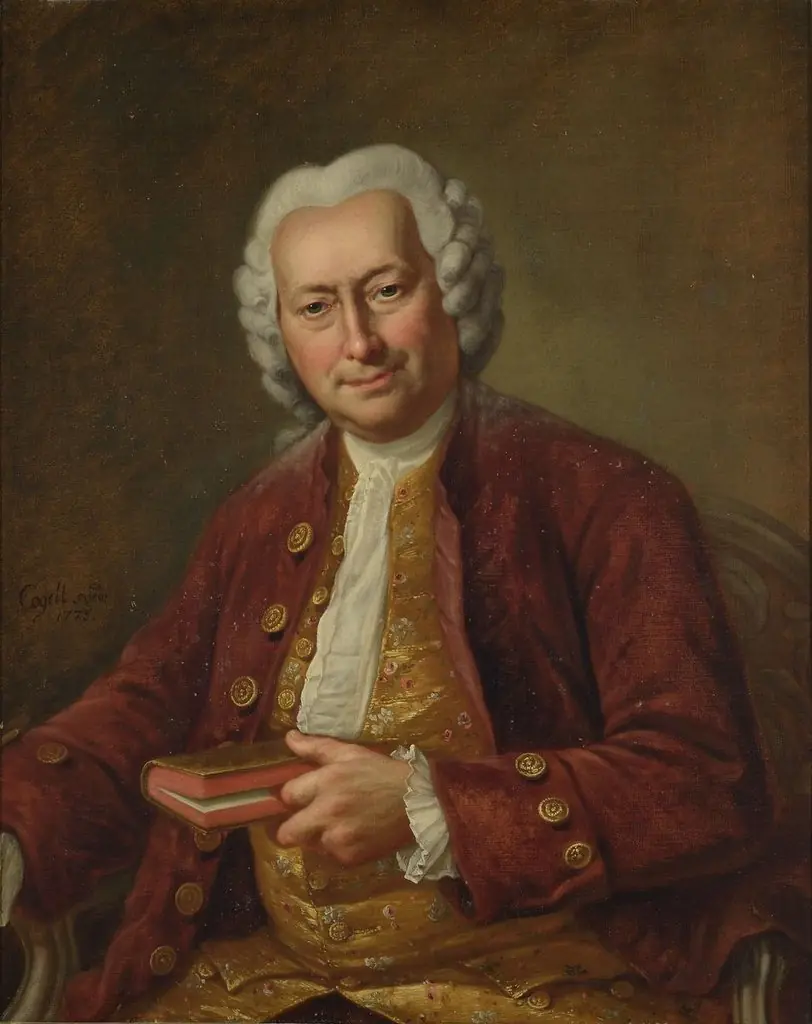 Claude Jacob
 The Sculptor Jacques-François-Joseph Saly
 Self-Portrait
 Valtiomies Georg Heinrich von Görtz
 Portrait of Andrei Vasilyev
 Isaac de Peyster (?)
 Painting