Artwork
Charlotta Fredrika Sparre (1719-1795), g von Fersen, överhovmästarinna
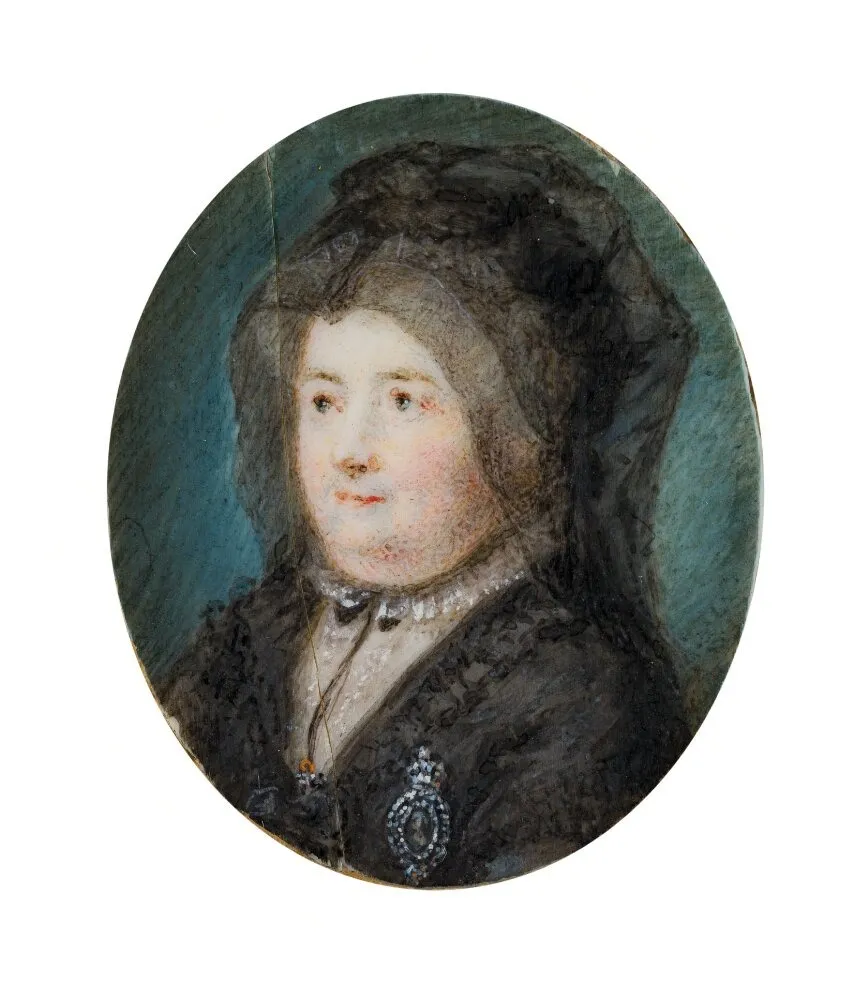
Charlotta Fredrika Sparre (1719-1795), g von Fersen, överhovmästarinna is an unspecified painting by Anton Ulrik Berndes. It dates from 1800 and is held in the collection of the Nationalmuseum.
About this work
Overview
Painted in 1800 by Anton Ulrik Berndes, it reflects the formal conventions of aristocratic portraiture in late 18th-century Sweden.
This portrait depicts Charlotta Fredrika Sparre, a Swedish noblewoman who held the high-ranking court position of Mistress of the Robes to Queen Sophia Magdalena. Painted in 1800 by Anton Ulrik Berndes, it reflects the formal conventions of aristocratic portraiture in late 18th-century Sweden. Berndes, primarily known for miniatures and printmaking, applied his precision to this oil painting, capturing Sparre’s dignified presence with restrained elegance.
Subject & Meaning
Sparre’s role as överhovmästarinna placed her at the center of royal ceremonial life, overseeing the queen’s wardrobe and courtly rituals. The portrait emphasizes her authority through somber attire and composed demeanor. The black dress, white collar, and veil signal both mourning and status, aligning with the decorum expected of senior court officials. Her calm expression conveys poise, reinforcing her position within the rigid hierarchy of the Swedish court.
Technique & Style
Berndes employed chiaroscuro to model the face and hands with subtle gradations of light, lending volume and quiet realism. The blue background recedes softly, focusing attention on the sitter’s features. The texture of fabric is rendered with precision—delicate folds in the veil, the sheen of the brooch—without overt ornamentation. The style is restrained, favoring clarity and dignity over theatricality, consistent with the era’s courtly aesthetic.
History & Provenance
Painted in 1800, the portrait was likely commissioned to commemorate Sparre’s service at court. It entered the collection of the Nationalmuseum in Stockholm, where it remains today. Berndes, though better known for his mezzotints and miniatures, produced few large-scale portraits, making this work a rare example of his oil painting practice. Its preservation reflects its significance as a document of courtly identity in early modern Sweden.
Context
During the late 1700s, Swedish aristocratic portraiture emphasized restraint and moral gravitas, influenced by Enlightenment ideals and the court’s desire for decorum. Sparre’s image aligns with this trend, avoiding flamboyance in favor of quiet authority. The portrait reflects a broader cultural shift toward personal dignity and institutional role over dynastic display, even as the monarchy’s power waned in the face of political change.
Legacy
As one of the few surviving oil portraits by Berndes, it offers insight into the transition between miniature and full-scale portraiture in Sweden. The work preserves the visual language of courtly service during a period of political uncertainty. Its presence in the Nationalmuseum ensures its continued role as a reference for understanding the social and aesthetic values of Sweden’s late 18th-century elite.
Artist & collection
Artist
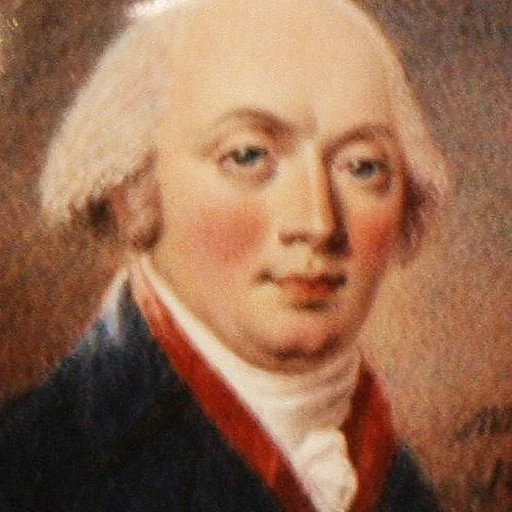
Anton Ulrik Berndes (15 June 1757 – 11 April 1844) was a Swedish artist and land surveyor.

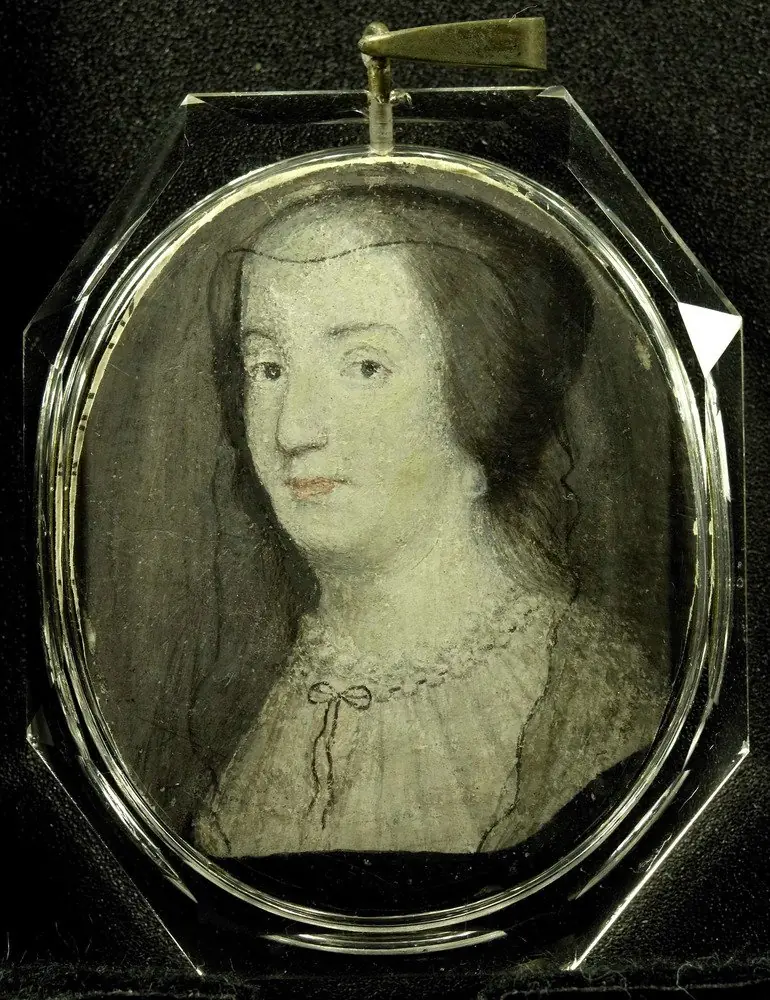 Portrait of Amalia van Solms -Braunfels (1602-1675)
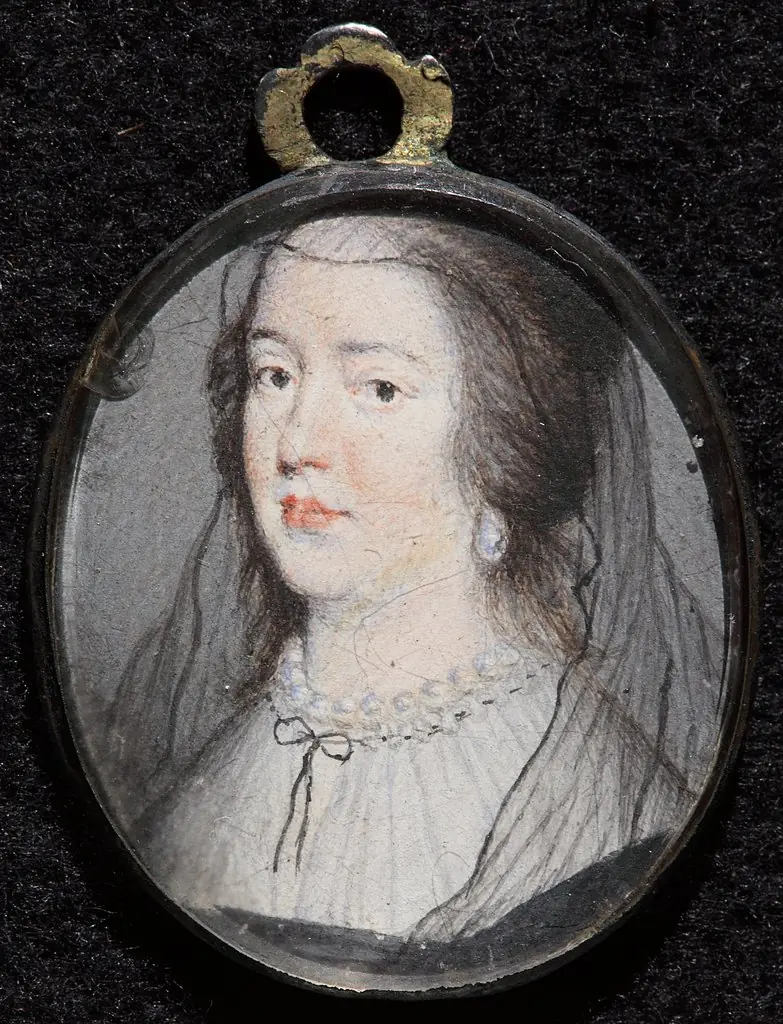 Amalie of Solms (1602-1675)
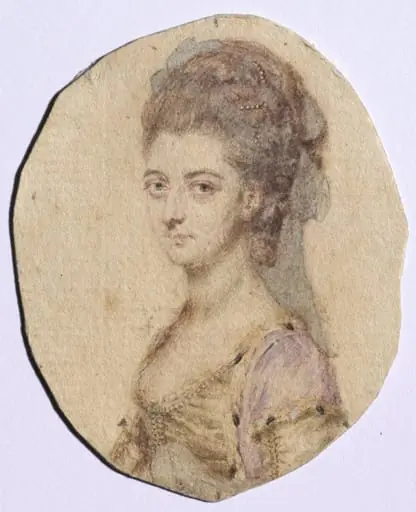 Portrait of Charlotte Bertie, née Warren, 4th Countess of Abingdon
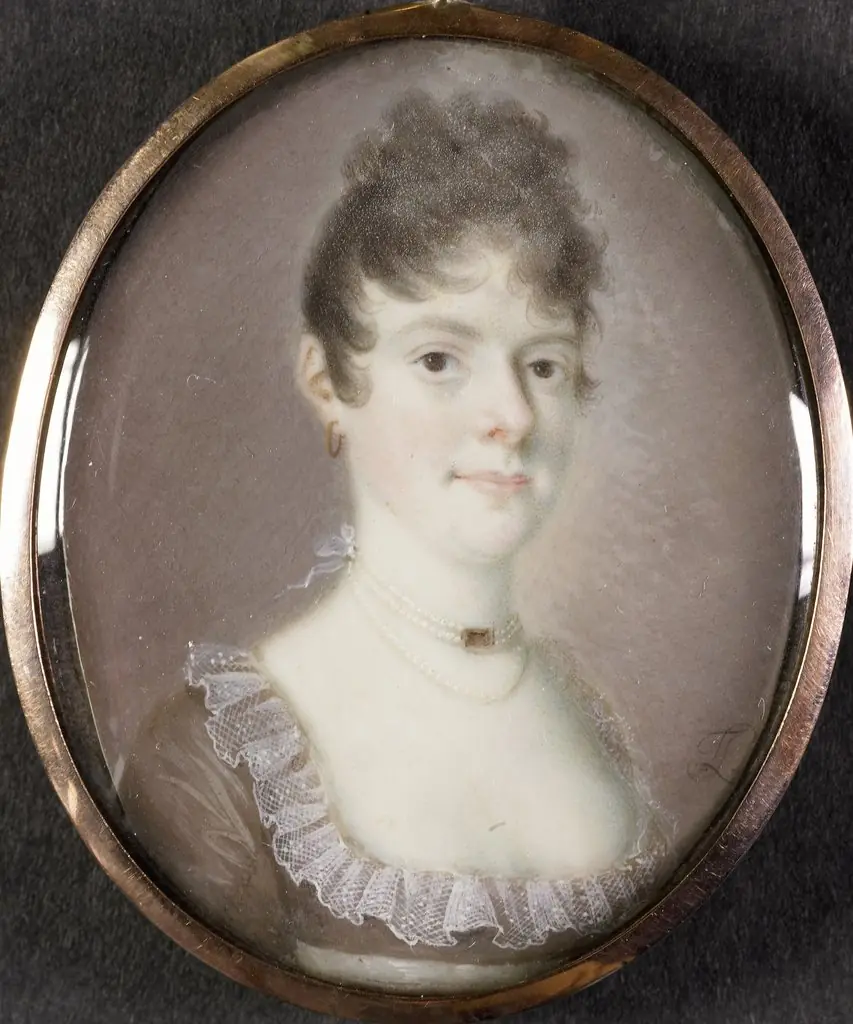 Portret van een vrouw met een parelcollier
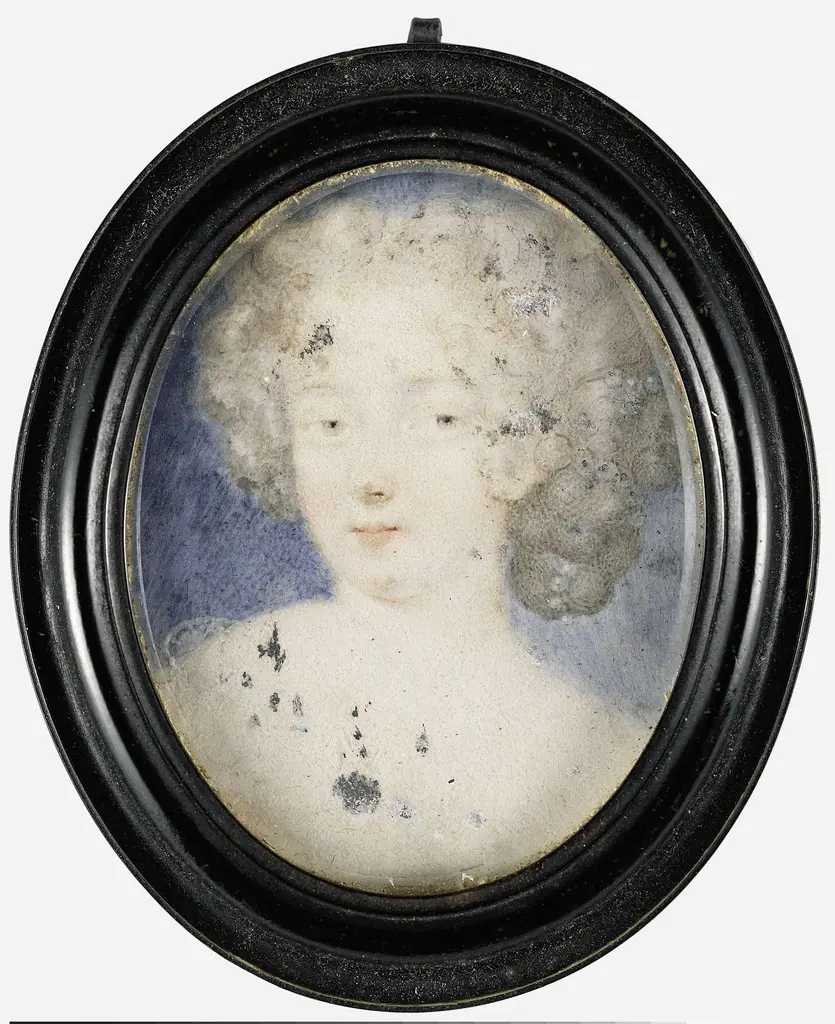 Hortense Mancini (1639-1715), hertogin van Mazarin
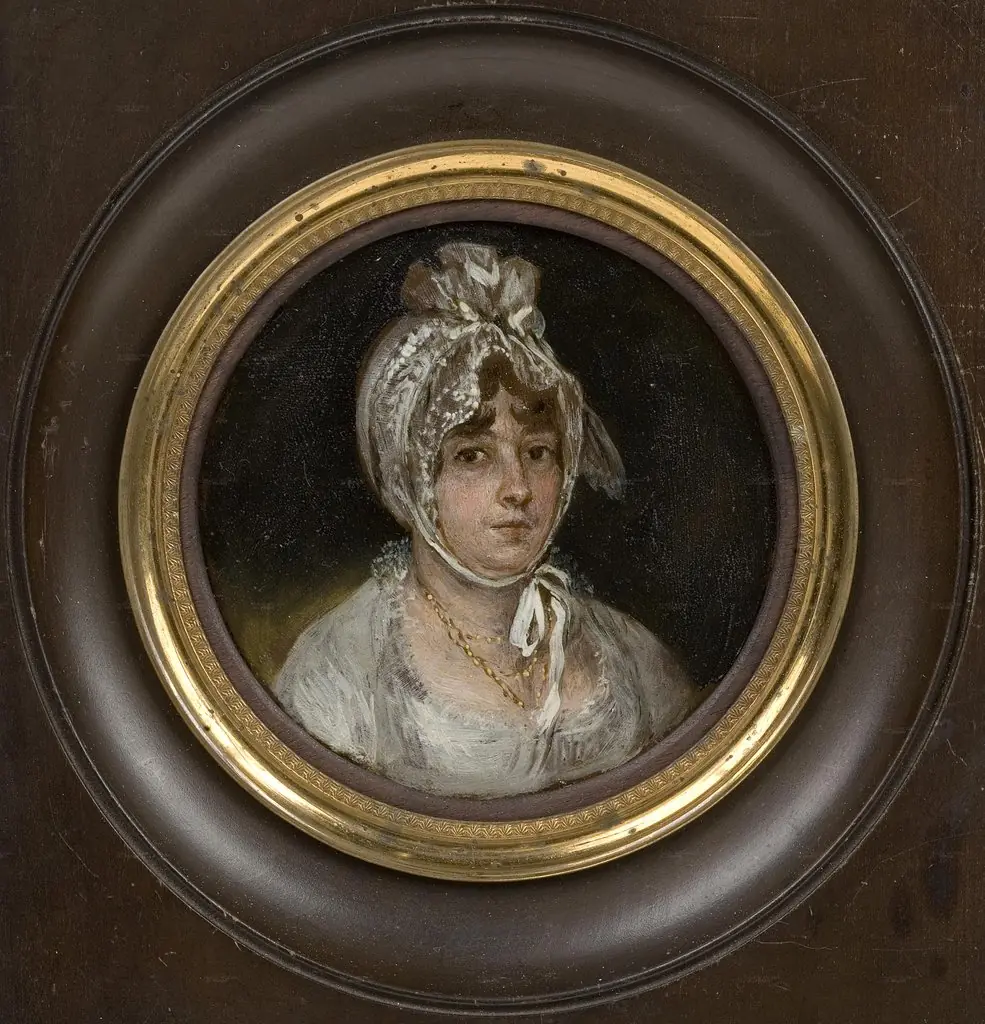 Juana Galarza de Goicoechea
 Unknown Lady
 Sofia Charlotta Karolina, Princess of Hessen-Cassel
 Portrait of Aleksandra née Lubomirska, Wife of Stanisław Potocki (1758–1831)
 Portrait of Wilhelmina van Pruisen (1751-1820)
 Portrait of Charlotte Bertie, née Warren, 4th Countess of Abingdon
 Sofia Charlotta Karolina (1678-1749), prinsessa av Hessen-Kassel, gift hertiginna av Mecklenburg-Schwerin