Artwork
Portrait of a Knight of the Order of Saint John
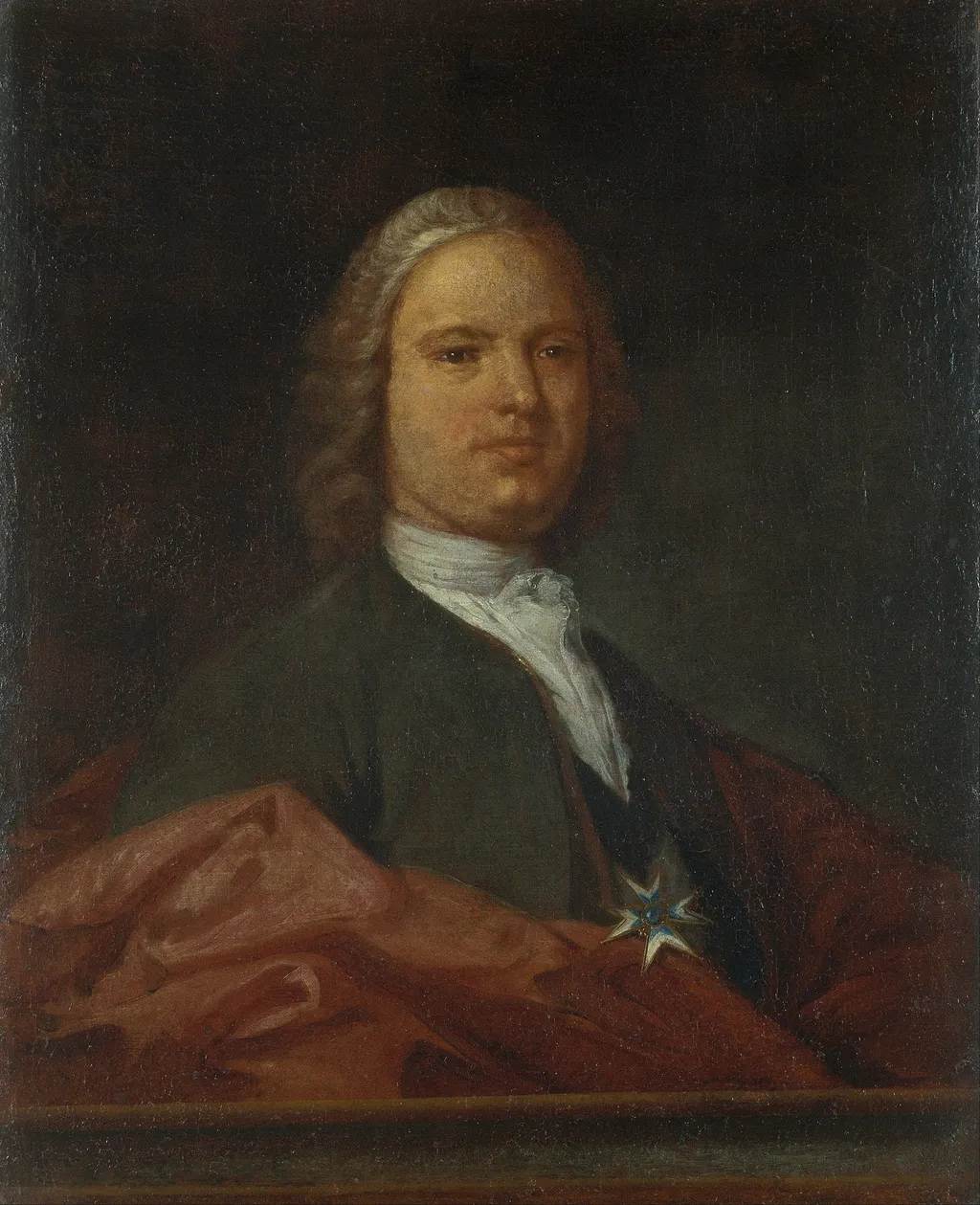
Portrait of a Knight of the Order of Saint John is an oil painting by Antoni Viladomat i Manalt. It dates from 1750 and is held in the collection of the Museu Nacional d'Art de Catalunya.
About this work
Overview
Viladomat, a Catalan painter active in Barcelona, was known for religious and portrait commissions during the first half of the 18th century.
Painted around 1750 by Antoni Viladomat i Manalt, this oil portrait depicts a member of the Order of Saint John. Executed in the late Baroque style, the work is part of the collection at the Museu Nacional d'Art de Catalunya. Viladomat, a Catalan painter active in Barcelona, was known for religious and portrait commissions during the first half of the 18th century. The painting reflects the formal conventions of aristocratic portraiture of the period.
Subject & Meaning
The sitter is identified as a knight of the Order of Saint John, a chivalric institution with religious and military roots. His attire—dark coat, white shirt, and red cape—along with the star-shaped medal on his chest, signals his affiliation and rank. The solemn expression and direct gaze convey dignity and restraint, consistent with the values of the order. The portrait serves as both personal representation and institutional affirmation.
Technique & Style
Viladomat employs oil paint with controlled brushwork to render texture and form. The dark, unmodeled background isolates the figure, emphasizing his costume and facial features. Light falls subtly across the white collar and red cape, creating contrast without dramatic chiaroscuro. The rendering of hair and fabric is precise but not overly ornate, reflecting a restrained Baroque aesthetic common in Catalan religious and civic portraiture of the time.
History & Provenance
The painting entered the Museu Nacional d'Art de Catalunya’s collection through institutional acquisitions of Catalan art. While its exact provenance before the 20th century is not fully documented, it aligns with other portraits commissioned by members of religious orders in Barcelona during the mid-18th century. Viladomat’s documented activity in the city supports its local origin and likely patronage by the order’s regional chapter.
Context
In early 18th-century Catalonia, religious orders maintained social and political influence, and portraits of their members were common. Viladomat, trained in the Spanish Baroque tradition, adapted its solemnity to local tastes. This work reflects a broader trend in Catalan art where ecclesiastical and noble patrons sought dignified, understated likenesses that emphasized status through symbolism rather than grandeur.
Legacy
Though Viladomat is best known for his altarpieces, this portrait exemplifies his skill in capturing individual presence within institutional frameworks. It remains a representative example of Catalan Baroque portraiture, illustrating how religious identity was visually codified in the 18th century. The painting contributes to scholarly understanding of how orders like Saint John maintained visibility through art in a changing social landscape.
Own this work as a print
Artist & collection
Artist
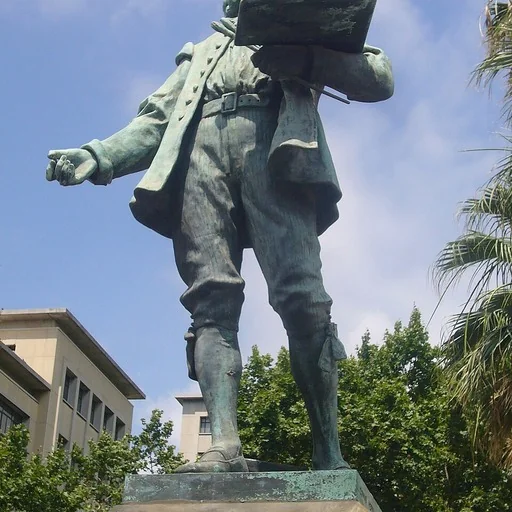
Antoni Viladomat i Manalt (20 March 1678 in Barcelona, Spain – 22 January 1755 in Barcelona, Spain) was a Spanish painter in the Baroque style.

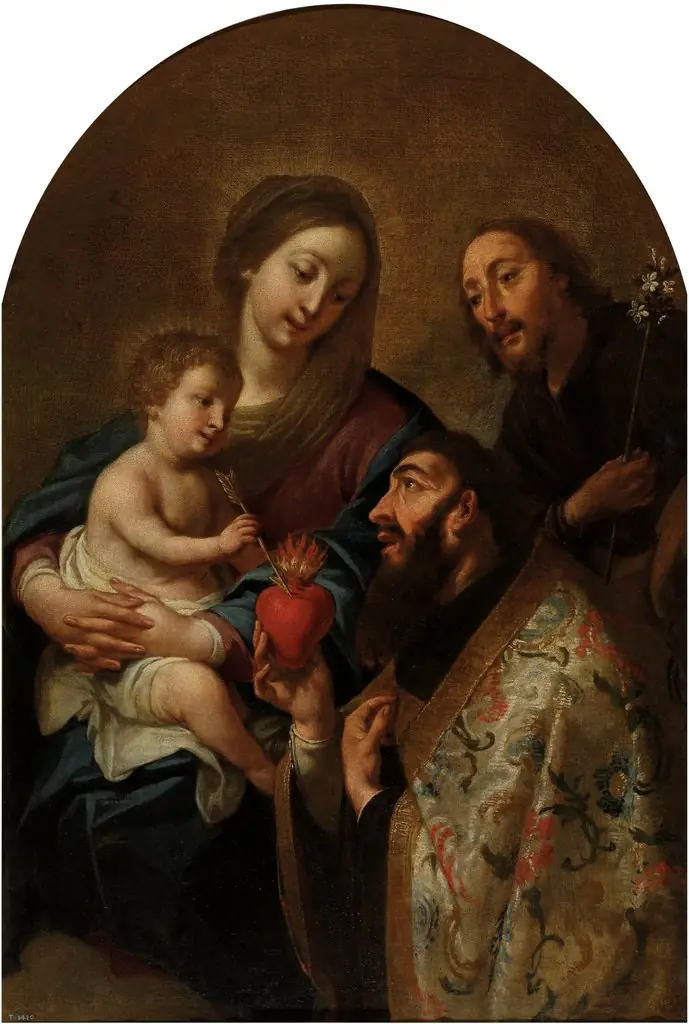 The Holy Family with Saint Augustine
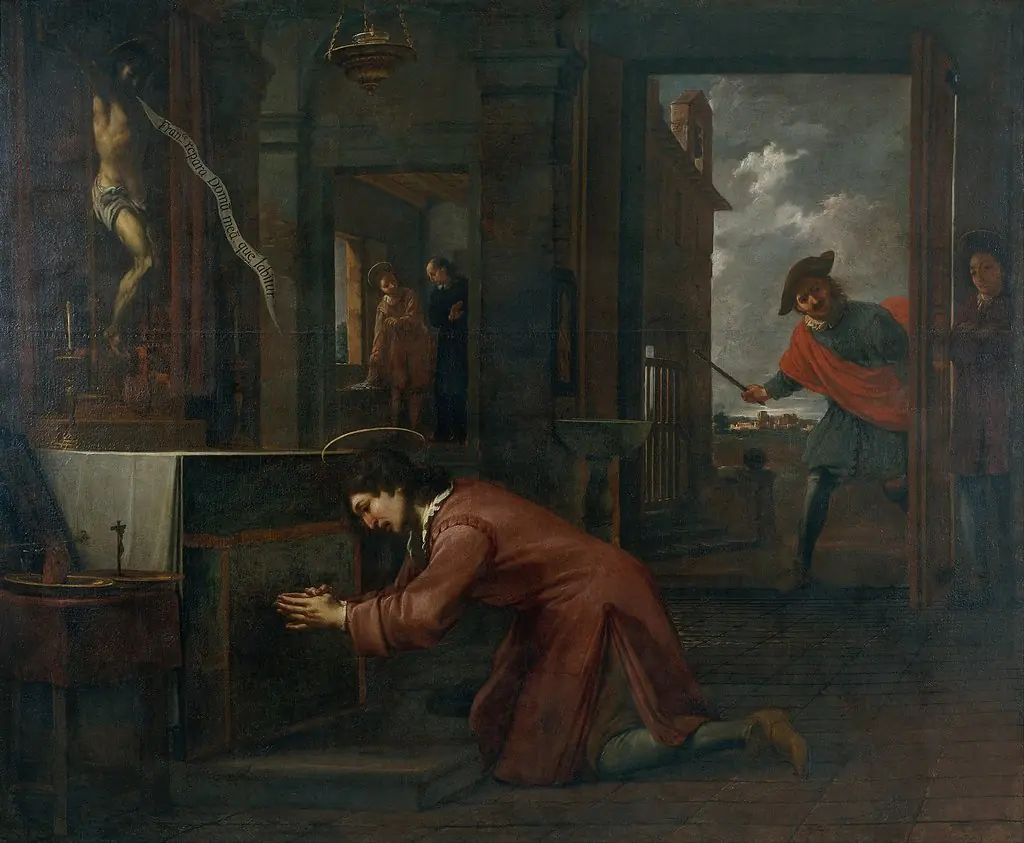 Saint Francis Receives the Order from the Crucifix at Saint Damian to Repair the House of God
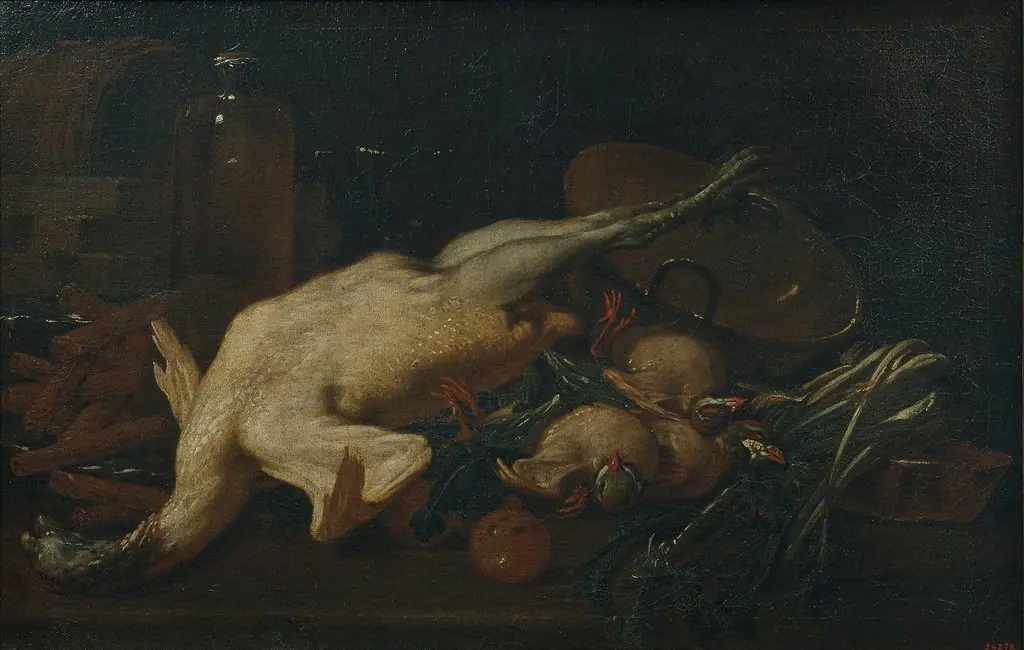 Still Life with Vegetables, Turkey, other Fowl and Wafers
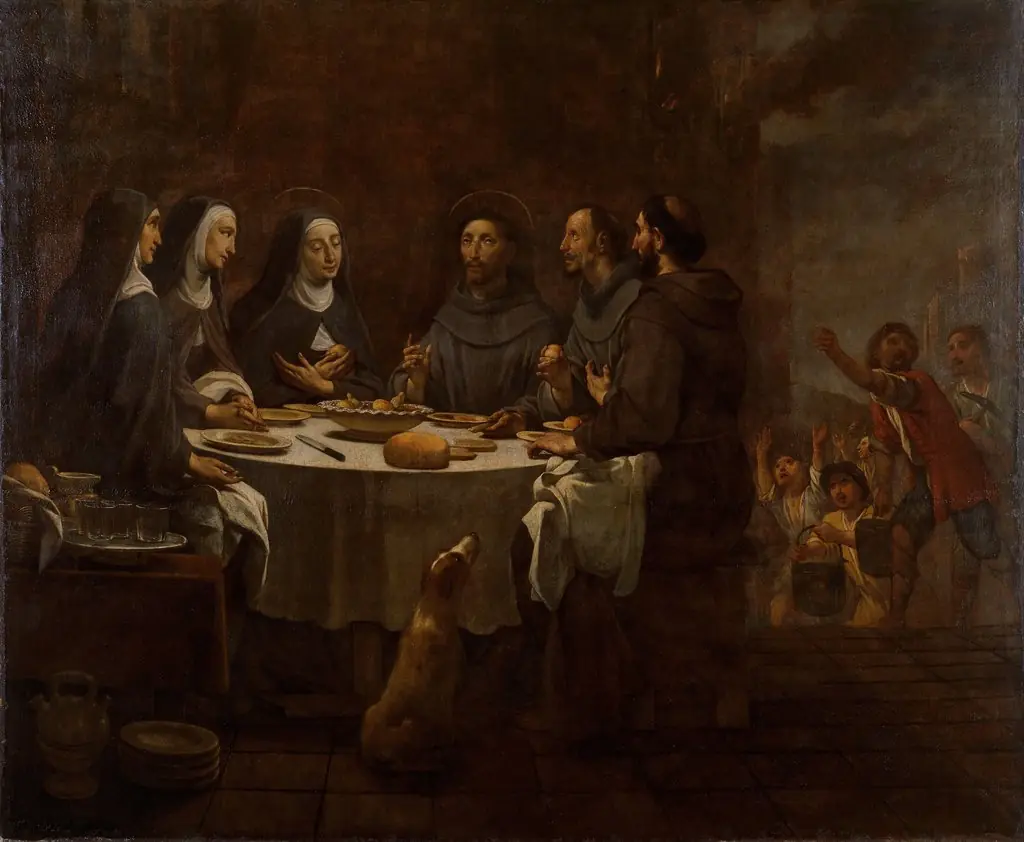 Saint Francis and Saint Clare at Supper in the Convent of Saint Damian
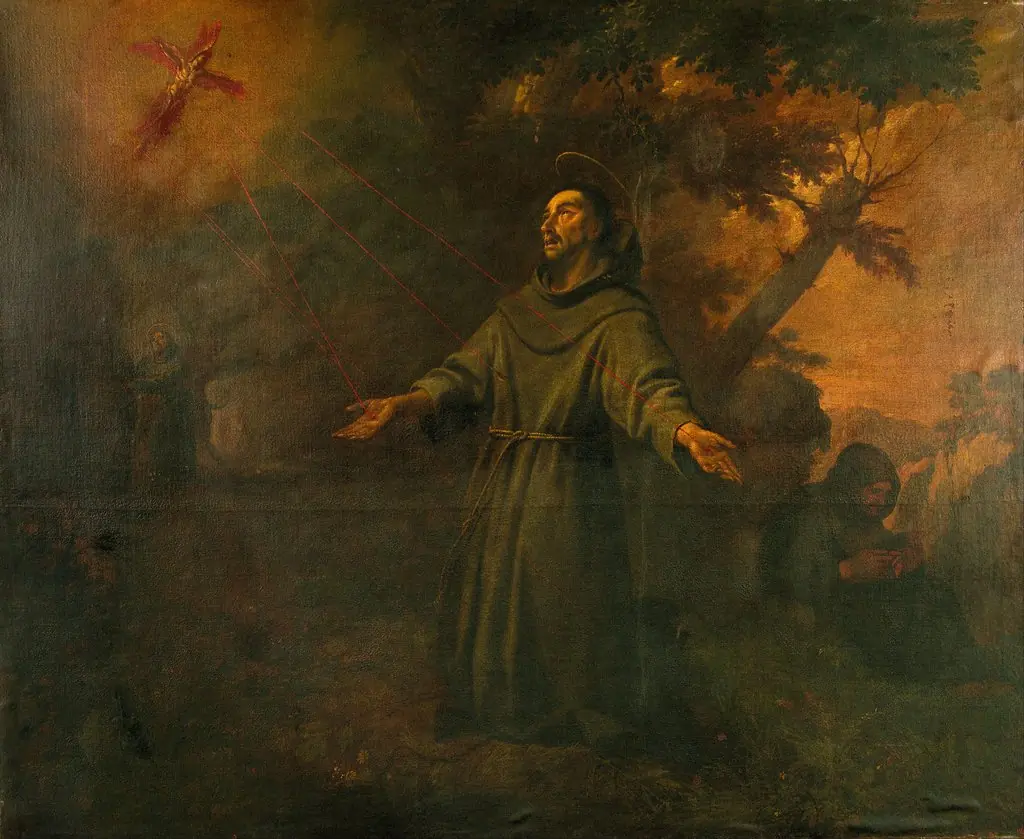 Saint Francis Receives the Stigmata
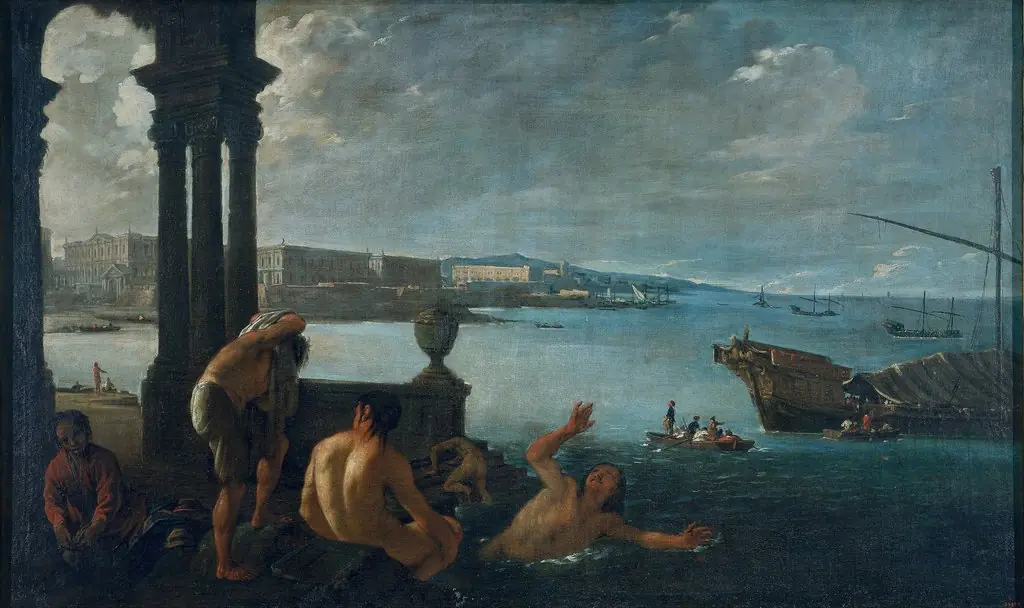 Summer
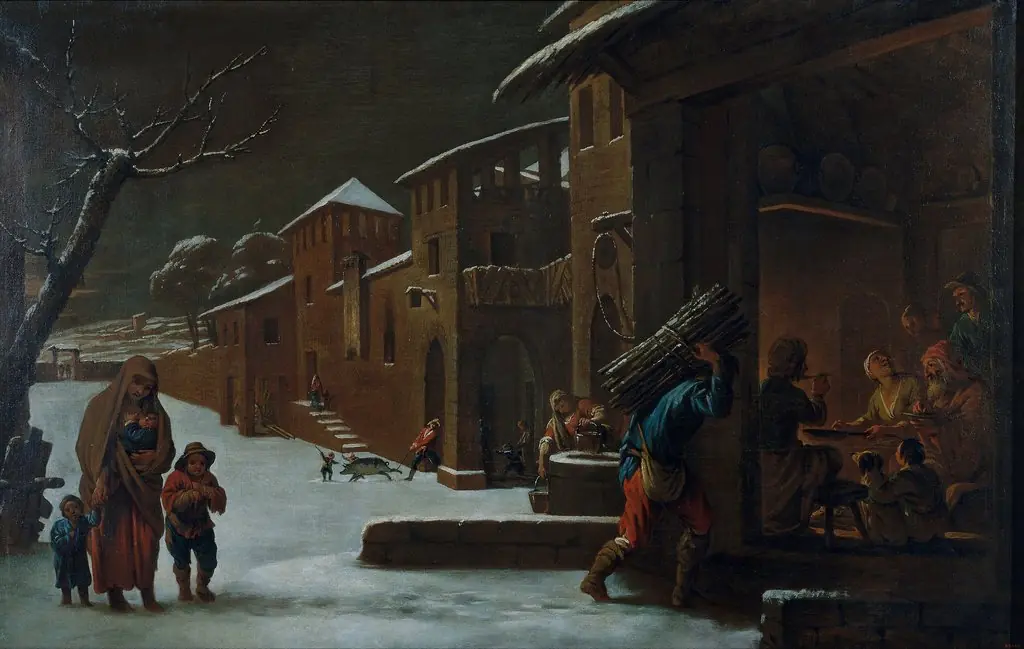 Winter
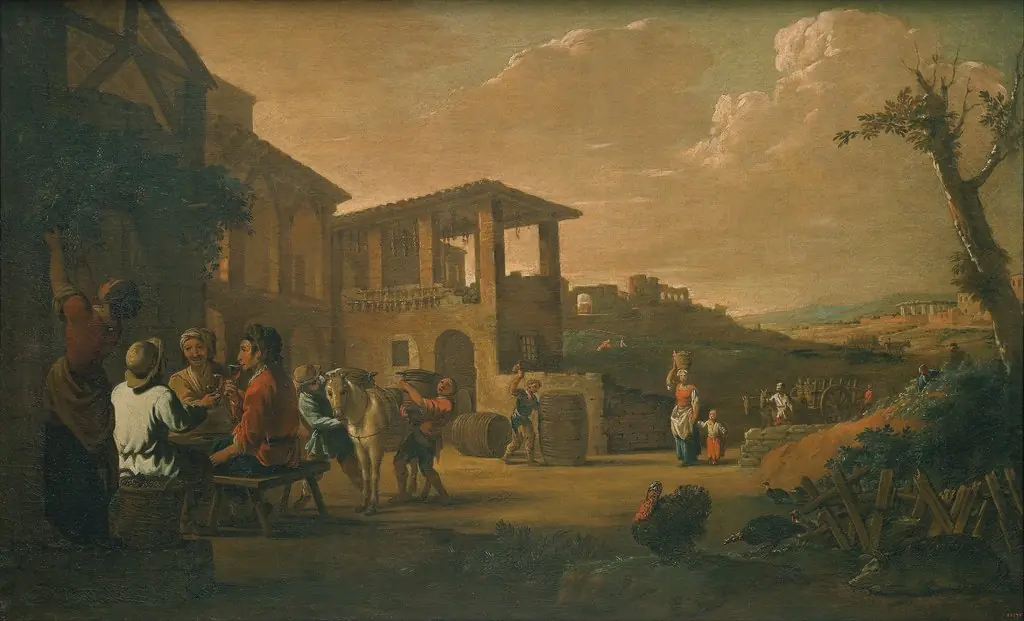 Autumn
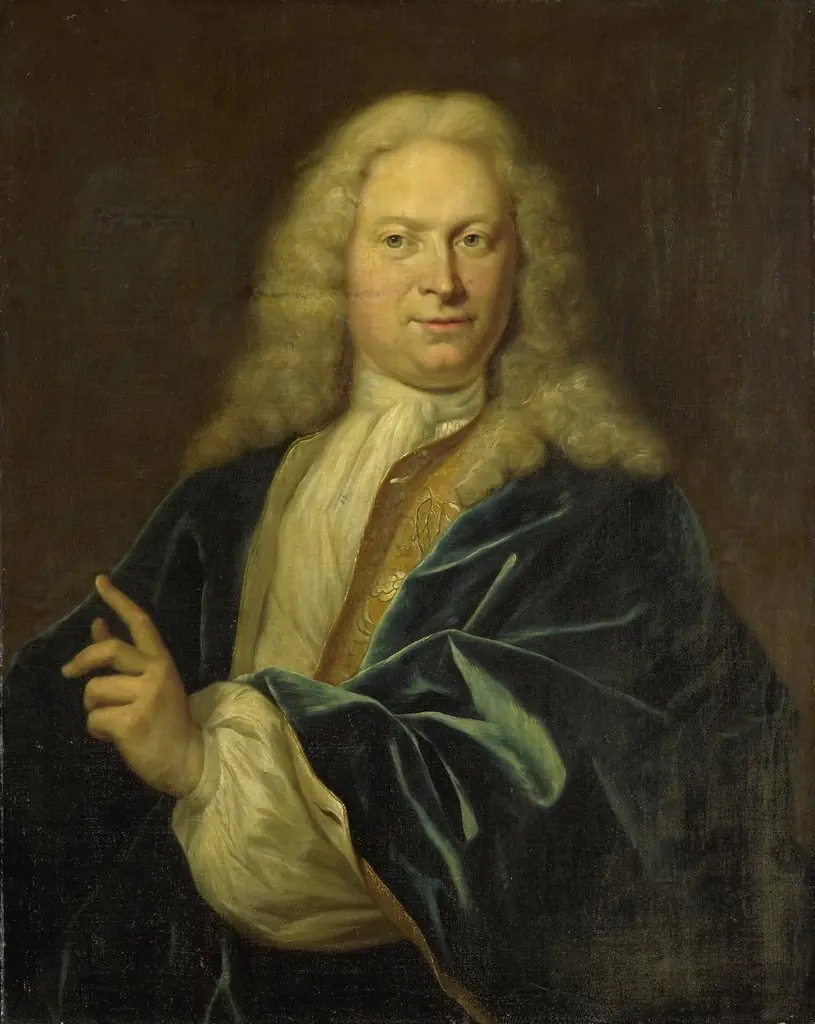 Portrait of Jan Hendrik van Heemskerck, Count of the Holy Roman Empire, Lord of Achttienhoven, Den Bosch and Eyndschoten, Captain of the Citizenry of Amsterdam (Johan Hendrik Graaf Van Heemskerk)
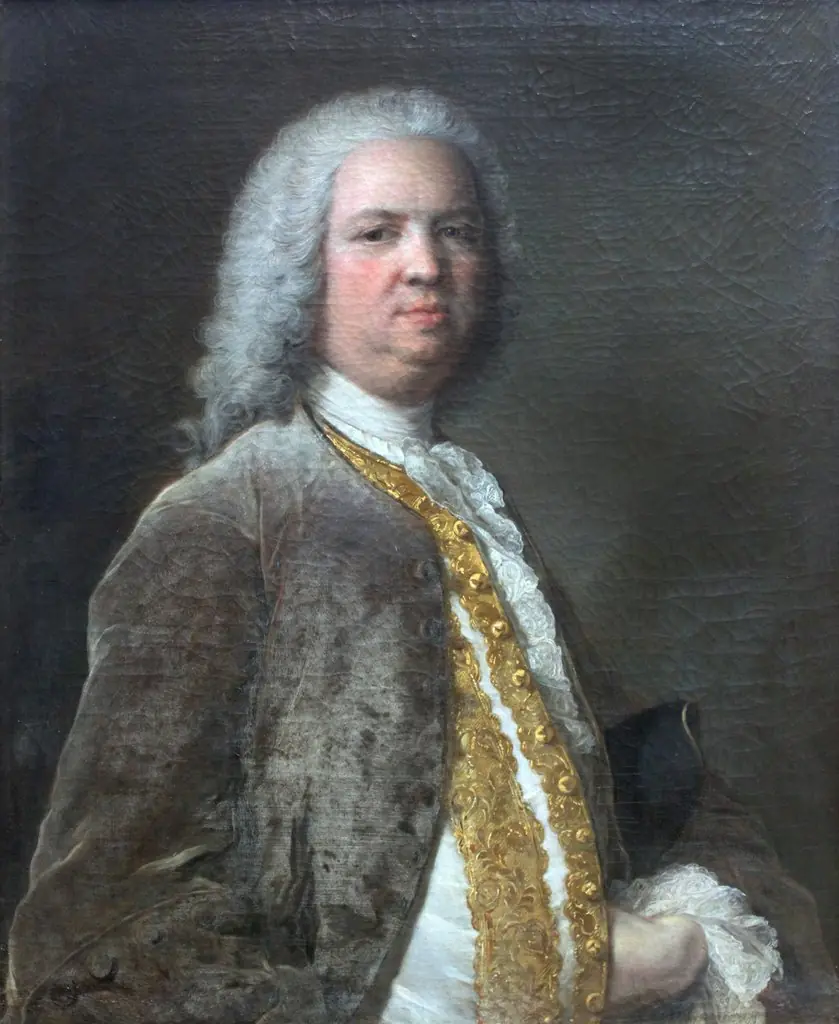 Portrait of the Frankfurt banker Johann Georg Leerse
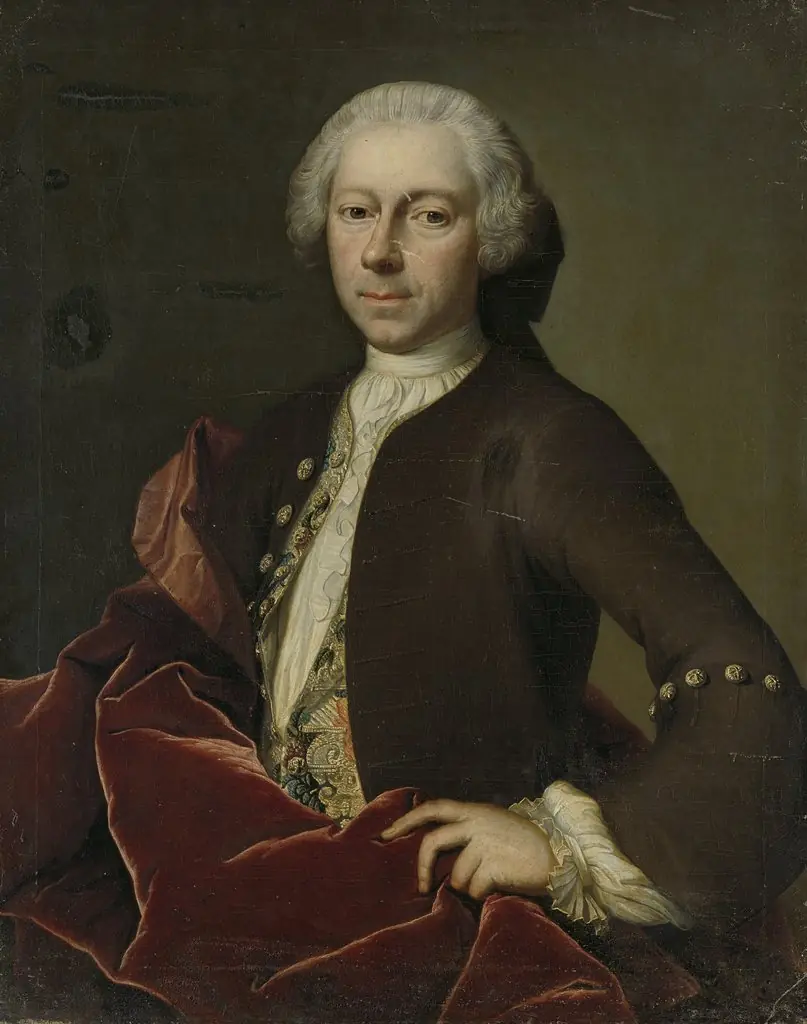 Portrait of Pieter Parker, Alderman, Burgomaster and Councilor of Goes
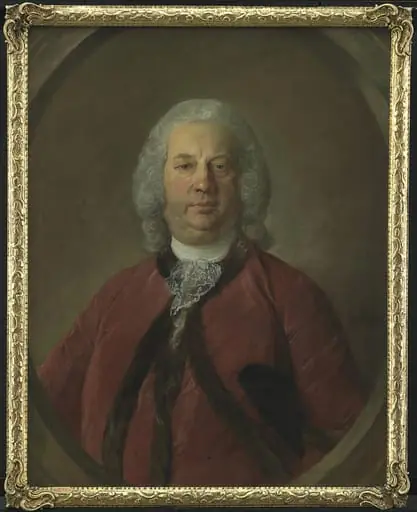 Portrait of Frederik Hansen de Liliendal, Danish Consul at Bordeaux
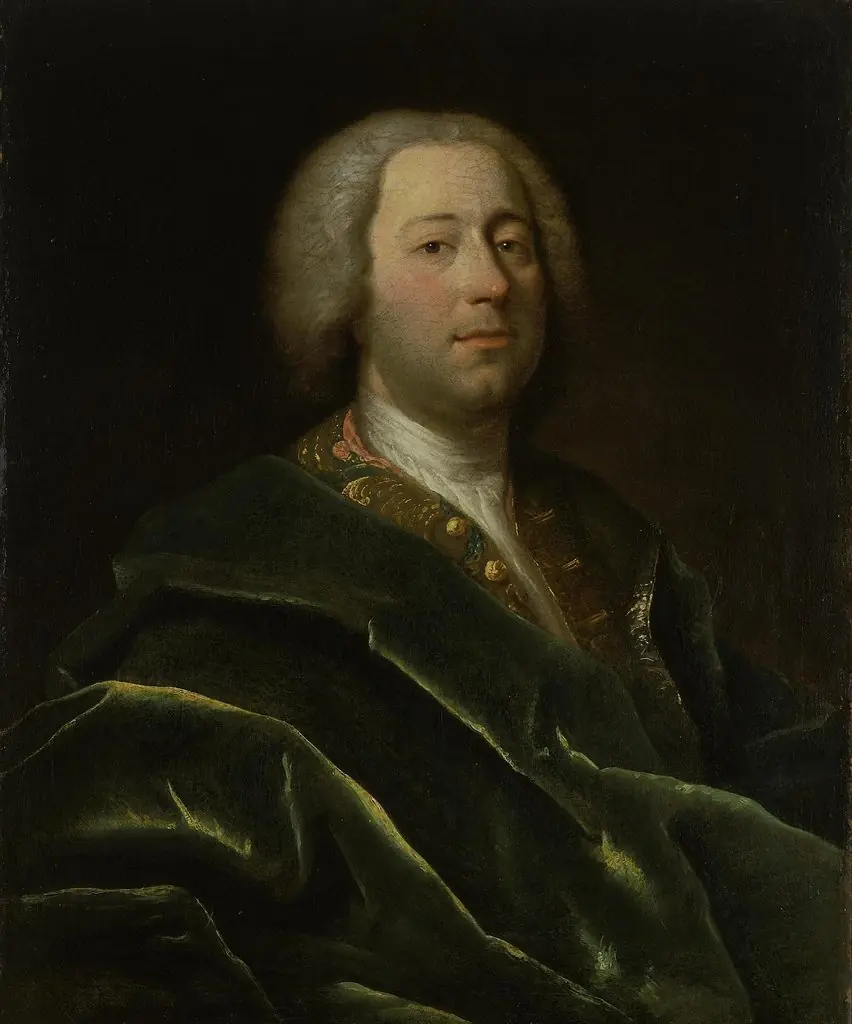 Portrait of Doctor I.A. Atsaretti of Peter I
 Portrait of Pieter Parker, Alderman, Burgomaster and Councilor of Goes
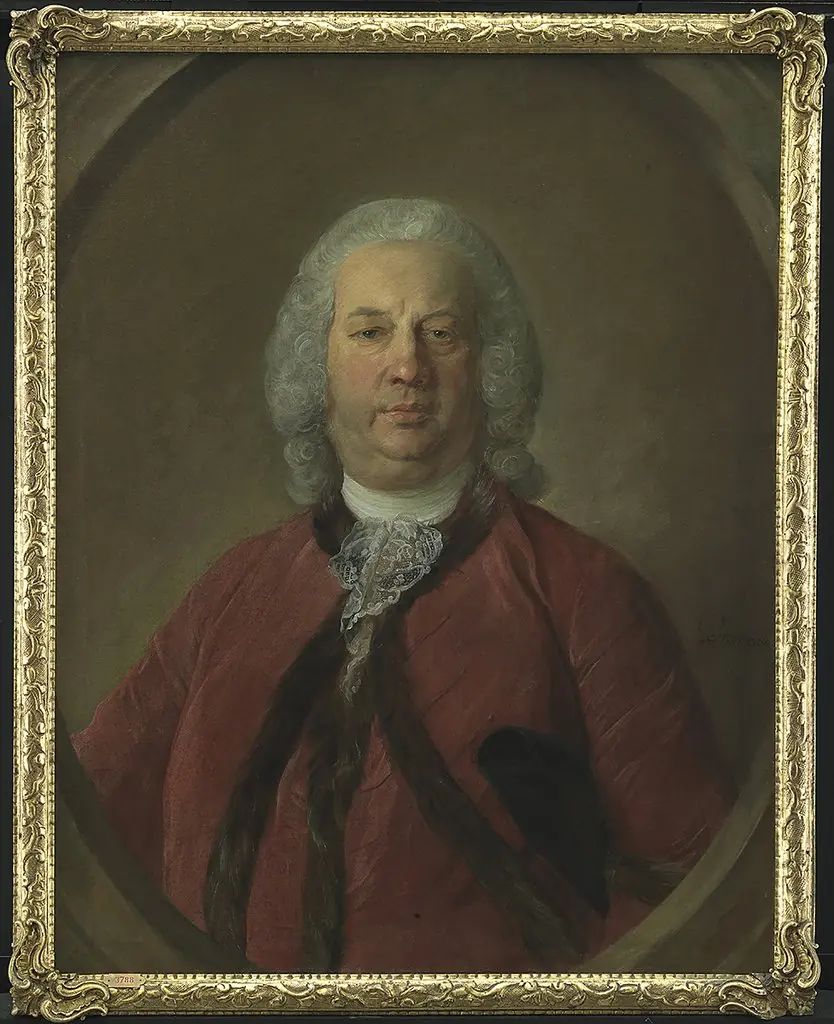 Portrait of Frederik Hansen de Liliendal, Danish Consul at Bordeaux
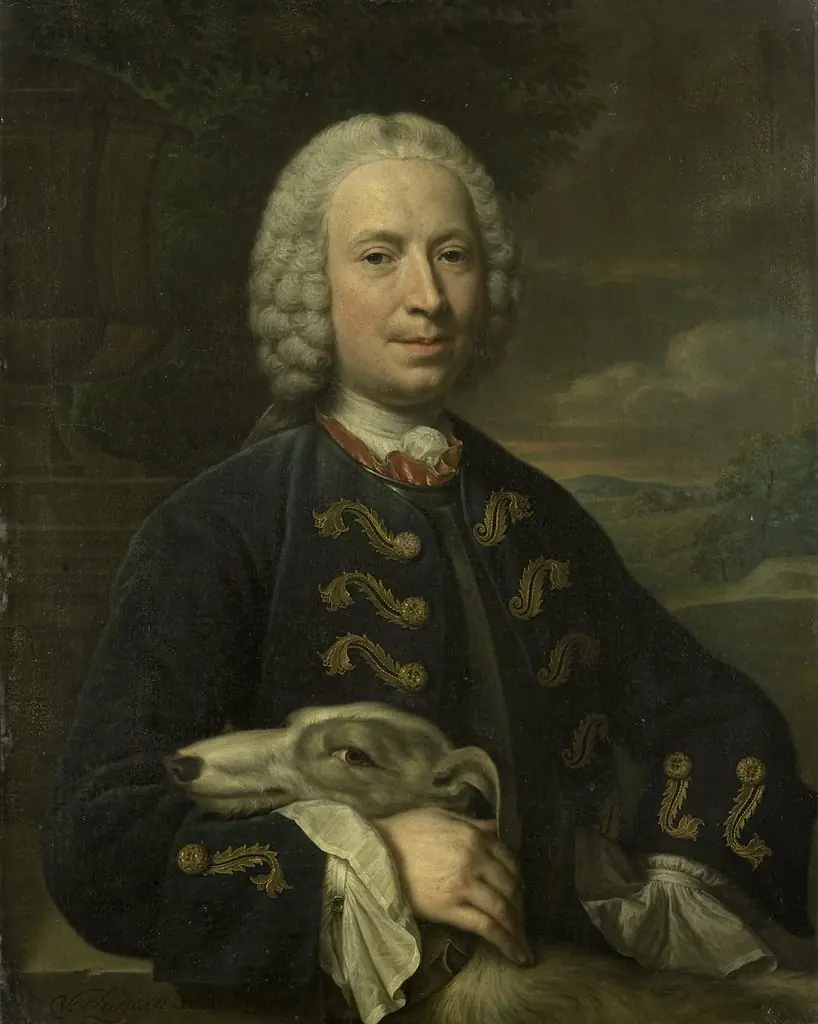 Portrait of Coenraad van Heemskerck, Count of the Holy Roman Empire, Lord of Achttienhoven and Den Bosch
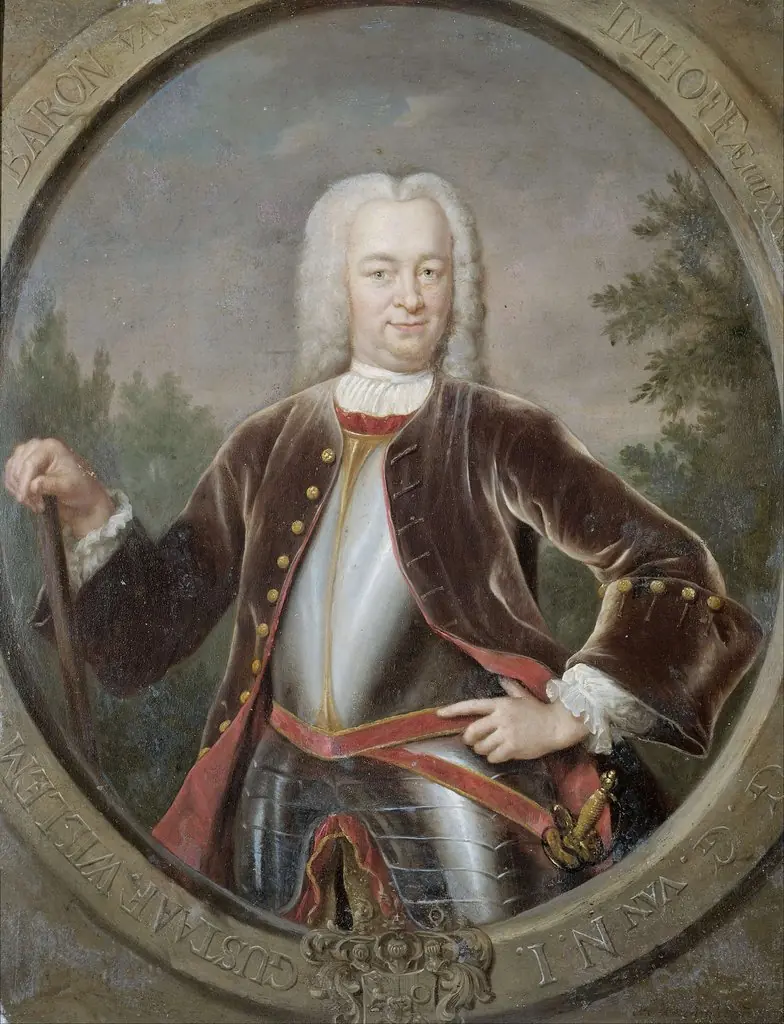 Portrait of Gustaaf Willem, Baron van Imhoff, Governor-General of the Dutch East India Company
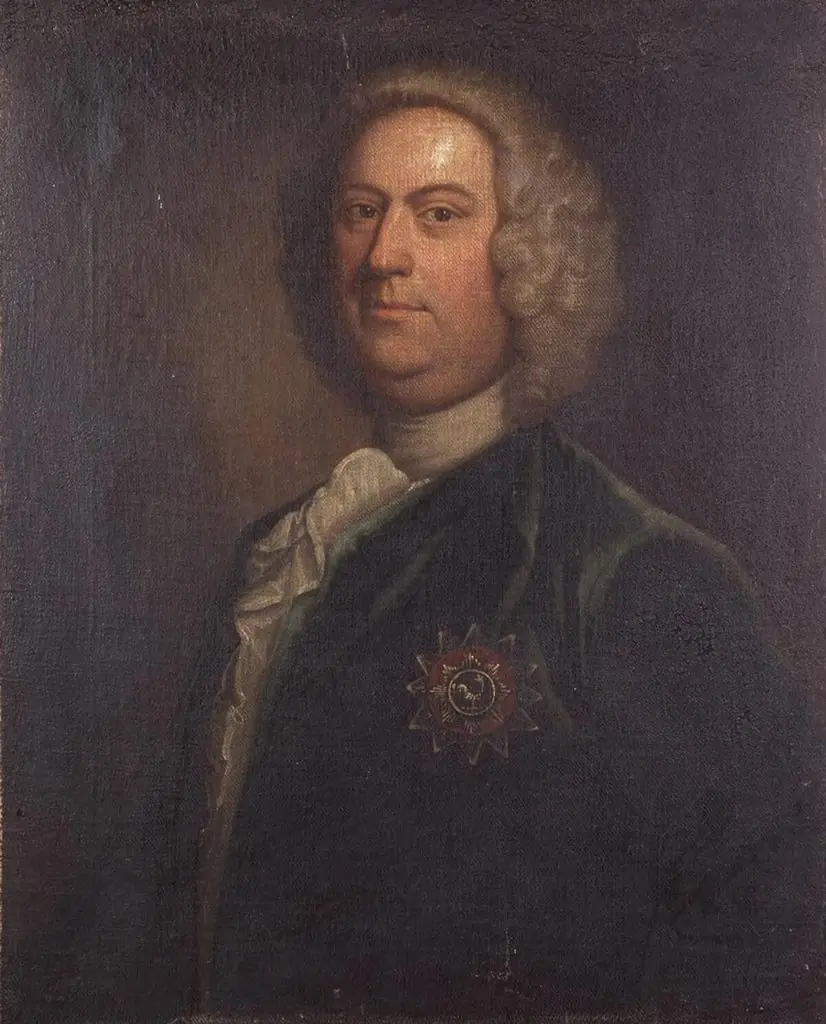 Richard Gwynne Esq of Taliaris
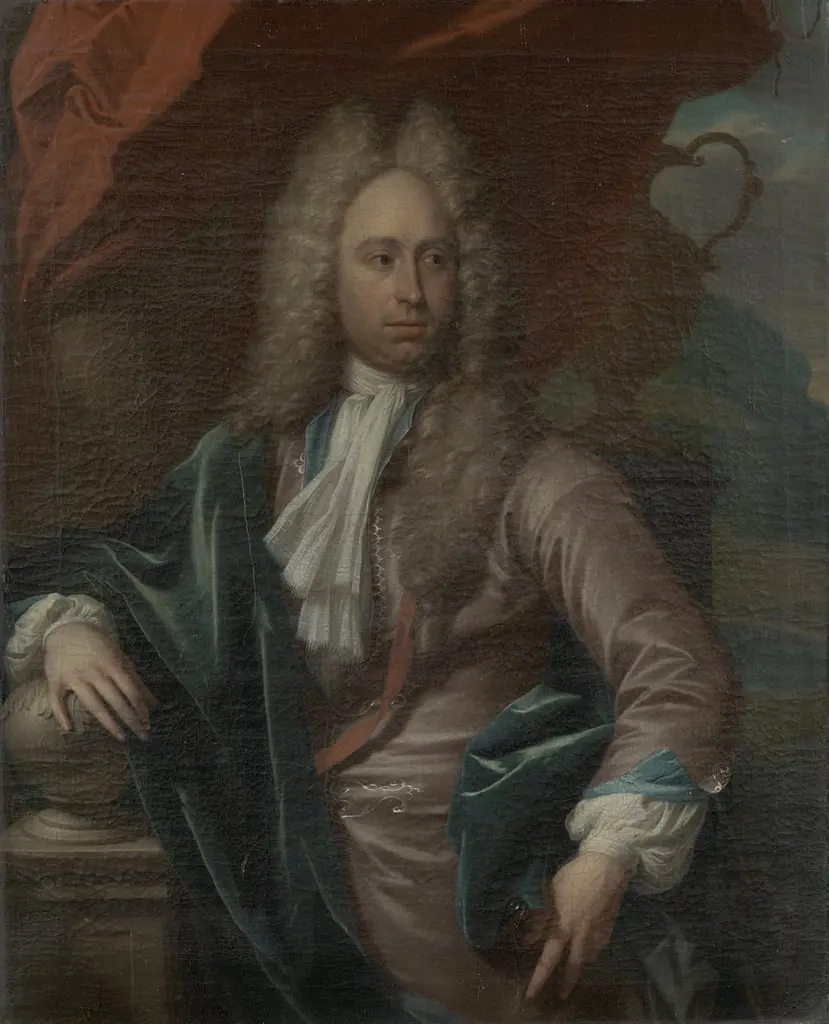 Portrait of Caspar Adriaen Parduyn, Bailiff of Middelburg
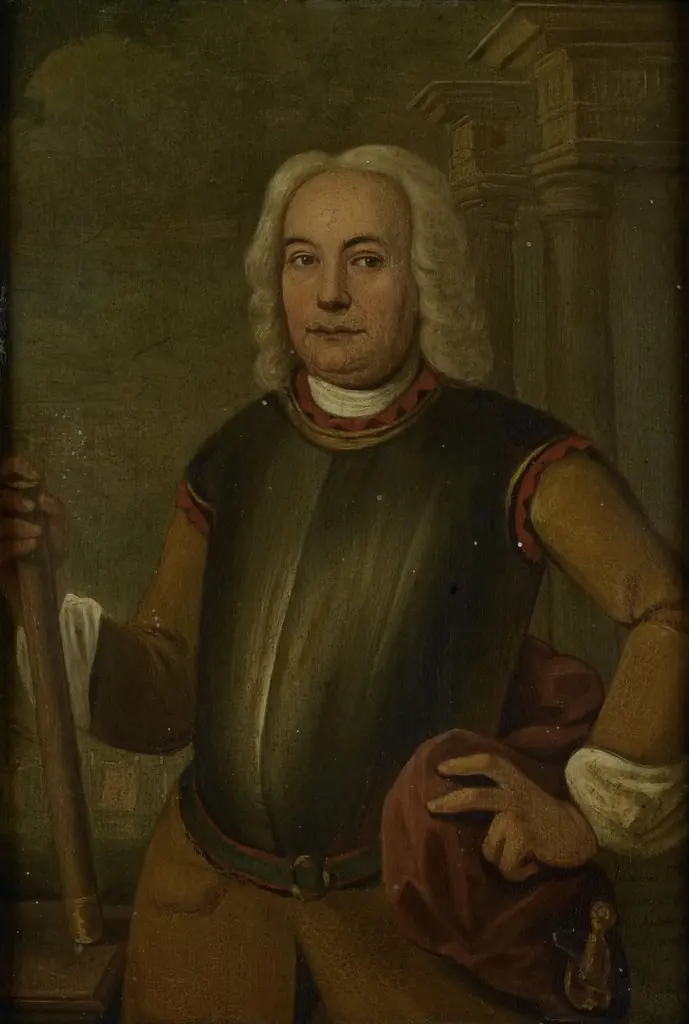 Portrait of Johannes Thedens (1680-1748). Gouverneur-generaal (1741-43)