Artwork
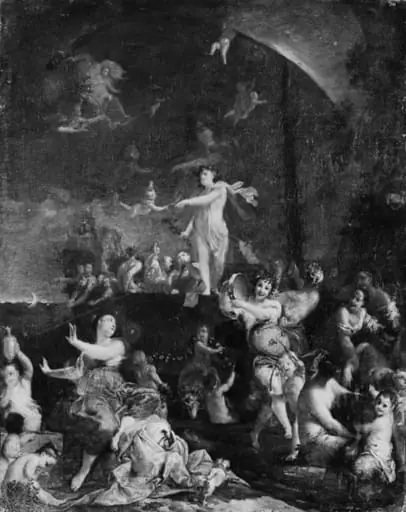
Ariadne on Naxos
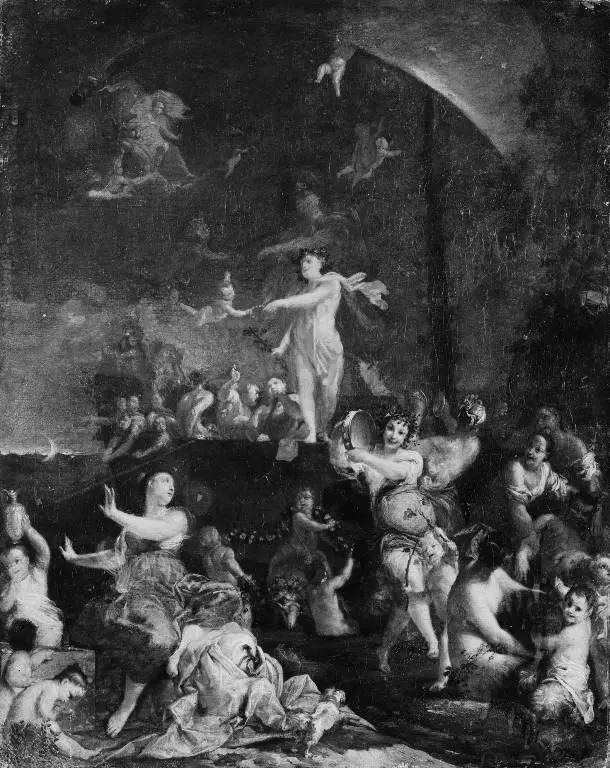
Ariadne on Naxos is an oil painting by Antonio Gionima. It dates from 1719 and is held in the collection of the Statens Museum for Kunst.
About this work
Overview
Ariadne on Naxos is a 1719 oil painting by Italian late-Baroque artist Antonio Gionima, depicting the mythological figure Ariadne on the Greek island of Naxos, now part of the Statens Museum for Kunst collection.
Subject & Meaning
The painting centers on Ariadne, standing prominently on a rocky cliff, addressing a gathered group. Her outstretched arms and the crowd's varied reactions (attention, distraction) suggest a moment of significance, potentially referencing her abandonment by Theseus or encounter with Dionysus, though the specific narrative instant is not explicitly defined.
Technique & Style
Gionima employs oil paint to capture dynamic light and shadow, utilizing chiaroscuro to create depth and volumetric form. This technique draws the viewer into the scene, emphasizing the central figure through strategic lighting.
History & Provenance
Created in 1719, the painting reflects Gionima's training under his father Simone, Aureliano Milani, and Giuseppe Maria Crespi. It is currently held by Statens Museum for Kunst.
Context
As a late-Baroque work, Ariadne on Naxos situates itself within a tradition of mythological themes, characteristic of the period's artistic preoccupations. Gionima's approach to light and shadow aligns with the dramatic intensity of late-Baroque painting.
Legacy
While specific impact or influence of Ariadne on Naxos on subsequent art movements is not prominently documented, it contributes to the broader legacy of Baroque mythology paintings, offering insights into 18th-century artistic interpretations of classical myths.
Artist & collection
Artist
Antonio Gionima (1697–1732) was an Italian painter of the late-Baroque period. Born in Venice from a family of Padua, where his father Simone Gionima (a pupil of Cesare Gennari) and grandfather had been artists, he was…

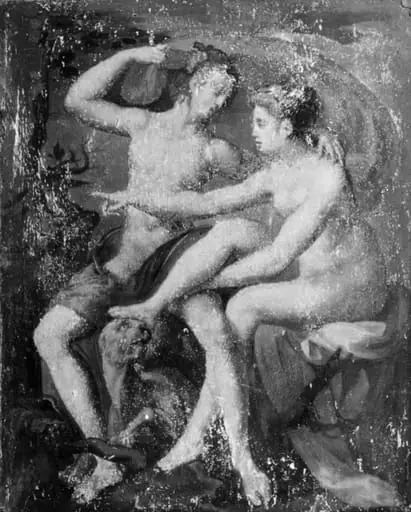 Bacchus and Ariadne
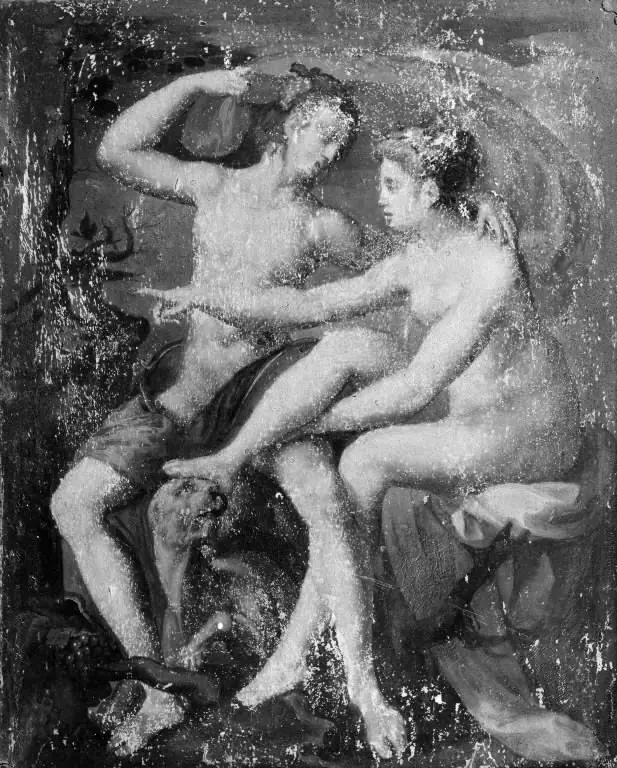 Bacchus and Ariadne
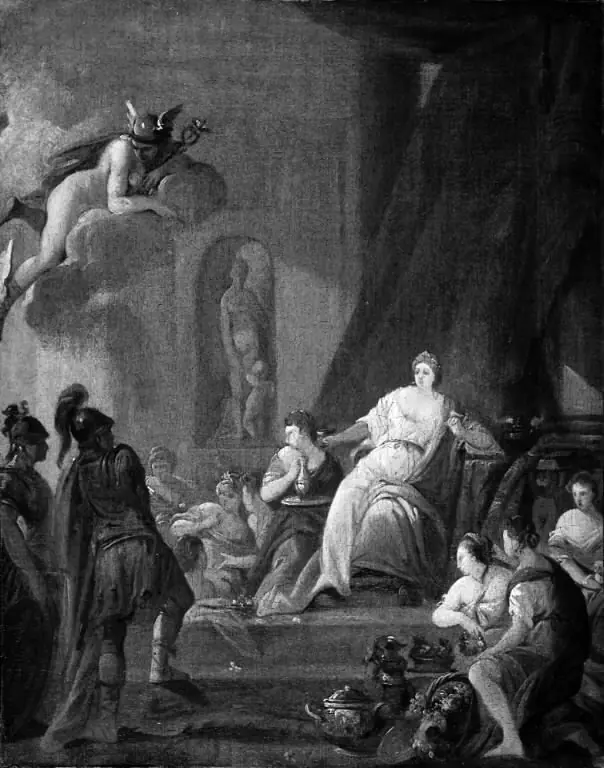 Hermes befaler Kalypso at frigive Odysseus
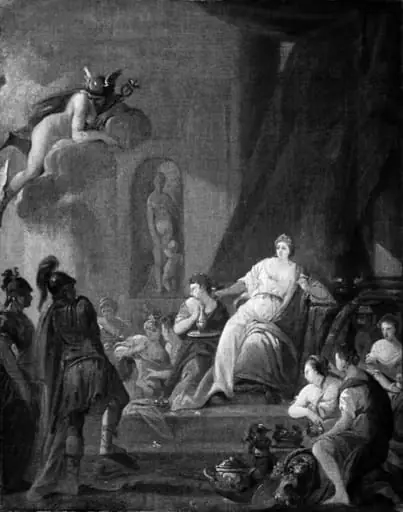 Hermes befaler Kalypso at frigive Odysseus
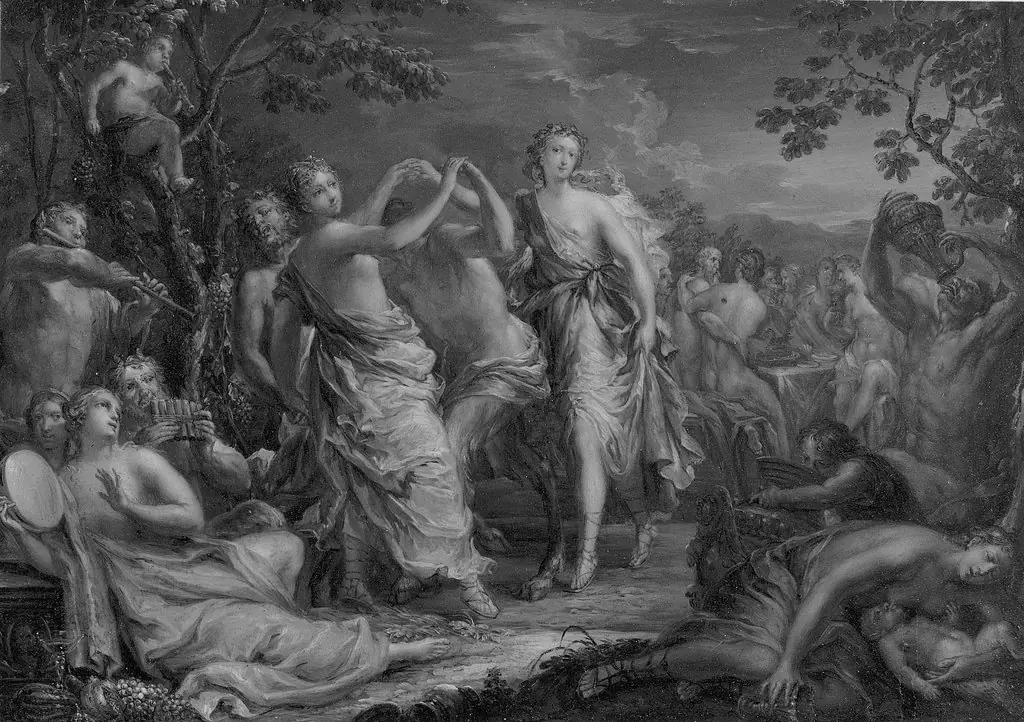 Bacchic Revels
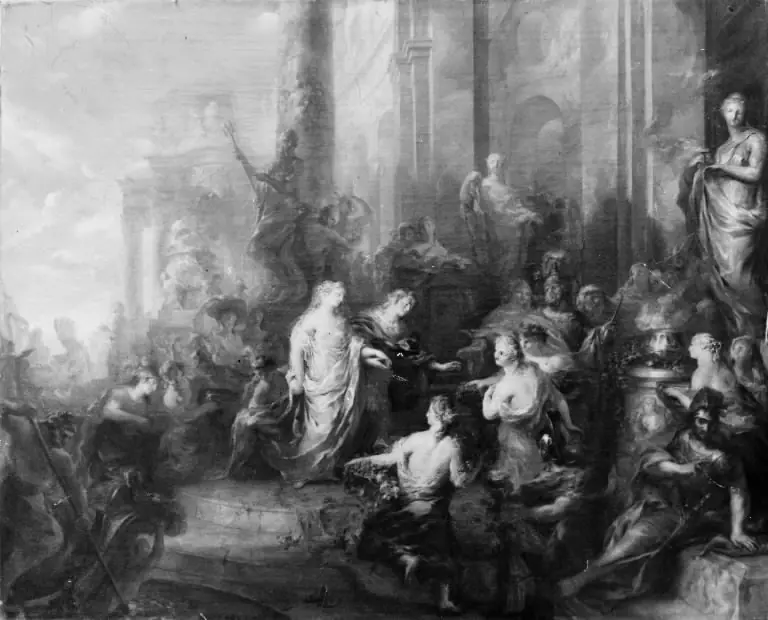 Mythological Scene
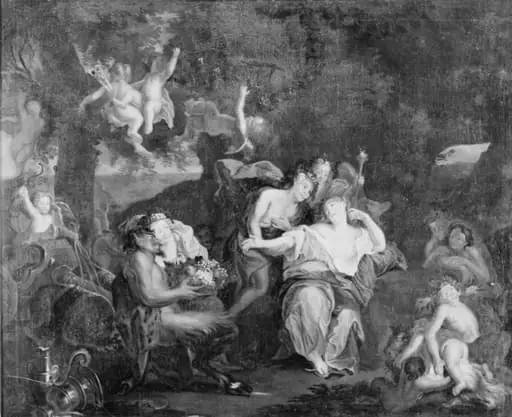 Bacchus og Ariadne sidder sammen i et landskab omgivne af amoriner, bacchantinder og satyrer
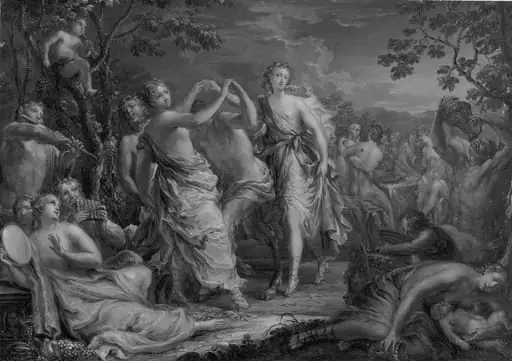 Bacchic Revels
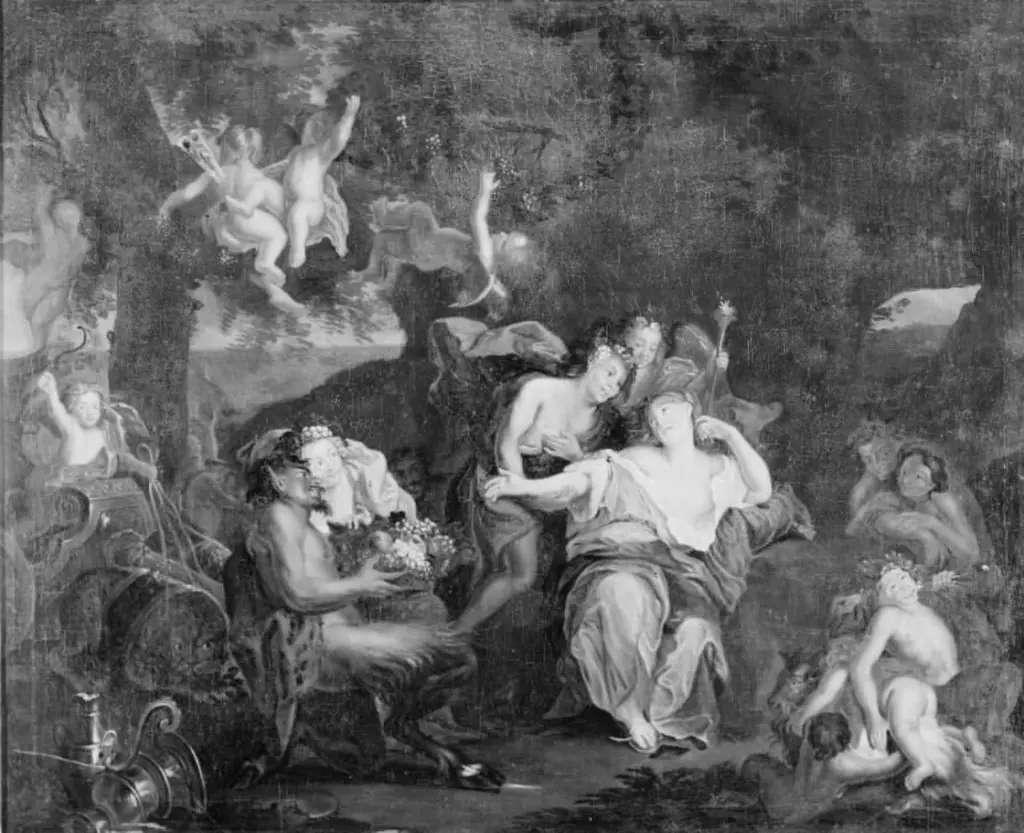 Bacchus og Ariadne sidder sammen i et landskab omgivne af amoriner, bacchantinder og satyrer
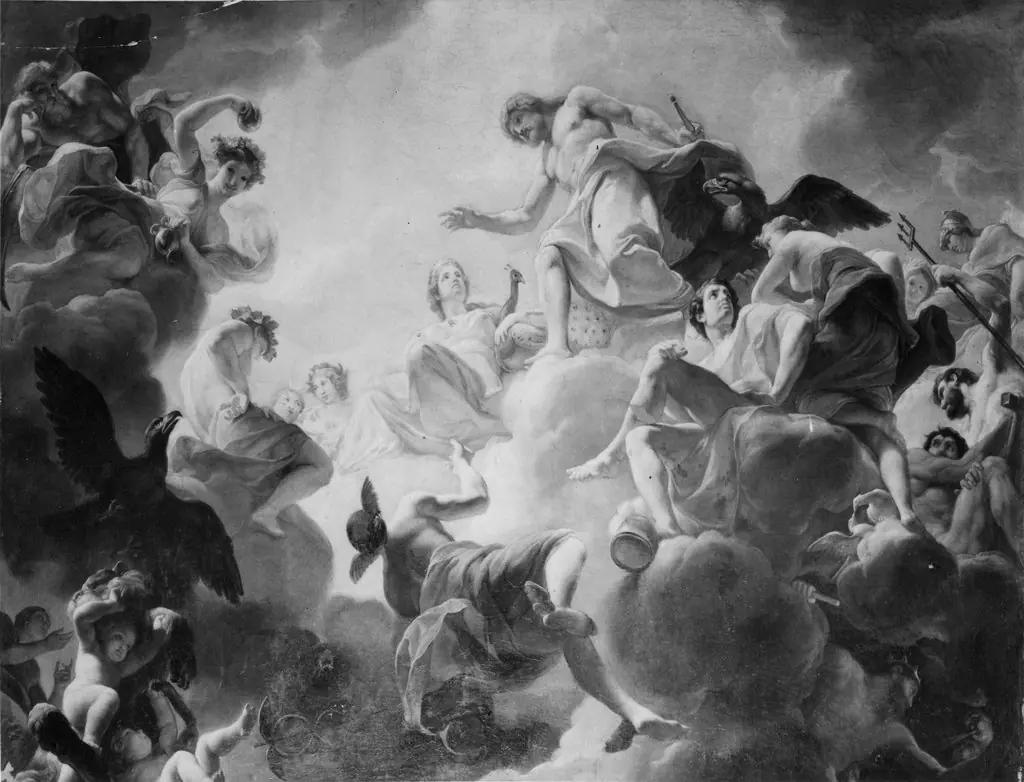 The Apotheosis of Hercules
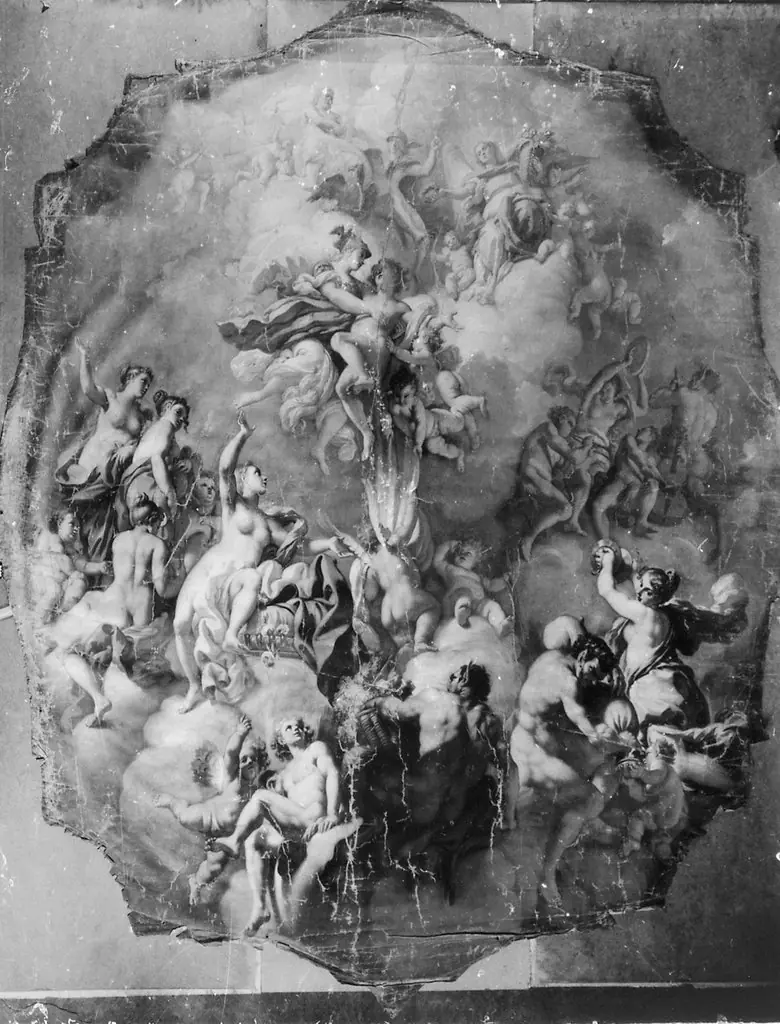 Pallas entführt Juventus aus den Armen der Venus
 Ariadne on Naxos