Artwork
The Execution of Torrijos and his companions in the Malaga's beach
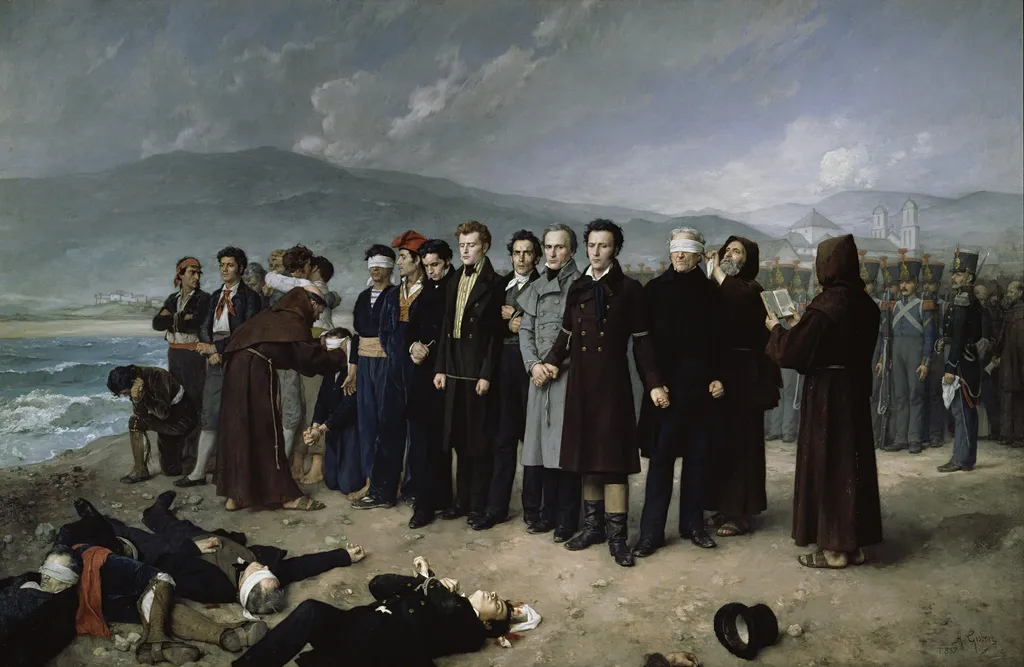
The Execution of Torrijos and his companions in the Malaga's beach is an oil painting by the Post-Impressionist artist Antonio Gisbert. It dates from 1894 and is held in the collection of the Museo del Prado.
About this work
This painting shows a dramatic moment in Spanish history. Antonio Gisbert used oil paint to capture the scene in 1888. It hangs at the Museo del Prado now.
It was made to support a political idea. The Prime Minister wanted art to show freedom and nation-building. The painting tells a story of courage in tough times.
Look up Antonio Gisbert if you want to see more of his work.
Overview
Antonio Gisbert Pérez’s oil painting, *The Execution of Torrijos and His Companions on the Beach at Málaga*, was completed in 1888. The canvas depicts the 1831 execution of Liberal leader José María Torrijos and his followers on a Málaga shoreline. Currently displayed in the Museo del Prado, the work is a prominent example of 19th‑century Spanish historical painting.
Subject & Meaning
The composition dramatizes the moment when Torrijos and his compatriots are shot by royalist forces, emphasizing their stoic resolve in the face of death. By portraying the executed men with dignity, the painting conveys a narrative of sacrifice for liberty, aligning the event with broader themes of national identity and the struggle for constitutional freedoms.
Technique & Style
Executed in oil on canvas, Gisbert employs a restrained palette of earth tones punctuated by stark contrasts of light and shadow to heighten the scene’s tension. The figures are rendered with precise anatomical detail, while the expansive seascape and distant horizon provide a somber backdrop that reinforces the gravity of the moment.
History & Provenance
Commissioned in 1886 by Prime Minister Práxedes Mateo Sagasta, the work was intended to serve a political purpose, illustrating the Liberal cause. After its completion in 1888, the painting entered the Spanish state collection and was eventually transferred to the Museo del Prado, where it remains on public view.
Context
The painting emerged during a period of intense nation‑building in Spain, when Liberal leaders sought to legitimize their agenda through cultural patronage. By memorializing Torrijos—a symbol of resistance against absolutism—the artwork functioned as visual propaganda, reinforcing the narrative of progress toward constitutional governance.
Own this work as a print
Artist & collection
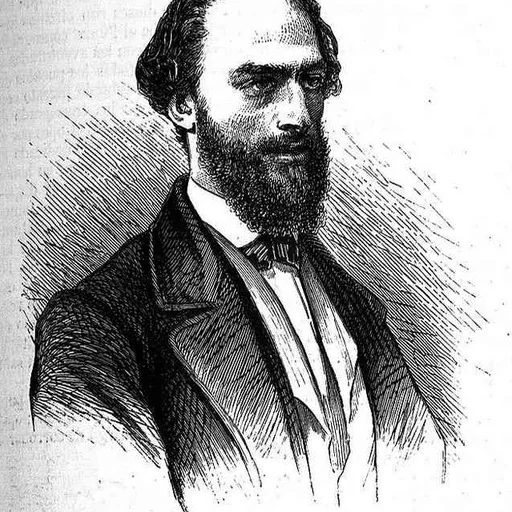
Artist
Antonio Gisbert Pérez (19 December 1834 – 27 November 1901) was a Spanish artist situated on the cusp between the realist and romantic movements in art.

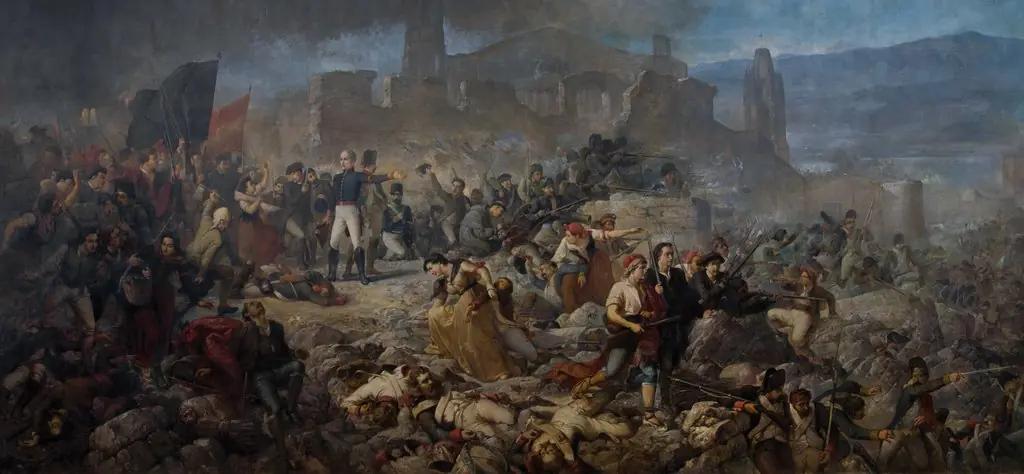 The Great Day of Girona
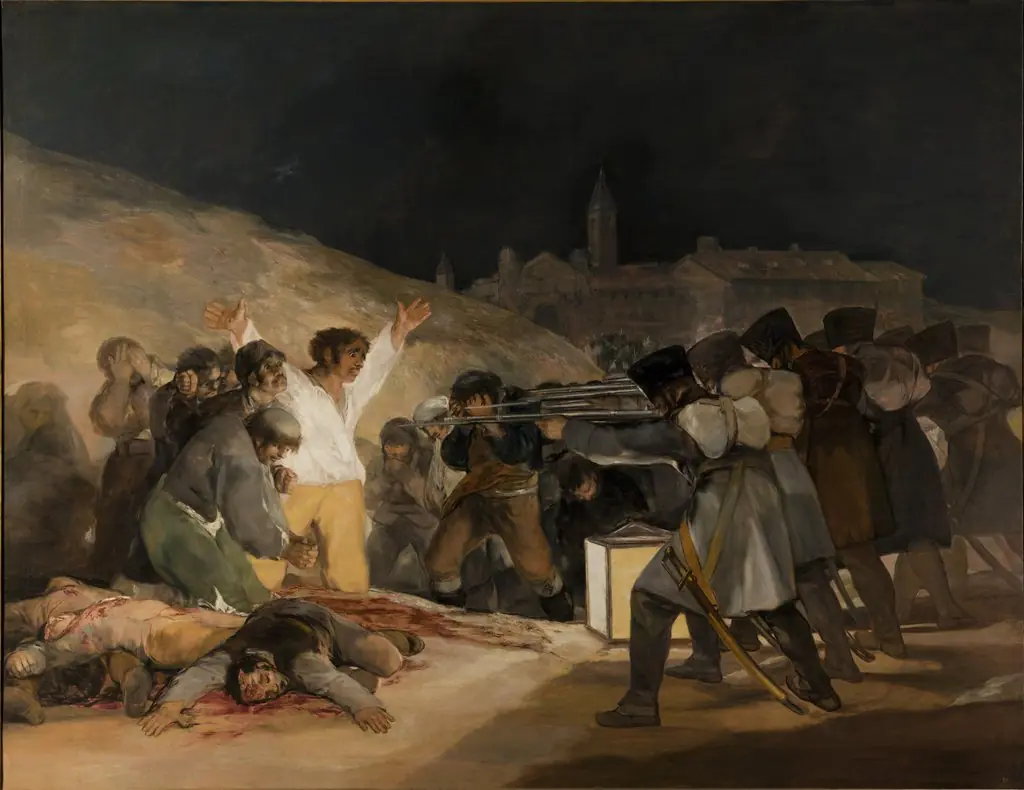 The Third of May 1808
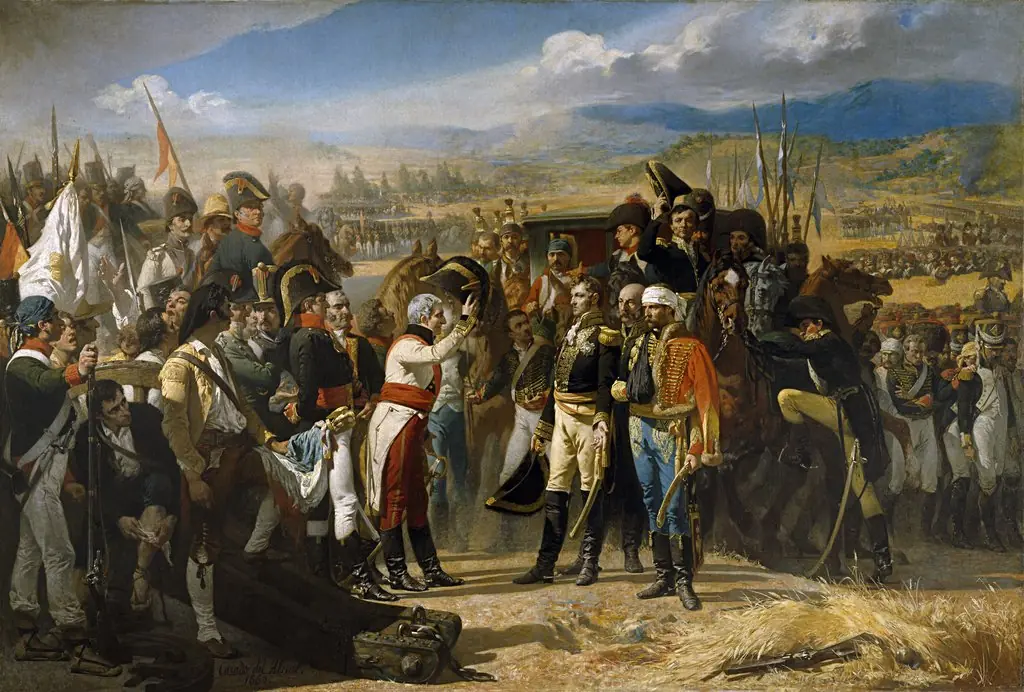 The Surrender of Bailén
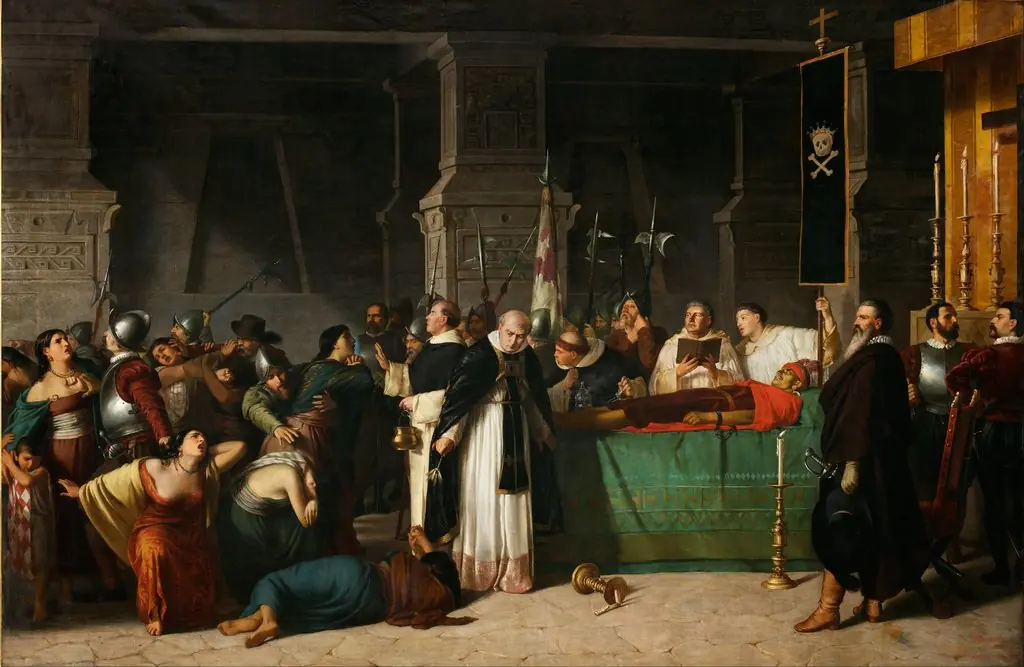 The Funerals of Inca Atahualpa
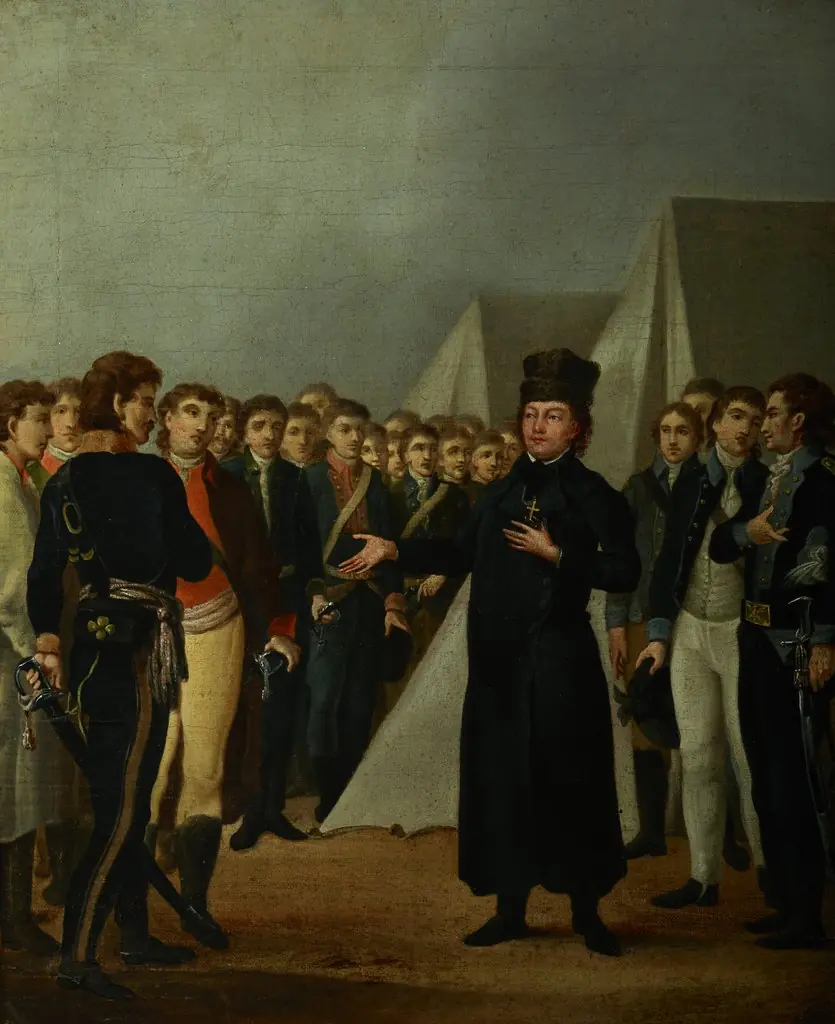 Reverend Józef Jakubowski at the Kościuszko's Camp near Warsaw in 1794
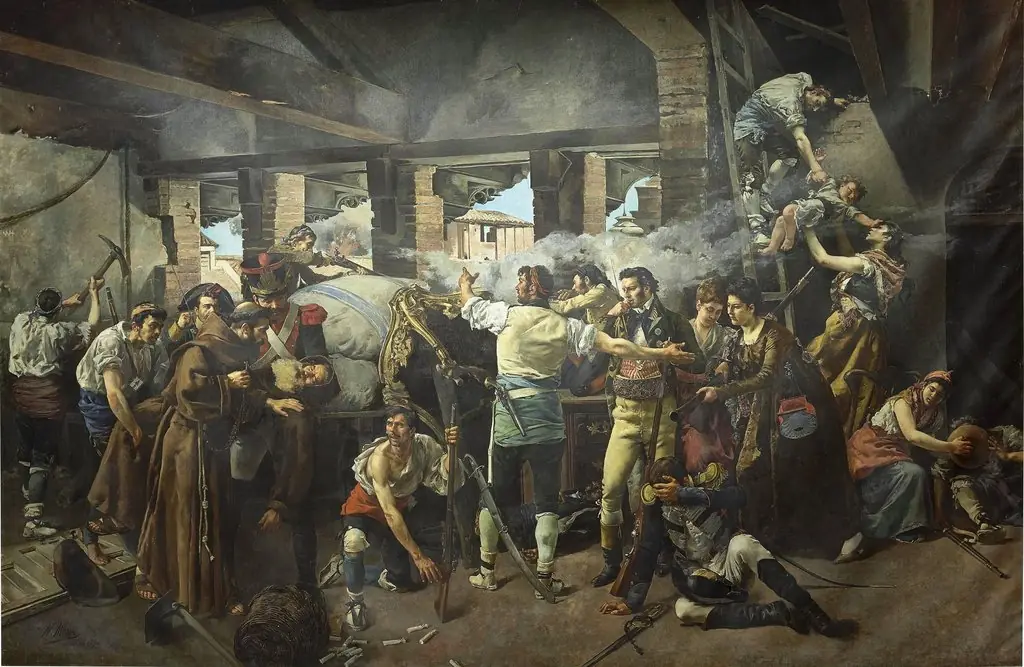 Defensa del Convento de Santa Engracia de Zaragoza 1809
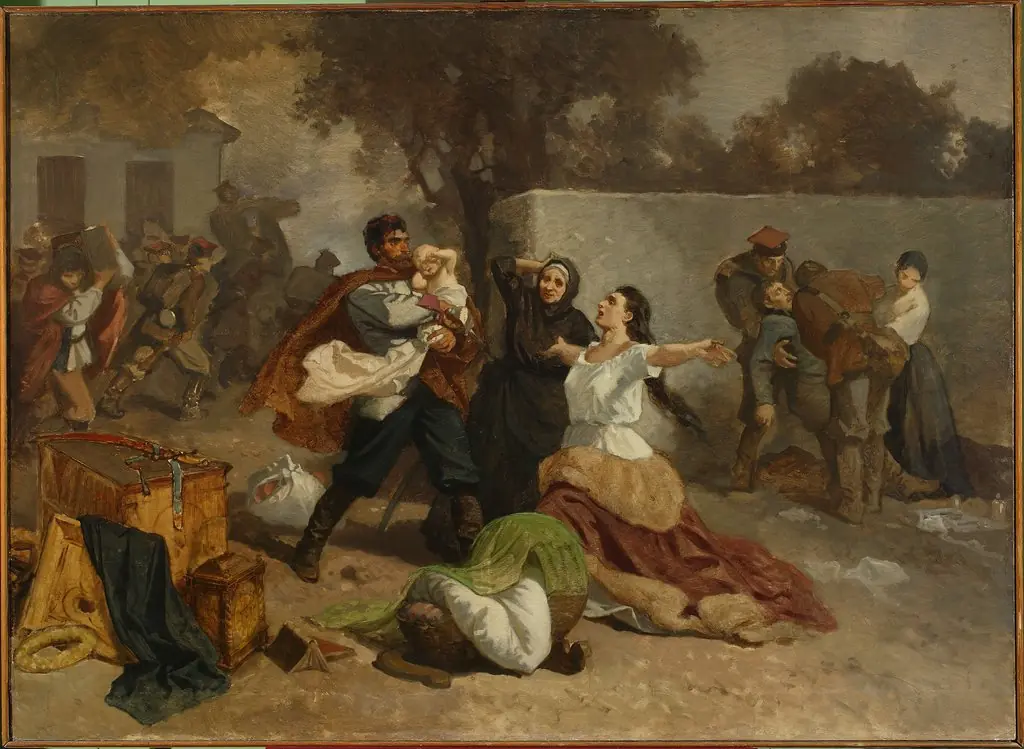 Fire of a manor house near Miechów
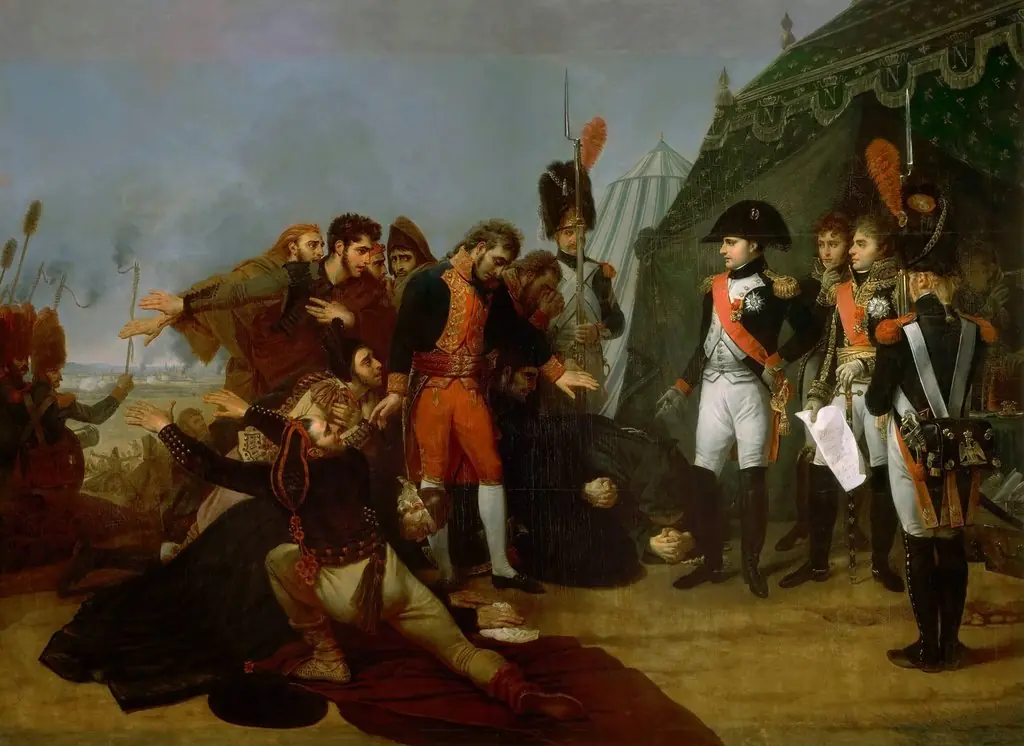 Napoleon accepts the surrender of Madrid, 4 December 1808
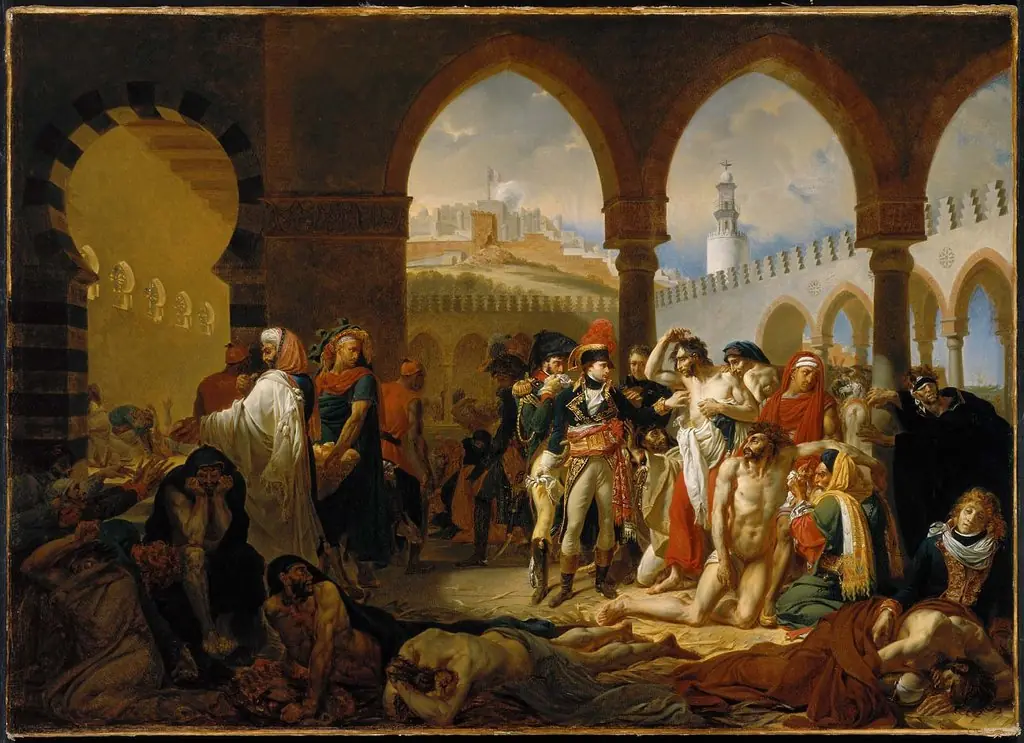 General Bonaparte Visiting the Plague-Stricken at Jaffa
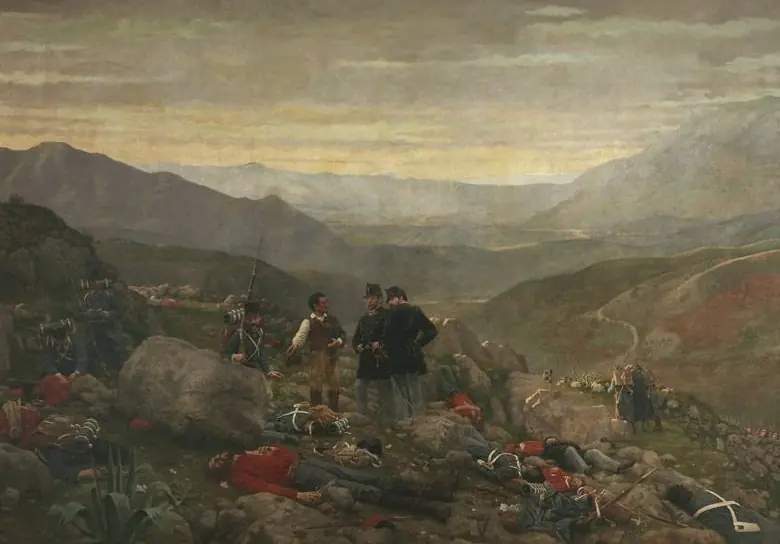 The death of Pilade Bronzetti at Castel Morrone
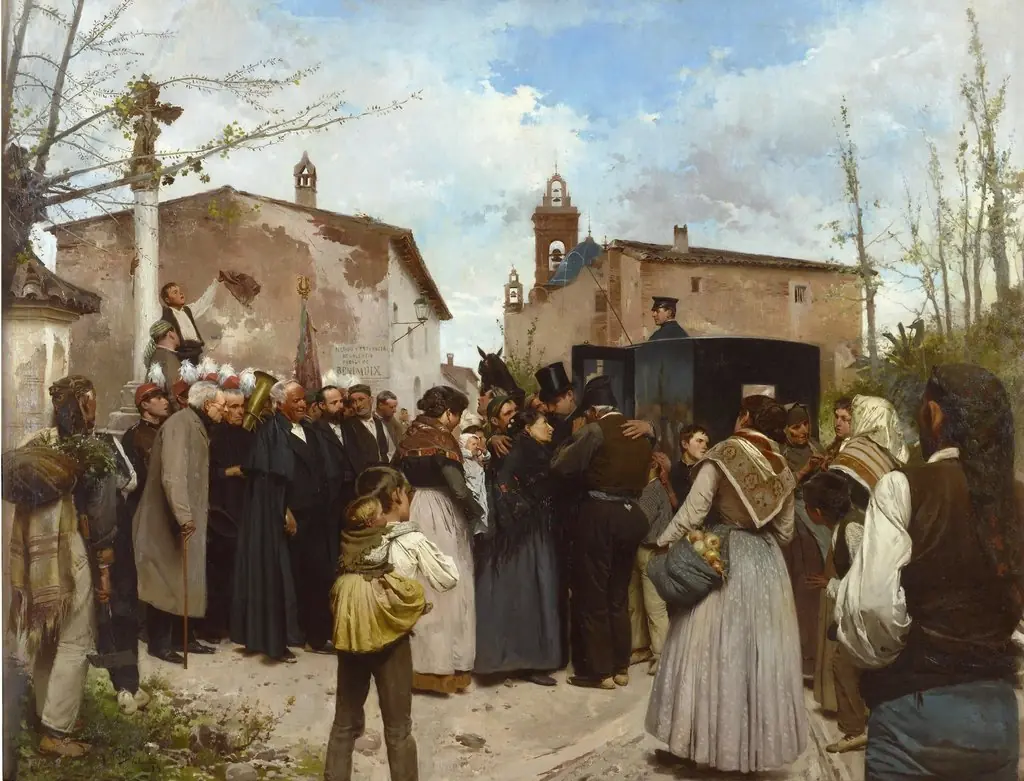 La gloria del pueblo
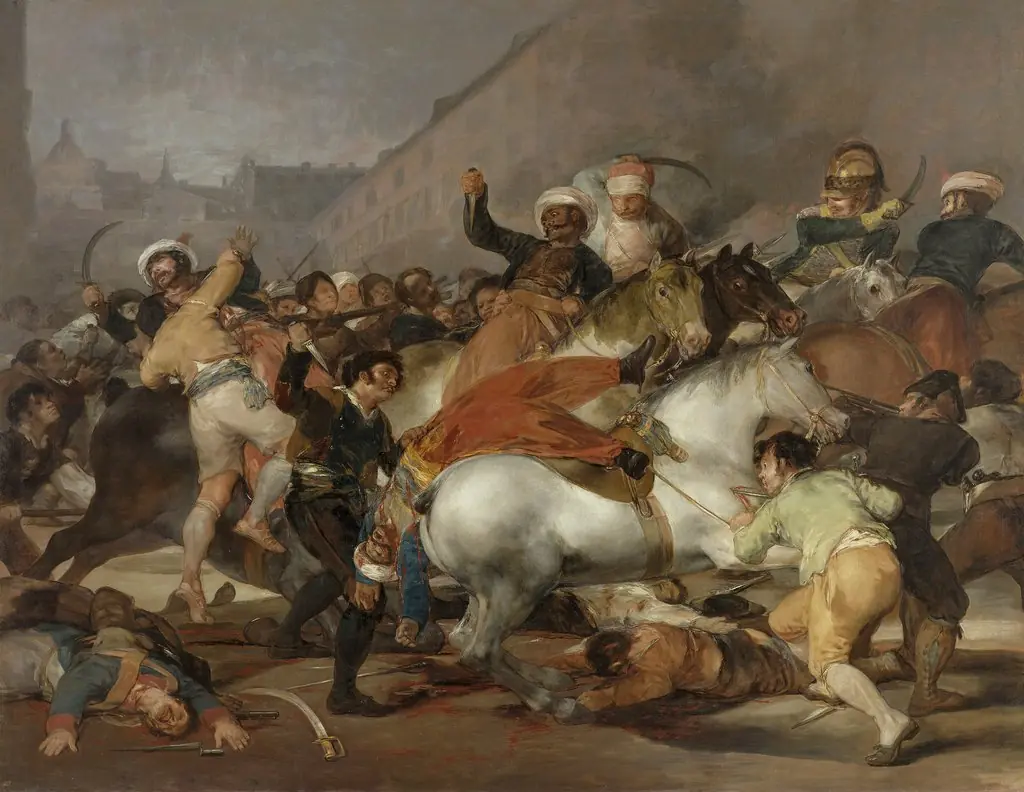 The Second of May 1808