Artwork
María Guerrero as a Girl
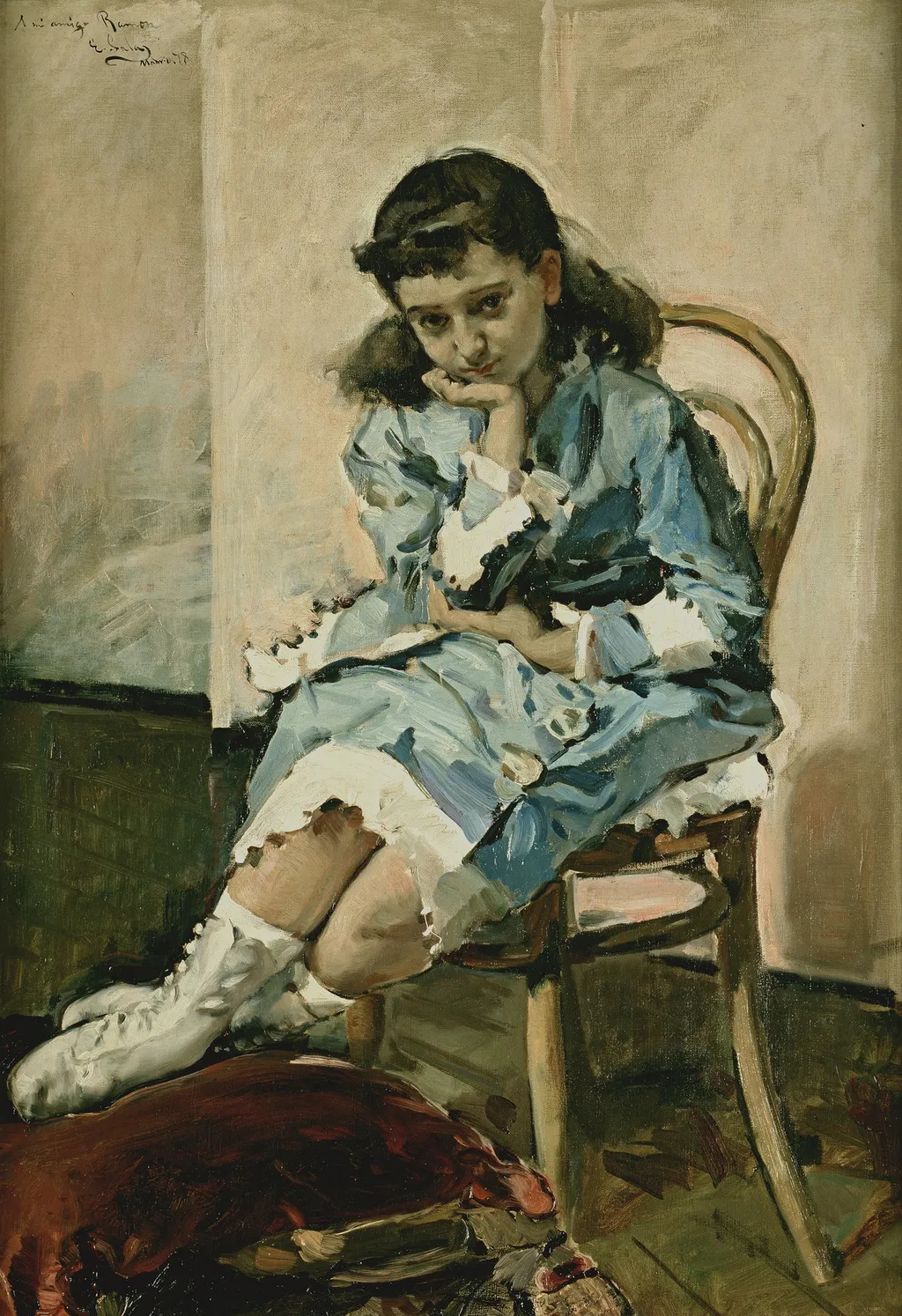
María Guerrero as a Girl is an oil painting by the Post-Impressionist artist Emilio Sala. It dates from 1890 and is held in the collection of the Museo del Prado.
About this work
Overview
Painted in 1890 by Emilio Sala, this oil portrait captures María Guerrero as a child, seated in a moment of quiet stillness.
Painted in 1890 by Emilio Sala, this oil portrait captures María Guerrero as a child, seated in a moment of quiet stillness. The work is part of the Museo del Prado’s collection and exemplifies late 19th-century Spanish portraiture. Rendered with careful attention to form and light, the painting avoids theatricality in favor of intimate observation, reflecting the artist’s interest in psychological nuance over grand narrative.
Subject & Meaning
The subject, María Guerrero, is portrayed not as a public figure but as a private child lost in thought. Her posture—elbow on knee, chin resting in hand—suggests introspection rather than performance. The absence of props or symbolic elements directs focus to her expression: calm, unguarded, and subtly vulnerable. The portrait conveys a sense of inner life, typical of Salon-era portraiture that valued emotional authenticity over idealization.
Technique & Style
Sala employed oil paint to achieve subtle gradations of tone and texture, particularly in the fabric of the blue dress and the softness of the child’s skin. The lighting is even but directional, modeling form without dramatic contrast. The plain background isolates the figure, enhancing the sense of solitude. Brushwork is restrained, favoring smooth transitions over visible strokes, aligning with academic traditions of the period.
History & Provenance
The painting entered the Museo del Prado’s collection in the early 20th century, likely through state acquisition or donation. María Guerrero, later a celebrated stage actress, was the daughter of a prominent Spanish theatrical family. While the painting predates her public fame, its preservation suggests early recognition of the subject’s social standing or the artist’s reputation within Madrid’s cultural circles.
Context
In late 19th-century Spain, portraiture often served both personal and social functions, documenting family lineage or cultural refinement. Sala, trained in Madrid and influenced by French academic styles, contributed to a generation of painters who prioritized psychological realism. This work reflects broader European trends favoring intimate, non-heroic depictions of children, moving away from formal aristocratic conventions.
Legacy
Though not widely reproduced, the painting remains a quiet example of Sala’s skill in capturing quietude. It contributes to the Prado’s broader representation of Spanish domestic portraiture beyond grand historical or religious themes. Its endurance lies in its restraint—offering a glimpse into the private world of a child who would later become a public figure, now remembered through this still, contemplative image.
Own this work as a print
Artist & collection

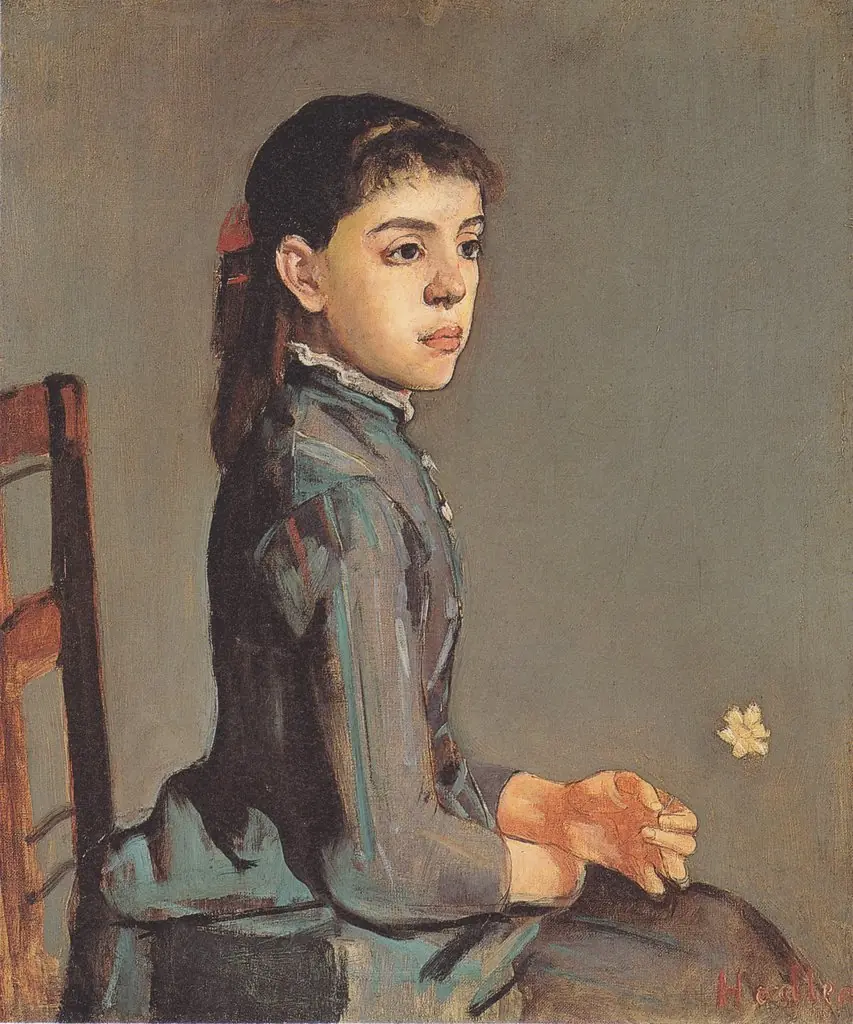 Bildnis Louise-Delphine Duchosal
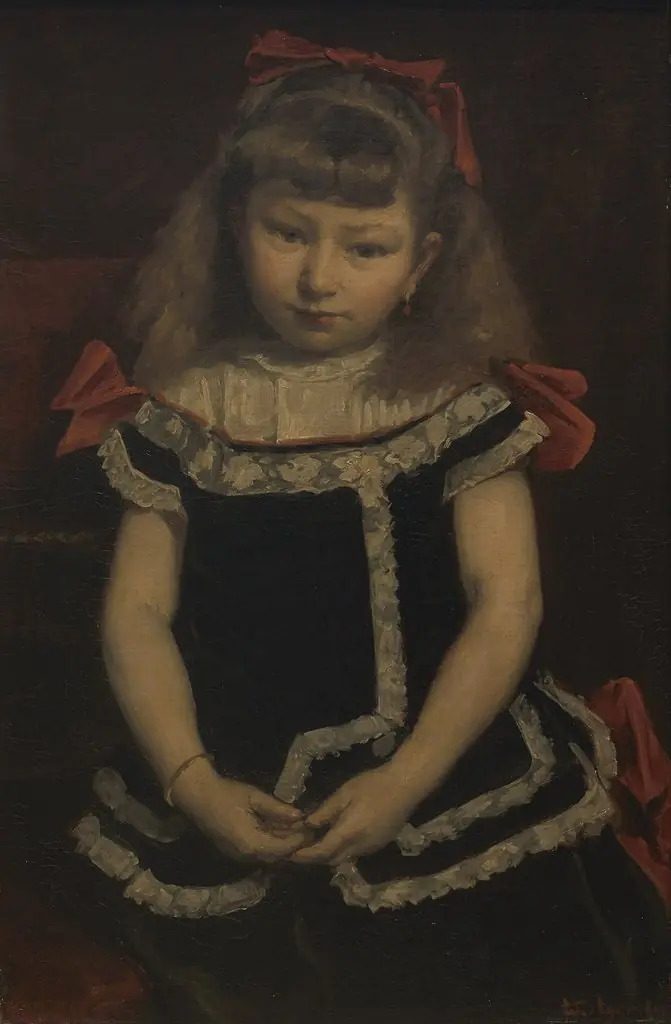 Juliette Quénel
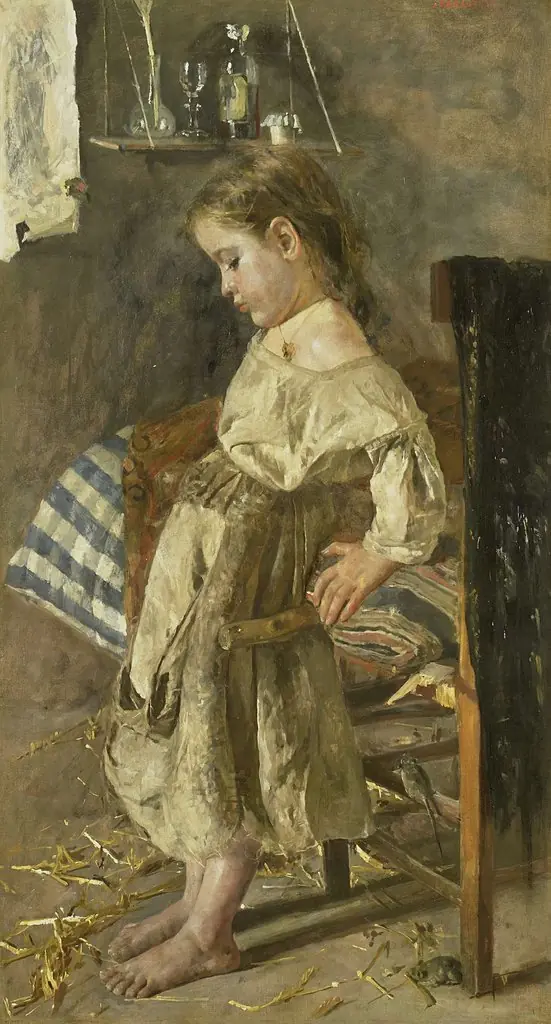 The poor child
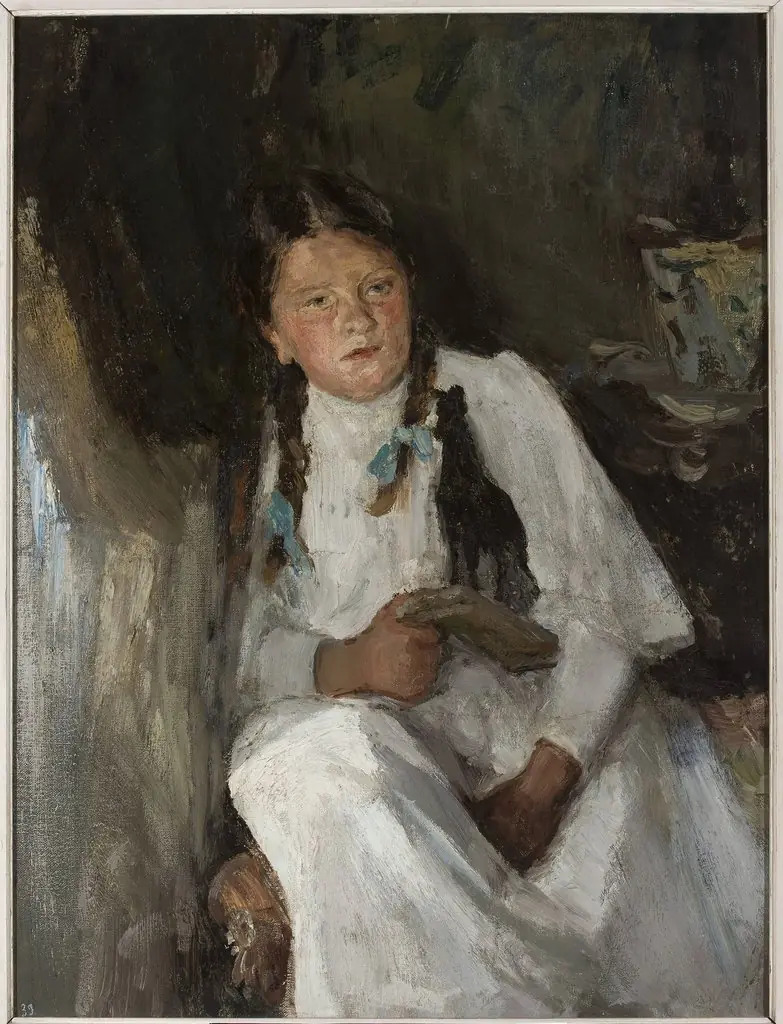 Portrait of a girl
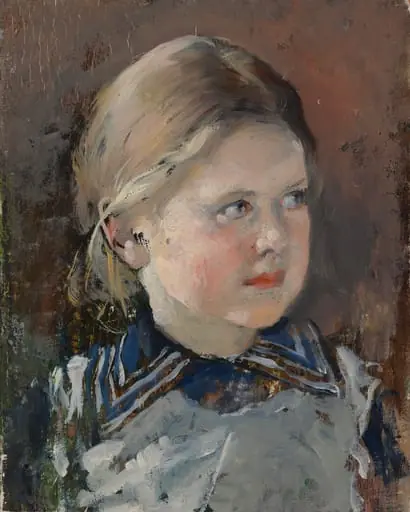 Tytön pää, harjoitelma vapaaherra Viktor Magnus von Bornin perhemuotokuvaa varten
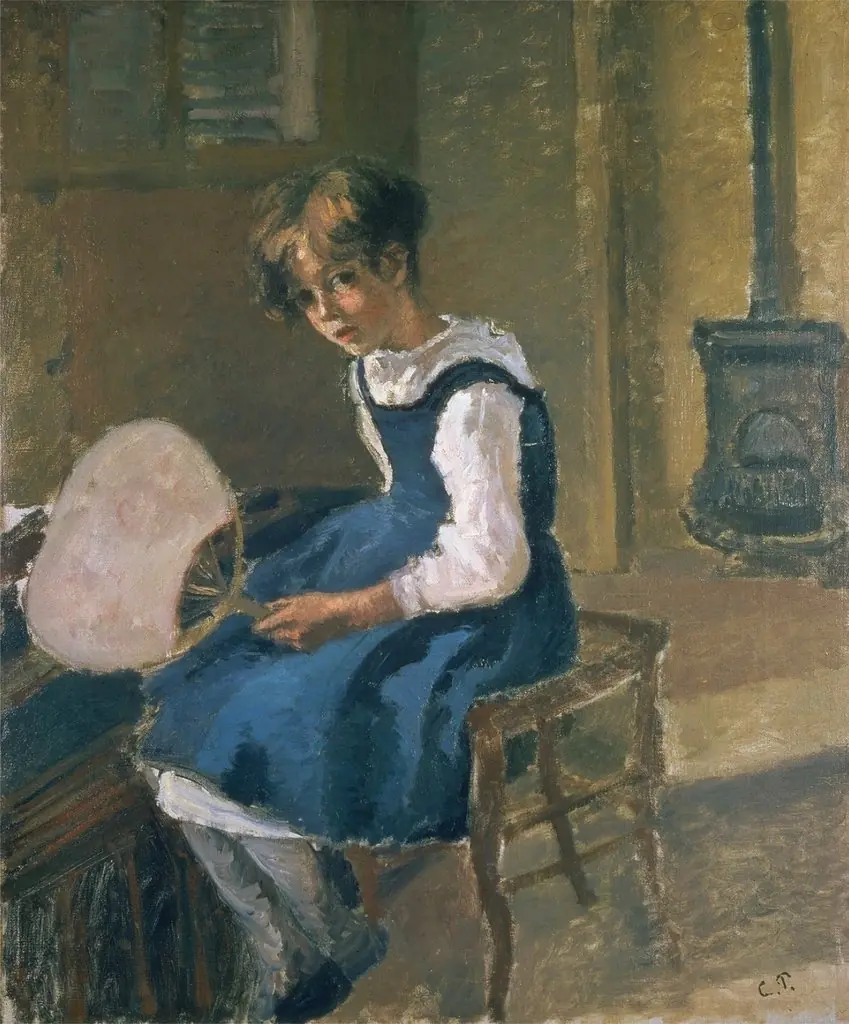 Jeanne Pissarro Called Minette Holding a Fan
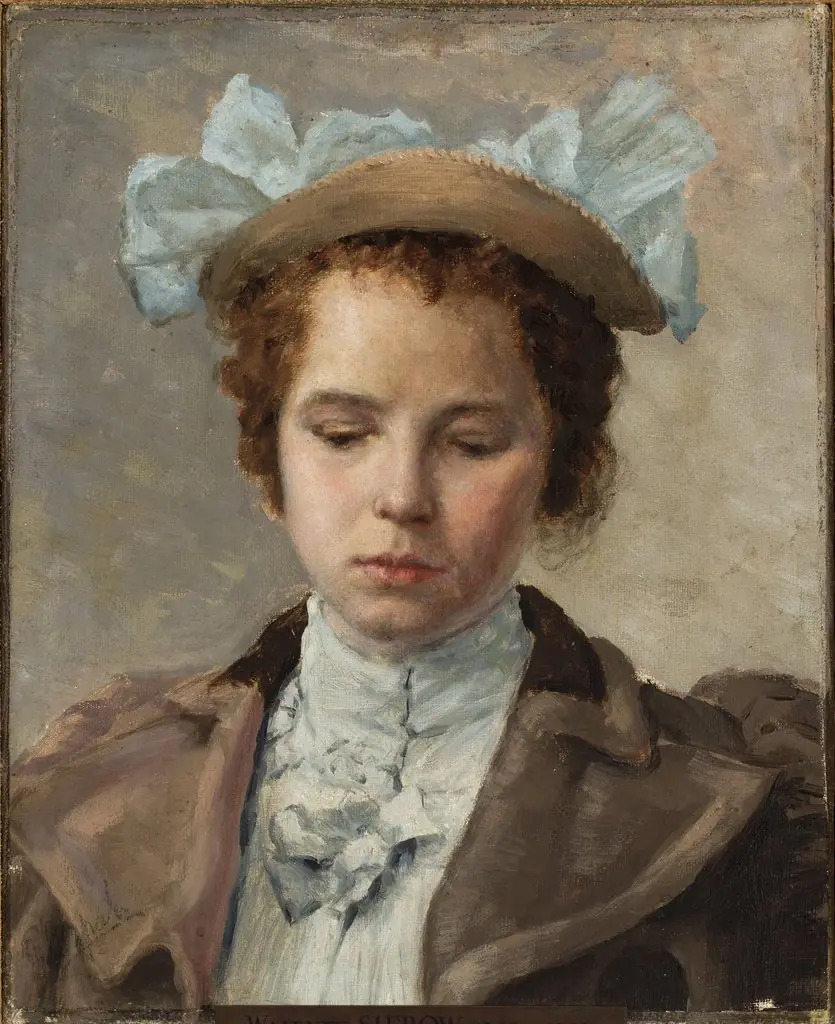 Portrait study of a young girl
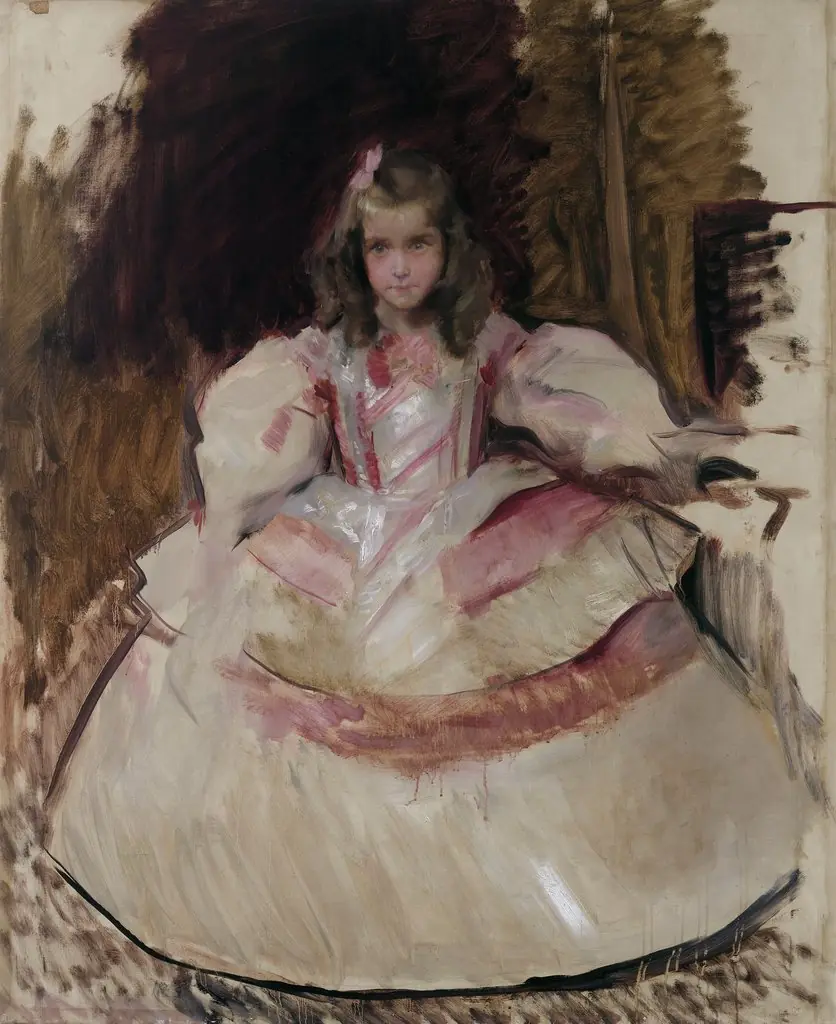 La niña María Figueroa vestida de menina
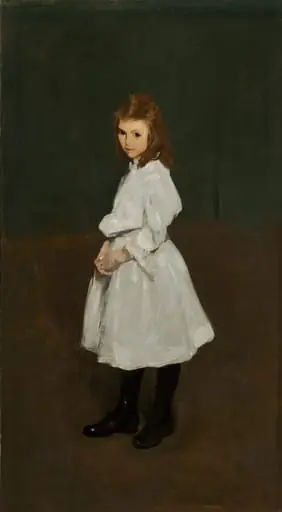 Little Girl in White (Queenie Burnett)
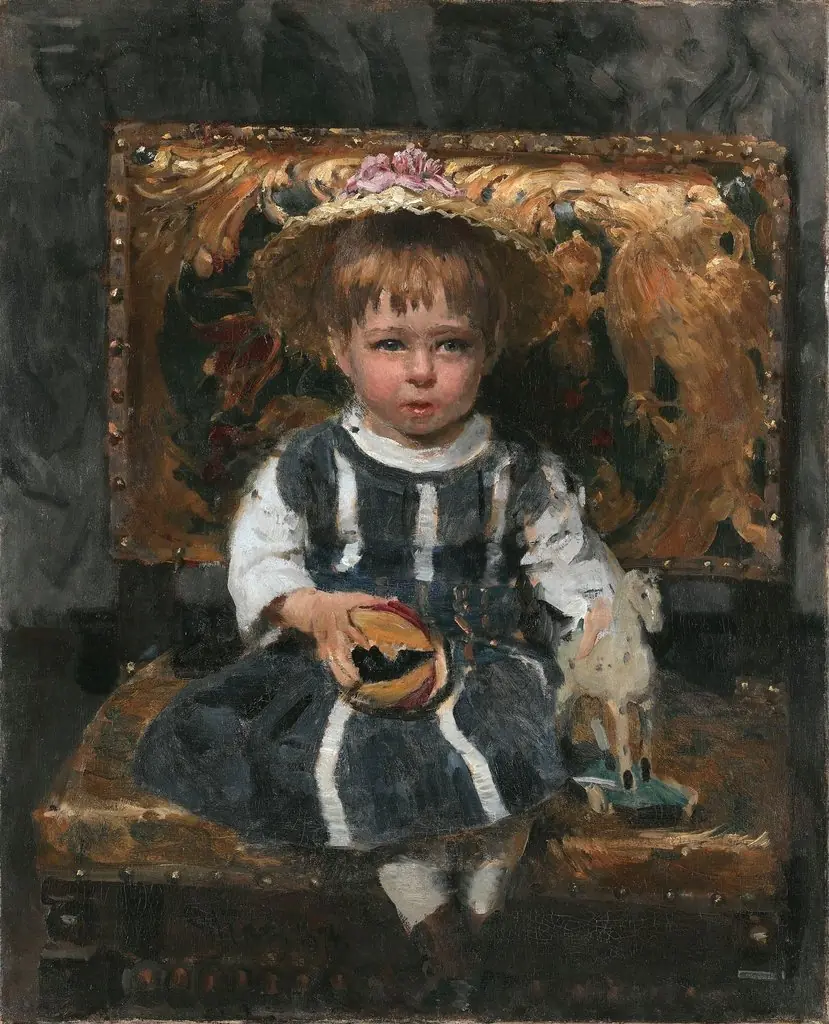 Delt va V- I- Repina koe iriba
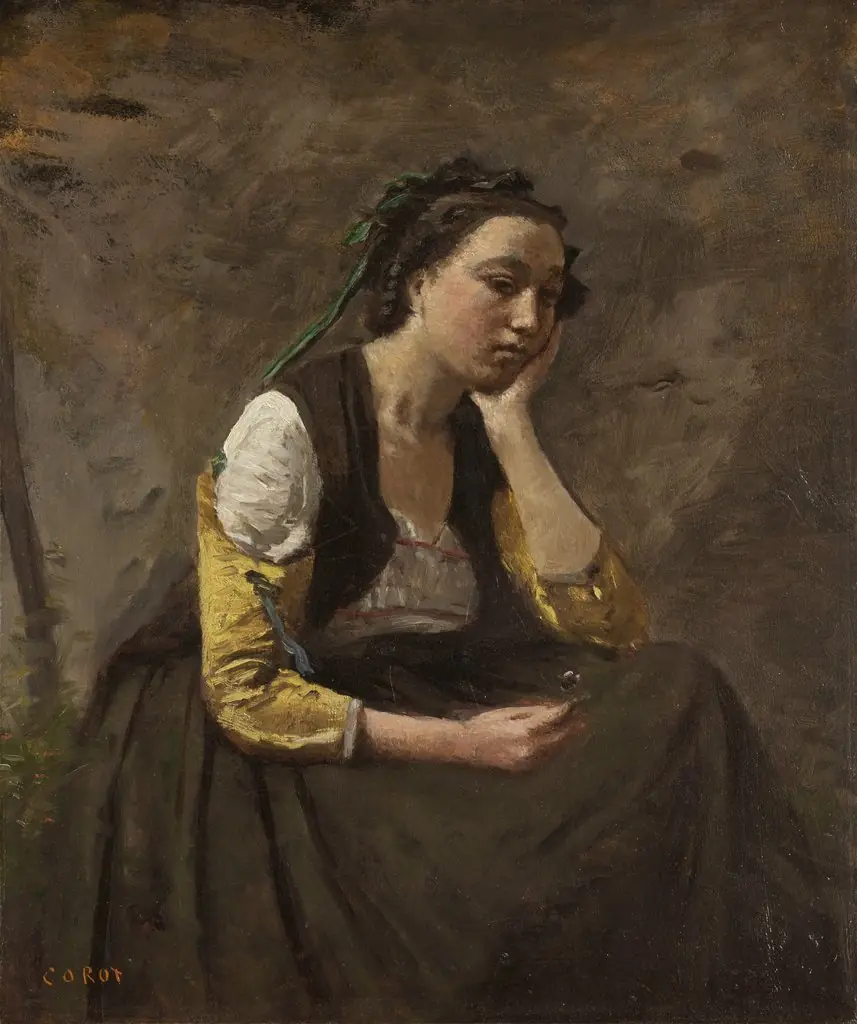 Woman Resting on Her Elbow
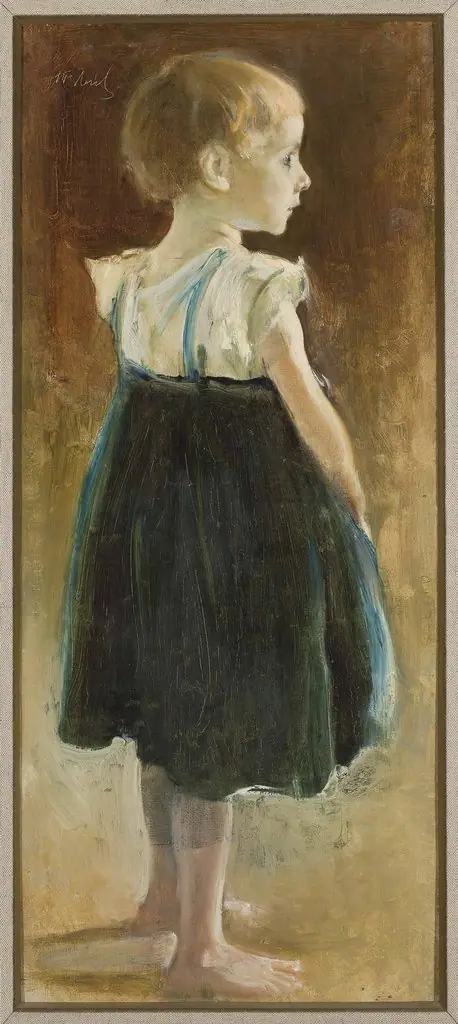 Girl
Girl