Artwork
Autorretrato
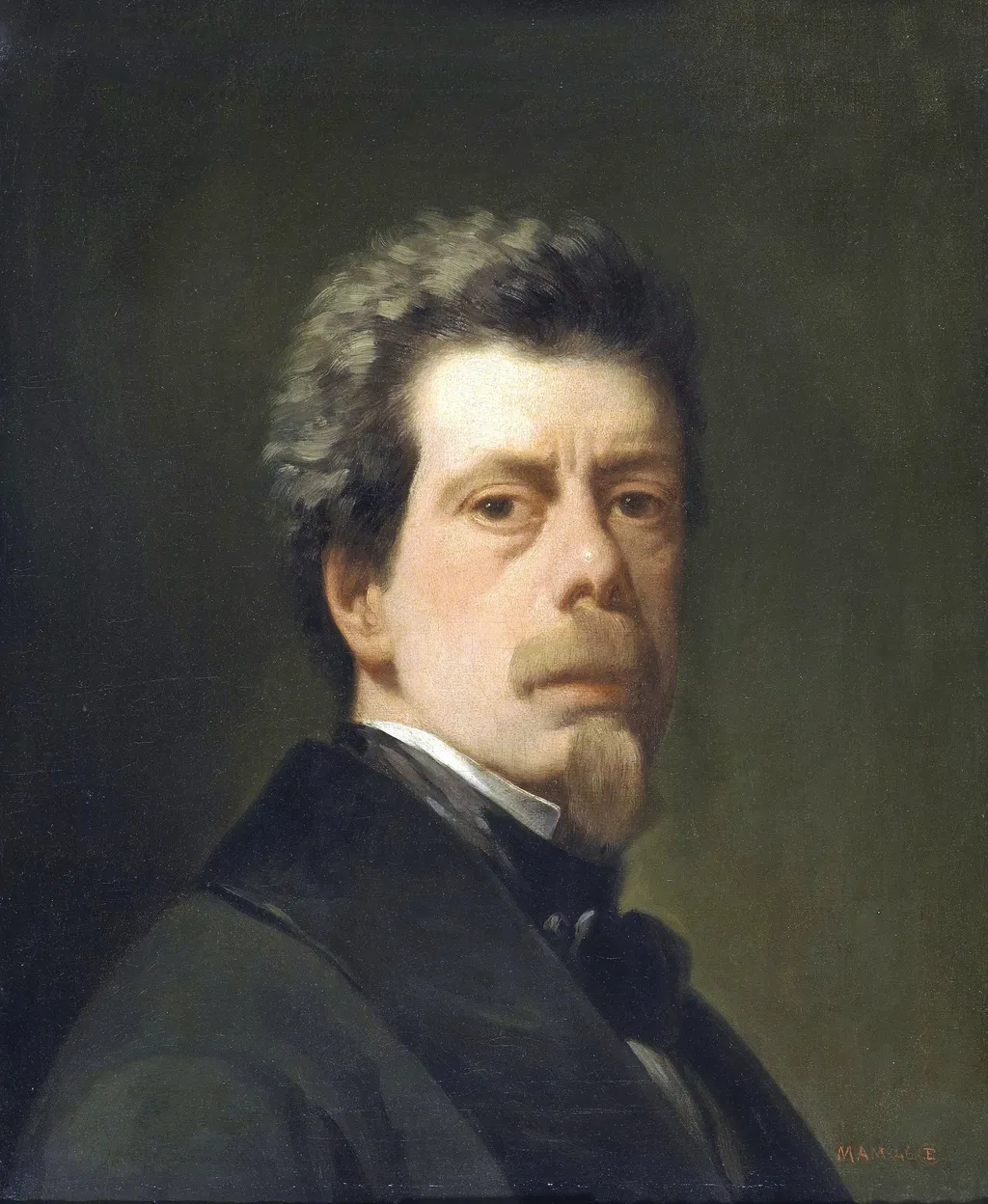
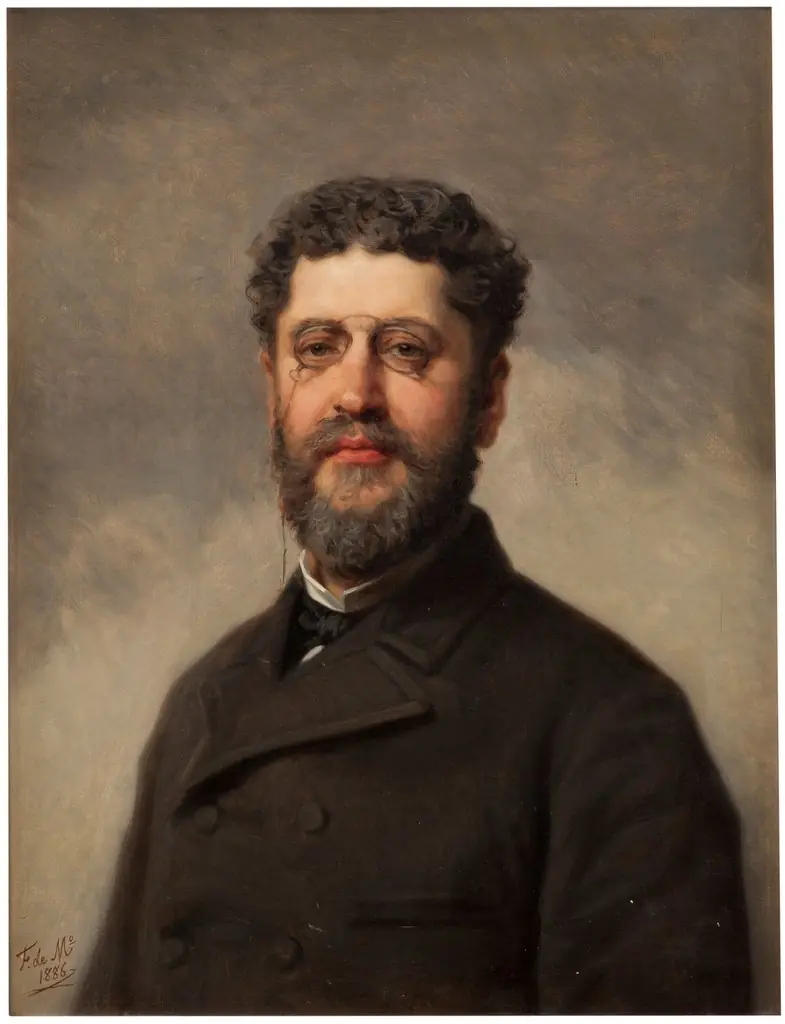
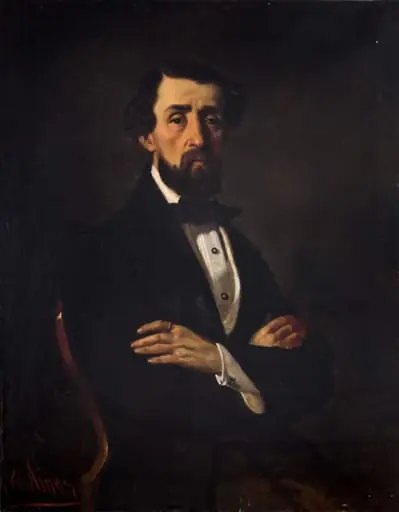
Autorretrato is an oil painting by Antonio María Esquivel. It dates from 1856 and is held in the collection of the Museo del Prado.
About this work
Overview
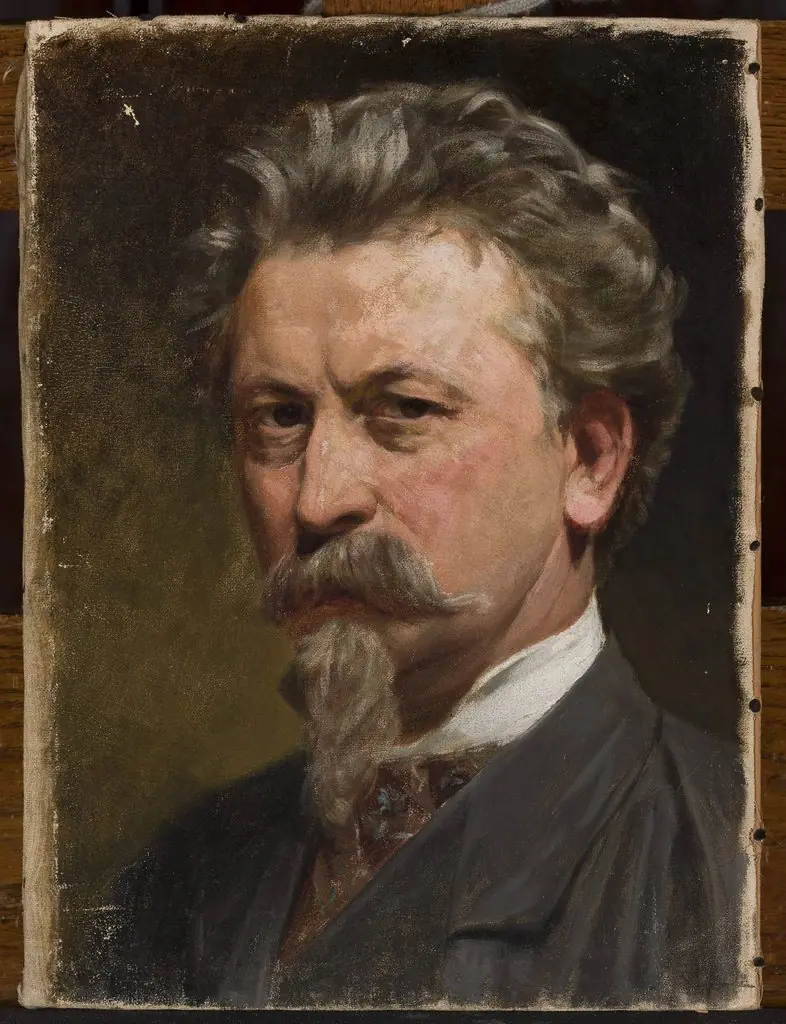
Autorretrato, created in 1856 by Spanish Romantic painter Antonio María Esquivel, is a self-portrait executed in oil paint. The work is characterized by a somber, focused composition, emphasizing the artist's likeness against a subdued background.
Subject & Meaning
The subject of Autorretrato is Esquivel himself, portrayed with a serious expression and distinguished by curly gray hair. His attire, a dark coat with a visible white collar, suggests a sense of professionalism and sobriety.
Technique & Style
Esquivel employed smooth yet expressive brushstrokes, particularly evident in the textured rendering of his beard and forehead. The painting utilizes chiaroscuro, a strong contrast between light and dark, to draw attention to the artist's face, set against a plain, dark background.
History & Provenance
Autorretrato is part of the collection at the Museo del Prado, indicating its recognition as a significant work within Esquivel's oeuvre and Spanish Romantic art.
Context
As a Romantic portrait, Autorretrato reflects the era's emphasis on emotional depth and individuality, though Esquivel's self-portrait leans towards restraint and professionalism rather than dramatic emotional expression.
Legacy
While specific influences of Autorretrato on subsequent artists are not widely documented, it contributes to the broader legacy of Spanish Romantic portraiture, offering insight into the self-presentation of artists during this period.
Own this work as a print
Artist & collection
Artist
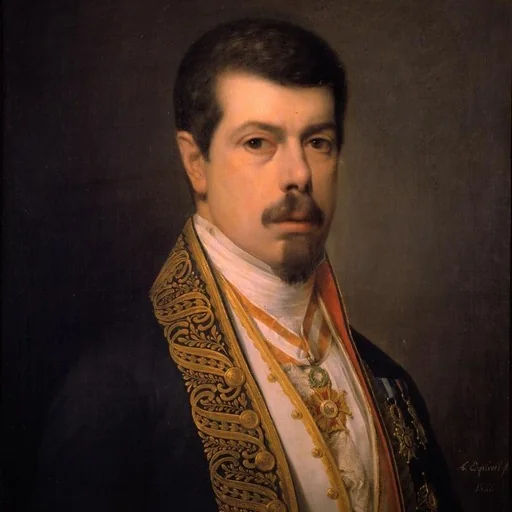
Antonio María Esquivel y Suárez de Urbina (8 March 1806 – 9 April 1857) was a Spanish painter in the Romantic style who specialized in portraits.