Artwork
Joseph Explaining His Dream to His Brothers
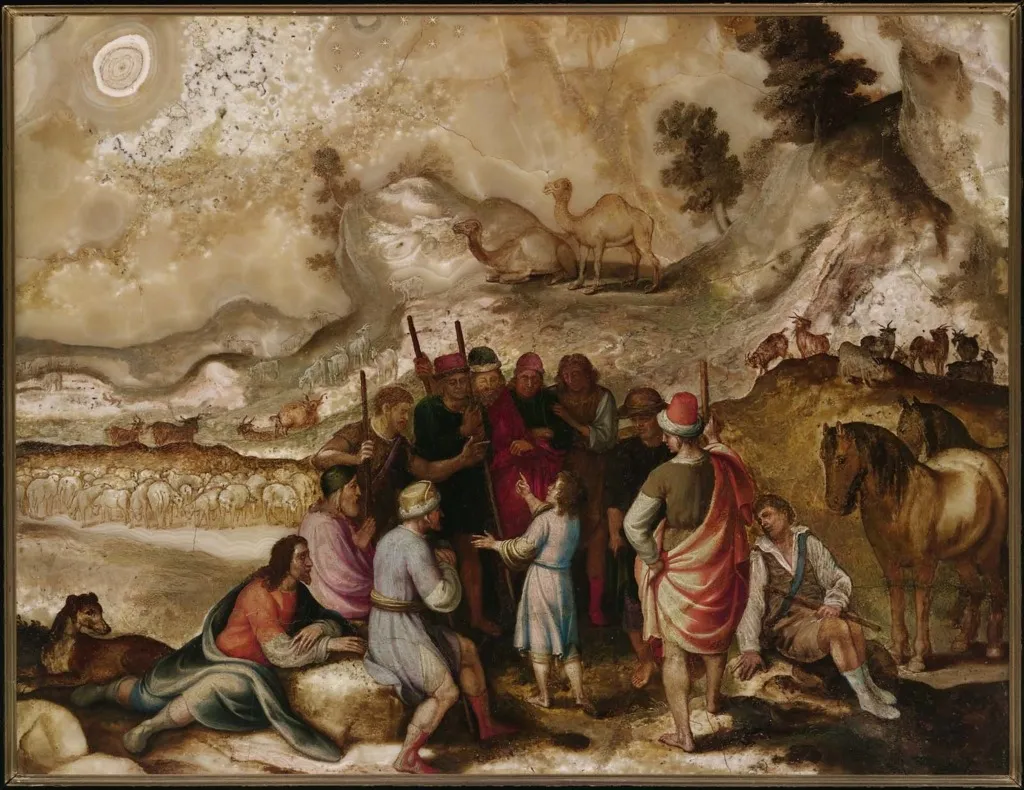
Joseph Explaining His Dream to His Brothers is an unspecified painting by the Early Baroque Italian artist Antonio Tempesta. It dates from 1600 and is held in the collection of the Museum of Fine Arts Boston.
About this work
Overview
The composition gathers a group of men around a central figure, set within a rocky, tree‑dotted landscape under a cloudy sky.
Antonio Tempesta’s 1600 oil painting, *Joseph Explaining His Dream to His Brothers*, presents the biblical episode in which Joseph relates his prophetic vision to his siblings. The composition gathers a group of men around a central figure, set within a rocky, tree‑dotted landscape under a cloudy sky. The work exemplifies early‑Baroque sensibilities through its dynamic arrangement and attention to narrative detail.
Subject & Meaning
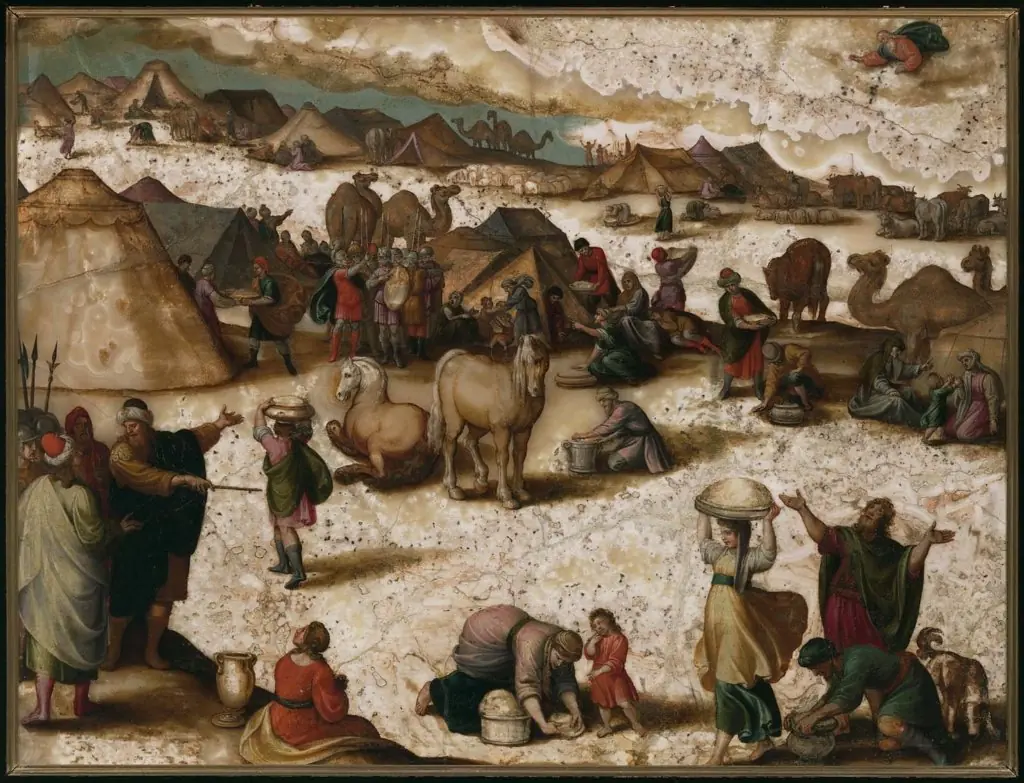
The scene captures the moment Joseph, identifiable by his distinctive posture and the staff he holds, recounts his dream of sheaves bowing before his own. His brothers, dressed in robes and turbans, listen with a mixture of curiosity and skepticism. The inclusion of camels, goats, and sheep in the background alludes to the pastoral setting of Canaan and underscores the story’s themes of familial tension and divine destiny.
Technique & Style
Tempesta employs a palette of earthy tones to render the rocky terrain and foliage, creating a naturalistic atmosphere. The figures are modeled with chiaroscuro, the contrast of light and shadow that gives volume and emphasizes emotional expression. Brushwork is relatively fluid, allowing the movement of the characters and the texture of the animals to convey a sense of immediacy characteristic of early Baroque narrative painting.
History & Provenance
Created in Rome at the turn of the 17th century, the painting reflects Tempesta’s dual role as painter and engraver, bridging the artistic currents of Baroque Italy with his earlier training in Antwerp. Though the work’s early ownership records are sparse, it entered private collections in the 18th century before being acquired by a European museum in the mid‑20th century, where it remains on display.
Context
Tempesta’s treatment of a biblical subject aligns with the Counter‑Reformation’s emphasis on clear, emotionally resonant storytelling. By integrating detailed animal motifs and a rugged landscape, he expands the conventional interior setting of such narratives, influencing later Italian artists who sought to combine dramatic composition with naturalistic background elements.
Artist & collection
Artist
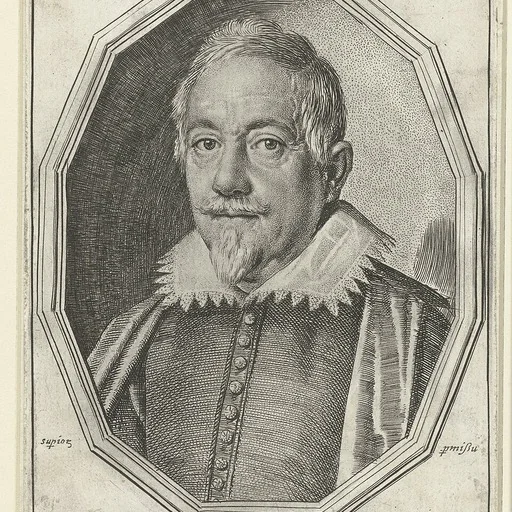
Antonio Tempesta, also called il Tempestino (1555 – 5 August 1630), was an Italian painter and engraver, whose art acted as a point of connection between Baroque Rome and the culture of Antwerp.

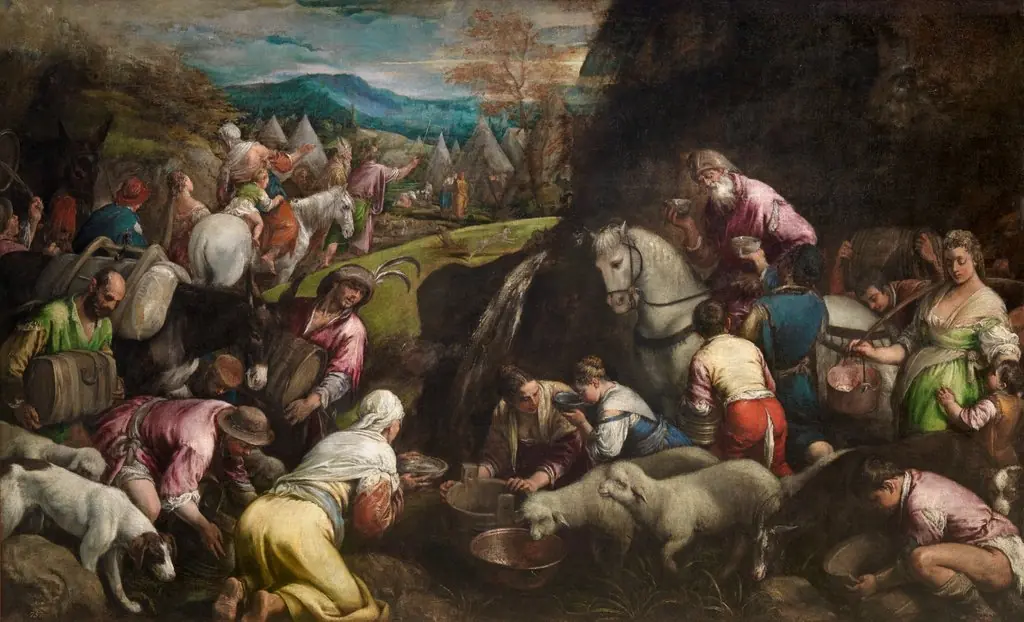 The Israelites drinking the miraculous Water
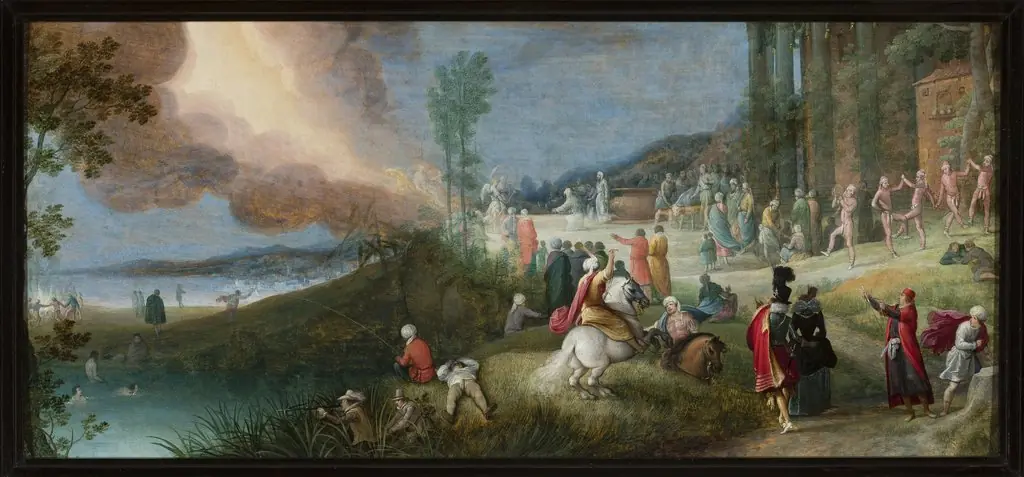 Offering scene
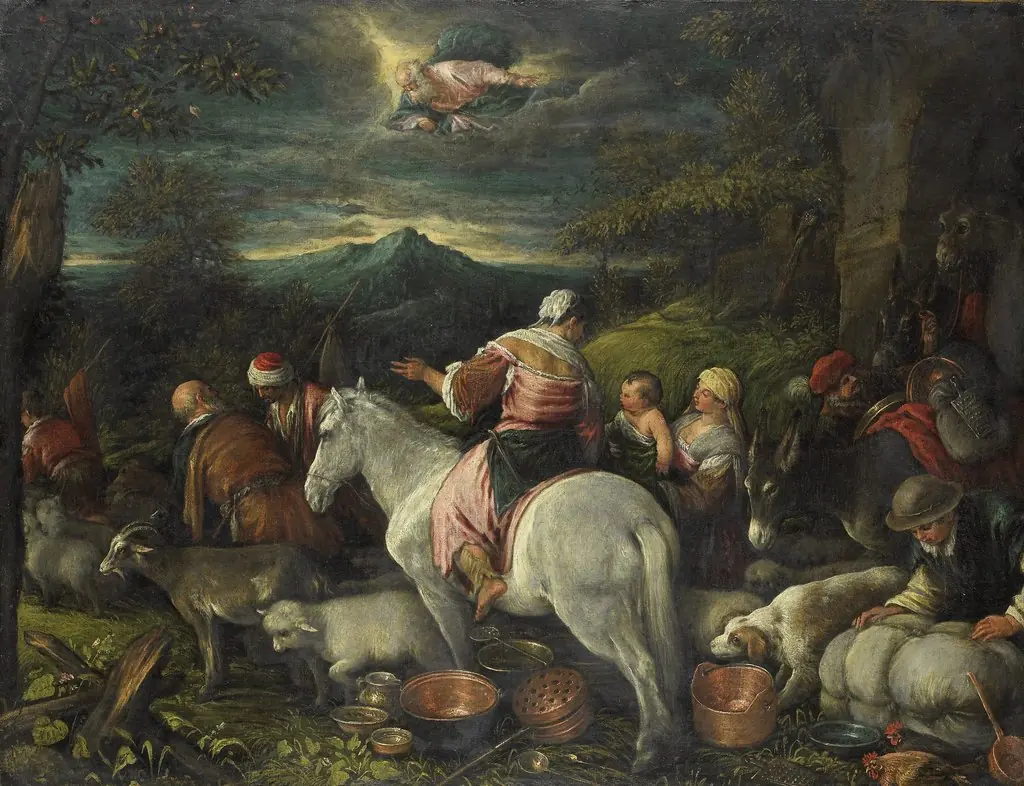 Abraham leaves Haran for Egypt
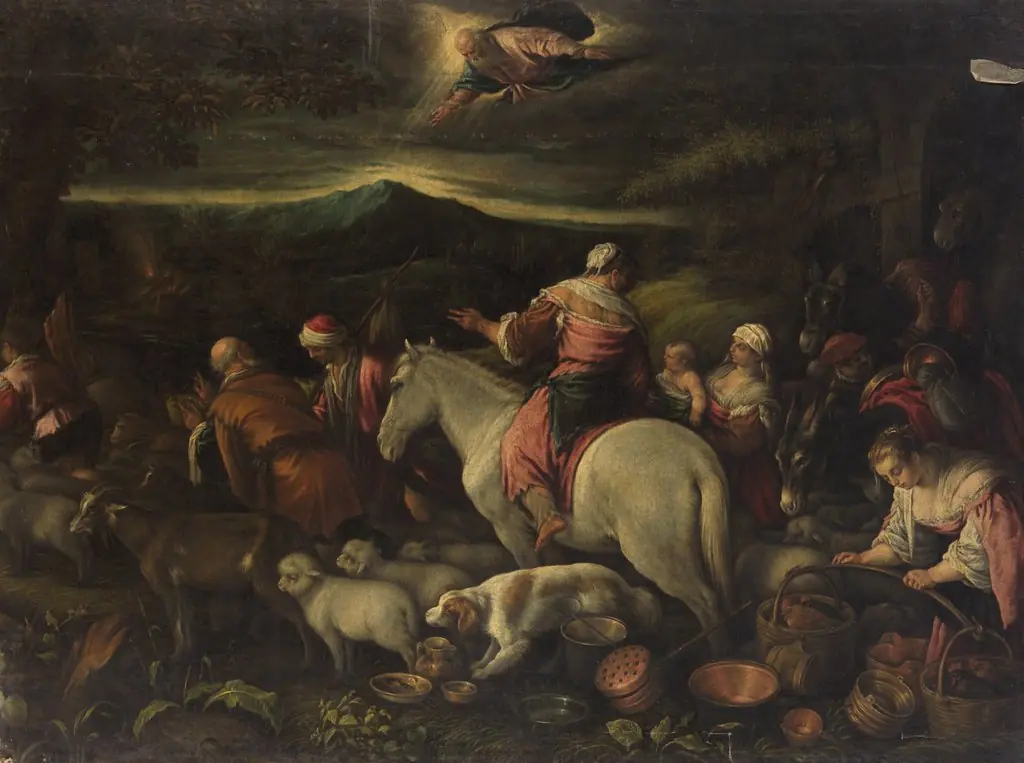 Aufbruch Abrahams ins gelobte Land
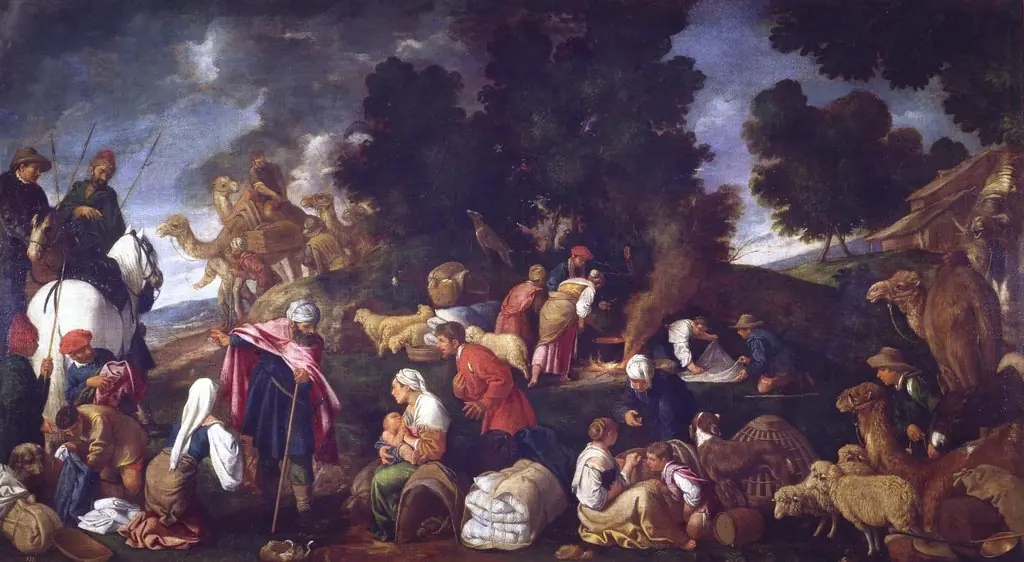 Labán busca los ídolos
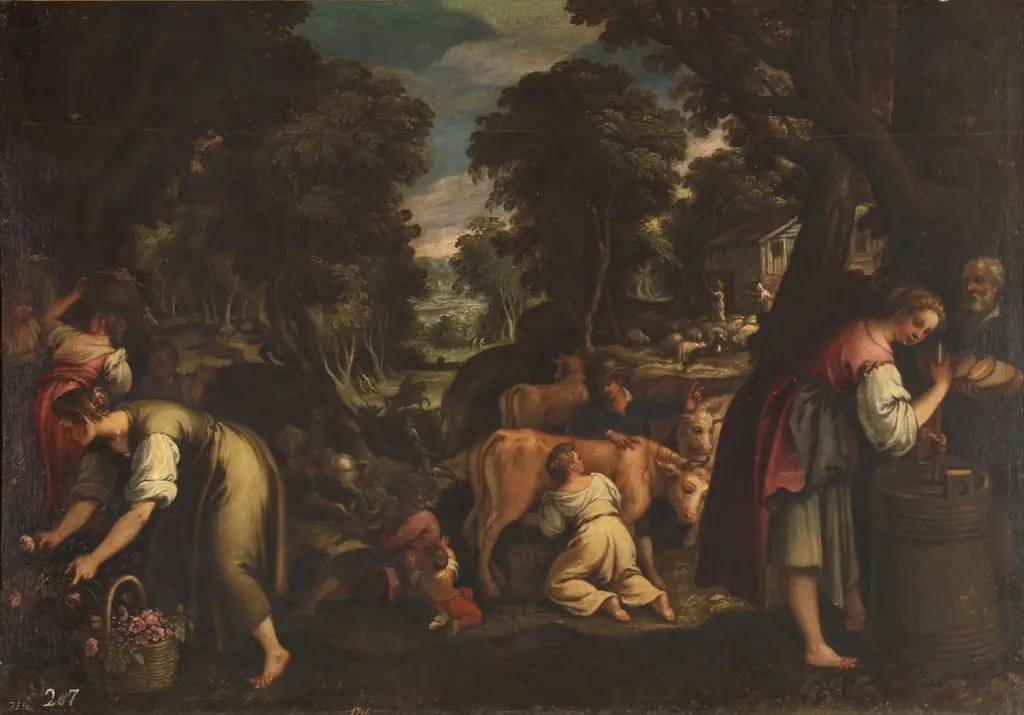 Rural labours or Spring
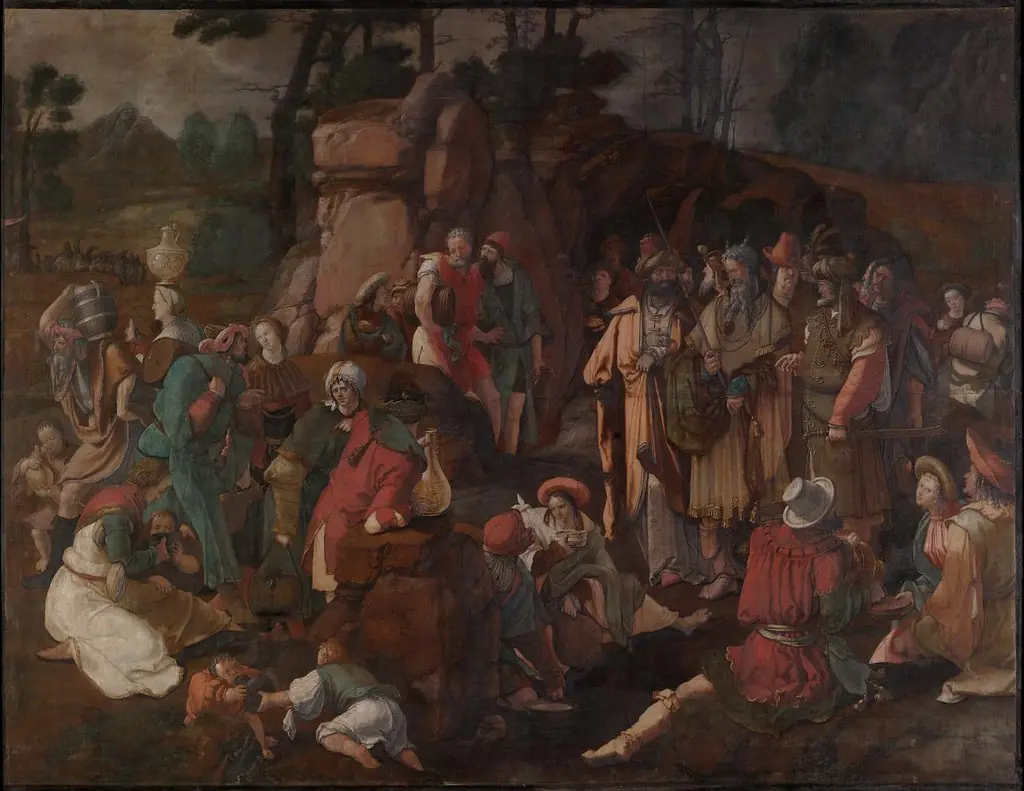 Moses and the Israelites after the Miracle of Water from the Rock
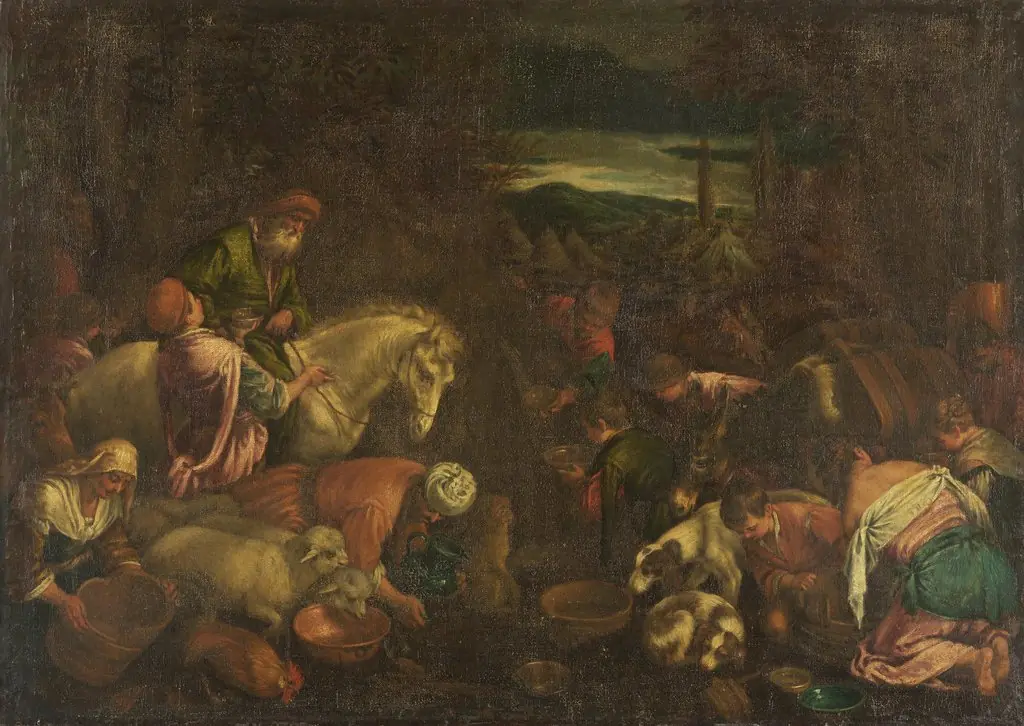 Mises Striking the Rock
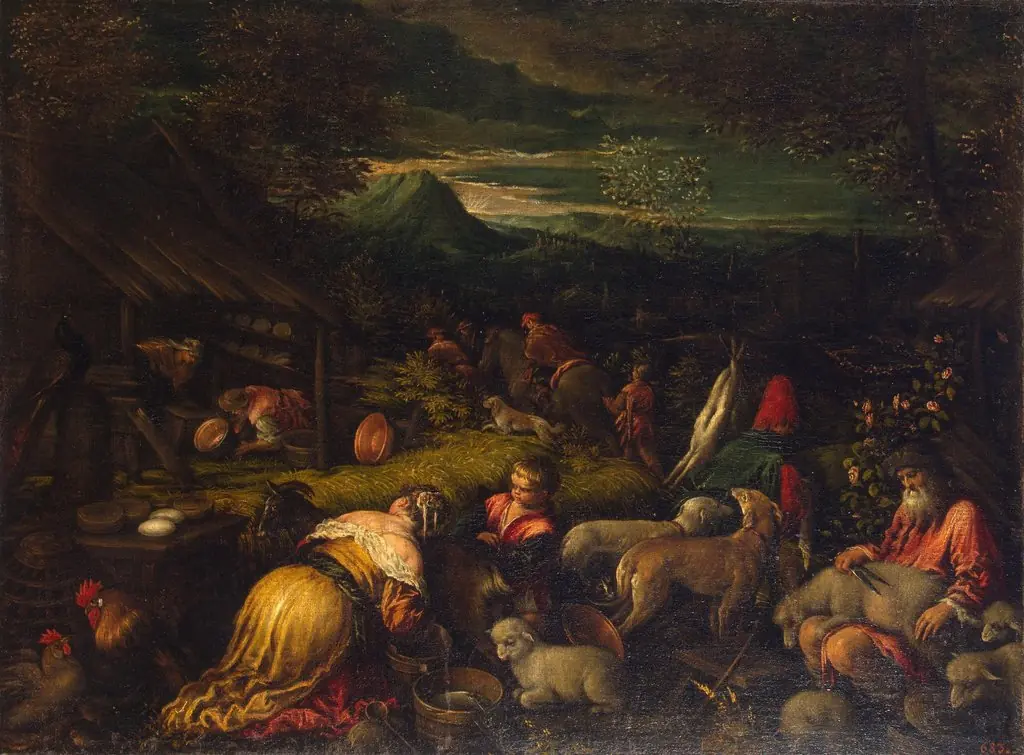 Autumn
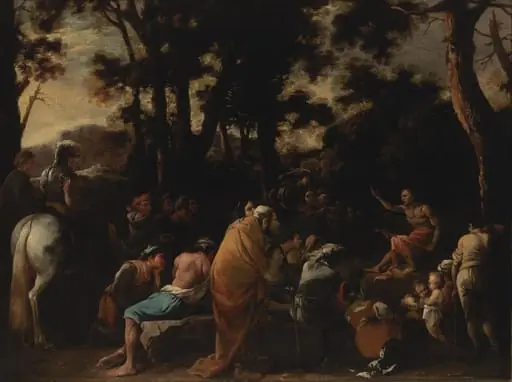 Johannes Kastaja saarnaa
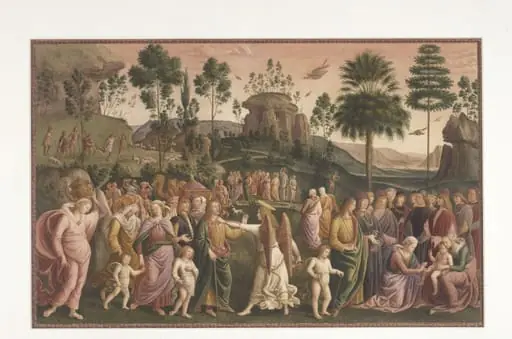 Copy after the painting Moses and the Angel by Perugino in the Collegio del Cambio, Perugia.