Artwork
Raub der Europa
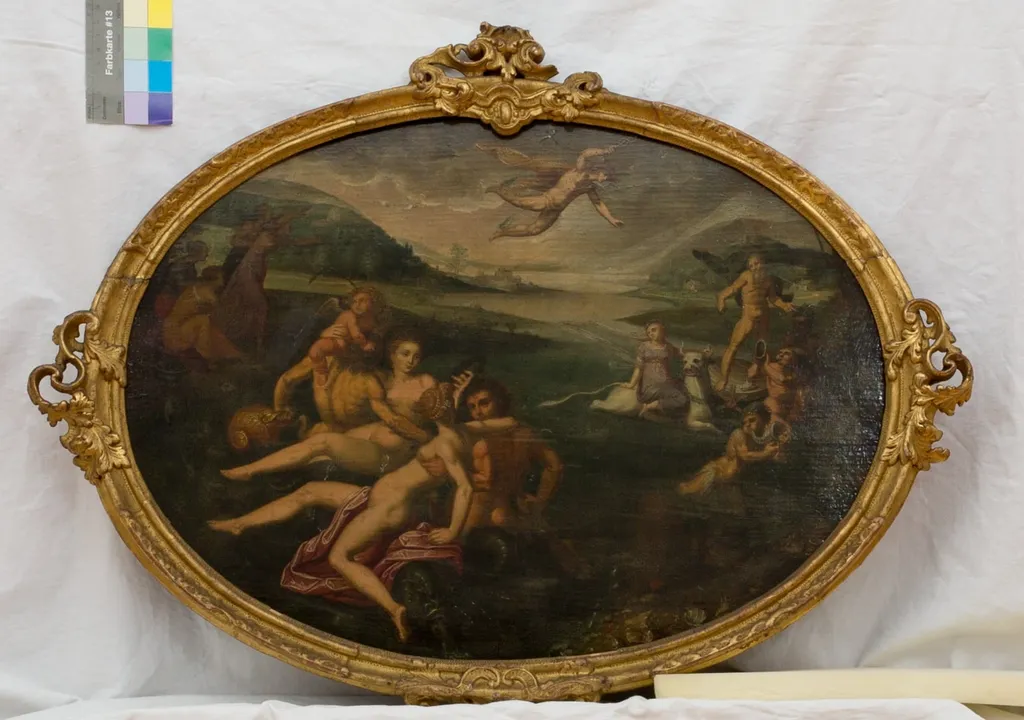
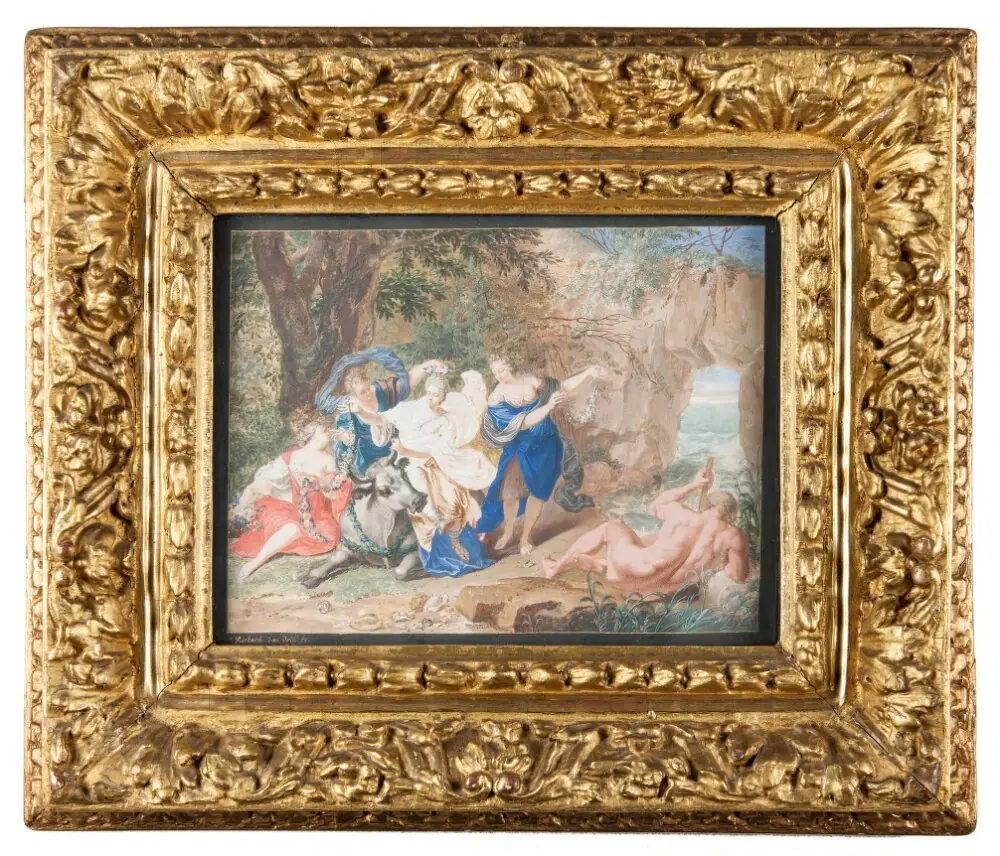
Raub der Europa is a drawing by Unknown. It dates from 1850 and is held in the collection of the Art Collection of the University Göttingen. This oval painting depicts a mythological scene set in a calm, aquatic environment.
About this work
Overview
The entire scene is enclosed within an ornate gold frame, emphasizing its ceremonial or decorative function.
This oval painting depicts a mythological scene set in a calm, aquatic environment. Central to the composition is a woman resting on a shell, accompanied by a man who grips a rope. Below, two figures interact near a fish, while a child and a dog occupy the lower foreground. A winged being hovers above, suggesting divine presence. The entire scene is enclosed within an ornate gold frame, emphasizing its ceremonial or decorative function.
Subject & Meaning
The imagery alludes to the myth of Europa’s abduction by Zeus, who took the form of a bull. The woman on the shell likely represents Europa, the man may symbolize the divine bull, and the winged figure could be a personification of Eros or a messenger god. The inclusion of marine and terrestrial elements—fish, child, dog—hints at a broader narrative of transformation and divine intervention in human affairs.
Technique & Style
The painting employs soft, flowing brushwork to render water and fabric, creating a sense of gentle motion. Figures are rendered with idealized proportions, typical of classical-inspired mythological scenes. The use of a gold frame and oval format suggests a deliberate reference to Renaissance and Baroque traditions, where such shapes were used to elevate sacred or legendary subjects for private or elite audiences.
History & Provenance
Though specific origins are unrecorded, the painting’s format and iconography align with 17th- to 18th-century European decorative arts, likely produced for aristocratic collections. Its preservation in a framed, oval composition indicates it was valued as a display piece, possibly commissioned for a villa or salon. No documented ownership chain exists beyond its current institutional context.
Context
During the early modern period, mythological themes were frequently adapted for domestic interiors as symbols of cultural refinement. This work reflects a broader trend in which classical narratives were visually reinterpreted to convey moral, erotic, or divine themes. Similar compositions appear in the decorative programs of Italian and Flemish courts, often paired with literary sources.
Legacy
The painting contributes to a sustained tradition of mythological imagery in European visual culture, where stories from antiquity were continually reimagined across media. While not widely known, its composition echoes works by artists like Titian and Rubens, preserving a visual language that linked aristocratic taste with classical heritage. Its presence in institutional collections ensures continued study of myth’s role in early modern aesthetics.
Artist & collection
Museum
Art Collection of the University Göttingen
Continue through works from the same source collection.
 Domestic Scene
 Giacomo and Cardinal Marco, investing Andrea, Abbot of San Zeno, with his Benefice
 The Nymph of Fontainebleau
 Portrait of a Woman
 Madonna and Child with Saints in the Enclosed Garden
 Venus and Minerva
 Family Group of Four on Sofa
 Wall painting from Room H of the Villa of P. Fannius Synistor at Boscoreale
 Vier elementen: Water en Aarde
 Putti with a Medallion
 Juno and Argus
 Venus and Mercury Instructing Cupid
 Dance of the Cupids
 Putti with a Medallion
 The rape of Europa
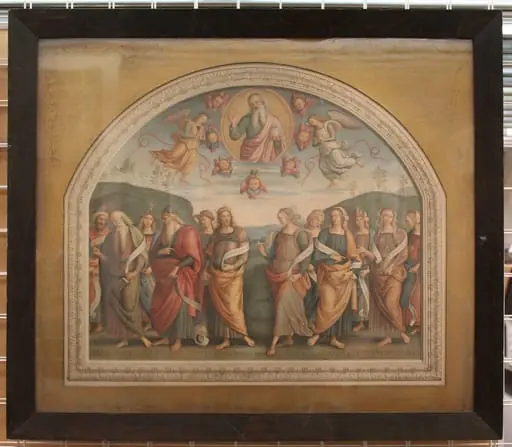 Prophets and Sibyls
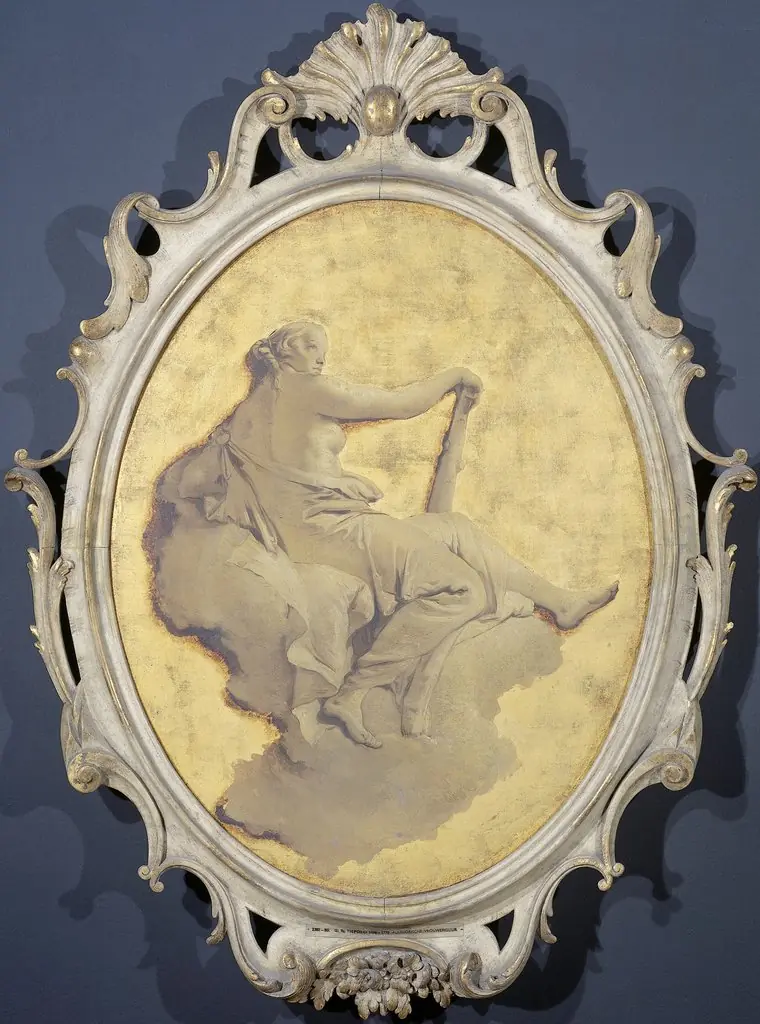 Allegorical Figure of a Woman with a Club (Fortitude?)
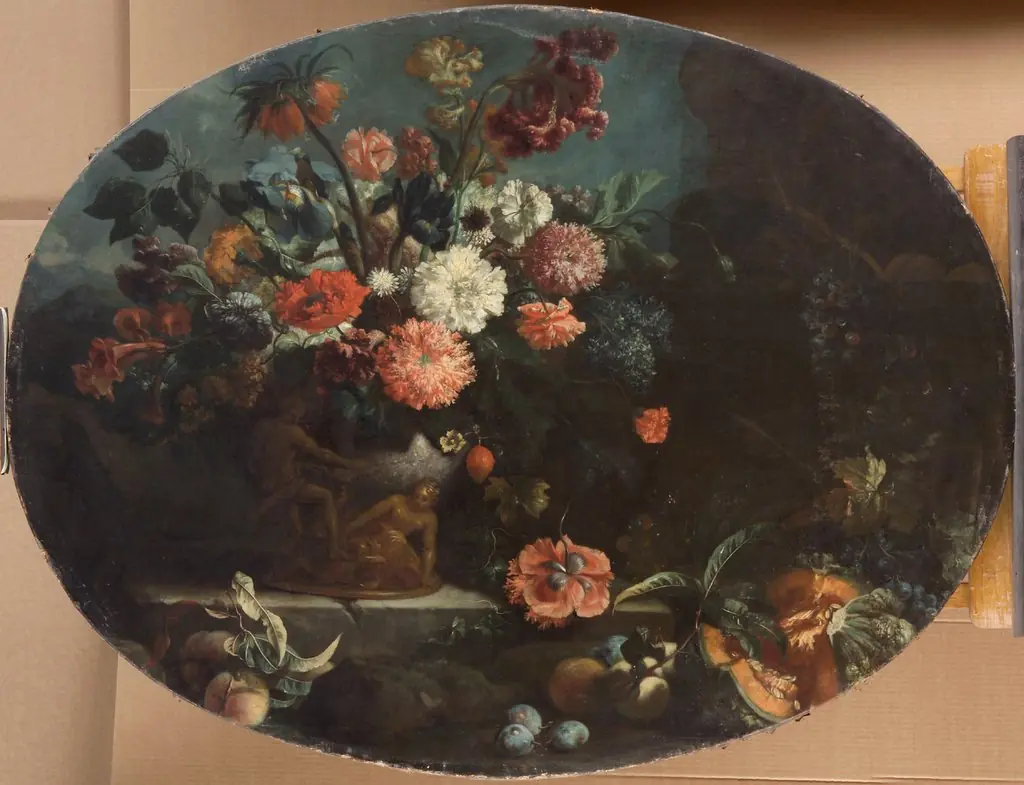 Blumen und Früchte
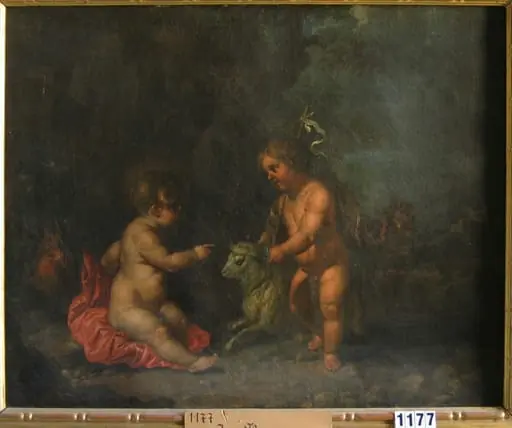 Christos și Ioan Botezătorul cu mielul
 The Marriage of the Virgin