Artwork
Kurprinz Maximilian und Erzherzog Ferdinand als Studenten in Ingolstadt
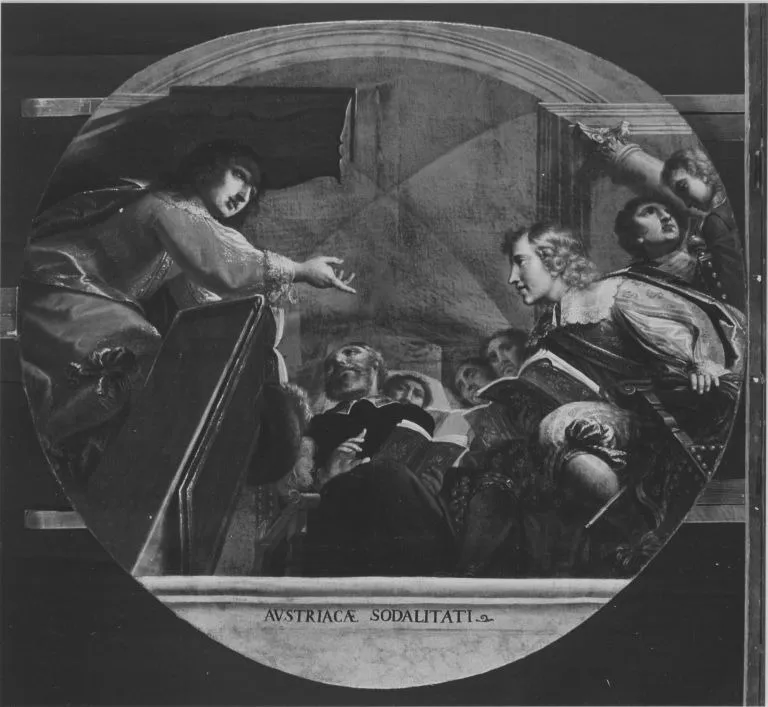
Kurprinz Maximilian und Erzherzog Ferdinand als Studenten in Ingolstadt is an unspecified painting by the Early Baroque Italian artist Antonio Triva. It dates from 1662 and is held in the collection of the Bavarian State Painting Collections.
About this work
Overview
Painted in 1662 by Antonio Triva, this portrait depicts two Habsburg archdukes during their time as students in Ingolstadt. The work is an oil on canvas and is part of the collection at the Alte Pinakothek in Munich. It captures a moment of academic life among European nobility, reflecting the practice of royal heirs receiving higher education away from court.
Subject & Meaning
The painting shows Maximilian, the future elector of Bavaria, and Ferdinand, a younger Habsburg prince, dressed in scholarly attire. Their presence together underscores the political and dynastic importance of education among aristocratic heirs. The scene is not a formal portrait but a quiet, intimate depiction, suggesting the transition from royal privilege to intellectual formation.
Technique & Style
Triva employs a restrained palette and careful attention to fabric texture, emphasizing the modesty of student life. The figures are arranged in a balanced, frontal composition, with soft lighting that avoids theatricality. Background elements are minimal, directing focus to the subjects’ expressions and attire, consistent with mid-17th-century portraiture that valued dignity over ornament.
History & Provenance
The painting was commissioned during the princes’ studies at the University of Ingolstadt and remained within Habsburg collections. It entered the Alte Pinakothek in the 19th century as part of the Bavarian royal art holdings. Its continuous provenance within the dynasty highlights its role as a record of noble education rather than a public display of power.
Context
In the 17th century, it was customary for royal heirs to study at universities such as Ingolstadt, often to distance them from court intrigue and foster intellectual discipline. The Habsburgs maintained strong ties to the university, which served as a center for Catholic learning. This painting reflects the broader European trend of integrating academic life into aristocratic upbringing.
Legacy
The work remains a rare visual document of Habsburg education practices in the early modern period. While not widely exhibited, it contributes to scholarly understanding of how noble families balanced tradition with emerging ideals of learning. Its quiet realism distinguishes it from more ceremonial portraits of the era.
Artist & collection

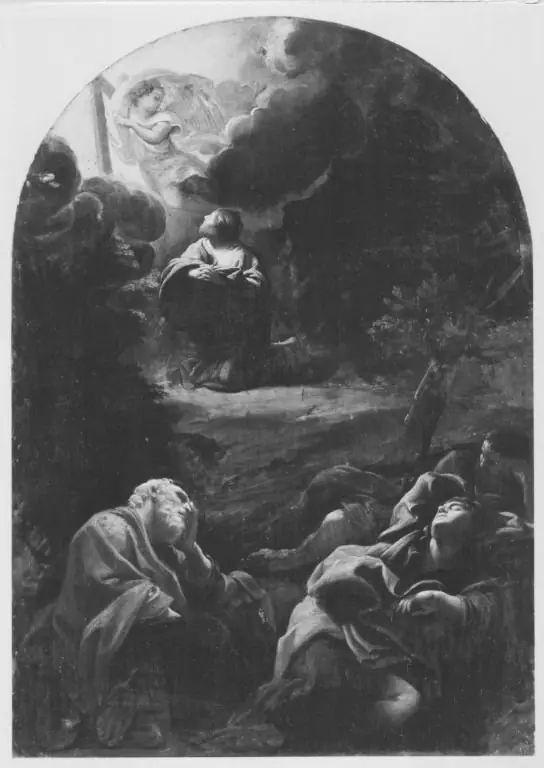 Christus am Ölberg
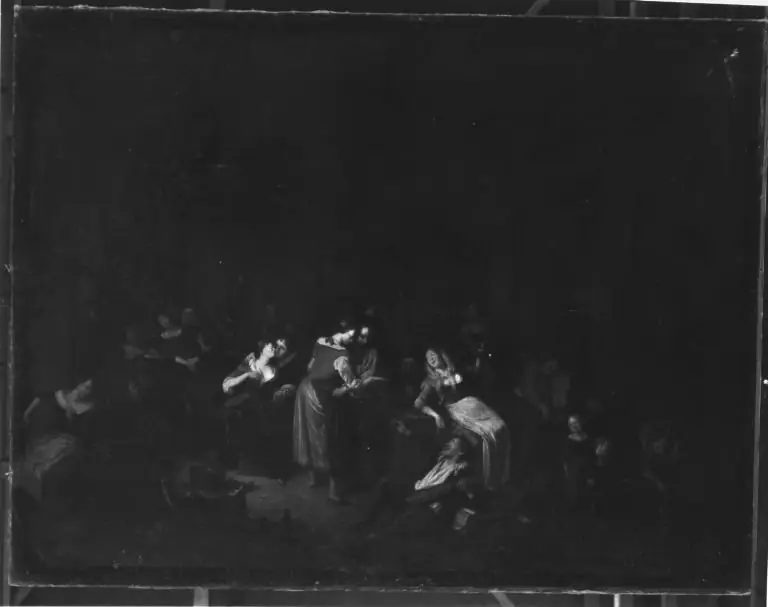 Lustige Gesellschaft
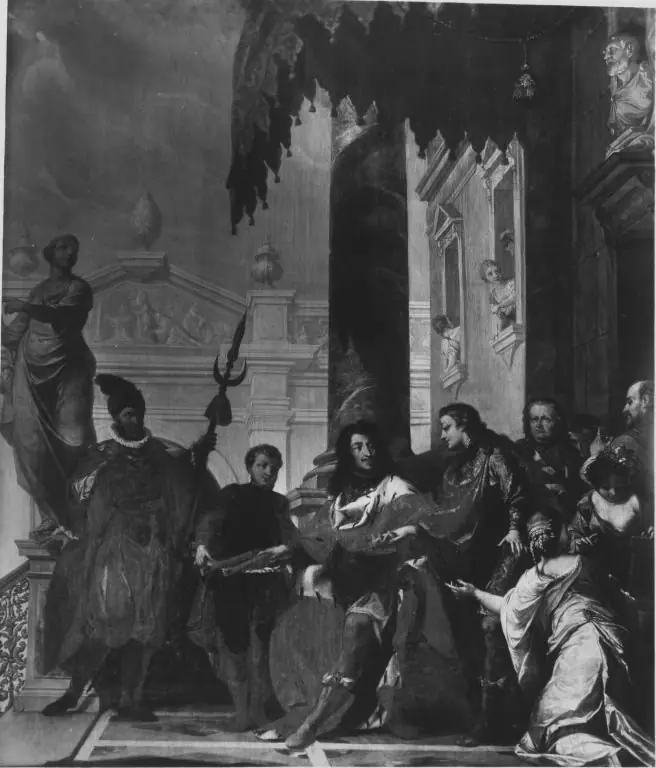 Kurfürst Johann Wilhelm übergibt den Kommandostab
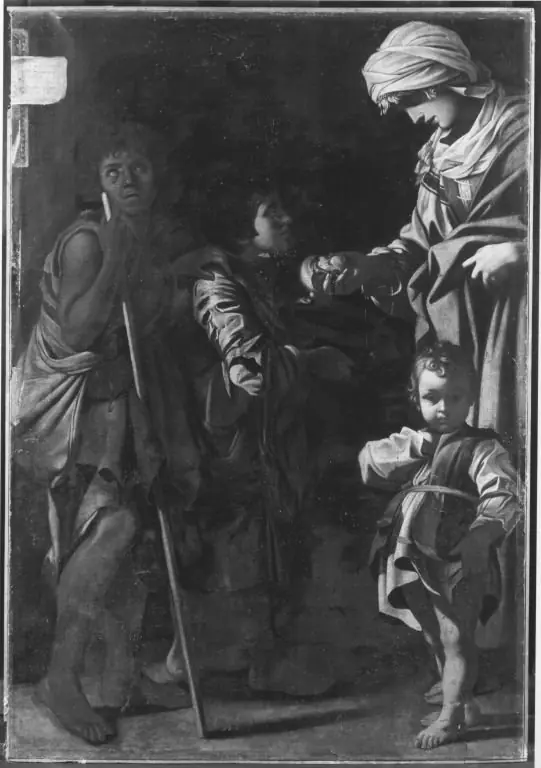 L´elemosina (Das Almosen) (Kopie nach)
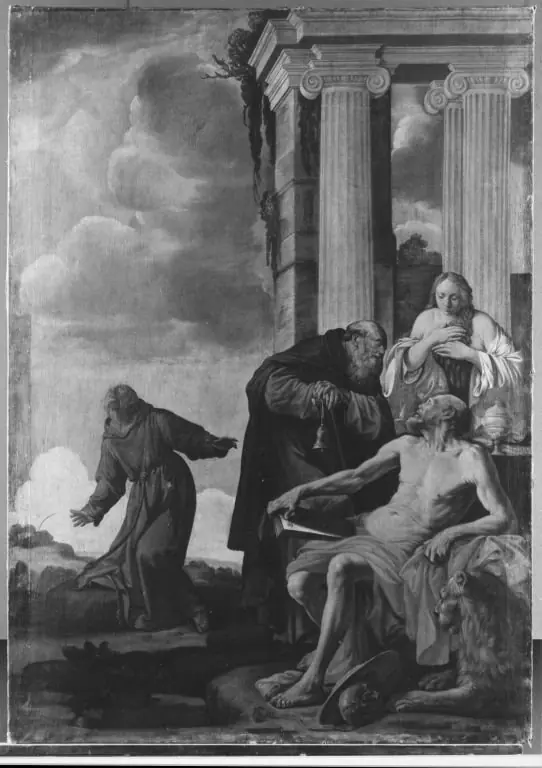 Die hll. Hieronymus, Maria Magdalena, Antonius und Franziskus (Kopie nach)
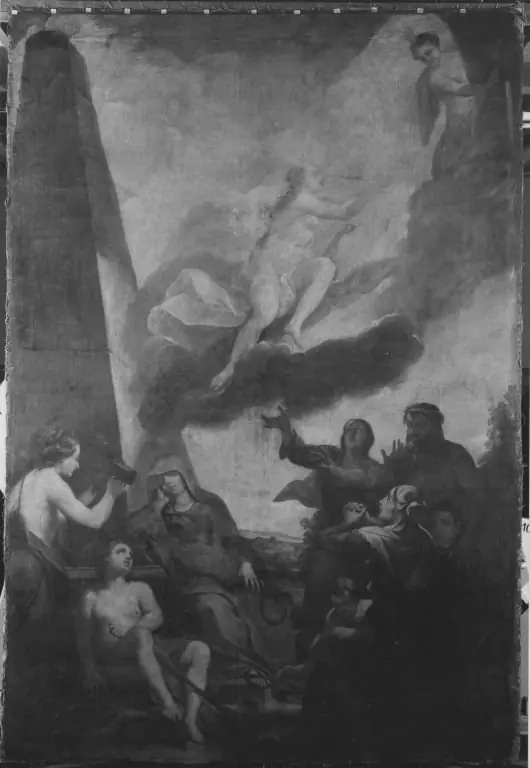 Allegorie auf den Tod einer Fürstin
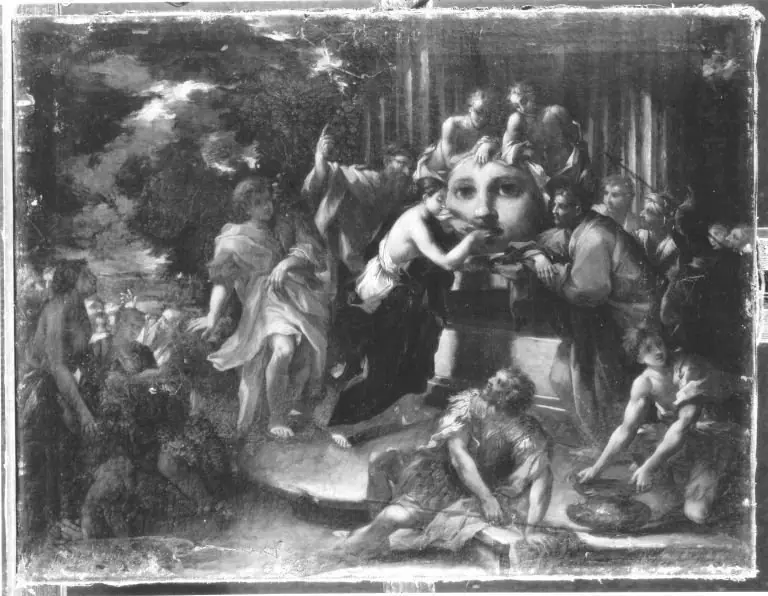 Der Mund der Wahrheit
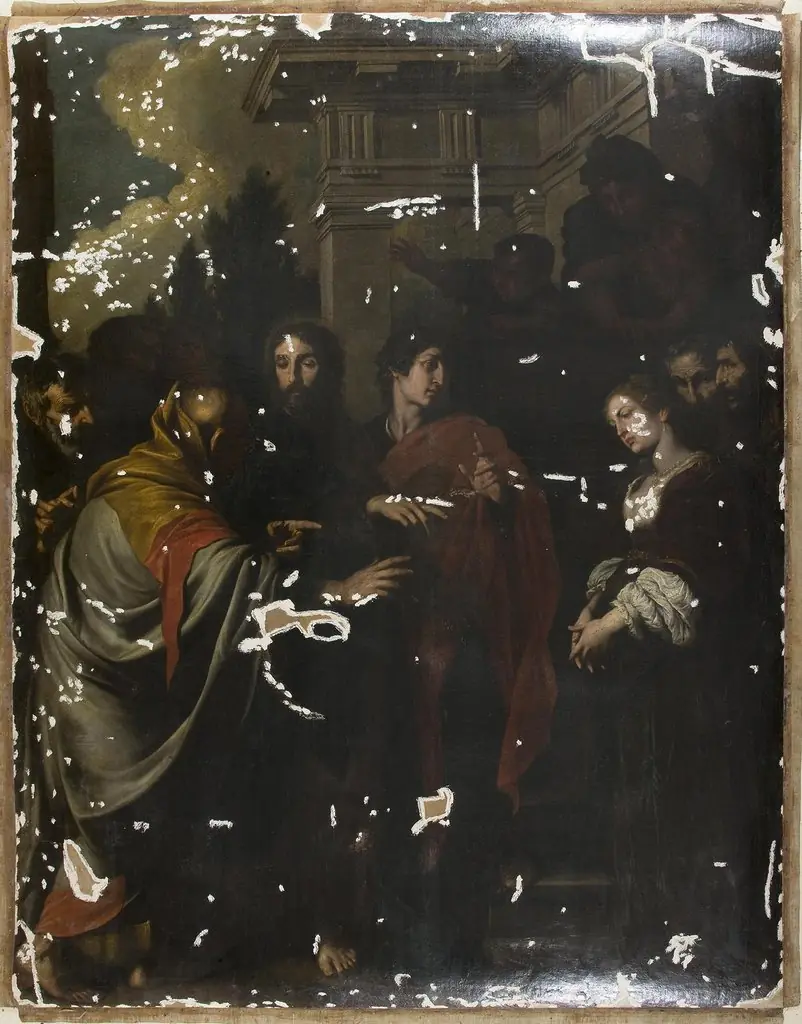 Christ and the Woman Taken in Adultery
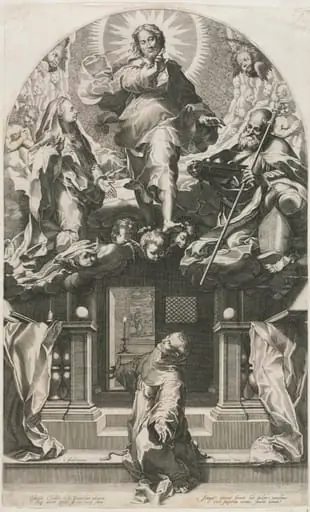 The Ecstasy of St. Francis