Artwork
Reverberations of Taiga, Volume 1 (leaf 31)
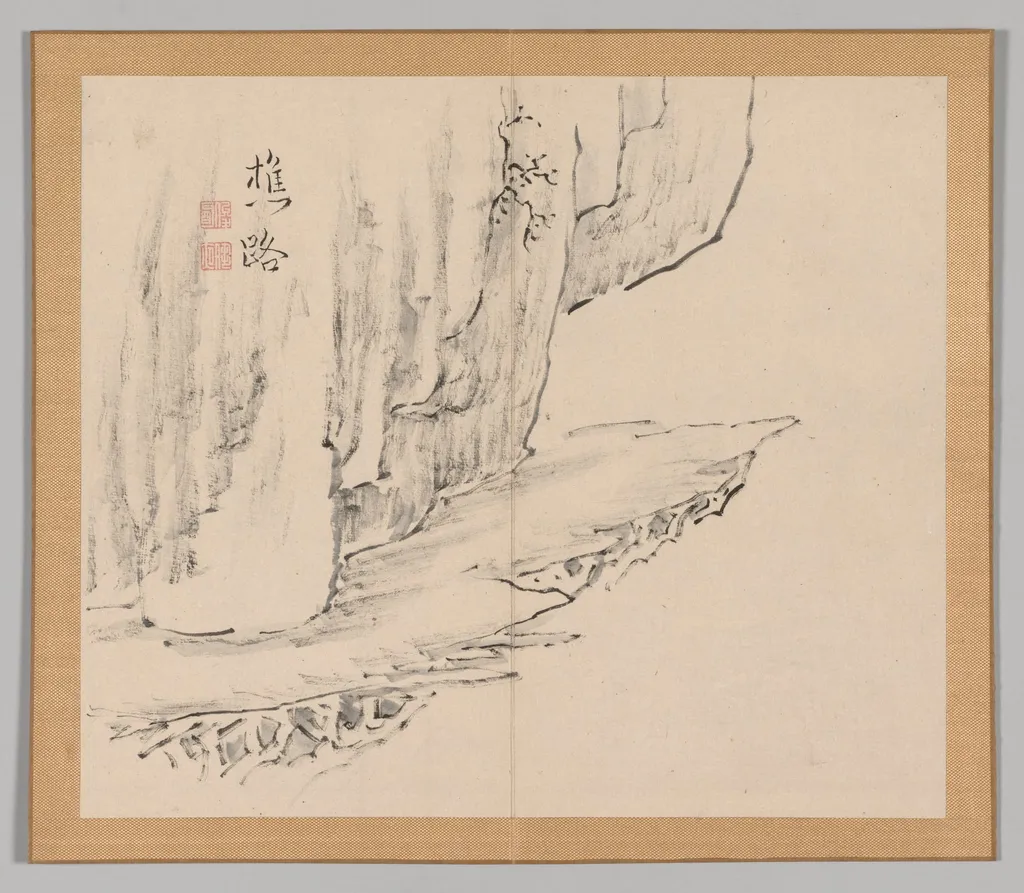
Reverberations of Taiga, Volume 1 (leaf 31) is a work on paper by the Baroque artist Aoki Shukuya. It dates from 1704 and is held in the collection of the Cleveland Museum of Art.
About this work
Overview
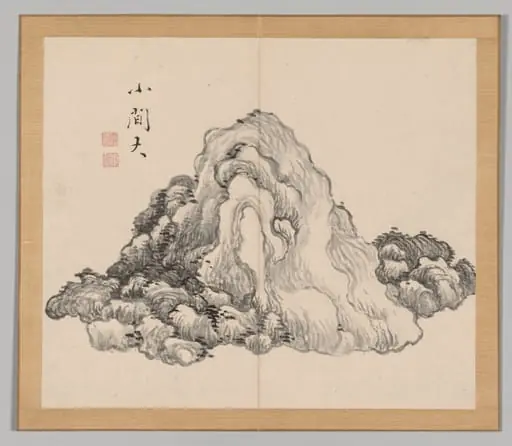
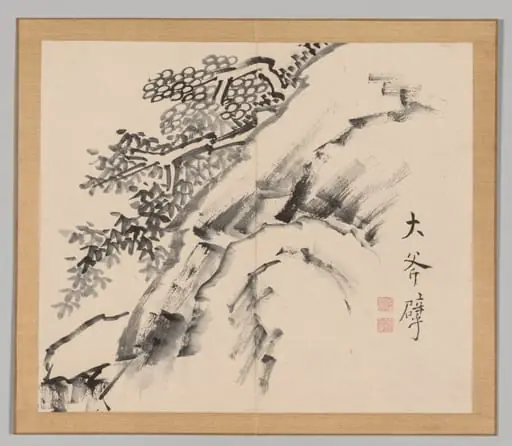
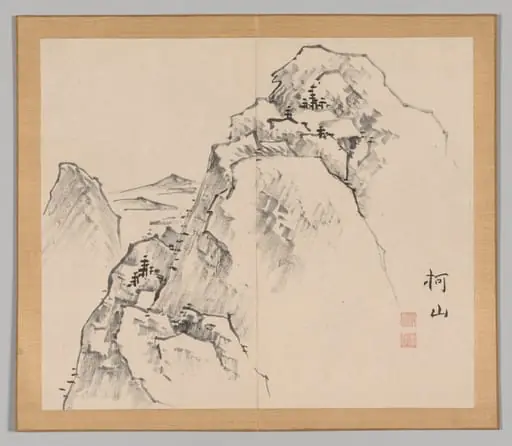
Reverberations of Taiga, Volume 1 (leaf 31) is a portfolio page depicting a landscape of rocks, trees and distant mountains rendered in a restrained, monochrome manner. The work belongs to the tradition of Japanese ink painting where the apprentice reproduces the compositional language of a master to internalise brushwork and tonal control.
Subject & Meaning
The composition arranges rugged stone forms, slender trunks and a muted mountain silhouette to evoke the quiet endurance of the taiga forest. By focusing on elemental natural forms, the image reflects a meditative observation of the environment, a common theme in the school of Ikeno Taiga, whose works often celebrate the subtle power of the Japanese landscape.
Technique & Style
Executed with ink on paper, the drawing employs a limited palette of black washes and delicate brushstrokes that suggest texture rather than detail. The line work follows the disciplined, calligraphic approach taught in the Kyoto school, emphasizing rhythm and balance. The simplicity of the rendering underscores the apprentice’s effort to capture the master’s tonal gradations and spatial economy.
History & Provenance
Aoki Shukuya, the creator of this leaf, was a direct disciple of the celebrated Kyoto painter Ikeno Taiga (1745–1820). In the Edo period, it was customary for students to copy their teacher’s compositions as part of formal training. This particular leaf is part of a larger portfolio that documents Shukuya’s study copies, illustrating his progression under Taiga’s guidance.
Artist & collection

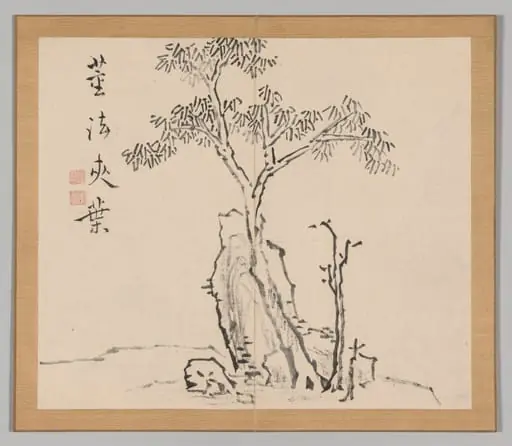 Reverberations of Taiga, Volume 1 (leaf 4)
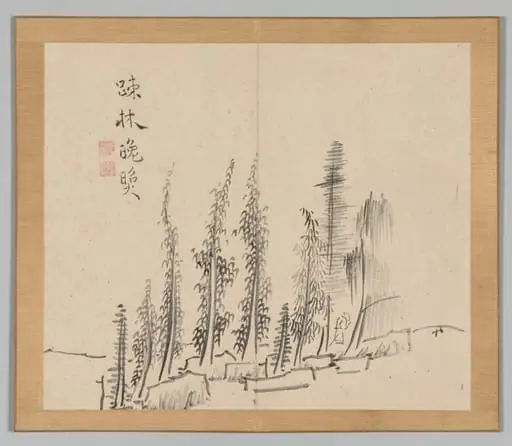 Reverberations of Taiga, Volume 2 (leaf 30)
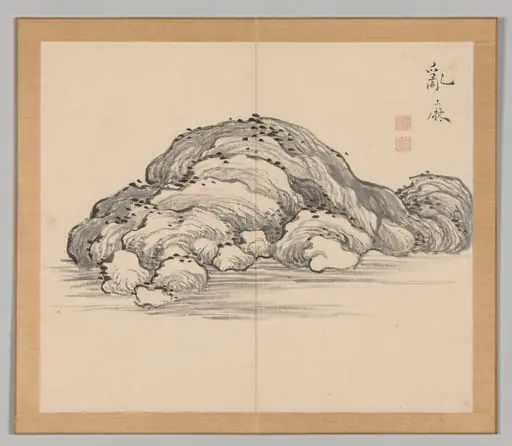 Reverberations of Taiga, Volume 1 (leaf 12)
 Reverberations of Taiga
 Reverberations of Taiga (Volume 1)
 Reverberations of Taiga, Volume 1 (leaf 7)
 Reverberations of Taiga, Volume 2 (leaf 29)
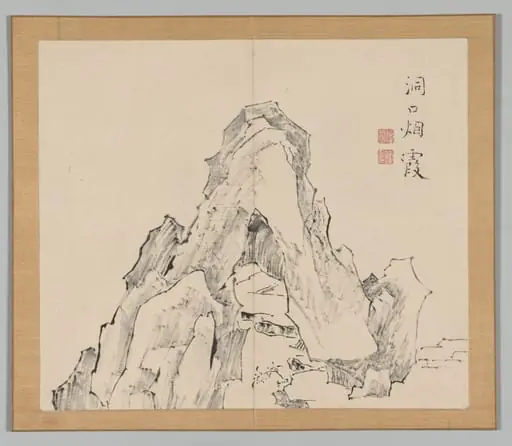 Reverberations of Taiga, Volume 2 (leaf 20)
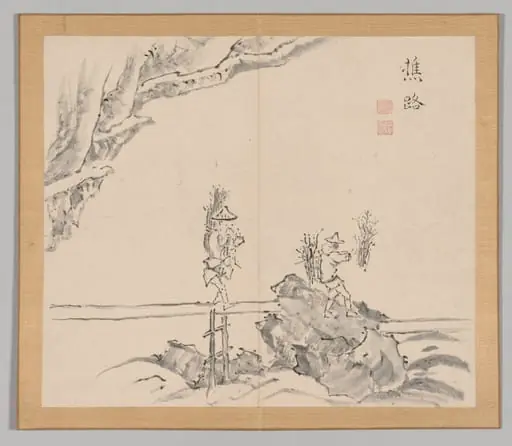 Reverberations of Taiga, Volume 1 (leaf 32)
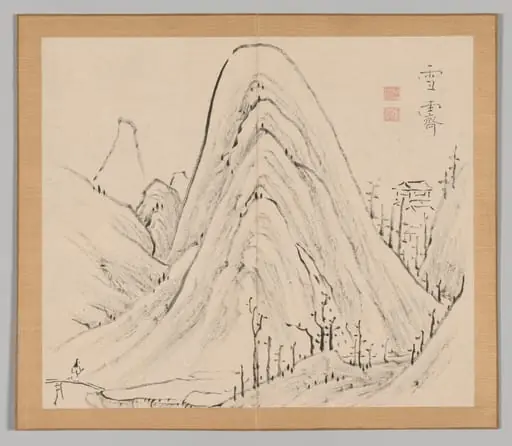 Reverberations of Taiga, Volume 1 (leaf 33)
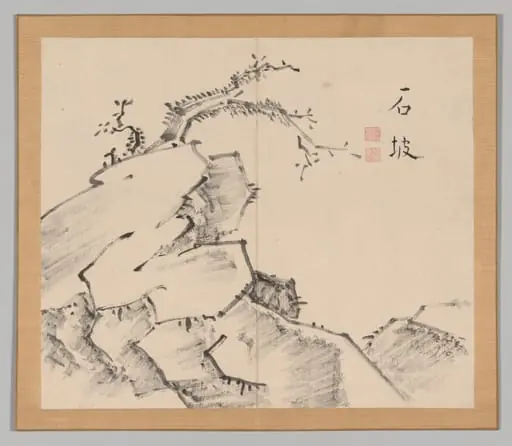 Reverberations of Taiga, Volume 1 (leaf 20)
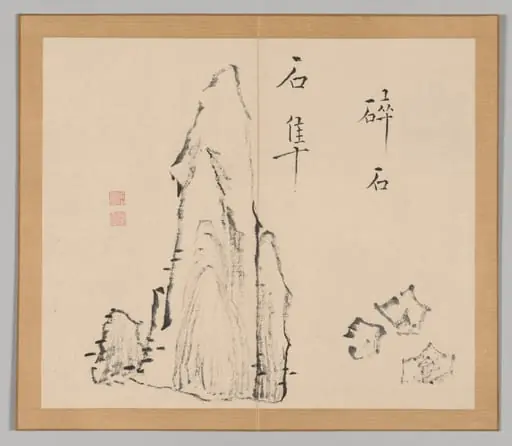 Reverberations of Taiga, Volume 1 (leaf 18)
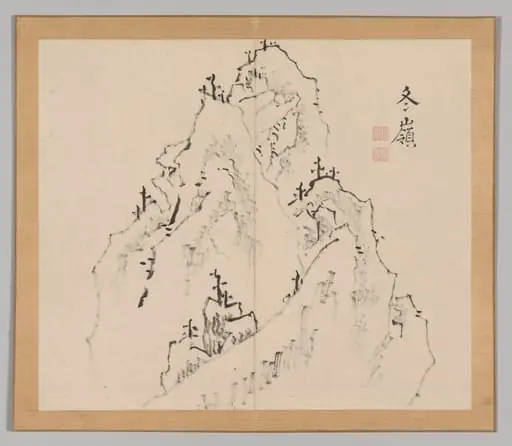 Reverberations of Taiga, Volume 1 (leaf 25)
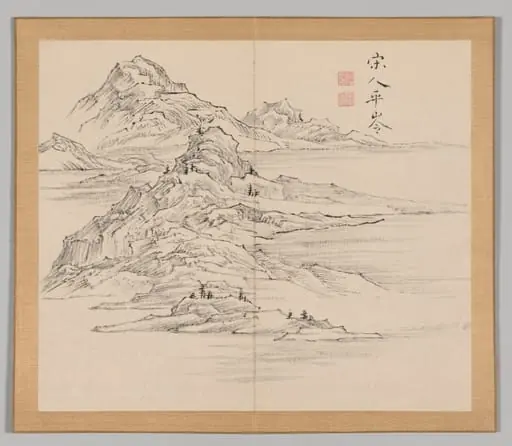 Reverberations of Taiga, Volume 1 (leaf 35)
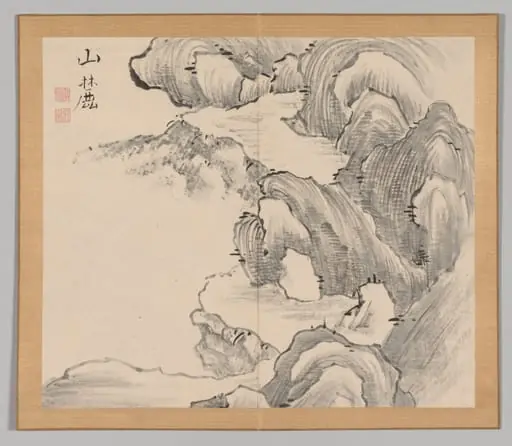 Reverberations of Taiga, Volume 1 (leaf 28)
 Reverberations of Taiga, Volume 1 (leaf 9)
 Reverberations of Taiga, Volume 1 (leaf 27)