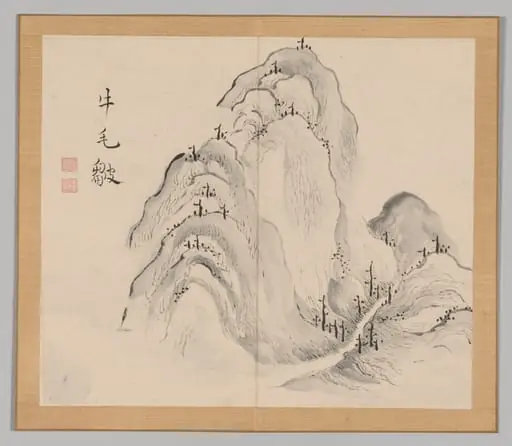
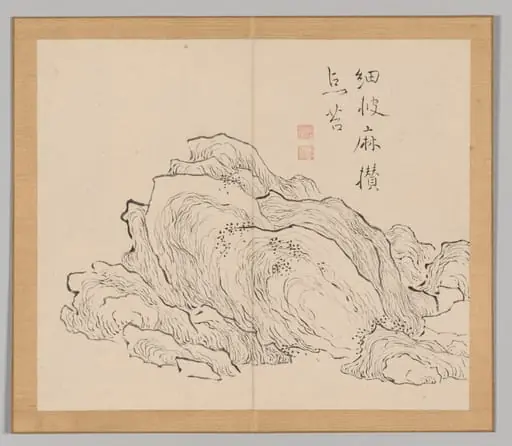
Artwork
Reverberations of Taiga, Volume 1 (leaf 7)
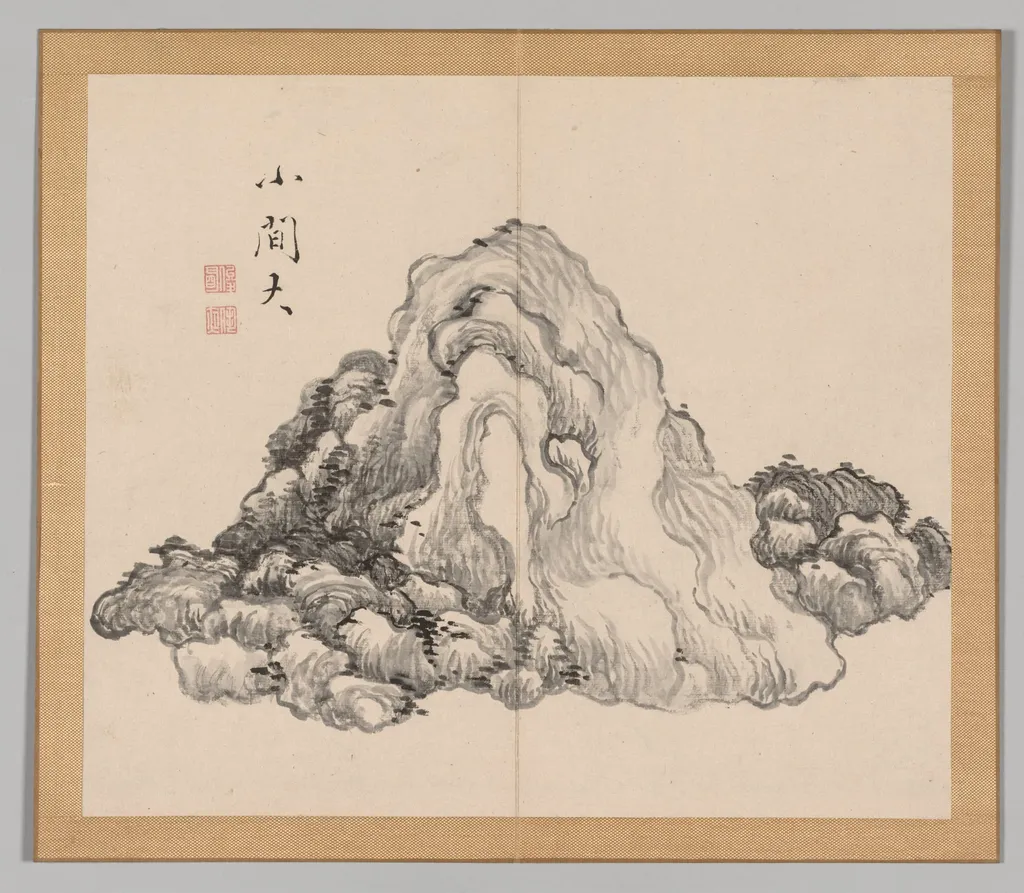
Reverberations of Taiga, Volume 1 (leaf 7) is a work on paper by the Baroque artist Aoki Shukuya. It dates from 1704 and is held in the collection of the Cleveland Museum of Art.
About this work
This kind of study was normal back then—you copied the teacher’s brushwork to learn how to see.
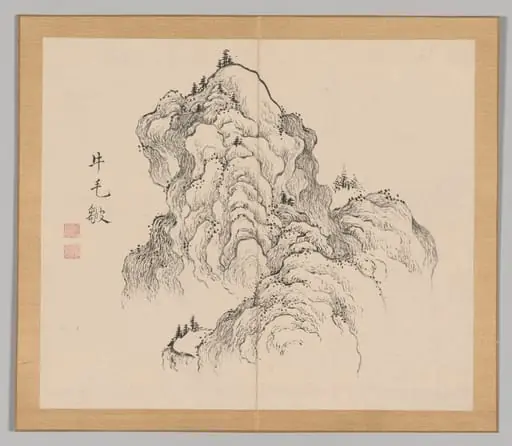
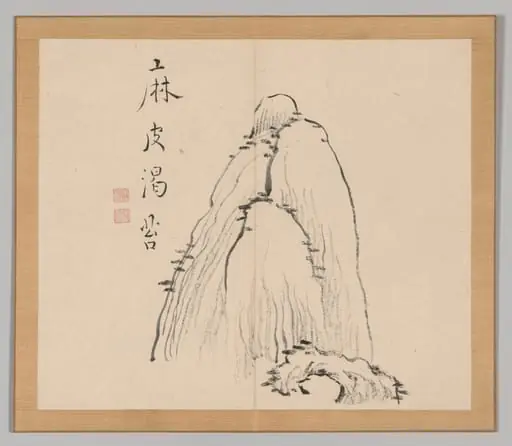
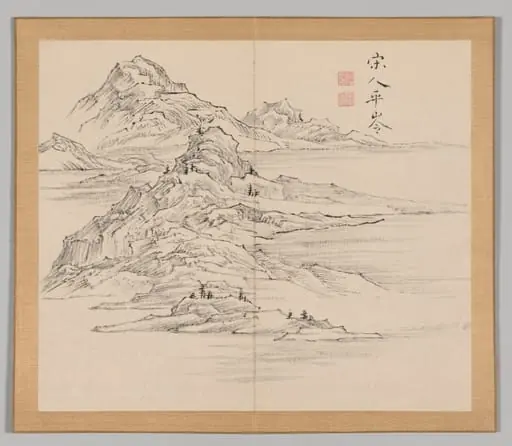
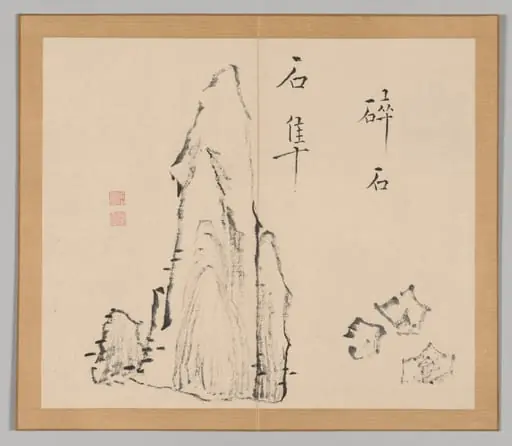
This is a small ink sketch of a mountain, a tree, and some rocks done in quick, bold strokes. It looks rough at first glance, but those quick lines show real control. You can tell the artist practiced copying masters before trying his own work.
Shukuya learned from Ikeno Taiga, a big name in Kyoto art. This kind of study was normal back then—you copied the teacher’s brushwork to learn how to see. The page is part of a bigger book of sketches, not meant to hang on a wall.
If you like this loose style, check out works by Aoki Shukuya (Japanese, d. 1802).
Overview
Reverberations of Taiga, Volume 1 (leaf 7) is a small-scale ink sketch featuring a mountain, tree, and rocks, executed in bold, yet controlled, quick strokes. Part of a larger portfolio, this piece was not intended for display but rather as a study.
Subject & Meaning
The subject matter—natural elements such as mountains, trees, and rocks—reflects the traditional themes of Japanese art, particularly those emphasized by Shukuya's master, Ikeno Taiga. These motifs symbolize the harmony between nature and the artistic expression of it.
Technique & Style
The sketch showcases Shukuya's mastery of ink techniques learned through apprenticeship, characterized by bold, expressive lines that belie a underlying control. The style directly echoes Ikeno Taiga's influence, with an emphasis on capturing essence over detailed realism.
History & Provenance
Created by Aoki Shukuya, a disciple of the renowned Kyoto artist Ikeno Taiga, this work dates to a period when apprenticeship under a master was the standard learning practice in Japanese art. Shukuya's death in 1802 provides a terminal point for the work's creation.
Context
This sketch represents a common practice in 18th-century Japanese artistic training, where copying a master's work was crucial for learning both technical skills and the 'eye' of the artist. The loose style anticipates later appreciation for spontaneous, expressive brushwork.
Legacy
While not a standalone exhibit piece in its time, Reverberations of Taiga, Volume 1 (leaf 7) contributes to the understanding of apprenticeship traditions in Japanese art and the evolution of expressive techniques among Taiga's disciples, including the noted works of Aoki Shukuya.
Artist & collection

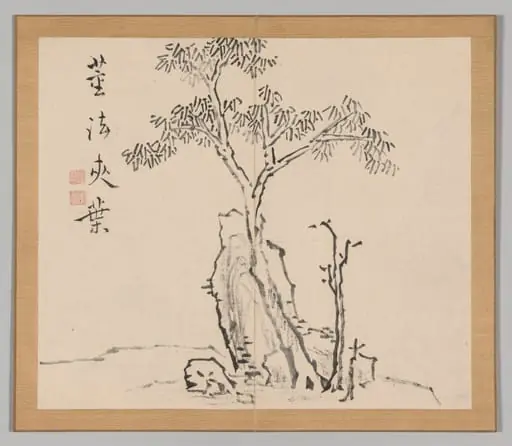 Reverberations of Taiga, Volume 1 (leaf 4)
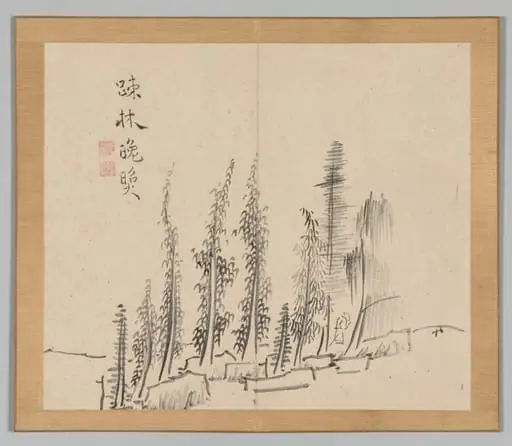 Reverberations of Taiga, Volume 2 (leaf 30)
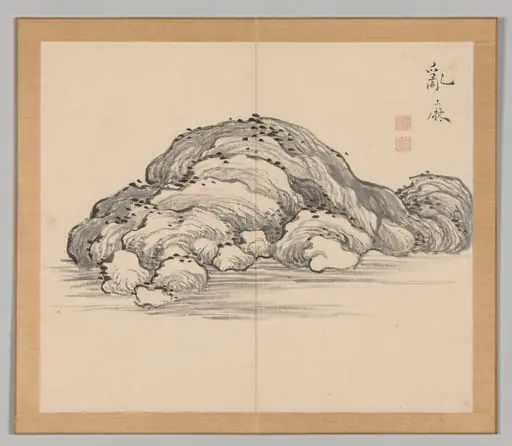 Reverberations of Taiga, Volume 1 (leaf 12)
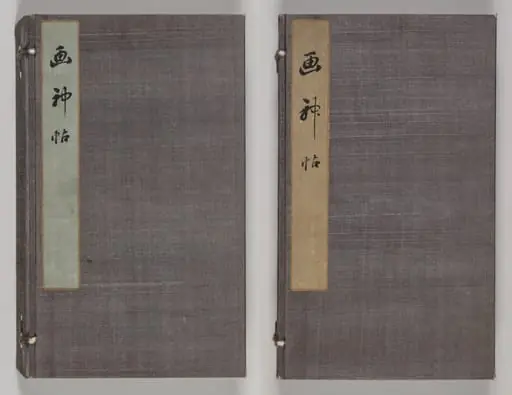 Reverberations of Taiga
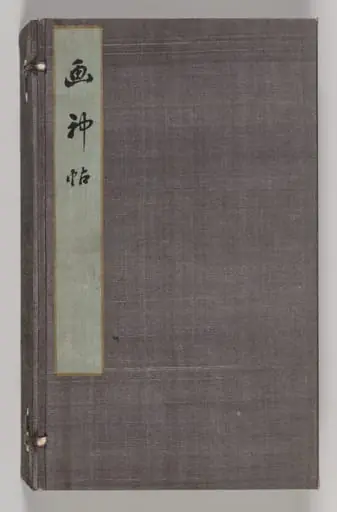 Reverberations of Taiga (Volume 1)
 Reverberations of Taiga, Volume 2 (leaf 29)
 Reverberations of Taiga, Volume 2 (leaf 20)
 Reverberations of Taiga, Volume 2 (leaf 34)