Artwork
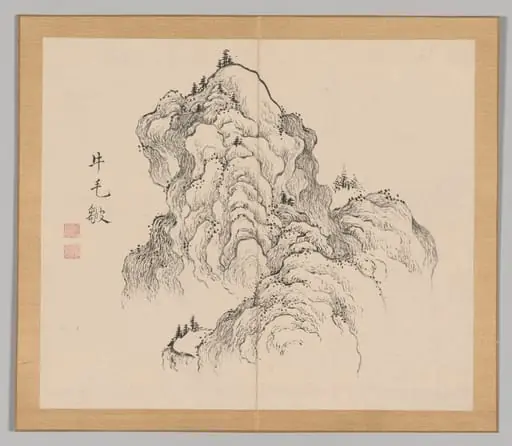
Reverberations of Taiga, Volume 1 (leaf 12)
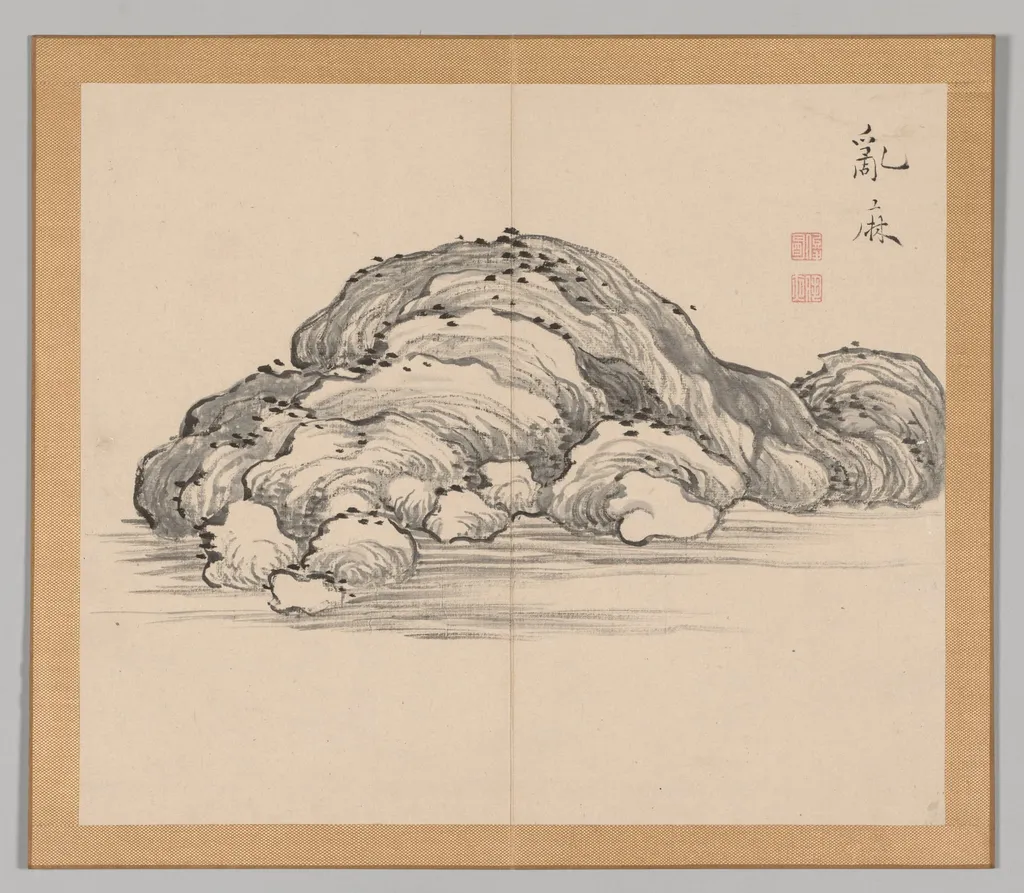
Reverberations of Taiga, Volume 1 (leaf 12) is a work on paper by the Baroque artist Aoki Shukuya. It dates from 1704 and is held in the collection of the Cleveland Museum of Art.
About this work
The artist was a pupil of a famous Kyoto artist, which influenced their style.
This painting shows rocks, trees, and mountains in a simple style.
The artist likely used this piece to practice ink and brush techniques.
The artist was a pupil of a famous Kyoto artist, which influenced their style.
To learn, young painters copied their master's work, which is reflected here.
This helped them develop their skills and unique touch.
Check out the work of artist: Aoki Shukuya (Japanese, d. 1802)
Overview
This leaf is part of a portfolio by Aoki Shukuya, a Japanese artist active in the late 18th century. It contains a landscape sketch in ink, likely created as a study during his training. The composition features simplified forms of rocks, trees, and mountains, reflecting the pedagogical practices of the time, where apprentices learned by reproducing their master’s visual language.
Subject & Meaning
The subject is a minimalist landscape, devoid of narrative or symbolic intent. Its purpose was not to convey a story but to serve as a technical exercise. The arrangement of natural elements—rock formations, sparse foliage, and distant peaks—mirrors the compositional principles taught by Shukuya’s master, Ikeno Taiga, emphasizing structure over expression.
Technique & Style
Shukuya employed ink wash and controlled brushwork to suggest form with minimal strokes. The technique prioritizes economy of line and tonal variation over detail, characteristic of literati training. The brushwork is deliberate yet fluid, demonstrating the apprentice’s effort to internalize the master’s handling of ink and pressure, a foundational step toward developing individual expression.
History & Provenance
Created during Shukuya’s apprenticeship under Ikeno Taiga in Kyoto, this leaf belongs to a series of practice sheets preserved as part of his artistic development. Such portfolios were often kept by students and sometimes passed down within artistic lineages. Its survival suggests it was valued not as a finished work but as evidence of methodical training.
Context
In 18th-century Japan, artistic education relied heavily on direct transmission from master to pupil. Apprentices spent years copying their teacher’s compositions to master brush control, ink density, and compositional balance. This practice was standard across schools, ensuring stylistic continuity while allowing later individuality to emerge through accumulated skill.
Legacy
Shukuya’s studies, including this leaf, illustrate the disciplined foundation underlying later Japanese ink painting. Though not widely exhibited as independent works, such practice sheets reveal the quiet, repetitive labor behind artistic mastery. They remain important records of how tradition was internalized and, eventually, transformed by subsequent generations.
Artist & collection

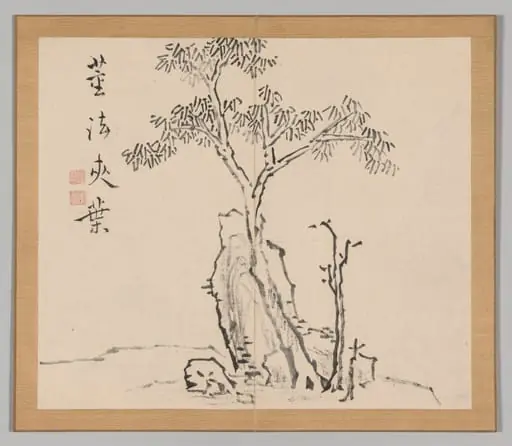 Reverberations of Taiga, Volume 1 (leaf 4)
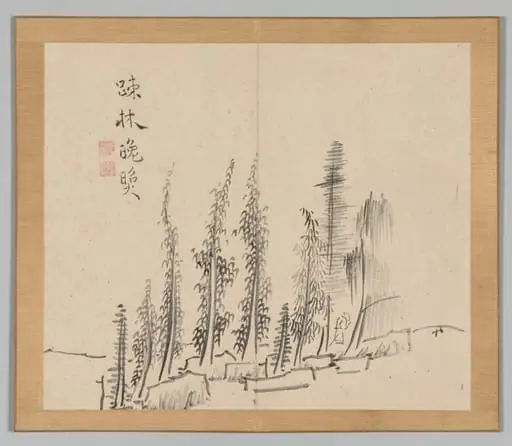 Reverberations of Taiga, Volume 2 (leaf 30)
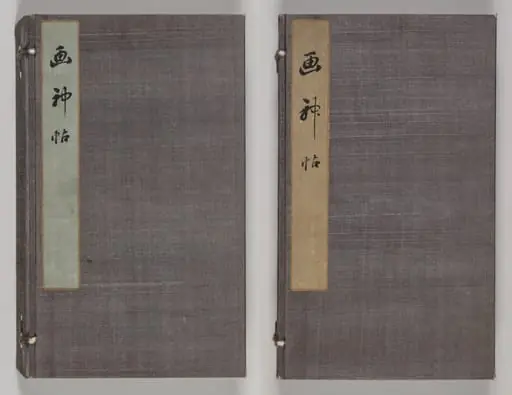 Reverberations of Taiga
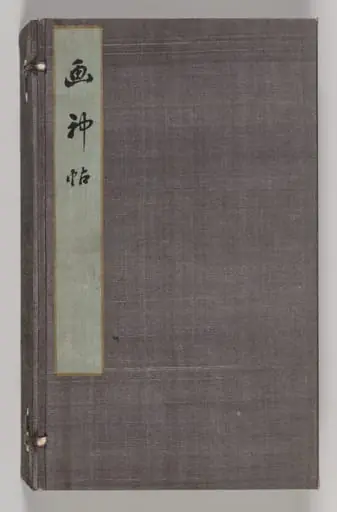 Reverberations of Taiga (Volume 1)
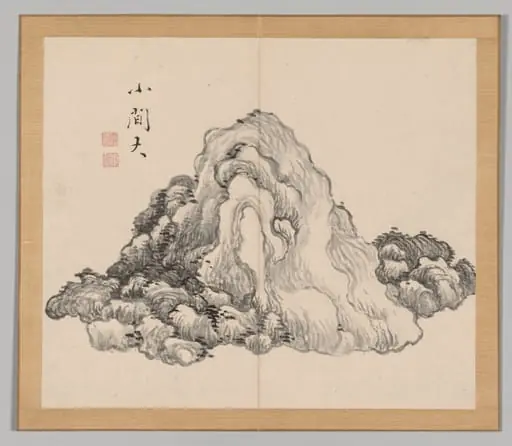 Reverberations of Taiga, Volume 1 (leaf 7)
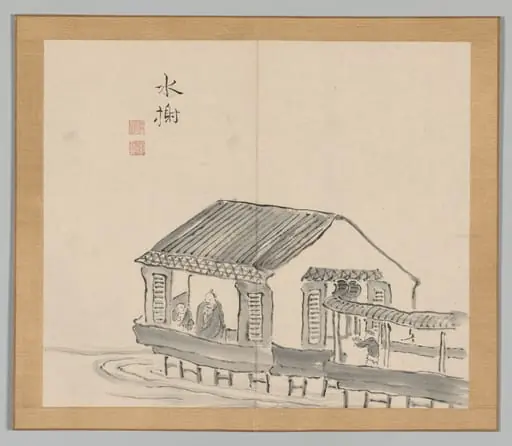 Reverberations of Taiga, Volume 2 (leaf 29)
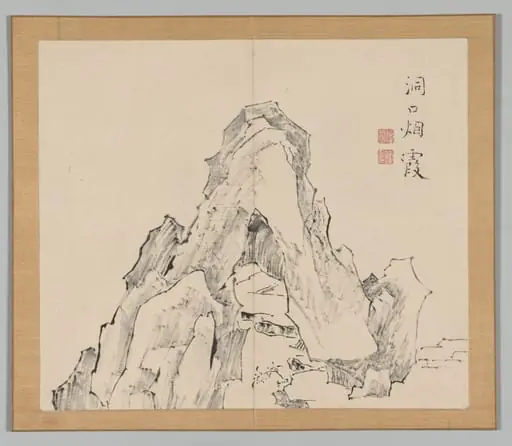 Reverberations of Taiga, Volume 2 (leaf 20)
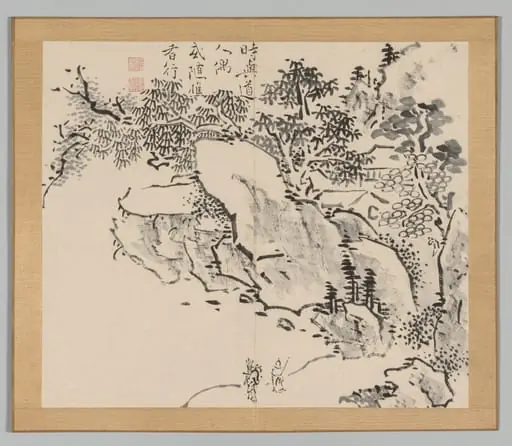 Reverberations of Taiga, Volume 2 (leaf 34)
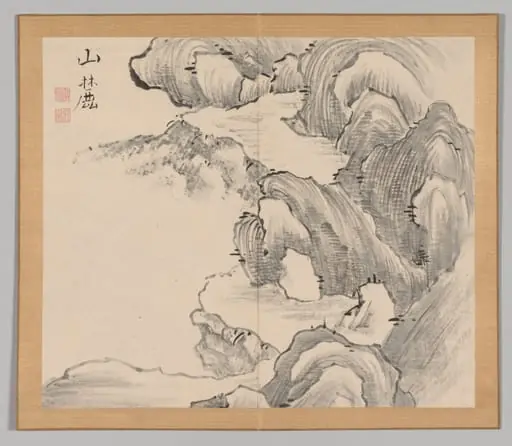 Reverberations of Taiga, Volume 1 (leaf 28)
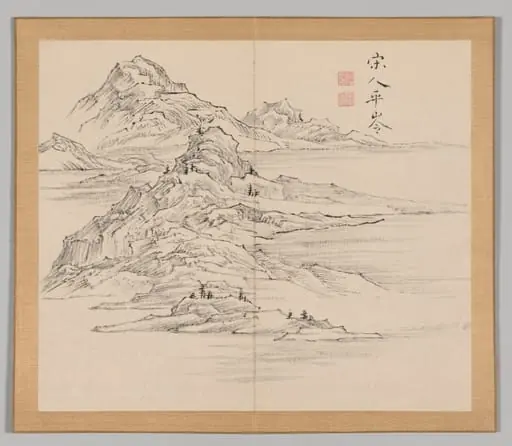 Reverberations of Taiga, Volume 1 (leaf 35)
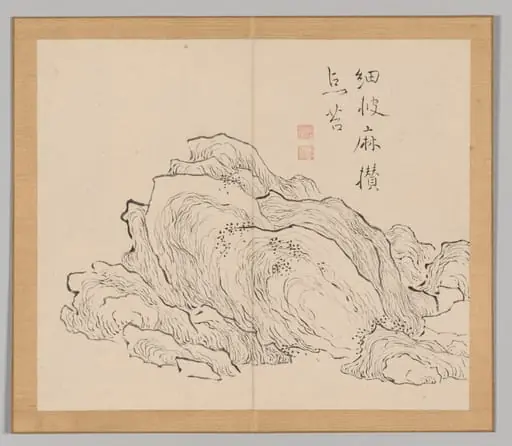 Reverberations of Taiga, Volume 1 (leaf 13)
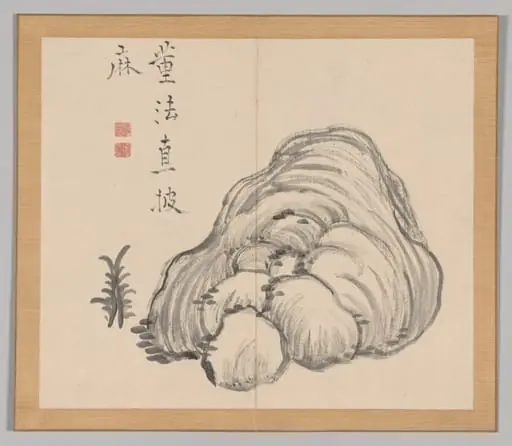 Reverberations of Taiga, Volume 1 (leaf 14)
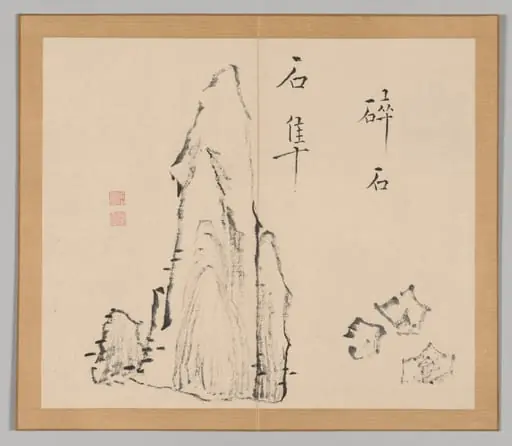 Reverberations of Taiga, Volume 1 (leaf 18)
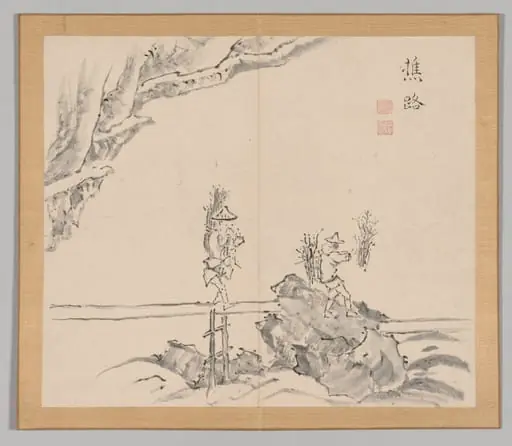 Reverberations of Taiga, Volume 1 (leaf 32)
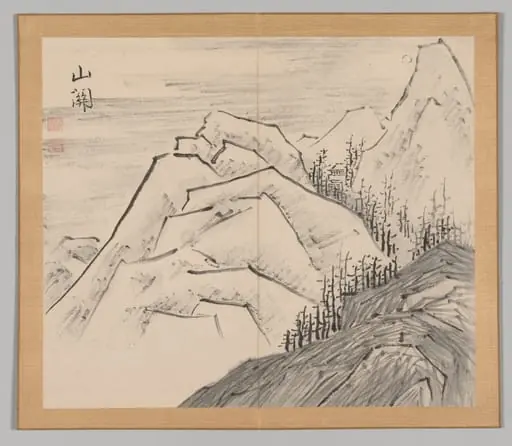 Reverberations of Taiga, Volume 1 (leaf 29)
 Reverberations of Taiga, Volume 1 (leaf 16)