Artwork
Reverberations of Taiga, Volume 1 (leaf 35)
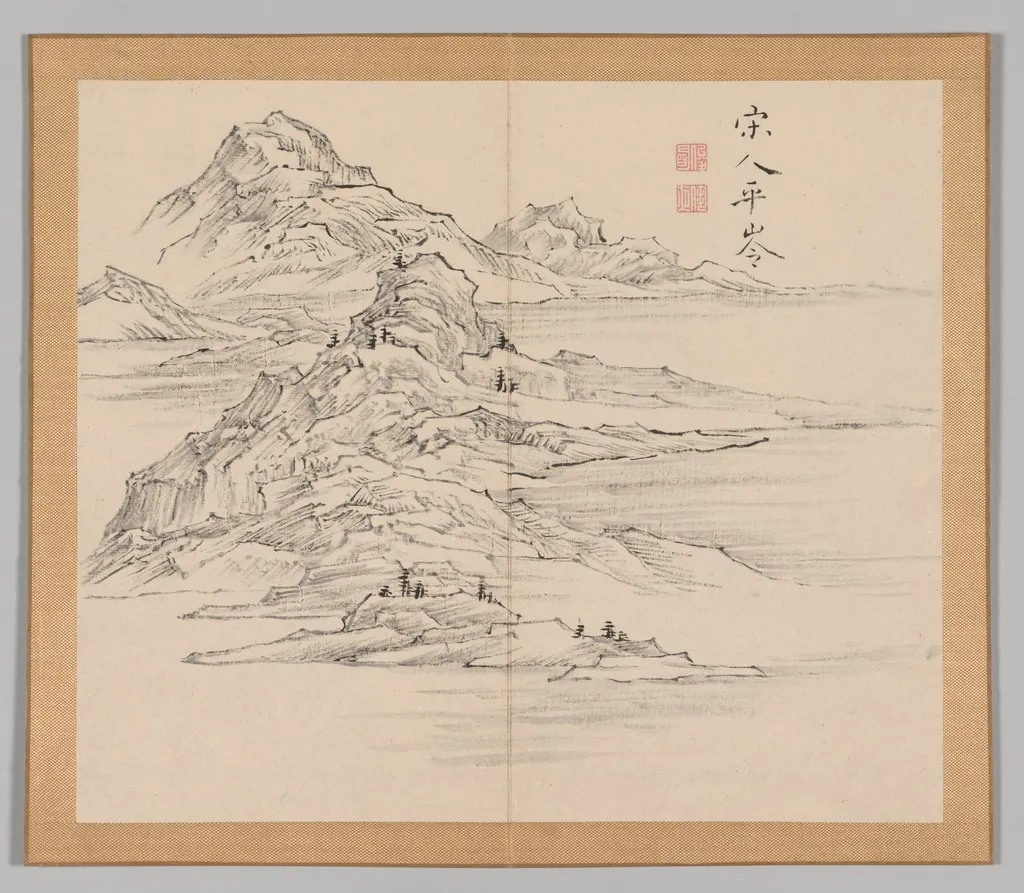
Reverberations of Taiga, Volume 1 (leaf 35) is a work on paper by the Baroque artist Aoki Shukuya. It dates from 1704 and is held in the collection of the Cleveland Museum of Art. This leaf is part of a portfolio of ink sketches by Shukuya, a student of the Kyoto painter Ikeno Taiga.
About this work
Overview
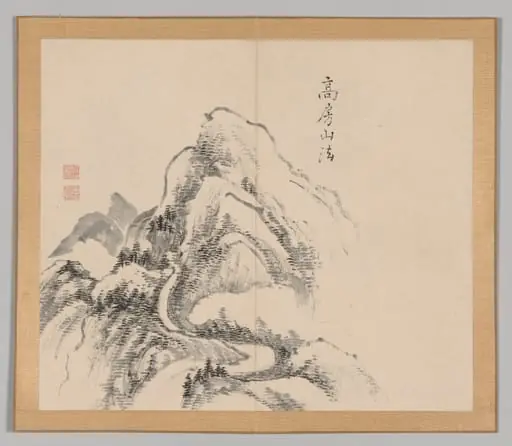
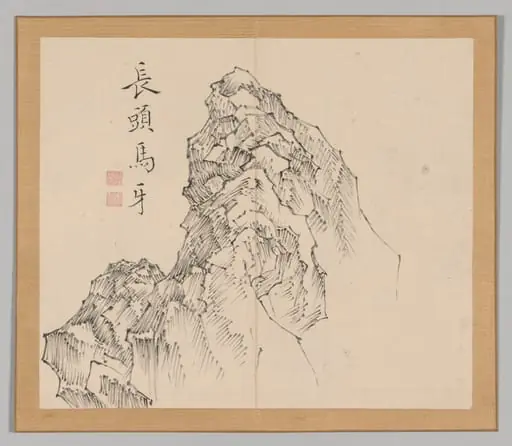
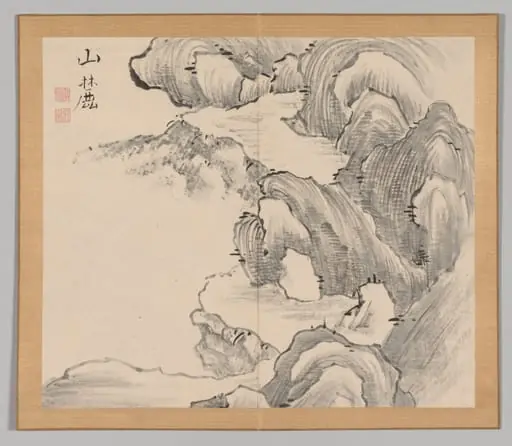
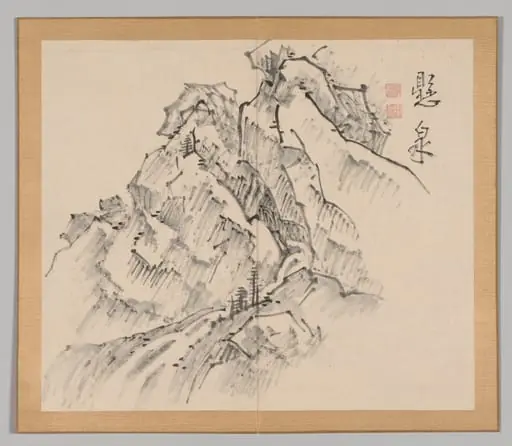
Created on pale paper with minimal ink and subtle washes, it captures a sparse landscape of rocks, a solitary pine, and a hazy horizon.
This leaf is part of a portfolio of ink sketches by Shukuya, a student of the Kyoto painter Ikeno Taiga. Created on pale paper with minimal ink and subtle washes, it captures a sparse landscape of rocks, a solitary pine, and a hazy horizon. The work reflects the traditional Japanese practice of apprenticeship, where learning occurred through careful replication of a master’s compositions rather than original invention.
Subject & Meaning
The scene presents a quiet, meditative landscape—no figures, no narrative, only elemental forms. Rocks anchor the composition, a single pine suggests resilience, and the misty horizon dissolves boundaries between earth and sky. These motifs, drawn from Taiga’s style, were not merely decorative but served as vehicles for cultivating discipline, perception, and harmony with nature through repetitive study.
Technique & Style
Executed in loose, economical brushwork, the drawing uses varying ink densities to suggest texture and depth without detail. Light washes hint at atmospheric haze, while the absence of color emphasizes monochrome tonality. The brushstrokes reveal controlled spontaneity—evidence of an apprentice practicing the rhythm and pressure essential to ink painting, learned through direct emulation of Taiga’s approach.
History & Provenance
As part of a student’s workbook, this sheet likely belonged to a series of exercises completed under Taiga’s guidance in mid-18th century Kyoto. Such portfolios were often kept privately, serving as pedagogical records rather than public artworks. Its survival suggests it was valued by later collectors for its insight into artistic training, not as an independent creation.
Context
In Edo-period Japan, artistic mastery was rooted in lineage. Apprentices spent years copying their master’s works to internalize brush technique, composition, and aesthetic principles. This practice, common among ink painters, prioritized discipline over originality. Shukuya’s leaf exemplifies how tradition was transmitted visually, through repetition and observation, not through theoretical instruction.
Legacy
Though unsigned and unassuming, this sketch preserves the quiet labor of artistic apprenticeship. It offers a rare glimpse into the unseen foundation of Japanese ink painting—how mastery was built not through innovation, but through faithful imitation. Such works now serve as historical documents, revealing the structured, patient process behind celebrated artistic lineages.
Artist & collection

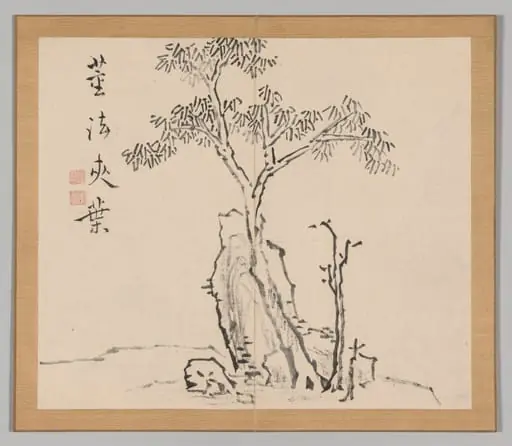 Reverberations of Taiga, Volume 1 (leaf 4)
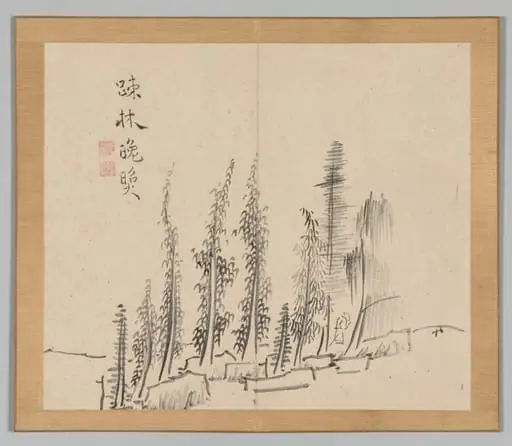 Reverberations of Taiga, Volume 2 (leaf 30)
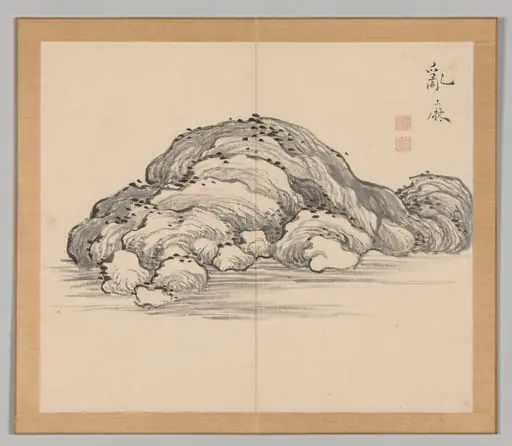 Reverberations of Taiga, Volume 1 (leaf 12)
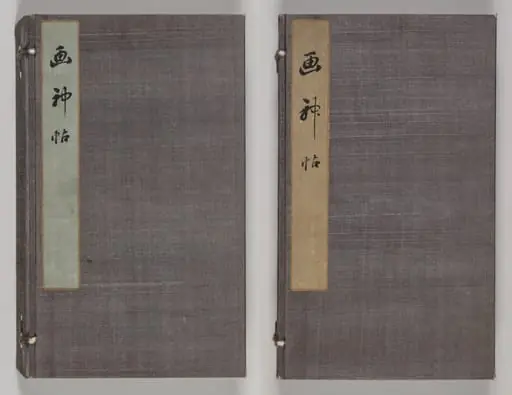 Reverberations of Taiga
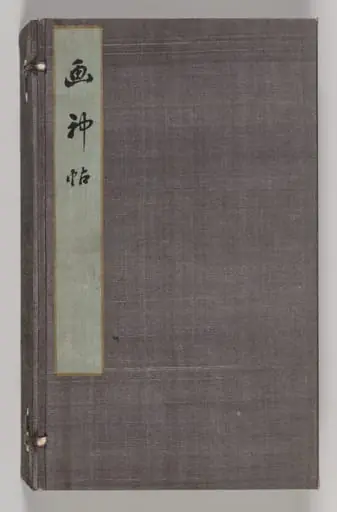 Reverberations of Taiga (Volume 1)
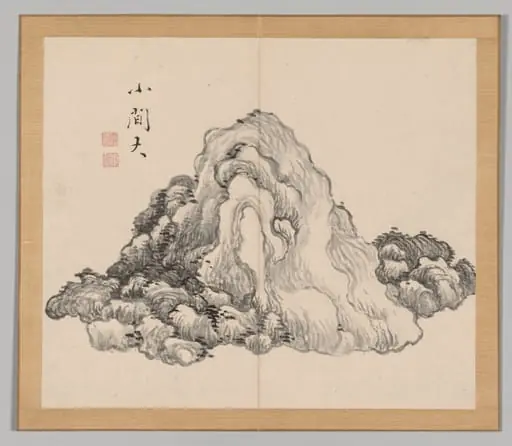 Reverberations of Taiga, Volume 1 (leaf 7)
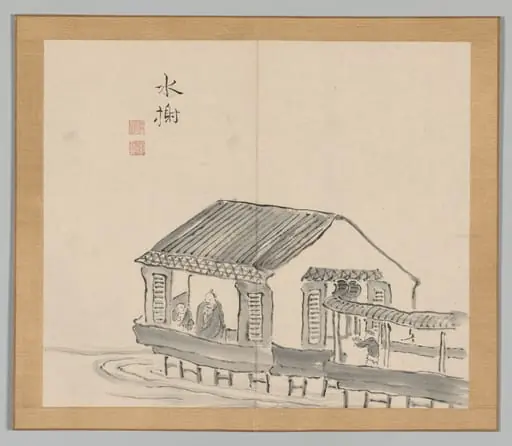 Reverberations of Taiga, Volume 2 (leaf 29)
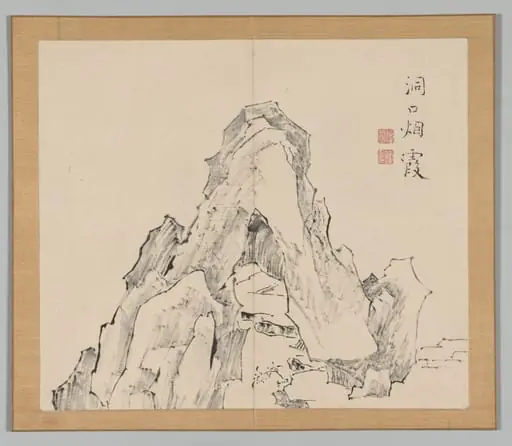 Reverberations of Taiga, Volume 2 (leaf 20)