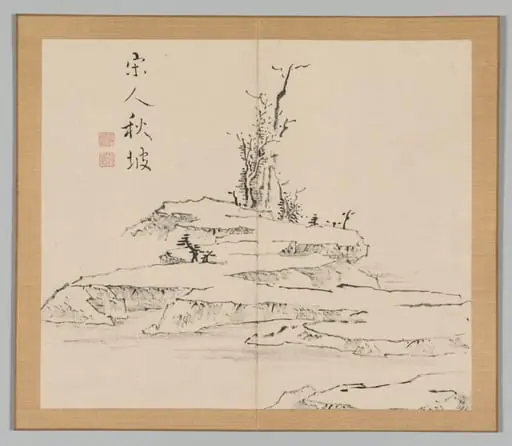
Artwork
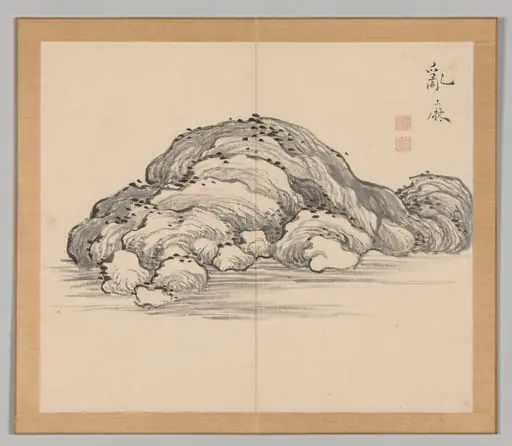
Reverberations of Taiga, Volume 2 (leaf 4)
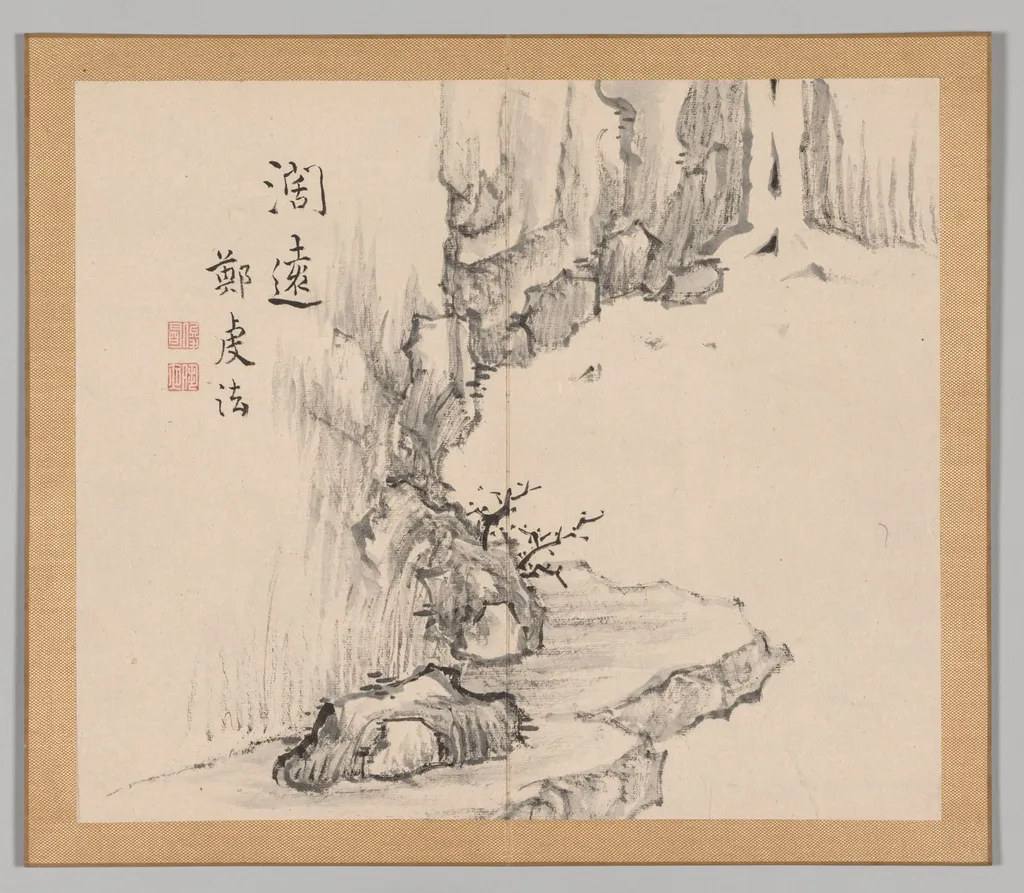
Reverberations of Taiga, Volume 2 (leaf 4) is a work on paper by the Baroque artist Aoki Shukuya. It dates from 1704 and is held in the collection of the Cleveland Museum of Art.
About this work
Overview
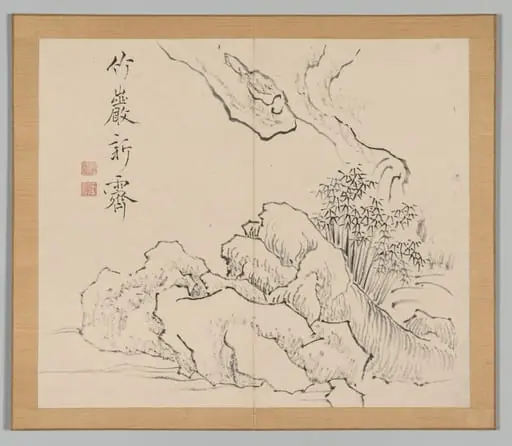
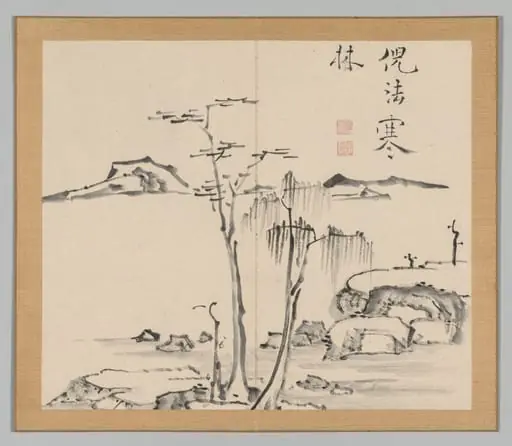
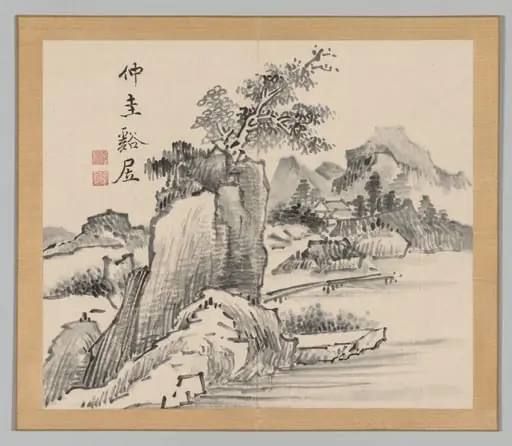
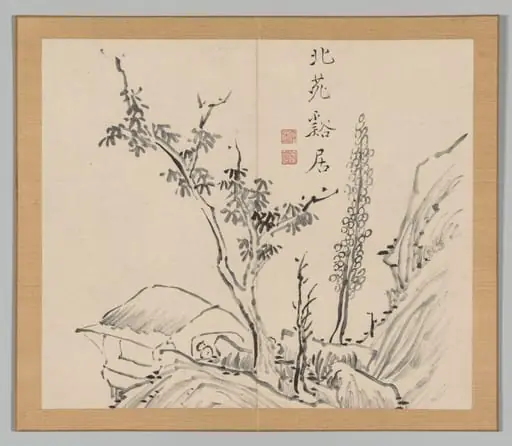
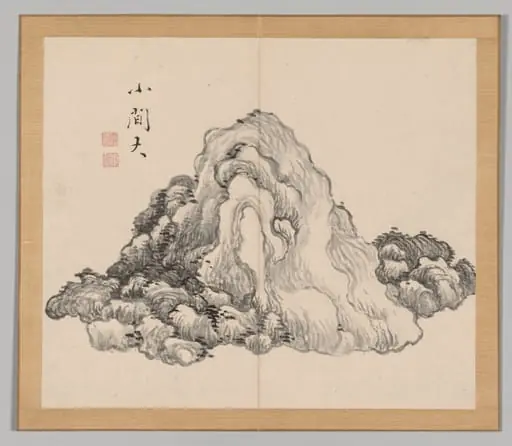
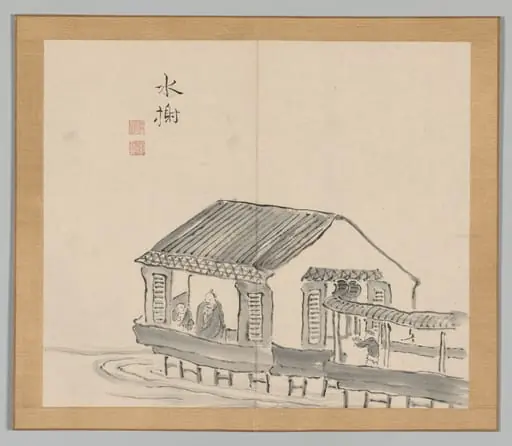
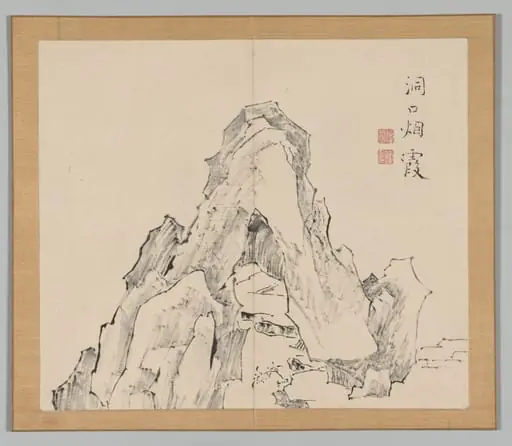
The work consists of ink sketches capturing natural elements—rocks, trees, and mountains—rendered with disciplined brushwork typical of scholarly ink painting.
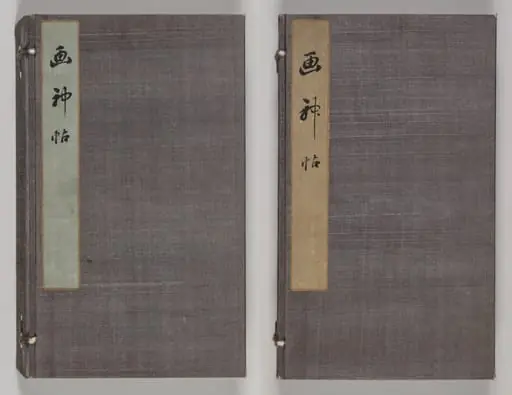
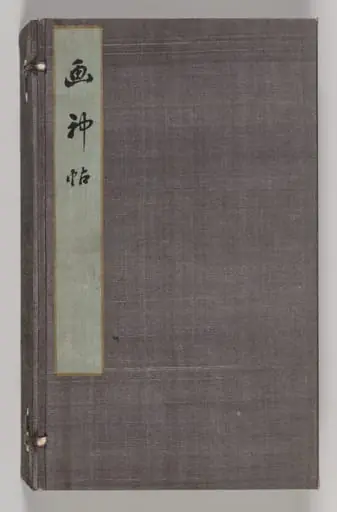
This leaf is part of a portfolio by Aoki Shukuya, created during his training as an apprentice in the Kyoto painting tradition. It belongs to the second volume of a series titled Reverberations of Taiga, reflecting his engagement with the stylistic language of his teacher, Ikeno Taiga. The work consists of ink sketches capturing natural elements—rocks, trees, and mountains—rendered with disciplined brushwork typical of scholarly ink painting.
Subject & Meaning
The subject matter—rock formations, gnarled trees, and distant peaks—draws from classical Chinese and Japanese landscape conventions. These elements were not merely decorative but served as vehicles for cultivating technical control and meditative focus. Their simplicity underscores the pedagogical purpose: to internalize compositional balance and the expressive potential of minimal brushstrokes.
Technique & Style
Shukuya employed ink wash and fine-line brushwork to suggest texture and depth without color or shading. His strokes vary in pressure and speed, demonstrating his study of Taiga’s methods—fluid contours for foliage, angular marks for stone, and sparse detailing for atmospheric distance. The restraint in execution reveals a focus on mastery through repetition rather than original invention.
History & Provenance
Created in the mid-18th century, this leaf is one of many exercises produced during Shukuya’s apprenticeship under Ikeno Taiga, a leading figure in Kyoto’s literati painting circle. Such portfolios were often kept by students as records of progress and later by collectors as evidence of lineage. The survival of this volume suggests it was valued beyond its instructional role.
Context
In Edo-period Japan, artistic training followed a master-apprentice model rooted in Confucian ideals of deference and discipline. Young painters learned by meticulously copying their teacher’s works, absorbing techniques through replication. This system preserved stylistic continuity across generations, making such sketchbooks vital to understanding the transmission of artistic knowledge.
Legacy
Shukuya’s portfolio contributes to the broader record of literati painting pedagogy in Japan. While his individual output was modest, these exercises illustrate how artistic identity was formed through disciplined emulation. Today, such works offer insight into the quiet, methodical process behind the development of Japanese ink painting traditions.
Artist & collection

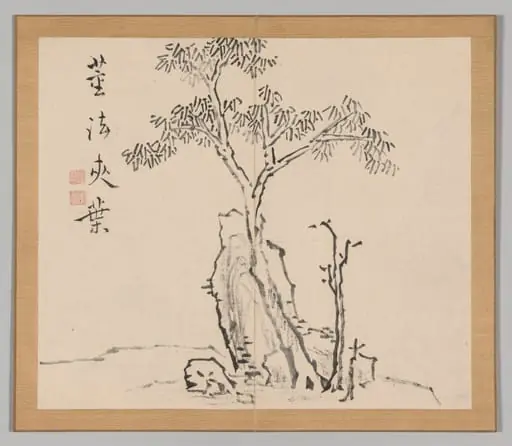 Reverberations of Taiga, Volume 1 (leaf 4)
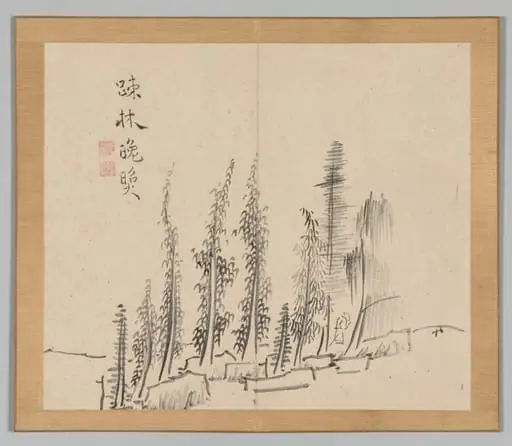 Reverberations of Taiga, Volume 2 (leaf 30)
 Reverberations of Taiga, Volume 1 (leaf 12)
 Reverberations of Taiga
 Reverberations of Taiga (Volume 1)
 Reverberations of Taiga, Volume 1 (leaf 7)
 Reverberations of Taiga, Volume 2 (leaf 29)
 Reverberations of Taiga, Volume 2 (leaf 20)