Artwork
Judah and Tamar
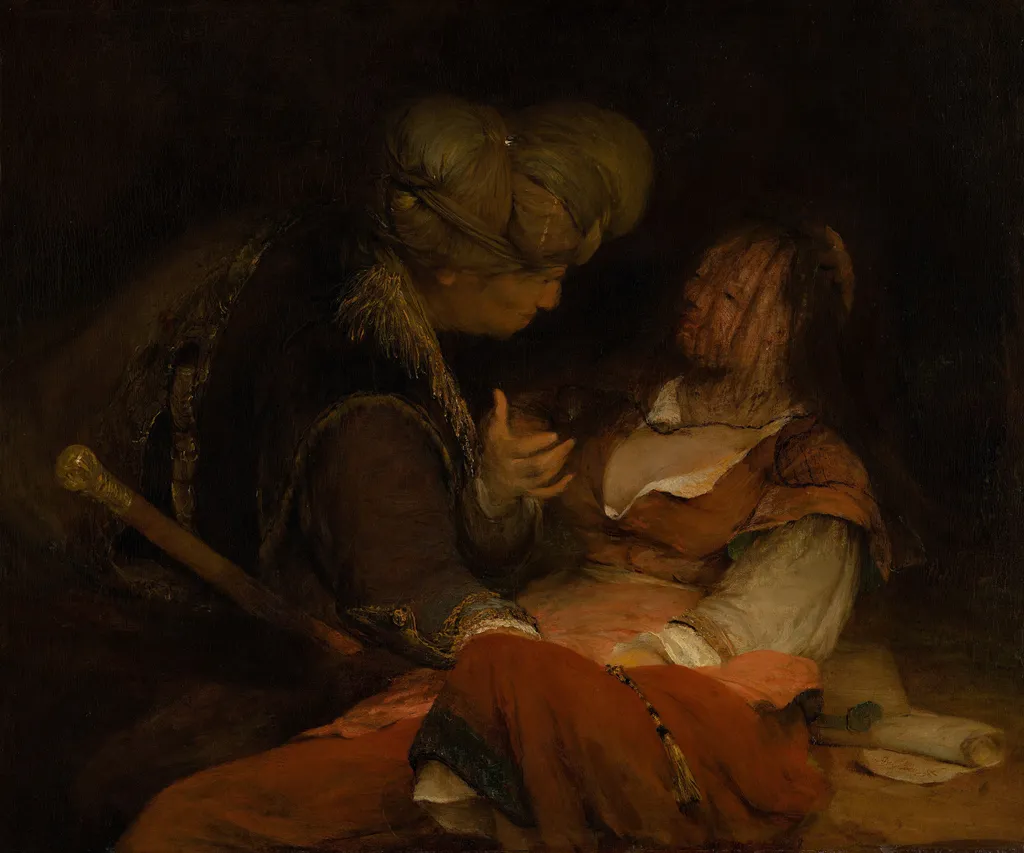
Judah and Tamar is an oil painting by the Rococo painting artist Arent de Gelder. It dates from 1700 and is held in the collection of the National Gallery.
About this work
Overview
Created in 1700, *Judah and Tamar* is an oil painting by Dutch artist Arent de Gelder (1645–1727). The work portrays a biblical encounter in a modest interior, rendered with a subdued palette and chiaroscuro that emphasizes the figures’ expressions and garments. It is part of the Mauritshuis collection in The Hague.
Subject & Meaning
The scene illustrates the Old Testament narrative in which Judah, a patriarch, meets Tamar, his daughter‑in‑law, after a complex series of events. Judah is shown seated on the floor, grasping a staff, while Tamar, dressed in a white gown with an orange shawl, holds a small object, suggesting the moment of revelation and reconciliation that follows their earlier deception.
Technique & Style
De Gelder employs a realistic approach, focusing on the tactile qualities of fabric and skin. The composition relies on dramatic lighting, with a strong contrast between illuminated faces and a shadowy background, a technique inherited from his master Rembrandt. Fine brushwork captures the folds of the robes and the sheen of the turban, reinforcing the painting’s intimate atmosphere.
History & Provenance
A pupil of Rembrandt during the latter’s final years, de Gelder carried forward his teacher’s late‑Baroque sensibilities into the early eighteenth century, a period often associated with the Rococo. *Judah and Tamar* entered the Mauritshuis collection, where it remains on display, offering insight into the transitional style between Dutch Golden Age realism and emerging European decorative trends.
Own this work as a print
Artist & collection
Artist
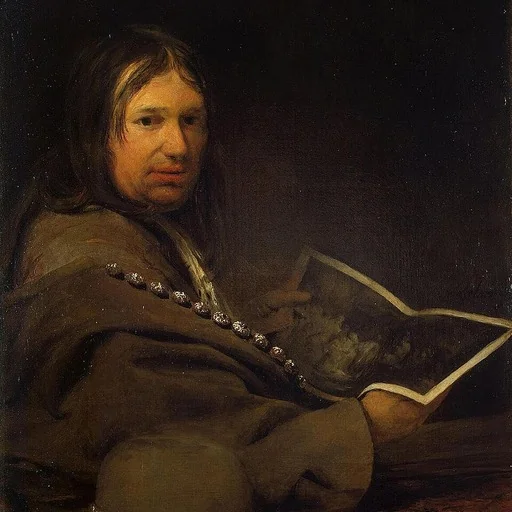
Aert de Gelder (Dutch: ; October 26, 1645 – August 27, 1727) was a Dutch painter, the only Dutch artist to paint in the tradition of Rembrandt's late style into the 18th century.

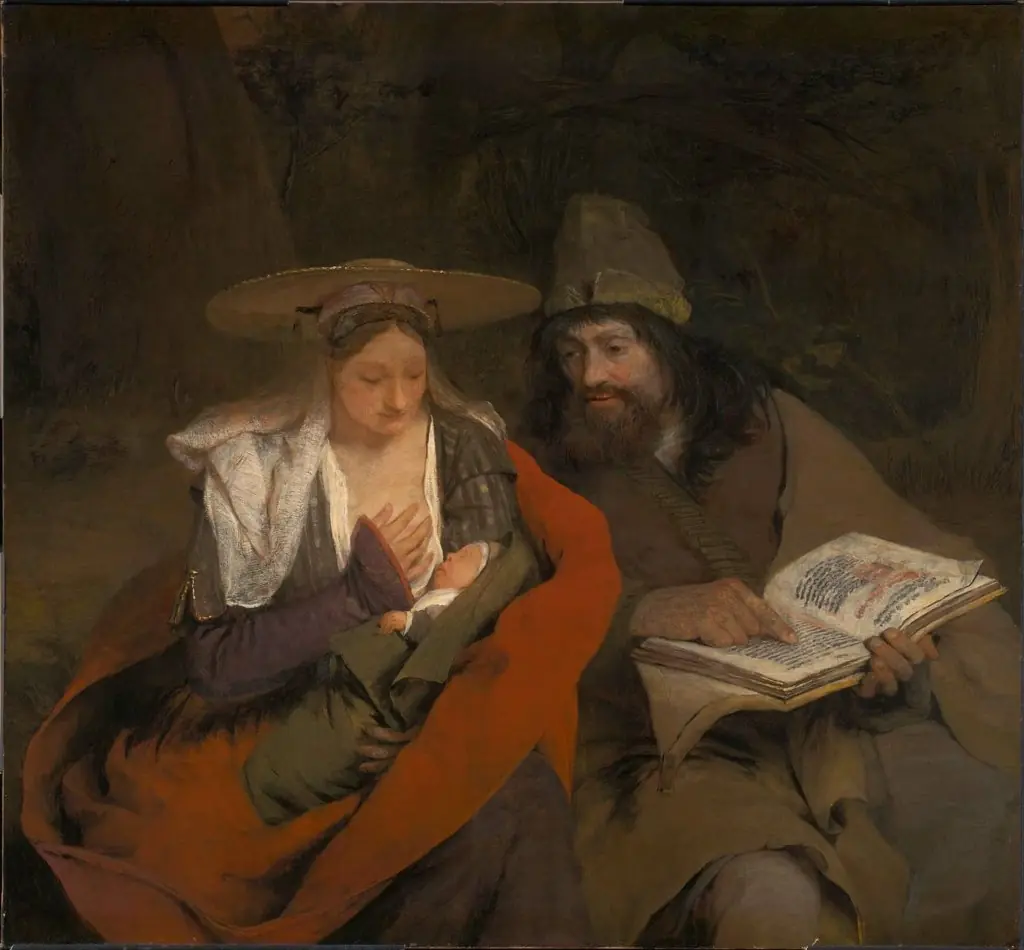 Rest on the Flight into Egypt
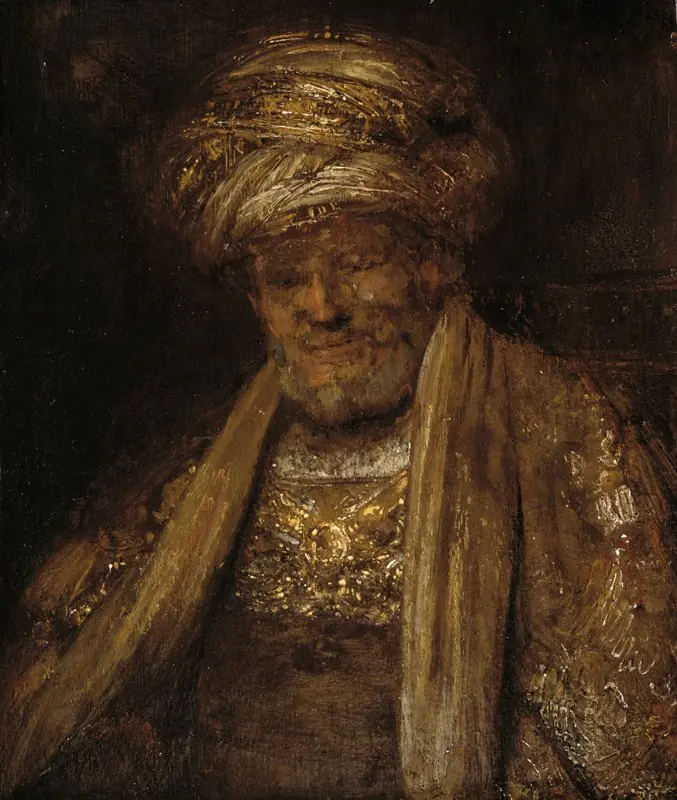 Portrait of an Oriental Man
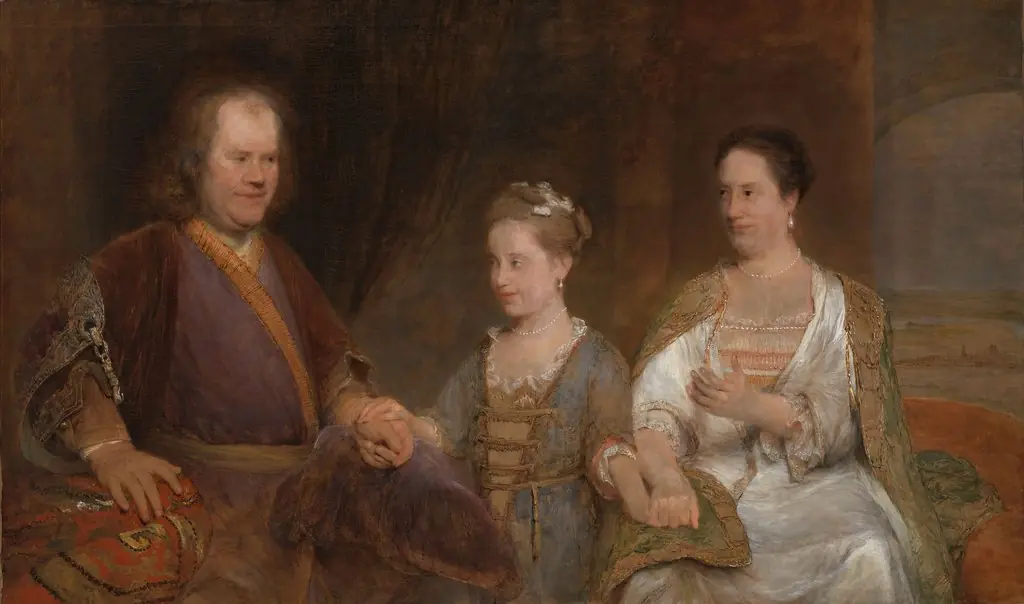 Portrait of Hermanus Boerhave (1668-1738), professor of medecine at the university of Leiden, with his wife Maria Drolenvaux (1686-1746) and their daughter Johanna Maria (1712-91)
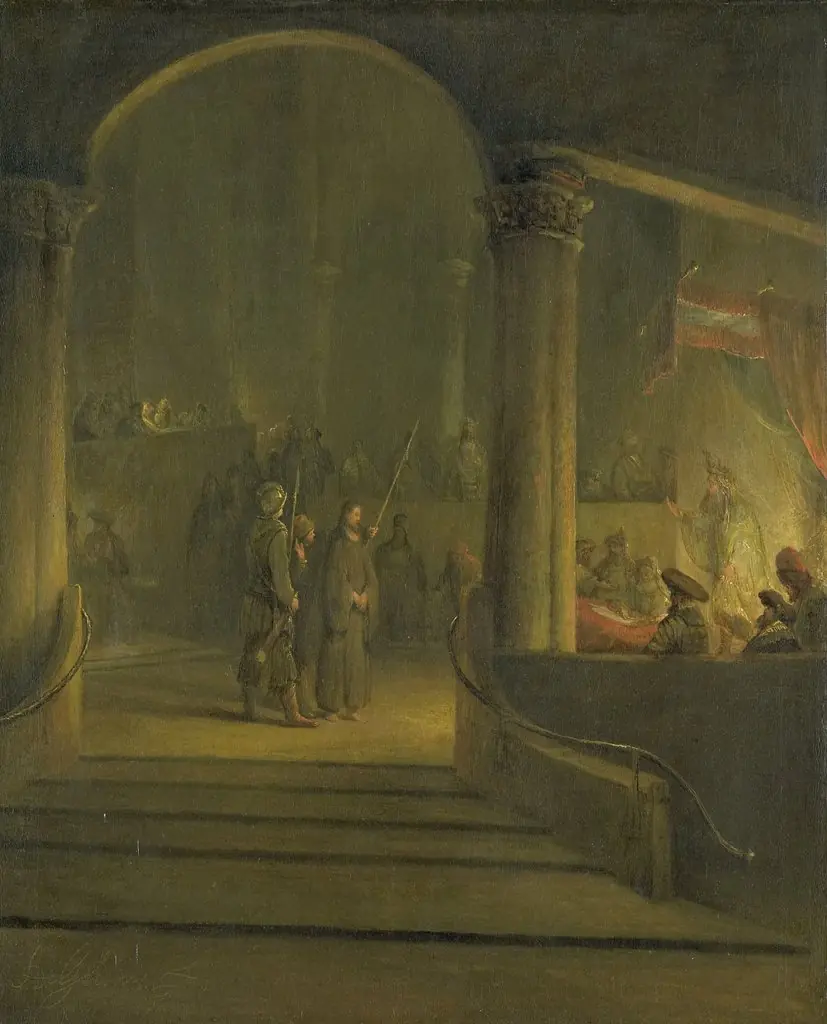 Christ before Caiphas
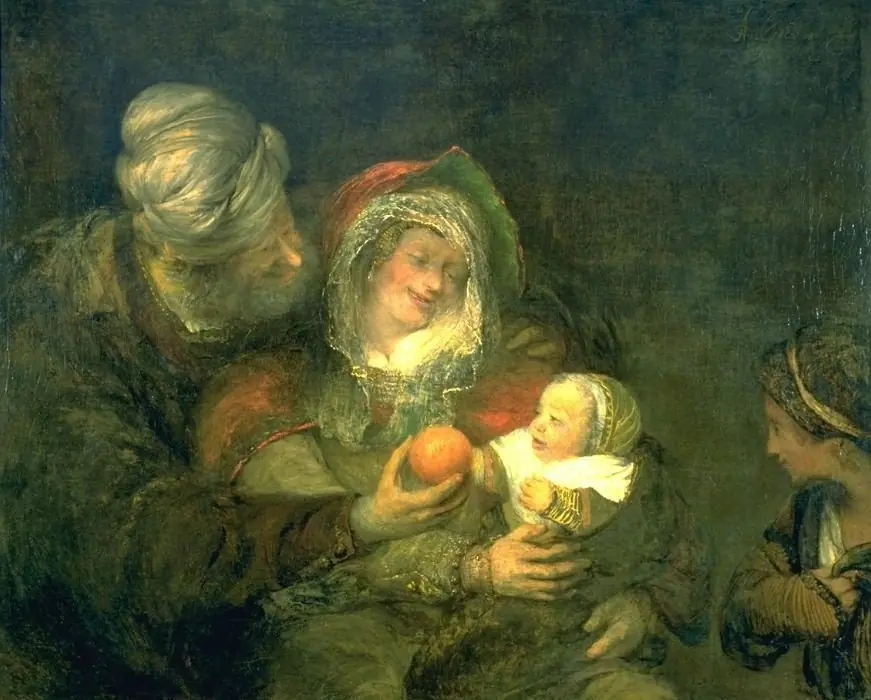 Holy Family
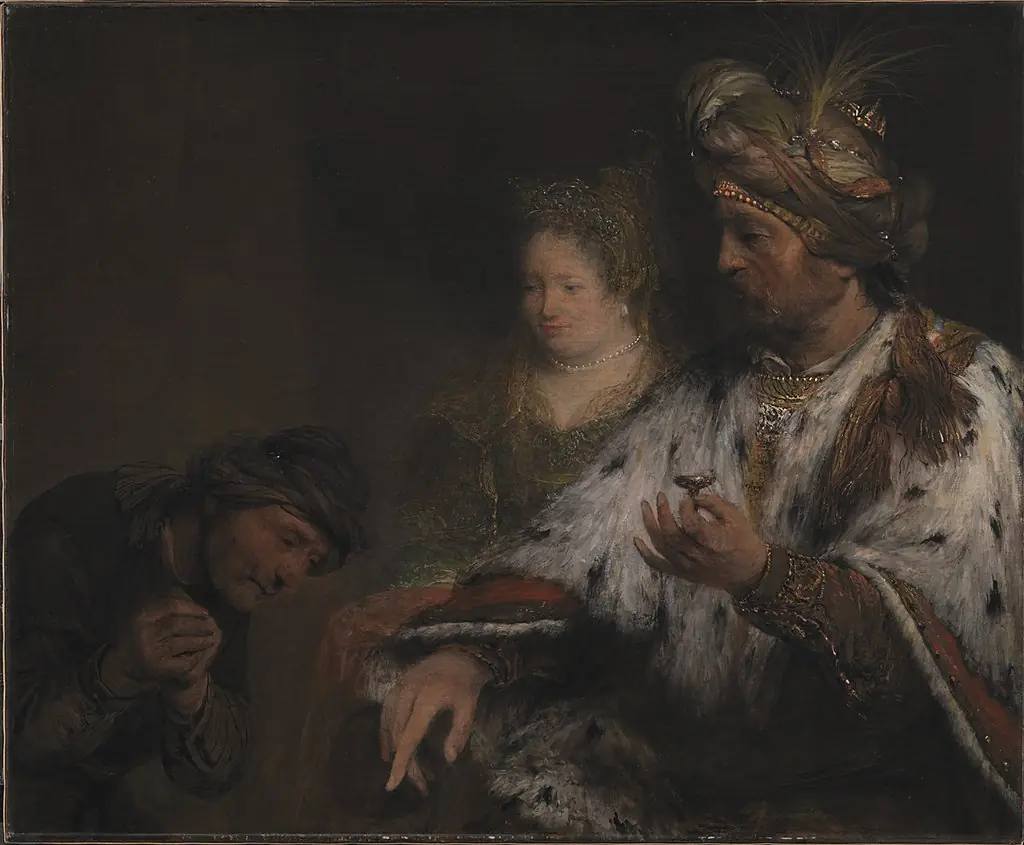 Den persiske kong Ahasverus giver Mordokaj ringen
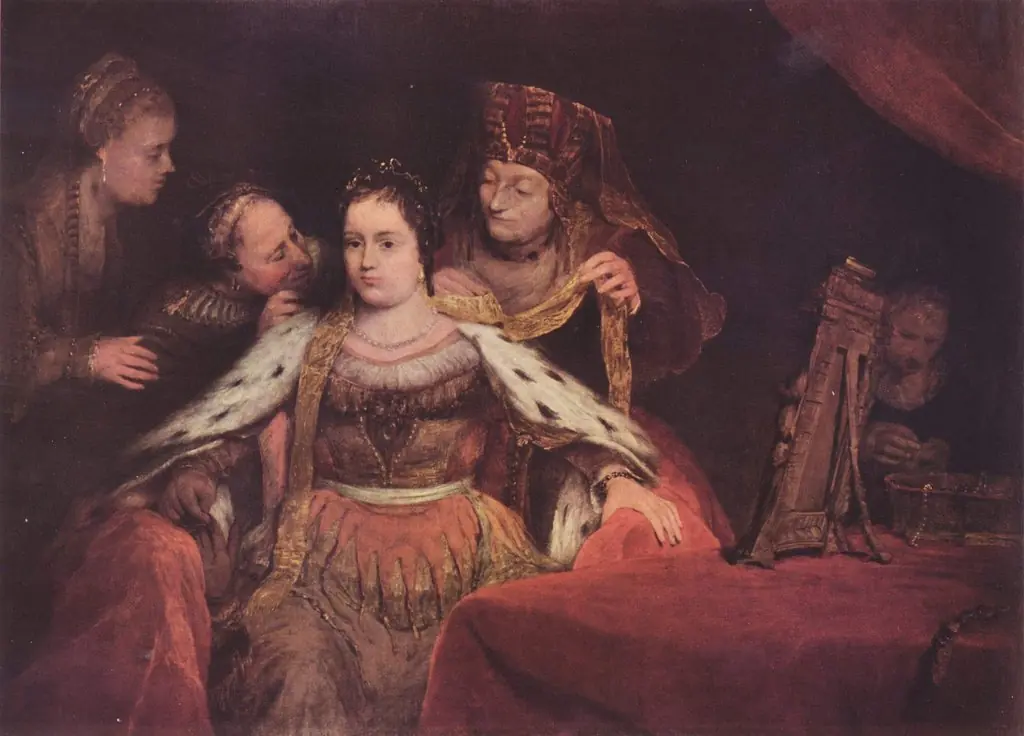 Esther's toilet
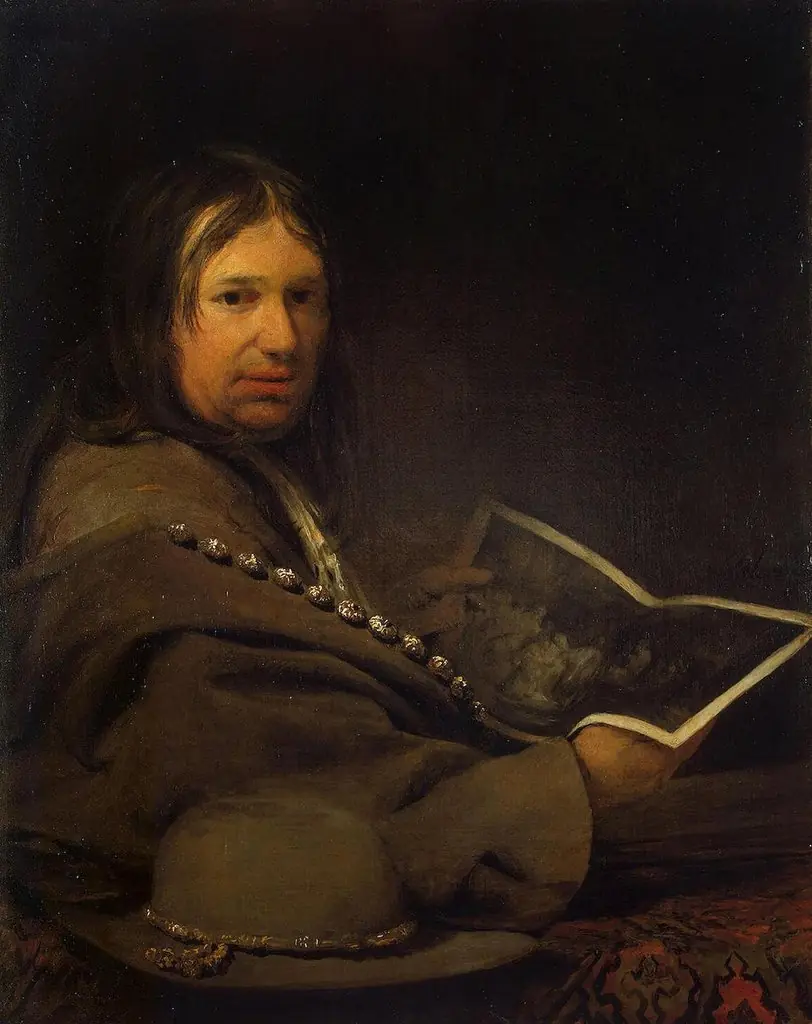 Portrait of a Collector
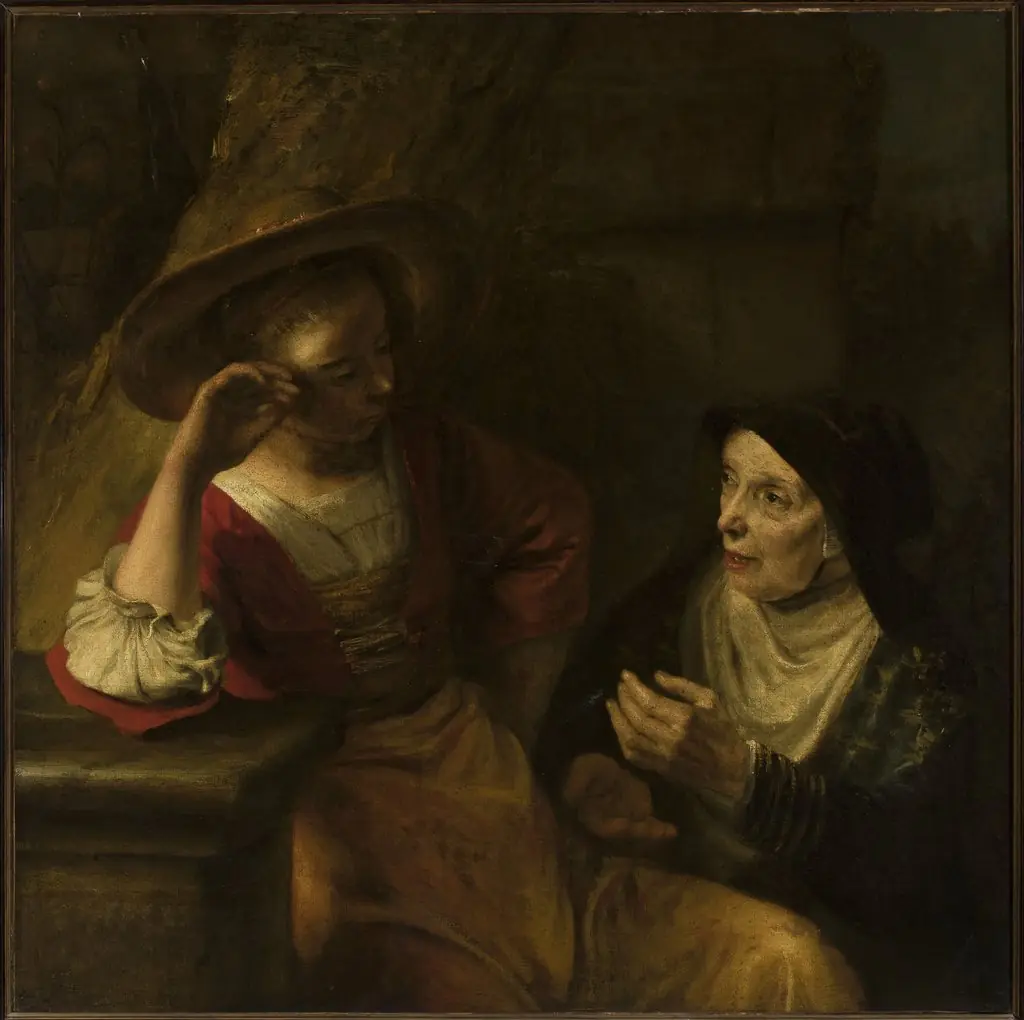 Vertumnus and Pomona
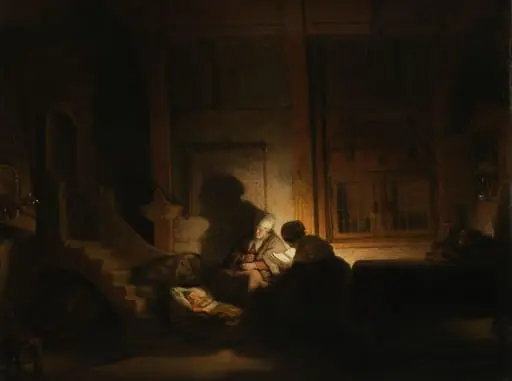 Untitled
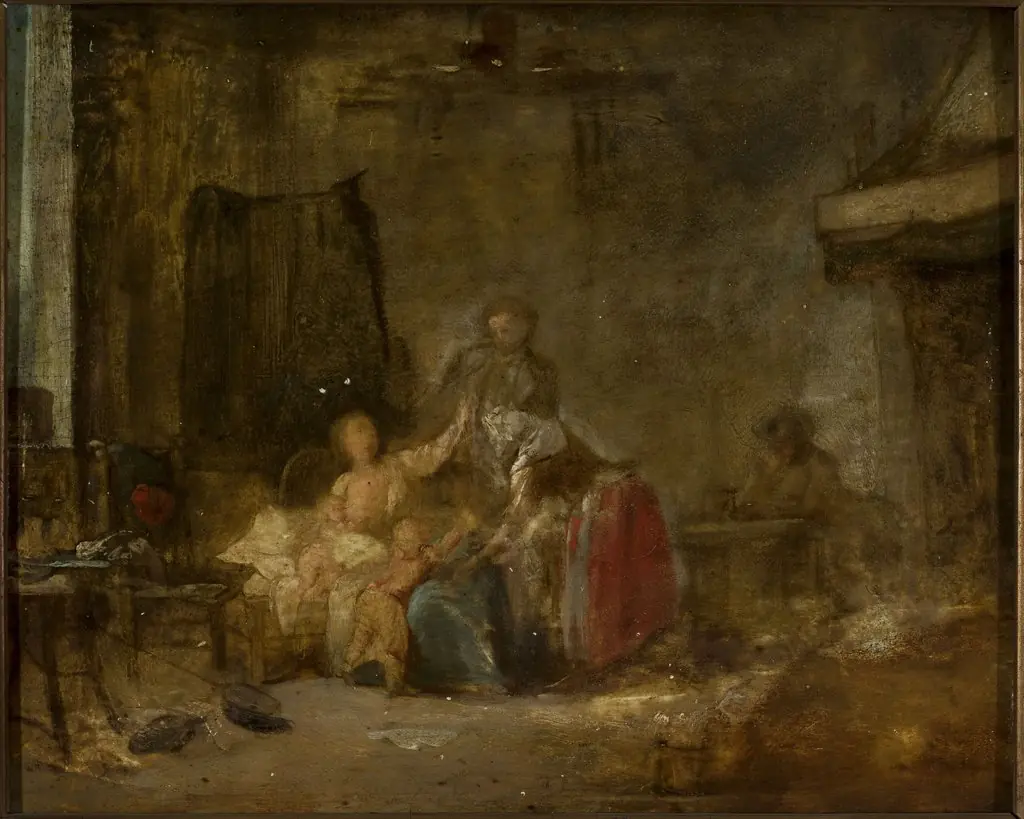 Family scene
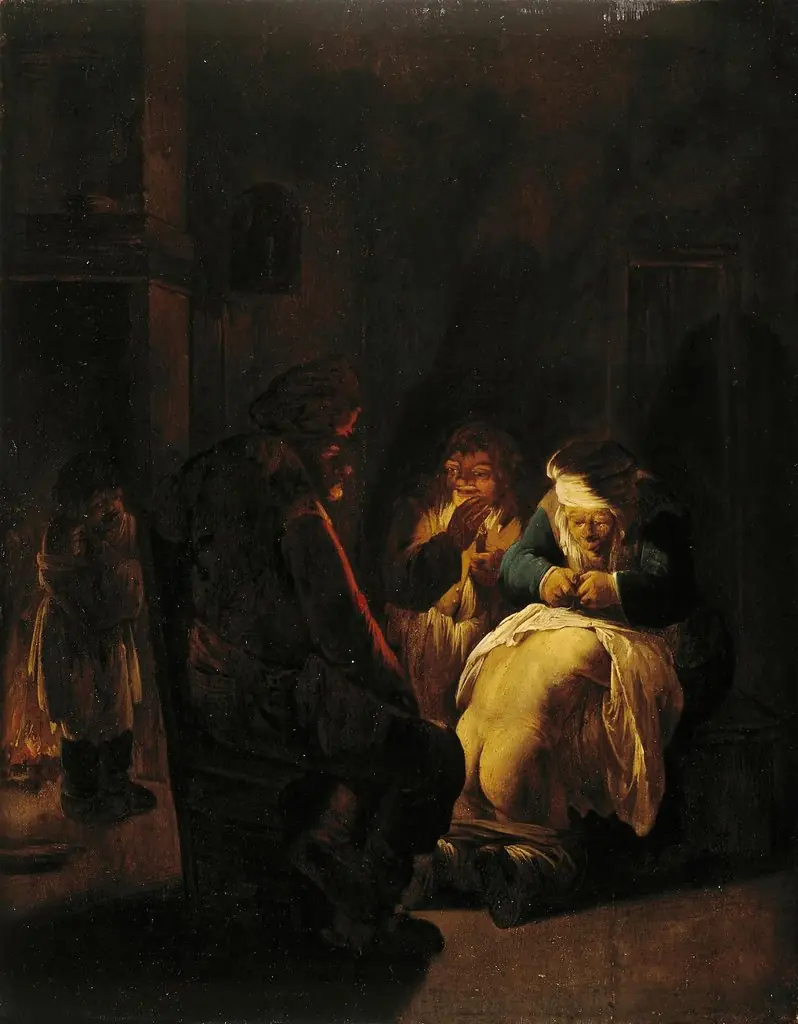 Peasants in the Interior (Family Scene)
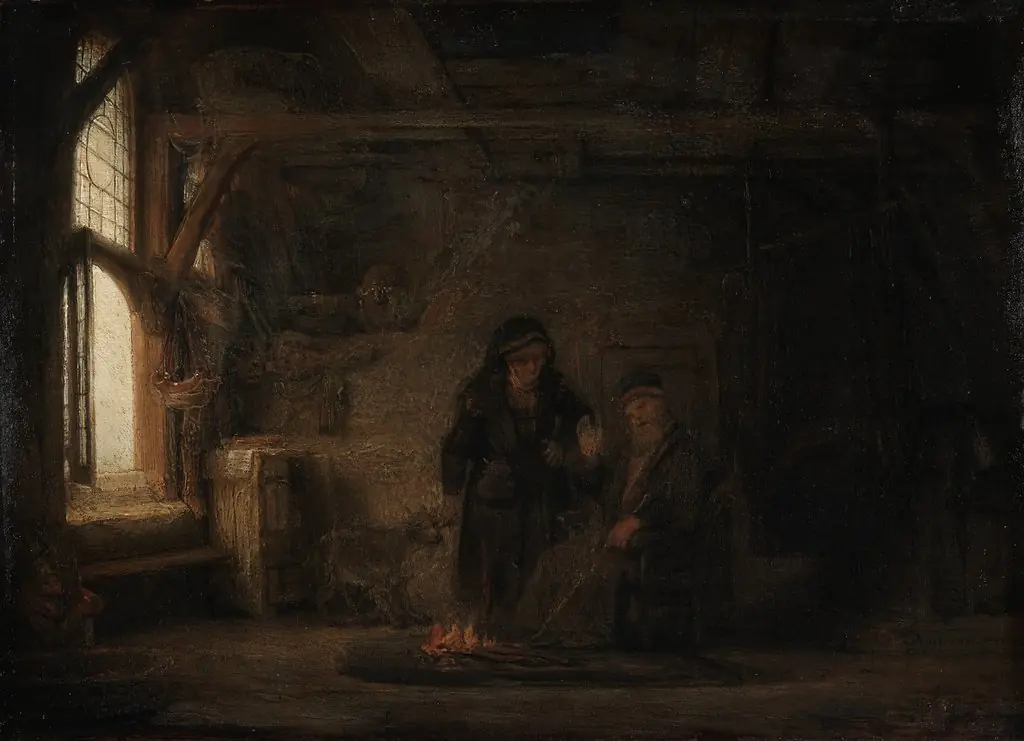 Tobit and Anna with the Kid
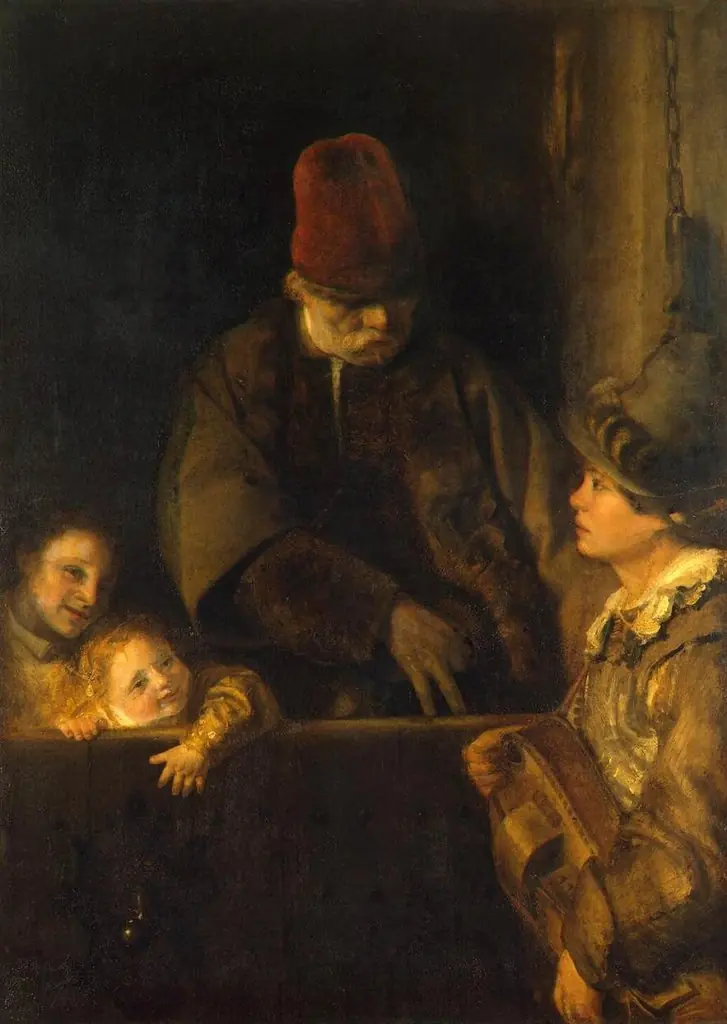 Wandering Musician
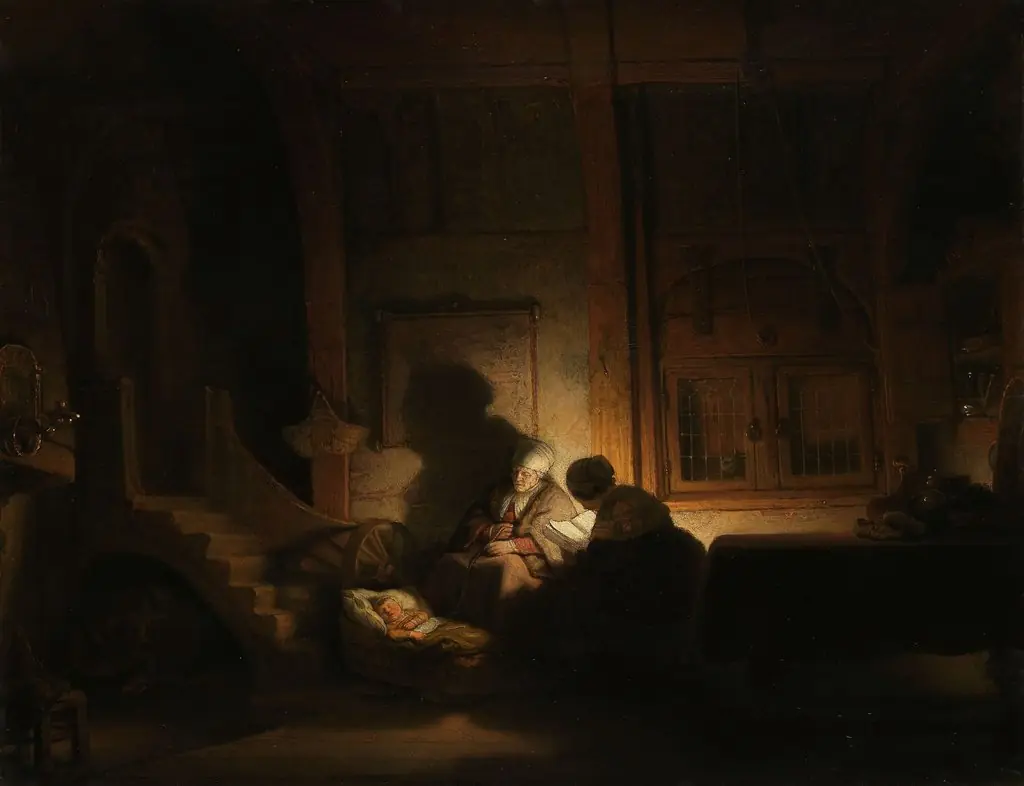 The holy family at night
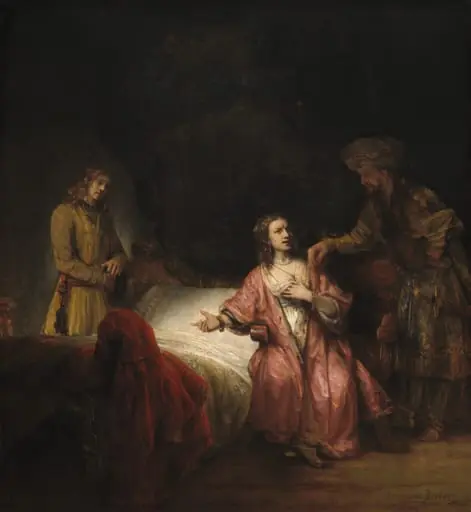 Joseph Accused by Potiphar's Wife
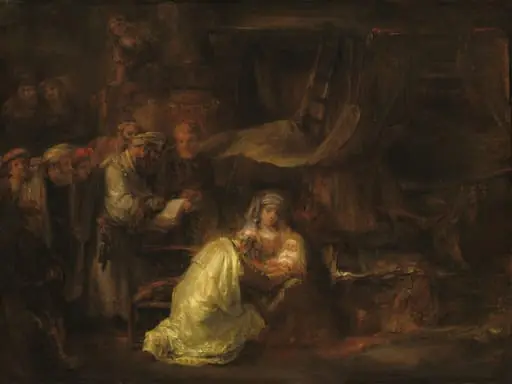 The Circumcision
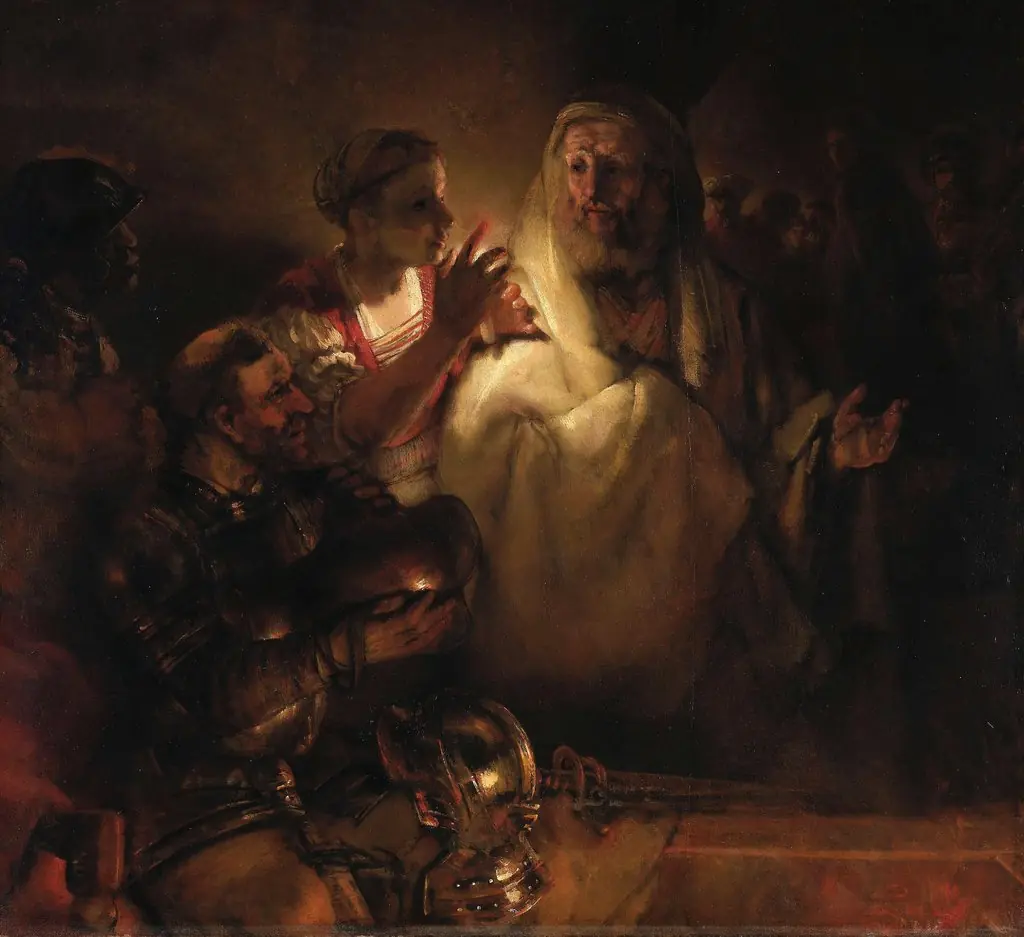 The Denial of Saint Peter
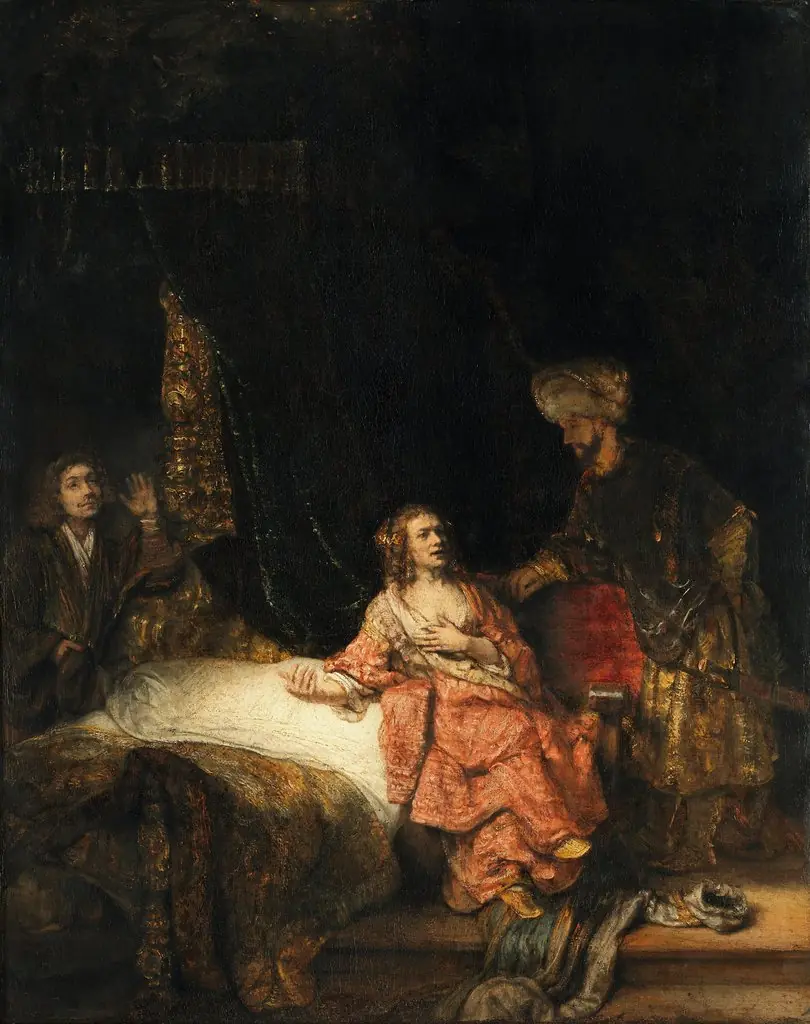 Joseph accused by Potiphar's wife
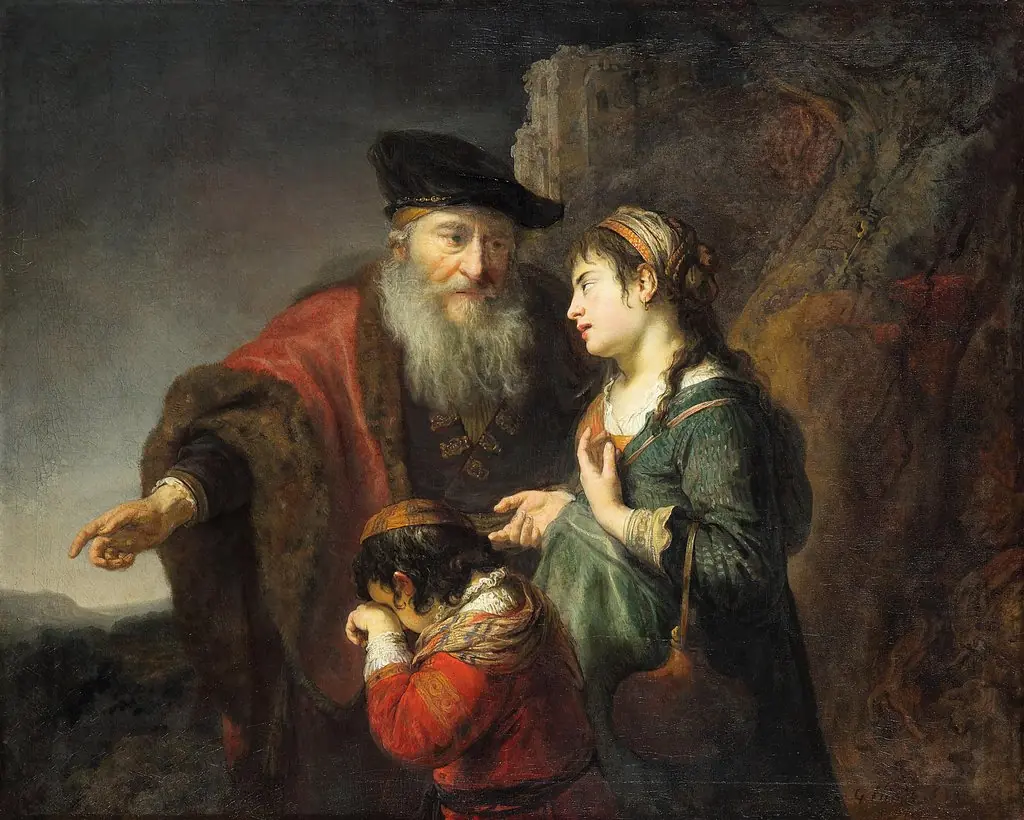 The banishment of Hagar and Ishmael (Genesis 21:14)