Artwork
Untitled
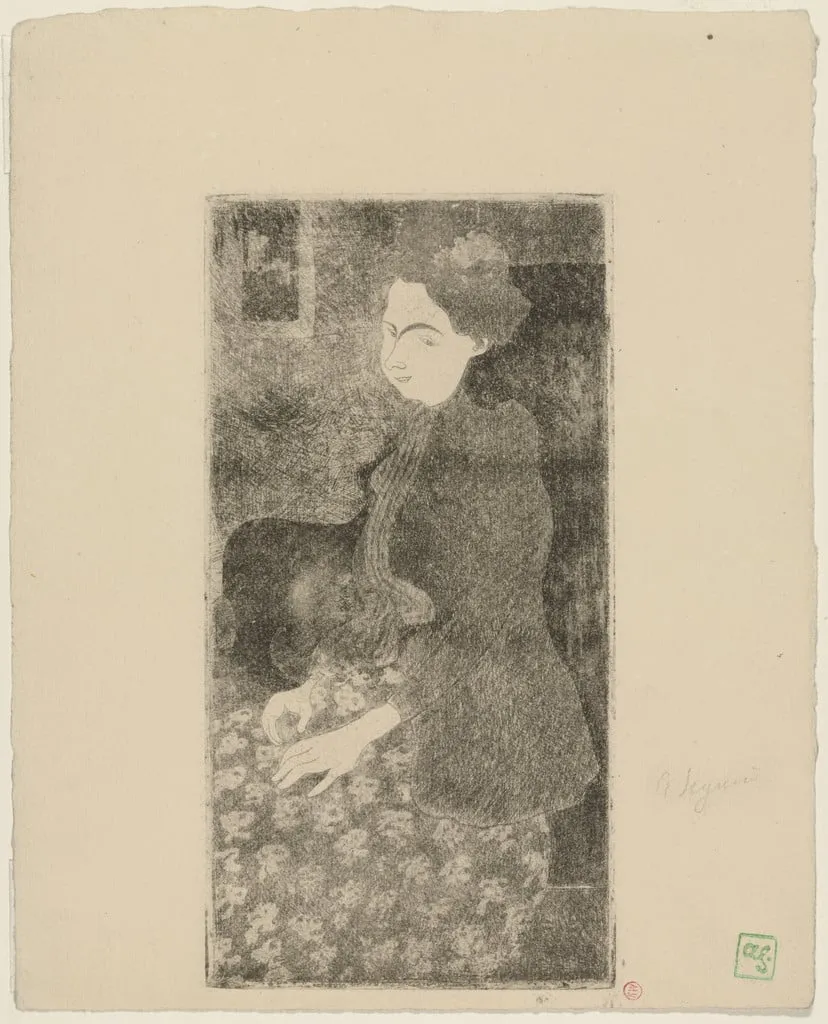
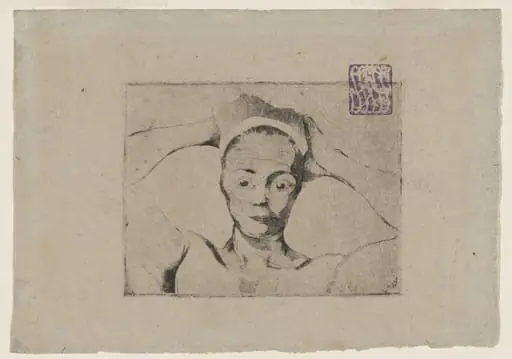
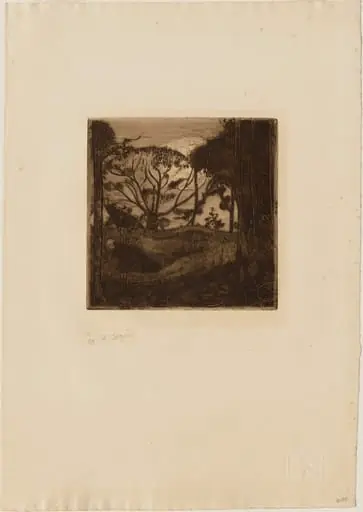
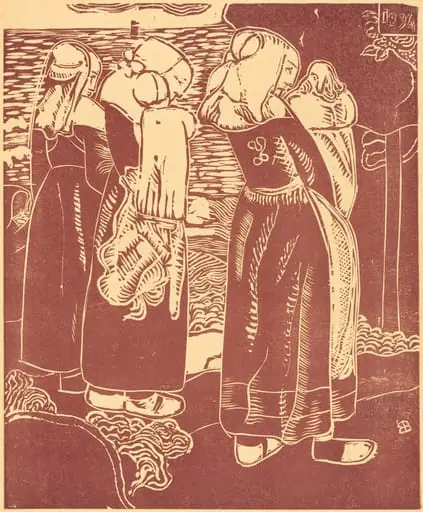
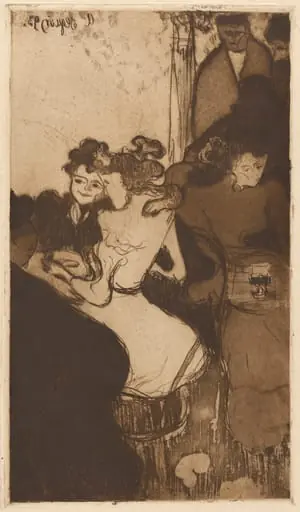
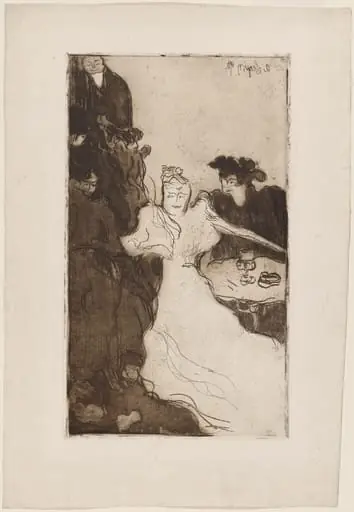
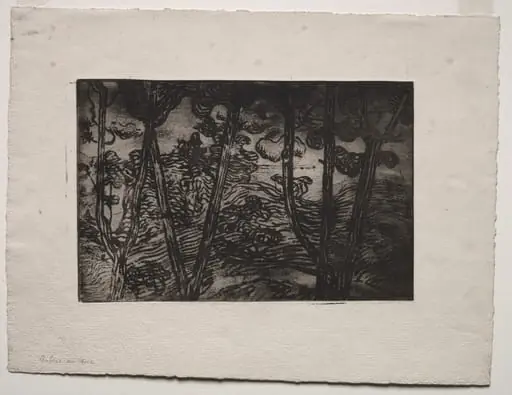
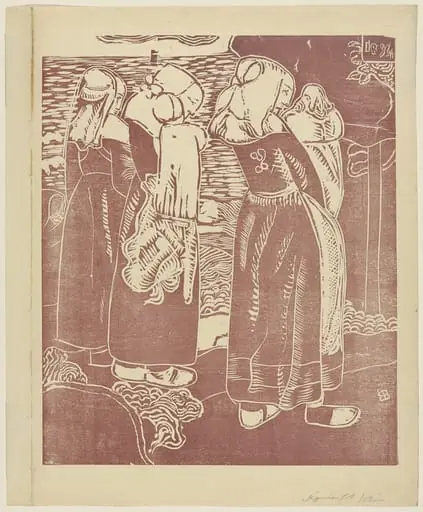
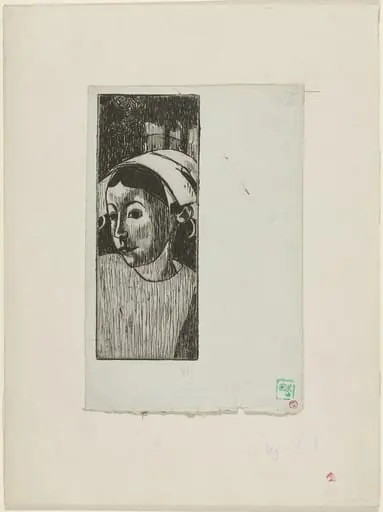
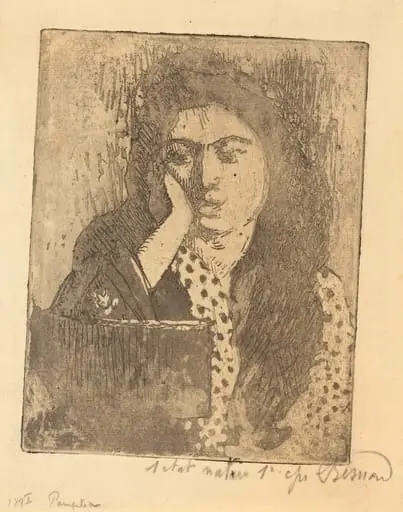
Untitled is an ink print by the Impressionist artist Armand Séguin. It dates from 1892 and is held in the collection of the Museum of Modern Art.
About this work
Overview
Created during his time among post-Impressionist artists, the work reflects his engagement with graphic experimentation.
This 1892 etching by Armand Séguin is one of the few surviving prints from his brief but intense period in Pont-Aven. Created during his time among post-Impressionist artists, the work reflects his engagement with graphic experimentation. Though little known today, Séguin’s output in printmaking was concentrated and closely tied to his artistic circle. The piece is now part of The Museum of Modern Art’s collection, preserved as a rare example of his graphic work.
Subject & Meaning
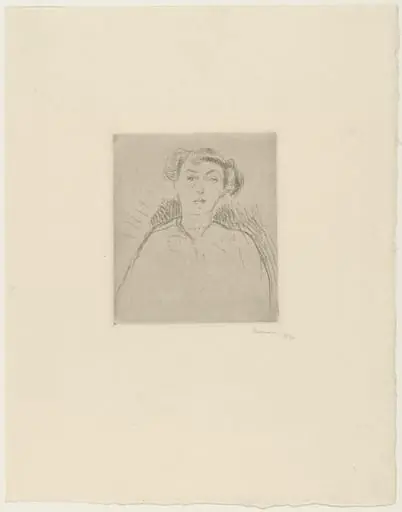
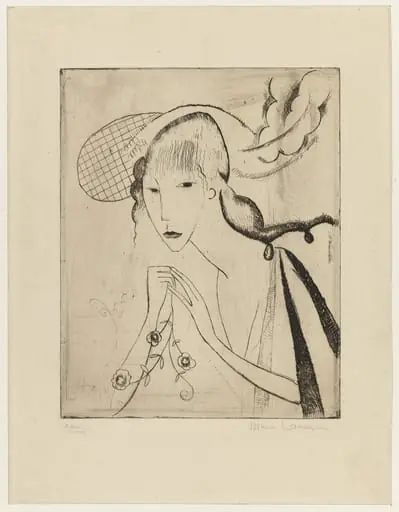
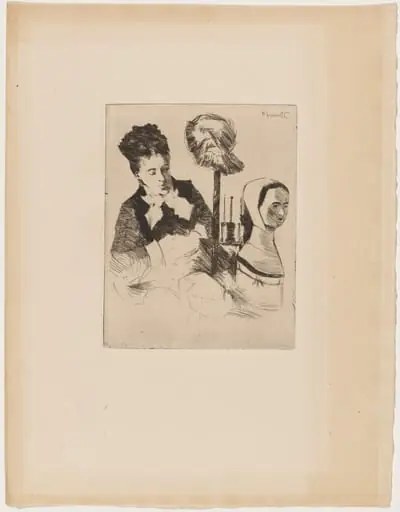
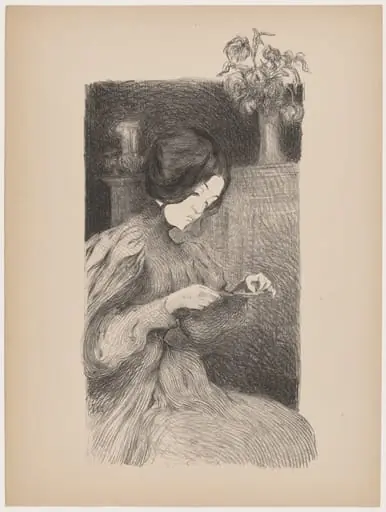
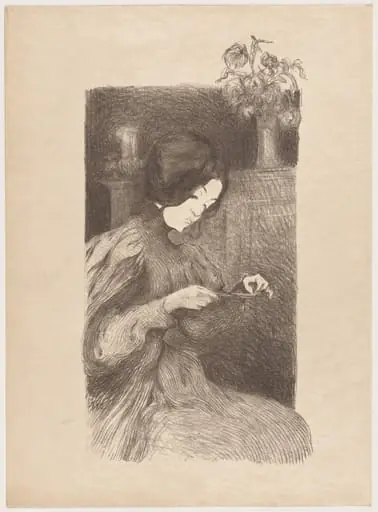
The figure is a solitary woman seated in a dim interior, wrapped in a heavy coat with a high collar, suggesting cold or emotional isolation. Her hands cradle a small, indistinct object—possibly a flower or folded fabric—hinting at quiet contemplation or personal ritual. The lack of contextual detail and the blurred background emphasize introspection, aligning with the Symbolist leanings of Pont-Aven artists who favored mood over narrative.
Technique & Style
Séguin employed traditional etching methods, scratching lines into a metal plate to create a textured, tonal image. The rough, deliberate strokes define the woman’s form, particularly her face and hands, while the background dissolves into loose, dark washes. This contrast between detailed focus and atmospheric vagueness reflects the influence of Gauguin’s symbolic approach, prioritizing emotional resonance over literal representation.
History & Provenance
Séguin produced this work during his stay in Pont-Aven in 1892, shortly after joining the local artist colony. He later studied under Paul Gauguin in 1893 and collaborated with Roderic O'Conor on prints. His life was cut short at age 34 by tuberculosis and alcoholism. The etching remained in private hands until entering MoMA’s collection, where it stands as a testament to his short-lived but significant contribution to late 19th-century printmaking.
Context
In early 1890s Pont-Aven, artists like Séguin moved away from naturalism toward simplified forms and emotional expression. Influenced by Gauguin and Bernard, they explored symbolism and flat planes, often using printmaking to extend their ideas beyond painting. Séguin’s etching fits within this broader shift, where the medium’s intimacy and reproducibility allowed for personal, introspective imagery that challenged academic norms.
Legacy
Séguin’s oeuvre is limited due to his early death, but his etchings remain important for understanding the intersection of printmaking and Symbolism in post-Impressionist circles. This work, though modest in scale, exemplifies how lesser-known artists contributed to the era’s visual language. Its presence in MoMA underscores its role as a quiet but significant artifact of a fleeting artistic moment.
Artist & collection
Artist
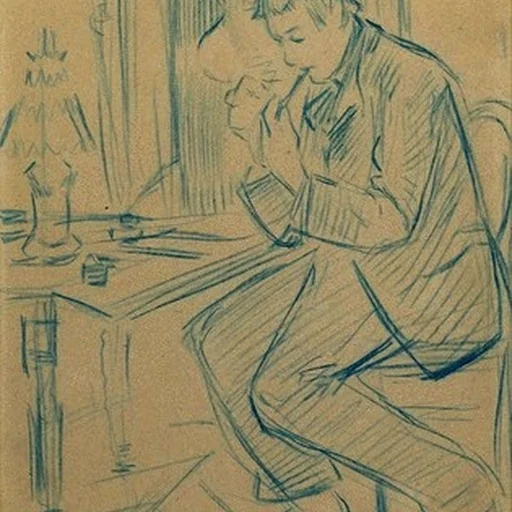
Armand Séguin (1869–1903) was a post-Impressionist French painter who is remembered for his involvement in the Pont-Aven School beginning in 1891.