Artwork
Le Café
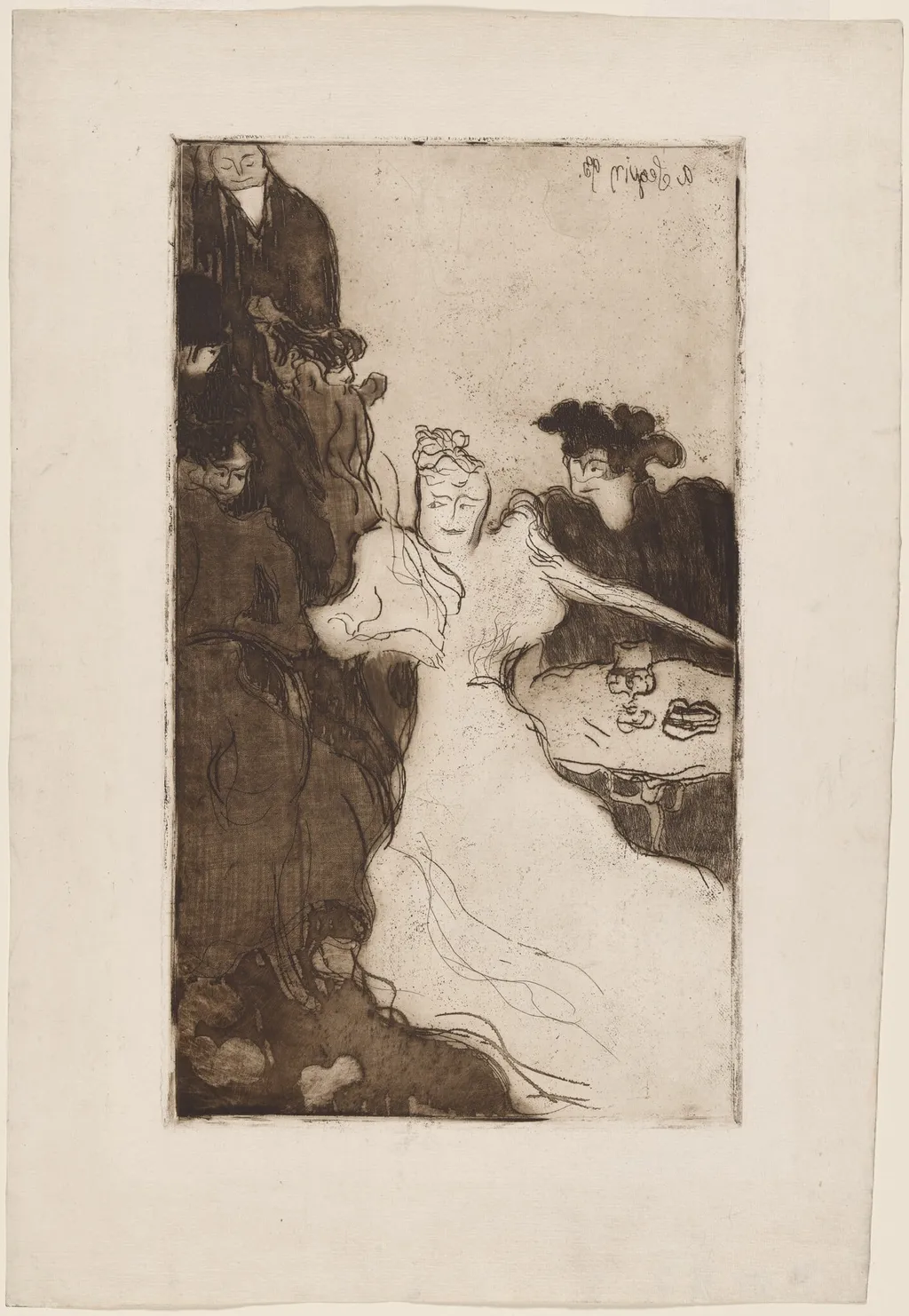
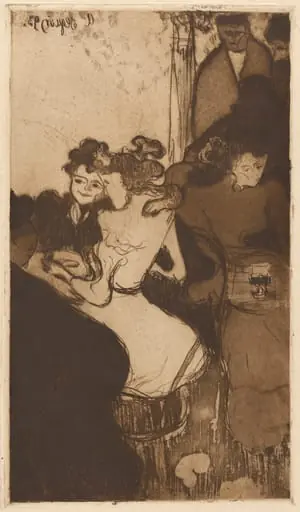
Le Café is an ink print by the Impressionist artist Armand Séguin. It dates from 1893 and is held in the collection of the National Gallery of Art.
About this work
Overview
Le Café, created by Armand Séguin in 1893, is a softground etching with roulette on laid paper, printed in brown-black. This print captures a lively café scene, contrasting with the somber tones of its execution.
Subject & Meaning
The print depicts a woman in a white dress dancing amidst seated patrons, conveying a sense of energetic everyday life. The scene emphasizes realistic portrayal, characteristic of Séguin's engagement with the Pont-Aven School's evolving style.
Technique & Style
Séguin utilized softground etching with roulette, a technique allowing for expressive line work, paired with a monochromatic brown-black palette on laid paper. This contrasts with the described painting's colorful, Impressionist style, suggesting a distinction between Séguin's print and painted works.
History & Provenance
Created in 1893, during Séguin's time with the Pont-Aven School and under Paul Gauguin's guidance, Le Café reflects the group's stylistic explorations. Séguin also collaborated with Roderic O'Conor on printmaking techniques around this time.
Context
Séguin's life was marked by illness and financial struggles, ending prematurely at age 34, a decade after creating Le Café. His work during this period, including Le Café, shows his adaptation of the Pont-Aven School's themes and techniques.
Artist & collection
Artist
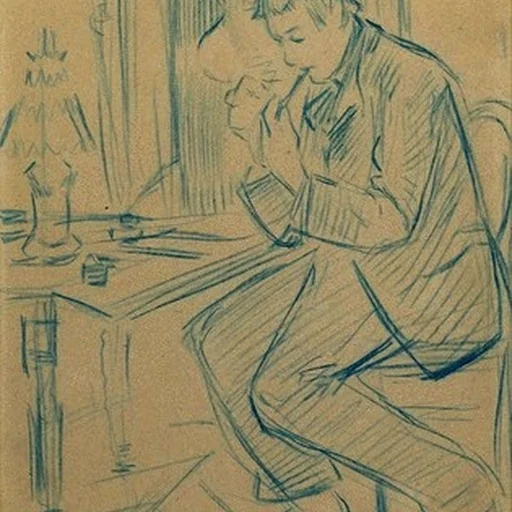
Armand Séguin (1869–1903) was a post-Impressionist French painter who is remembered for his involvement in the Pont-Aven School beginning in 1891.

 Carnival (Carnaval)
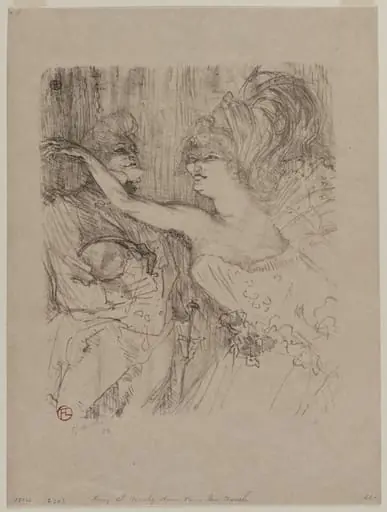 Guy and Mealy, in "Paris qui Marche"
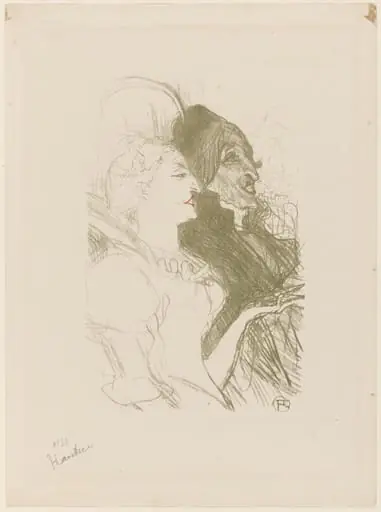
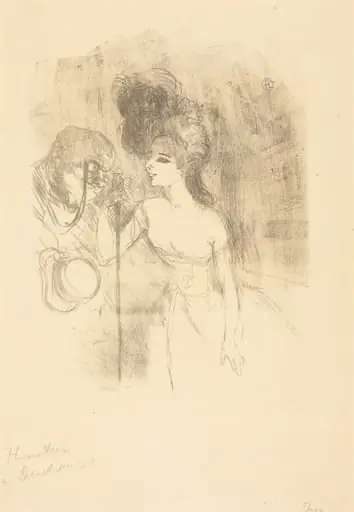 Anna Held and Baldy (Anna Held et Baldy)
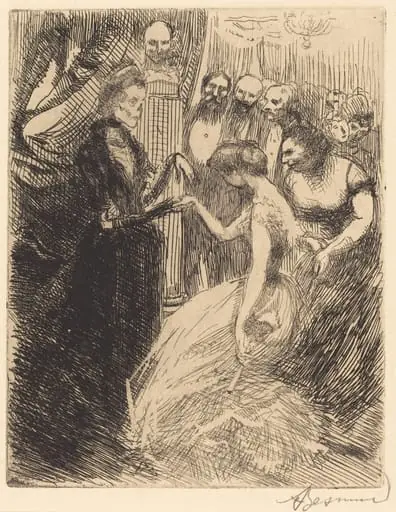 The Presentation (La présentation)
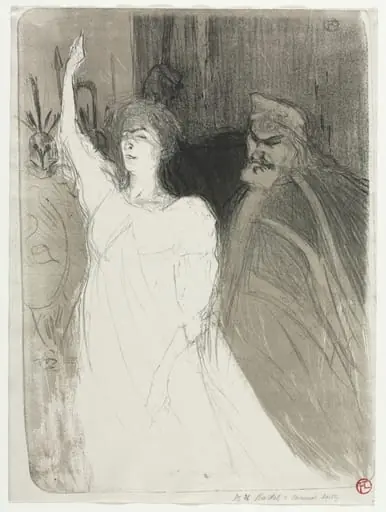 A Princely Idyl, Clara Ward
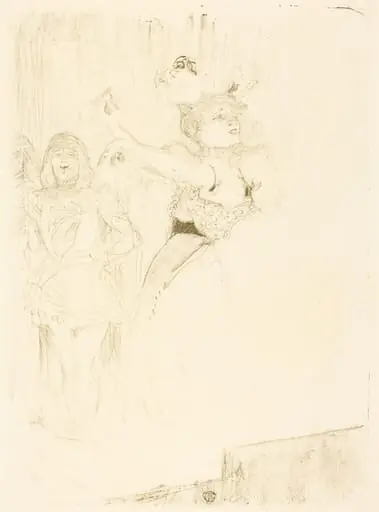 Lender Dancing the Bolero in "Chilperic" (Lender dansant le pas du boléro dans "Chilpéric")
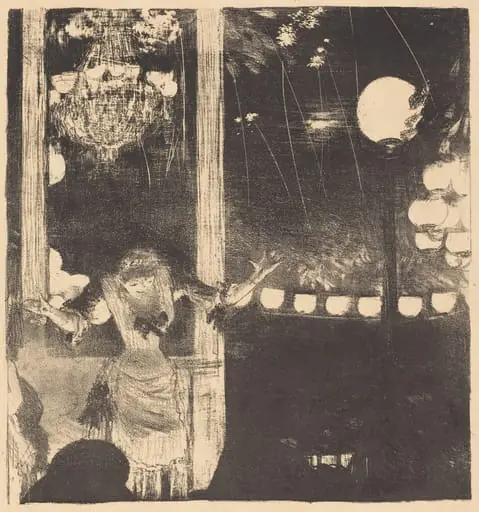 Mademoiselle Bécat at the Cafe des Ambassadeurs (Aux Ambassadeurs: Mlle Bécat)
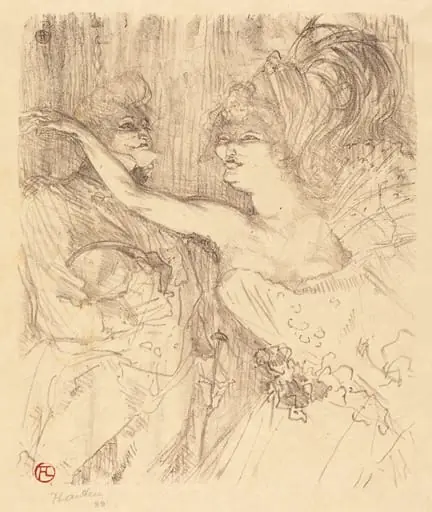 Guy and Mealy in "Paris qui marche" (Guy et Mealy dans "Paris qui marche")
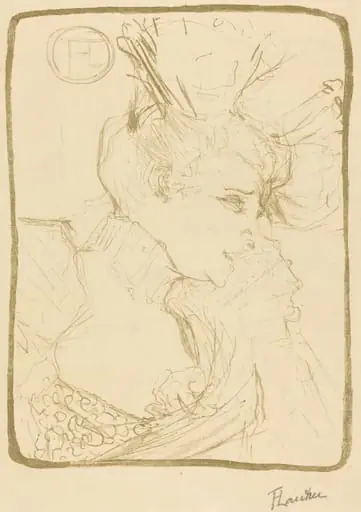 Bust of Mademoiselle Marcelle Lender (Mademoiselle Marcelle Lender, en buste)
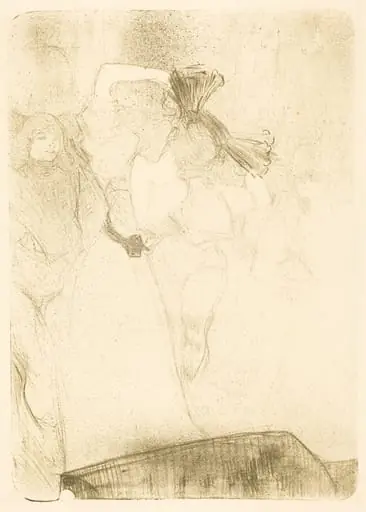 Lender from the Back Dancing the Bolero in "Chilperic" (Lender de dos, dansant le boléro dans "Chilpéric")
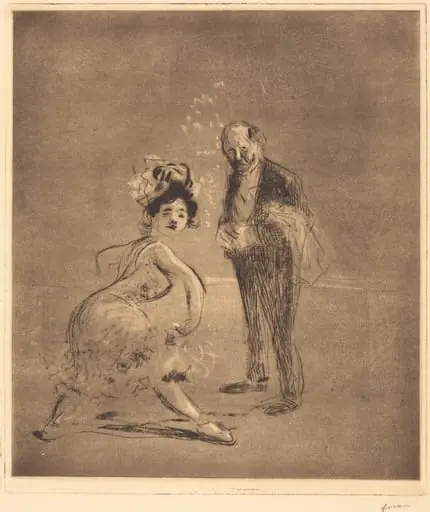 Danseuse et Maître d'hôtel (Dancer and Headwaiter)