Artwork
Judith Beheading Holofernes
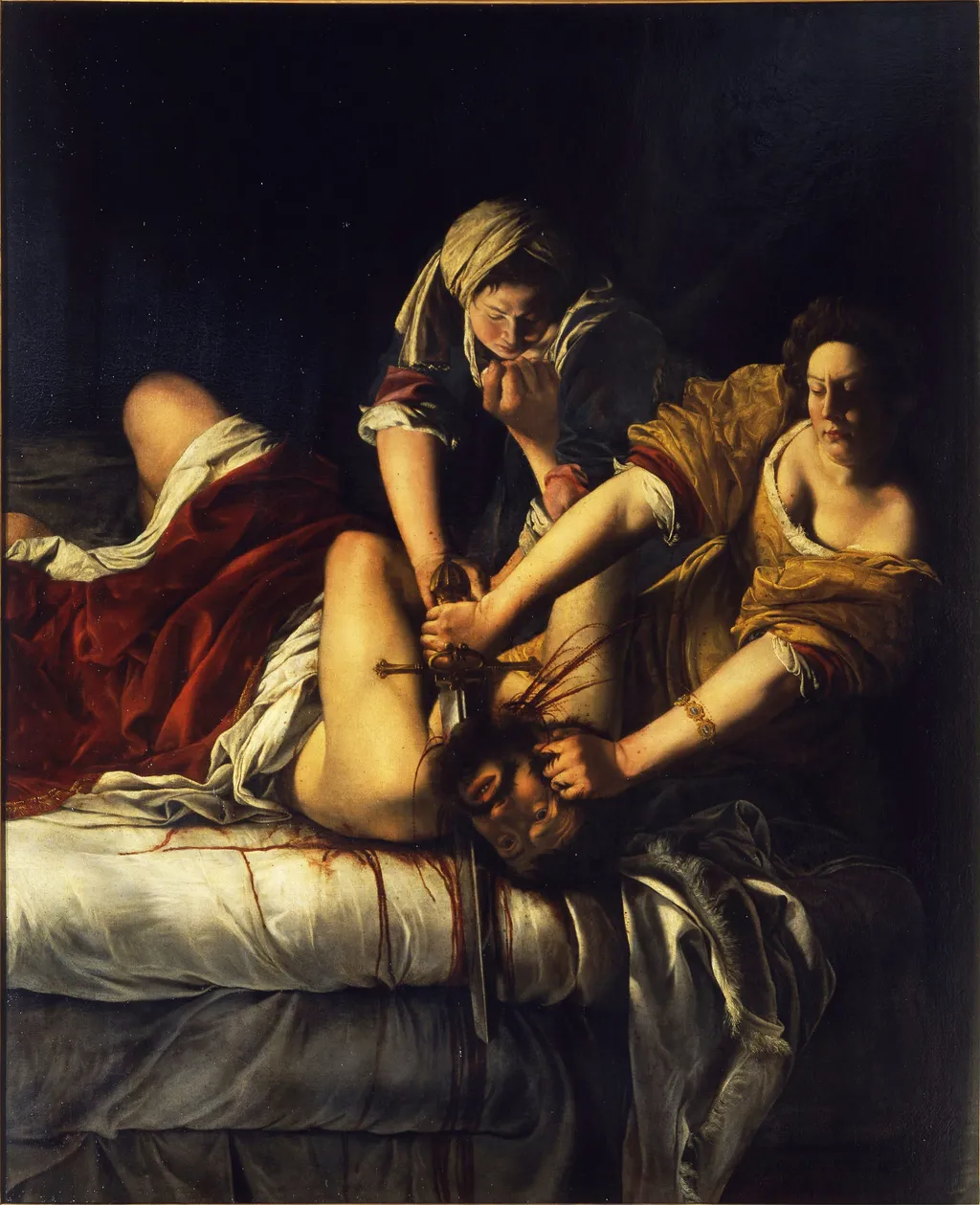
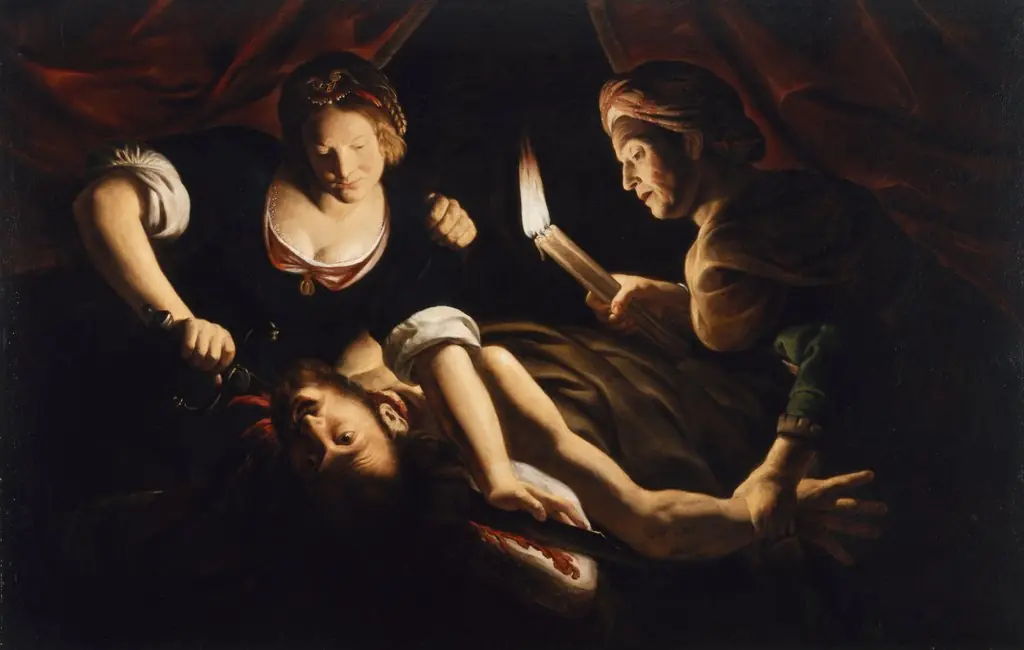
Judith Beheading Holofernes is an oil painting by the Early Baroque Italian artist Artemisia Gentileschi. It dates from 1620 and is held in the collection of the Uffizi Gallery.
About this work
Overview
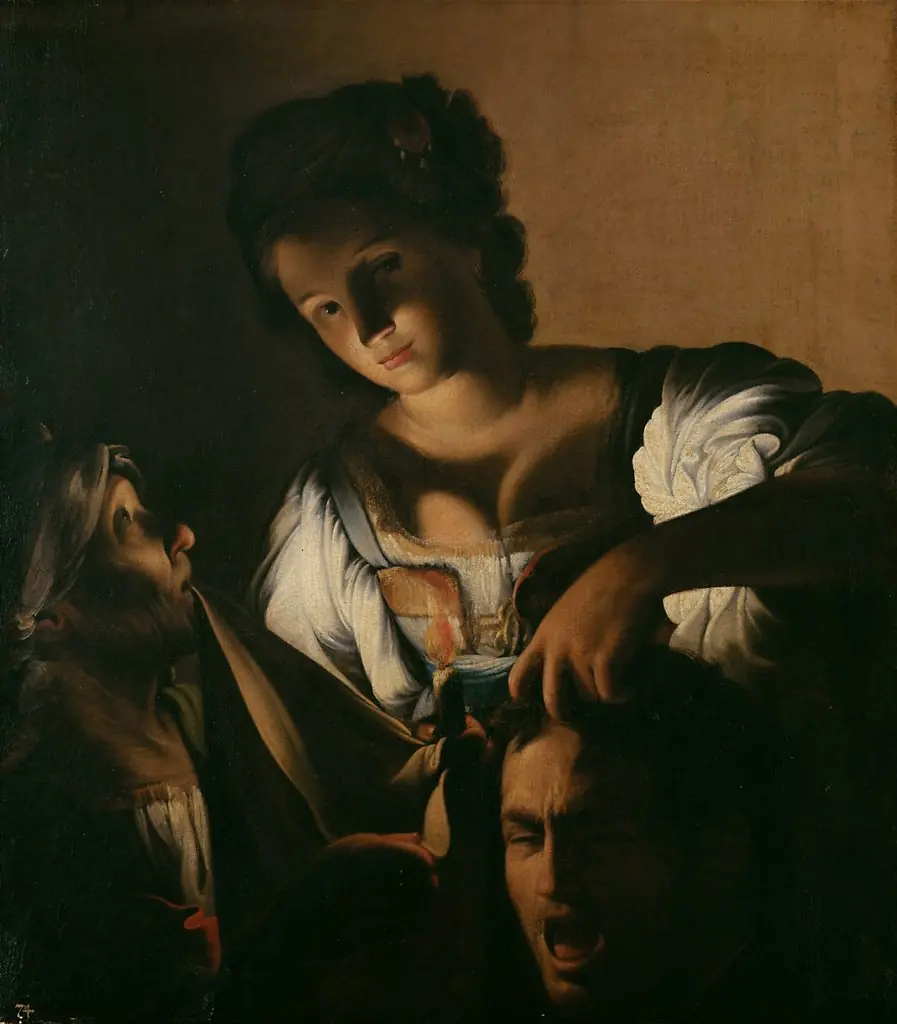
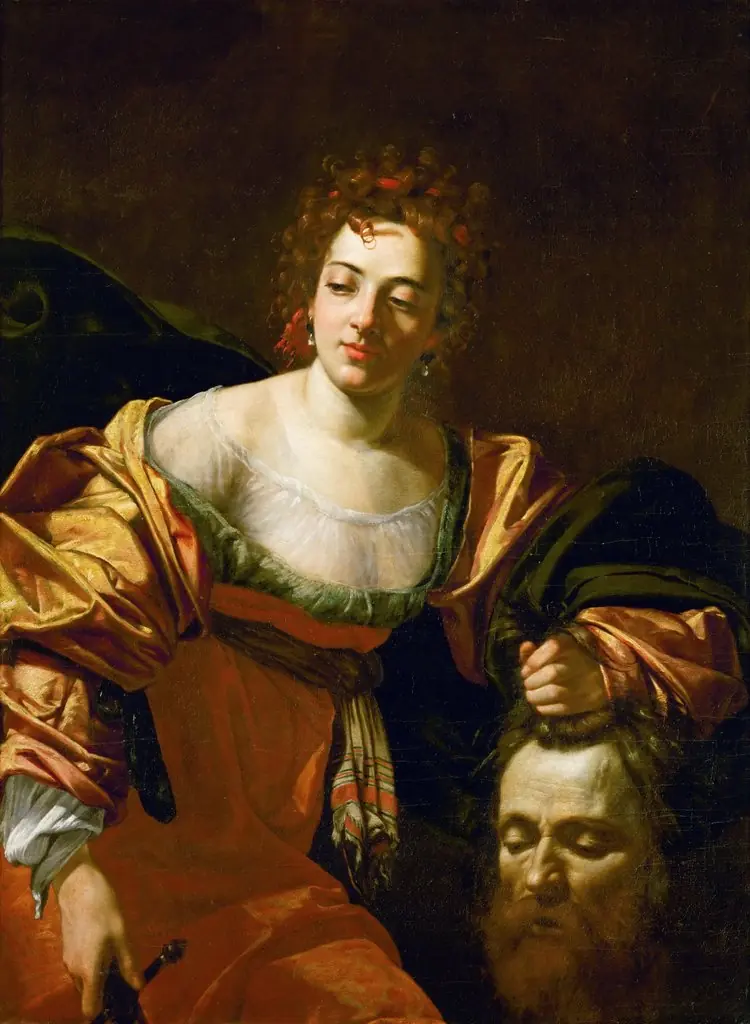
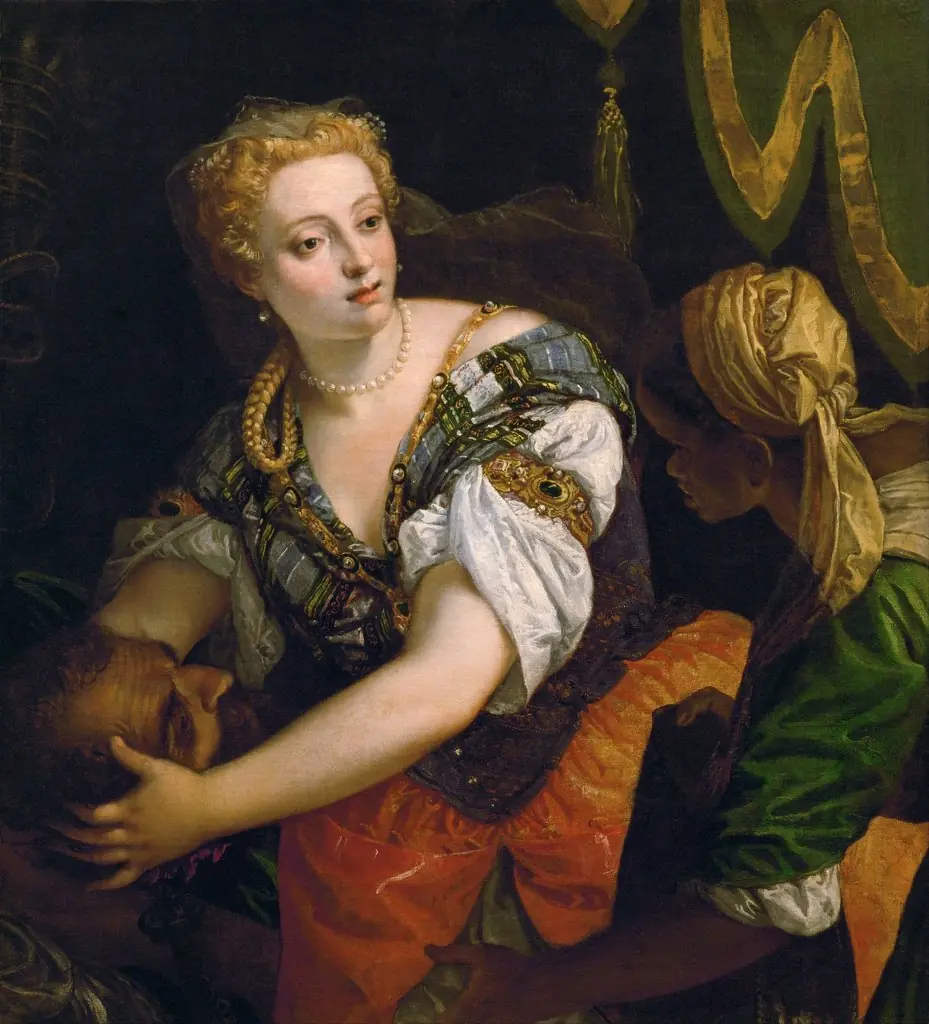
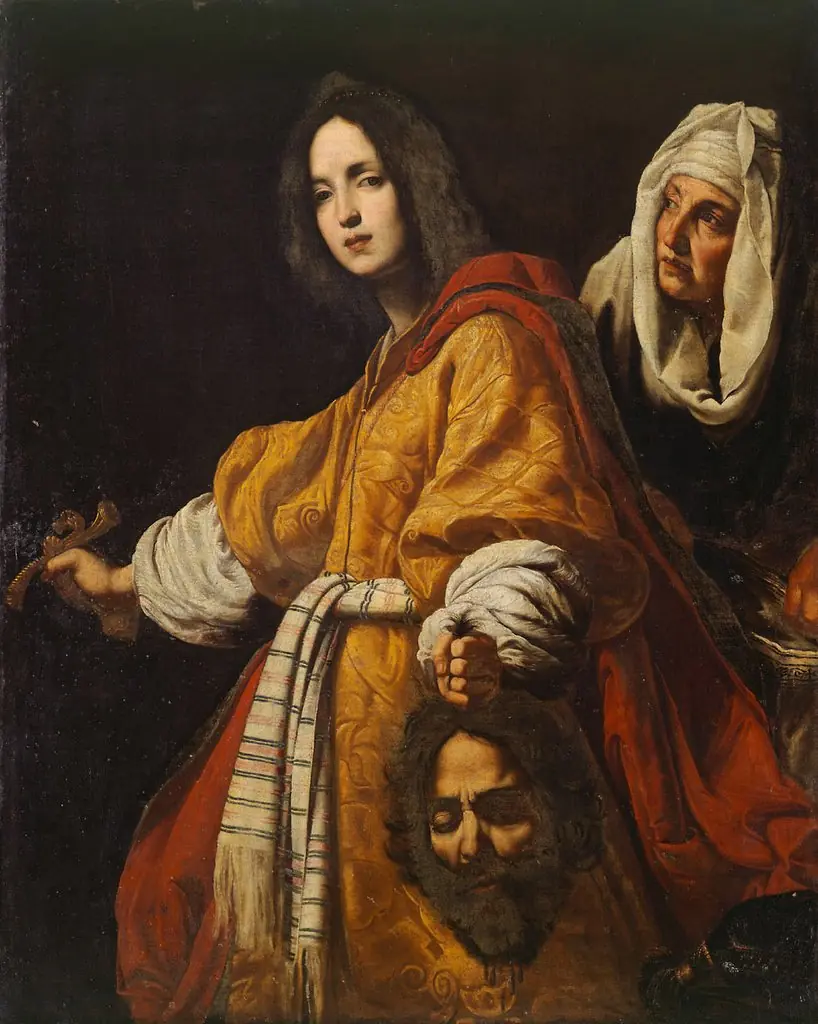
The work portrays the climactic moment from the biblical‑apocryphal narrative in which Judith, aided by her maid, decapitates the Assyrian general Holofernes.
Artemisia Gentileschi’s oil painting titled Judith Beheading Holofernes, created around 1620, is housed in Florence’s Uffizi Gallery. The work portrays the climactic moment from the biblical‑apocryphal narrative in which Judith, aided by her maid, decapitates the Assyrian general Holofernes. The composition centers on the violent act, emphasizing the stark contrast between light and shadow that characterizes the Baroque period.
Subject & Meaning
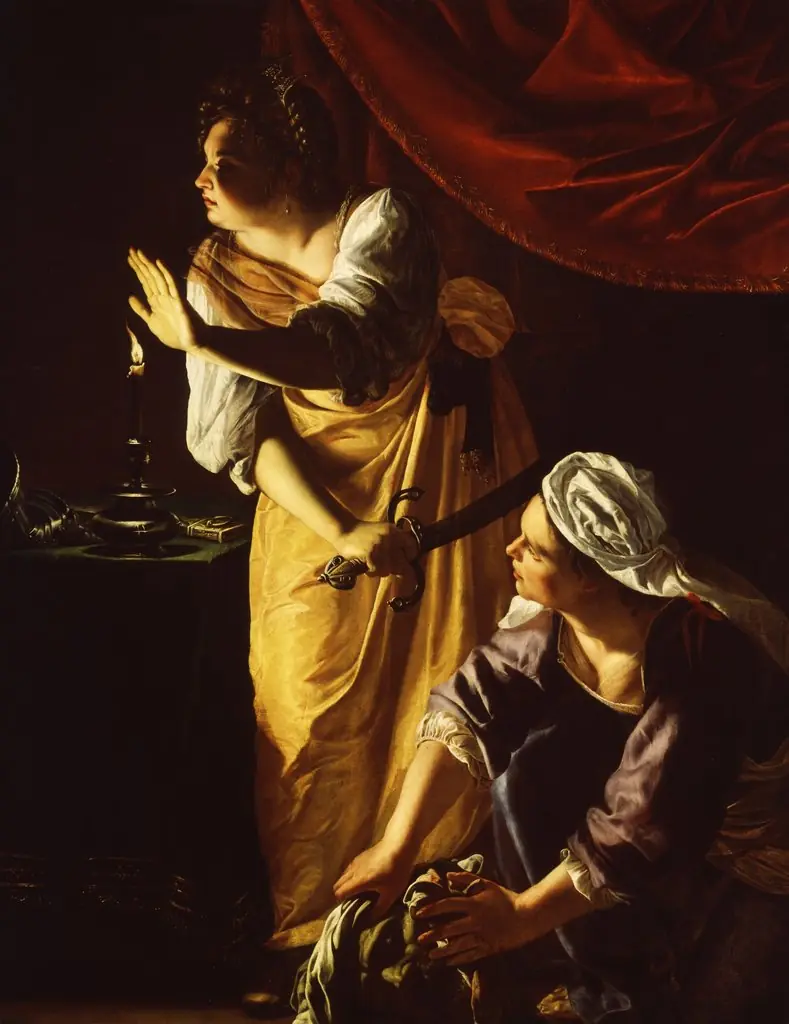
The scene captures Judith, clothed in a yellow garment, gripping Holofernes’s hair with her left hand while delivering the fatal blow with a sword in her right. Behind her, a second female figure in red assists, underscoring the collaborative nature of the deed. The painting visualizes themes of female agency, moral righteousness, and the triumph of the oppressed over a tyrannical foe.
Technique & Style
Gentileschi employs a dramatic chiaroscuro, allowing illumination to fall on the figures while the surrounding space recedes into darkness. This lighting strategy heightens the tension of the moment and accentuates the textures of flesh, fabric, and blood. The realistic rendering of anatomy and the careful handling of drapery reflect the artist’s mastery of Baroque realism and her training in the Caravaggesque tradition.
History & Provenance
The canvas dates to approximately 1620, following an earlier version of the same subject that Gentileschi painted in Naples around 1612. The later work shows refined compositional choices and more nuanced detail. It entered the Uffizi’s collection in the 18th century, where it remains a key example of the artist’s mature output.
Context
Created during a period when Gentileschi was establishing herself in the Roman art market, the painting aligns with contemporary interest in dramatic biblical narratives. Its subject, drawn from the deuterocanonical Book of Judith, resonated with Counter‑Reformation ideals that celebrated virtuous women as defenders of faith.
Own this work as a print
Artist & collection
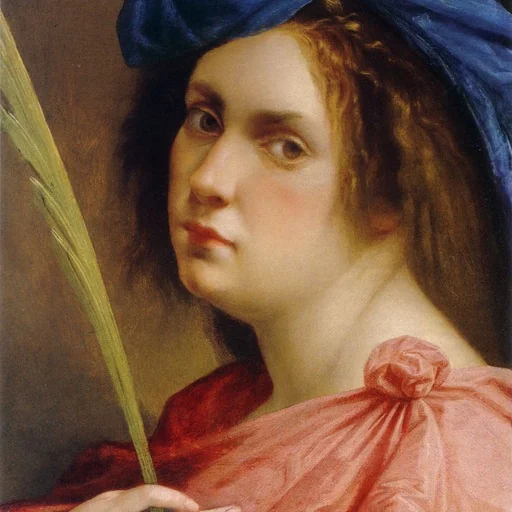
Artist
Artemisia Lomi Gentileschi (US: JEN-til-ESK-ee, -teel-; Italian: ; 8 July 1593 – after January 1654) was an Italian Baroque painter.