Artwork
Knight on Horseback
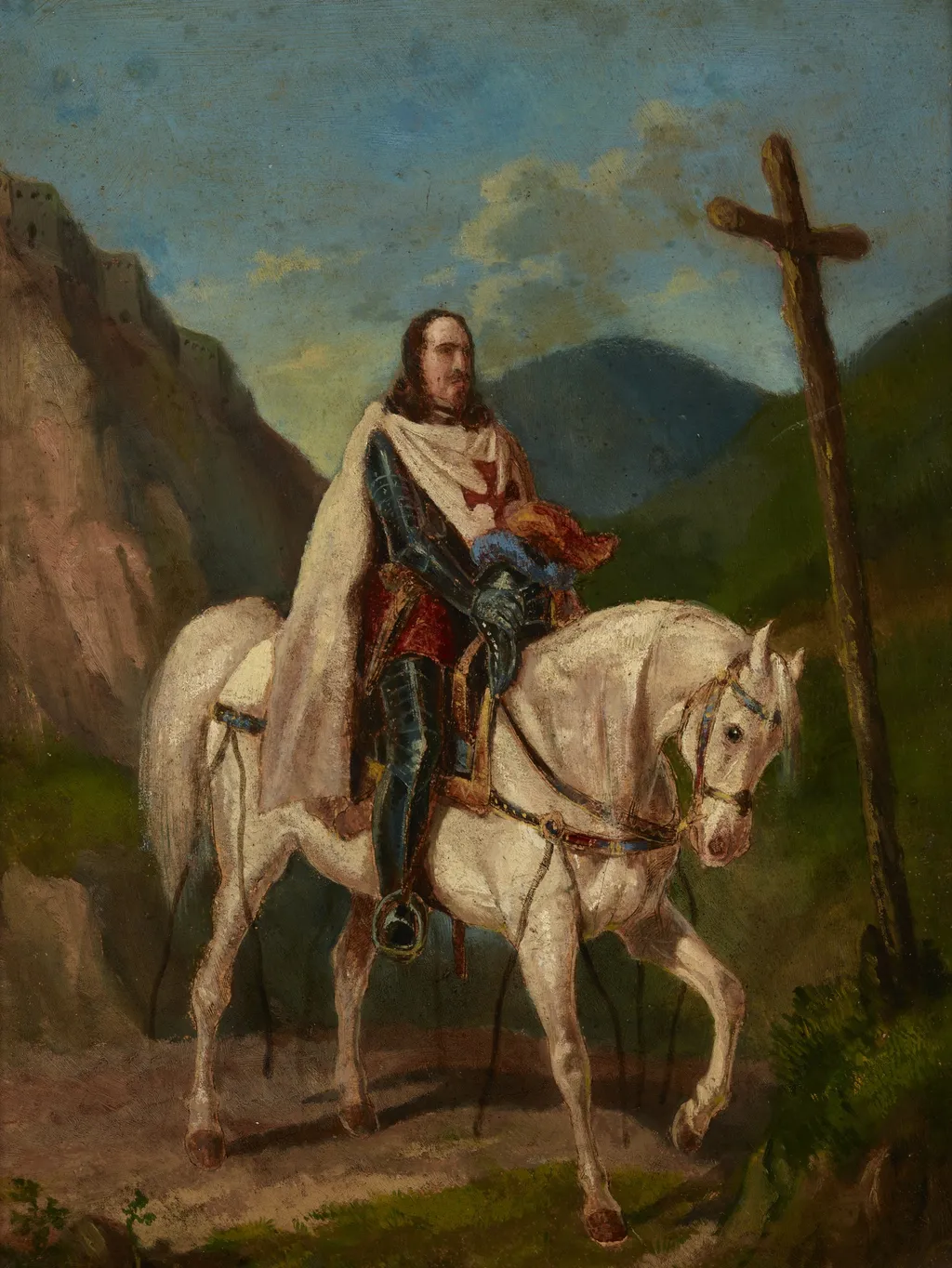
Knight on Horseback is an unspecified painting by Artur Grottger. It dates from 1862 and is held in the collection of the National Museum in Kraków.
About this work
Overview
Grottger, though only 30 when he died, emerged as a defining visual voice of his generation.
Painted around 1862 by Artur Grottger, *Knight on Horseback* is a solitary equestrian portrait reflecting the emotional tone of Polish Romanticism during the partitions. Grottger, though only 30 when he died, emerged as a defining visual voice of his generation. The work resides in the National Museum in Kraków, where it stands as a quiet testament to national identity under foreign rule, rendered without overt narrative but rich in symbolic suggestion.
Subject & Meaning
The lone knight, mounted on a white horse and clad in armor beneath a flowing cape, moves steadily to the right, his gaze directed forward. The orange object in his hand remains ambiguous—possibly a banner, relic, or symbol of authority. Behind him, a tall cross rises against the horizon, introducing a spiritual dimension. The scene evokes endurance and quiet resolve, suggesting a pilgrimage or a vow rather than battle, aligning with Romantic ideals of sacrifice and national memory.
Technique & Style
Grottger employs a restrained palette dominated by white, blue, and earth tones, with the horse’s ornate bridle and saddle introducing subtle color accents. The brushwork is precise yet atmospheric, blending the rider’s form with the distant mountains and clouded sky. The composition is deliberately sparse, focusing attention on the figure and the cross, reinforcing a meditative mood. His style merges realism with symbolic abstraction, typical of his approach to historical subjects.
History & Provenance
Created during a period of intense political suppression following the January Uprising, the painting was likely intended for private or elite circulation rather than public display. It entered the collection of the National Museum in Kraków in the late 19th century, where it has remained. Its survival through decades of foreign occupation underscores its cultural significance as a preserved emblem of Polish identity.
Context
Poland’s partition among Russia, Prussia, and Austria left no independent state, making visual culture a vital medium for preserving national consciousness. Grottger’s works, including this one, avoided direct rebellion but embedded symbols of resilience. The knight, stripped of battle or triumph, becomes a figure of inner strength—a quiet counterpoint to the era’s political silence and cultural erasure.
Legacy
Though Grottger died young, his imagery became foundational to later Polish visual identity. *Knight on Horseback* exemplifies his ability to convey collective longing through minimal means. The painting continues to be referenced in discussions of 19th-century national art, not for its drama, but for its restraint—offering a contemplative space where history, faith, and memory converge.
Own this work as a print
Artist & collection
Artist
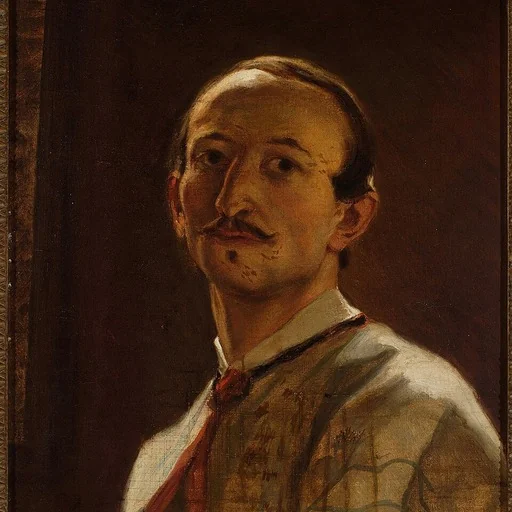
Artur Grottger (11 November 1837 – 13 December 1867) was a Polish Romantic painter and graphic artist, one of the most prominent artists of the mid 19th century under the partitions of Poland, despite a life cut short by incurable illness.

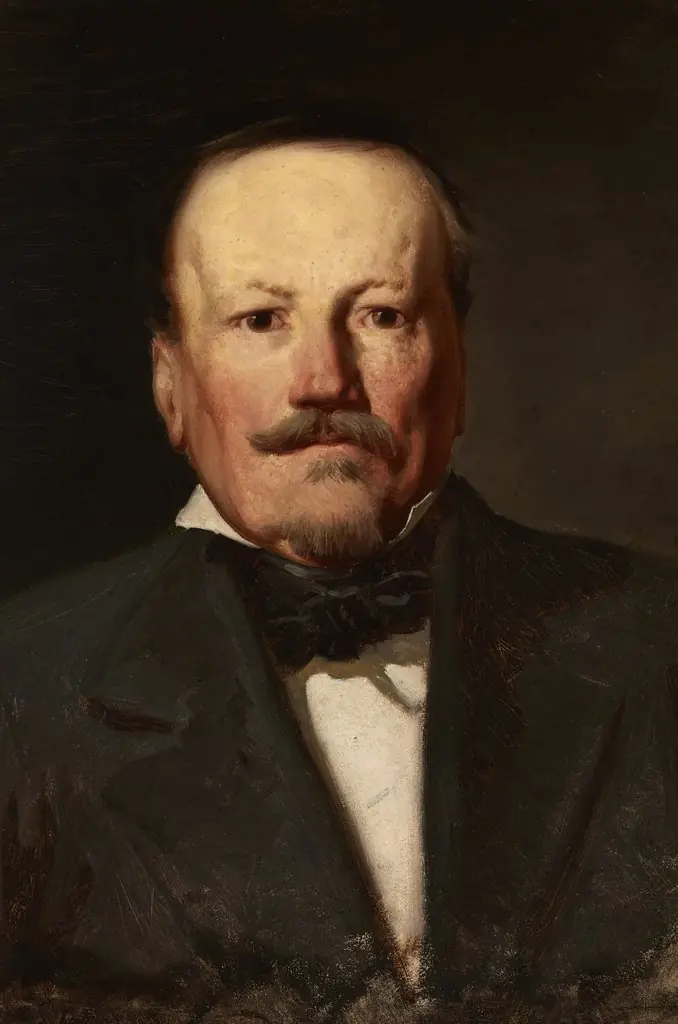 Portrait of a Man
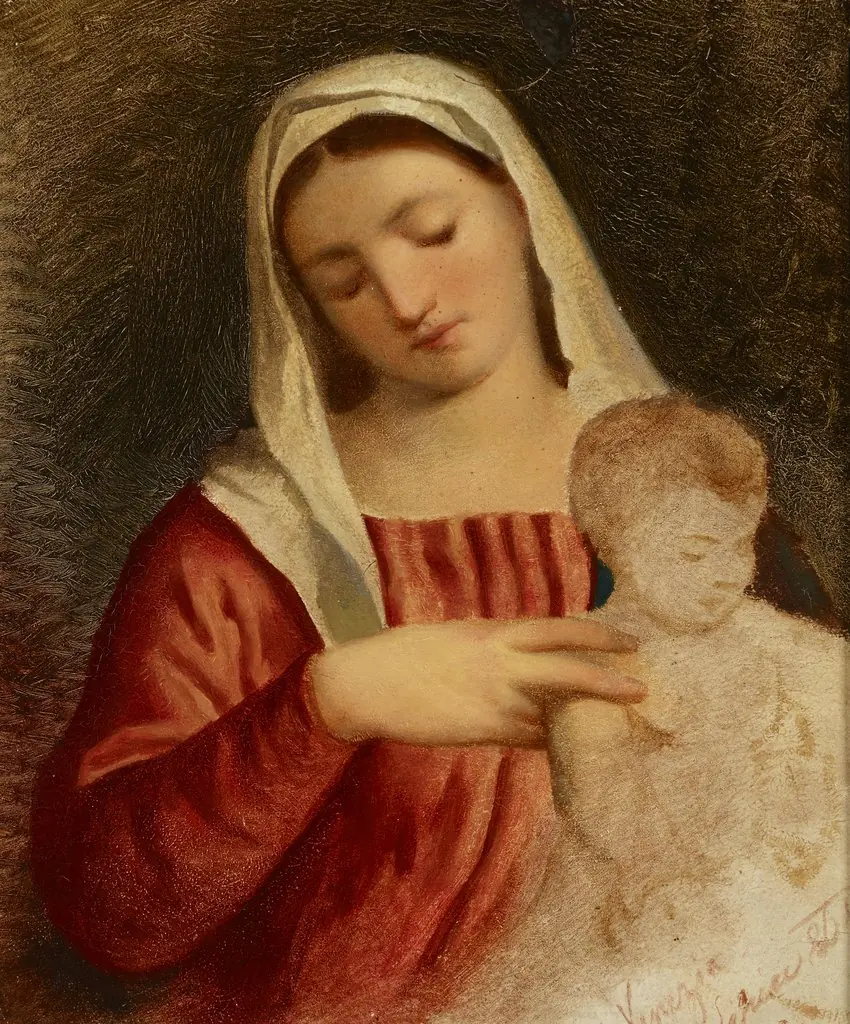 Madonna with Child – Copy of the fragment of the painting "Madonna with Child and Saints" by Bonifacio Veronese
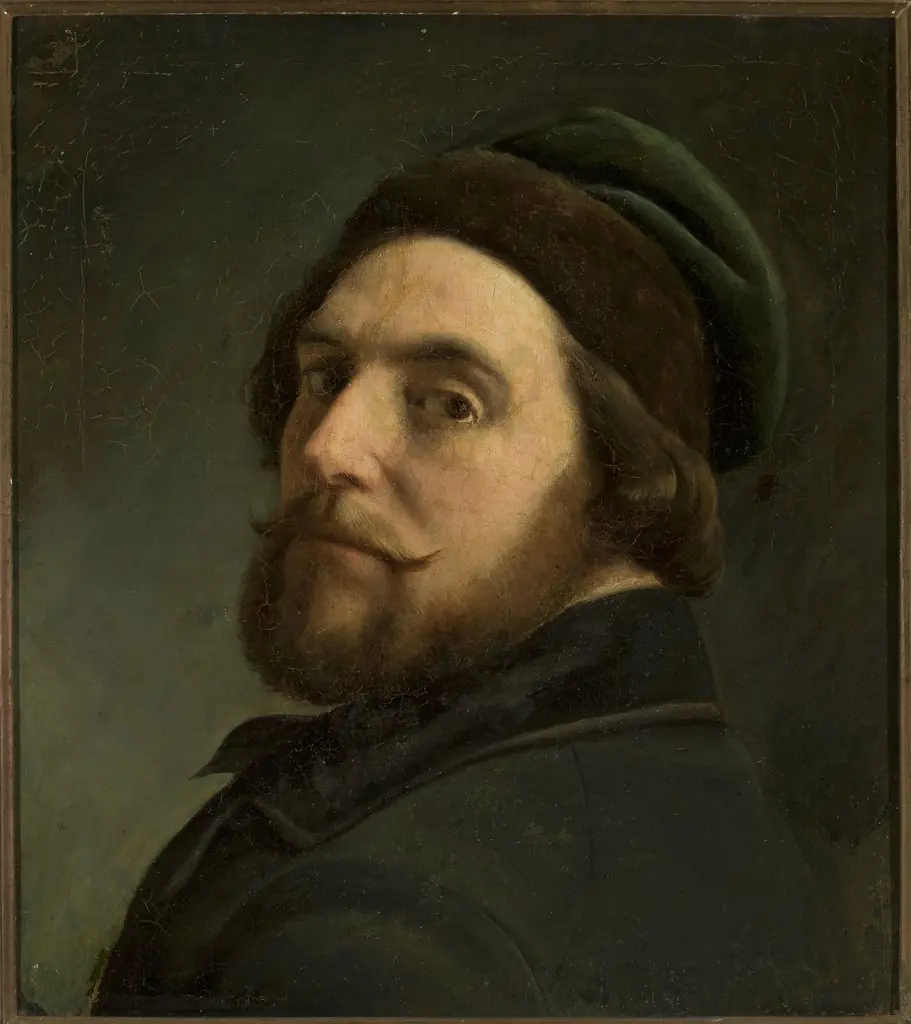 Male portrait
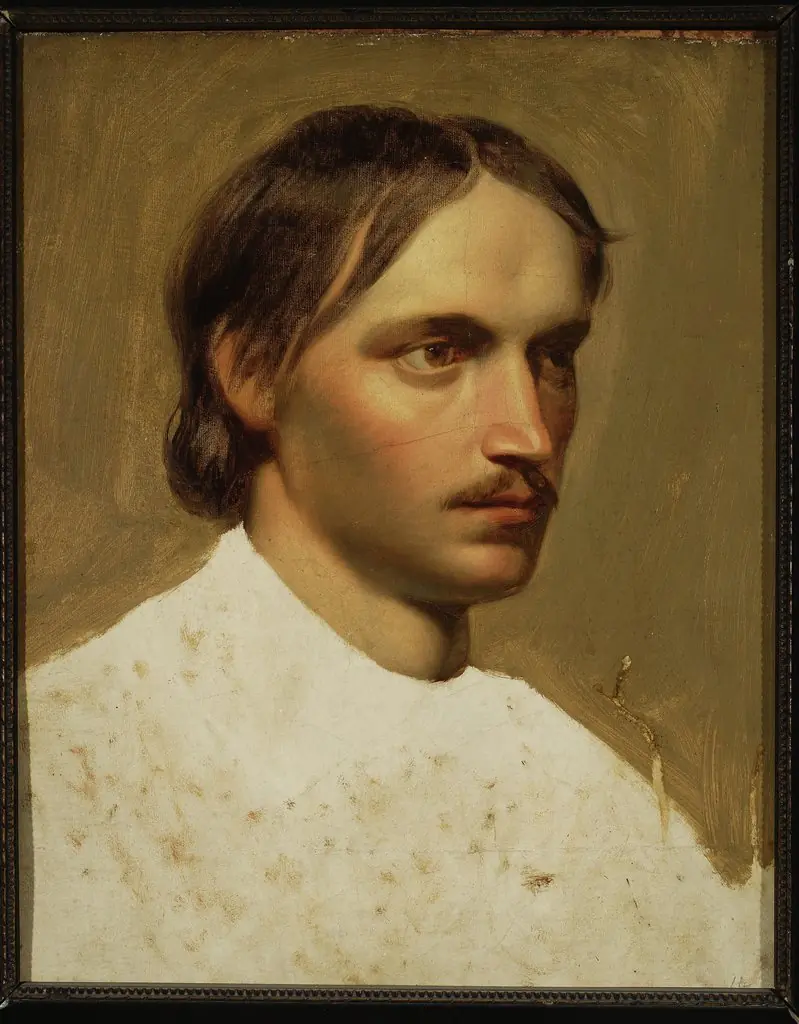 Portrait of Wincenty Chochlik Wasilewski (1849–1897)
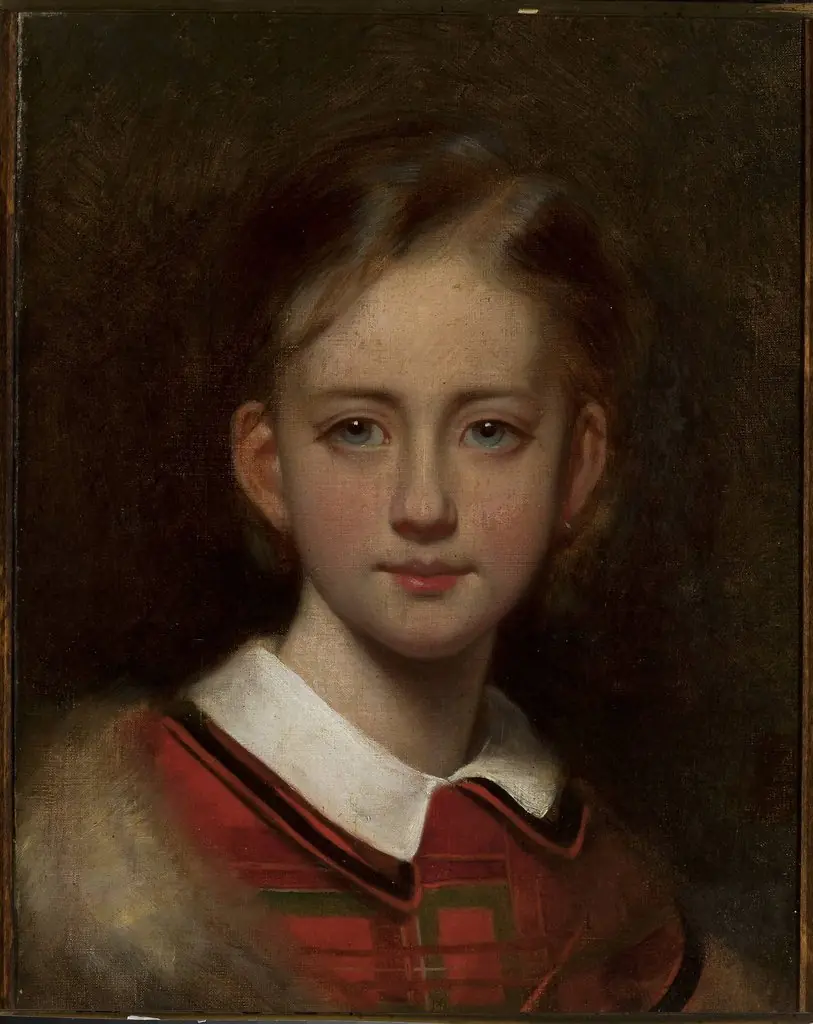 Portrait of a girl
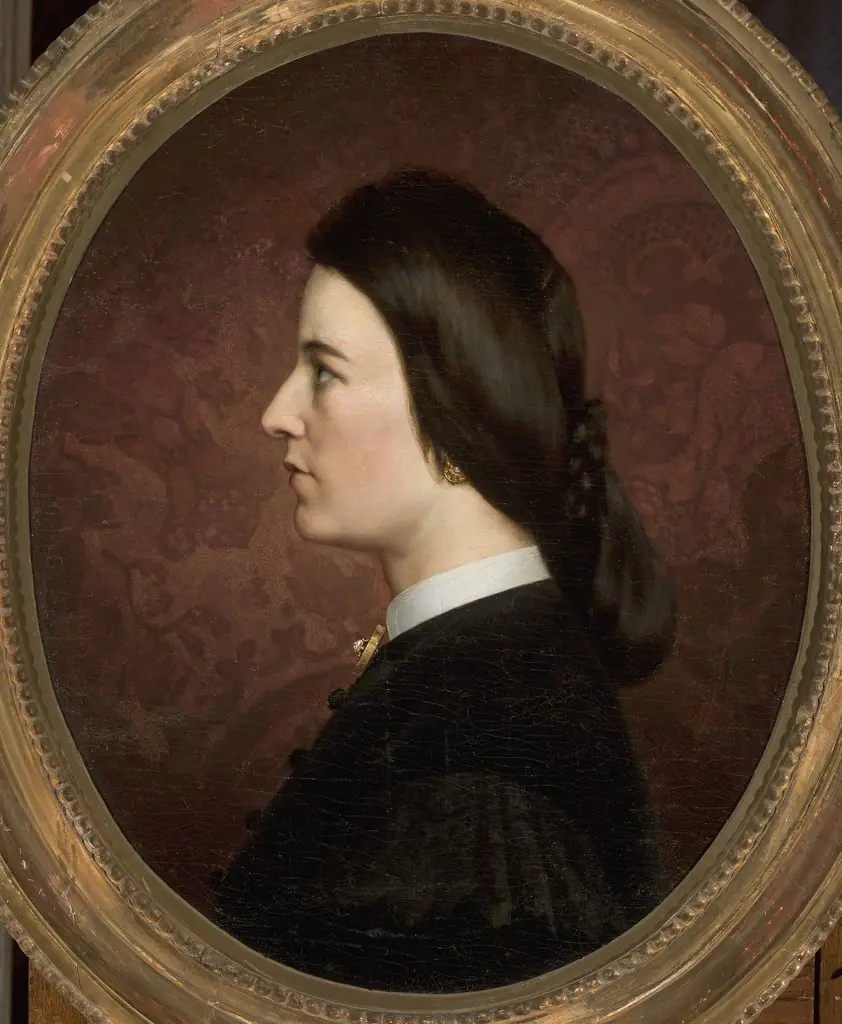 Portrait of Maria Sawiczewska, artist’s sister
 Portrait of a young woman
 Prayer at the grave
 The Storming of Ofen 1686
 Foulques de Villaret
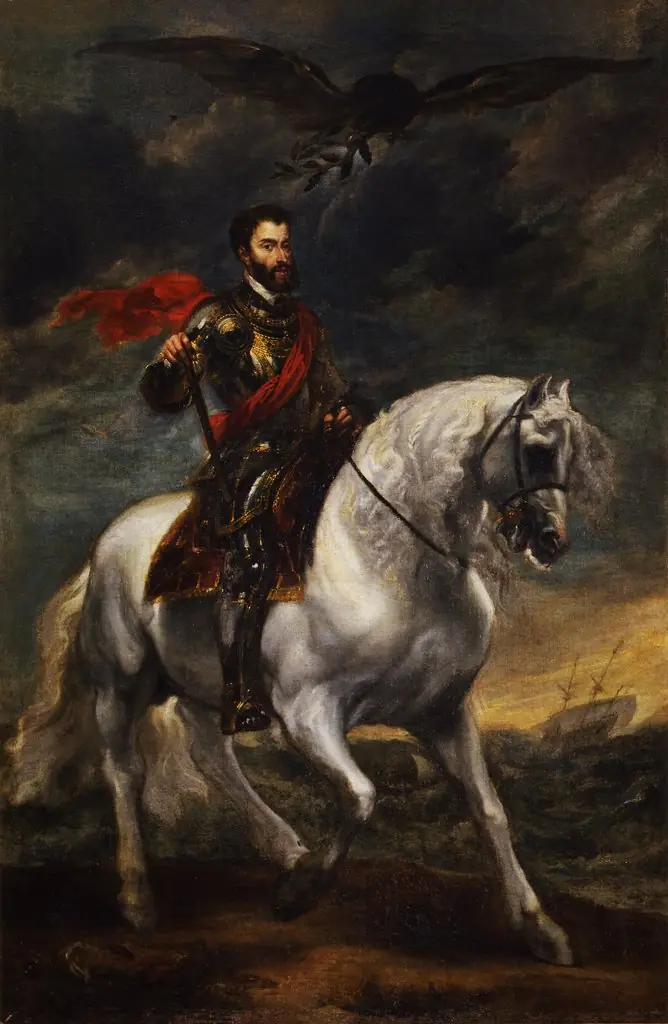 Equestrian portrait of the Emperor Charles V
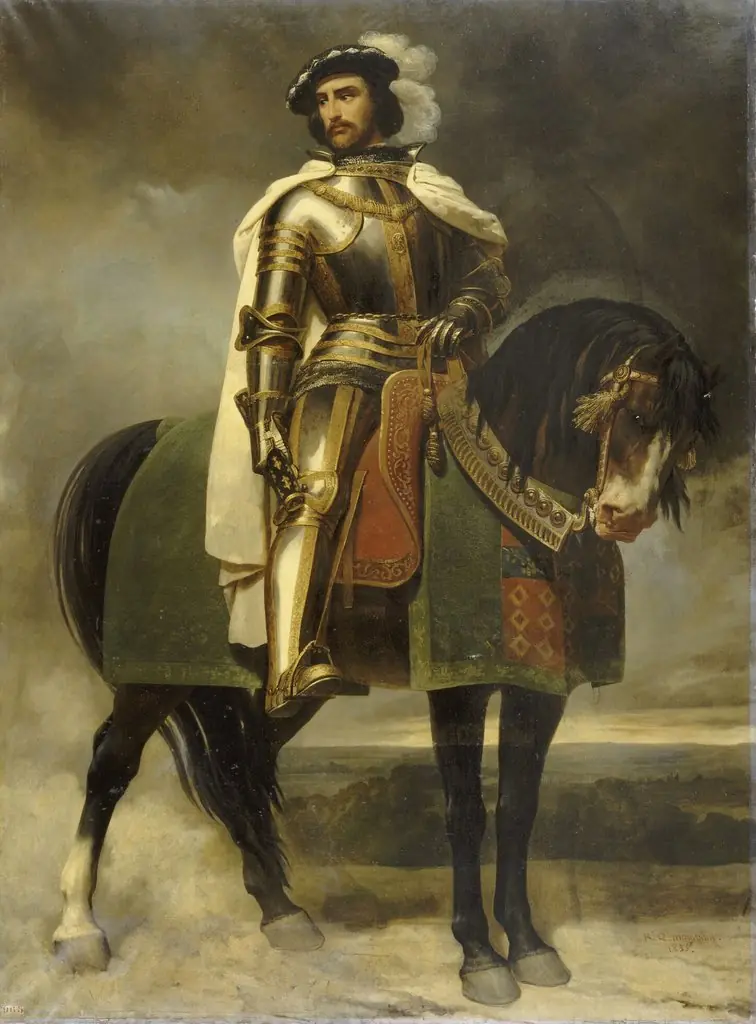 Pierre de Rohan, seigneur de Gye
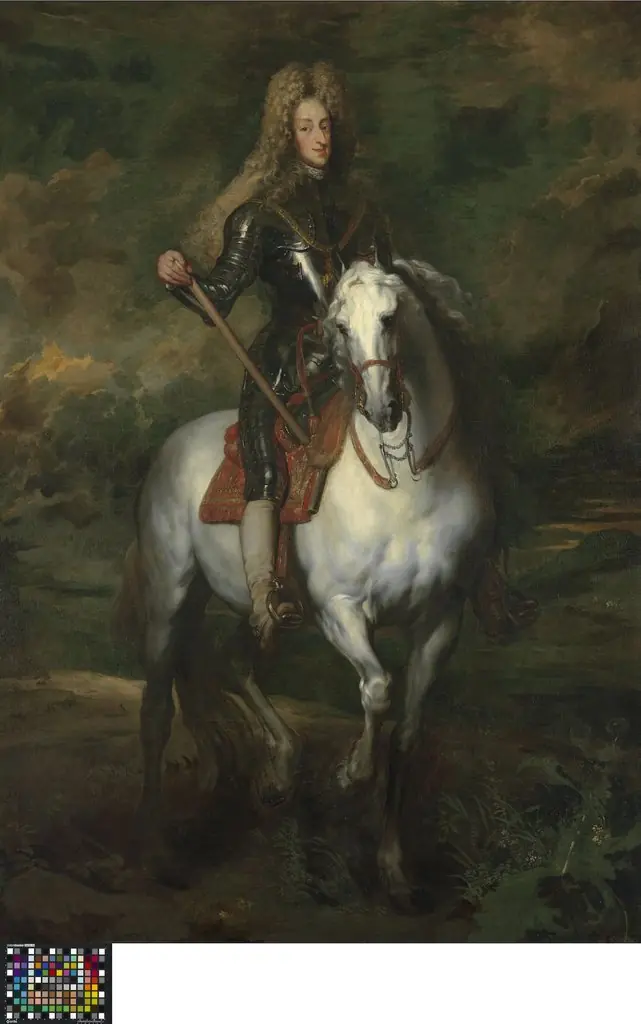 Ruiterportret van Maximiliaan Emmanuel van Beieren
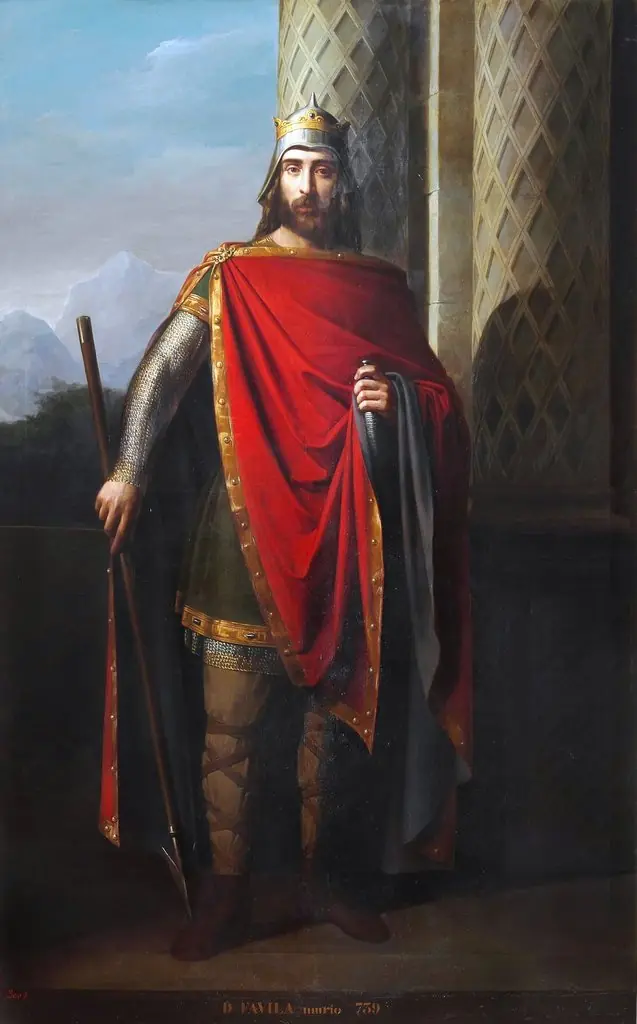 Favila
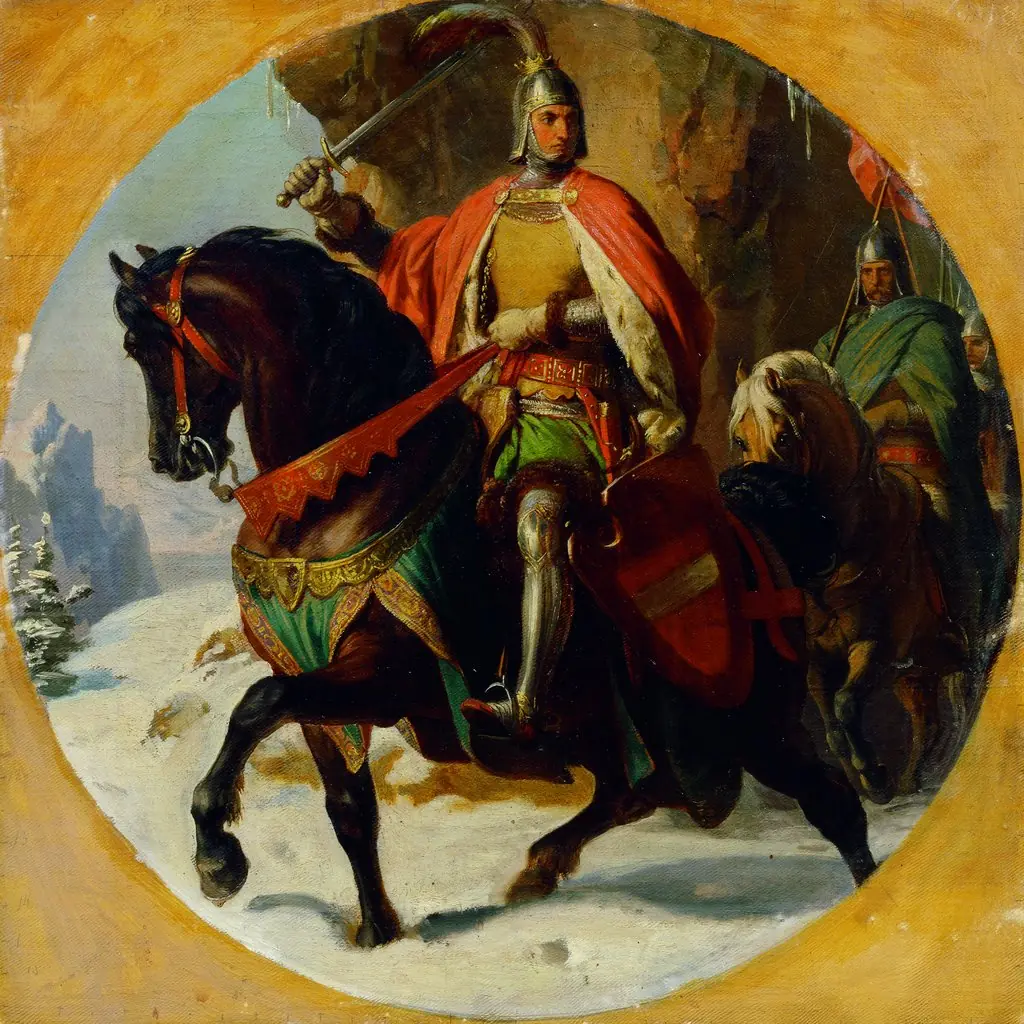 Battle of Albrecht I. over the Semming 1292
 Portrait of John I of Castile
 Jean, dit Poton, seigneur de Xaintrailles (?-1461)
 General Juan Prim (1814-1870)