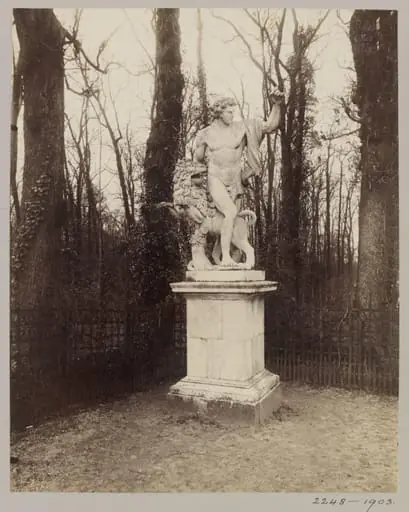
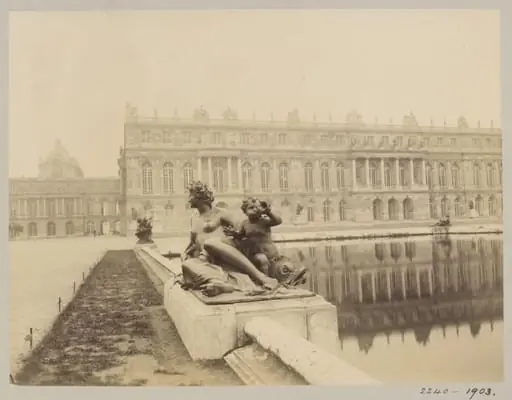
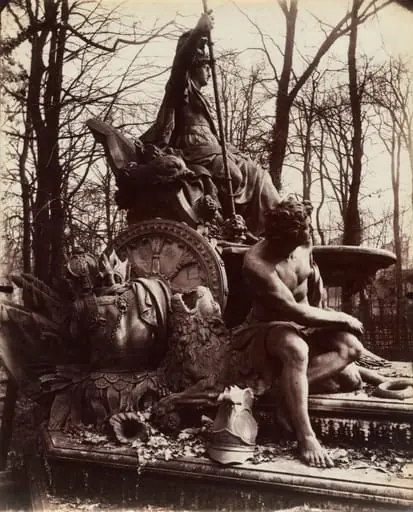
Artwork
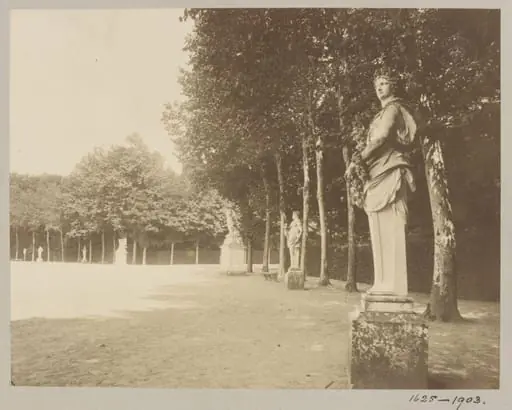
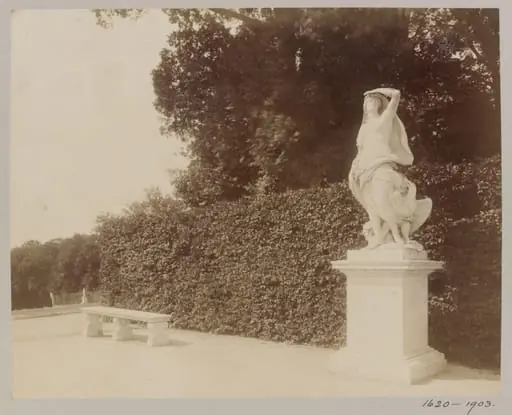
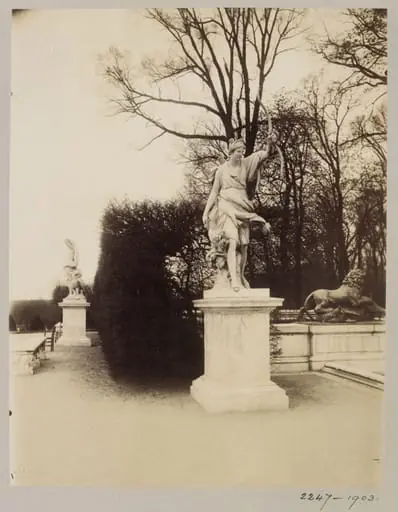
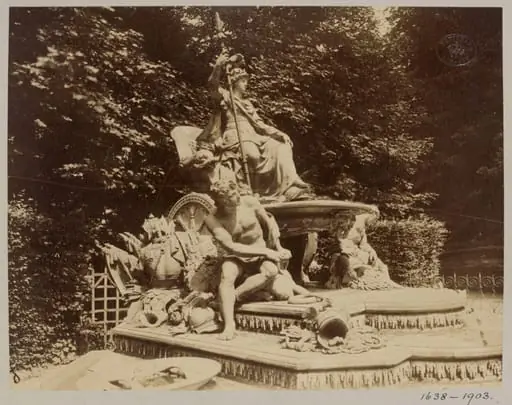
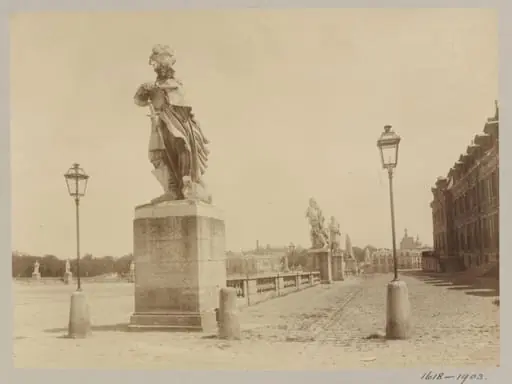
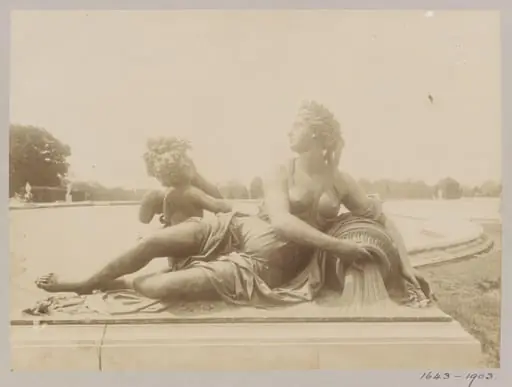
Statue of The "Rhone", Versailles, France
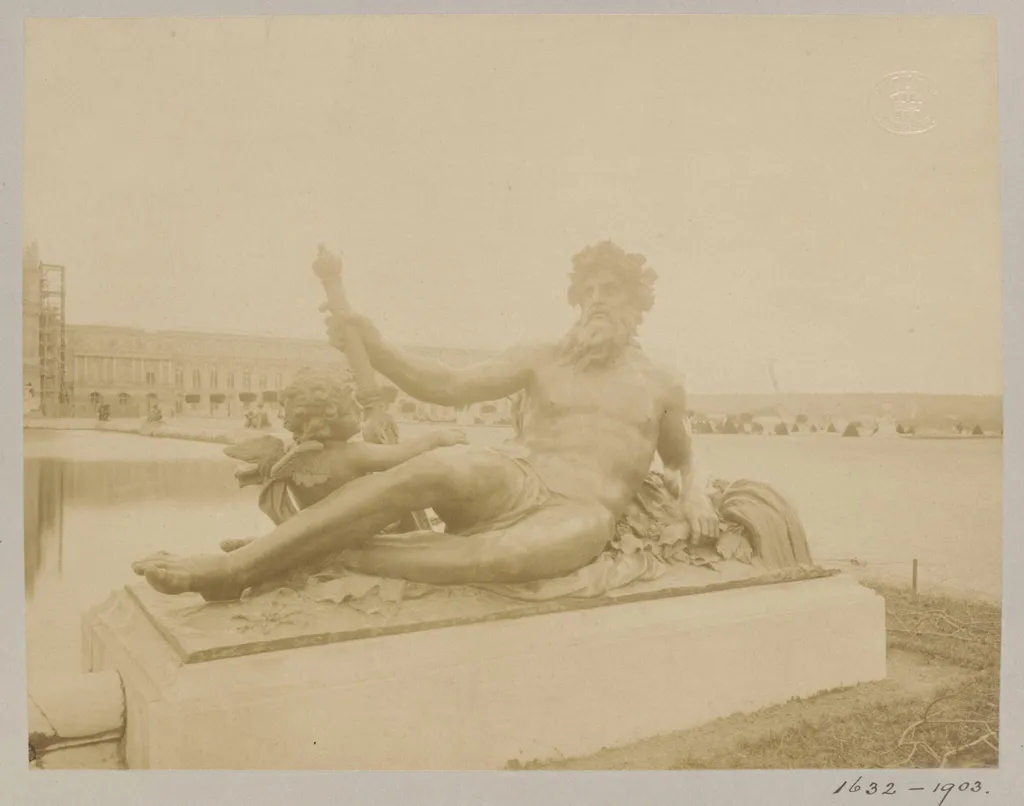
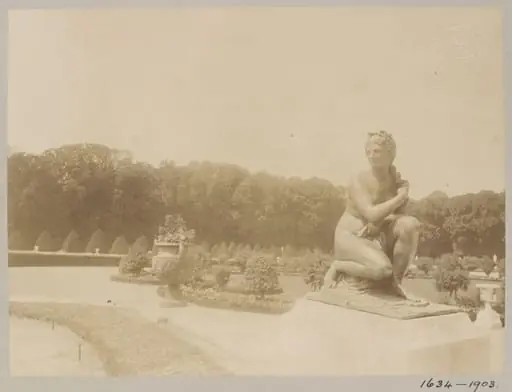
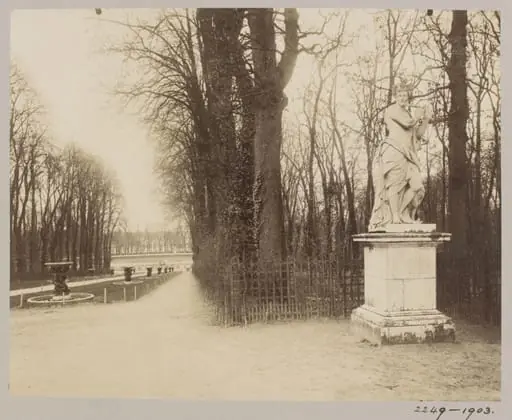
Statue of The "Rhone", Versailles, France is a photographic photography by Jean-Eugène-Auguste Atget. It dates from 1900 and is held in the collection of the Victoria and Albert Museum.
About this work
This black and white photo shows a statue in Versailles, France from around 1900. It’s by Atget, who photographed old Paris as it disappeared. He sold prints to museums, including the Victoria and Albert.
He started late, after years as a sailor and actor. His pictures feel like quiet stage sets. He focused on worn streets, not new buildings.
Look up the Victoria and Albert Museum next.
Overview
Eugène Atget’s black‑and‑white photograph captures a statue situated in the gardens of Versailles, dating from the turn of the twentieth century. The image, part of Attrue’s extensive documentation of French urban and architectural heritage, exemplifies his focus on structures that were then beginning to disappear under modern development.
Subject & Meaning
The picture isolates the sculptural form against a muted background, allowing the viewer to contemplate its materiality and the quiet ambience of the historic setting. By framing the statue without surrounding ornamentation, Atget invites attention to the passage of time and the lingering presence of classical art within a changing landscape.
Technique & Style
Taken with a large‑format camera, the photograph displays the sharp detail and tonal range characteristic of Attrue’s work. His compositional choices—off‑center placement, shallow depth of field, and a slightly elevated viewpoint—create a stage‑like tableau that emphasizes texture and subtle contrasts of light and shadow.
History & Provenance
Attrue began his photographic career in the late 1880s after varied occupations as a sailor and amateur actor. From about 1897 onward he systematically recorded Parisian streets and monuments, selling prints to institutions worldwide; the Victoria and Albert Museum acquired roughly six hundred of his images directly from the photographer.
Context
Operating at a time when Paris was undergoing rapid modernization, Attrue deliberately avoided the new boulevards and focused on the older, less celebrated corners of the city. This approach positioned his work as a visual counter‑record to the Haussmannian transformations reshaping the capital.
Legacy
Although initially valued as documentary evidence, Attrue’s photographs later attracted the attention of Surrealist and modernist critics. Their uncanny compositions, marked by unexpected angles and reflective surfaces, were later interpreted as precursors to avant‑garde photography, influencing later generations of artists and scholars.
Artist & collection
Artist
Jean-Eugène-Auguste Atget spent the early 1900s photographing Versailles when tourists were scarce, turning empty courtyards and statues into quiet studies of light and weather.