Artwork
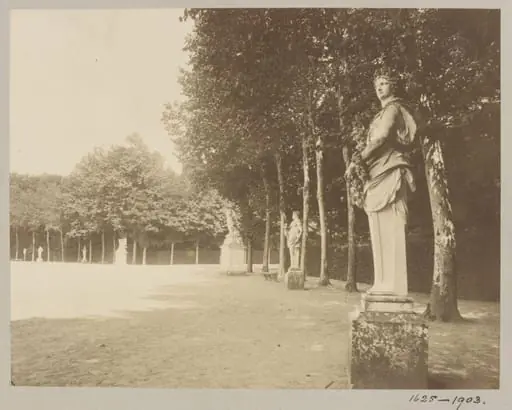
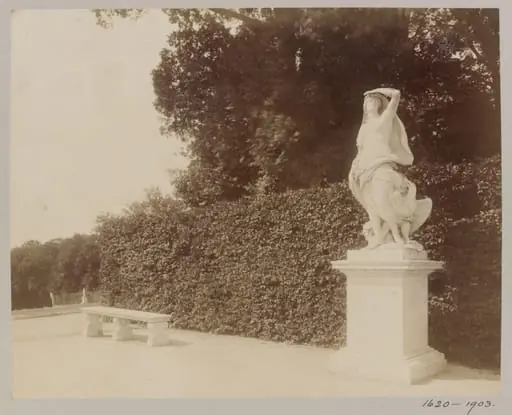
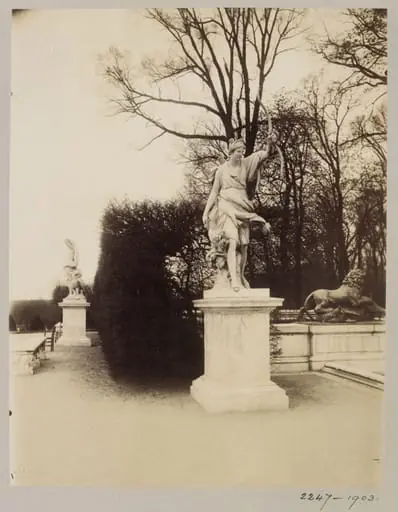
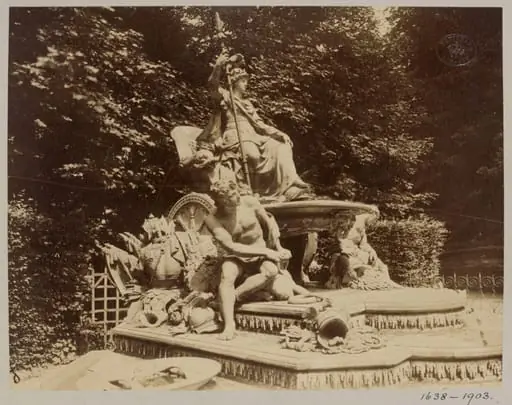
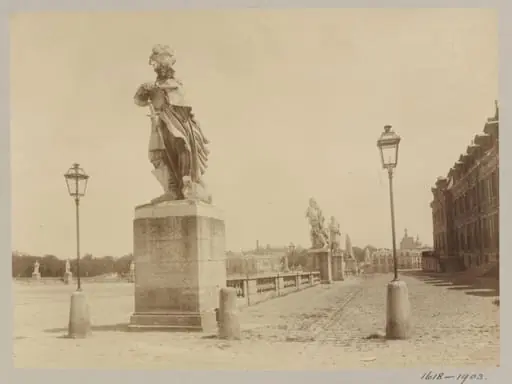
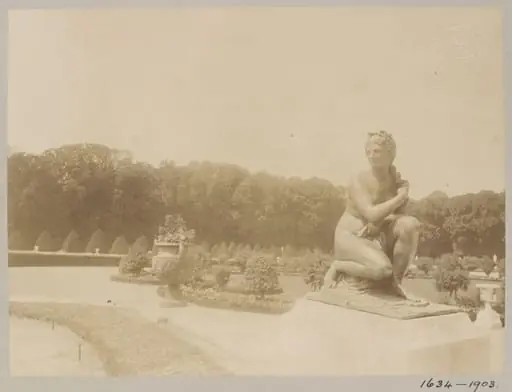
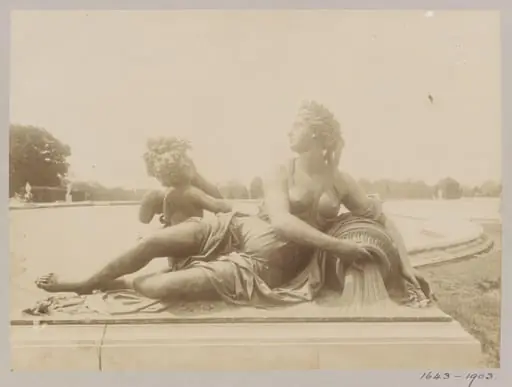
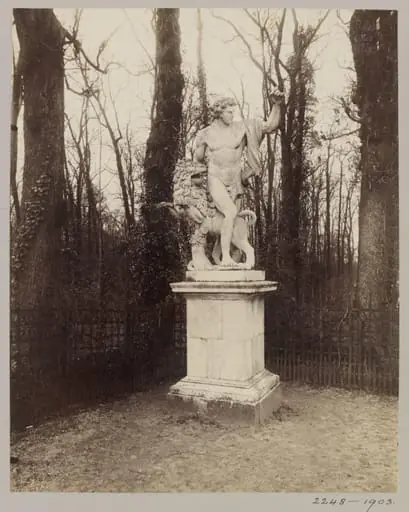
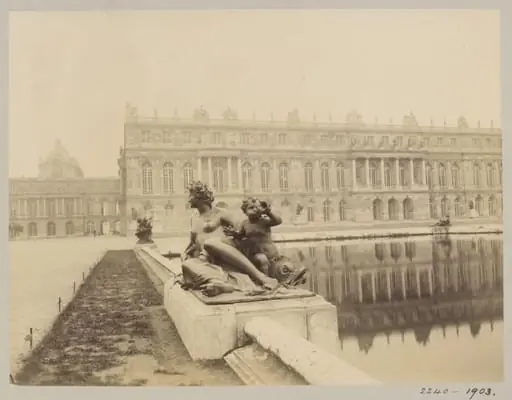
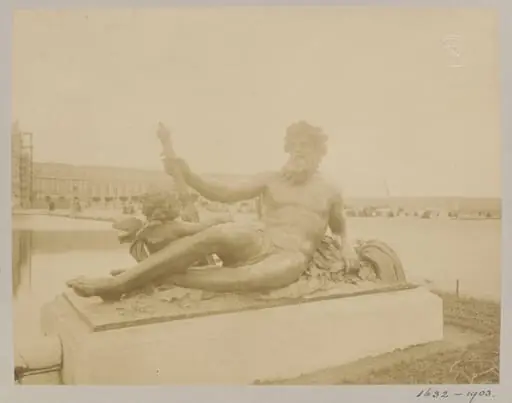
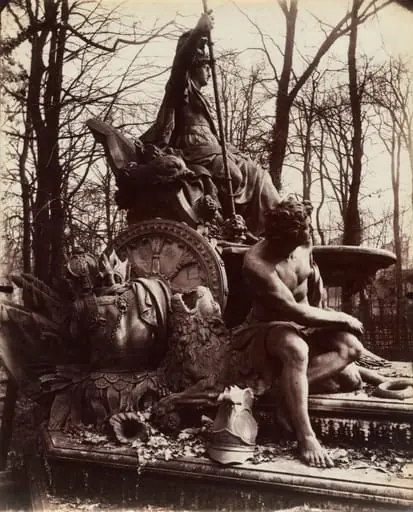
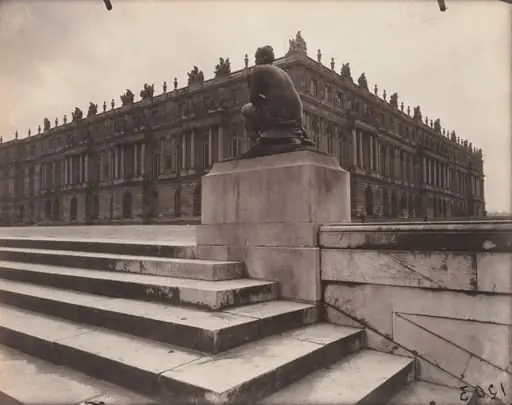
Statue of "Le Sanguin", Versailles, France
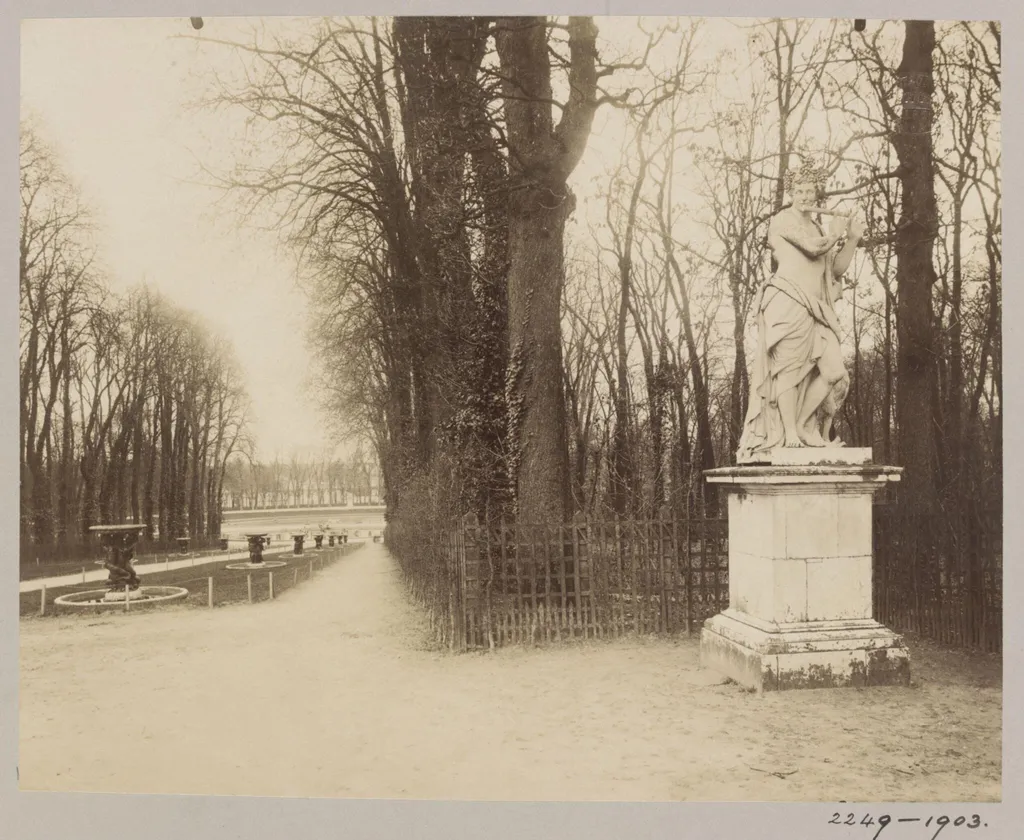
Statue of "Le Sanguin", Versailles, France is a photographic photography by Jean-Eugène-Auguste Atget. It dates from 1900 and is held in the collection of the Victoria and Albert Museum.
About this work
Overview
This photograph, titled 'Le Sanguin', is part of Eugène Atget's extensive documentation of 'Old Paris', capturing the city's fading character amidst modernisation efforts in the late 19th and early 20th centuries.
Subject & Meaning
'Le Sanguin' specifically refers to a statue located in the gardens of Versailles. Atget's focus on such details highlights his interest in preserving the historical and aesthetic nuances of Paris and its surroundings, often framing them in unexpected, intimate ways.
Technique & Style
Shot in Atget's characteristic style, 'Le Sanguin' likely features a straightforward yet nuanced composition, potentially incorporating elements of 'snatched glimpses' or 'tangential perspectives' that prefigured Surrealist and modern photographic approaches.
History & Provenance
The photograph's exact date is not specified, but it falls within Atget's 'Old Paris' project (c. 1897-1920s). Its current location and ownership are not provided, though Atget's works were sold to various institutions and artists, notably the V&A, with his archive later managed by Berenice Abbott after his death.
Context
Created during a period of rapid urban transformation in Paris, 'Le Sanguin' reflects Atget's mission to record the disappearing facets of the city's historical landscape, inadvertently capturing a modern, fragmented urban experience.
Legacy
Initially valued for its documentary purpose, 'Le Sanguin' and Atget's oeuvre are now celebrated for their influence on Surrealism and modern photography, with critics like Walter Benjamin noting their unintended, enigmatic depth, likened to 'the scene of a crime'.
Artist & collection
Artist
Jean-Eugène-Auguste Atget spent the early 1900s photographing Versailles when tourists were scarce, turning empty courtyards and statues into quiet studies of light and weather.