Artwork
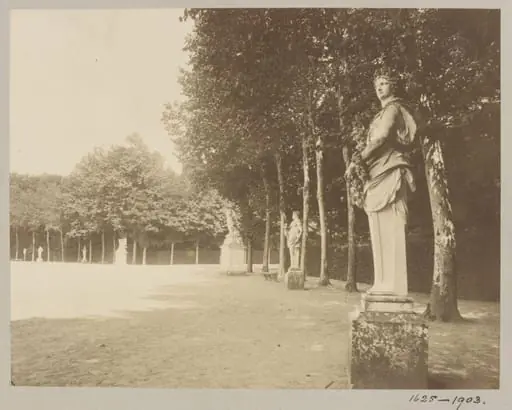
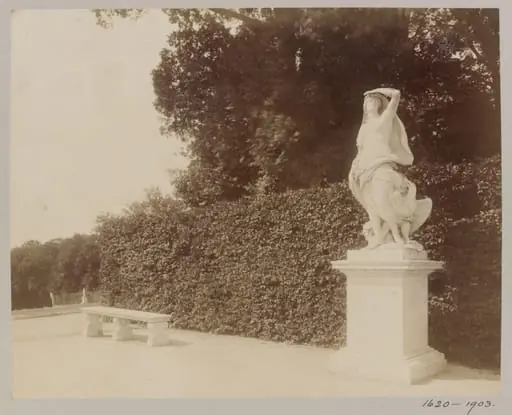
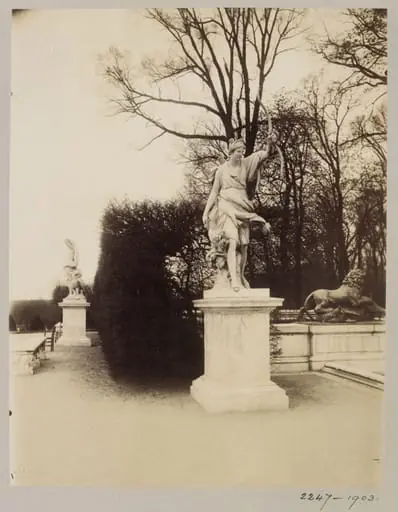
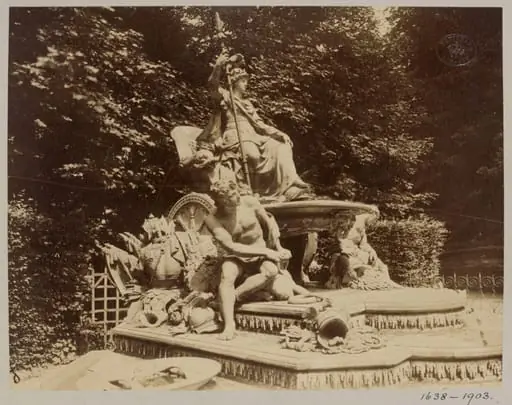
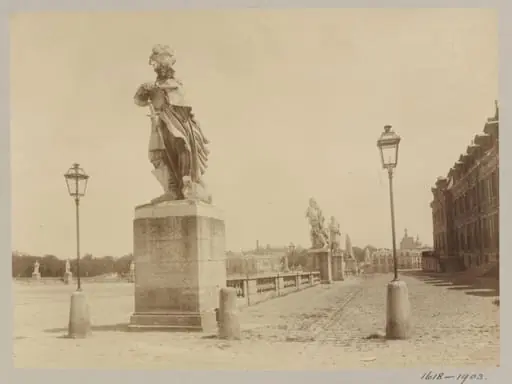
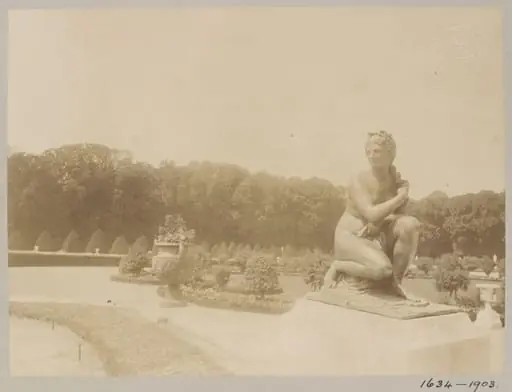
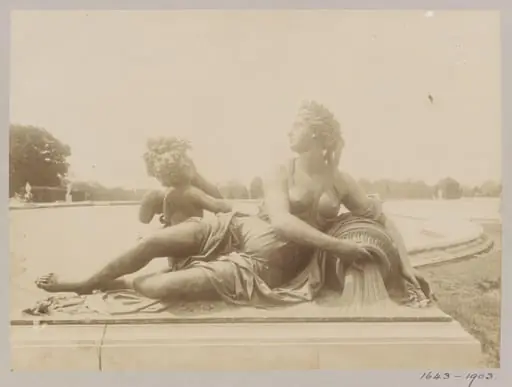
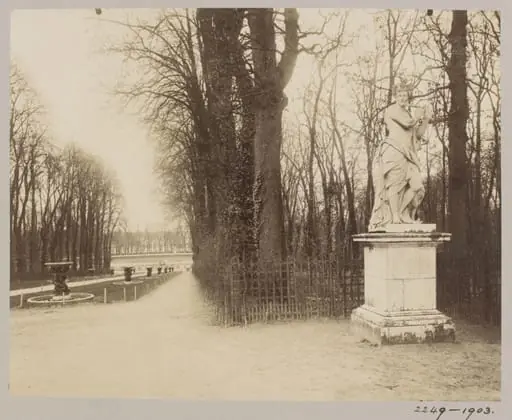
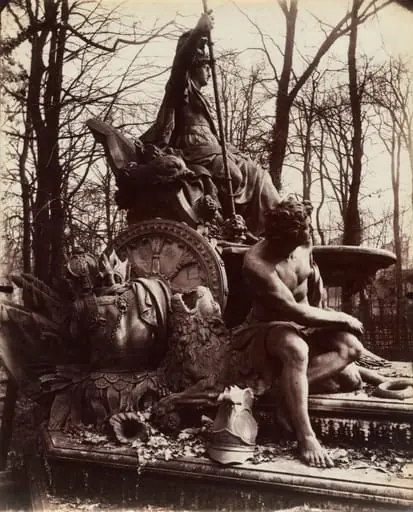
Statue of "Anger", Versailles, France
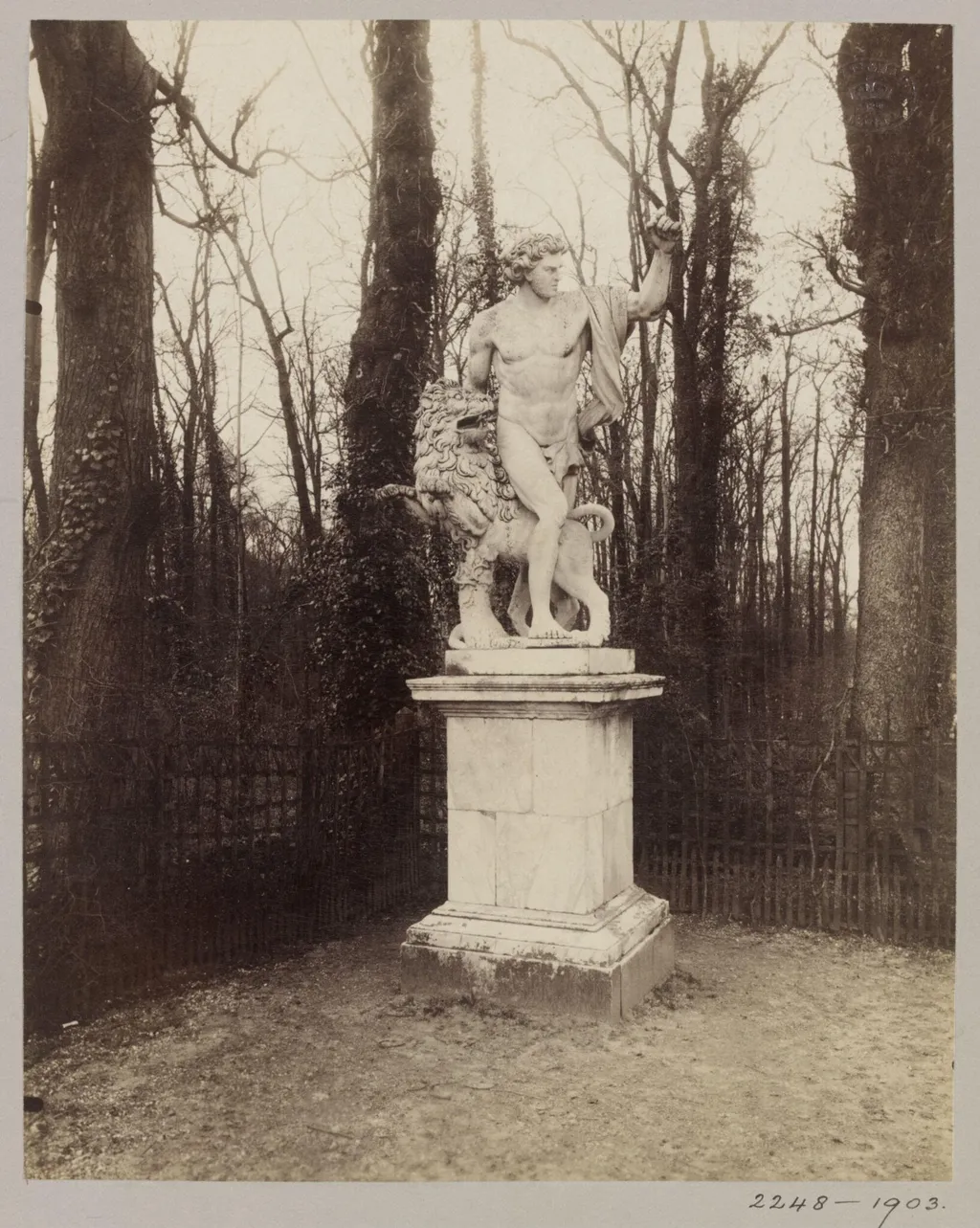
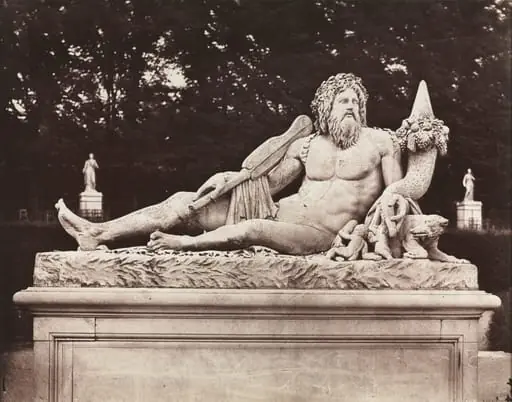
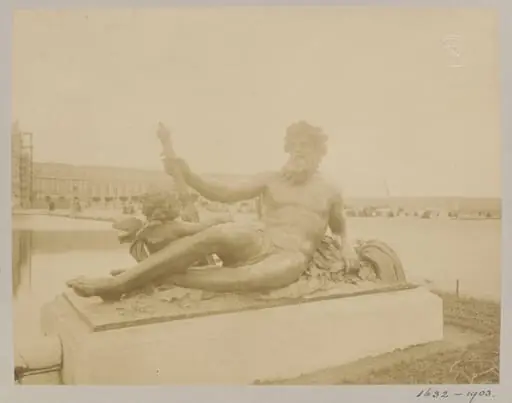
Statue of "Anger", Versailles, France is a photographic photography by Jean-Eugène-Auguste Atget. It dates from 1900 and is held in the collection of the Victoria and Albert Museum.
About this work
Overview
"Anger" is a photograph by Jean-Eugène-Auguste Atget, taken at Versailles, France. The work exemplifies Atget's unique approach to capturing urban landscapes, distinct from his more renowned 'Old Paris' series.
Subject & Meaning
The title 'Anger' suggests an interpretation of the photograph's mood or the subject's expression, though the image's specifics are not detailed here. Atget's photographs often conveyed a sense of modern urban experience through unconventional perspectives.
Technique & Style
While specific techniques used in 'Anger' are not detailed, Atget's work is notable for its use of suggestive, often oblique, compositions. For insight into possible techniques, sfumato, a method of blending shadows for depth, might be relevant, though its application here is speculative.
History & Provenance
Taken in the late 19th or early 20th century (exact date not provided), 'Anger' is part of Atget's broader photographic output. The image's history post-creation, including ownership and exhibitions, is not specified.
Context
Atget's photography career spanned a time of rapid modernization in Paris. While 'Anger' is set in Versailles, his body of work is largely associated with documenting the disappearing facets of 'Old Paris'.
Legacy
Atget's influence shifted posthumously from being seen as a documentarian to a precursor of Surrealism and modern photographic practices. His work's reinterpretation, facilitated by Berenice Abbott's stewardship of his archive, underscores this legacy.
Artist & collection
Artist
Jean-Eugène-Auguste Atget spent the early 1900s photographing Versailles when tourists were scarce, turning empty courtyards and statues into quiet studies of light and weather.