Artwork
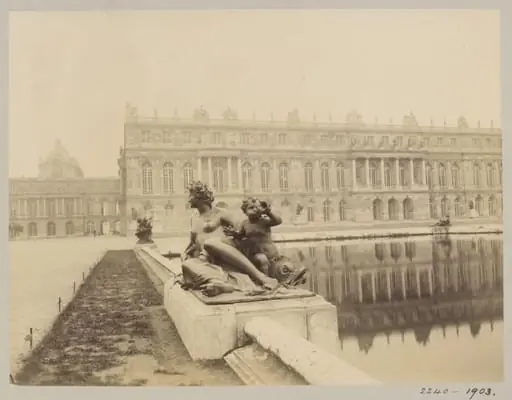
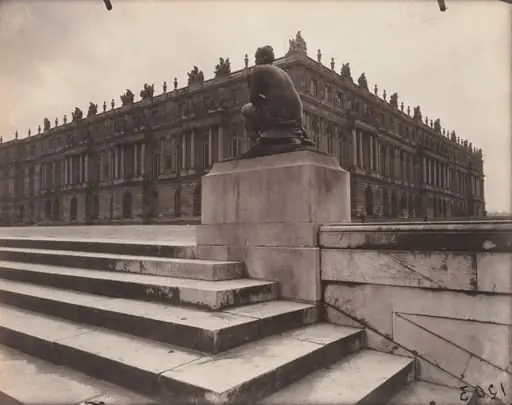
Cour d'honneur, Versailles, France
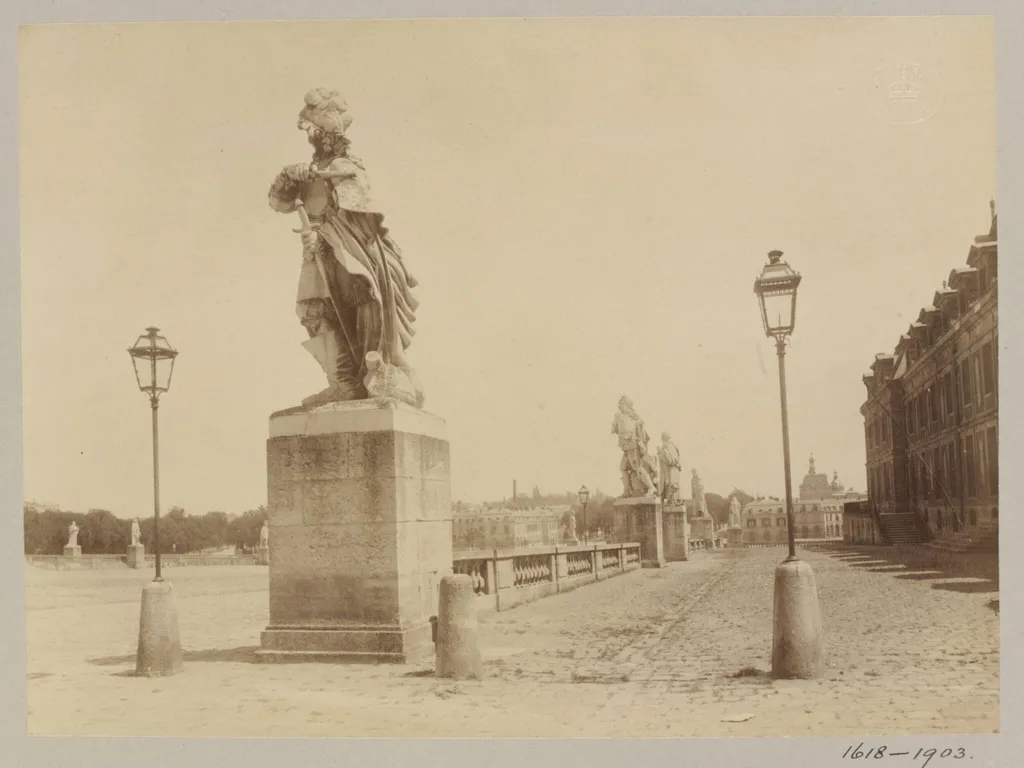
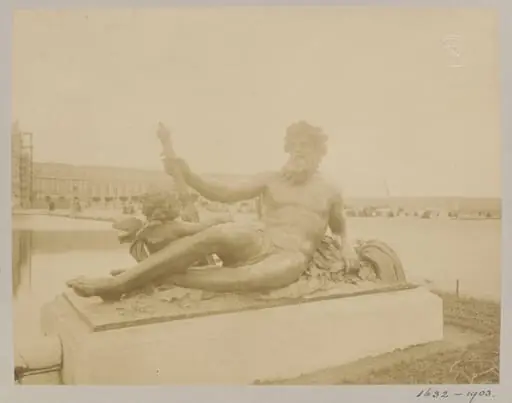
Cour d'honneur, Versailles, France is a photographic photography by Jean-Eugène-Auguste Atget. It dates from 1900 and is held in the collection of the Victoria and Albert Museum. Eugène Atget began photographing Paris in the late 1890s, systematically documenting its disappearing architecture and quiet urban spaces.
About this work
Atget spent years documenting “Old Paris” before it vanished, selling prints to museums like the Victoria and Albert.
Eugène Atget’s photograph shows a quiet courtyard in Versailles around 1900. It’s a straightforward picture, not flashy or posed. Atget spent years documenting “Old Paris” before it vanished, selling prints to museums like the Victoria and Albert.
He wasn’t famous in his time. Now we see his work as a time capsule of everyday places long gone.
Check out more prints by Atget at the Victoria and Albert Museum.
Overview
Eugène Atget began photographing Paris in the late 1890s, systematically documenting its disappearing architecture and quiet urban spaces. Though he initially aimed to supply reference material for artists and institutions, his methodical, unadorned approach captured more than mere documentation. His work, largely unnoticed during his lifetime, later gained recognition for its quiet intensity and unexpected psychological depth.
Subject & Meaning
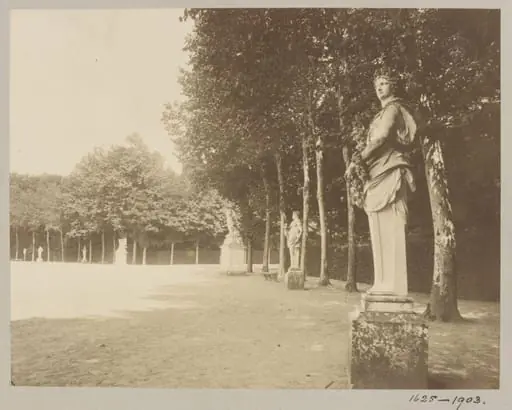
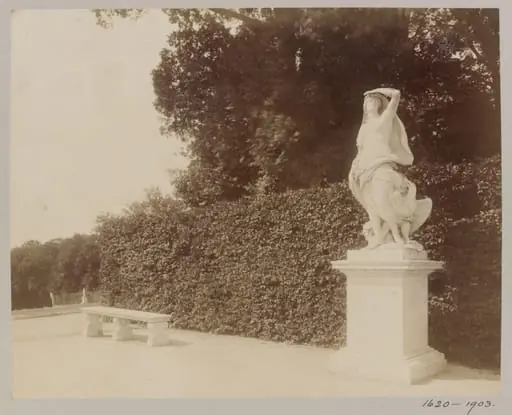
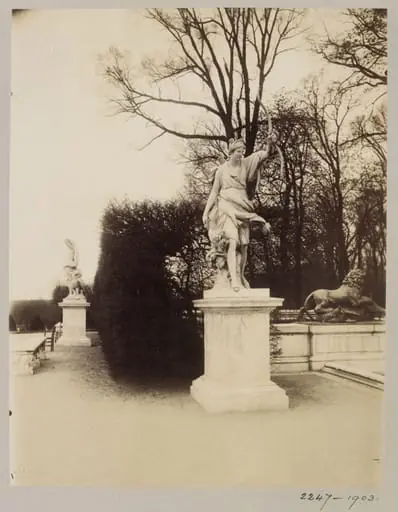
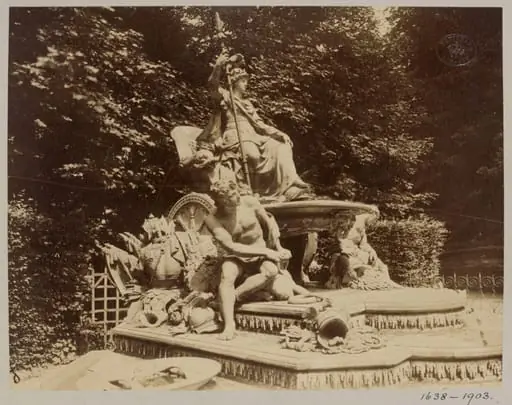
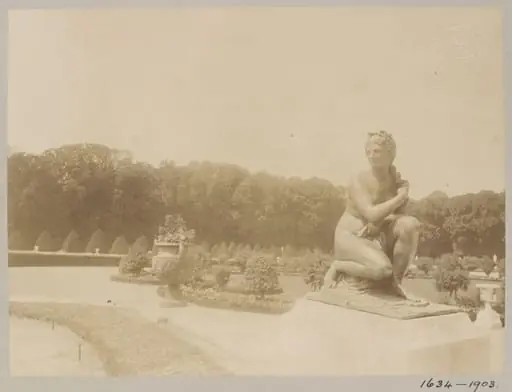
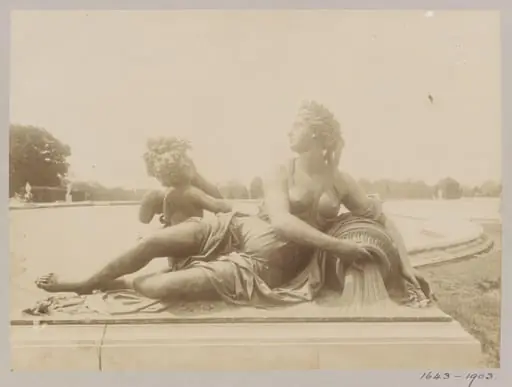
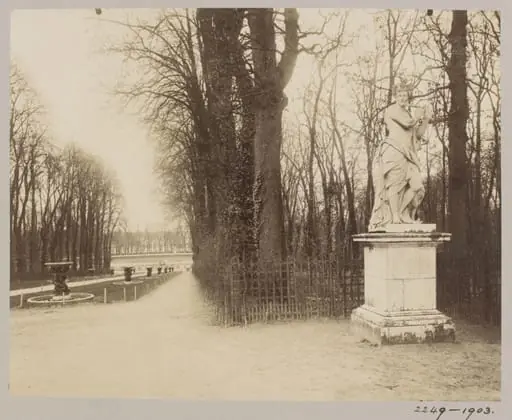
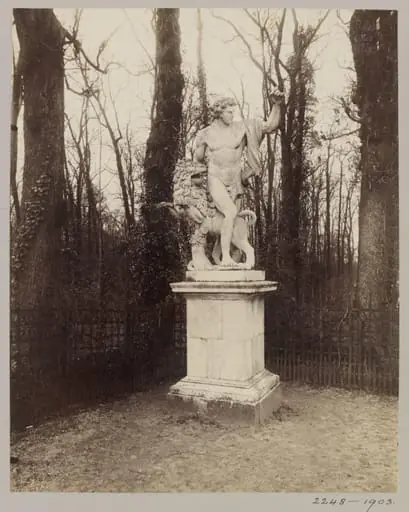
The photograph of Versailles’ cour d’honneur presents an empty, orderly courtyard with no human presence. Atget avoided grand narratives, focusing instead on the stillness of spaces shaped by time and neglect. The absence of activity invites contemplation, transforming the site from a symbol of royal power into a silent relic. These images evoke a sense of loss, not through drama, but through omission and stillness.
Technique & Style
Atget used a large-format camera and long exposures, producing sharp, detailed negatives that emphasized texture and structure. His compositions often employed frontal perspectives and balanced framing, avoiding dramatic angles. Shadows and light fall naturally, without manipulation. The resulting images feel untheatrical, as if the scene had simply been observed and preserved without intervention.
History & Provenance
Atget sold thousands of prints to museums, architects, and artists, including over 600 to the Victoria and Albert Museum. He lived modestly in Paris, working alone and rarely exhibiting. After his death in 1927, Berenice Abbott acquired his remaining negatives and prints, ensuring their preservation. Her efforts helped reintroduce his work to a new generation of photographers and critics.
Context
Atget worked during a period of rapid urban transformation in Paris, when Haussmann’s renovations erased narrow streets and medieval buildings. While others documented progress, he turned to forgotten corners, alleyways, and courtyards. His focus on vernacular architecture stood in contrast to official histories, offering an alternative record of the city’s material past.
Legacy
By the 1930s, critics like Walter Benjamin began interpreting Atget’s images as haunting, almost surreal—evoking absence rather than presence. His work influenced modernist photographers who valued objectivity and emotional resonance over spectacle. Today, his photographs are studied not for their documentary utility, but for their quiet, enduring power to convey time’s passage.
Artist & collection
Artist
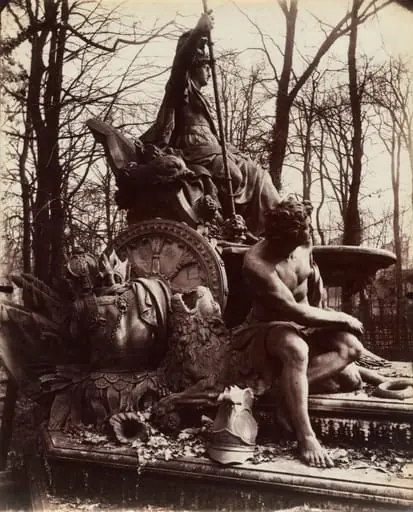
Jean-Eugène-Auguste Atget spent the early 1900s photographing Versailles when tourists were scarce, turning empty courtyards and statues into quiet studies of light and weather.