Artwork
Anniversary Print: From the People Who Brought You Thalidomide...
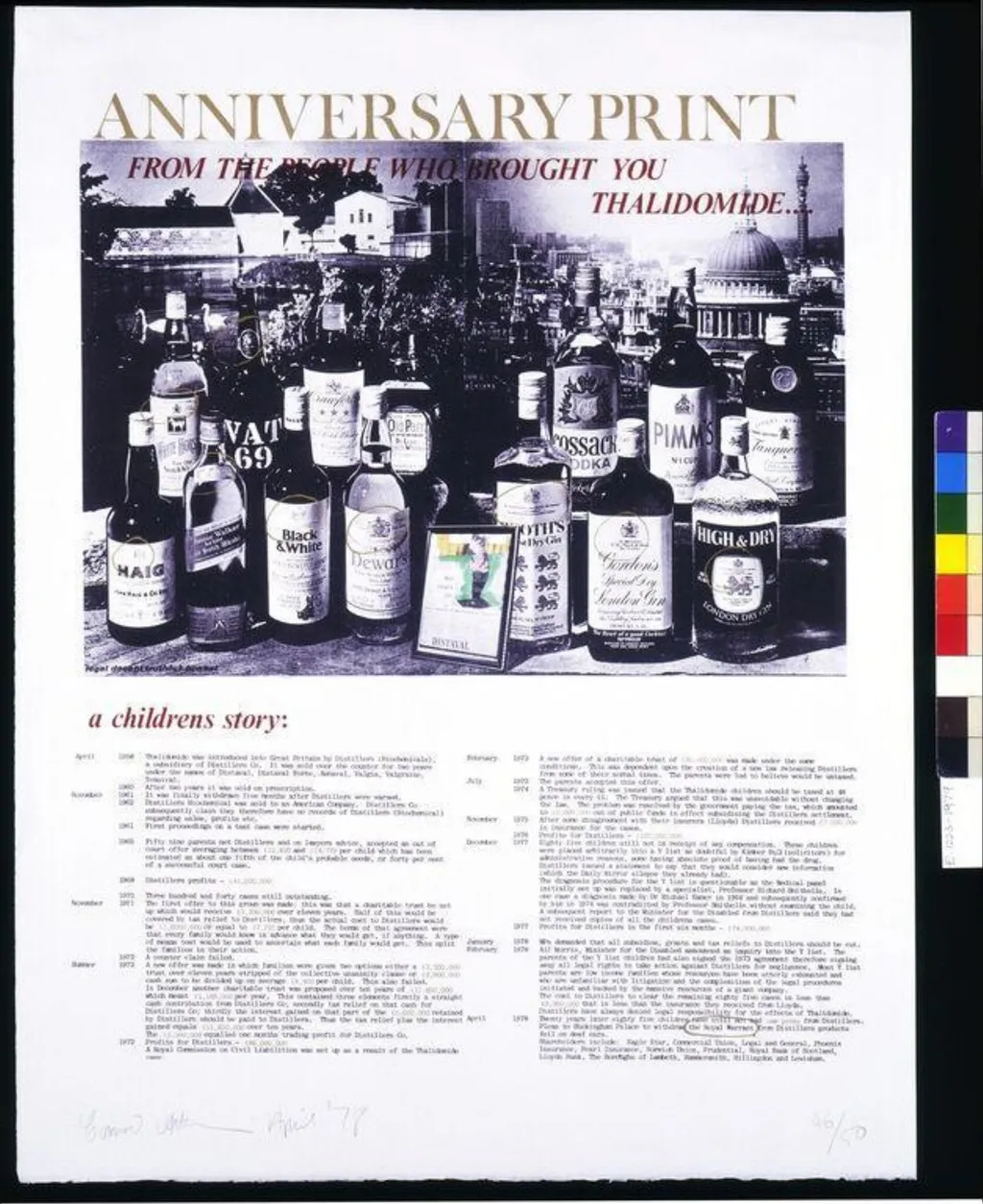
Anniversary Print: From the People Who Brought You Thalidomide... is a print by Conrad Atkinson. It dates from 1978 and is held in the collection of the Victoria and Albert Museum.
About this work
Overview
Conrad Atkinson’s print, created for the University College London 150th anniversary, juxtaposes a corporate royal seal with the tragic legacy of thalidomide. The work critiques the profit‑driven practices of The Distillers Company, whose product caused severe birth defects between 1959 and 1961, and highlights the ongoing legal battles of affected families nearly two decades later.
Subject & Meaning
The image foregrounds the exploitation of ordinary workers and unborn children by powerful institutions. By linking the company’s royal warrant—allowing it to display a coat of arms—to the suffering of thalidomide victims, Atkinson underscores the dissonance between public prestige and private harm.
Technique & Style
Executed as a print, the piece employs stark graphic contrasts and symbolic motifs to convey its message. Atkinson’s use of corporate insignia alongside unsettling references to bodily deformities creates a visual tension that forces viewers to confront the ethical implications of commercial success.
History & Provenance
Commissioned for a celebratory portfolio presented to the Queen Mother, who served as Chancellor of UCL, the work was intended as a formal tribute. Atkinson repurposed the commission to expose The Distillers Company’s conduct, turning a ceremonial object into a vehicle for social criticism.
Context
The print emerged at a time when public awareness of thalidomide’s devastation was growing, and legal claims against the manufacturer were still unresolved. The Distillers Company, a highly profitable firm with a royal endorsement, faced increasing scrutiny for its role in the scandal.
Legacy
Atkinson’s intervention remains a notable example of art used as political commentary, illustrating how institutional celebrations can be subverted to reveal hidden injustices. The work continues to be referenced in discussions of corporate accountability and the ethical responsibilities of artists.
Artist & collection

 The Botanist
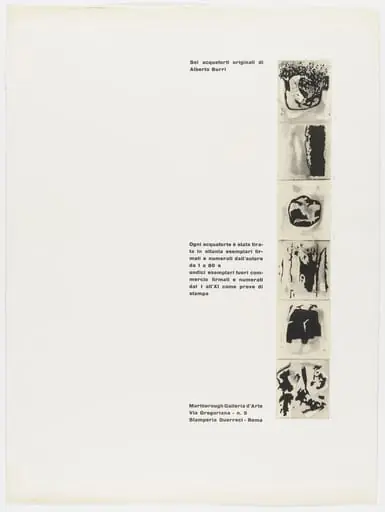 Untitled
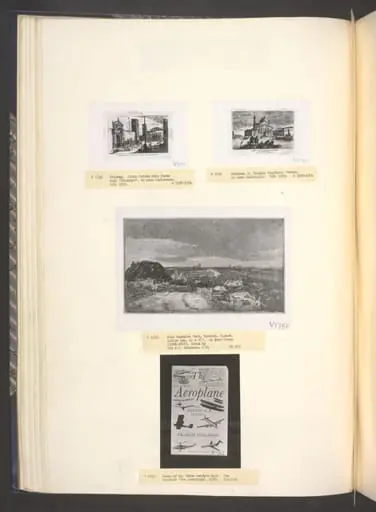 Near Magdalen Gate, Norwich
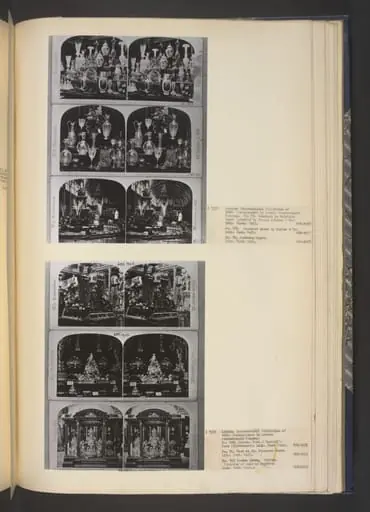 The International Exhibition of 1862
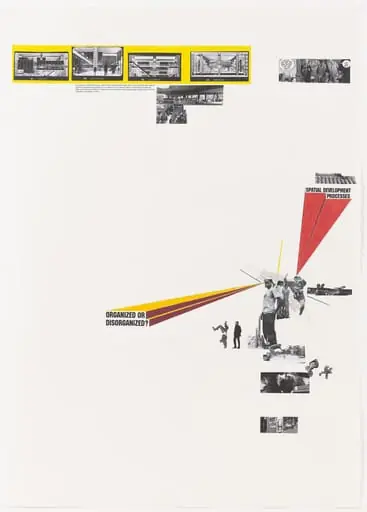 Untitled
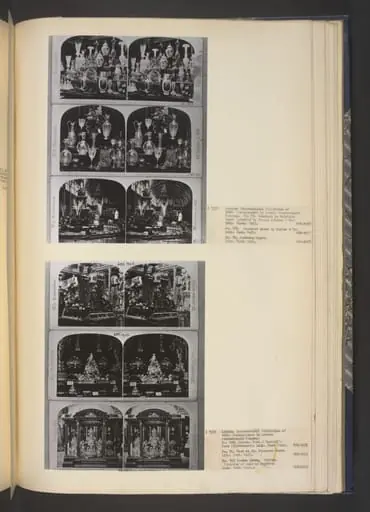 Stereoscopic photograph (No. 122) of Messrs. Hunt and Roskell's case at the International Exhibition of 1862
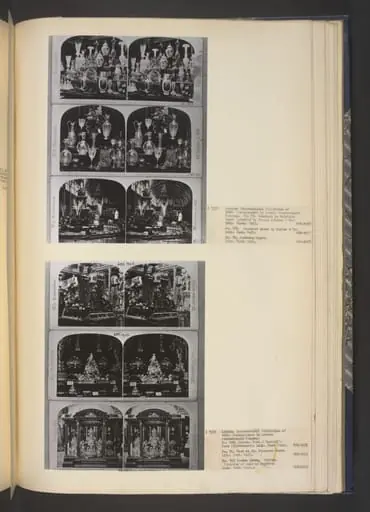 Stereoscopic photograph (No. 70) of the Austrian Court at the International Exhibition of 1862
 Untitled
 Harry Beard Print Collection
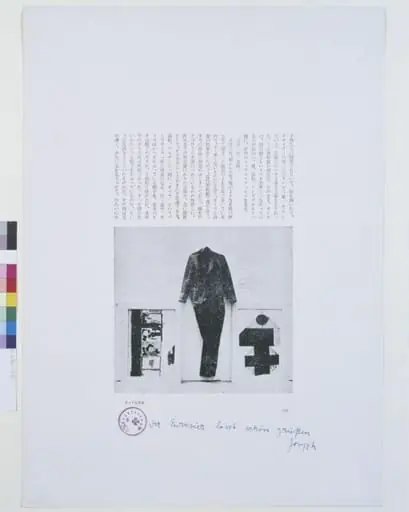 Print I
 'Cain et sa race maudits de Dieu' by Antoine Etex and other statuary exhibited at Crystal Palace