Artwork
J.P. Bignon
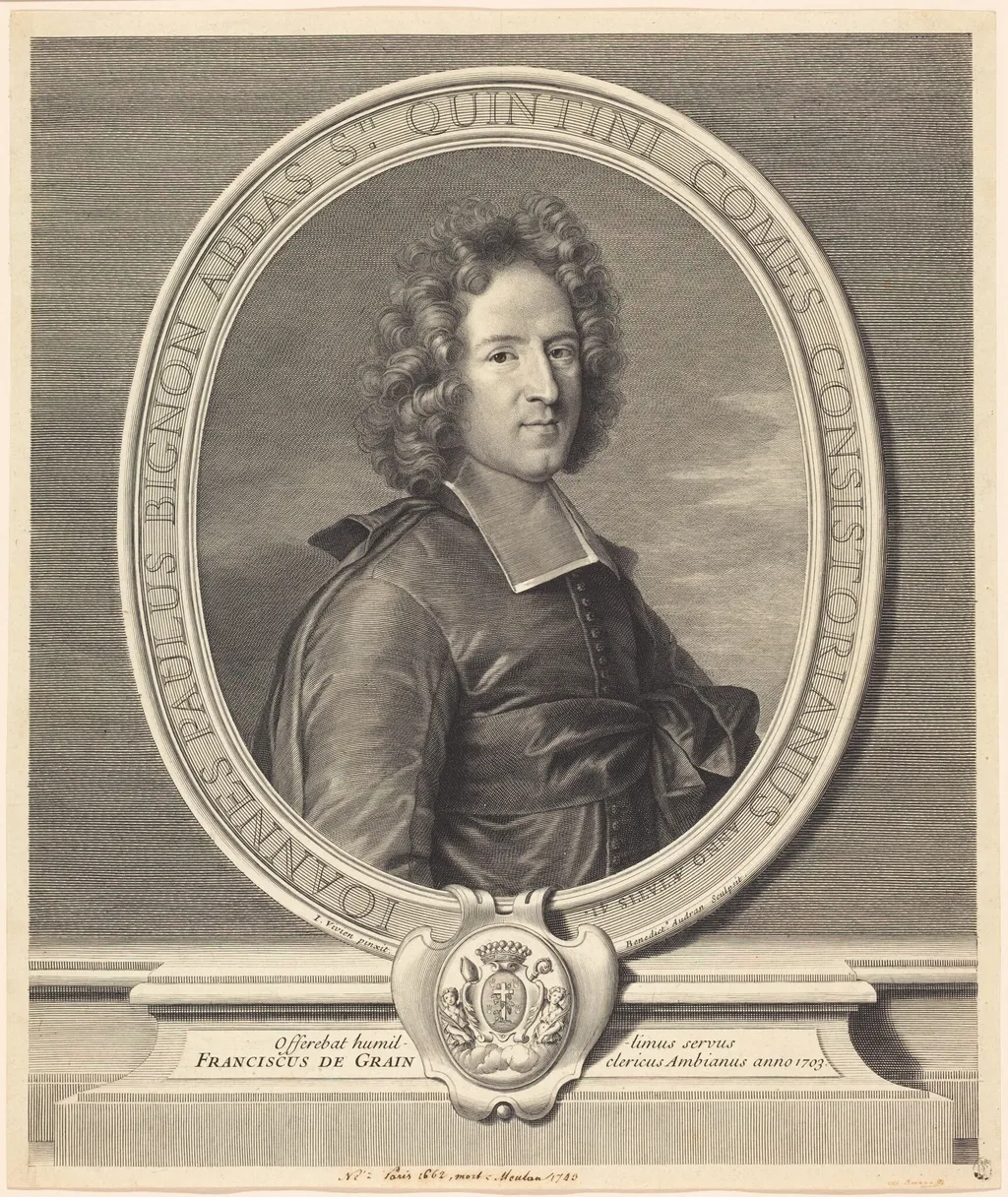
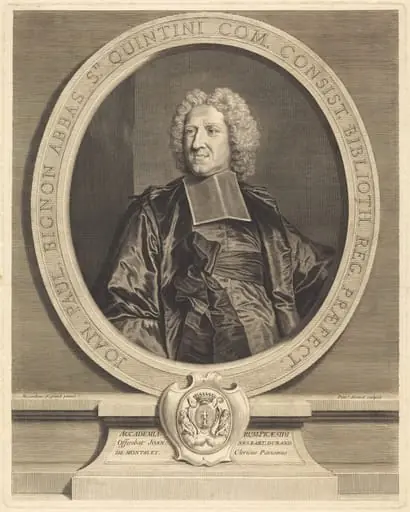
J.P. Bignon is an ink print by the Baroque artist Benoît Audran I. It dates from 1691 and is held in the collection of the National Gallery of Art.
About this work
Overview
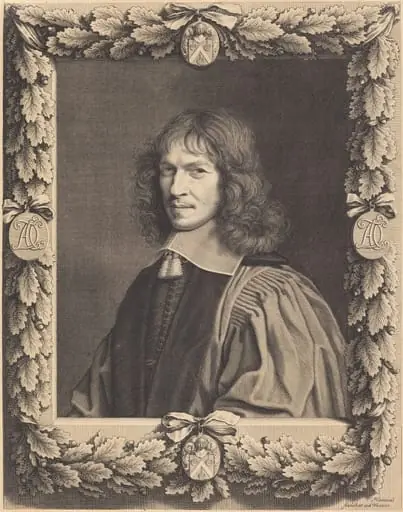
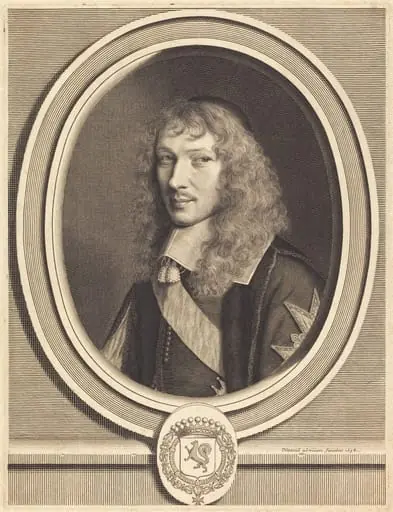
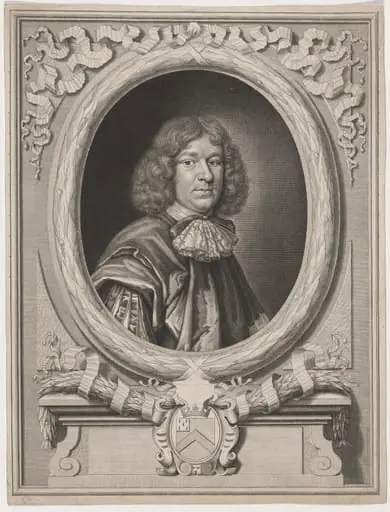
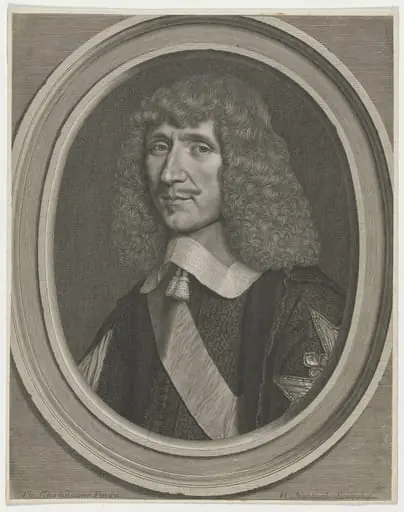
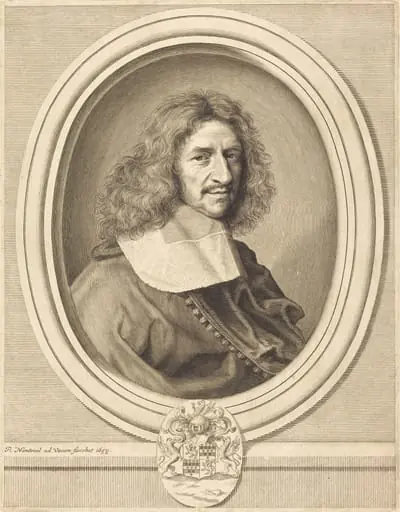
This 1691 engraving by Benoît Audran I depicts J.P. Bignon, a French legal scholar and administrator. Rendered in monochrome, the portrait presents a formal, restrained composition typical of late 17th-century printmaking. The subject is framed within an ornate oval border, emphasizing the scholarly status of the sitter through deliberate visual framing and detail.
Subject & Meaning
J.P. Bignon is portrayed with a solemn expression, dressed in a high-collared garment indicative of official or academic rank. He holds a document in his left hand, signaling his role in legal or bureaucratic affairs. The coat of arms on his chest, featuring a crown and abstract charges, likely represents familial or institutional heraldry, reinforcing his social and professional standing.
Technique & Style
Audran employed fine, controlled lines to model the sitter’s features and fabric textures, characteristic of French engraving at the time. The decorative oval frame, with its intricate linear patterns, reflects the period’s preference for ornamental borders in portraiture. The absence of color and the precision of the etching underscore the print’s function as a dignified, reproducible likeness.
History & Provenance
The engraving was produced in 1691, during Audran’s early career in Paris. The inclusion of 'Franciscus de Grain' beneath the image may reference a publisher, engraver, or earlier source, though the subject remains clearly identified as Bignon. The work likely served as a portrait for scholarly circles or institutional archives, circulating among legal and academic communities.
Context
In late 17th-century France, engraved portraits of jurists and officials were common tools for establishing public recognition and legacy. Bignon, as a prominent figure in the Parlement of Paris, would have been a fitting subject for such a print. The style aligns with other official portraits of the era, blending realism with symbolic elements to convey authority and erudition.
Legacy
Though not widely reproduced today, the engraving remains a documented example of French portraiture in the age of absolutism. It contributes to the visual record of administrative elites and reflects the role of print in shaping professional identity. Audran’s work here exemplifies the quiet precision of his craft, valued in its time for its clarity and dignity.
Artist & collection