Artwork
Henri Du Plessis
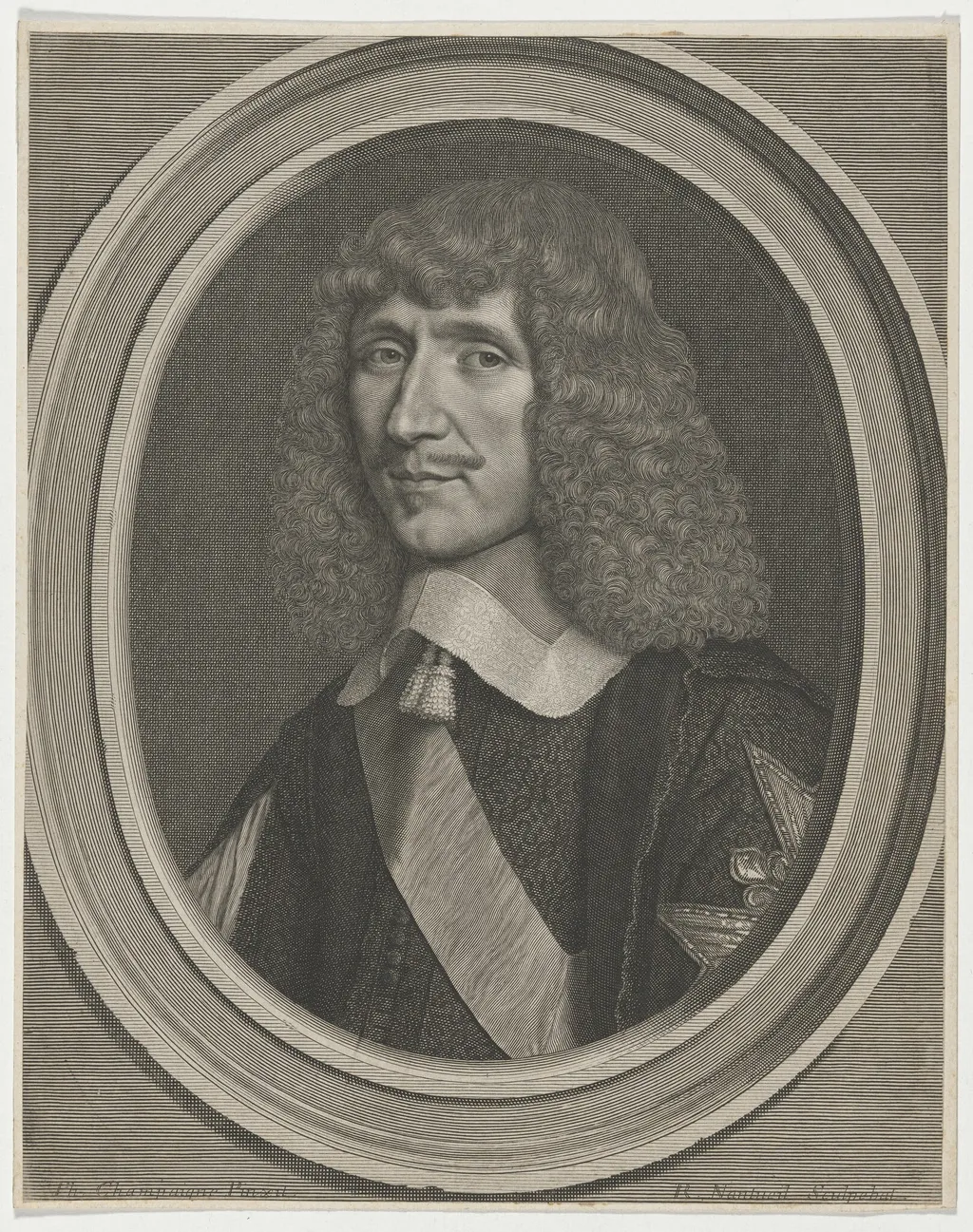
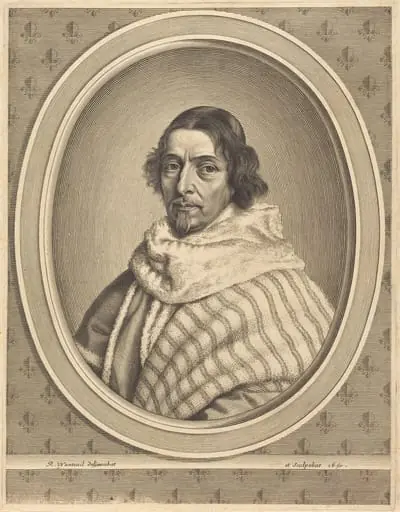
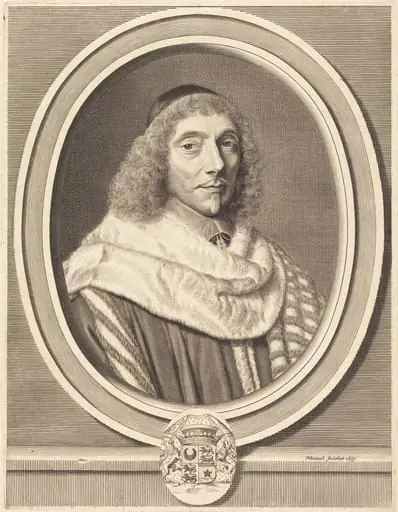
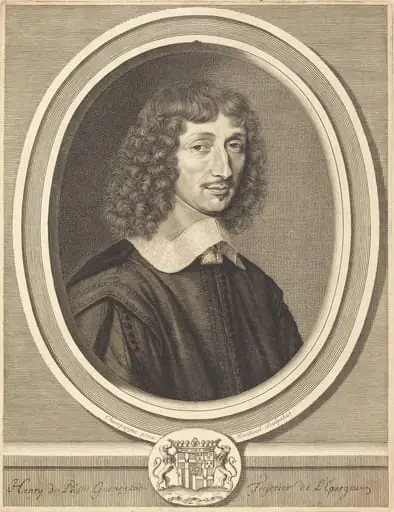
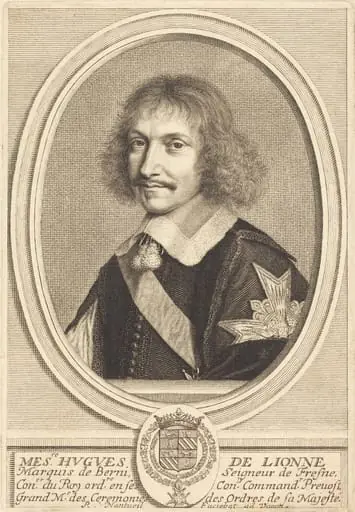
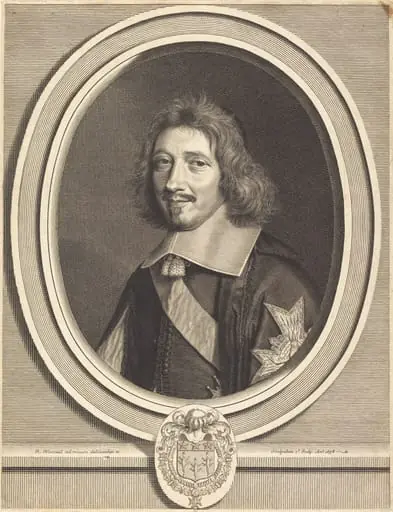
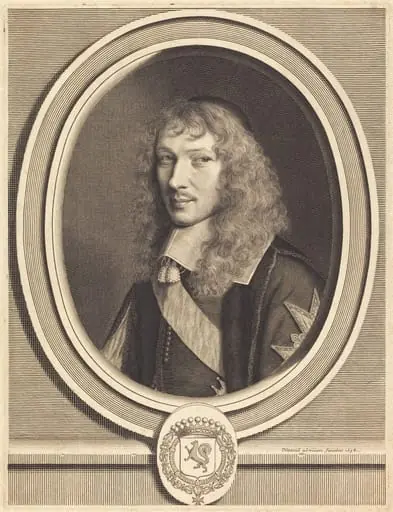
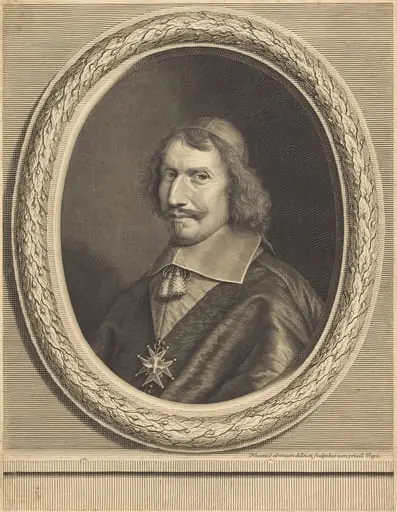
Henri Du Plessis is an ink print by the Baroque artist Robert Nanteuil. It dates from 1650 and is held in the collection of the National Gallery of Art.
About this work
Overview
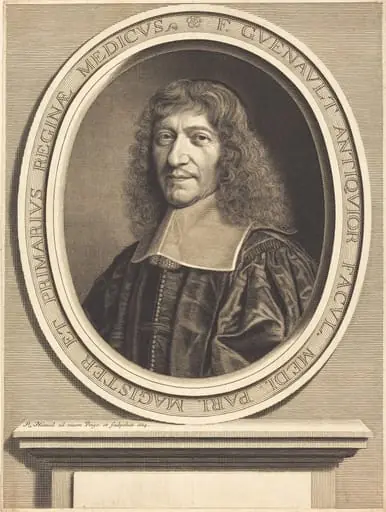
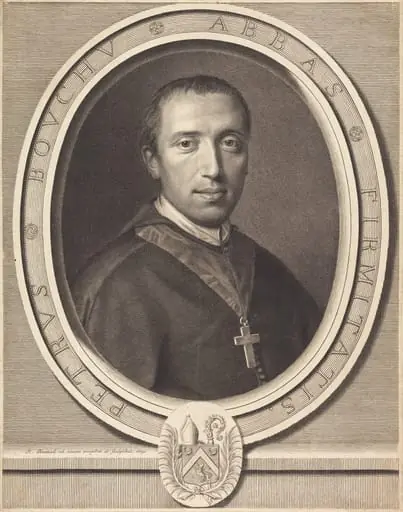
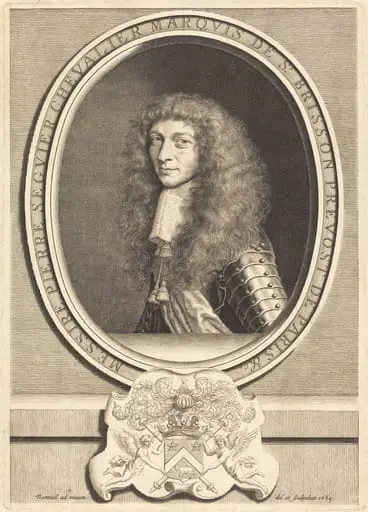
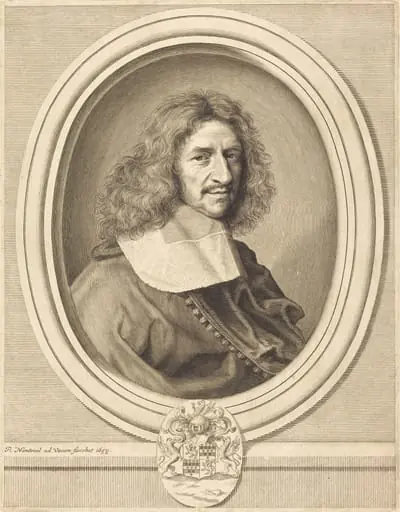
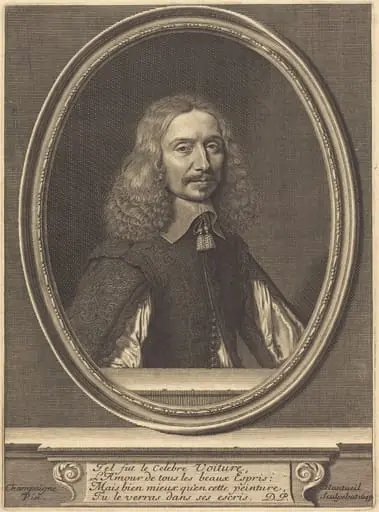
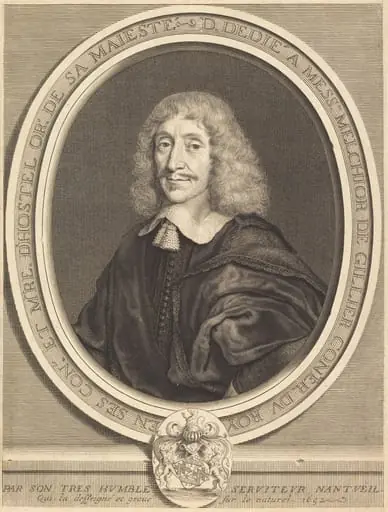
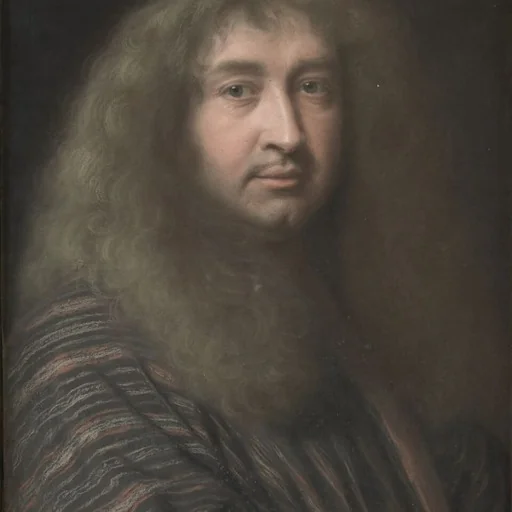
Henri Du Plessis is a 1650 engraved portrait by Robert Nanteuil, a leading French engraver of the mid‑seventeenth century. Executed in black ink on paper, the print presents a single figure framed by a dark oval and subtle shading that isolates the sitter against a plain background.
Subject & Meaning
The portrait shows Henri Du Plessis, a man of some standing in the Louis XIV era, rendered with a solemn expression, curled hair, and a high collar. The inclusion of a lace cuff suggests a status of refinement, while the restrained pose reflects the conventions of official likenesses intended for courtly or administrative use.
Technique & Style
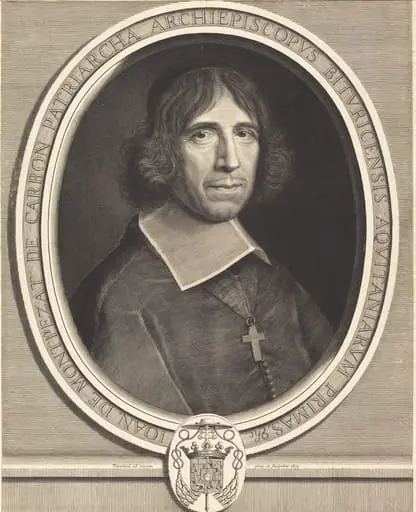
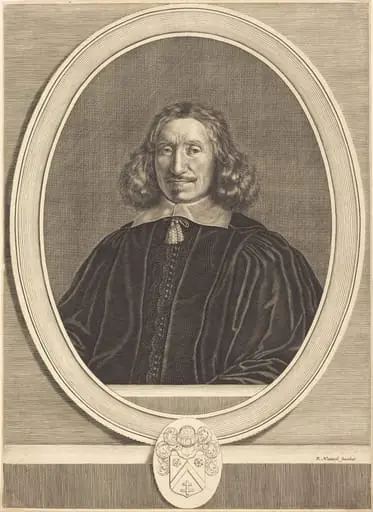
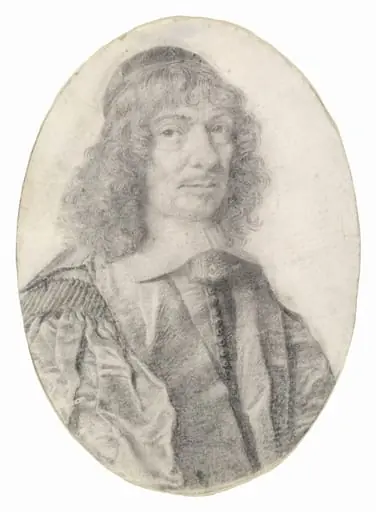
Nanteuil employs fine cross‑hatching to build tonal depth, layering countless parallel lines to model the hair, fabric and facial features. This meticulous linework creates a nuanced gradation of light and shadow without colour, exemplifying the engraver’s skill in achieving texture and three‑dimensionality through ink alone.
History & Provenance
Created during Nanteuil’s tenure as a portraitist for the French monarchy, the print was likely circulated among the elite circles of the royal court. As a work that contributed to Nanteuil’s reputation, it has been preserved in several European print collections, documenting the artist’s role in documenting prominent figures of his time.
Artist & collection
Artist
Robert Nanteuil (French pronunciation: ; 1623 – 9 December 1678) was a French portrait artist: engraver, draughtsman and pastellist to the court of Louis XIV.